Micropile Cement Grouting Equipment
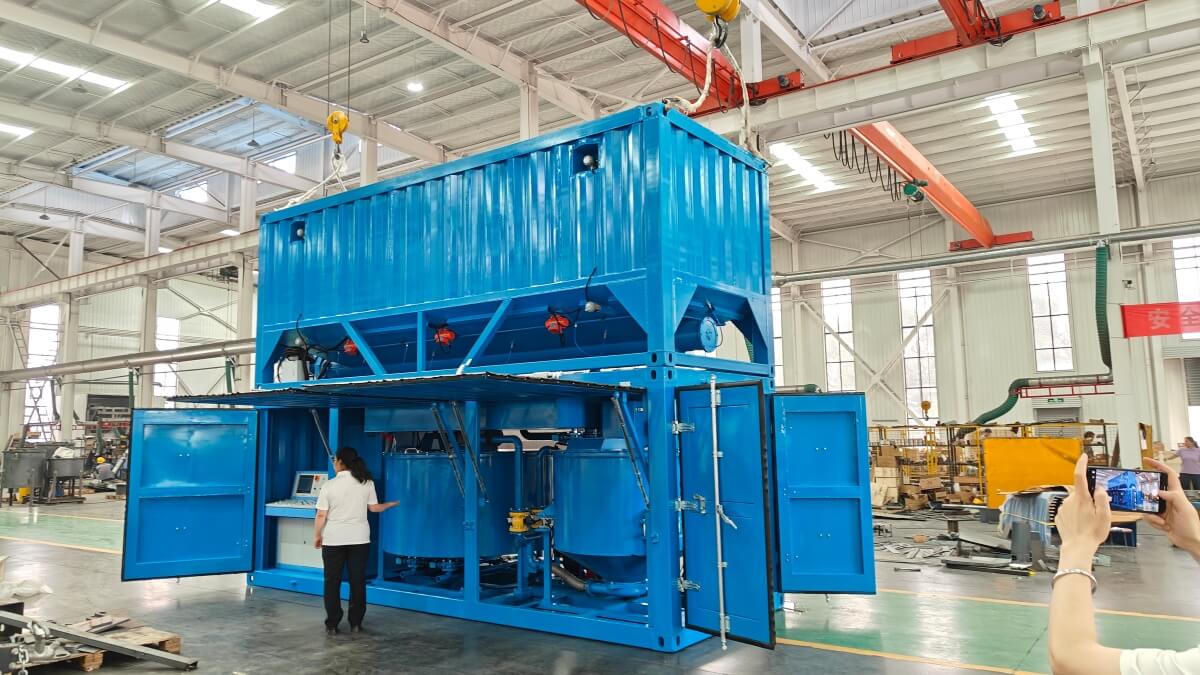
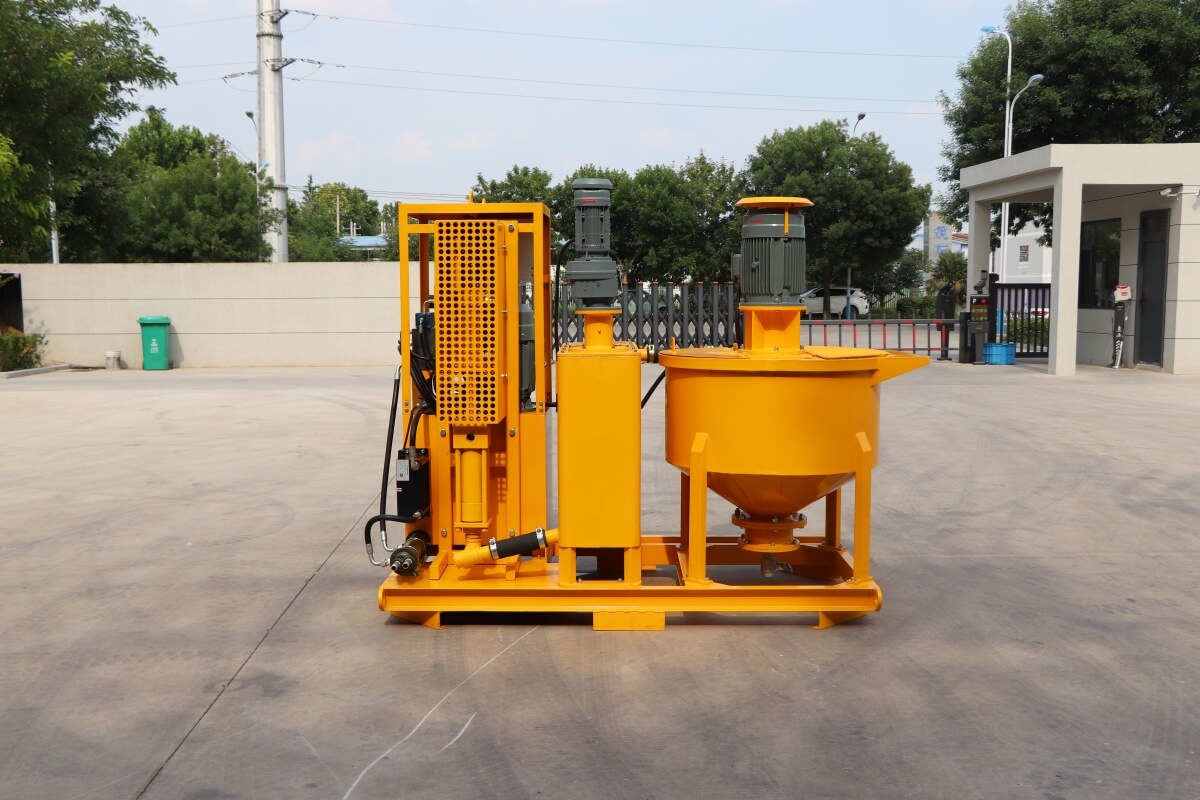
Cement grouting equipment is used for the preparation, storage, continuous agitation, and pressure delivery of cement grout. A well-configured setup—comprising a grout mixer, storage/agitation tank, and grout pump—creates a continuous, stable grouting system that ensures a reliable supply of grout for micropiles of varying depths, diameters, and construction methods. Micropiles are characterized by small diameters, flexible construction, high load-bearing capacity, and strong site adaptability; they are widely used for building underpinning, structural reinforcement, bridge foundation repair, and piling in confined spaces. Cement grouting is a critical step in micropile construction, as grout quality, injection pressure, and the actual volume injected directly influence pile strength and the bond between the pile and the surrounding soil.
Primary Functions of Micropile Cement Grouting Equipment
After the micropile borehole is drilled and the reinforcement (such as a steel cage, threaded rebar, or steel pipe) is inserted, cement grout must be injected into the hole. Once the grout fills the borehole, it encapsulates the steel reinforcement and bonds with the surrounding soil or rock, forming a complete load-bearing structure.
Professional micropile grouting equipment allows for precise control of the water-cement ratio, grout flow rate, and injection pressure in accordance with design specifications, thereby minimizing quality fluctuations associated with manual mixing. Continuous grout supply prevents prolonged pauses during the injection process, reducing the risks of grout sedimentation, pipeline blockages, and incomplete filling of the borehole.
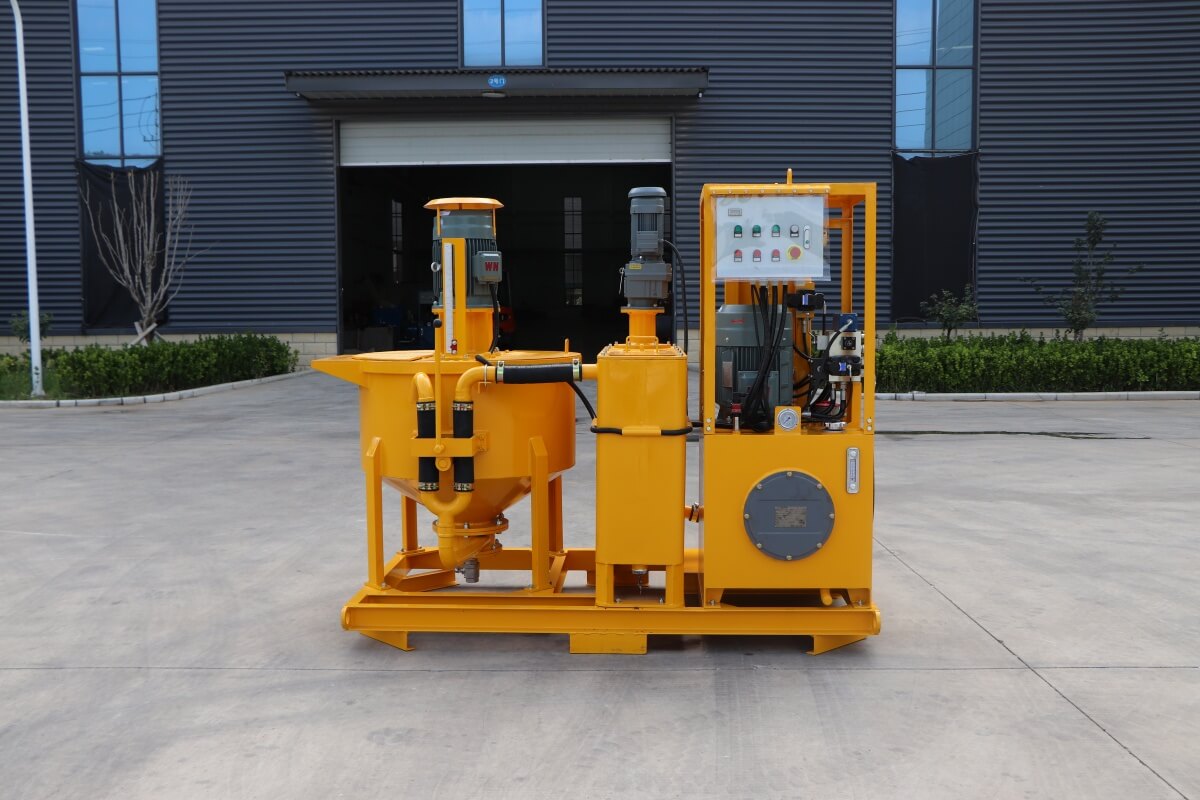
Components of a Complete Micropile Grouting System
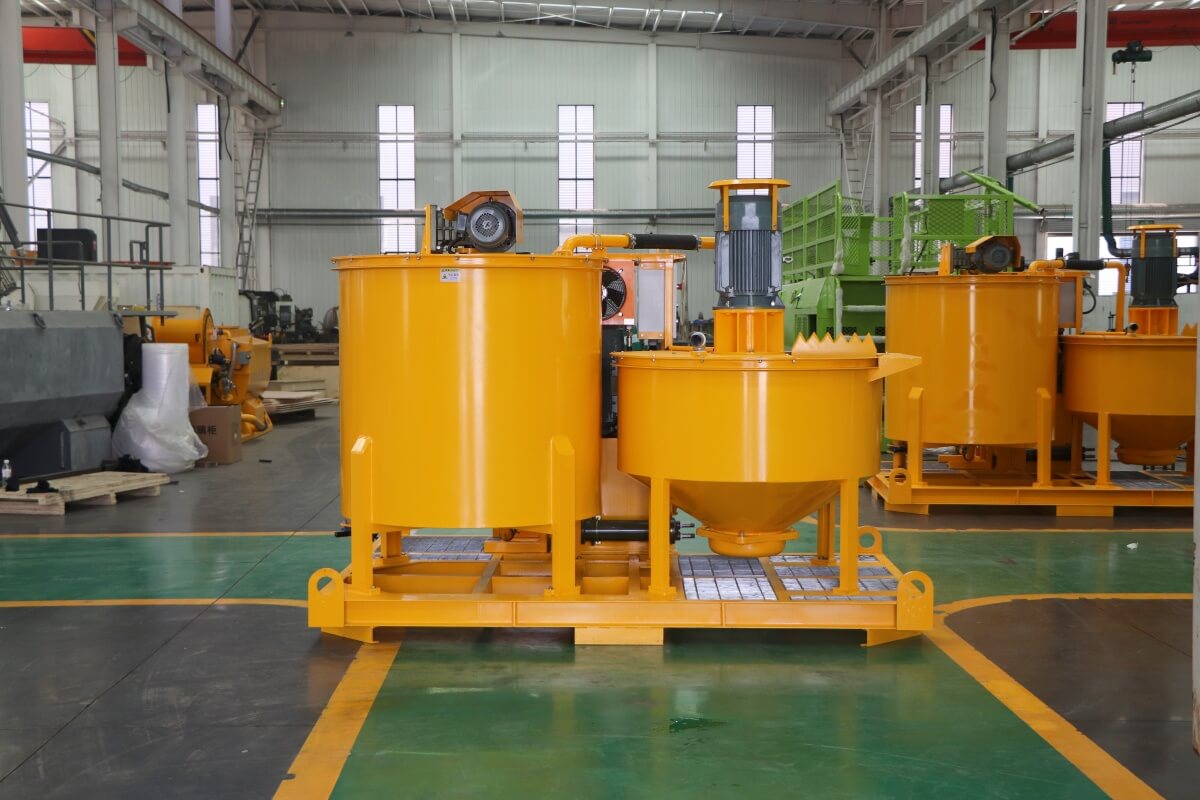
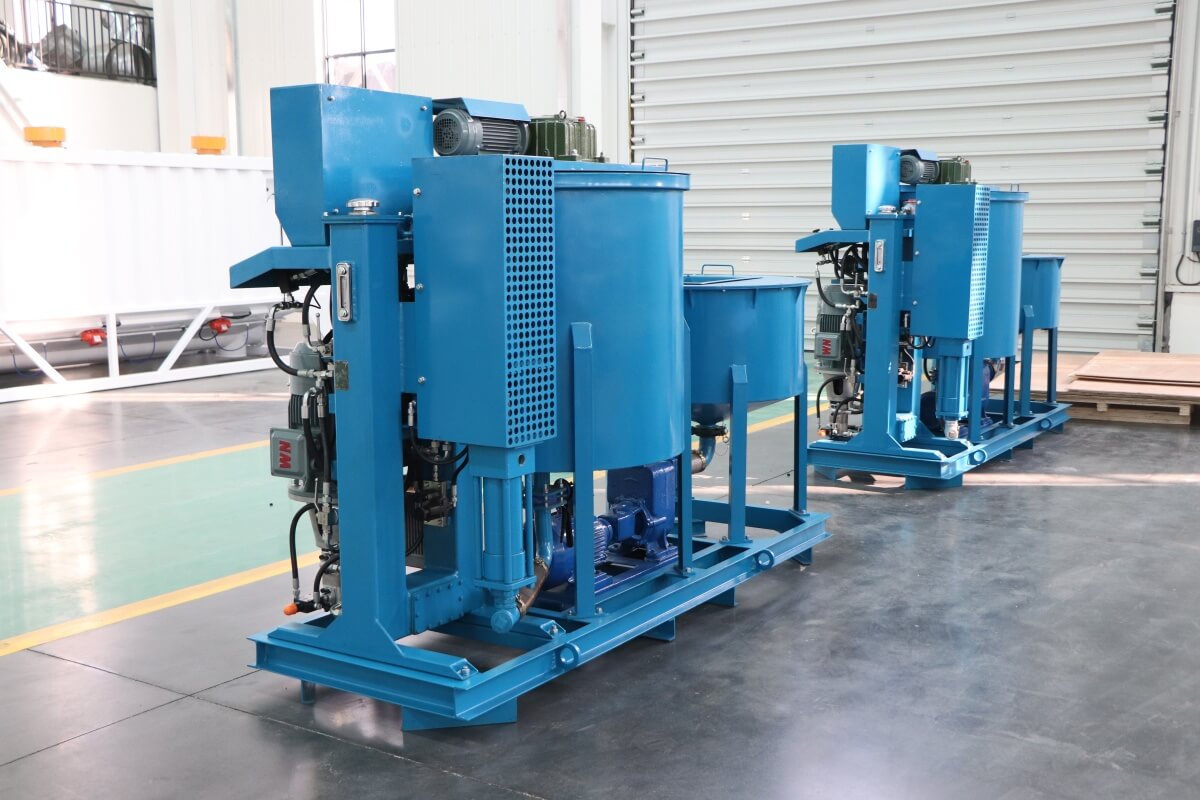
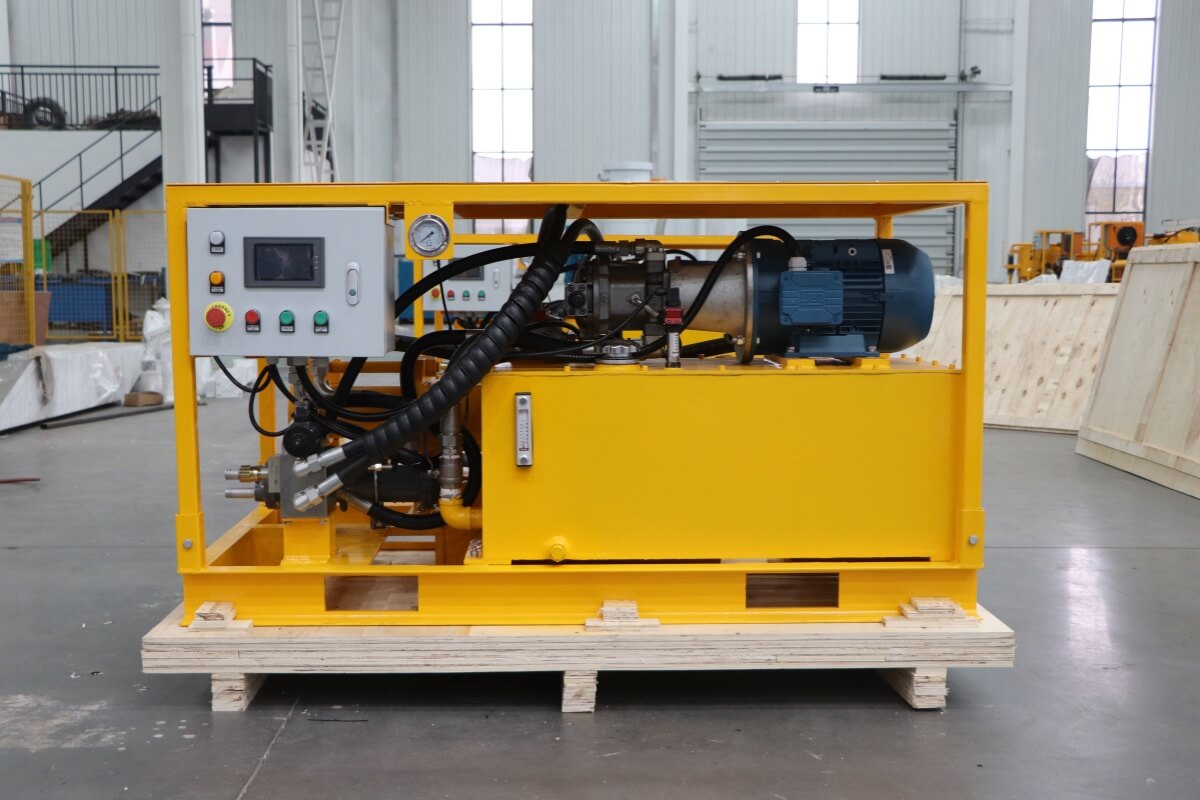
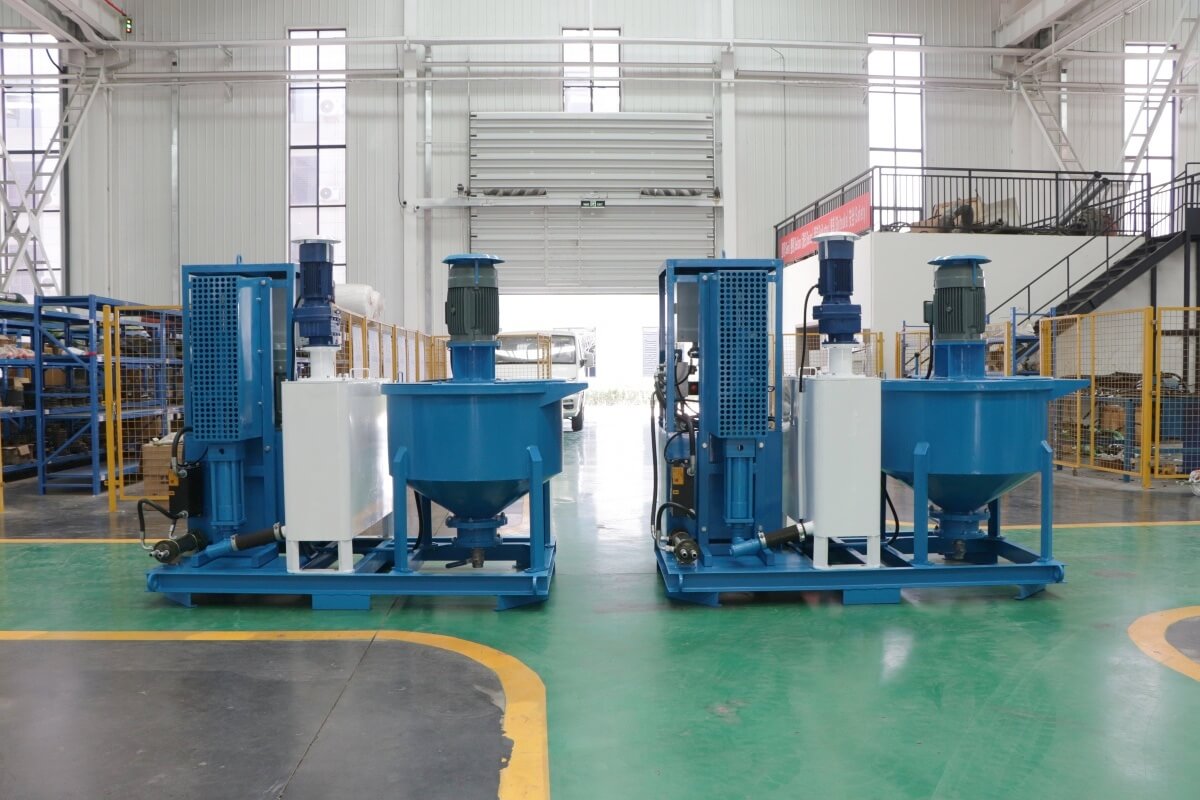
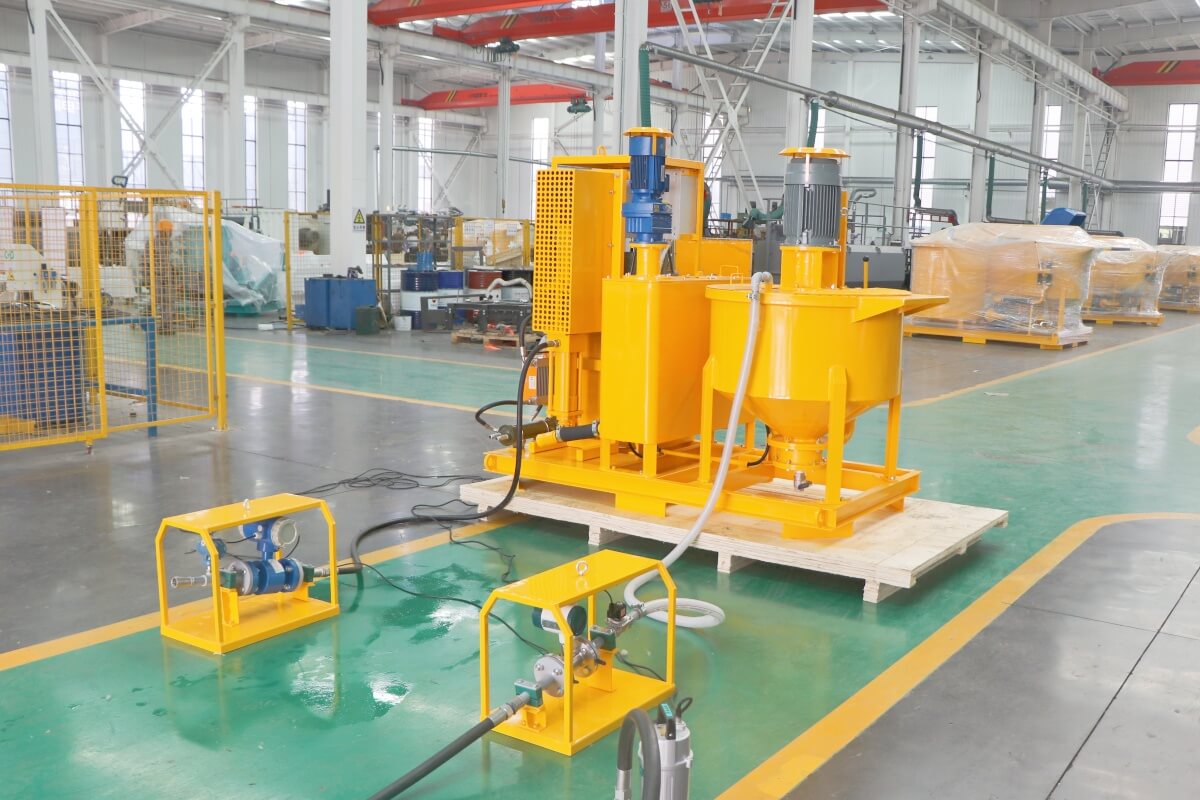
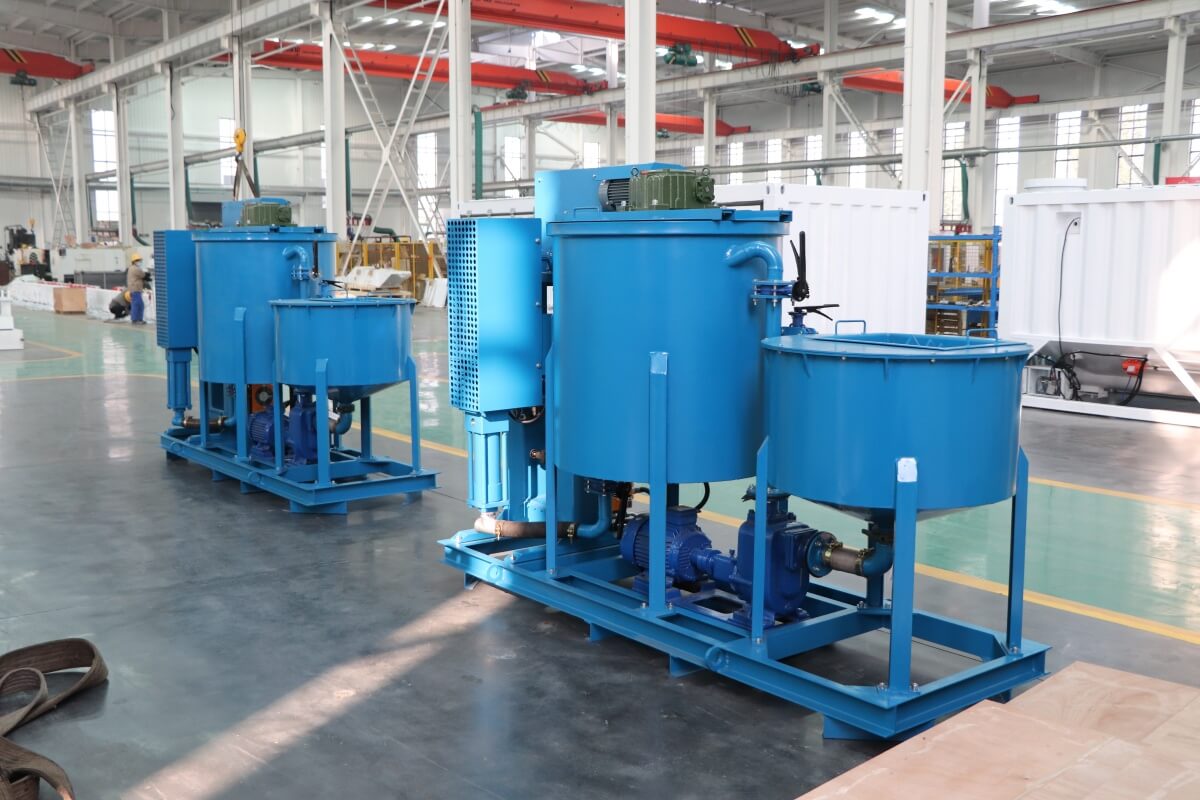
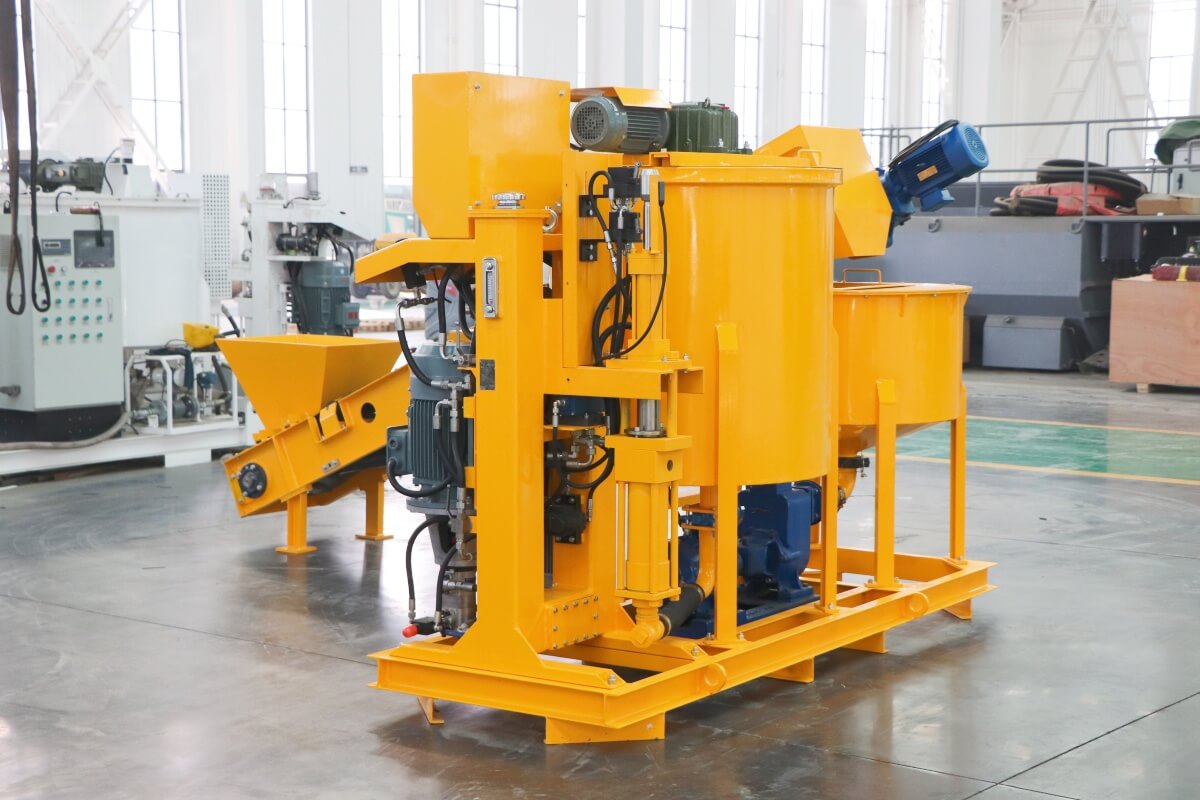
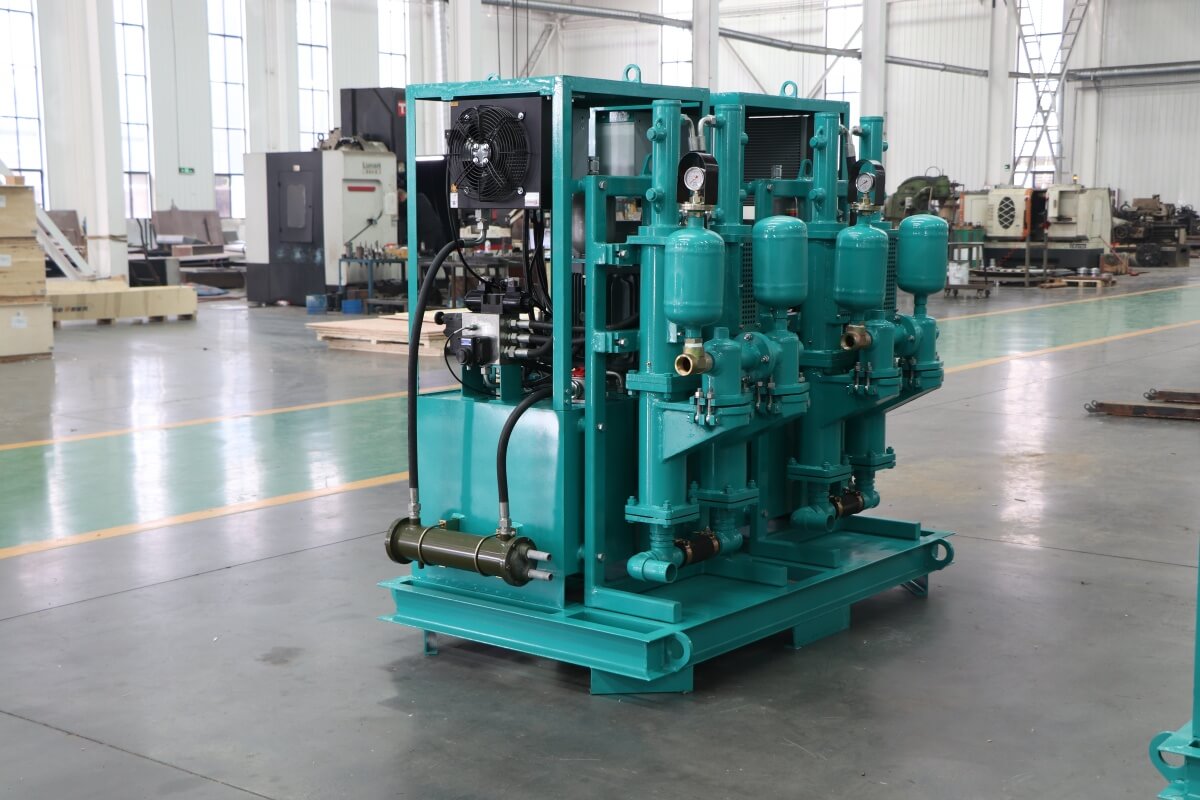
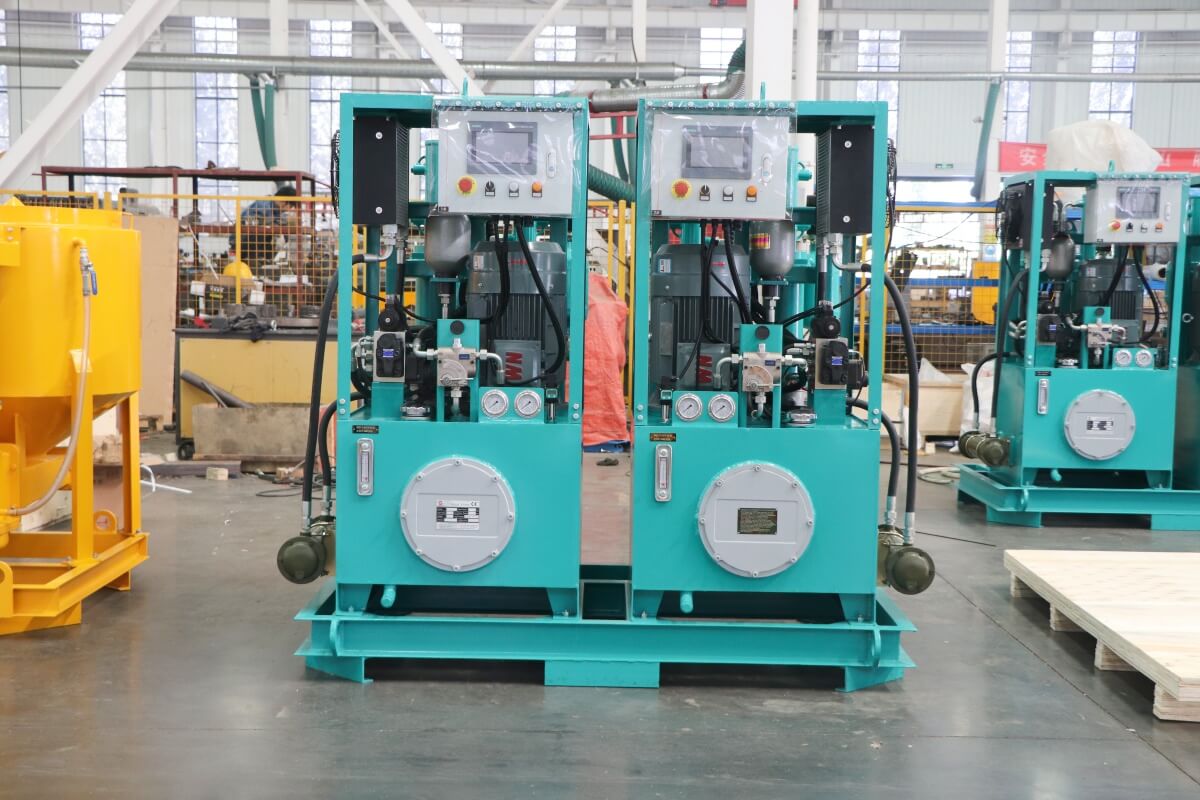
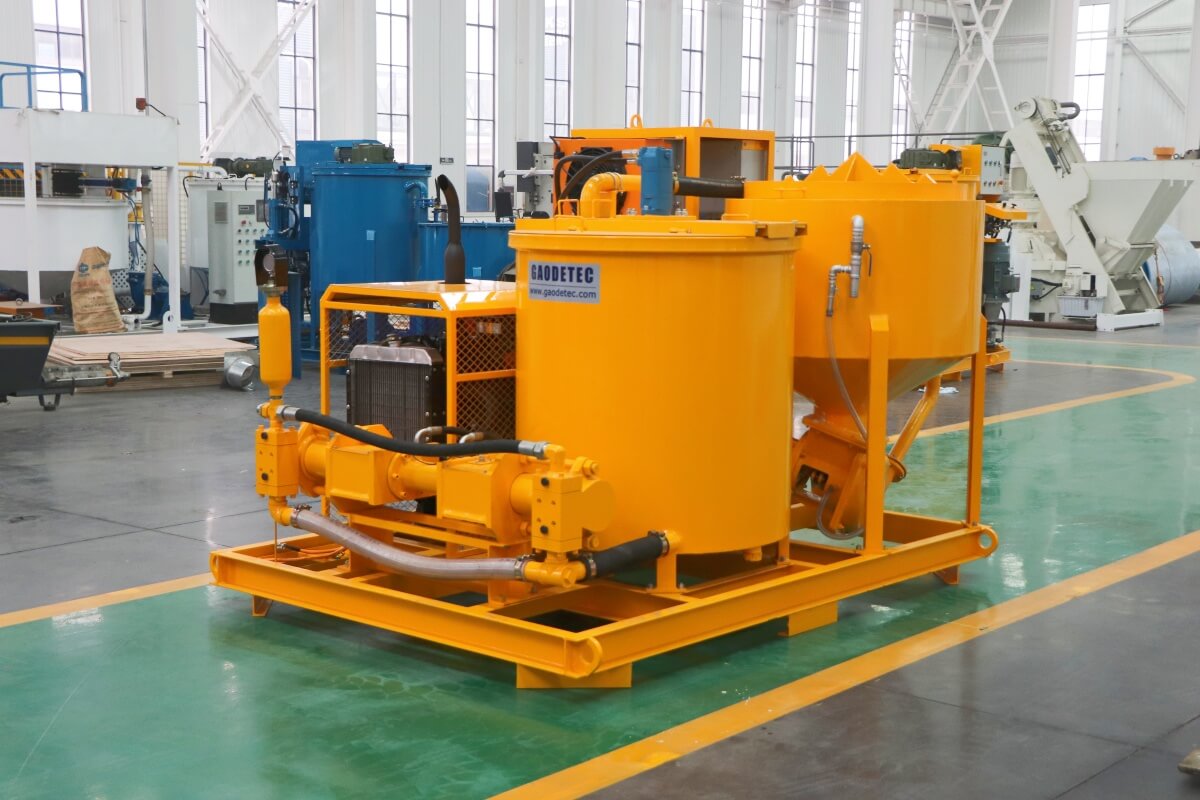
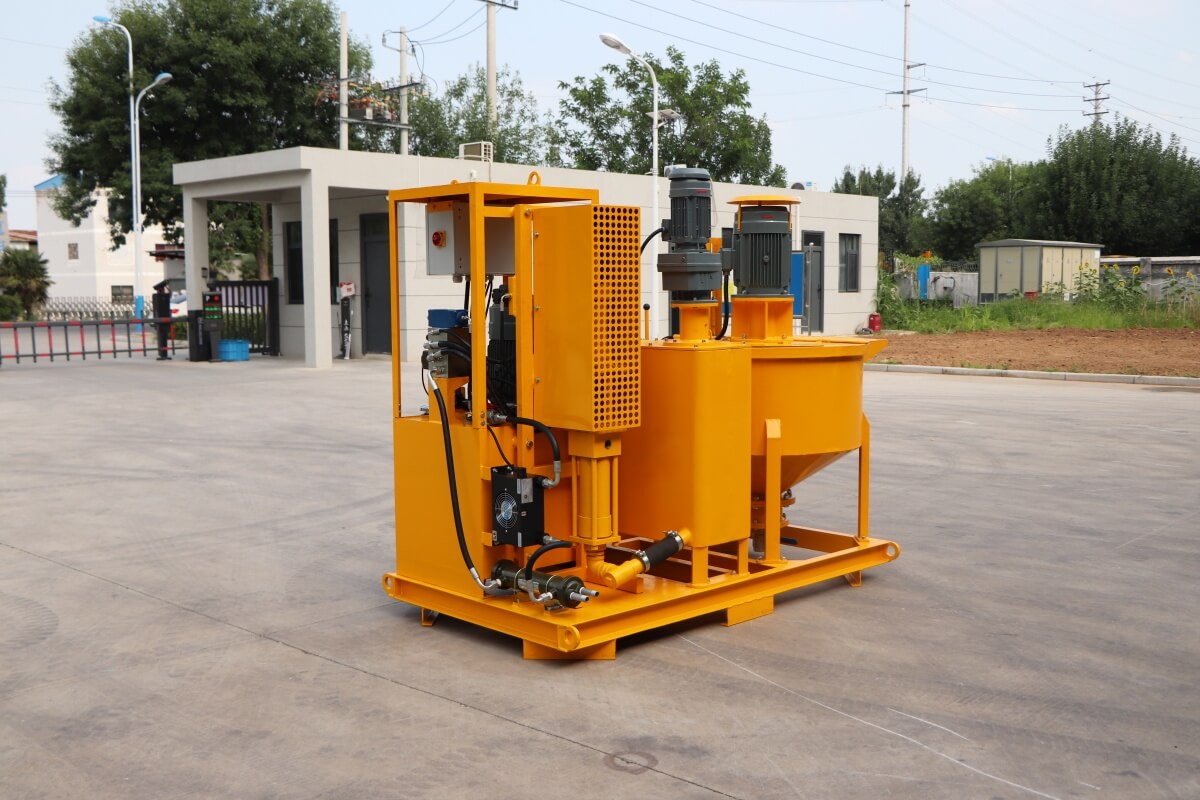
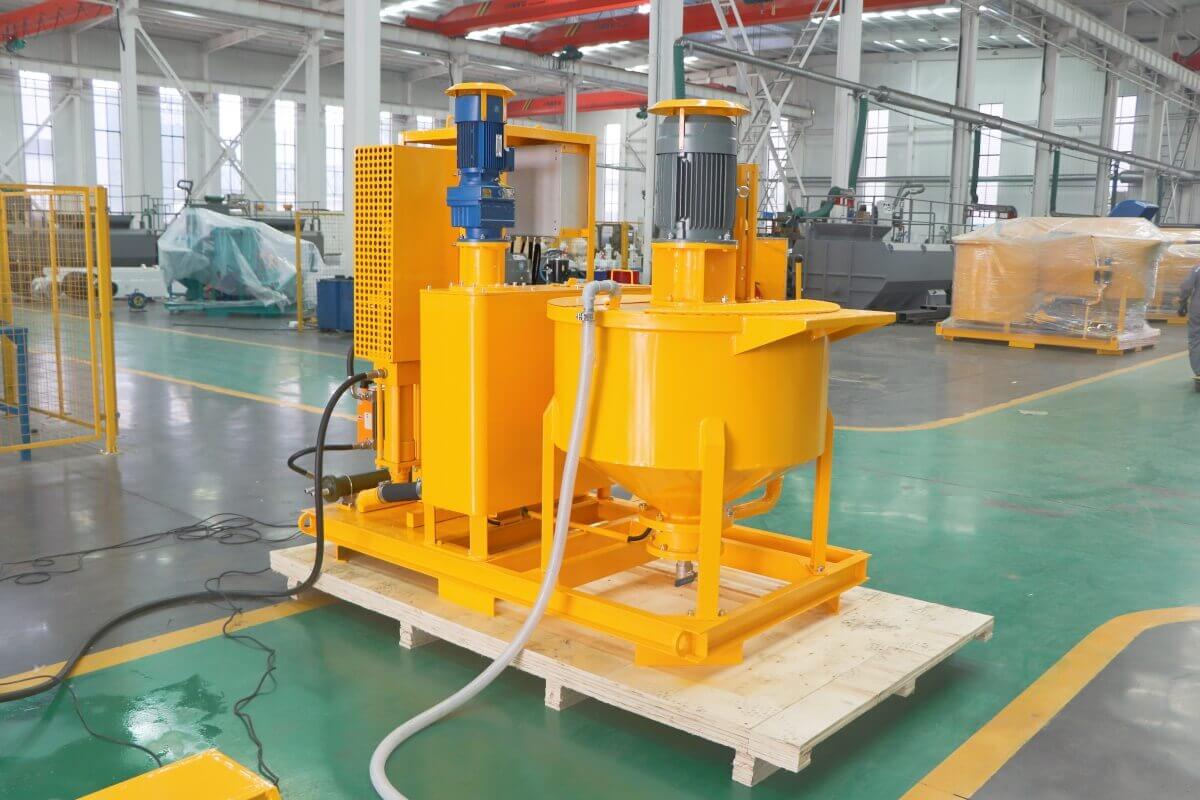
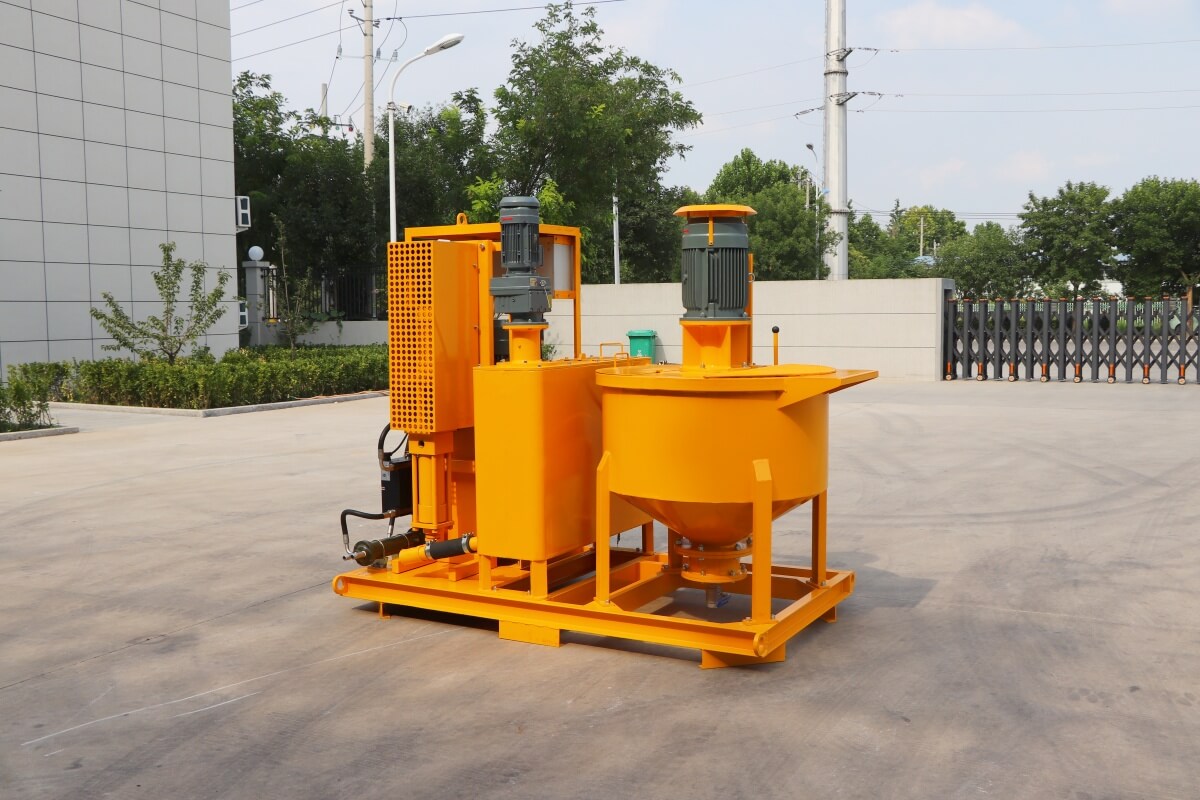
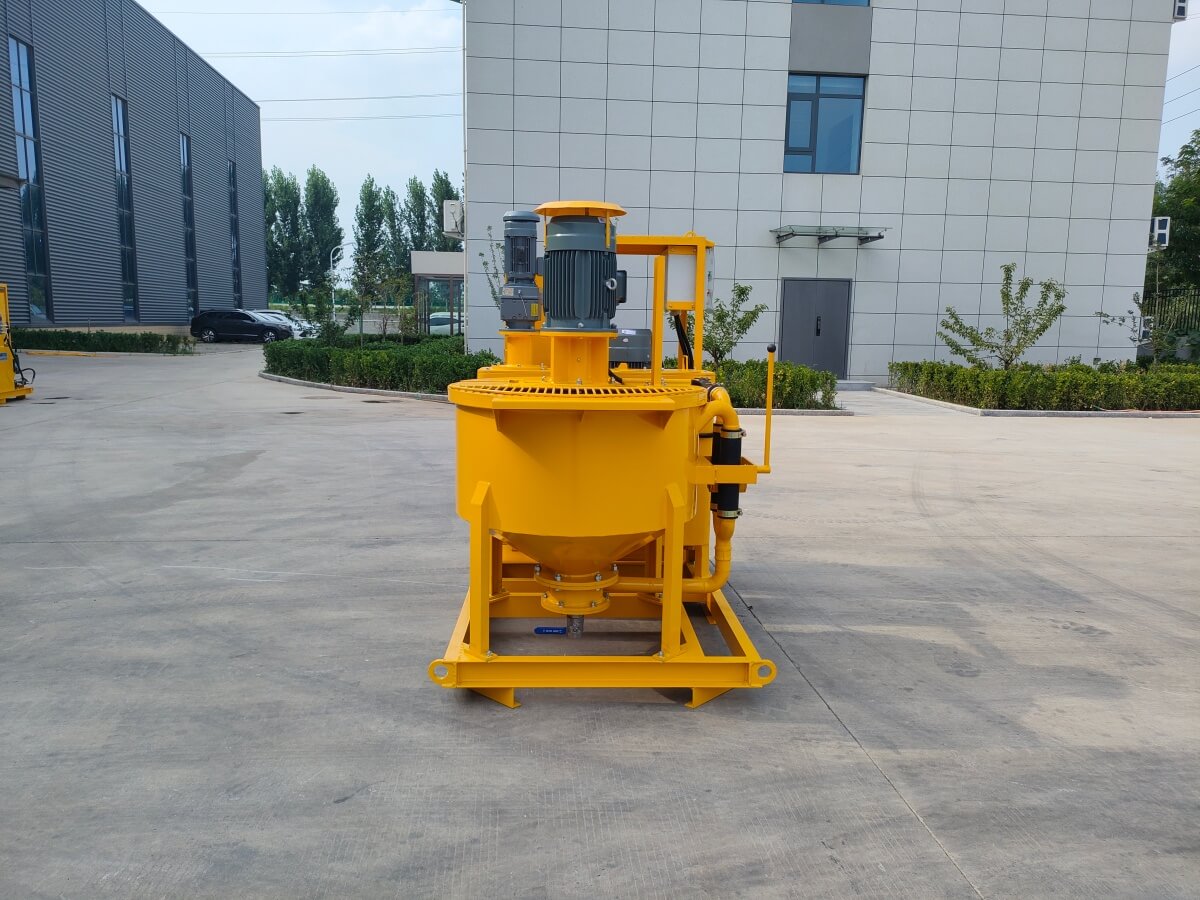
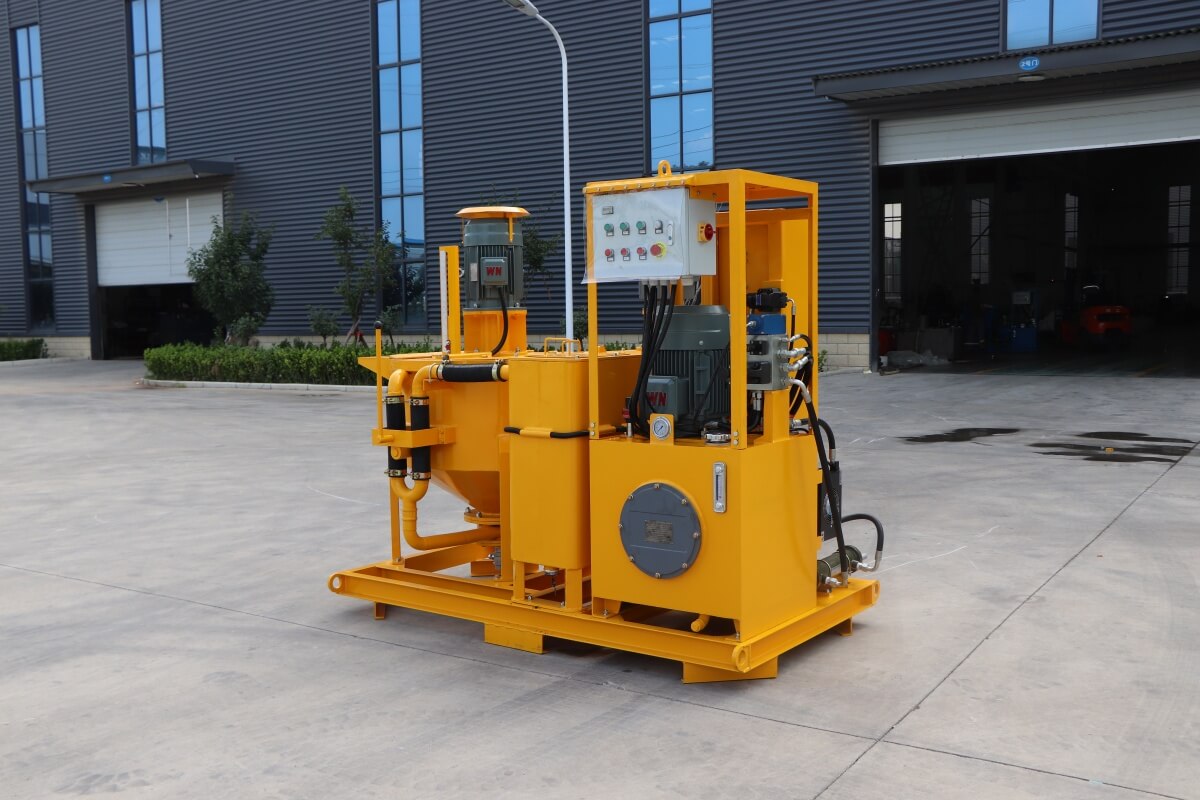
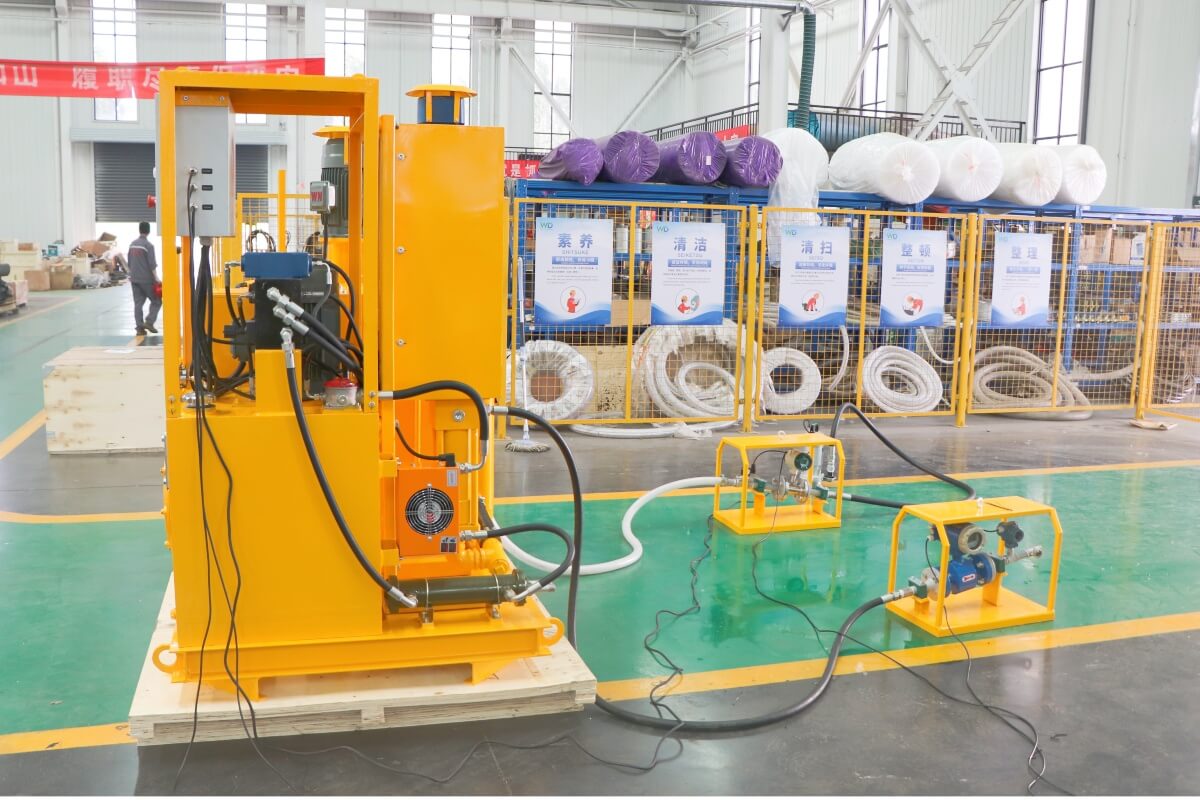
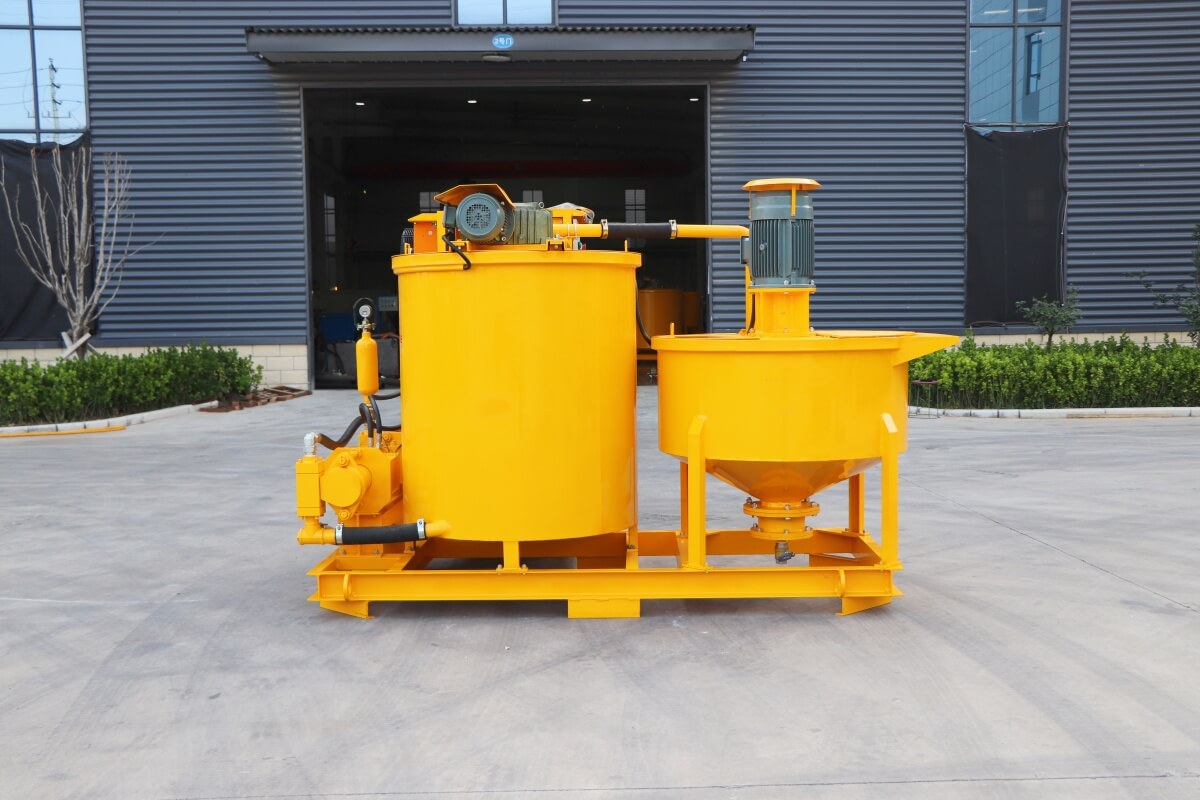
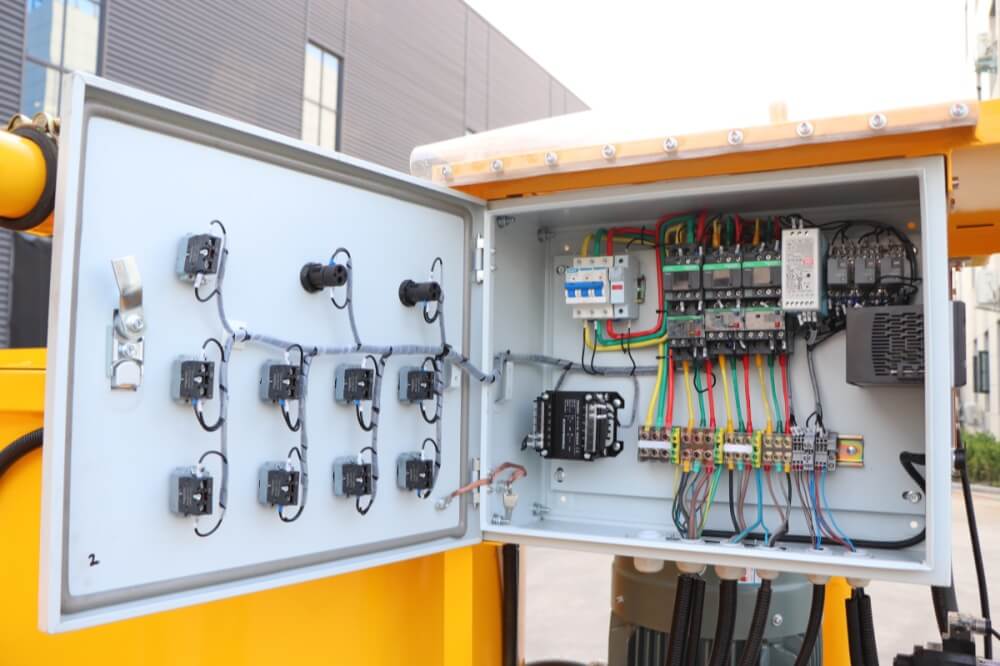
A complete micropile grouting system typically includes a colloidal grout mixer, a storage and agitation tank, a grout pump, a control cabinet, pressure gauges, valves, and high-pressure grouting hoses.
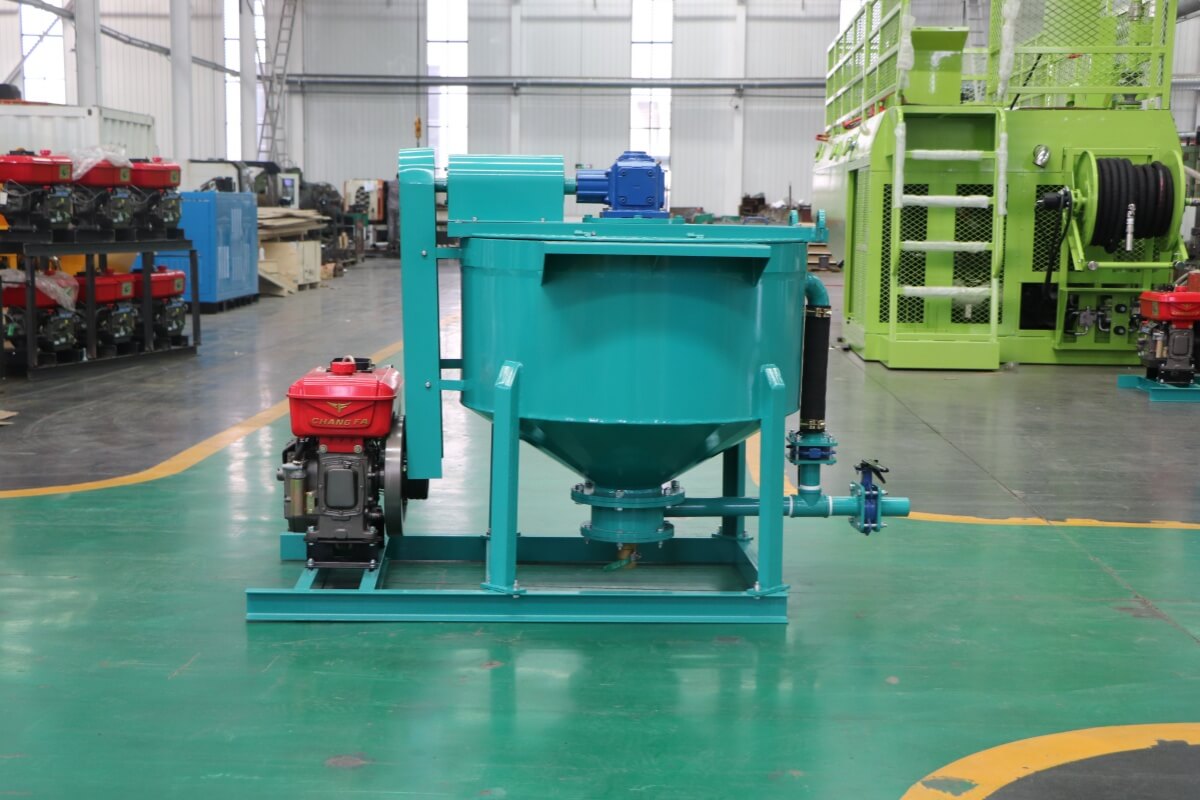
The colloidal grout mixer employs high-speed circulation and shearing action to rapidly disperse cement particles, producing a uniform grout with excellent flowability. The storage and agitation tank receives the prepared grout and maintains continuous low-speed agitation to minimize sedimentation and segregation.
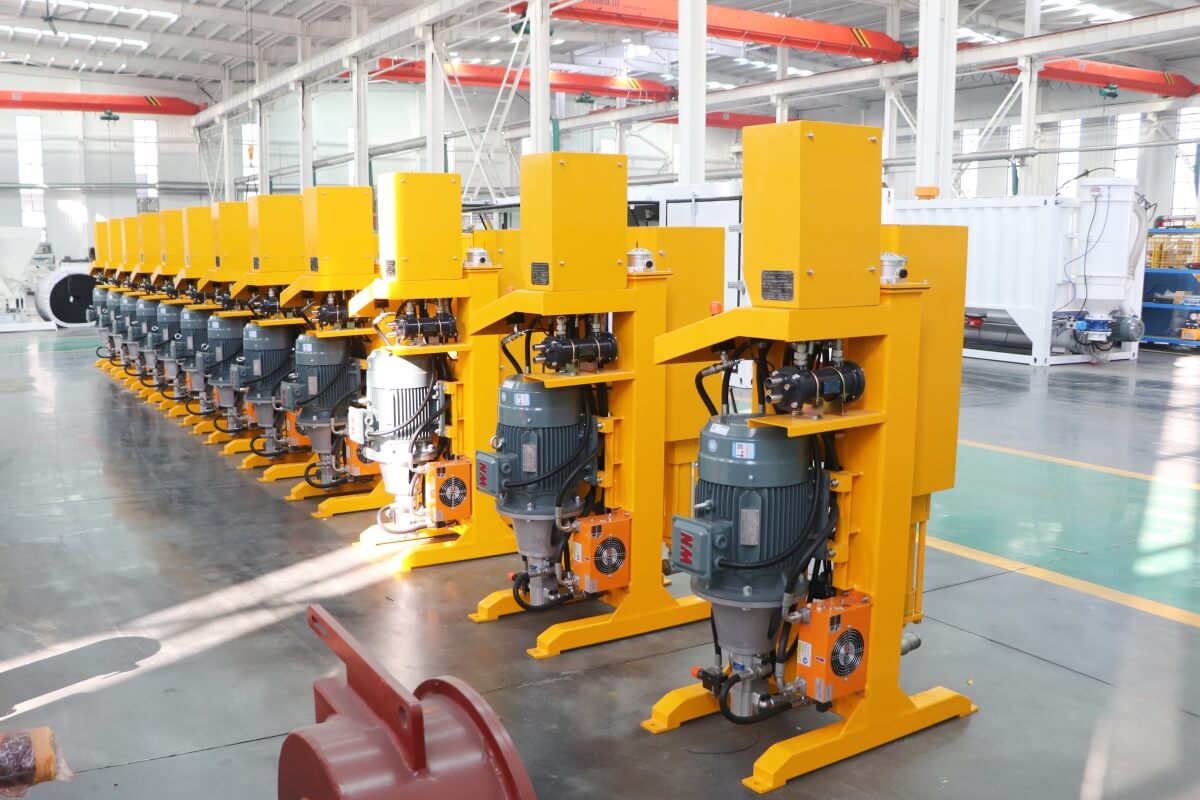
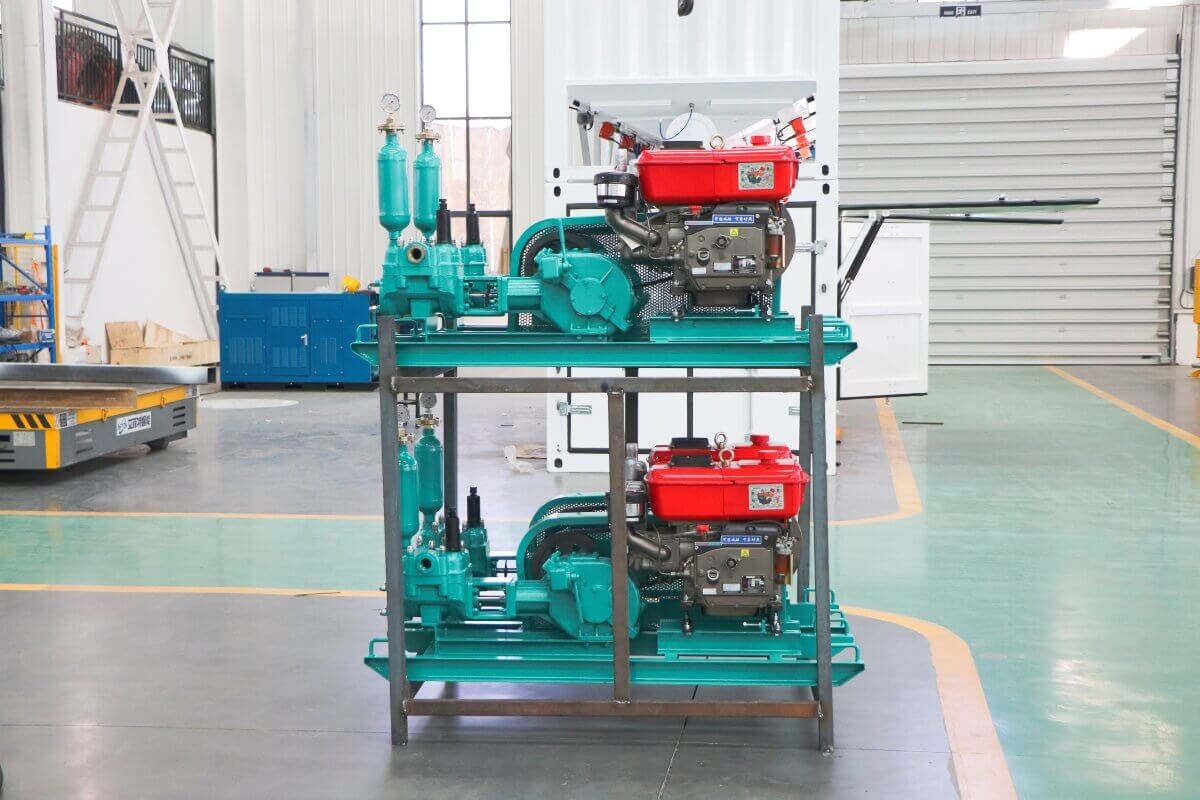
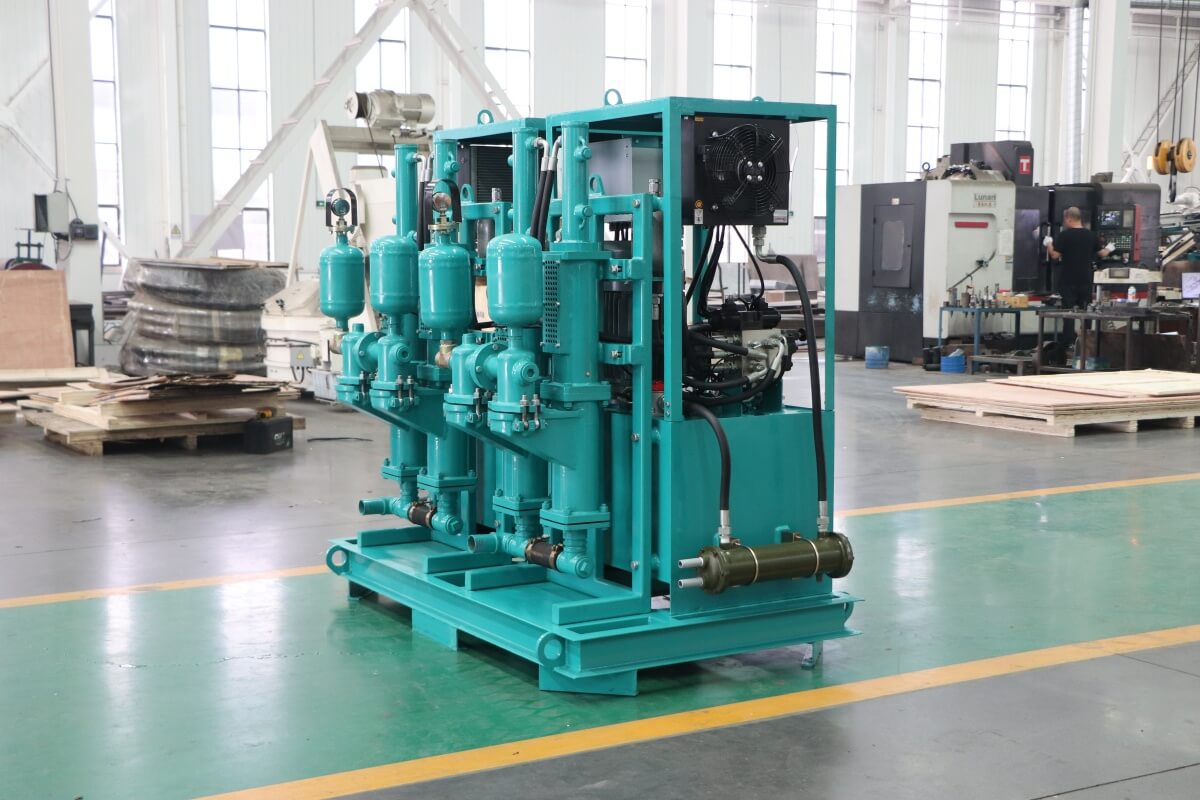
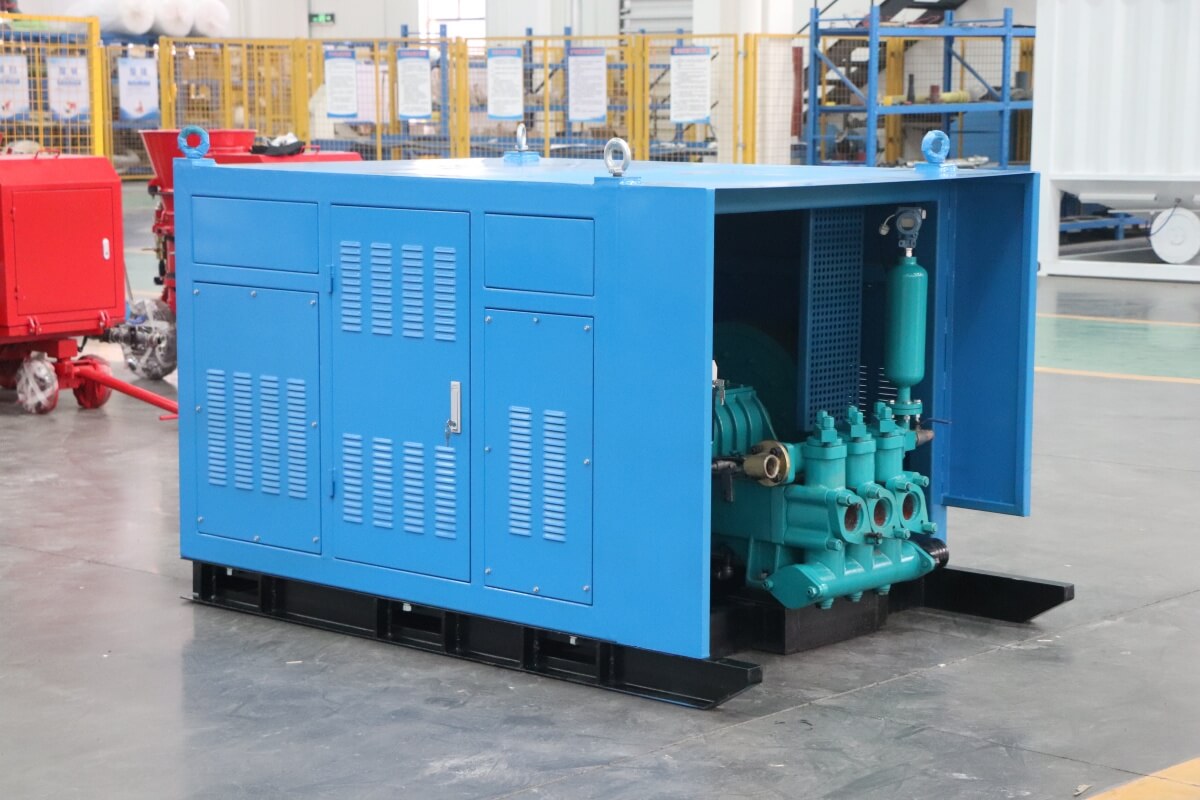
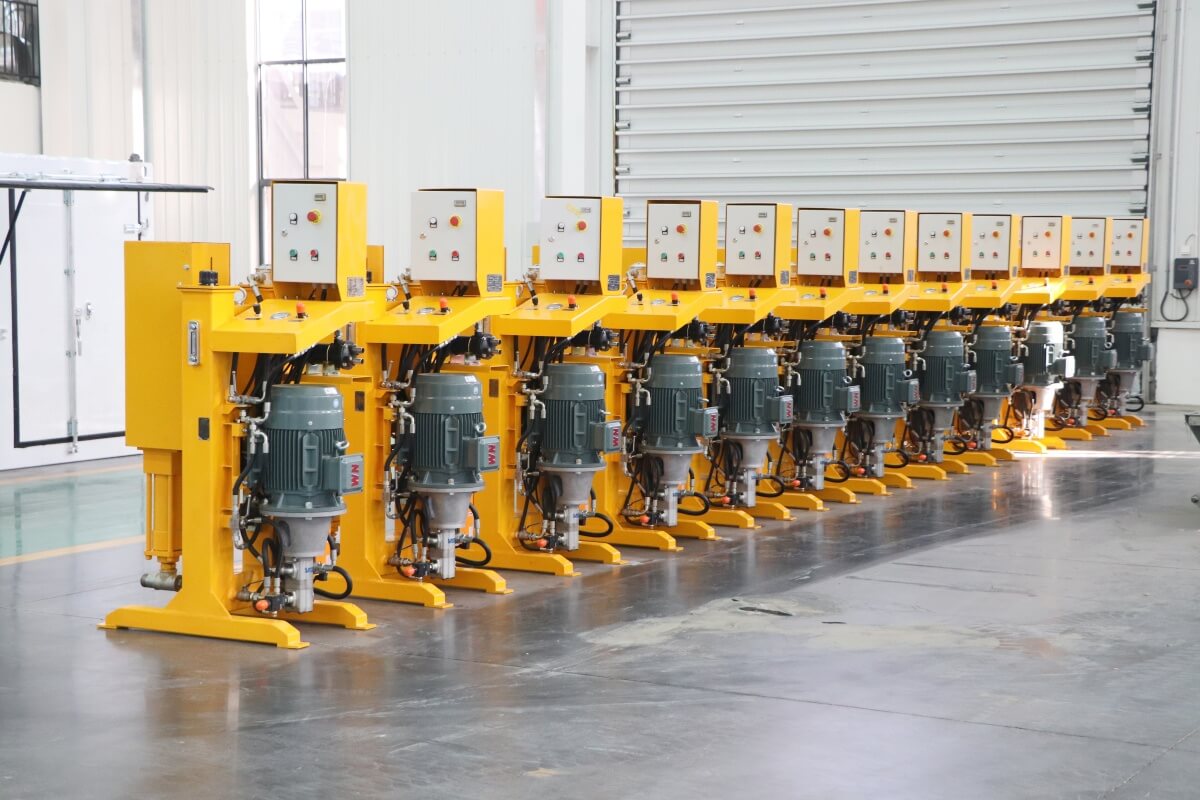
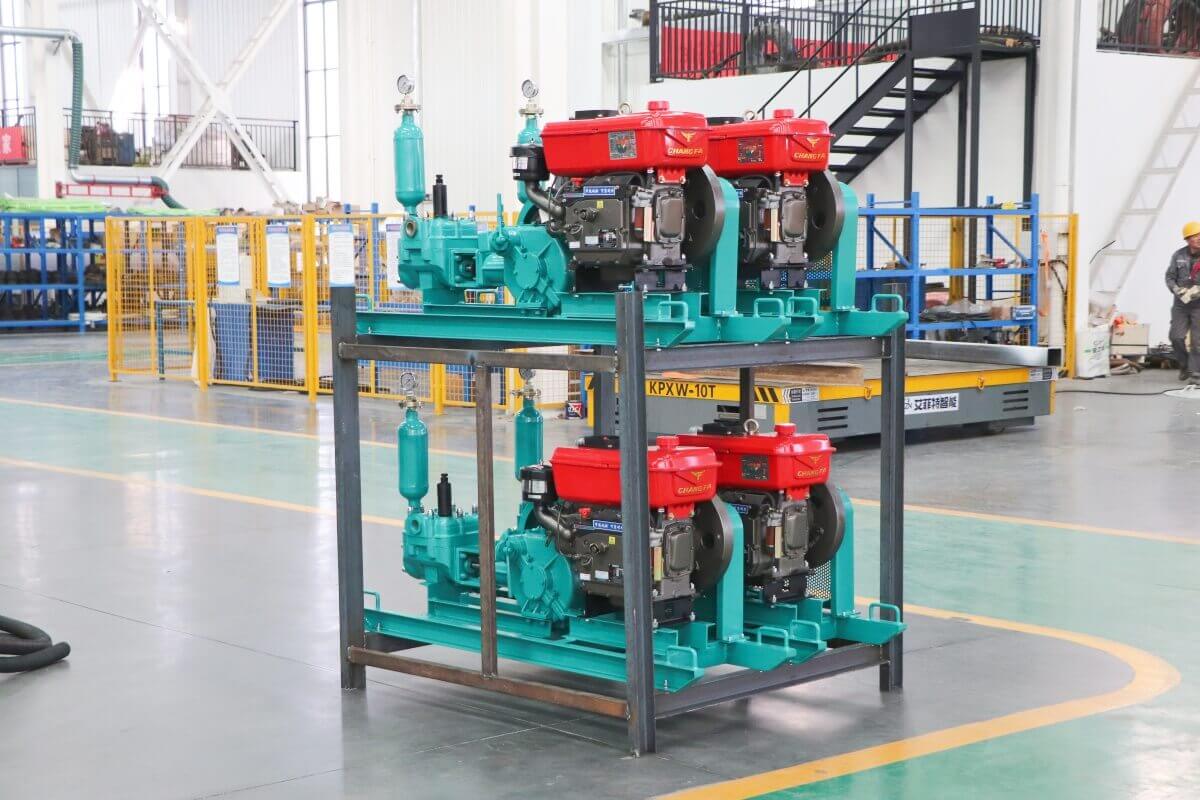
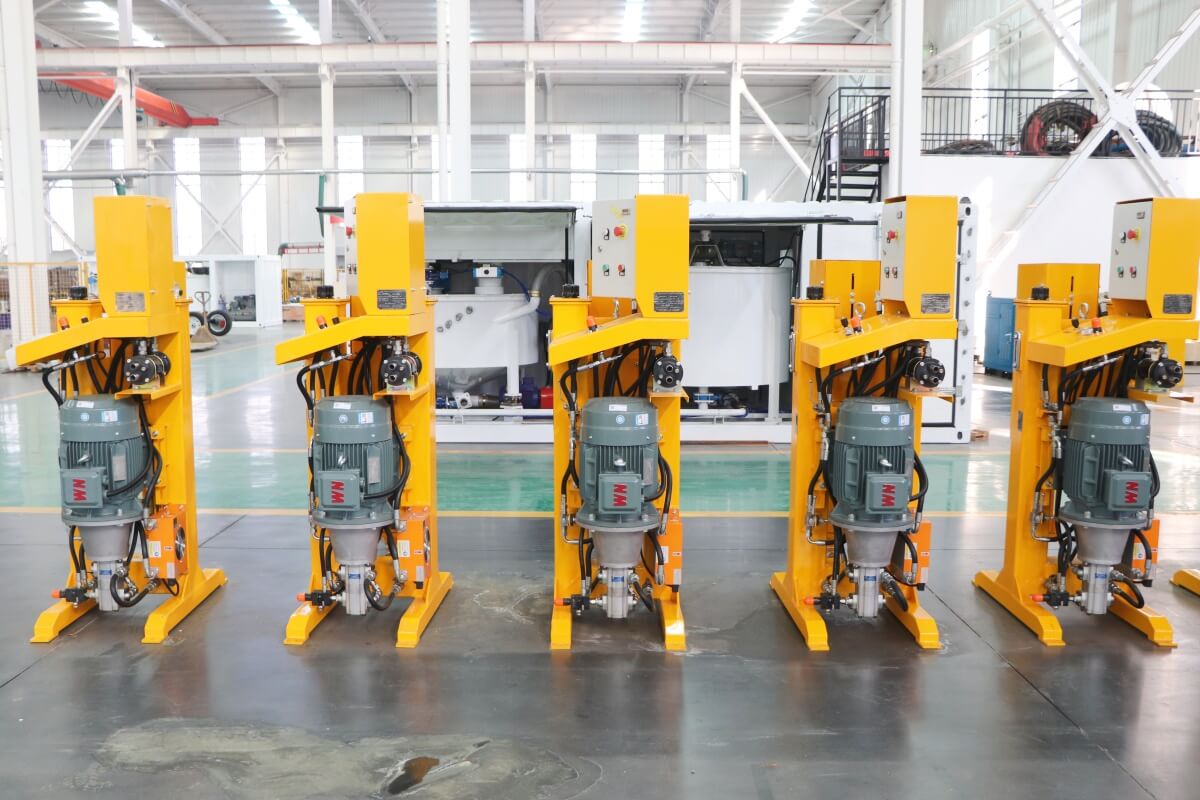
The grout pump delivers the grout to the bottom of the micropile borehole. Depending on project requirements, various types of pumps—such as piston pumps, plunger pumps, or screw pumps—can be selected based on their structural design and pressure ratings. The control system manages equipment start/stop functions, adjusts operating parameters, and monitors injection pressure and equipment status. Micropile Cement Grouting Construction Process
Before construction, the cement type, water-cement ratio, additive dosage, and theoretical grouting volume per pile must be determined based on the micropile design specifications. Water and cement are added to the mixer in the prescribed order and blended at high speed to form a homogeneous slurry, which is then discharged into a storage and agitation tank.
The grouting pump draws the cement slurry from the storage tank and delivers it to the bottom of the micropile borehole via the grouting pipe. As grouting proceeds, the pipe is typically raised slowly in accordance with the construction procedure to ensure the slurry fully fills the borehole space from the bottom up.
For projects requiring enhanced bond strength between the pile body and the surrounding strata, secondary pressure grouting may be employed. Construction personnel should evaluate grouting effectiveness by considering grouting pressure, actual injection volume, slurry return, and ground response, rather than relying solely on a single pressure parameter to control the operation.
Impact of High-Quality Slurry Preparation on Micropile Performance
Uneven mixing of cement slurry can lead to clumping, bleeding, and particle sedimentation, compromising the filling quality within the borehole. Excessively thin slurry may undergo significant shrinkage, while overly thick slurry increases pumping resistance and risks clogging the grouting pipe.
High-shear colloidal mixing improves the dispersion of cement particles, ensuring consistent flow properties across different batches. Continuous agitation in the storage tank extends the slurry’s usable life and ensures a steady supply to the grouting pump.
A homogeneous, stable cement slurry enhances pile integrity, minimizes internal voids, and strengthens the bond between the cement matrix, steel components, and the surrounding ground.
Selecting Micropile Grouting Equipment
Equipment selection requires a comprehensive assessment of factors such as micropile diameter, borehole depth, number of piles, grouting volume per pile, construction speed, and site constraints. The mixer capacity must align with project slurry requirements; the storage tank needs adequate buffer capacity; and the grouting pump must meet design flow rate and maximum operating pressure specifications.
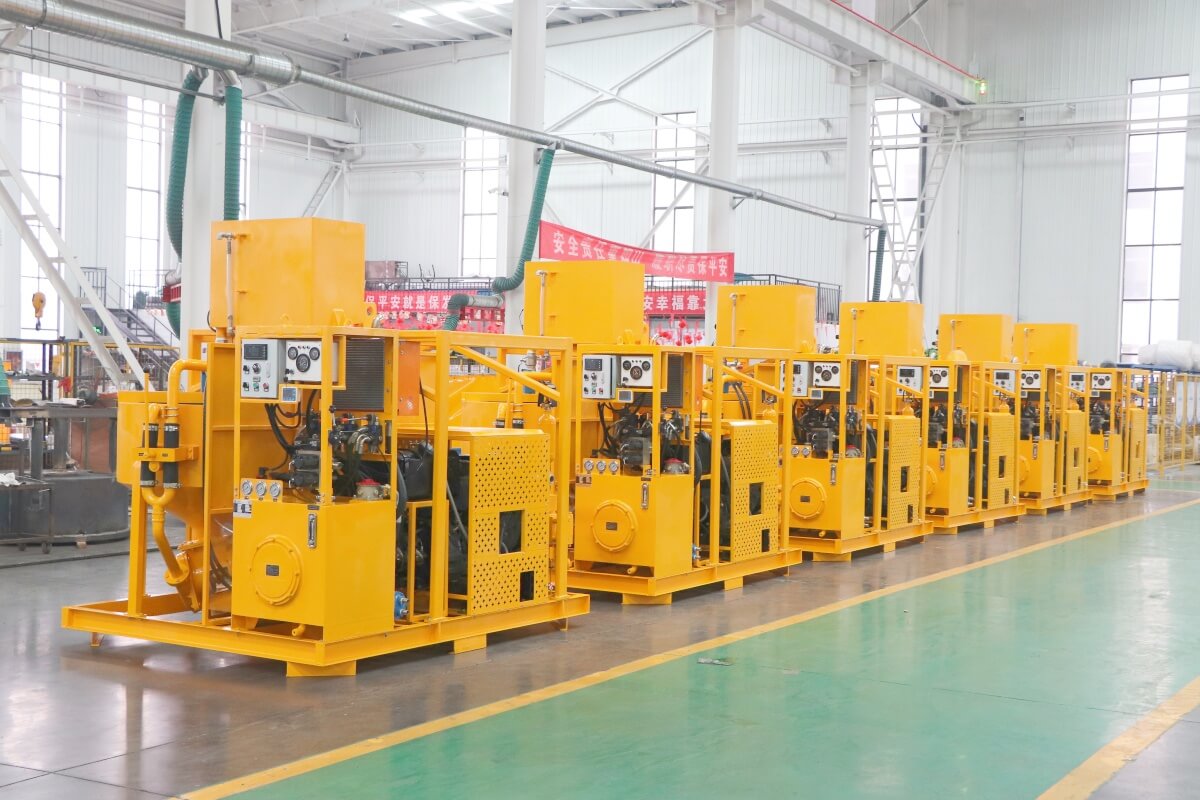
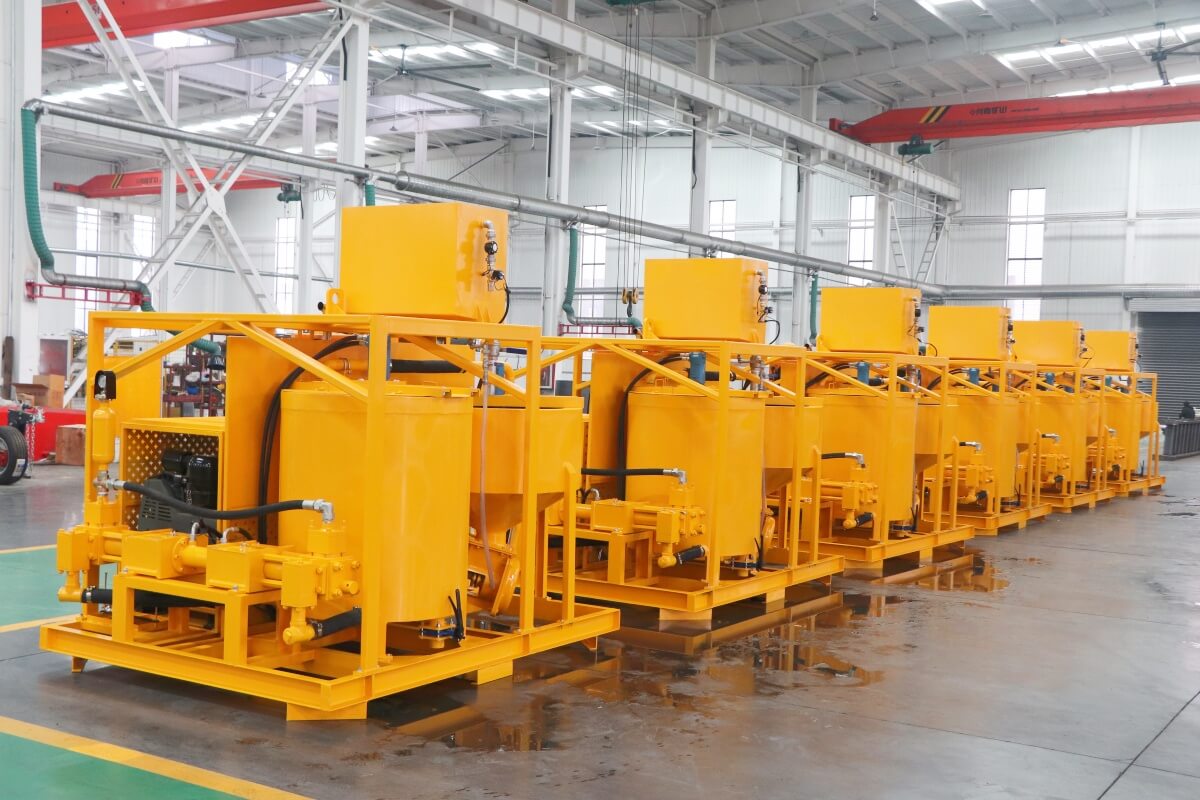
For applications in building basements, tunnels, or confined spaces, skid-mounted grouting equipment—characterized by a compact footprint and ease of lifting and relocation—is an ideal choice. For large-scale micropile construction, it is advisable to increase grout mixing efficiency and storage capacity to ensure continuous operation across multiple piles.
Electric-powered configurations are suitable for sites with stable power supplies, while diesel-powered systems are ideal for remote or field projects. When projects require rigorous construction documentation, features such as automatic water dosing, flow measurement, pressure monitoring, and grout data logging can be added.
Applications of Micropile Cement Grouting Equipment
Micropile cement grouting equipment is suitable not only for new micropile installations but also for the following applications:
* Underpinning and settlement remediation for existing building foundations;
* Reinforcement of bridge piers, abutments, and road foundations;
* Pile foundation construction in tunnels, basements, and confined spaces;
* Grouting for slope anchors and cable anchors;
* Consolidation of weak strata and grouting of rock fissures;
* Reinforcement of industrial equipment foundations;
* Repair of ports, wharves, and other infrastructure.
By adjusting mixing capacity, storage tank volume, grouting pump pressure, and control methods, a single equipment setup can accommodate various construction techniques, including standard grouting, pressure grouting, and secondary grouting.
Gaodetec: A Professional Manufacturer of Micropile Grouting Equipment
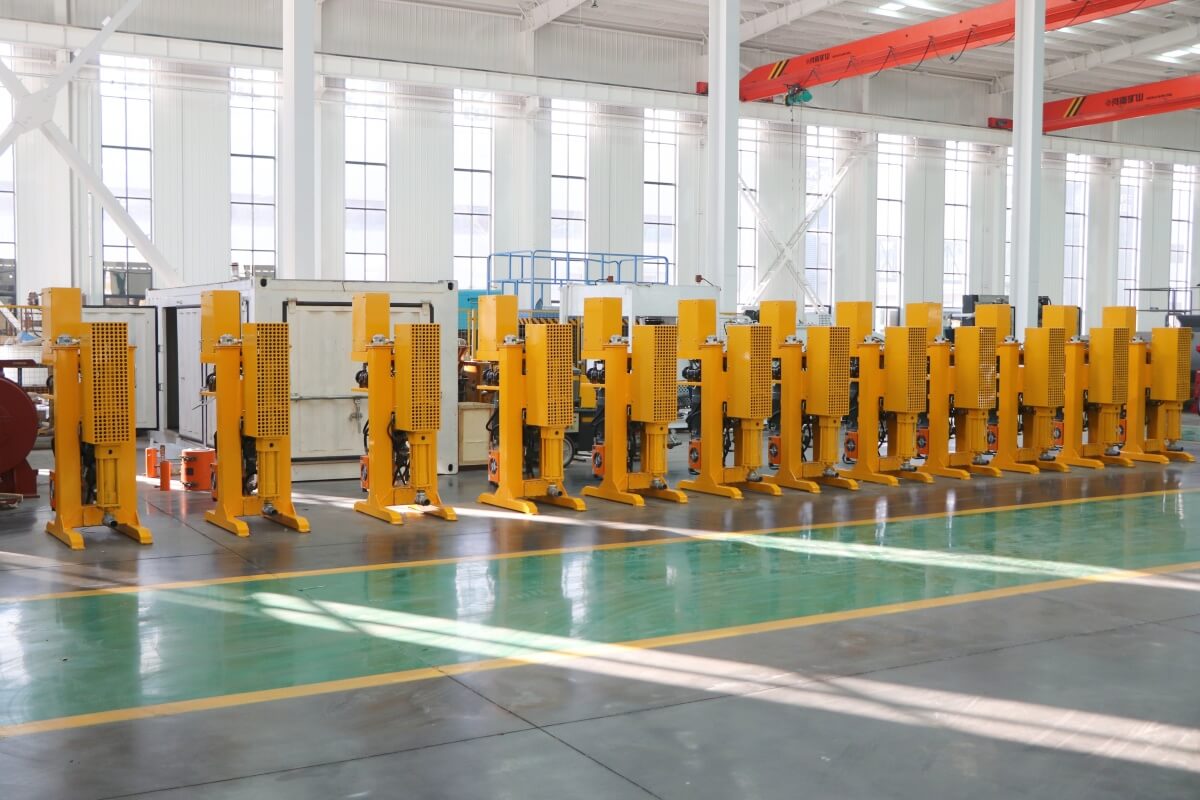
Gaodetec Equipment specializes in the manufacture of grouting equipment, offering colloidal grout mixers, agitators, high-pressure grouting pumps, automatic grouting systems, and complete micropile grouting stations.
We provide equipment selection and customization based on client specifications—such as grout mix design, mixing capacity, flow rate, maximum pressure, power availability, and site constraints—delivering comprehensive grouting solutions for micropiles, tunnels, mines, bridges, dams, and foundation reinforcement projects.
If you are looking for reliable **micropile cement grouting equipment**, please provide Gaodetec Equipment with details regarding borehole depth, number of micropiles, grout type, required flow rate, and operating pressure; we will recommend the optimal equipment configuration for your project. Email: info@gaodetec.com