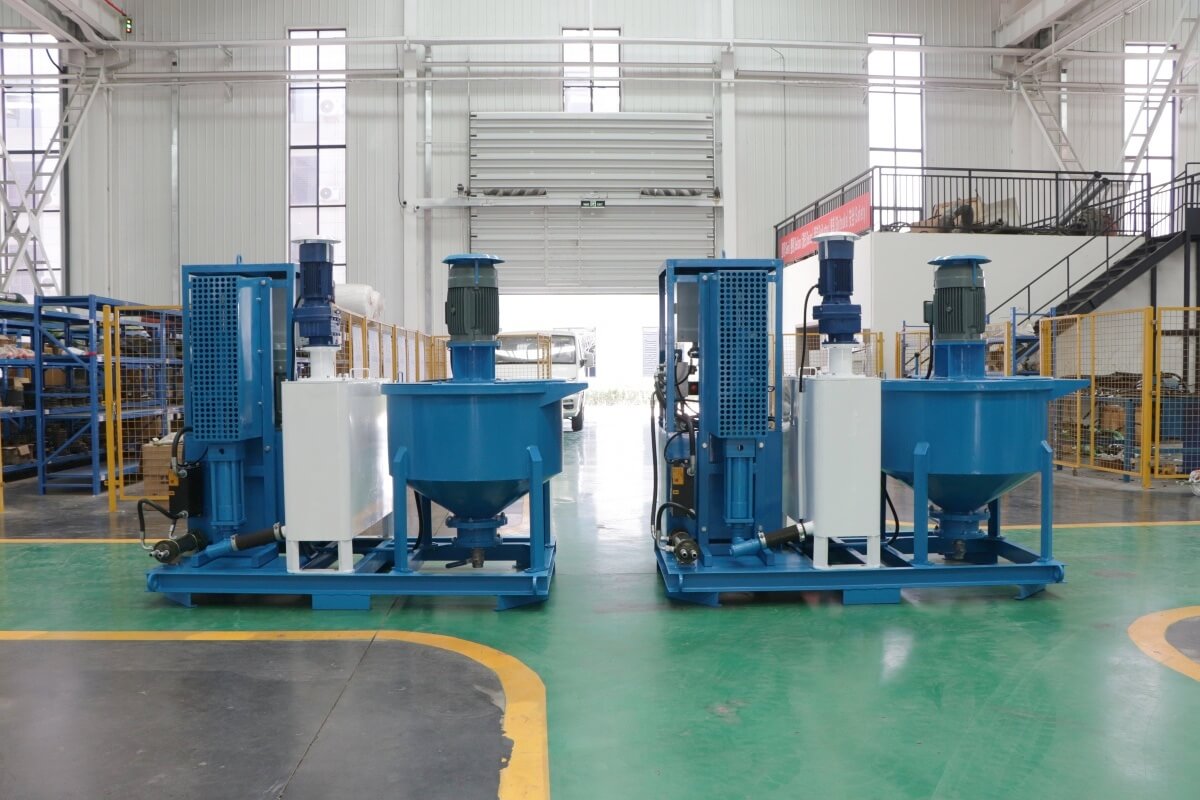
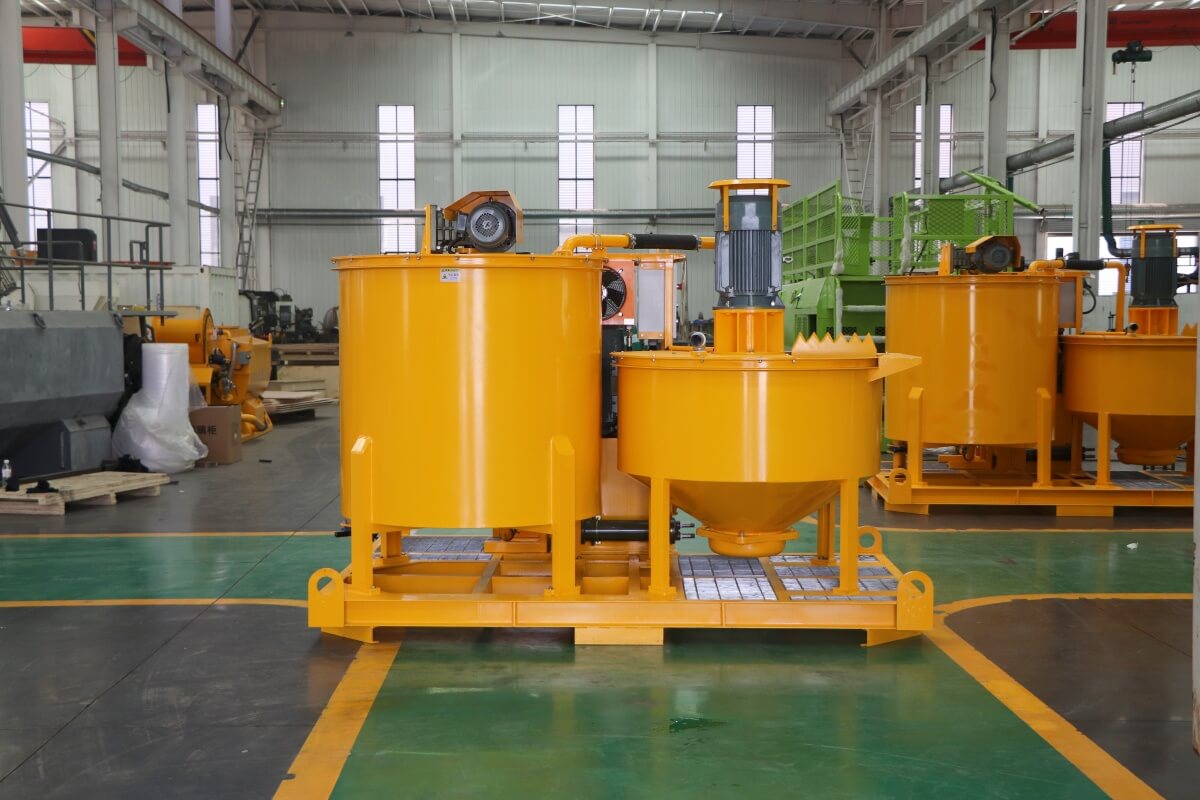
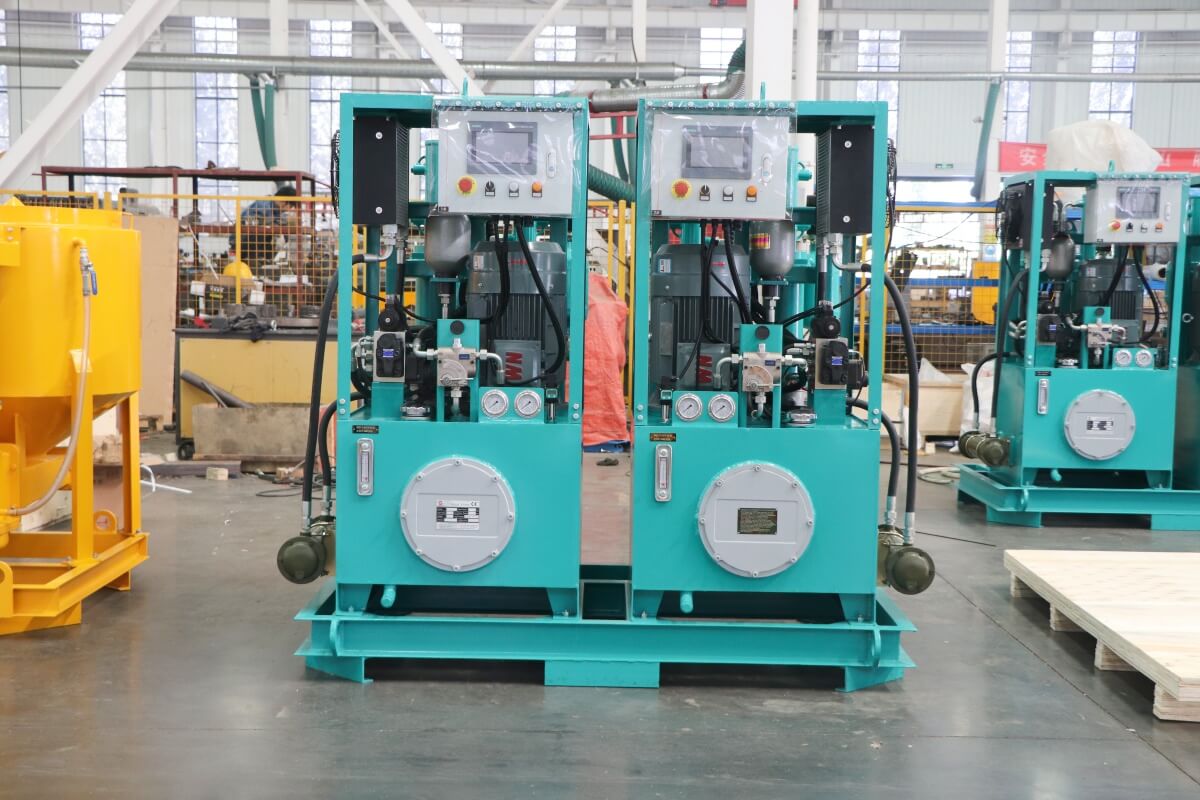
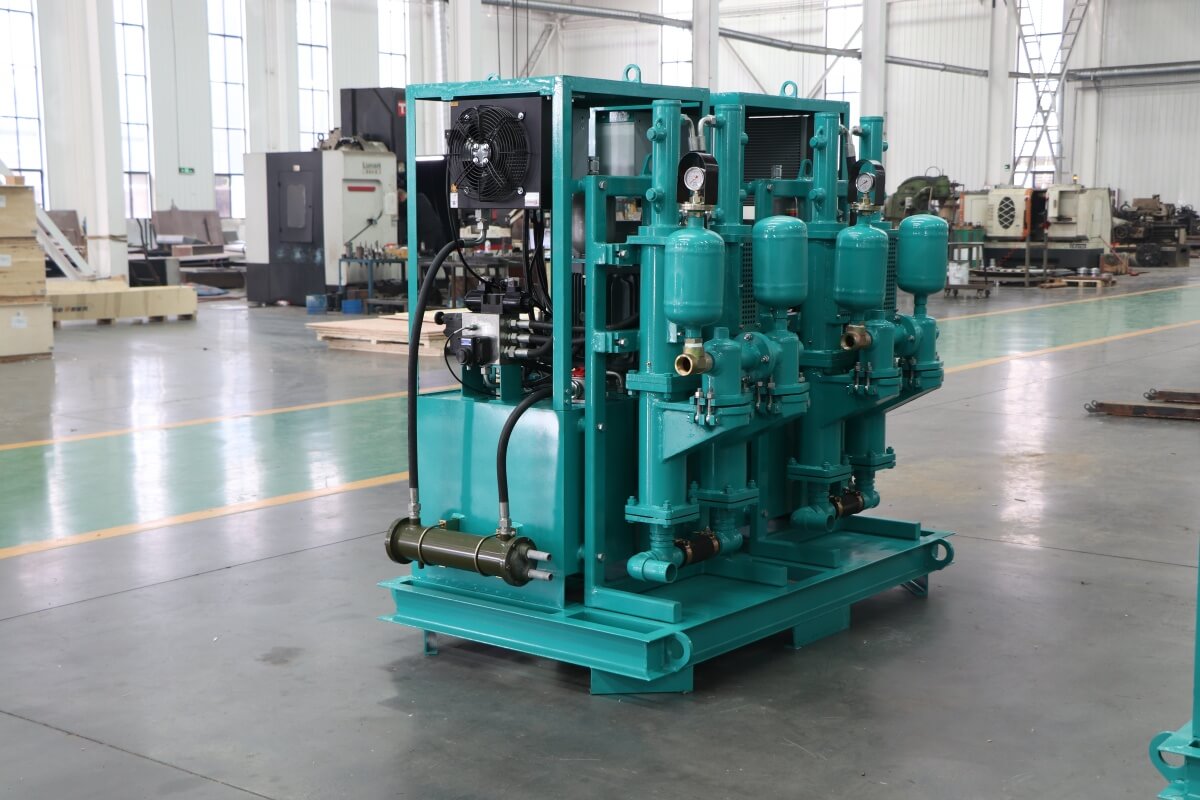
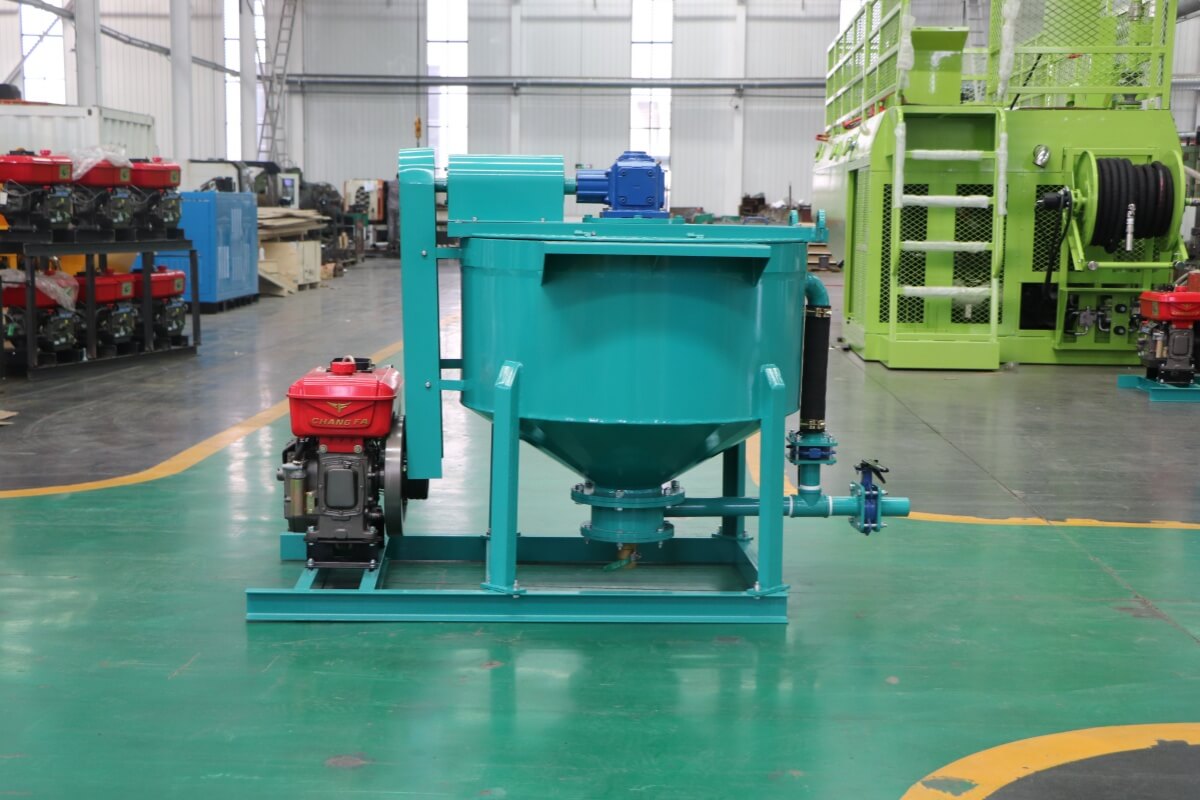
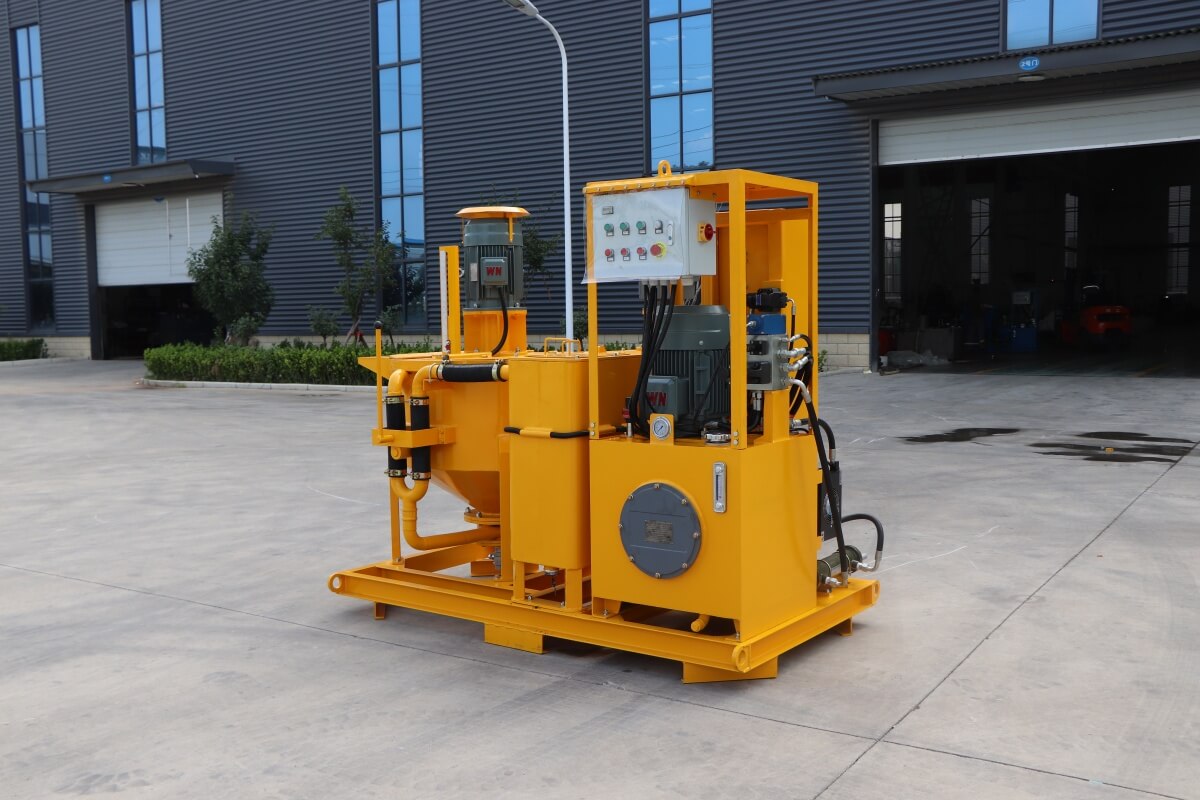
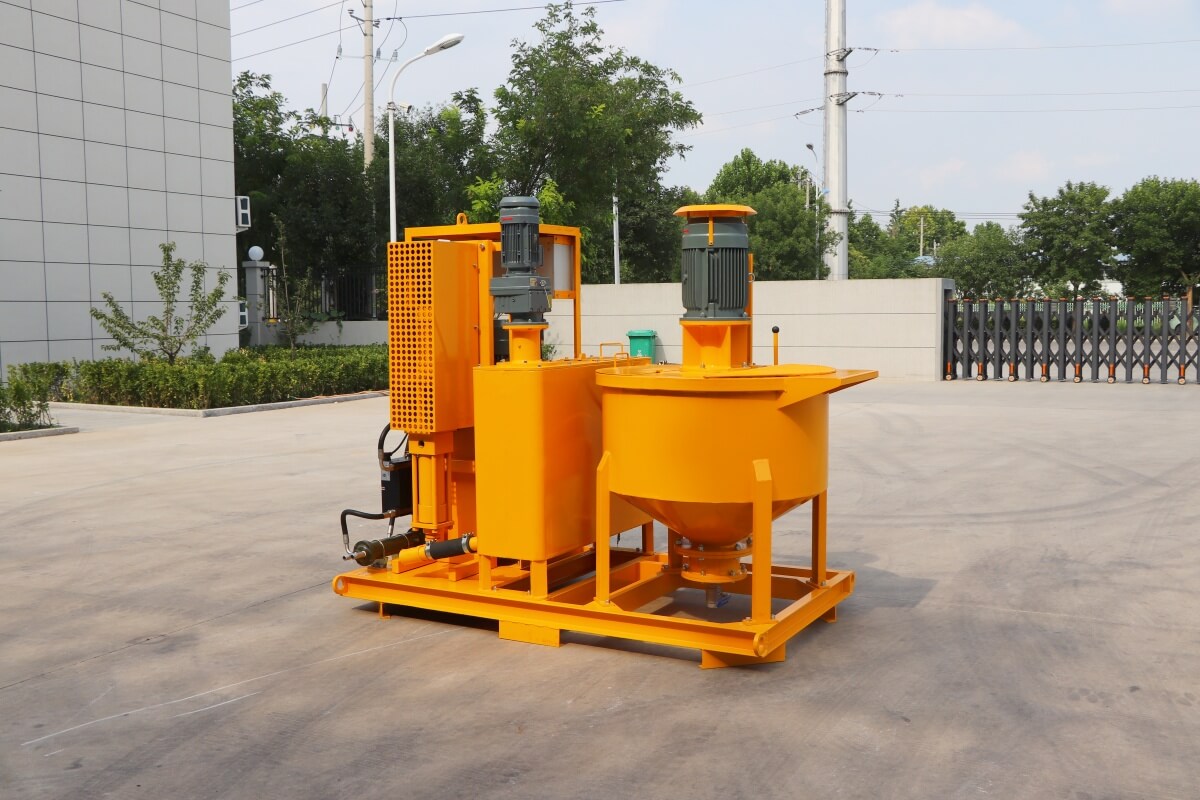
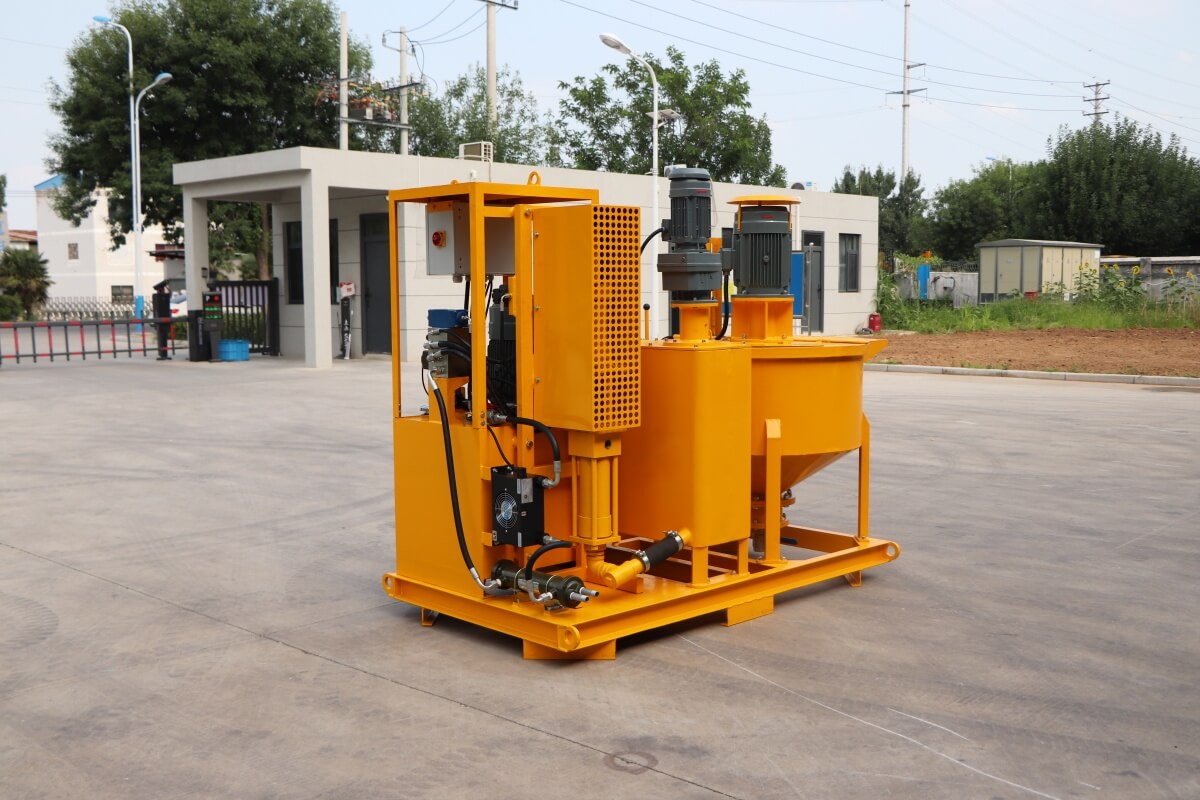
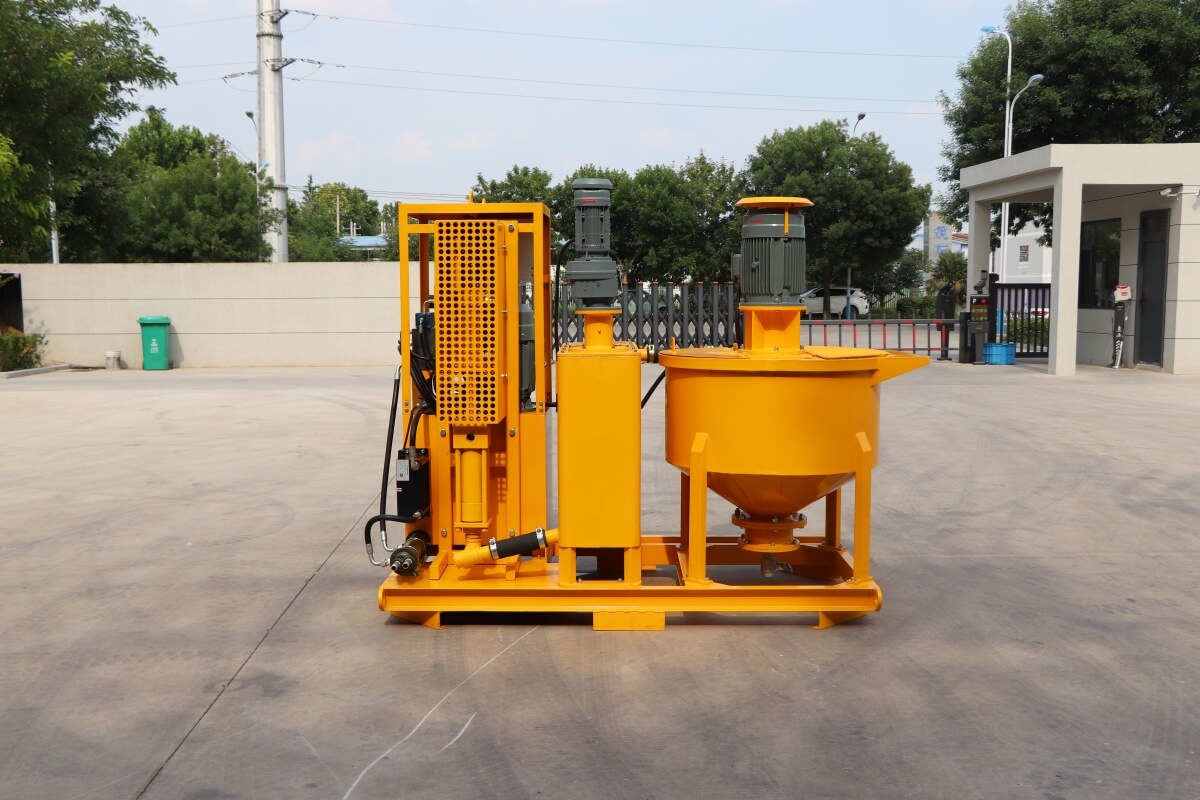
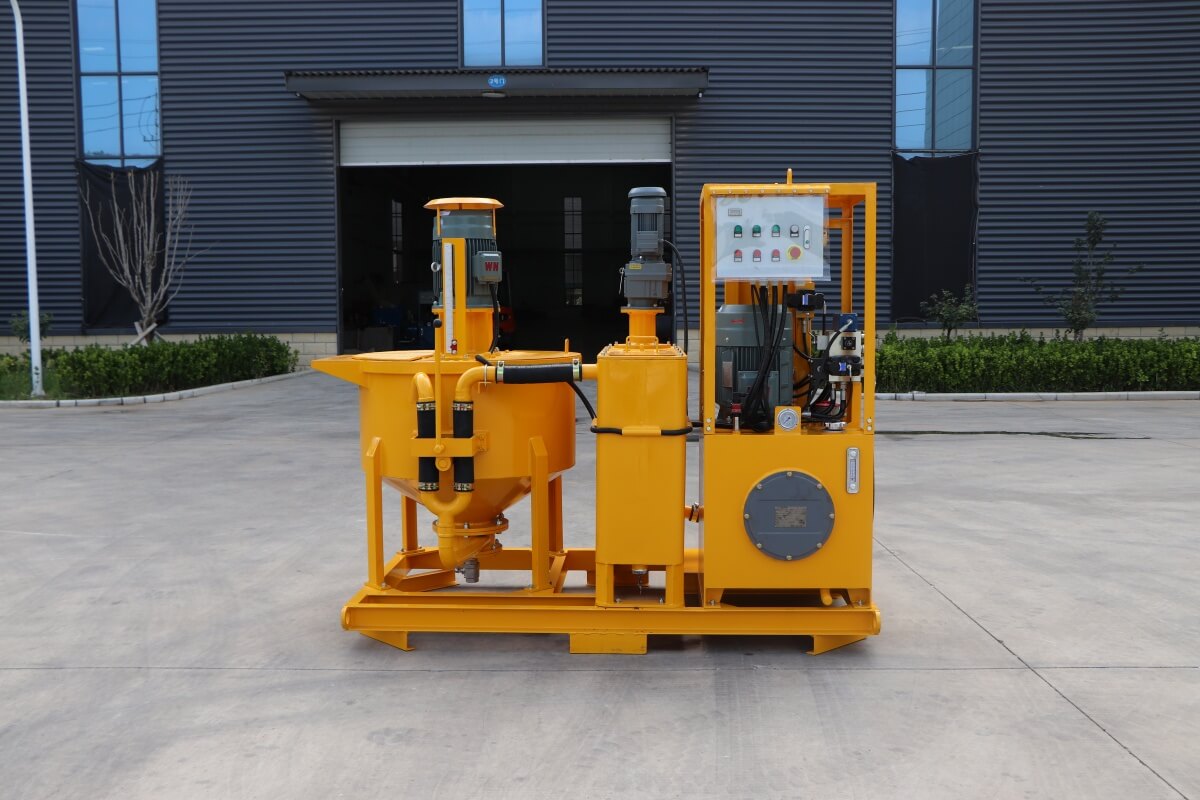
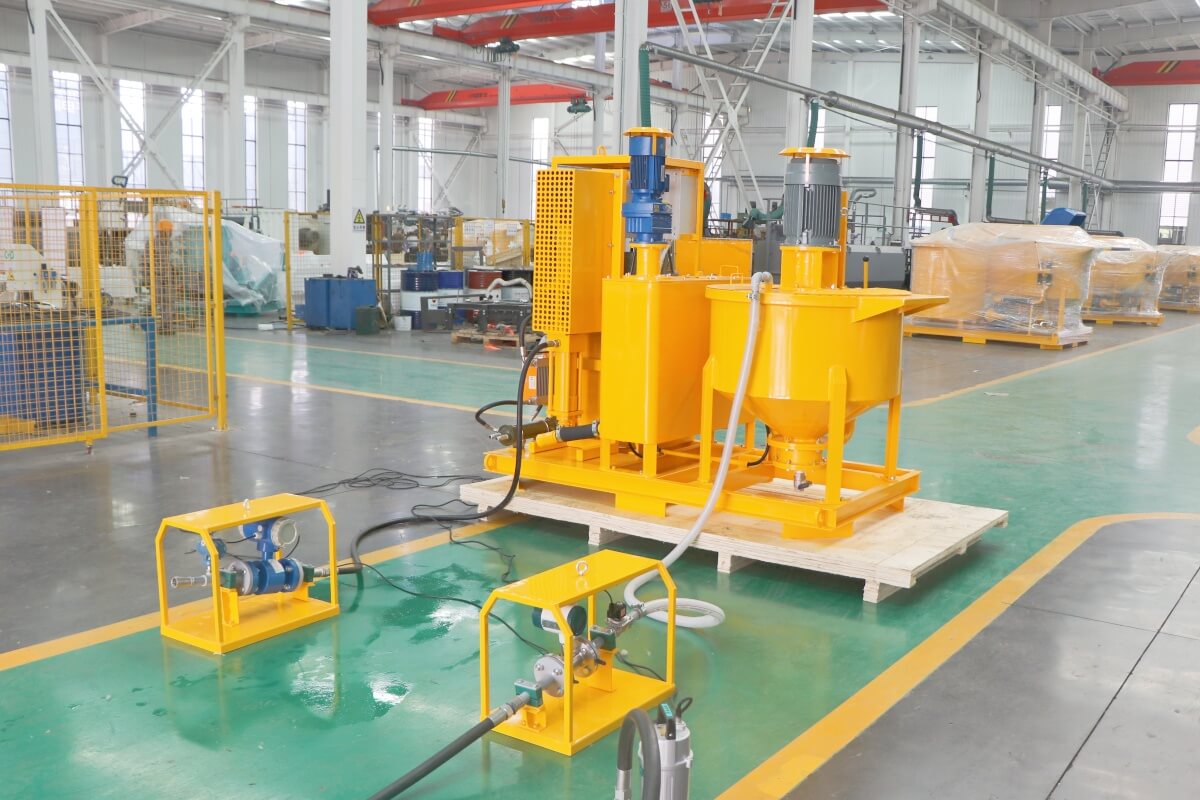
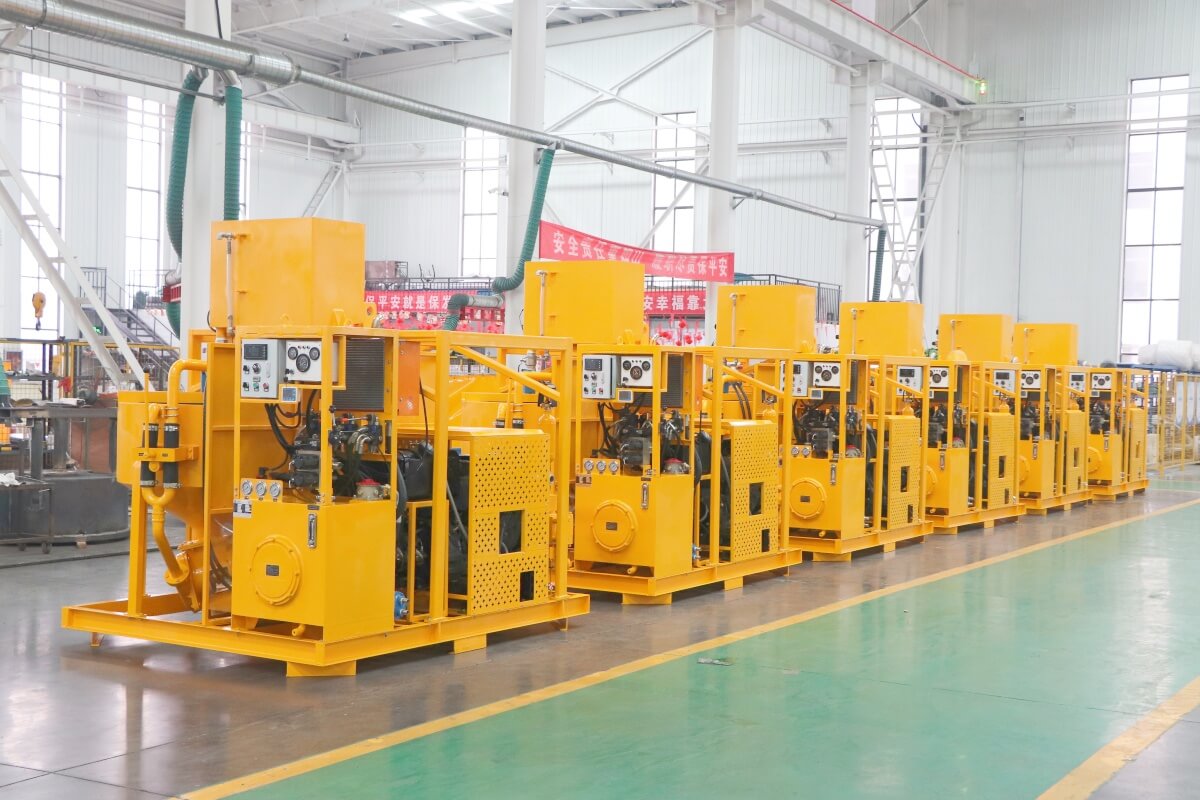
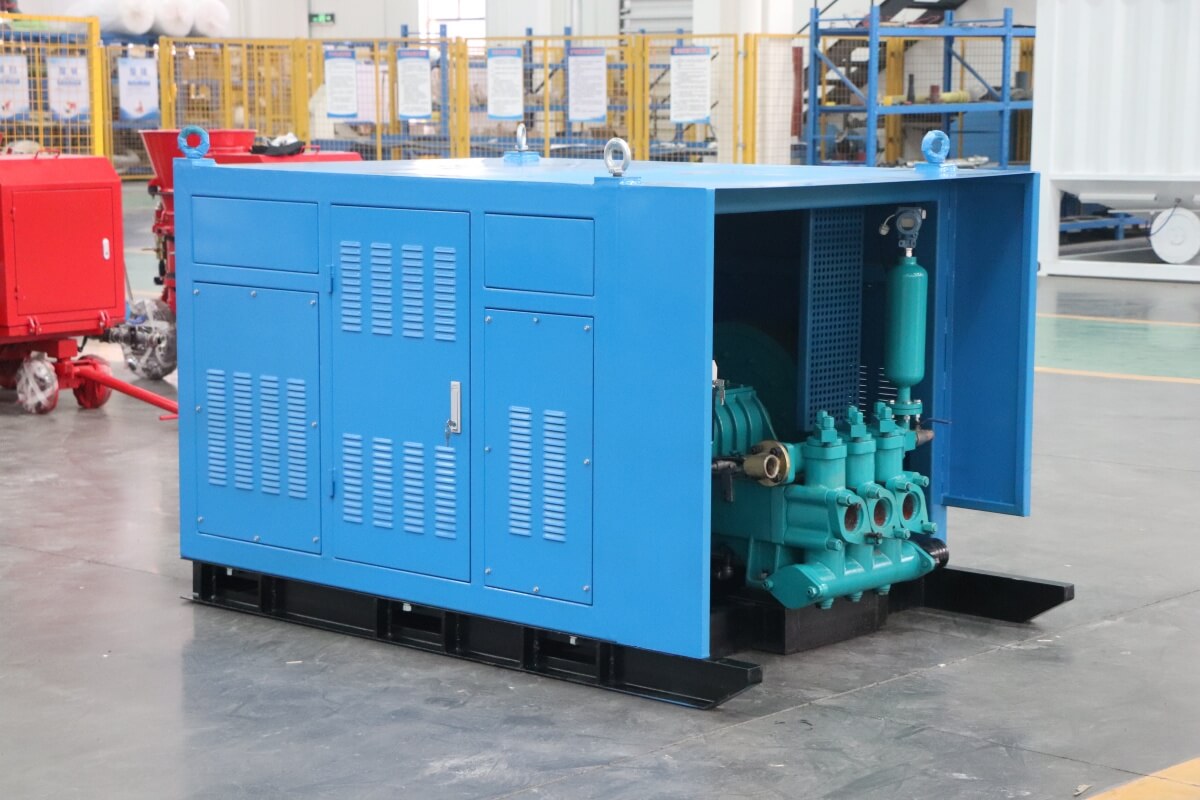
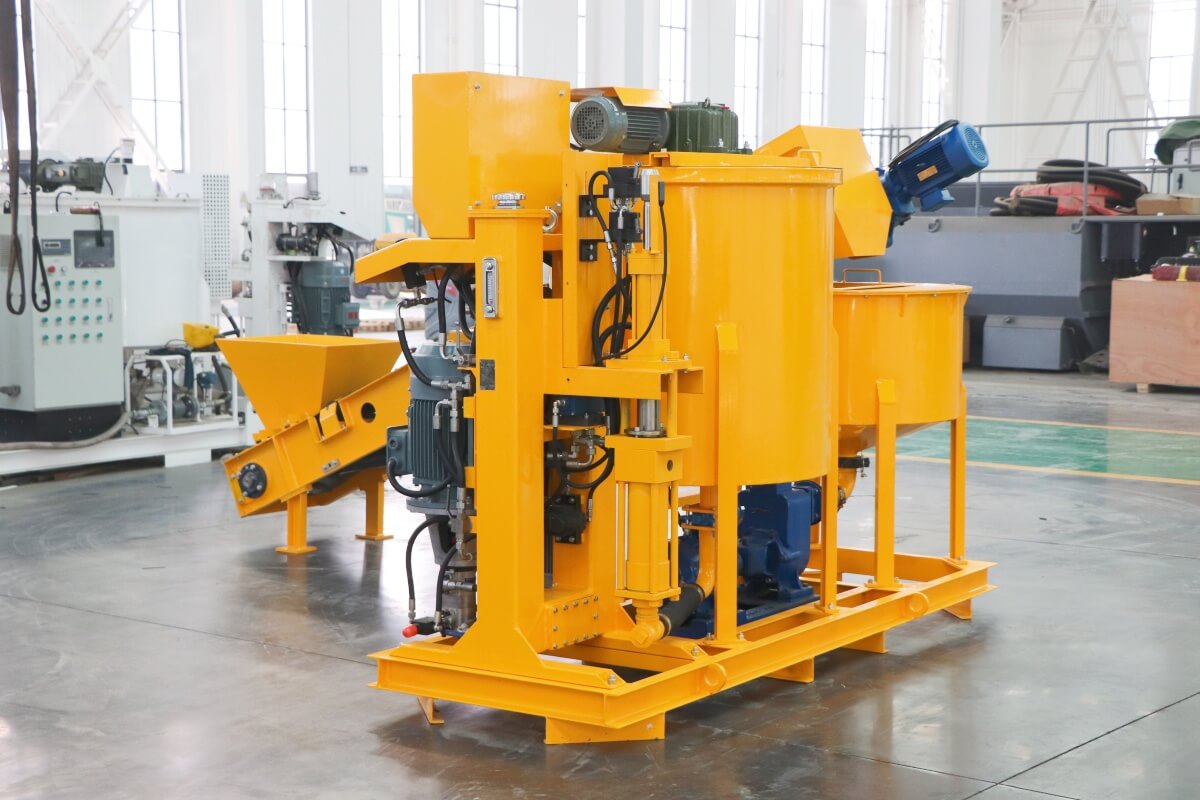
Gaode Equipment offers a high pressure grout plant combining twin mixing tanks and a plunger pump for cement grout preparation and injection. Suitable configurations support foundation grouting, rock anchoring, and soil nailing. Mixing capacity, pumping pressure, flow rate, and power options can be tailored to your project requirements.
Our integrated grout mixing and pumping station combines mixing, agitation, and grout injection in one compact system. Configured to suit cement, bentonite, or microfine cement grouts, it supports ground anchoring, foundation improvement, and seepage control projects. Mixing capacity, pump output, and working pressure can be customized to meet your application requirements.
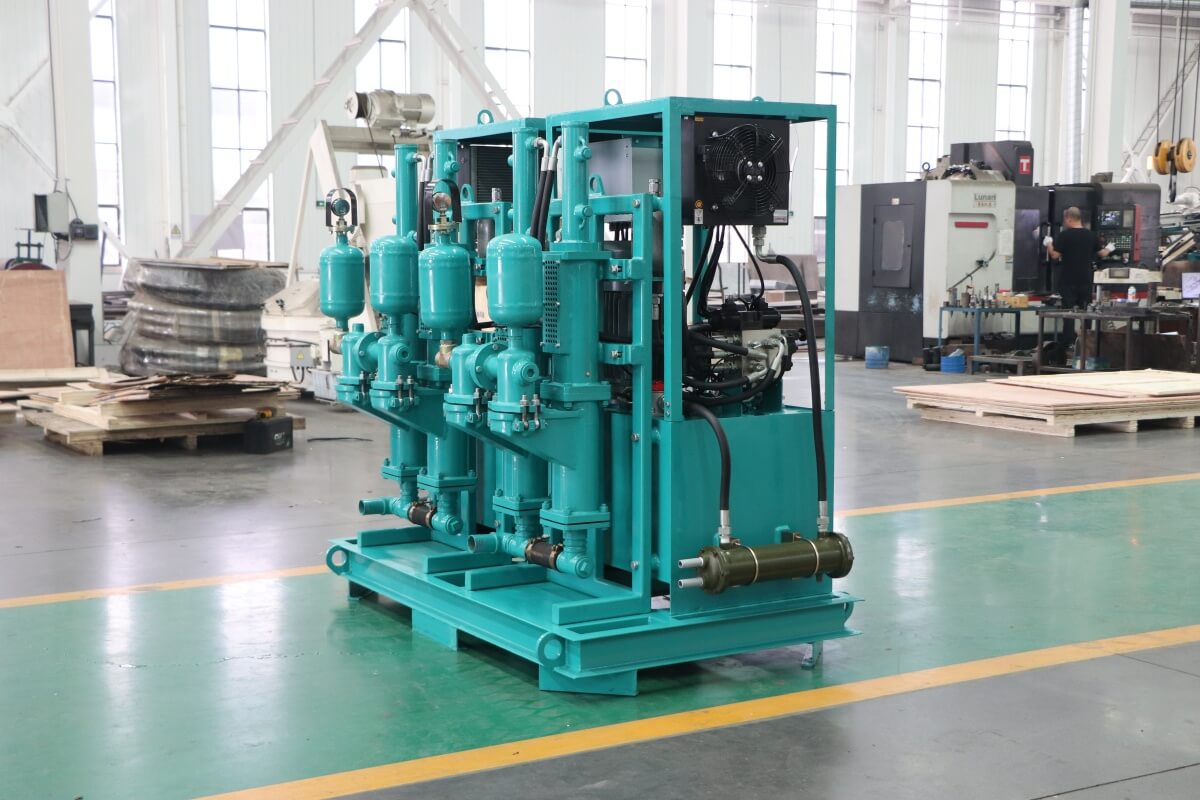
The double-plunger bentonite grout pump is a positive-displacement grouting unit specifically designed for high-viscosity bentonite slurries. It achieves continuous suction and discharge through the alternating reciprocating motion of two plungers, significantly reducing pressure pulsation compared to single-plunger pumps, and serves as core grouting equipment for tunneling, mining, and foundation reinforcement projects. Applications of the double-plunger bentonite grout pump: Synchronous and secondary backfill grouting for shield tunnels, enabling precise control of surface settlement Grouting for diaphragm walls and dam curtains to stabilize geological structures and prevent water seepage Reinforcement and water-blocking in fractured rock strata within underground mines; suitable for explosion-proof operating environments Long-distance transport of bentonite friction-reducing slurry for trenchless pipe-jacking projects Grouting for micropiles and anchor rods; foundation reinforcement in confined spaces
The plunger grout pump for tunneling is a core piece of high-pressure grouting equipment specifically designed for tunnel construction; it ensures the stable delivery of various engineering slurries—such as cement and bentonite slurries—and meets the requirements of grouting operations throughout the entire tunneling process. Applications for the plunger grout pump: Synchronous and secondary grouting behind shield tunnel segments to fill the gap between segments and the surrounding ground, thereby controlling surface settlement Pre-grouting at the tunnel face to reinforce fractured surrounding rock, seal off groundwater, and prevent sudden water or mud inrushes Repairing cracks in subway tunnel segments and filling voids behind the lining to enhance overall structural stability Grouting for slope anchor bolts and fore-poling (small conduit) pre-support at tunnel portals to stabilize loose ground at the entrance/exit
The plunger grout pump for bentonite slurry is a specialized piece of grouting equipment designed to transport high-concentration bentonite slurries with high solids content. It is engineered to accommodate the thixotropic gelling properties of bentonite, thereby avoiding issues such as rapid wear and insufficient startup pressure often encountered with standard grouting pumps.
The high shear cement slurry mixer is designed for the rapid preparation of homogeneous cement grout used in demanding construction and geotechnical applications. Its high-intensity mixing action creates strong turbulence and shearing forces, allowing cement, water, bentonite and compatible additives to be dispersed efficiently. Compared with conventional paddle mixers, the machine produces smoother and more consistent slurry while helping reduce cement agglomeration, sedimentation and material separation. The resulting grout offers stable flow characteristics for pumping and controlled injection into boreholes, rock fissures, foundations and underground structures. The mixer can operate independently or be integrated with an agitator tank and grout pump to form a continuous grout mixing and injection system. Mixing capacity, power source, voltage and control configuration can be customized according to project requirements.
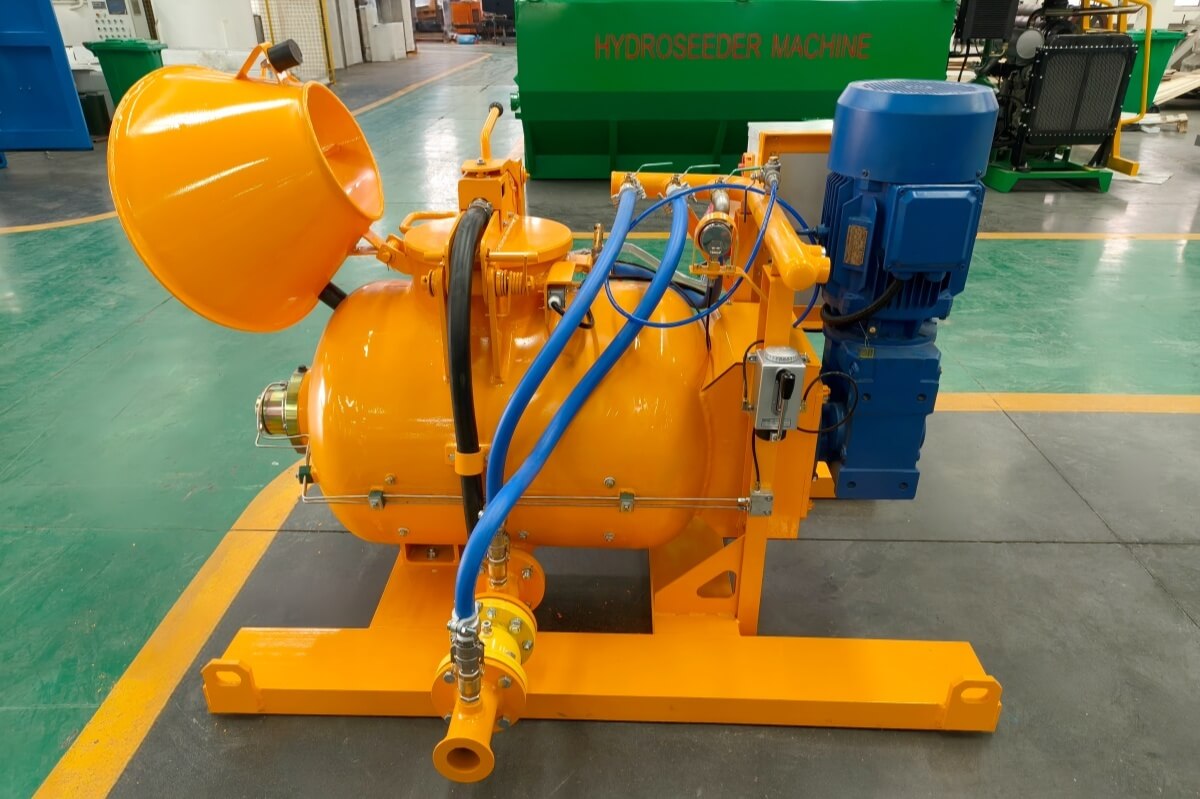
Pneumatic Refractory Mixing and Conveying Unit is widely applicable to the permanent lining construction of steel ladles, tundishes, and blast furnace tapping troughs in the metallurgical industry. It can also be used in industrial smelting furnace operations in the glass and aluminum industries, and can meet the material conveying needs of large-area concrete pouring in the construction industry.
We are a professional manufacturer of refractory gunning materials for steelmaking applications. Our product range includes hot repair gunning mixes for electric arc furnaces and tundish gunning materials for lining maintenance and repair. These materials are suitable for high-temperature steel plant operations and help improve repair efficiency, lining durability and equipment availability.
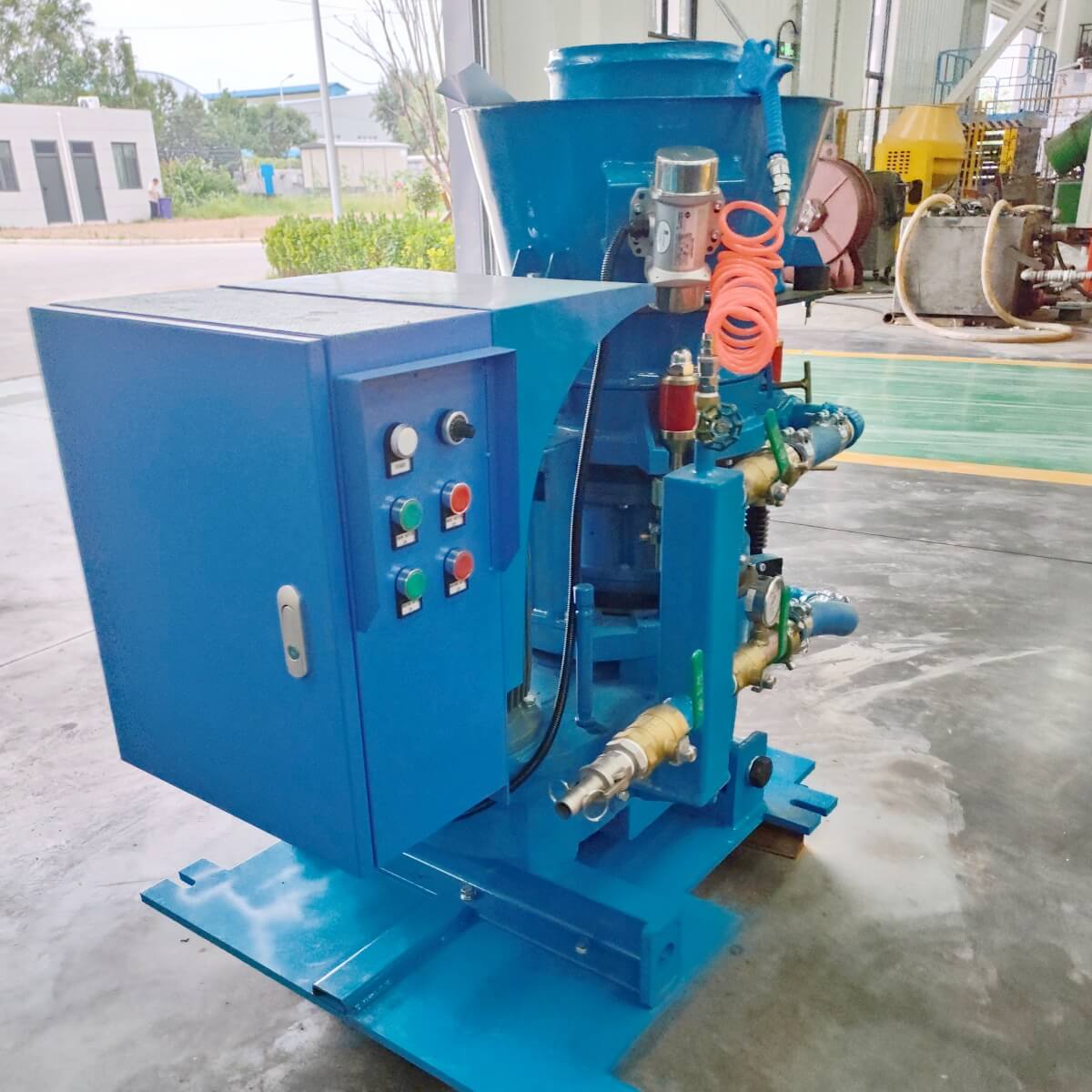
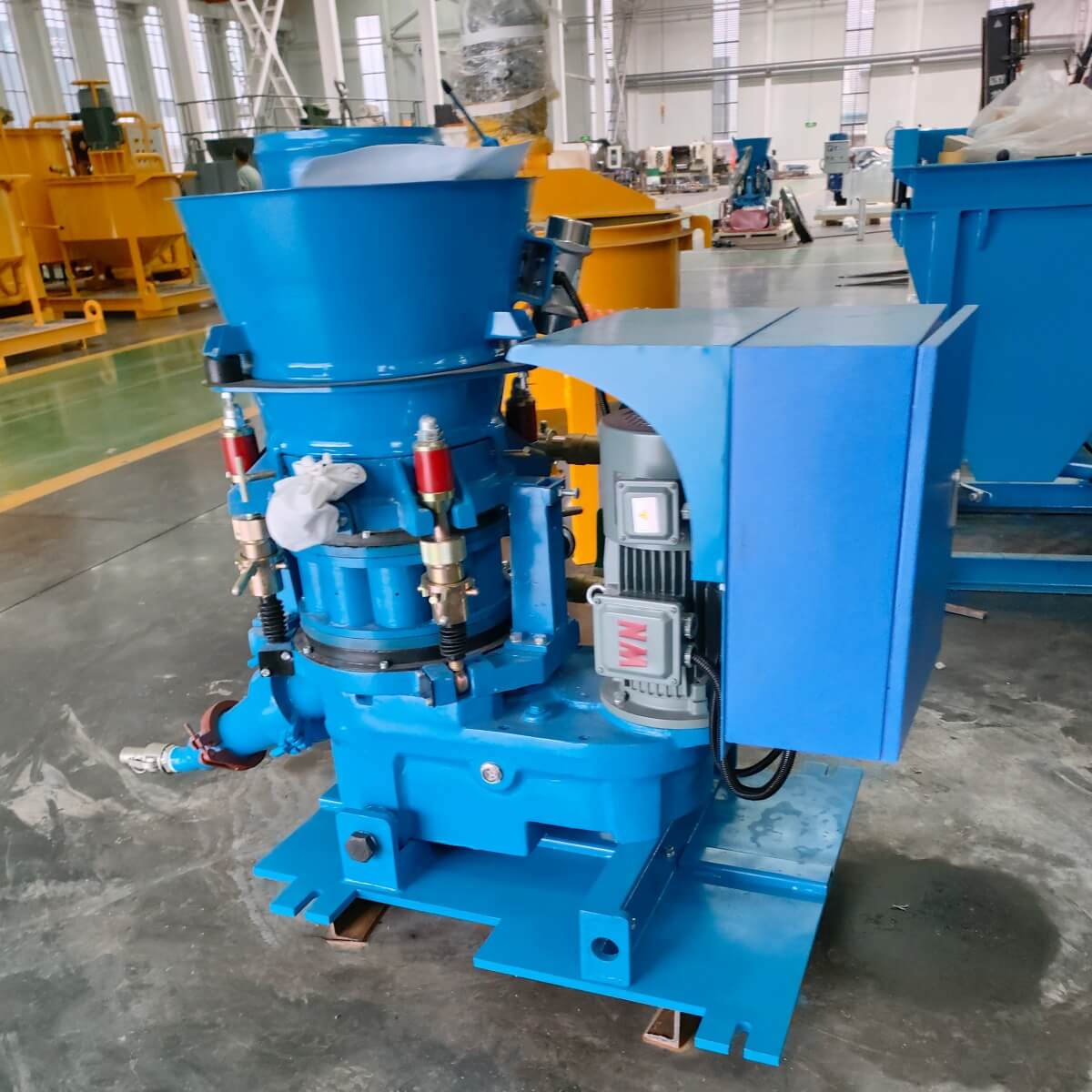
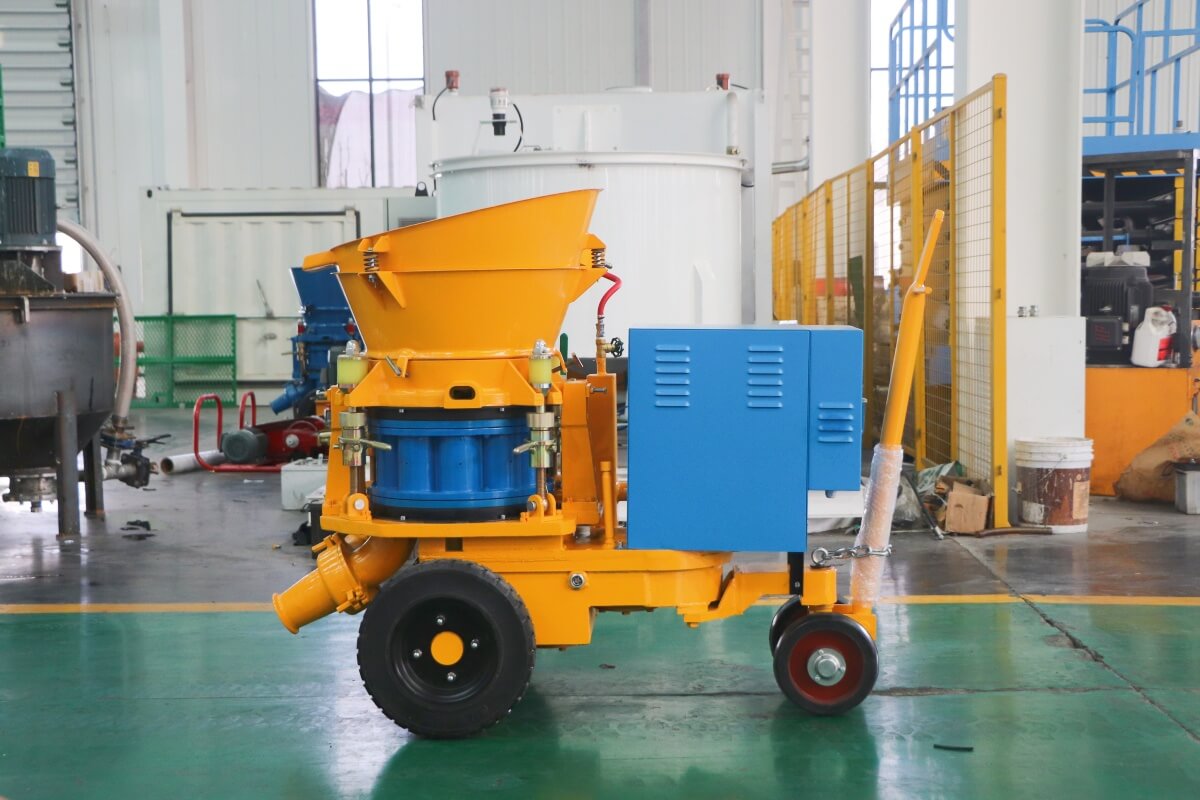
Dry-process refractory gunite machine for monolithic lining installation and repair in cement plants. Suitable for preheaters, calciners, kiln hoods, coolers, air ducts and other high-temperature production areas.
The Refractory Material Mixer is used for preparing dense castables, mortar, and furnace lining materials. Intensive mixing, reinforced wear parts, and optional water dosing provide consistent batches for casting, pumping, and refractory spraying. It is also suitable for furnace lining, steel plant maintenance, and refractory installation, featuring intensive mixing and wear-resistant construction. Gaodetec Refractory Material Mixer features optimized mixing blades paired with a hardened gear reducer, allowing for lifting and lowering of the discharge material, making it suitable for high-load continuous production scenarios.
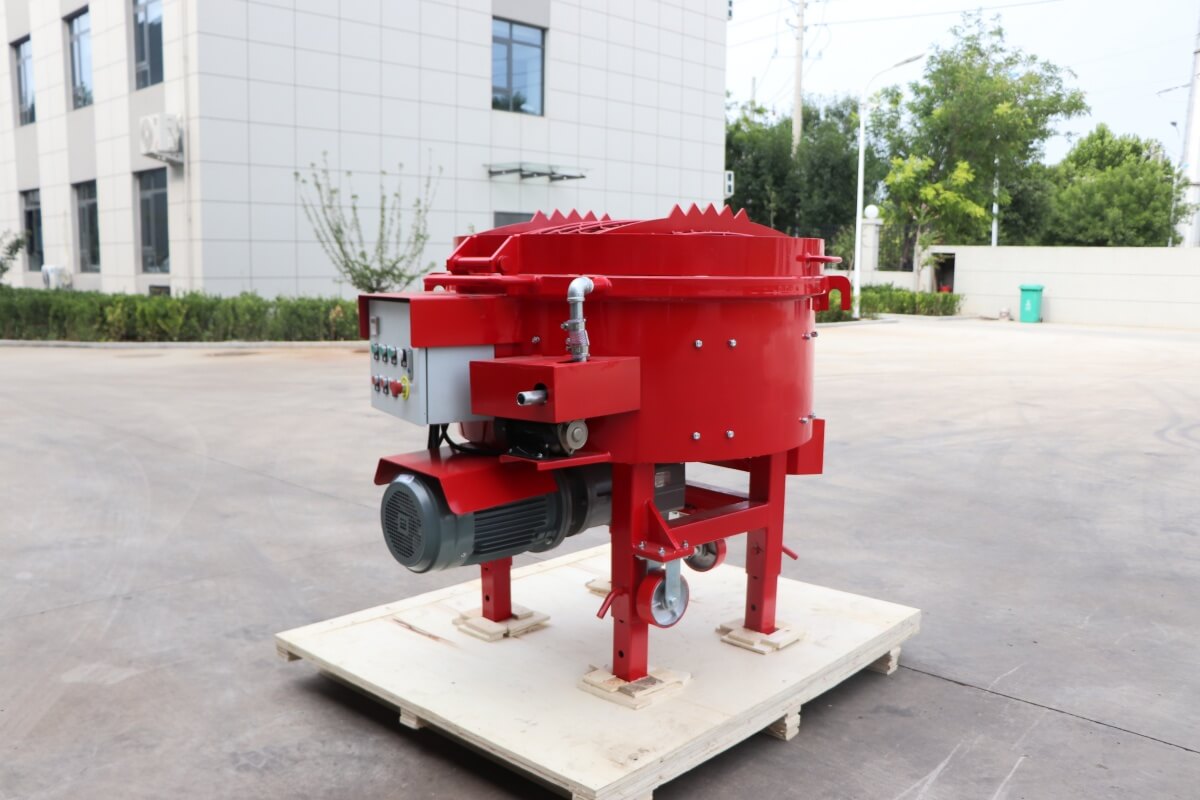
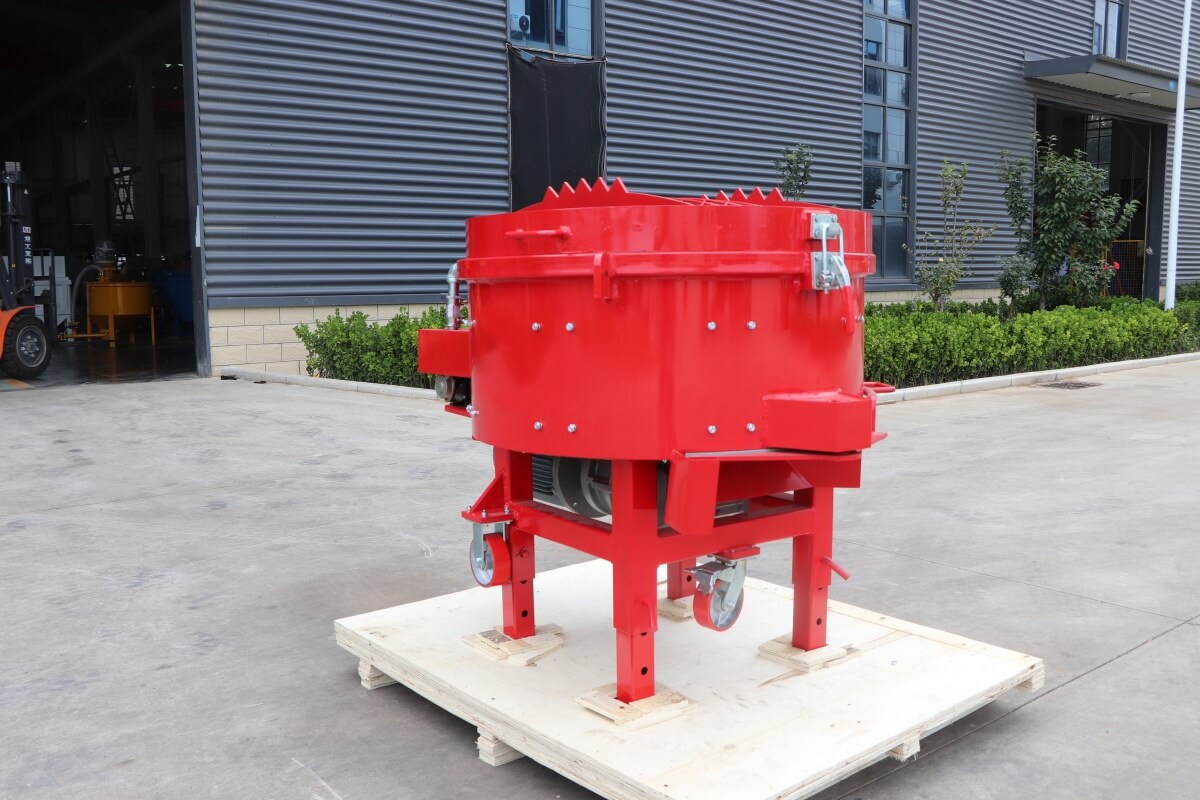
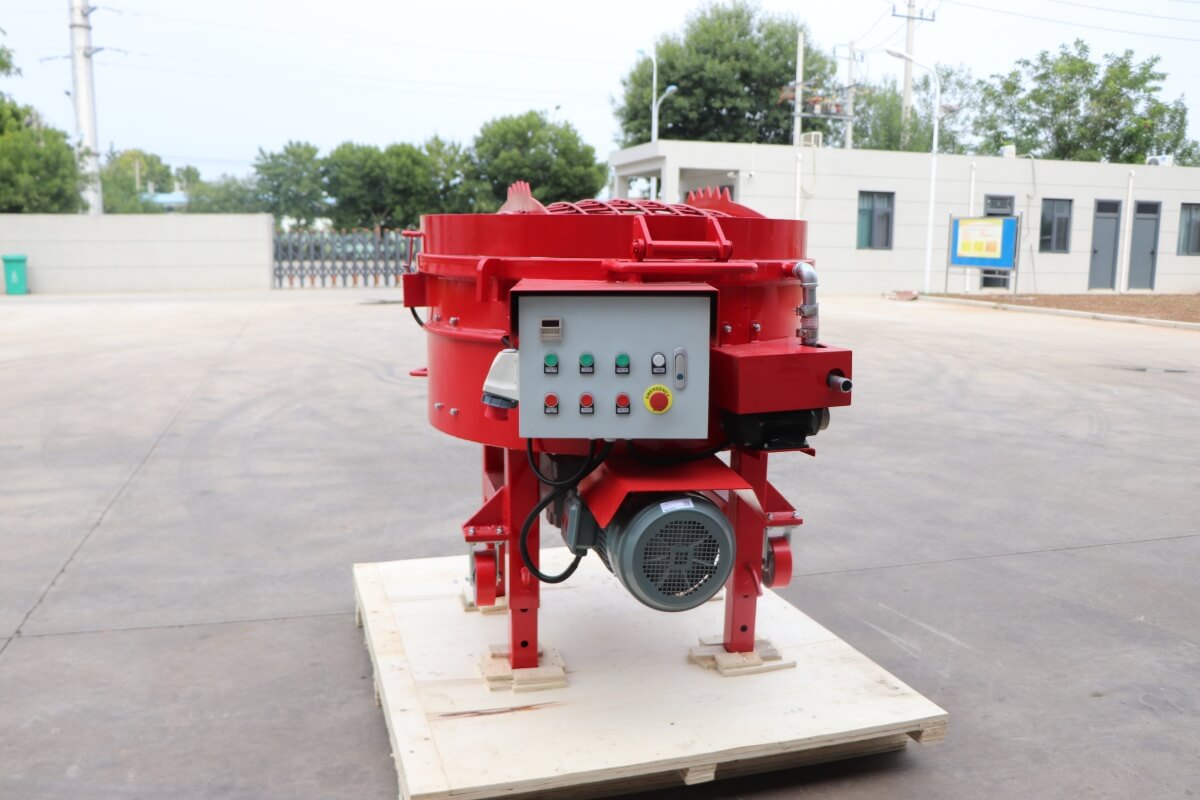
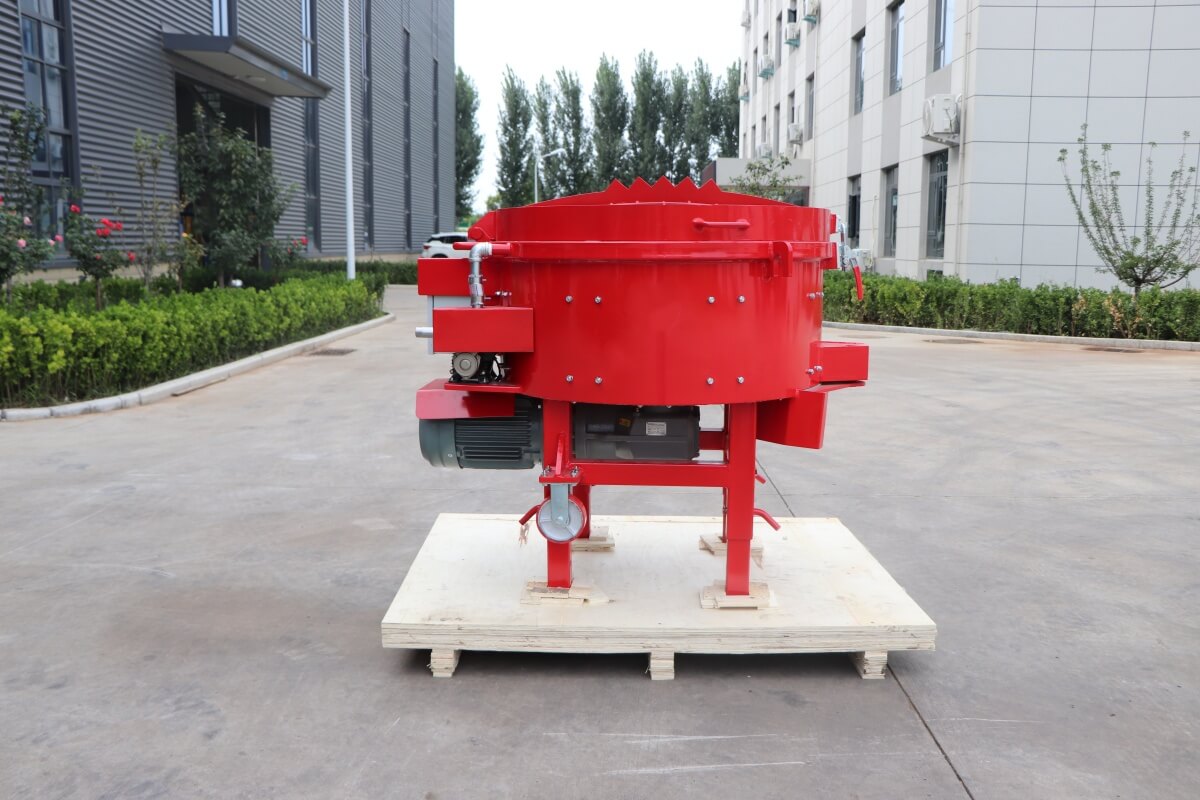
The refractory castable pan mixer is a heavy-duty mixing machine developed for preparing refractory castables, refractory mortar, furnace lining compounds and other dense or abrasive materials. This refractory castable mixer is widely used in steel plants, foundries, coke plants, cement kilns, glass furnaces, ceramic kilns and industrial furnace maintenance projects. Mixing capacity, power system and discharge configuration can be customized according to the material and construction requirements.
The refractory pan mixer is an industrial mixing device specifically designed for mixing refractory materials and refractory castables. It boasts the following core features: powerful mixing force, completing material mixing in just 2-3 minutes; high mixing uniformity; reduced manual intervention; and optimized performance of finished refractory materials. Our commonly used refractory pan mixers have capacities of 100kg, 250kg, 300kg, 500kg, 750kg, and 1000kg. Some models are equipped with wear-resistant steel liners and multiple sets of mixing arms with different functions to prevent material from sticking to the walls. Most models support both mobile and stationary layouts and are equipped with automatic lid opening and power-off protection, water spray nozzles, and a bag breaker, resulting in low maintenance costs and suitability for on-site construction operations.
The pan mixer for refractory materials is designed for fast and uniform preparation of castables, mortar and furnace lining compounds. Its high-torque mixing system, wear-resistant liners and durable blades make it suitable for steel plants, foundries, kilns and industrial furnace repair projects.
Cement grouting equipment is used for the preparation, storage, continuous agitation, and pressure delivery of cement grout. A well-configured setup—comprising a grout mixer, storage/agitation tank, and grout pump—creates a continuous, stable grouting system that ensures a reliable supply of grout for micropiles of varying depths, diameters, and construction methods. Micropiles are characterized by small diameters, flexible construction, high load-bearing capacity, and strong site adaptability; they are widely used for building underpinning, structural reinforcement, bridge foundation repair, and piling in confined spaces. Cement grouting is a critical step in micropile construction, as grout quality, injection pressure, and the actual volume injected directly influence pile strength and the bond between the pile and the surrounding soil.
The High-Shear Colloidal Grout Mixer Pump Unit is a piece of high-efficiency grouting equipment specifically designed for cement-based grouts. Utilizing a high-speed rotating high-shear impeller or centrifugal dispersion device (operating at speeds of 2,000–3,000 rpm), it thoroughly disperses materials such as cement and fly ash into their finest particles, ensuring complete wetting. This process significantly enhances grout stability while minimizing the risks of bleeding and segregation. These units are widely used in heavy-duty construction applications—including dams, tunnels, post-tensioned prestressing projects, underground mining, and geotechnical anchoring—and are compatible with various grout materials, such as neat cement grout, bentonite slurry, and micro-cement grout.
The Grout Mixing and Pumping Station integrates grout mixing, storage/agitation, and high-pressure pumping functions onto a single equipment platform, enabling the continuous production of high-quality, consistent cement grout and its delivery to micropile boreholes at preset pressures. Featuring a compact design and ease of operation, it is suitable for new foundation construction, underpinning of existing structures, bridge rehabilitation, and foundation reinforcement projects with space constraints. In micropile construction, the cement grout serves not only to fill the borehole void but also plays a critical role in bonding the reinforcement (steel bars or pipes) to the surrounding ground. The uniformity and fluidity of the grout, as well as the stability of the injection process, directly influence the structural integrity, bond strength, and load-bearing capacity of the micropiles.
The integrated grouting plant for micropile foundation work combines slurry preparation, storage, mixing, and high-pressure delivery functions into a single unit, ensuring a continuous supply of high-quality, consistent cement grout for micropile construction. Compared to setups using multiple standalone machines, this integrated station offers advantages such as a compact footprint, ease of operation, efficient workflow integration, and simplified on-site management; it is suitable for projects involving micropiles, soil nails/anchors, underpinning, and ground improvement. In micropile foundation construction, the quality of the grouting directly impacts the density of the pile body, the bond strength between the pile and the surrounding soil, and the ultimate load-bearing capacity. Given the small borehole diameters and significant drilling depths—combined with the fact that these projects often take place in spatially constrained areas or complex geological conditions—contractors demand higher standards regarding grout uniformity and stability, as well as precise control over grouting parameters.
The Colloidal Grout Plant for Micropile Injection integrates high-speed mixing, storage, continuous agitation, and pressure injection capabilities, enabling the continuous supply of uniform, stable, and highly pumpable cement grout for micropile construction. Micropiles are characterized by small diameters, construction flexibility, and strong site adaptability; they are widely used in building foundation reinforcement, bridge maintenance, slope stabilization, underground space renovation, and construction in confined areas. Micropiles typically form load-bearing structures through processes such as drilling, the installation of steel bars or pipes, and cement grout injection, where the quality of the grout directly impacts the integrity of the pile and the bond between the reinforcement and the surrounding ground.
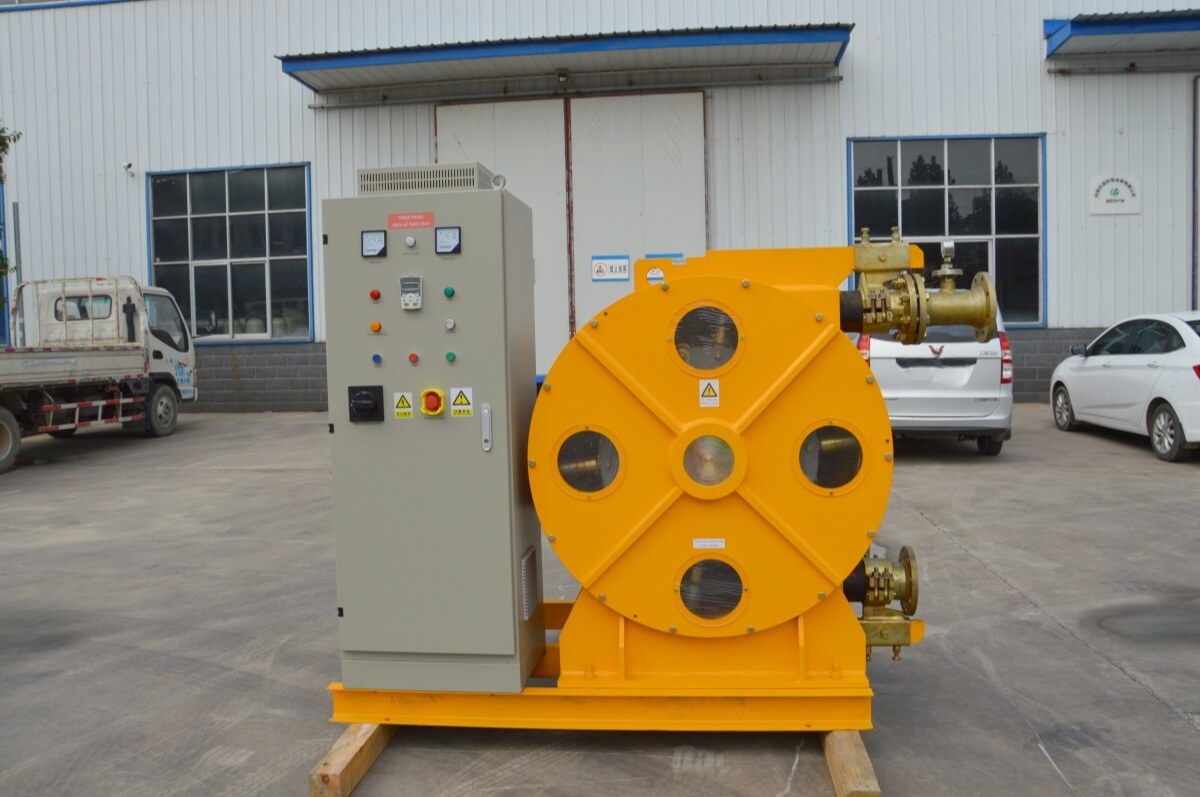
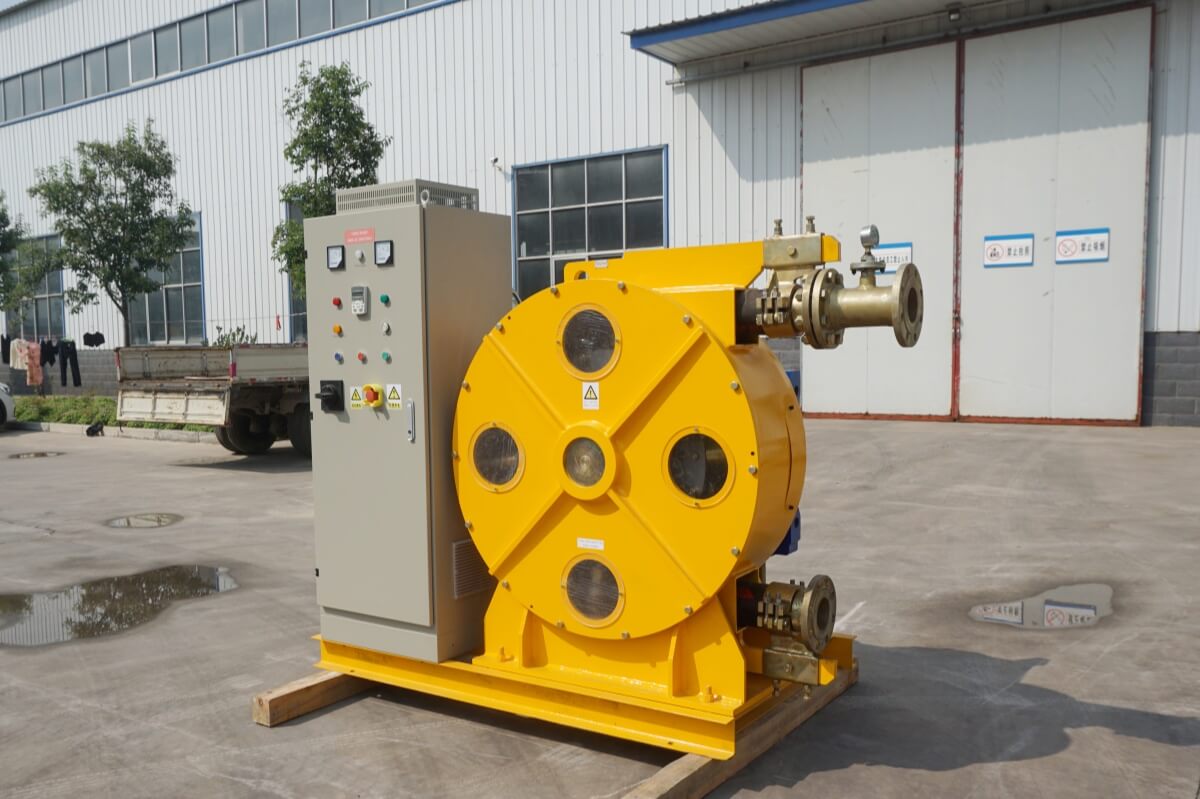
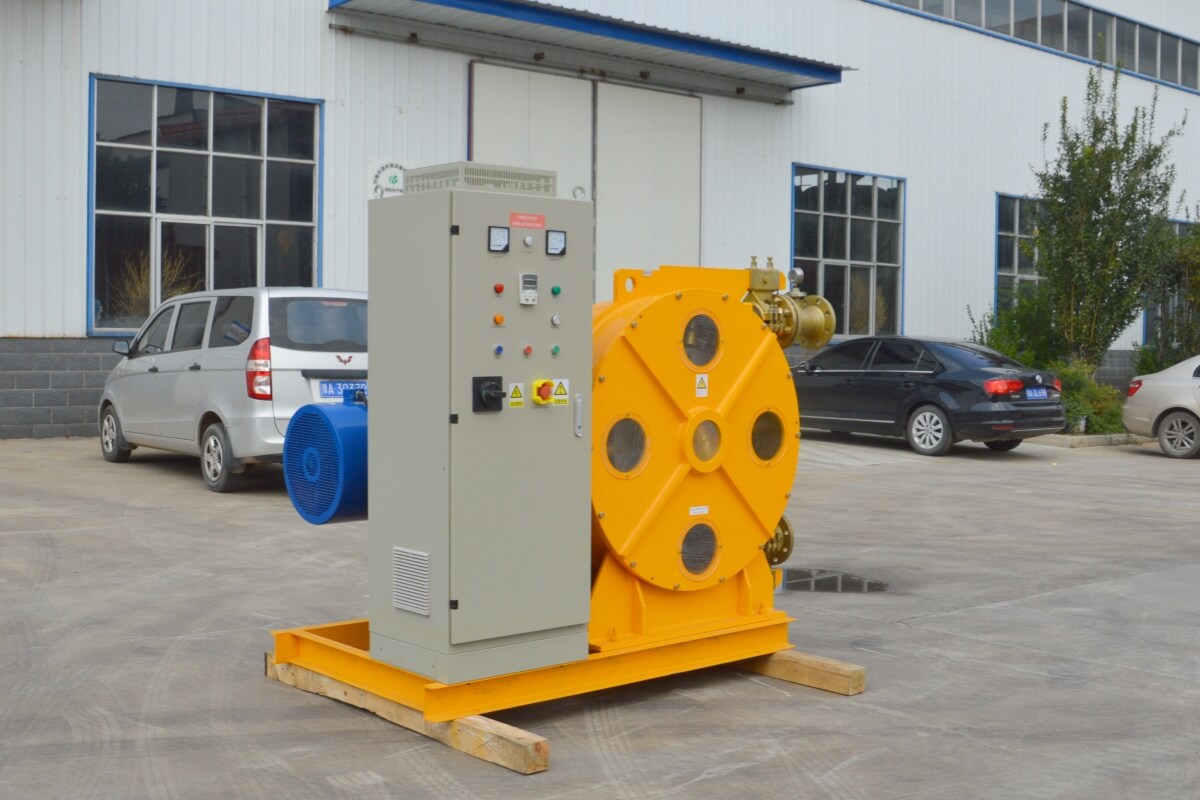
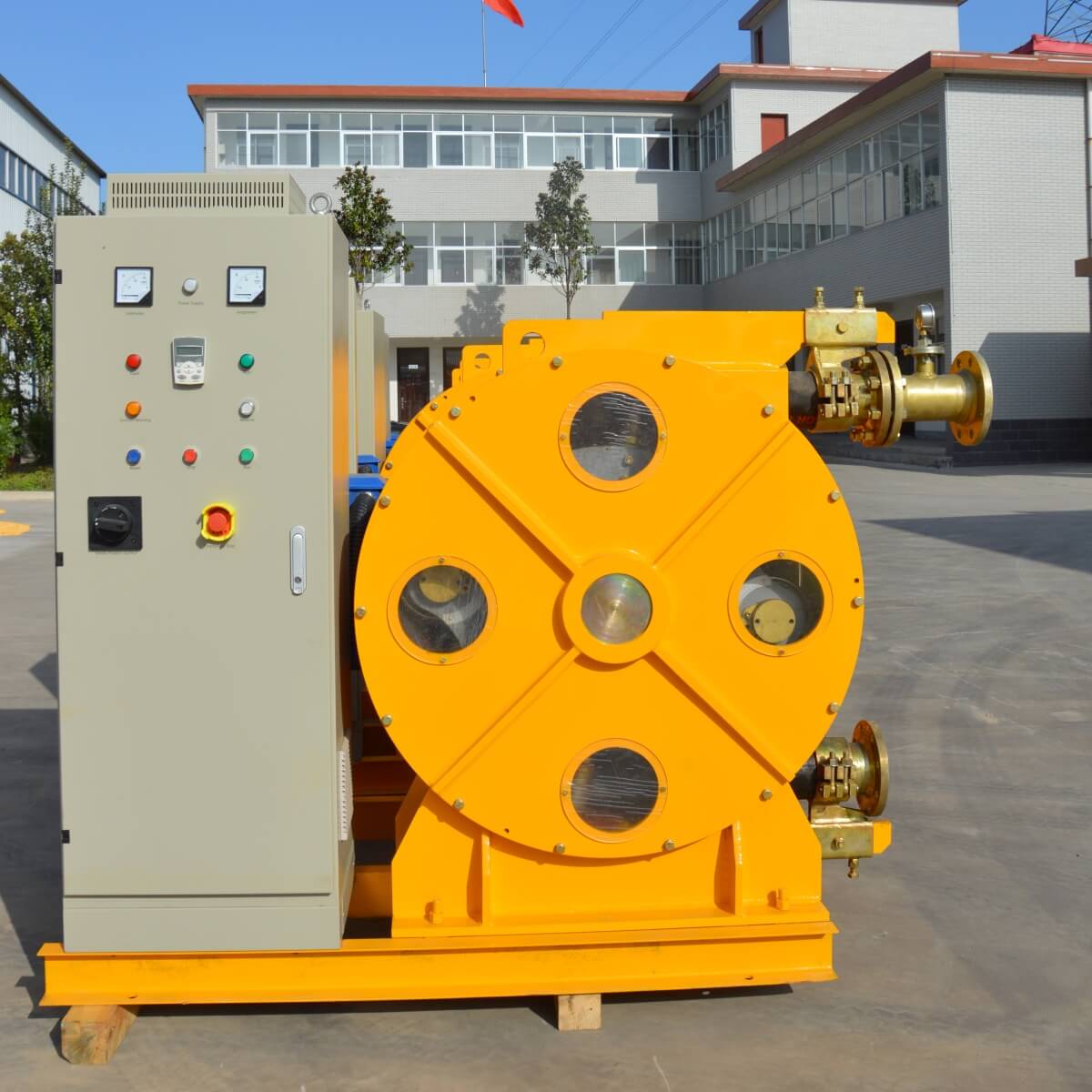
Features for Hose pump for pumping foam concrete: Versatile Fluid Transfer – The hose pump is designed to convey fluids and semi-liquid materials from one point to another with reliable, continuous flow. Easy-Wear Spare Part – The hose serves as the only wearing component in contact with the material. We recommend keeping at least one extra hose on hand to minimize downtime during replacement. Optimized for Foam Concrete – Widely used in foam concrete production lines, this pump handles foam concrete with aggregates up to 5 mm. Its low-pulsation, steady delivery preserves the foam structure, keeping density uniform and ensuring consistent quality for insulation, backfill, or lightweight construction applications. Broad Material Compatibility – Beyond foam concrete, the pump handles ordinary concrete, mortar, slurry, and other liquid or semi-liquid media. The seal-free mechanism ensures material contacts only the inner hose, which reduces wear, prevents leakage, and extends service life.
Customized Peristaltic Pump is suitable for conveying fluids with varying viscosity, density, corrosiveness, and abrasiveness. It is widely used across industries such as petroleum, chemical processing, water treatment, mining, gold smelting, pharmaceuticals, papermaking, and ceramics.
High Flow Industrial Hose Pumps are heavy-duty peristaltic pumping solutions designed for transferring aggressive, abrasive, and high-viscosity fluids. They are widely used for corrosive chemicals, fiber-laden slurries, gas-liquid mixtures, solid-liquid blends, and toxic or hazardous media where conventional pumps often fail.
Heavy Duty Peristaltic Hose Pump operates as a positive displacement pump, where the pumping action is driven by pressing shoes that alternately compress and release a specialized hose. During compression, the fluid is forced out of the hose toward the discharge side. As the shoe retracts, the hose elastically rebounds, creating a vacuum that draws fresh fluid in from the suction inlet. Because the pressing shoe achieves near-complete (100%) occlusion of the hose cross-section, the pump delivers highly accurate metering and reliable pressure performance. Since the conveyed medium only ever touches the interior of the hose, no mechanical seals are required.
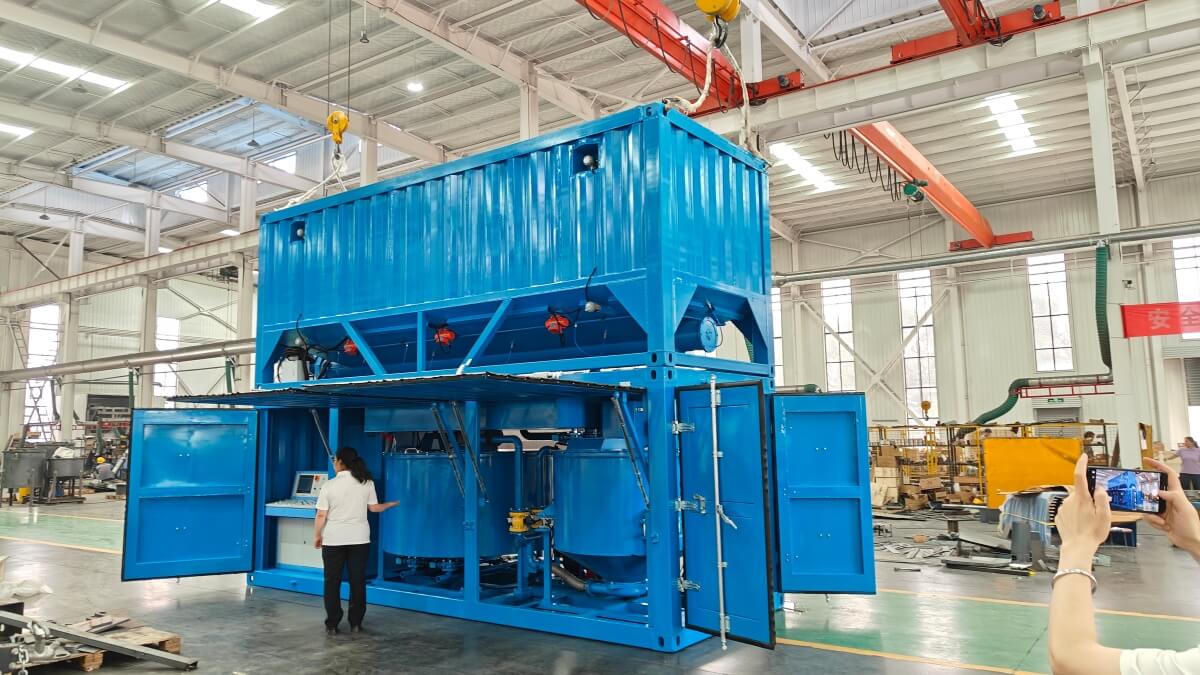
Gaodetec’s newly developed full automatic grout batching mixing plant is a highly integrated system designed for the precise and continuous production of cement-based grouts (as well as bentonite/colloidal grouts) – widely used in jet grouting, soil mixing, tunnel boring, dam reinforcement, and underground construction. This upgraded grout mixing plant includes a 17m³ horizontal cement silo, a 1200L capacity pulping machine, a 2500L capacity agitator, a 1300L water tank, and a control cabinet.
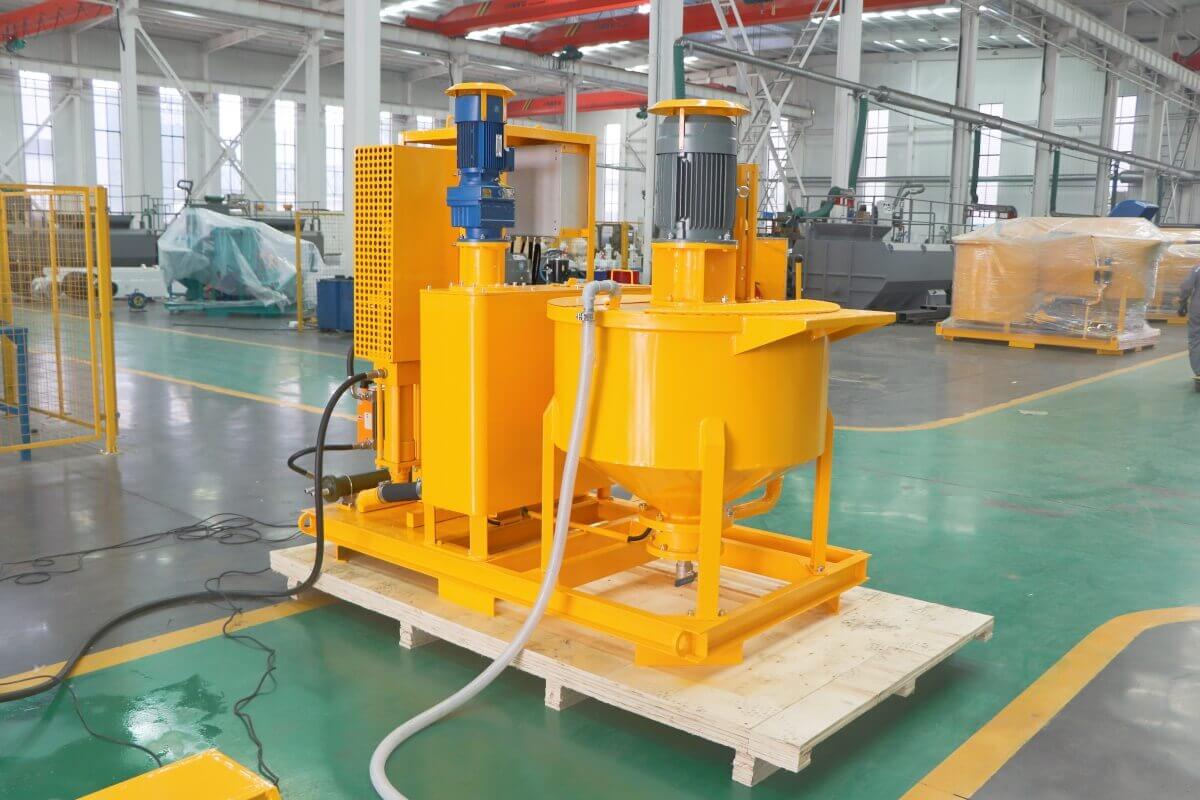
Compact grout injection station is an integrated, space-saving system that combines a high speed mixer, storage tank (agitator), and grout pump in a single base frame—typically occupying less than 5 square meters and can be operated by one person.
This integrated grouting plant is specifically designed for shield/TBM tunnel segment lining. It combines a high-speed grouting tank, a grout storage and mixing tank, and a high-pressure grouting pump into one unit. During tunnel excavation, it prepares cement/bentonite grout to fill the annular gap (annular gap) between the lining segments and the surrounding rock.
The Compact Grout Mixer and Pump is an integrated equipment that combines mixing and grouting functions. It is specifically designed for confined spaces, small-scale projects, or mobile operations. Its core features include a compact structure (typically occupying less than 5 square meters) and easy operation (can be operated by a single person), enabling seamless integration of grout preparation and high-pressure delivery. Typical applications include building repairs, small-scale foundation reinforcement, and localized tunnel seepage prevention, making it particularly suitable for construction environments where traditional large equipment is difficult to access.
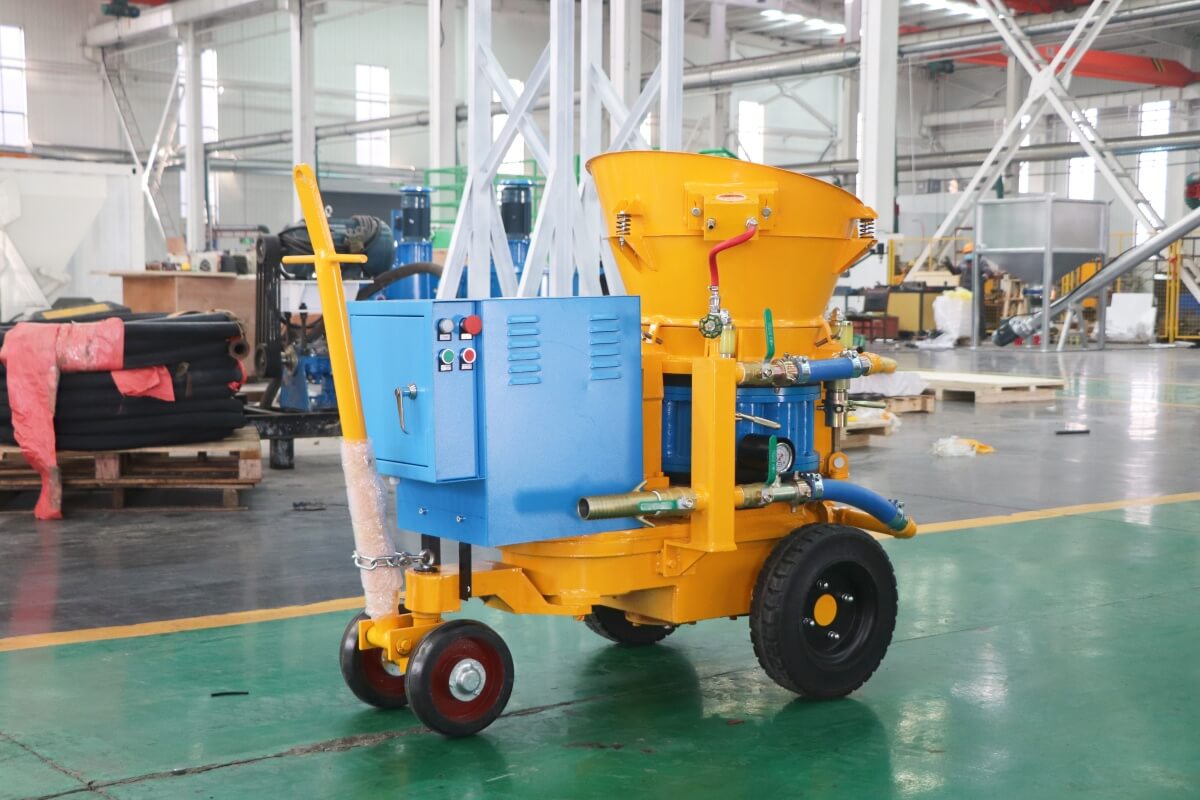
A small size concrete spraying machine (mini shotcrete machine) is a compact, mobile piece of construction equipment designed to pneumatically spray concrete onto vertical, sloped, or overhead surfaces for lining, repair, or slope stabilization. It is ideal for narrow spaces, small projects, and locations with limited access where large machines are impractical.
Shotcrete (spray grouting) technology has become the mainstream technology for slope stabilization protection due to its advantages of strong adaptability, stable protective effect, and high construction efficiency. Compared with traditional protection processes, shotcrete technology can adhere concrete to the slope surface through high-pressure spraying, forming a dense and high-strength support layer, effectively inhibiting the weathering and spalling of soil and rock, and enhancing the overall stability of the slope. It is especially suitable for protection operations on steep slopes and complex geological conditions, playing an irreplaceable role in controlling surrounding rock deformation, preventing collapse, and reinforcing structures.
Inverter speed high-pressure grouting machines eliminate the need for mechanical gearboxes, clutches, and other easily faulty transmission components, resulting in smaller pump size and lighter weight. They are compact in structure and highly reliable.
In underground mines, grout mixing equipment is a key piece of equipment used to prepare grouting materials. It mixes solid materials (such as cement, loess, fly ash, etc.) with water in a certain proportion to form a uniform slurry that meets the required concentration, which can be used for mine fire prevention and extinguishing, goaf backfilling, roadway reinforcement and other projects.
*Please enter a message to us