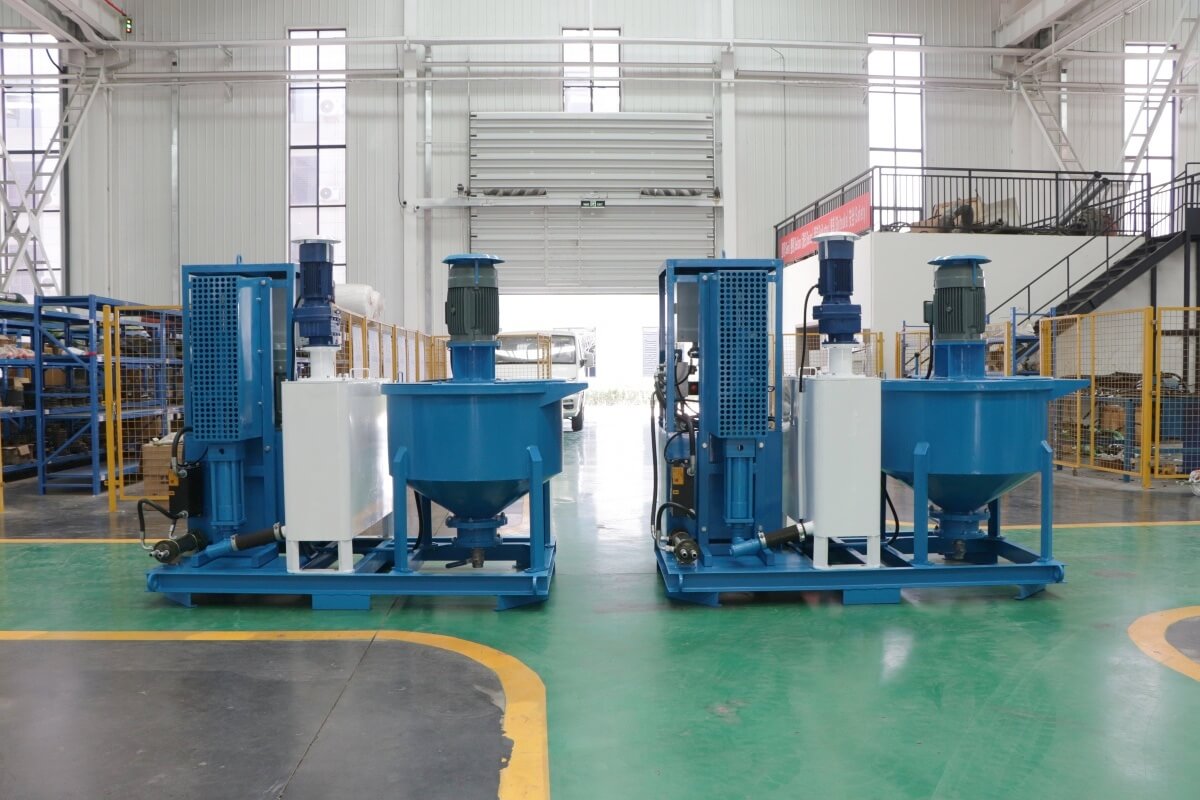
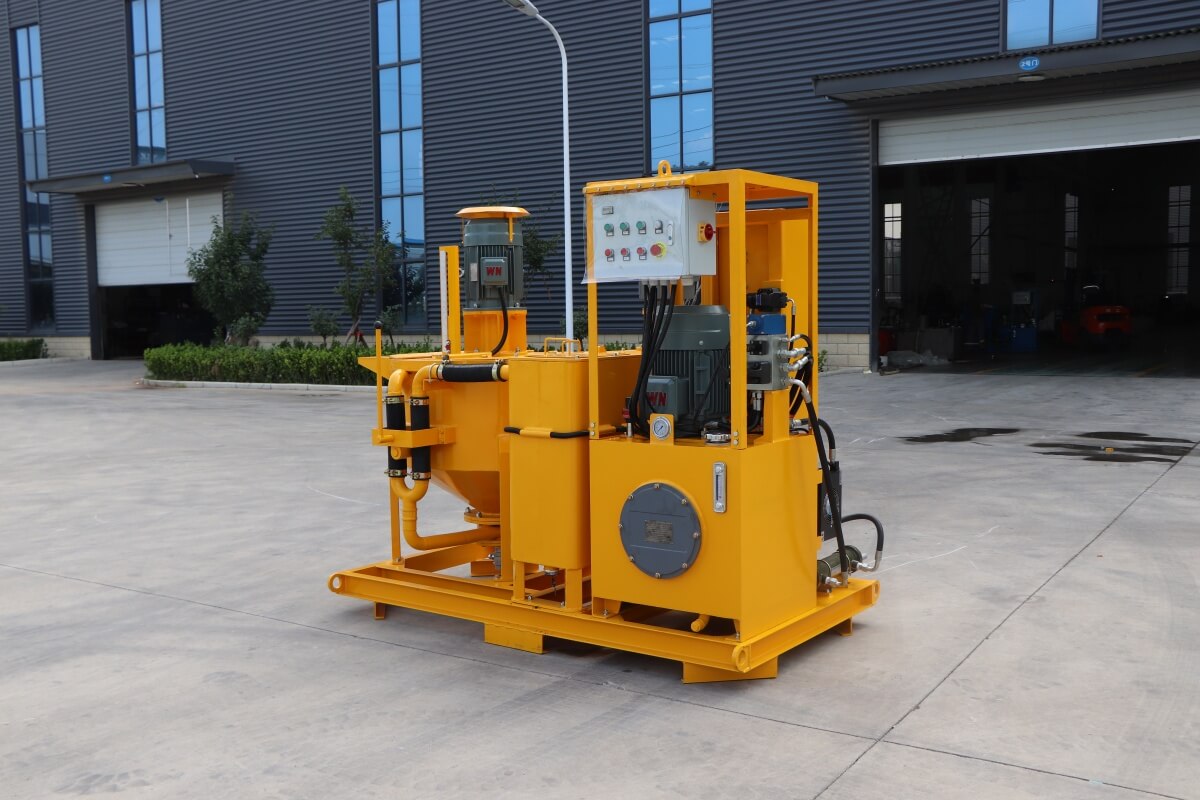
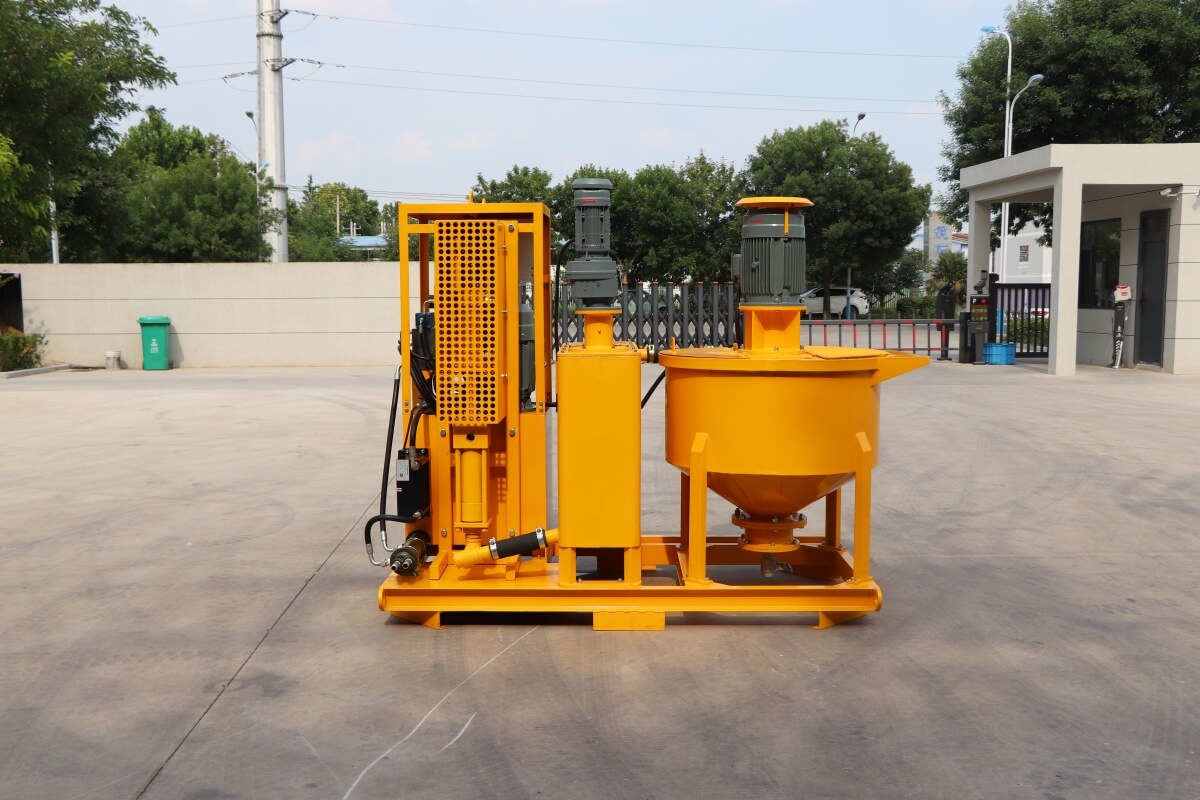
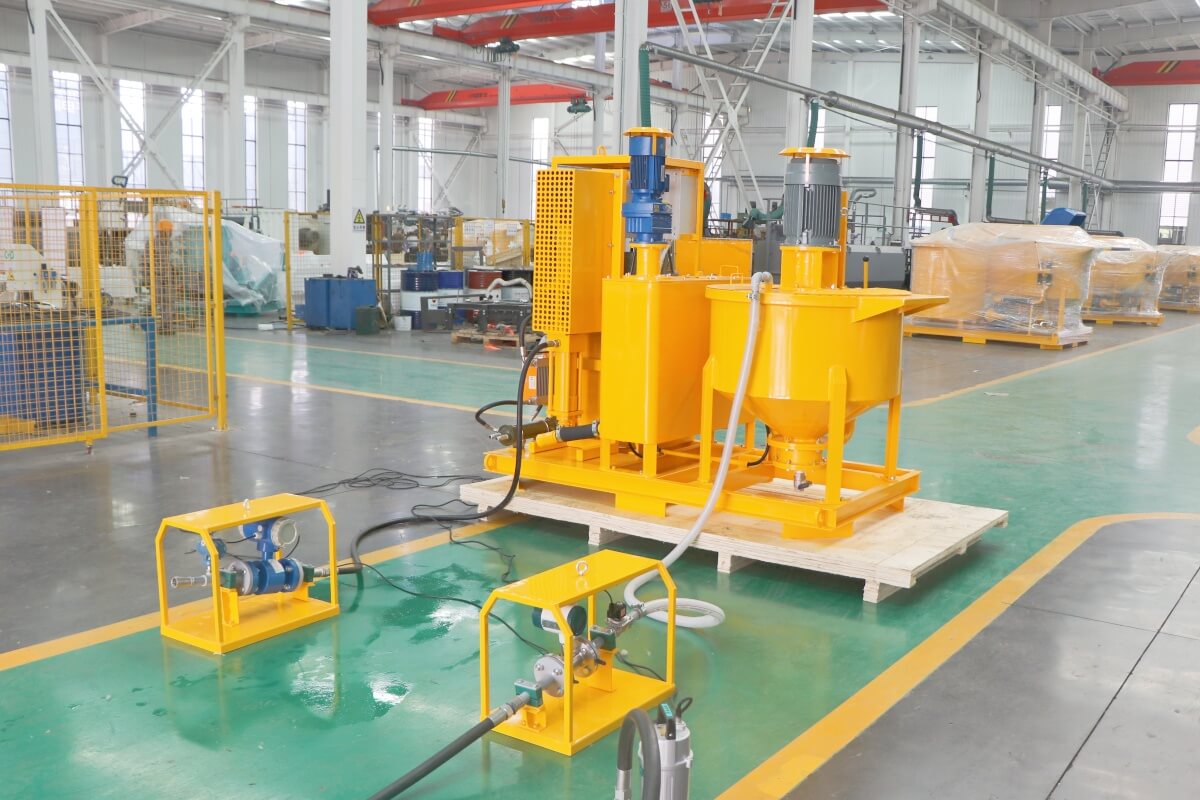
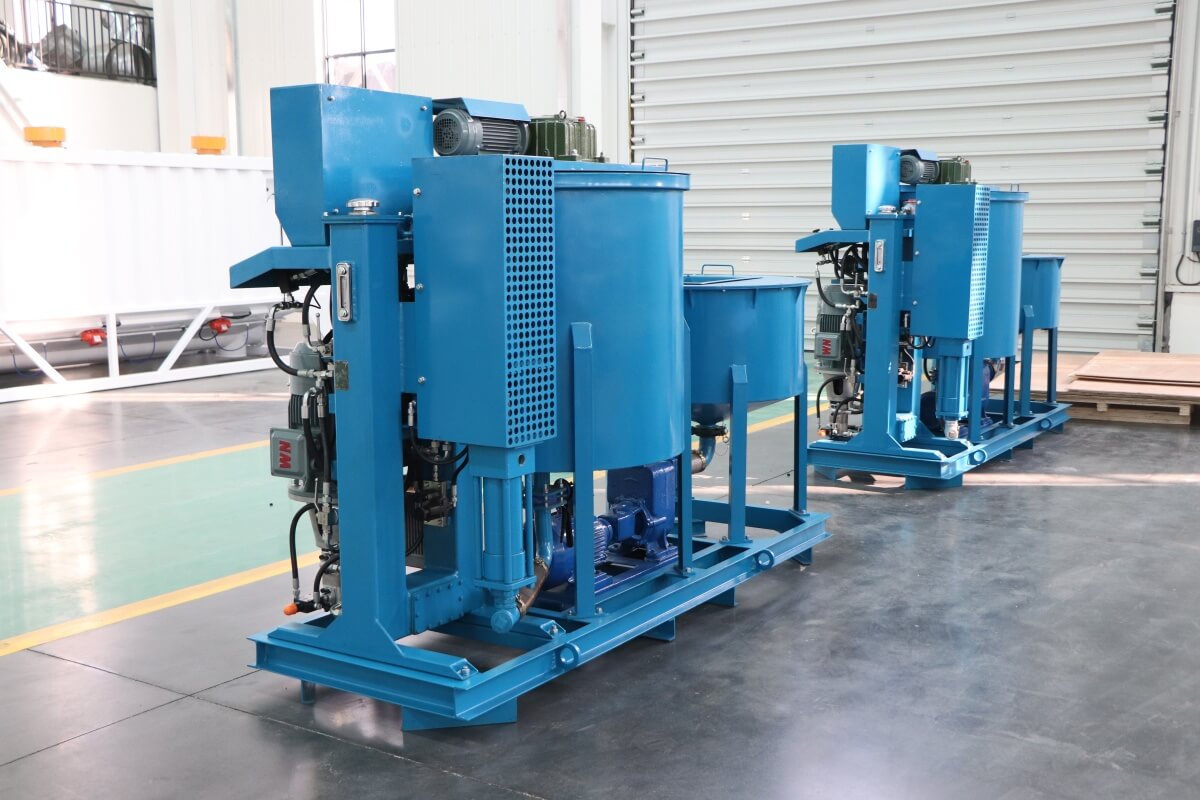
Gaode Equipment offers a high pressure grout plant combining twin mixing tanks and a plunger pump for cement grout preparation and injection. Suitable configurations support foundation grouting, rock anchoring, and soil nailing. Mixing capacity, pumping pressure, flow rate, and power options can be tailored to your project requirements.
Cement grouting equipment is used for the preparation, storage, continuous agitation, and pressure delivery of cement grout. A well-configured setup—comprising a grout mixer, storage/agitation tank, and grout pump—creates a continuous, stable grouting system that ensures a reliable supply of grout for micropiles of varying depths, diameters, and construction methods. Micropiles are characterized by small diameters, flexible construction, high load-bearing capacity, and strong site adaptability; they are widely used for building underpinning, structural reinforcement, bridge foundation repair, and piling in confined spaces. Cement grouting is a critical step in micropile construction, as grout quality, injection pressure, and the actual volume injected directly influence pile strength and the bond between the pile and the surrounding soil.
The integrated grouting plant for micropile foundation work combines slurry preparation, storage, mixing, and high-pressure delivery functions into a single unit, ensuring a continuous supply of high-quality, consistent cement grout for micropile construction. Compared to setups using multiple standalone machines, this integrated station offers advantages such as a compact footprint, ease of operation, efficient workflow integration, and simplified on-site management; it is suitable for projects involving micropiles, soil nails/anchors, underpinning, and ground improvement. In micropile foundation construction, the quality of the grouting directly impacts the density of the pile body, the bond strength between the pile and the surrounding soil, and the ultimate load-bearing capacity. Given the small borehole diameters and significant drilling depths—combined with the fact that these projects often take place in spatially constrained areas or complex geological conditions—contractors demand higher standards regarding grout uniformity and stability, as well as precise control over grouting parameters.
This integrated grouting plant is specifically designed for shield/TBM tunnel segment lining. It combines a high-speed grouting tank, a grout storage and mixing tank, and a high-pressure grouting pump into one unit. During tunnel excavation, it prepares cement/bentonite grout to fill the annular gap (annular gap) between the lining segments and the surrounding rock.
A cement bentonite grout mixing plant is a specialized system designed to produce homogeneous, stable slurries used primarily in geotechnical and civil engineering applications such as: Slurry walls (diaphragm walls), groundwater cutoff, tunneling and shaft sealing, landfill containment barriers, and soil nailing and ground improvement. Working Principle: Premixing Stage: Bentonite and water are thoroughly dispersed under low-speed stirring to form a colloidal solution. Main Mixing Stage: Cement and additives are added, and homogeneous mixing is achieved through high-speed shear mixing. Transportation and Storage: The mixed slurry is transported to the construction site via a pumping system or temporarily stored in mixing tanks to maintain its fluidity.
*Please enter a message to us