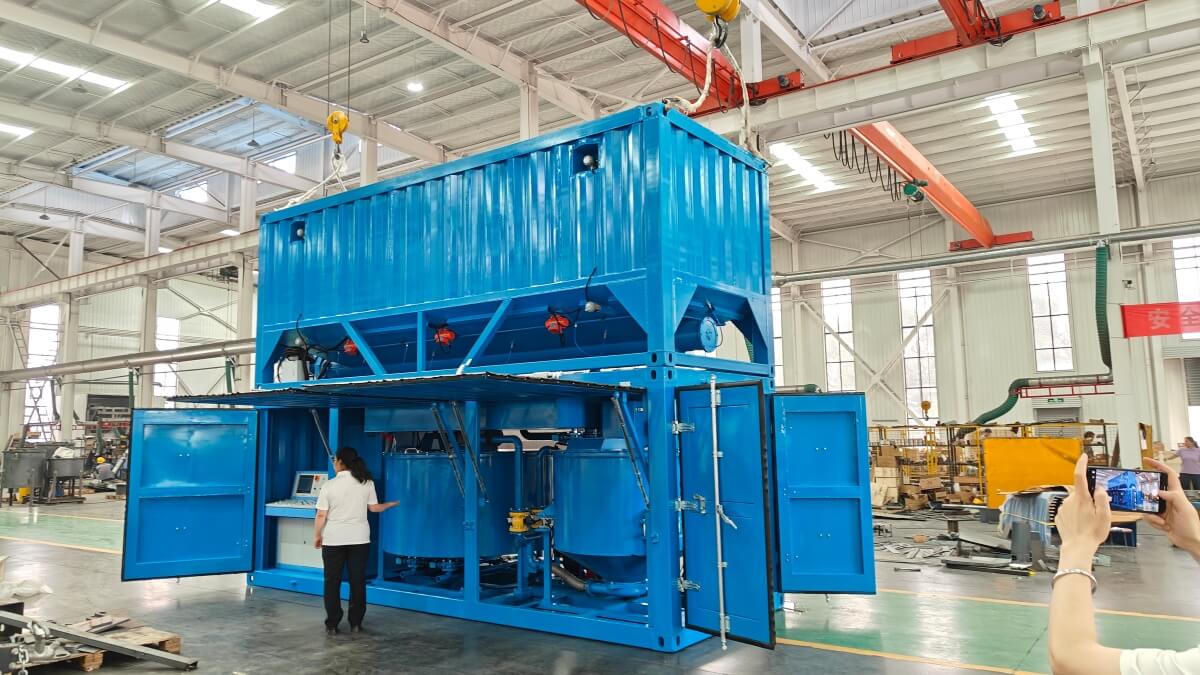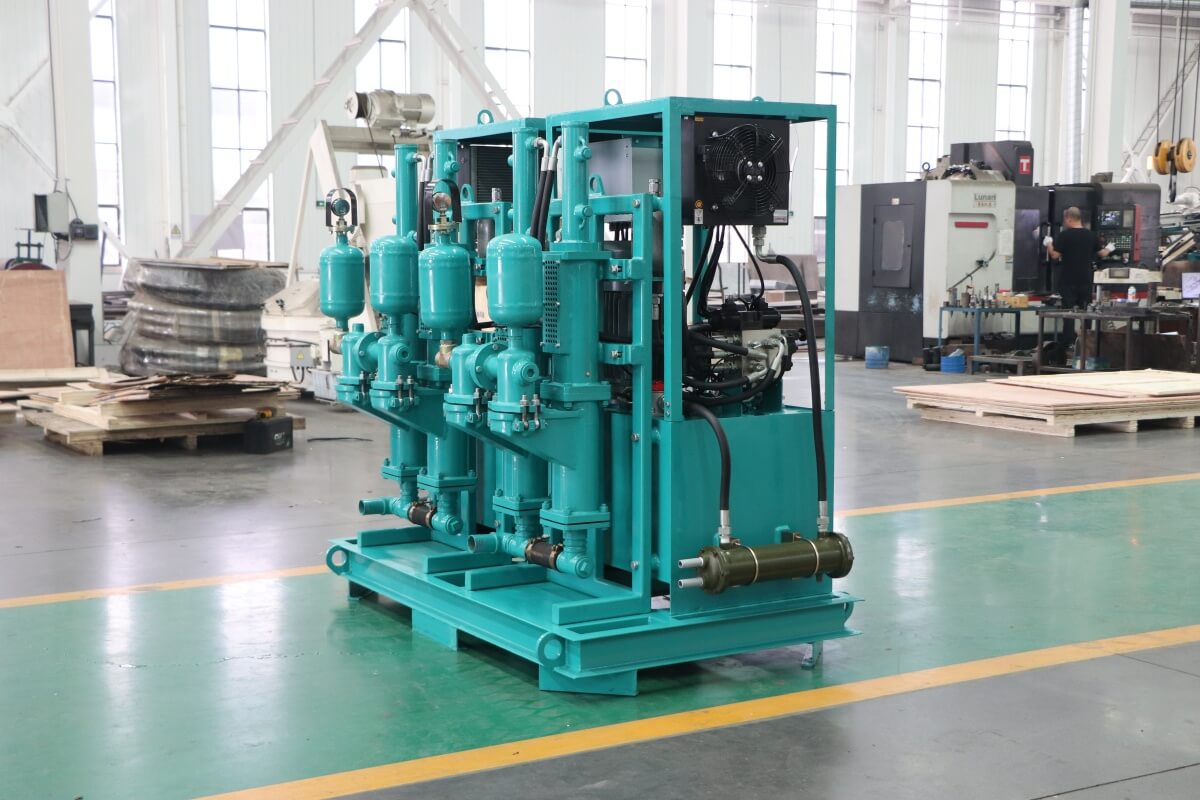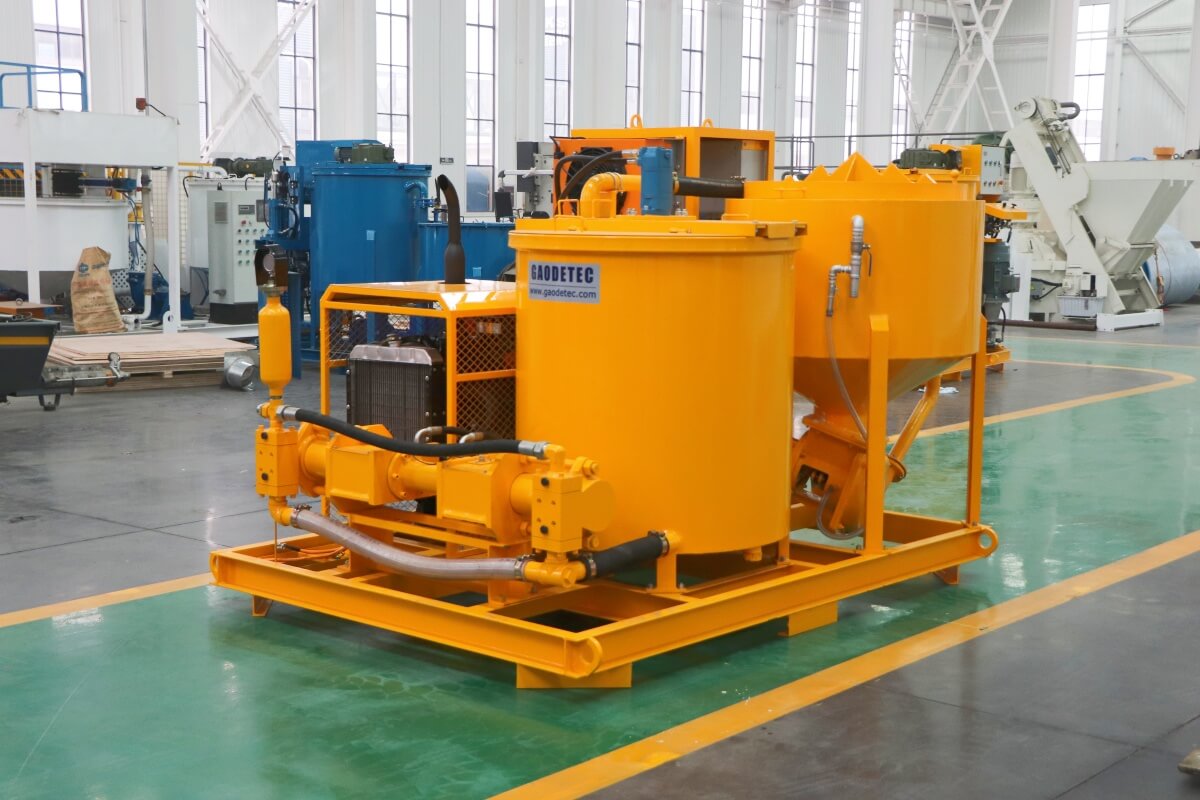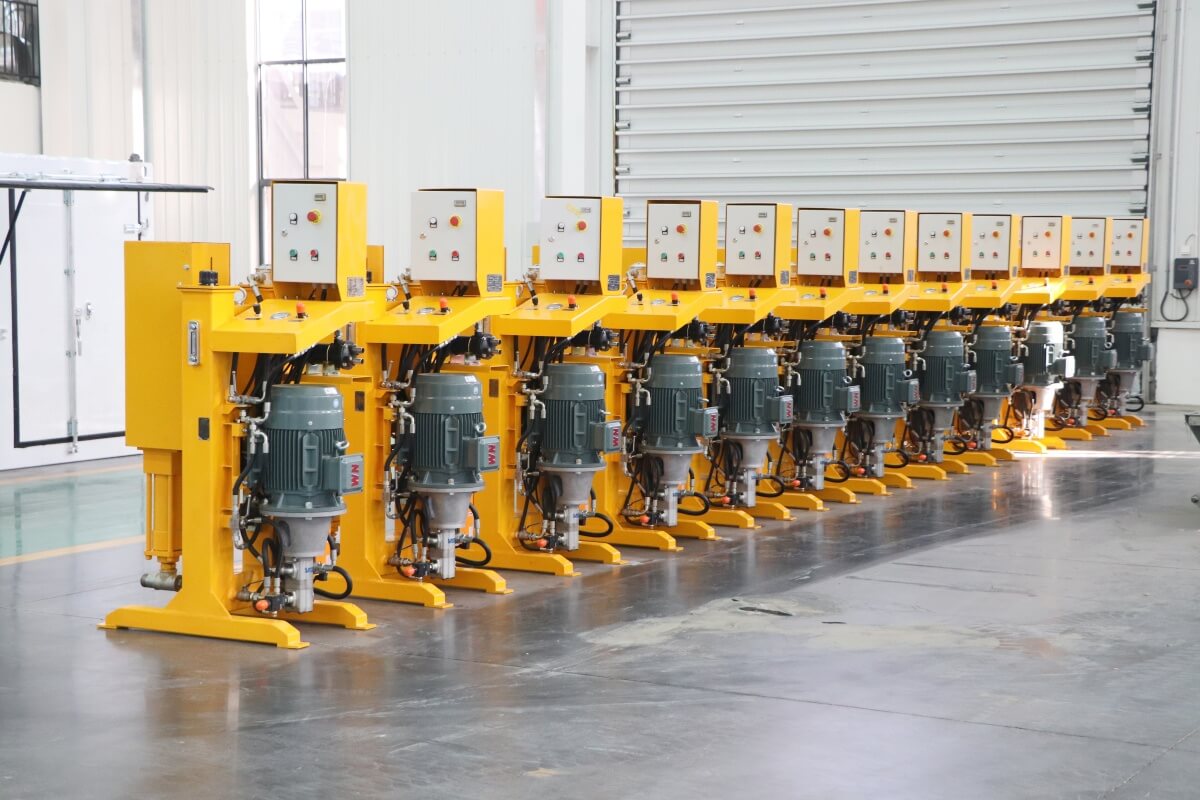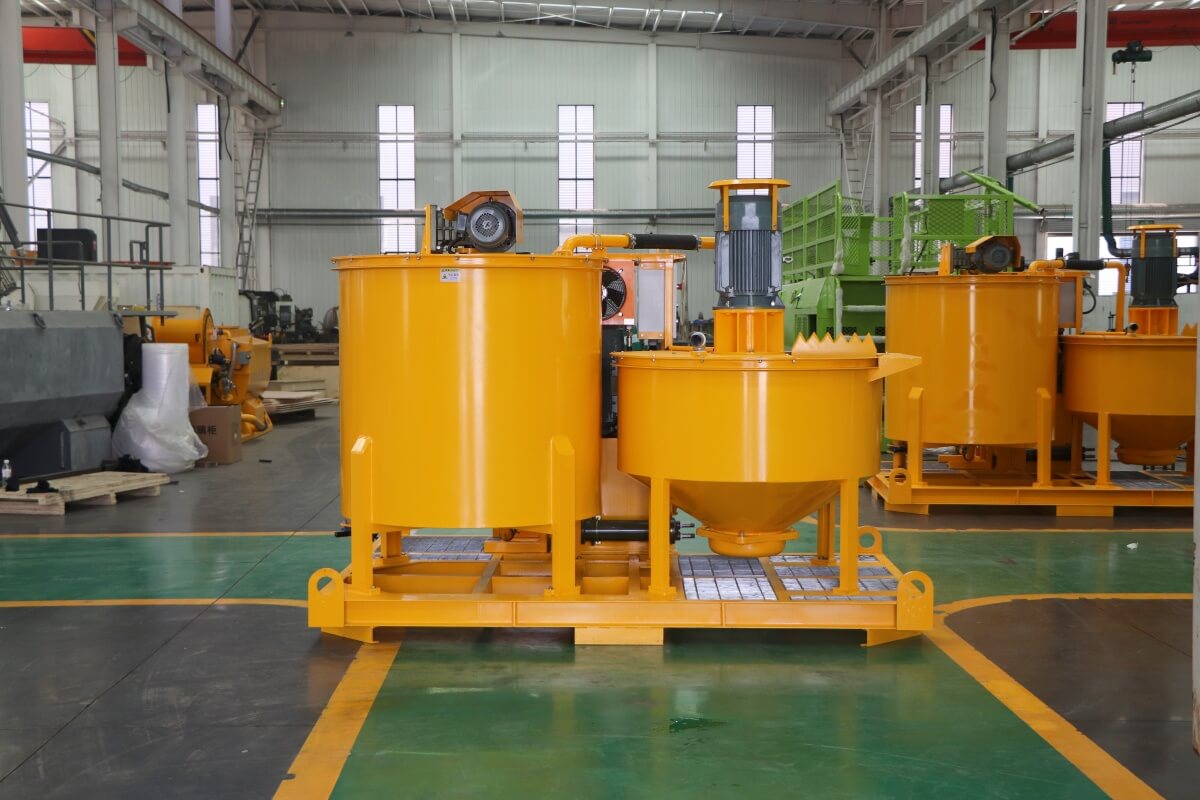
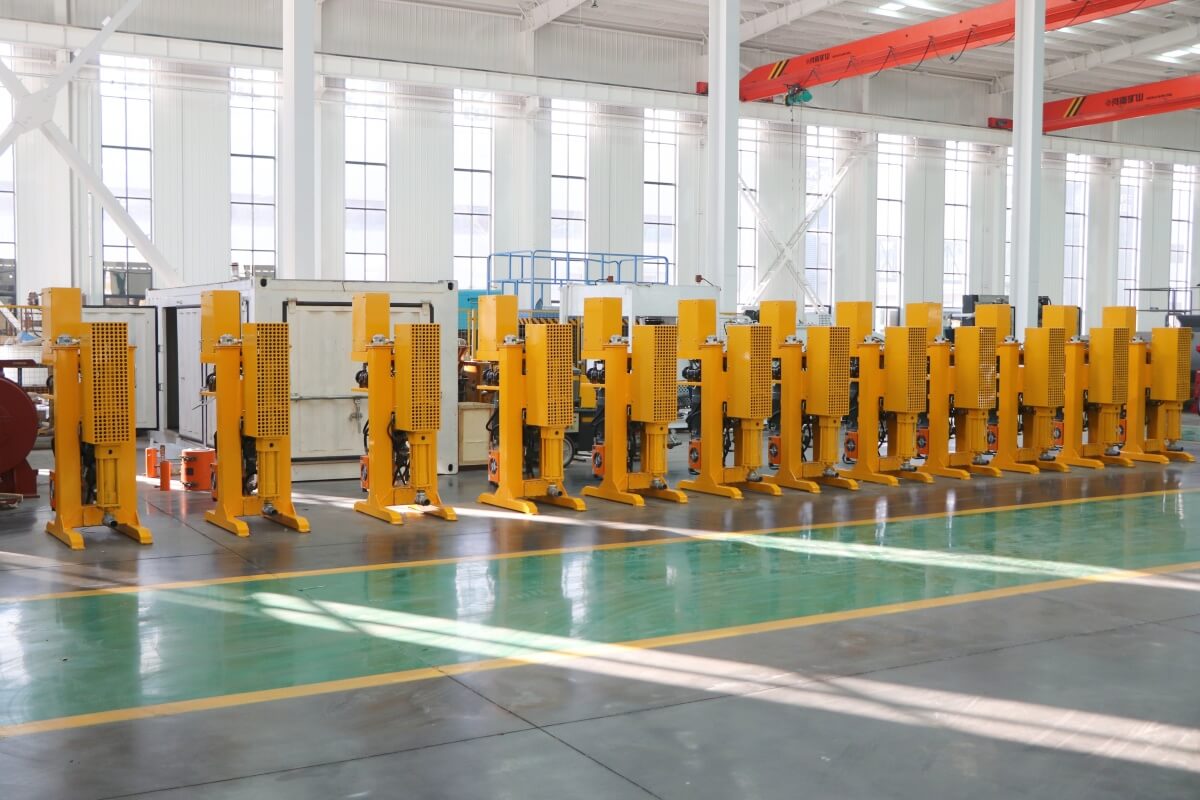
Grouting Pump for Foundation Reinforcement
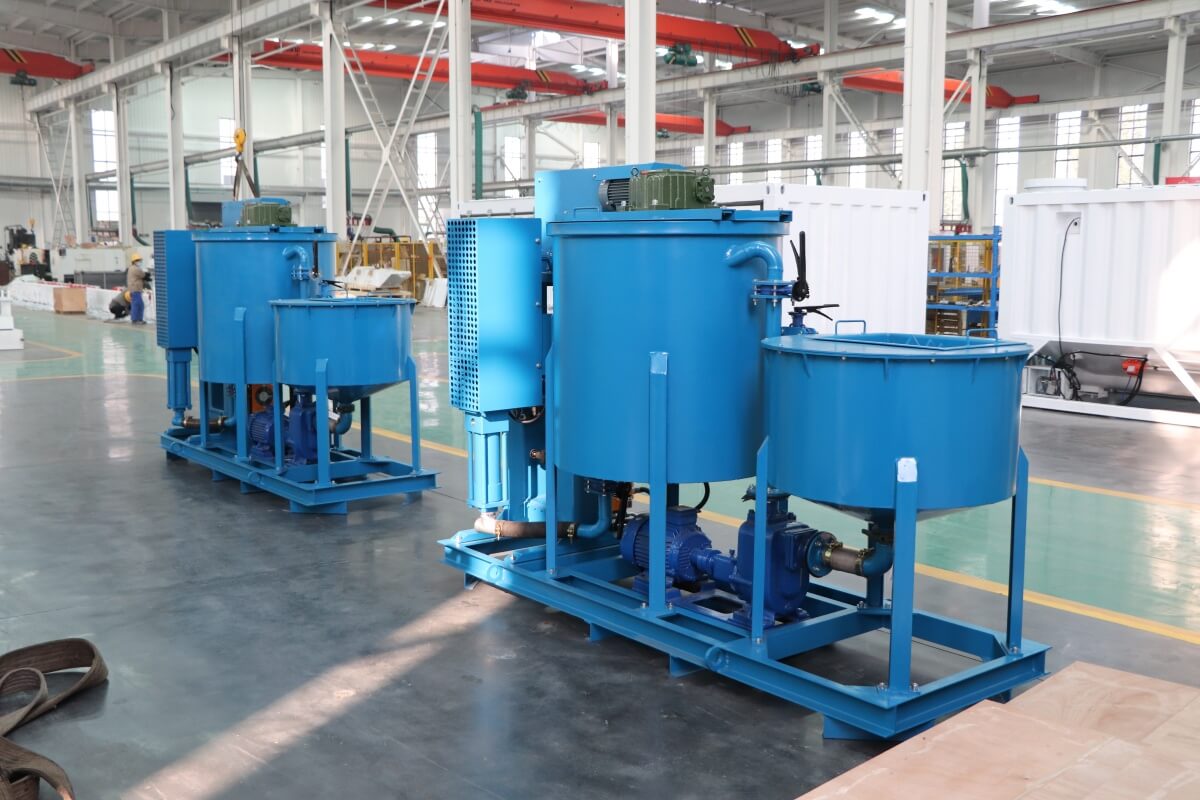
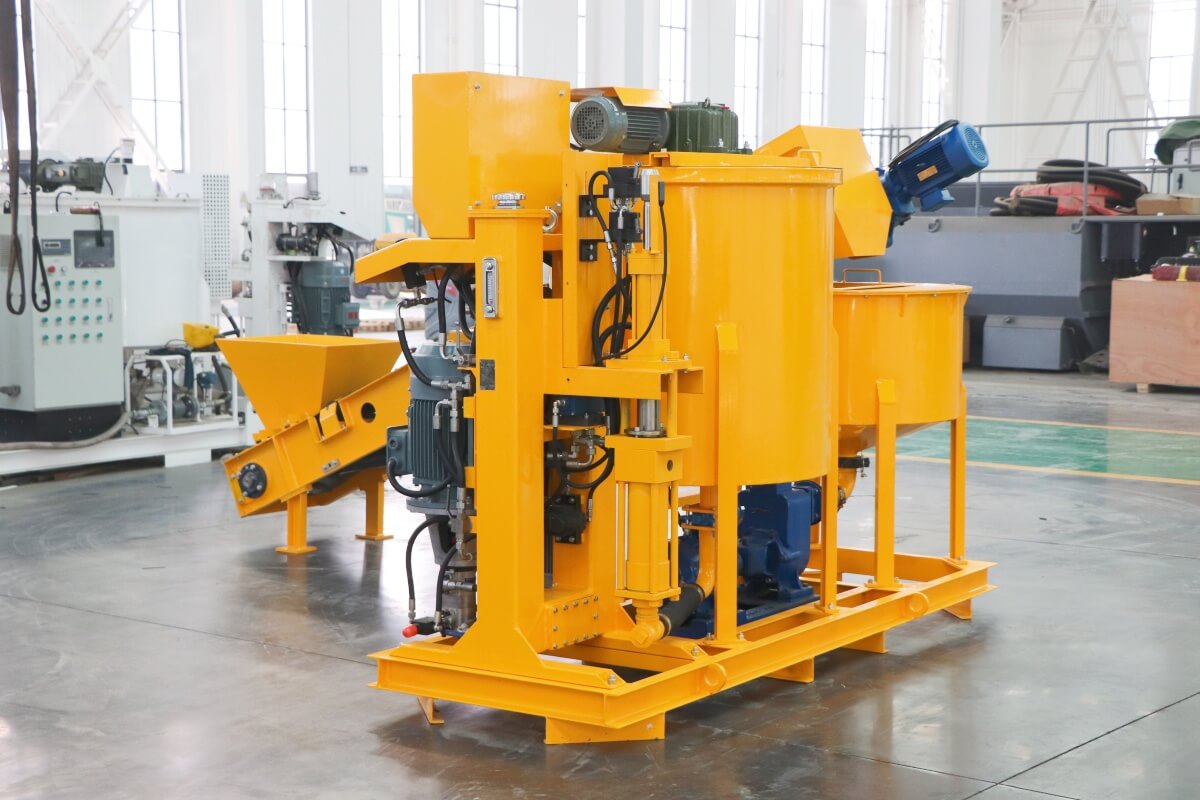
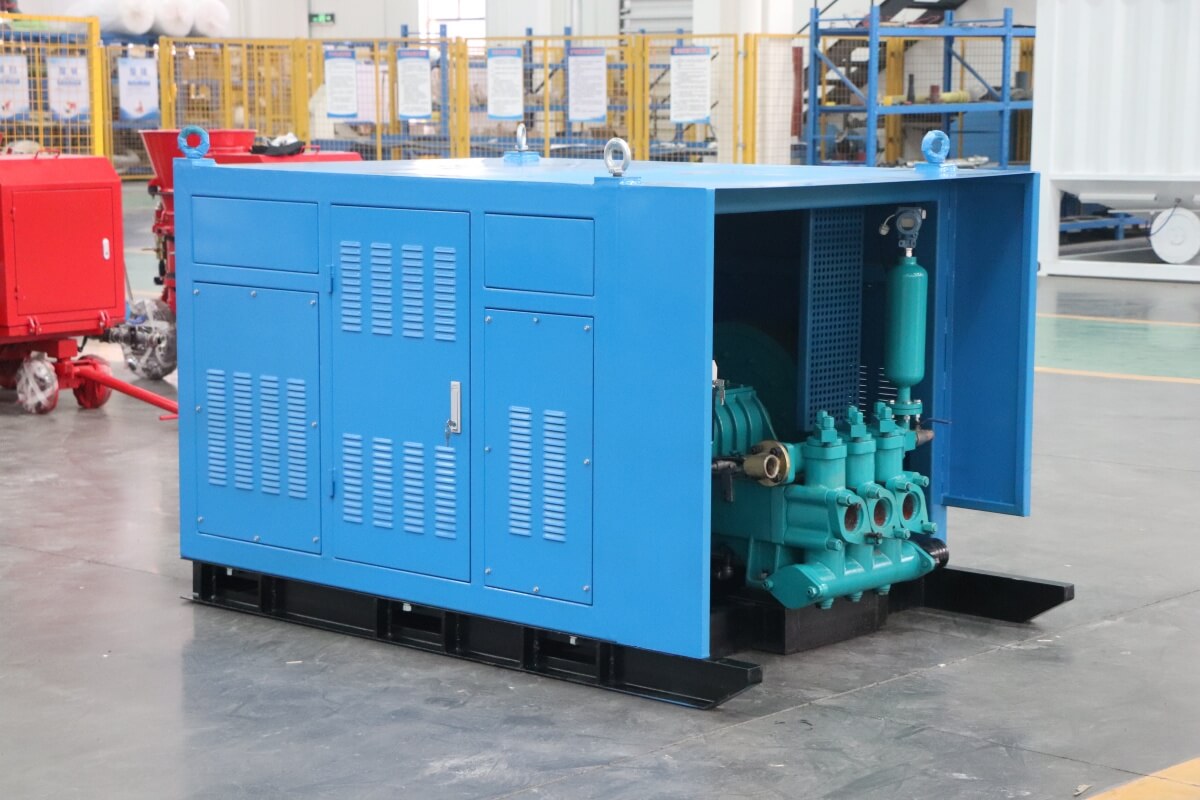
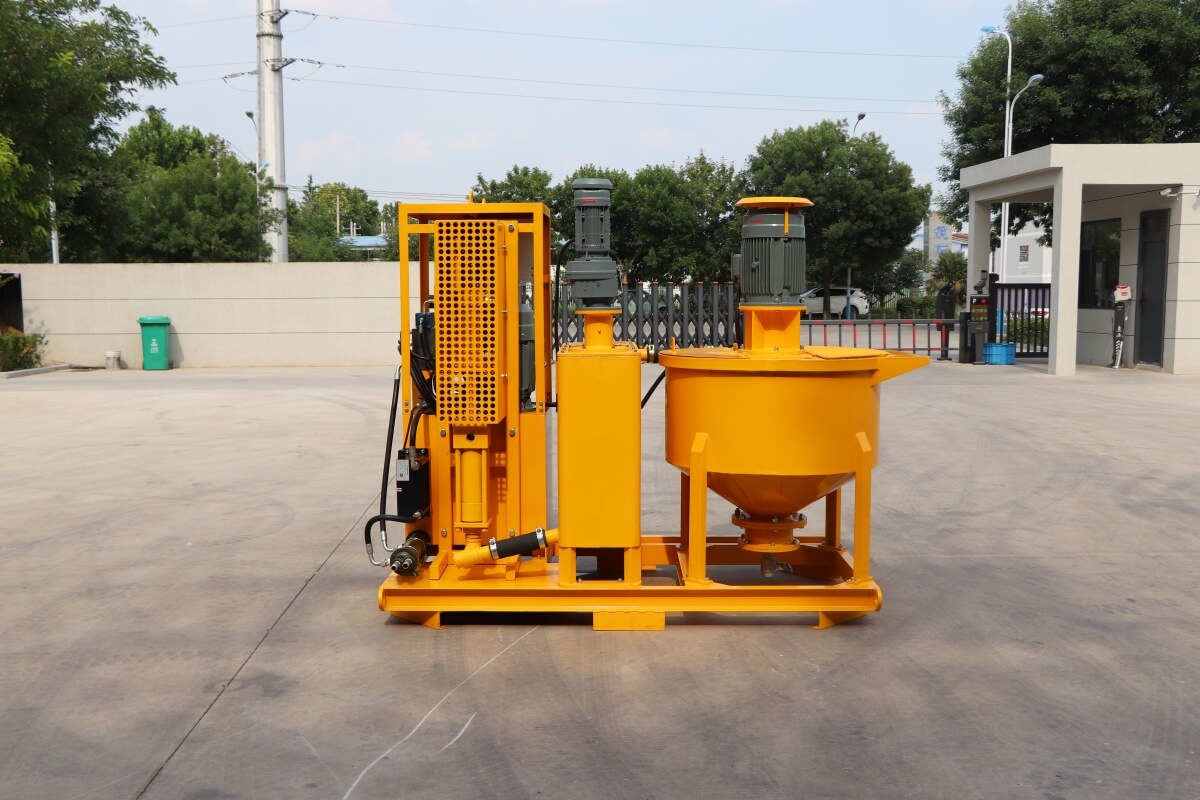
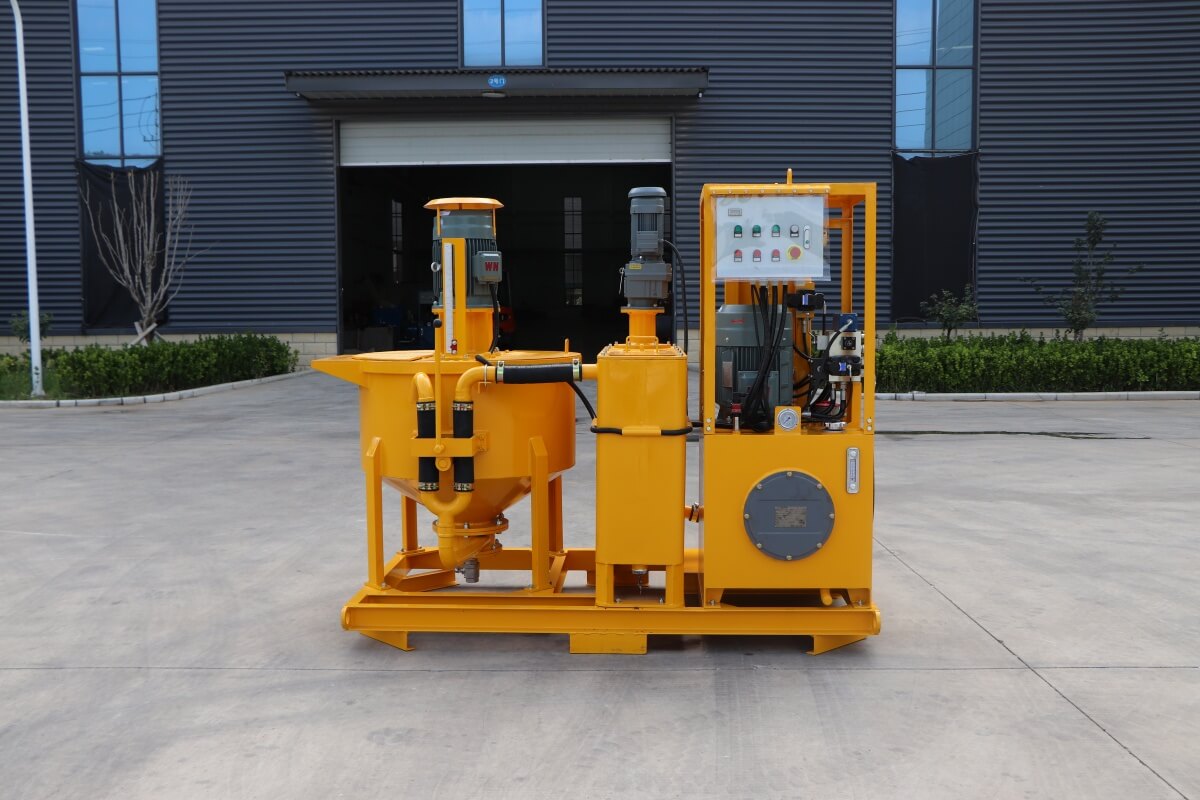
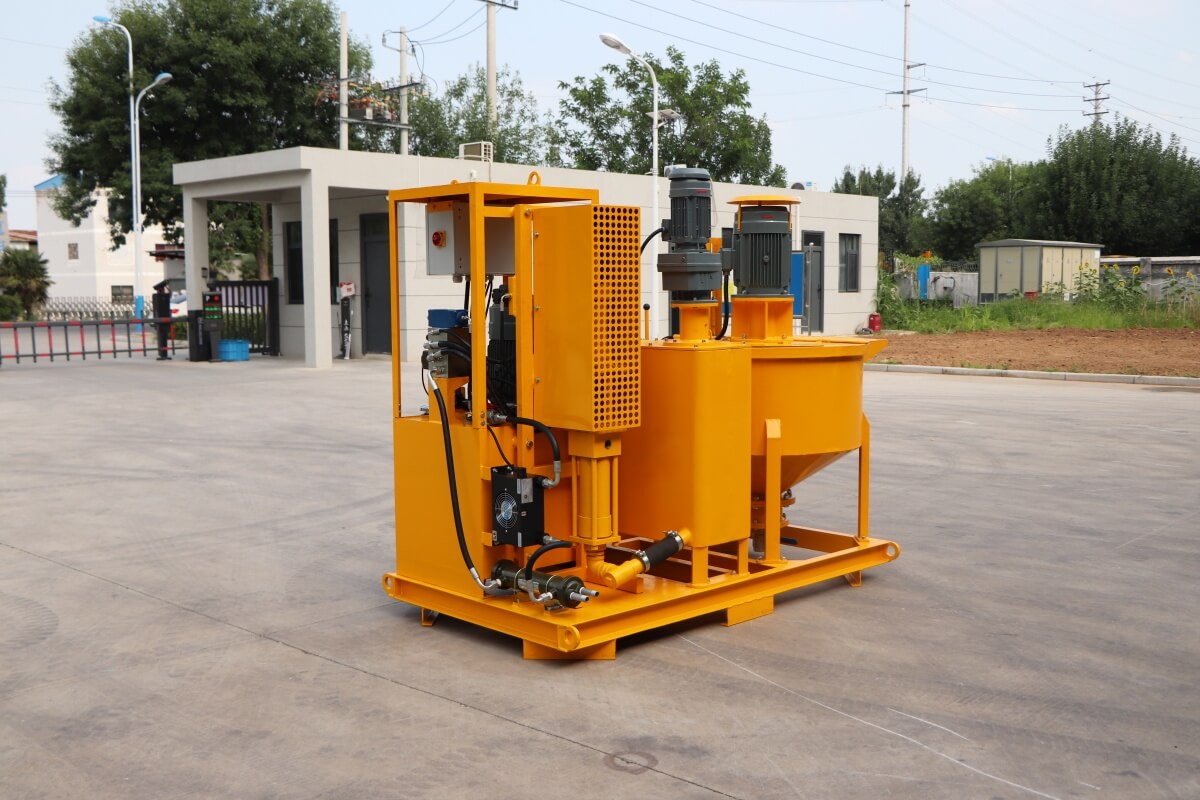
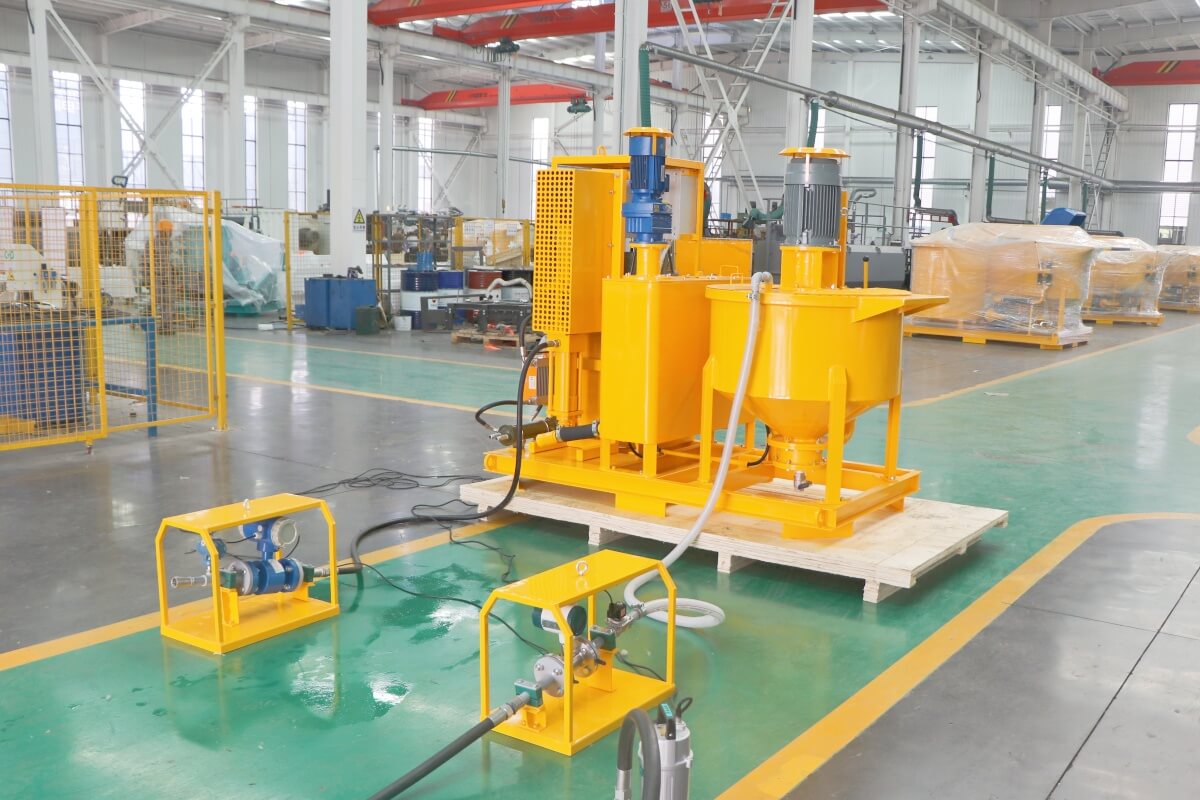
Grouting pumps inject cement-based or chemical grout into foundation cracks, pores, or weak layers under high pressure, forming a solidified mass to enhance the foundation’s bearing capacity. Its reinforcement principles encompass the following aspects:
Permeation consolidation: The grout fills soil pores, increasing density through cementation; suitable for highly permeable strata such as sandy soil and silt.
Fracturing reinforcement: High-pressure grout fractures the soil, forming a dendritic grout vein network, improving the overall strength of the foundation; commonly used for soft clay or collapsible loess.
Compaction grouting: High-pressure compaction of the surrounding soil creates a dense zone; suitable for saturated soft clay or artificial fill.
Grout pumps are widely used in foundation reinforcement projects. By injecting grout under high pressure, they effectively improve foundation strength, seepage prevention, and bearing capacity, making them suitable for foundation reinforcement needs under various complex geological conditions.
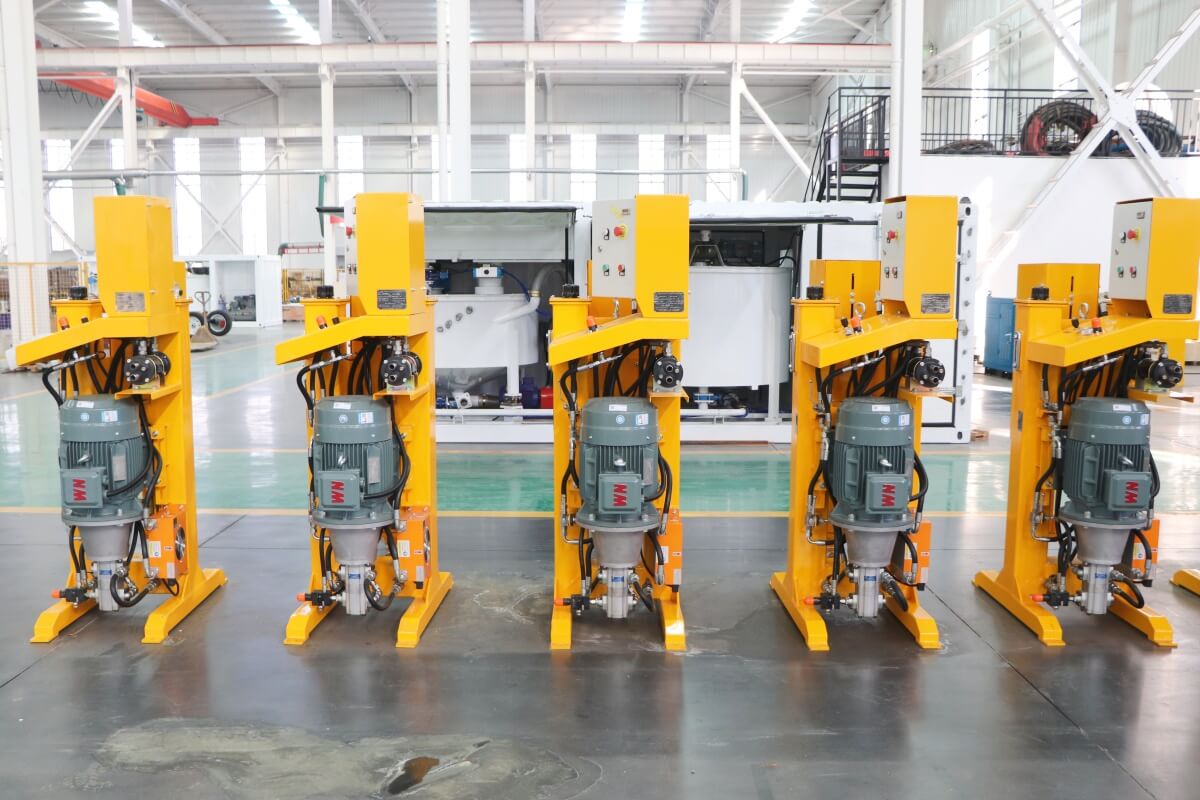
Grout pumps for foundation reinforcement inject cement-based or chemical grout into foundation cracks, pores, or weak soil layers under high pressure to achieve the following reinforcement effects:
1. Filling and compaction: The grout fills the gaps between soil particles, expelling moisture and air, reducing the void ratio, and increasing density.
2. Cementing and solidification: The grout reacts chemically with the soil to form a high-strength “stone body,” enhancing overall stability.
3. Seepage prevention and plugging: In dams and underground engineering, it forms a seepage barrier to prevent groundwater infiltration.
4. Load-bearing capacity enhancement: By reinforcing weak soil layers, it increases the foundation’s bearing capacity and reduces the risk of settlement.
Advantages of grout pumps:
High adaptability: Can be used in humid and corrosive environments, and is pollution-free.
Low cost: Lower costs for grout raw materials and equipment maintenance.
Crack Repair: Effectively repairs cracks in dams, reservoirs, and other engineering projects to prevent leakage.
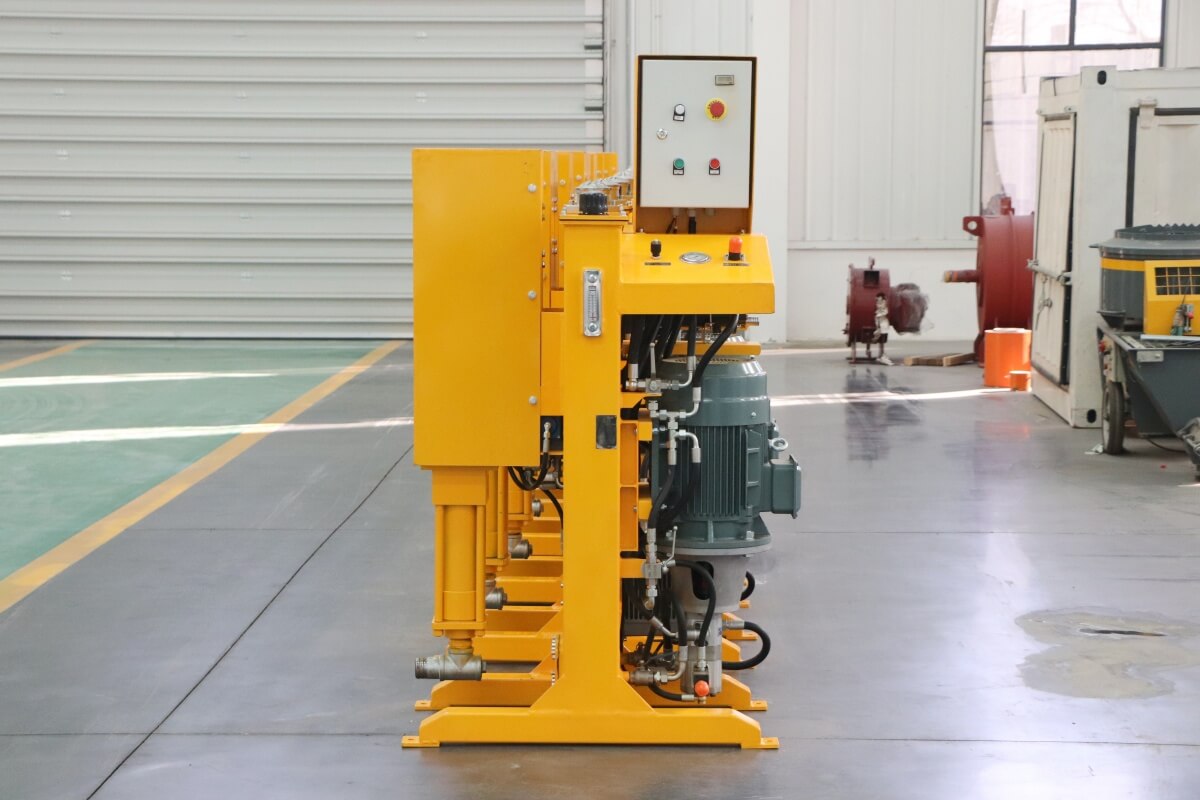
Application Scenarios:
Tunnel Foundation Reinforcement: Treats weak soil layers at the bottom of tunnels.
Earthquake Reinforcement: Enhances the seismic performance of buildings.
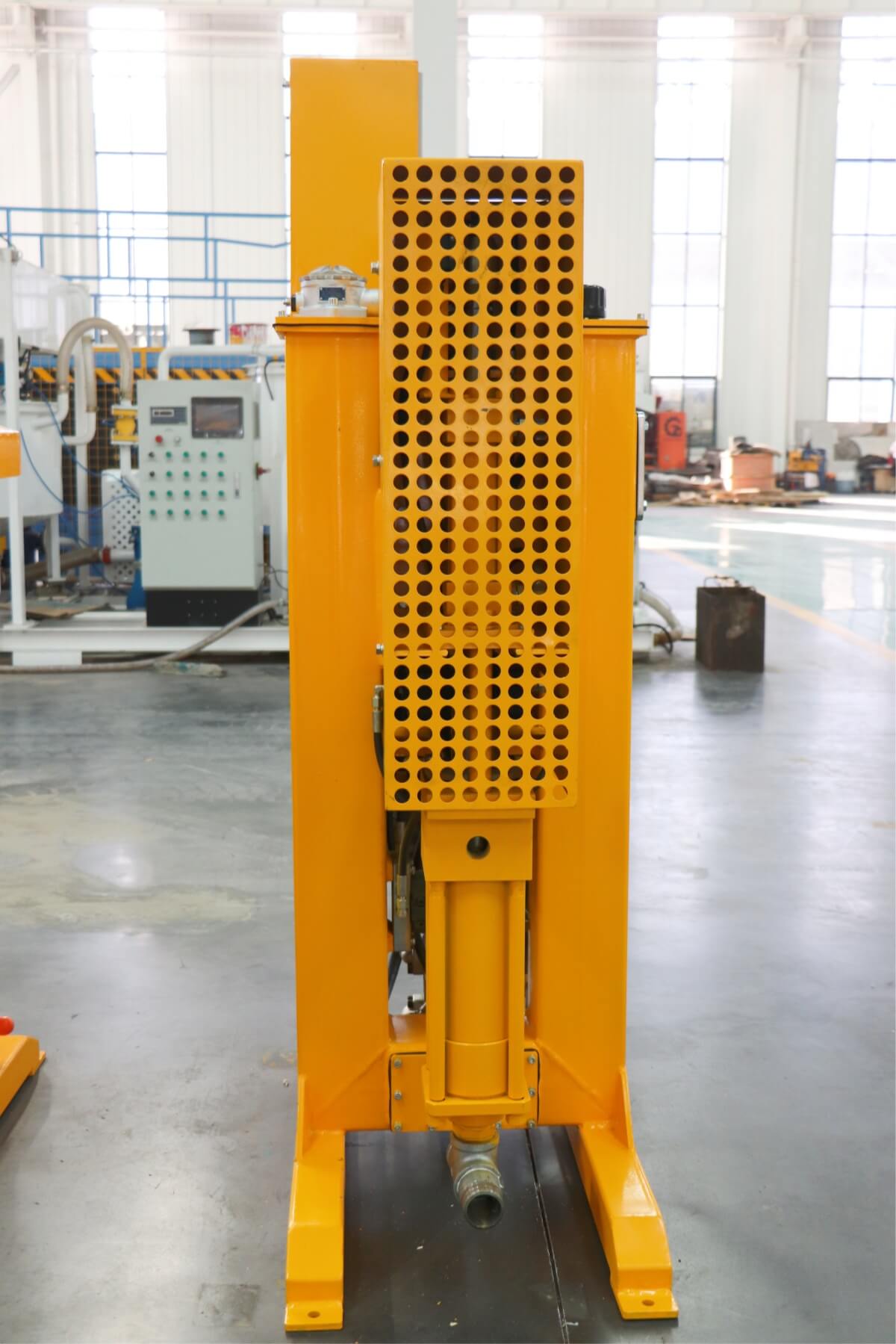
Typical Applications of Grout Pumps for Foundation Reinforcement:
1. Dam and Reservoir Reinforcement: Chemical grouting technology is used to repair cracks in dam bodies, prevent leakage, and improve flood control capabilities.
Case Study: In a reservoir reinforcement project, a chemical grouting pump was used to inject cement-water glass grout, successfully eliminating the collapsibility of the dam foundation and improving its bearing capacity.
2. Nuclear Power Plant Foundation Reinforcement: Chemical grouting technology is used for water-stopping and sealing to ensure the safe operation of nuclear facilities.
3. Urban Deep Foundation Pit Support: High-pressure jet grouting pumps form a water-stop curtain to prevent groundwater from seeping into the foundation pit, ensuring construction safety.
4. Road Loose Base Repair: Grouting methods use high-pressure injection of grout to bind loose soil particles, improving road surface bearing capacity and reducing settlement.