Colloidal Grout Plant for Micropile Injection
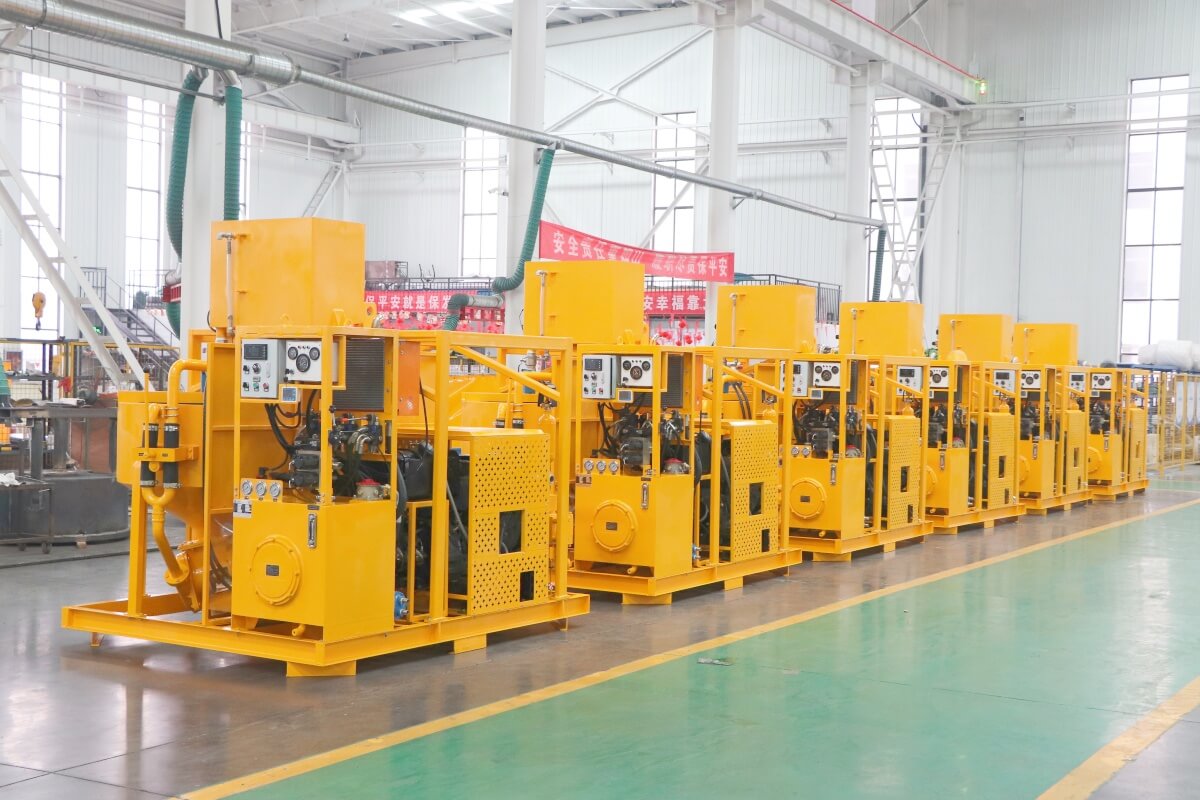
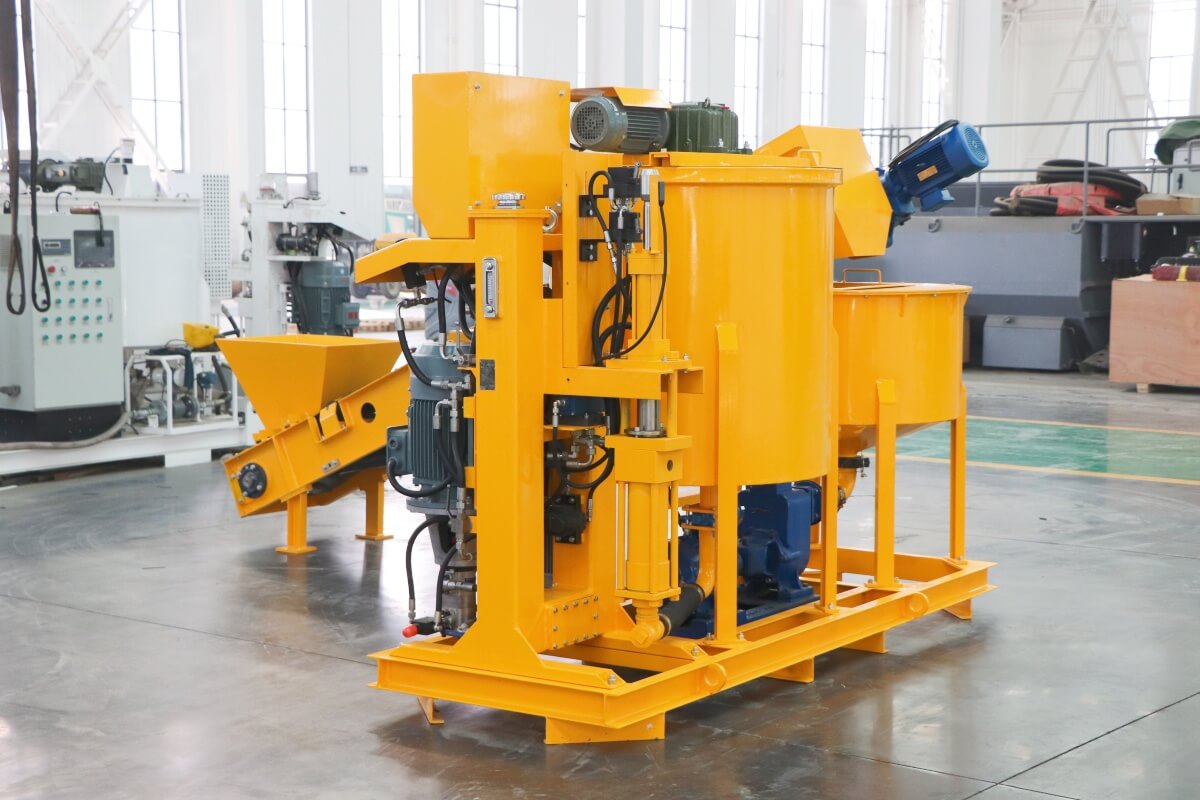
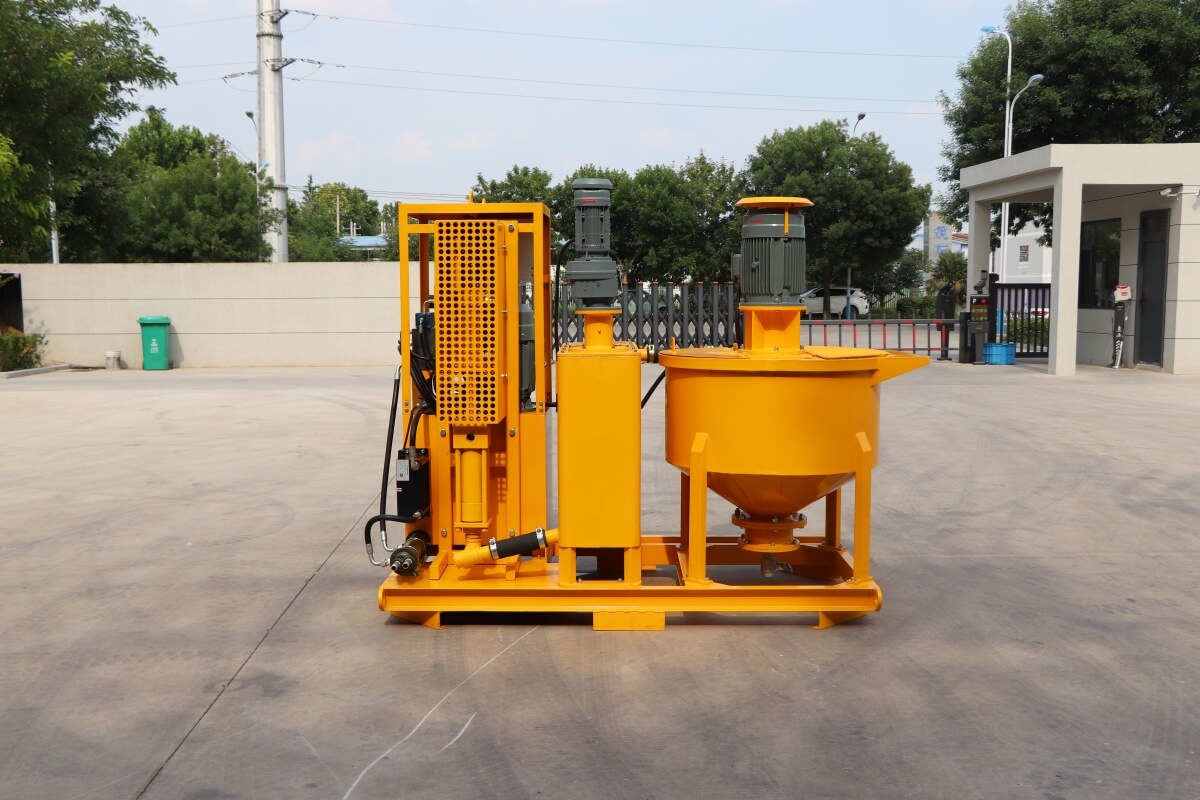
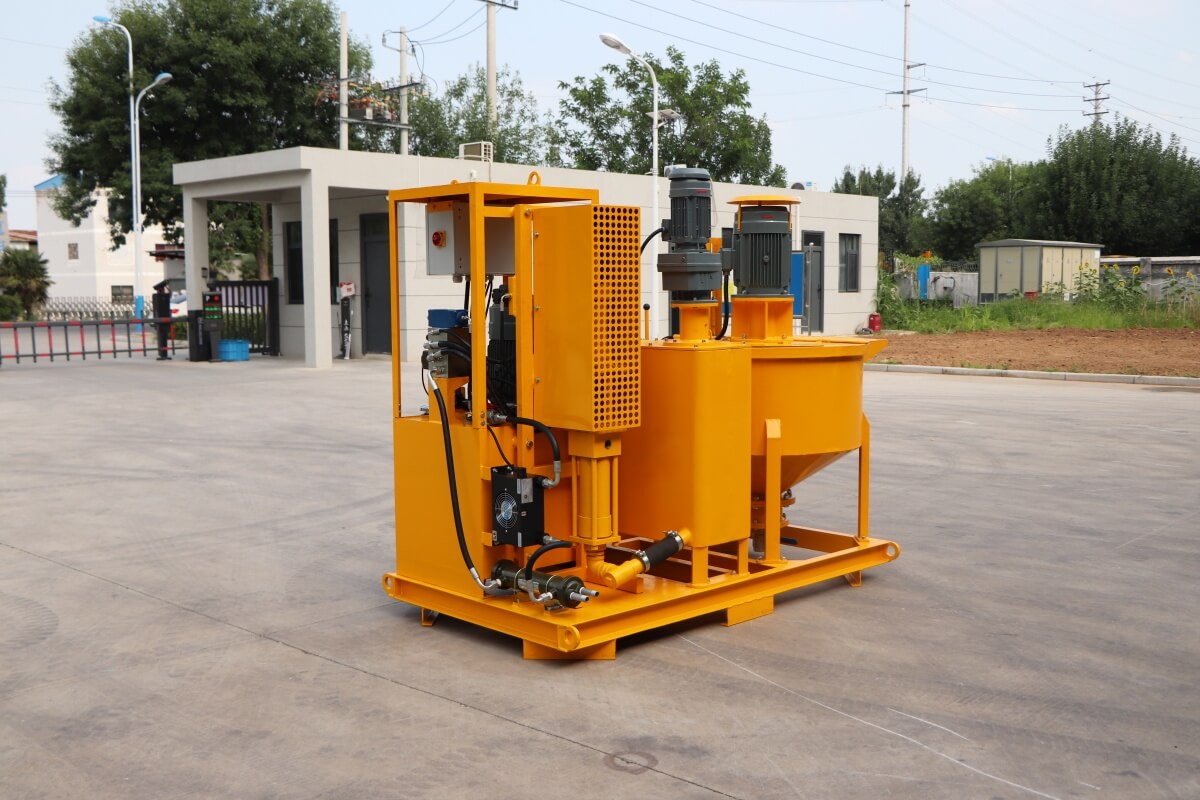
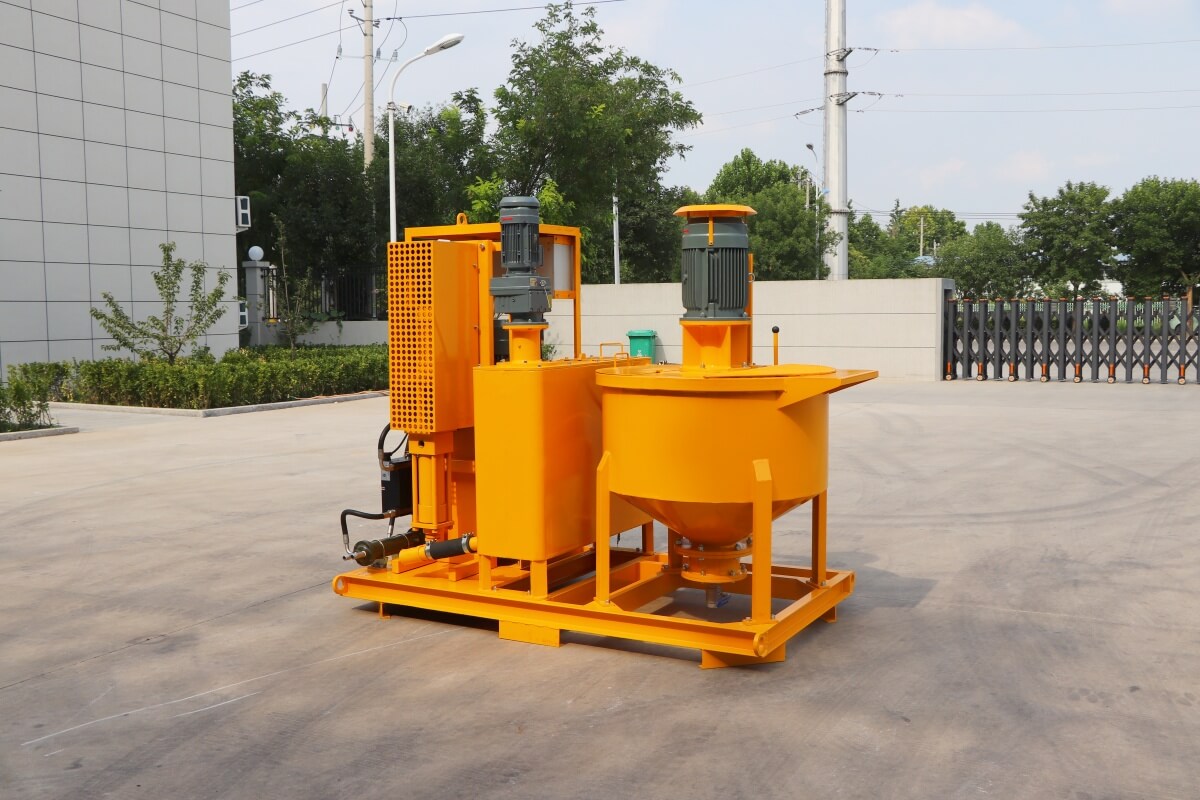
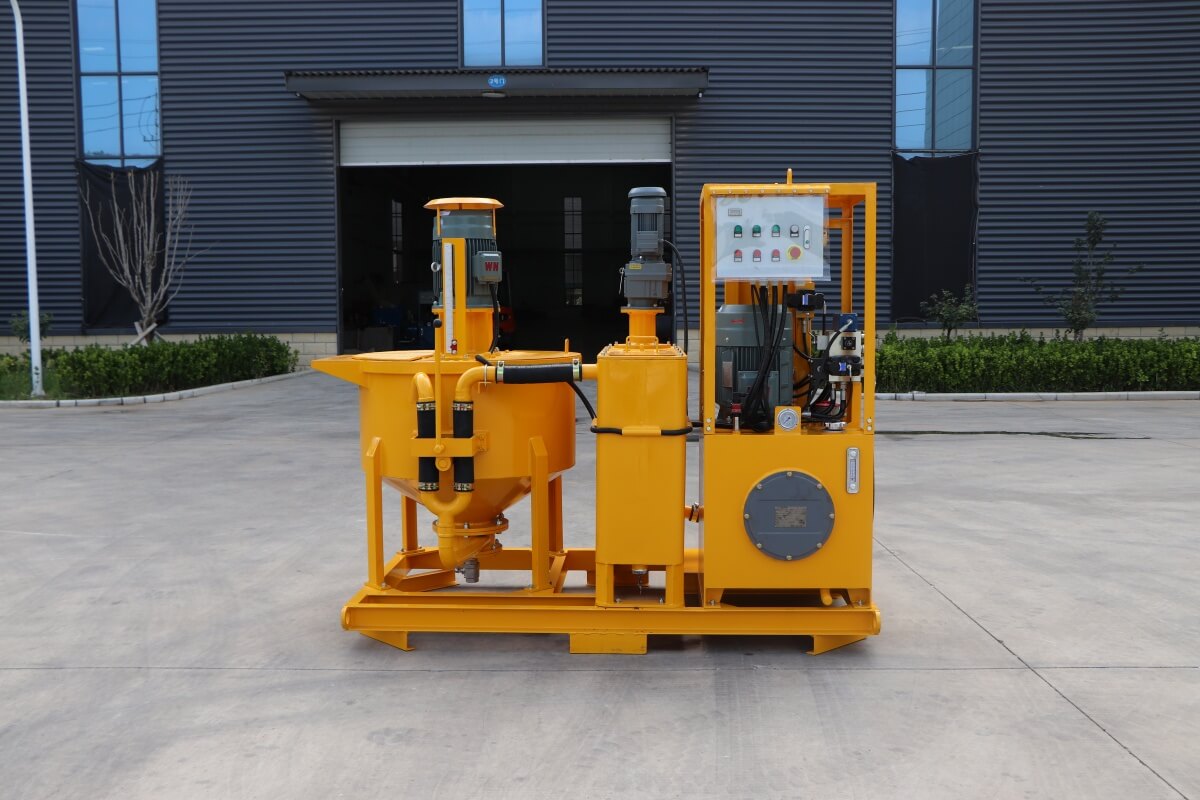
The Colloidal Grout Plant for Micropile Injection integrates high-speed mixing, storage, continuous agitation, and pressure injection capabilities, enabling the continuous supply of uniform, stable, and highly pumpable cement grout for micropile construction.
Micropiles are characterized by small diameters, construction flexibility, and strong site adaptability; they are widely used in building foundation reinforcement, bridge maintenance, slope stabilization, underground space renovation, and construction in confined areas. Micropiles typically form load-bearing structures through processes such as drilling, the installation of steel bars or pipes, and cement grout injection, where the quality of the grout directly impacts the integrity of the pile and the bond between the reinforcement and the surrounding ground.
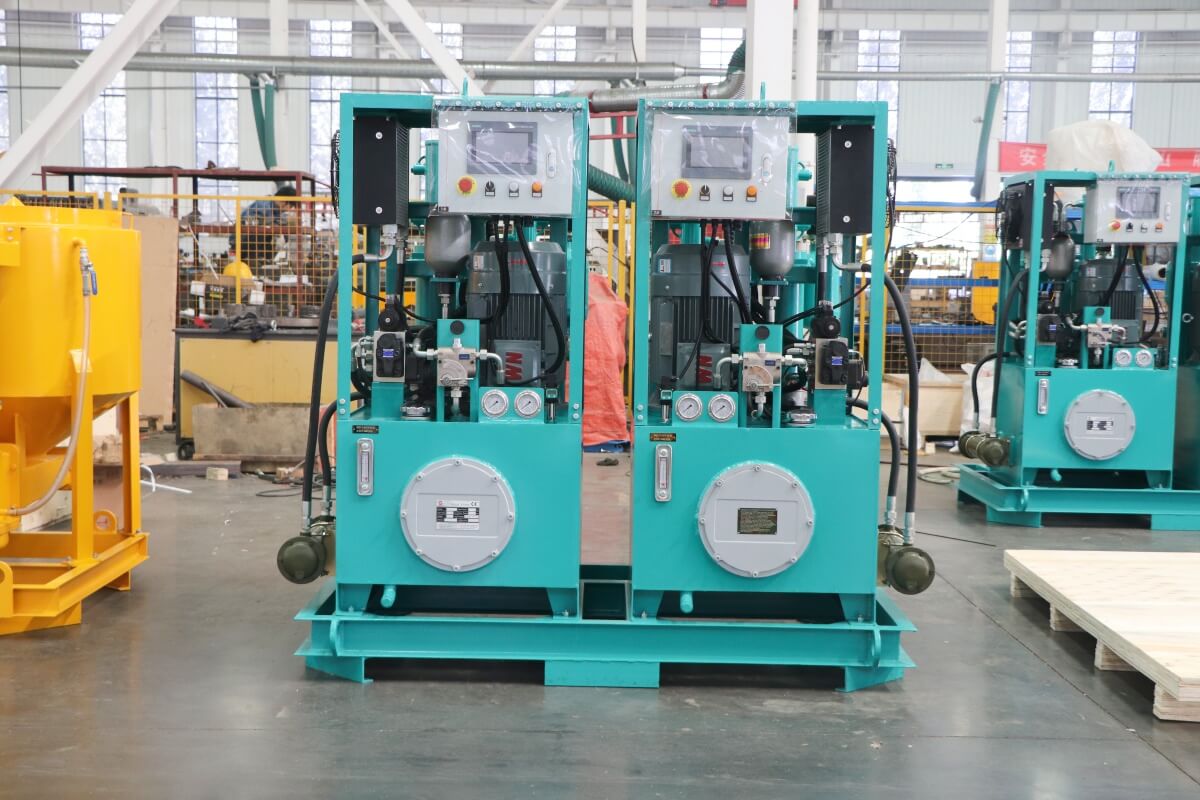
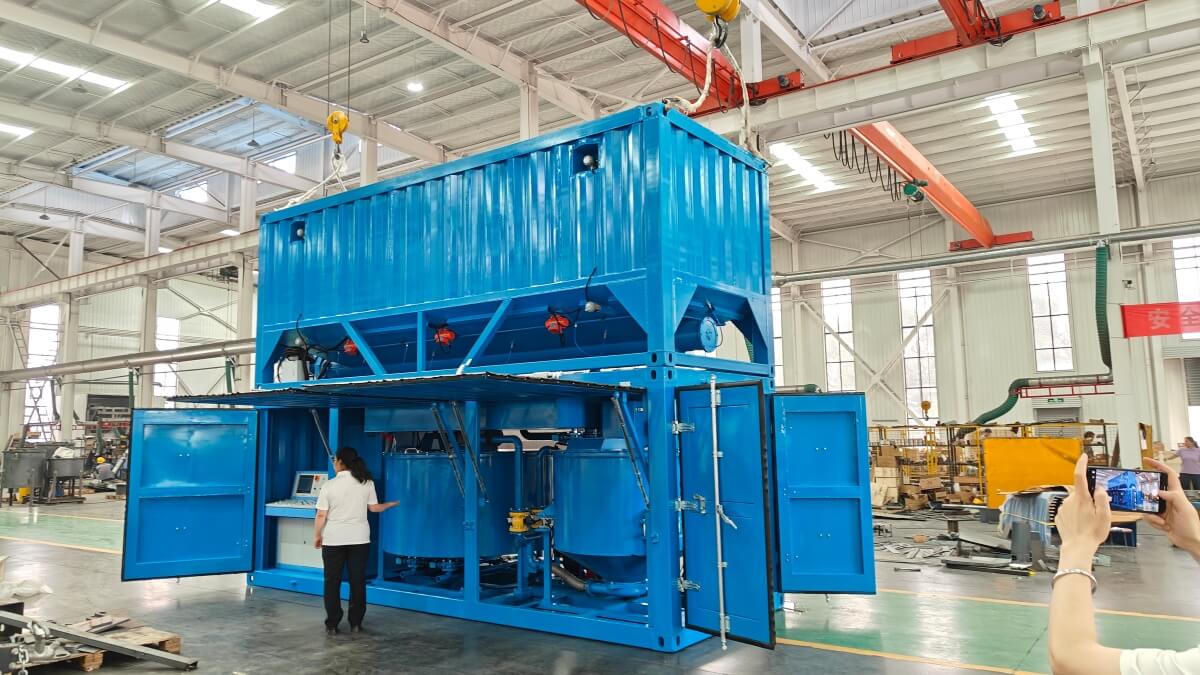
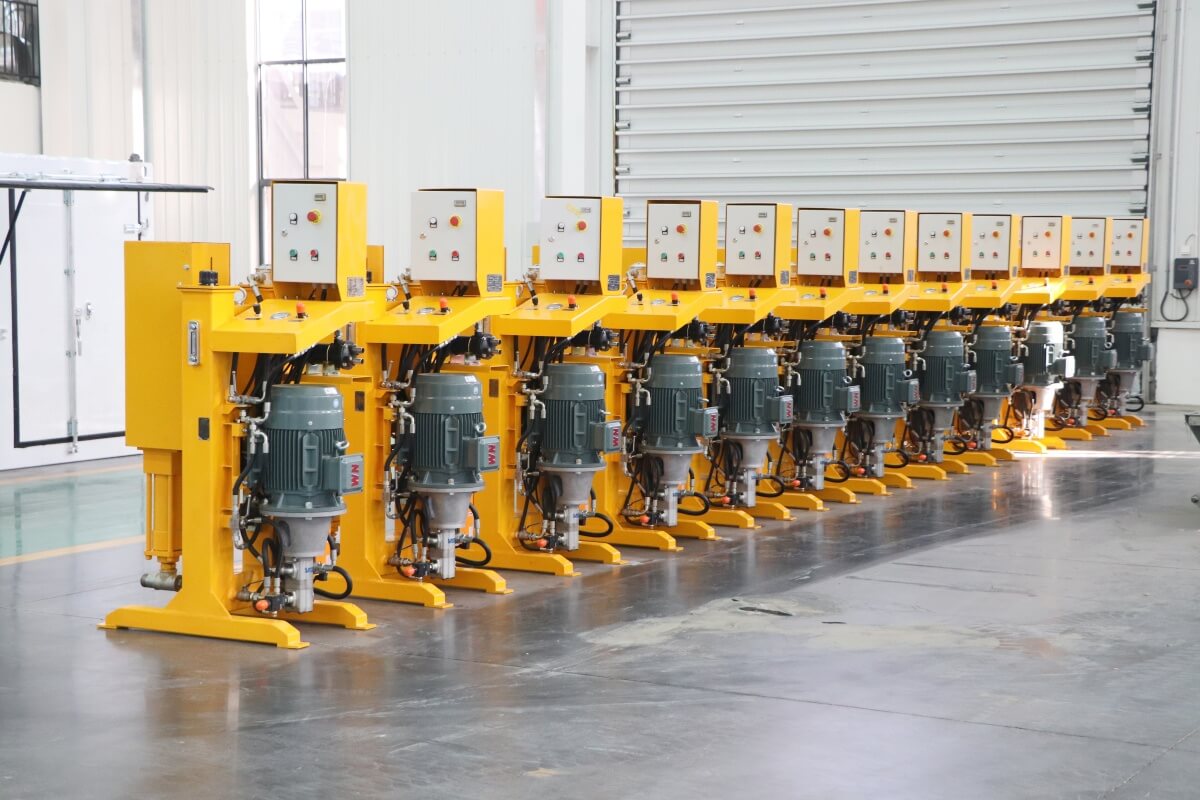
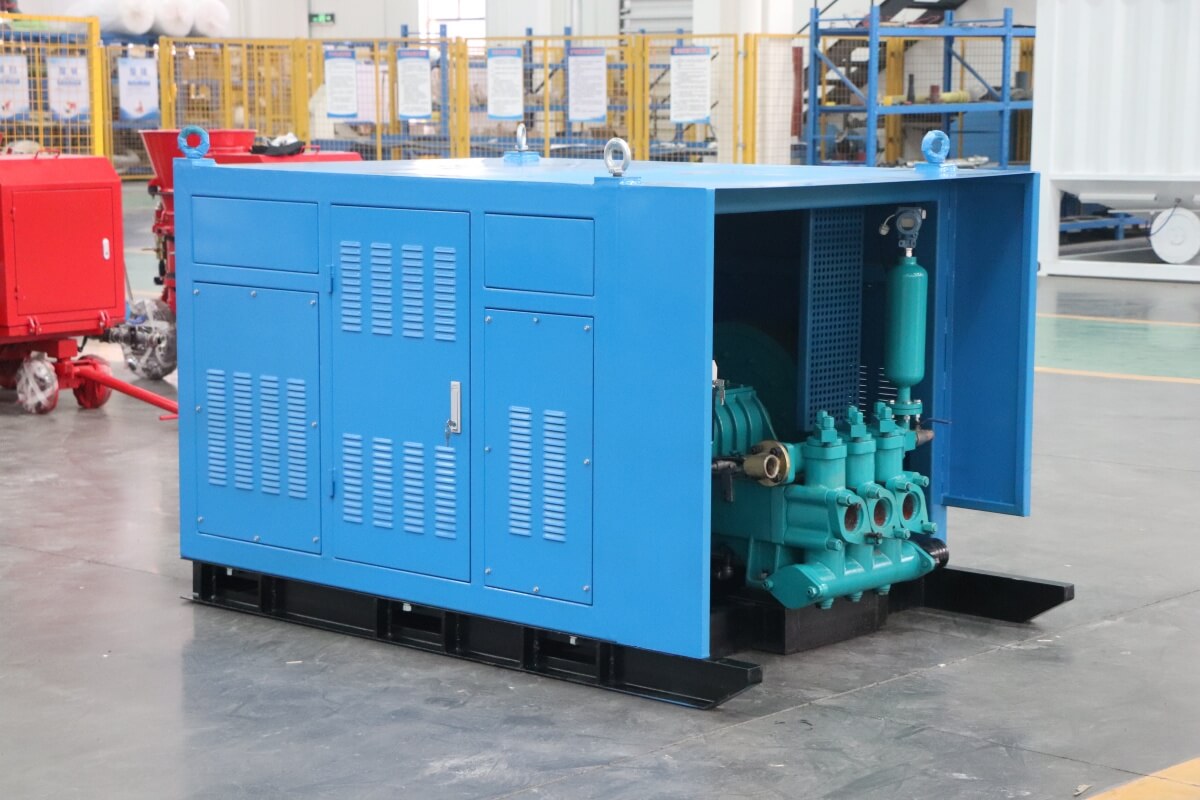
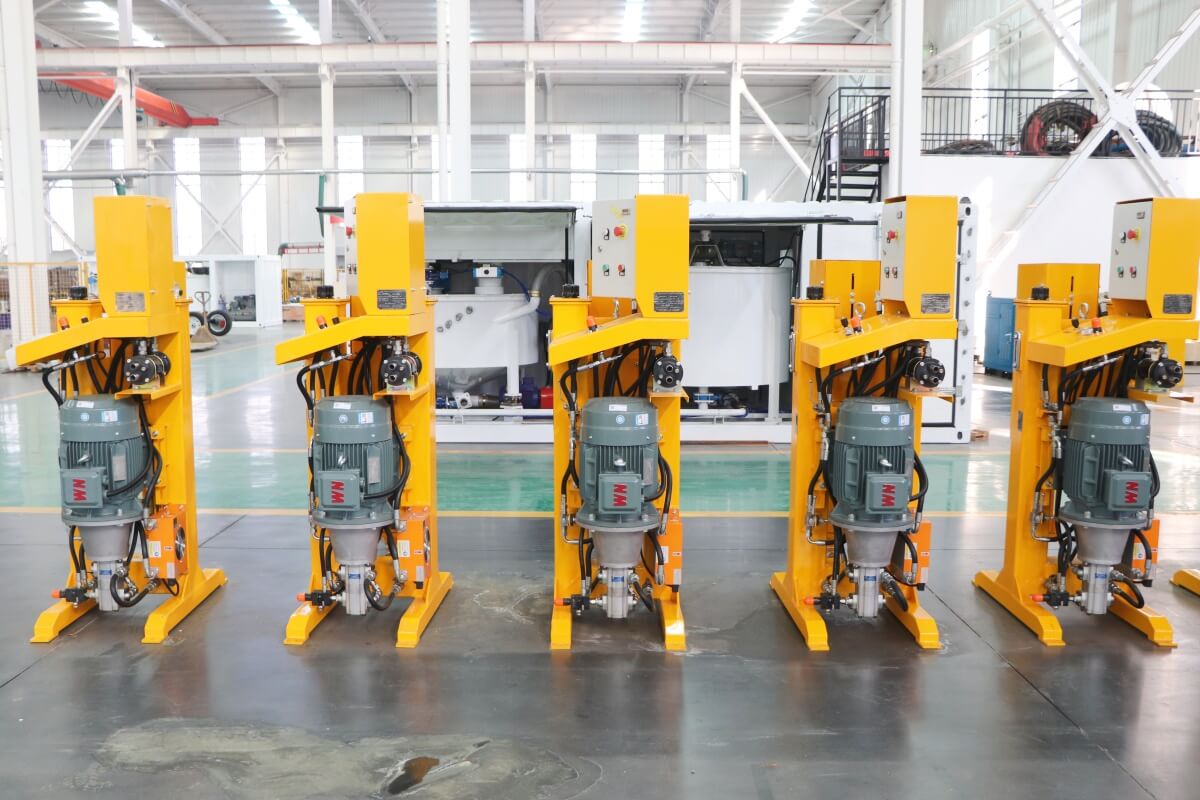
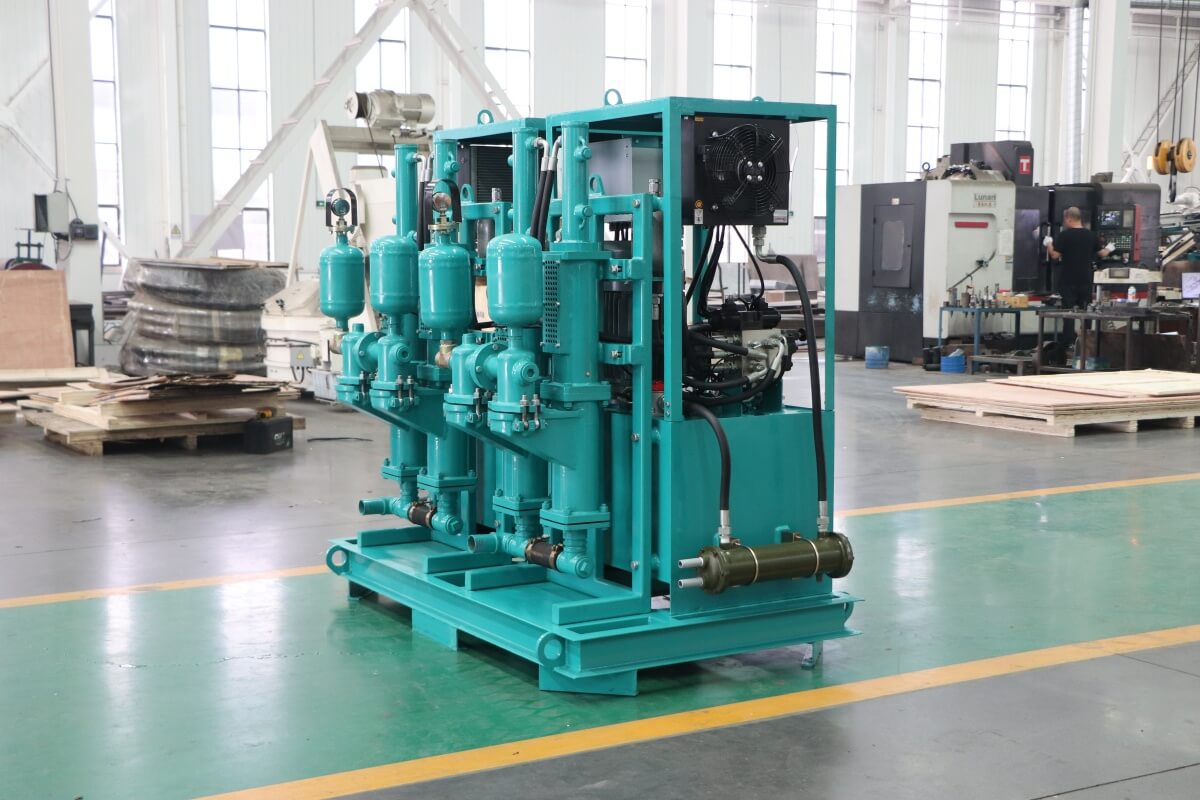
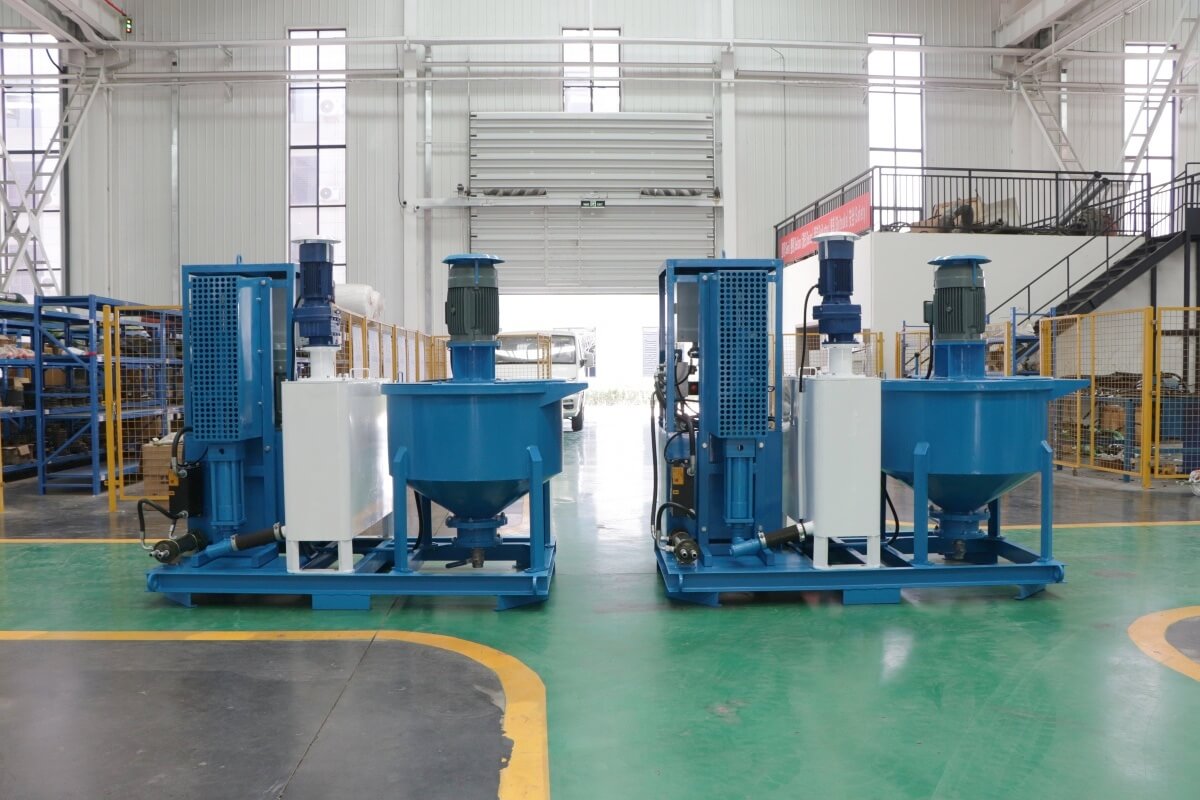
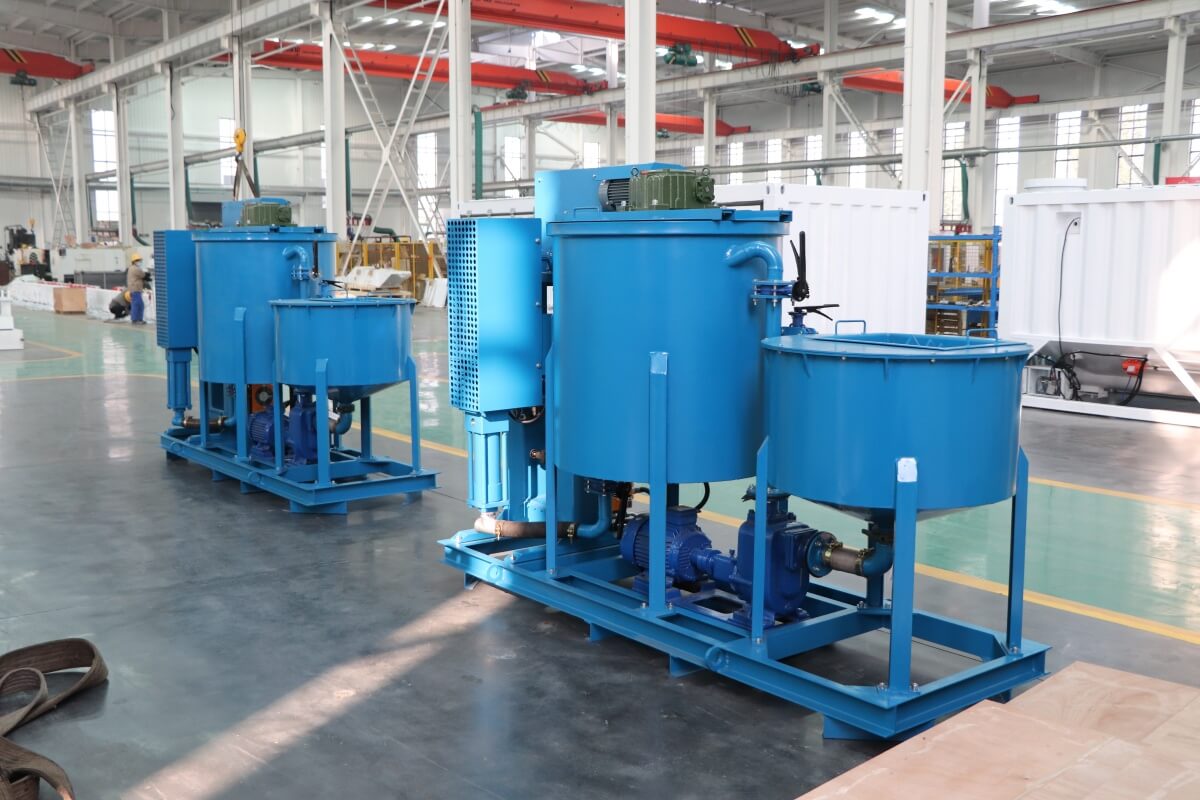
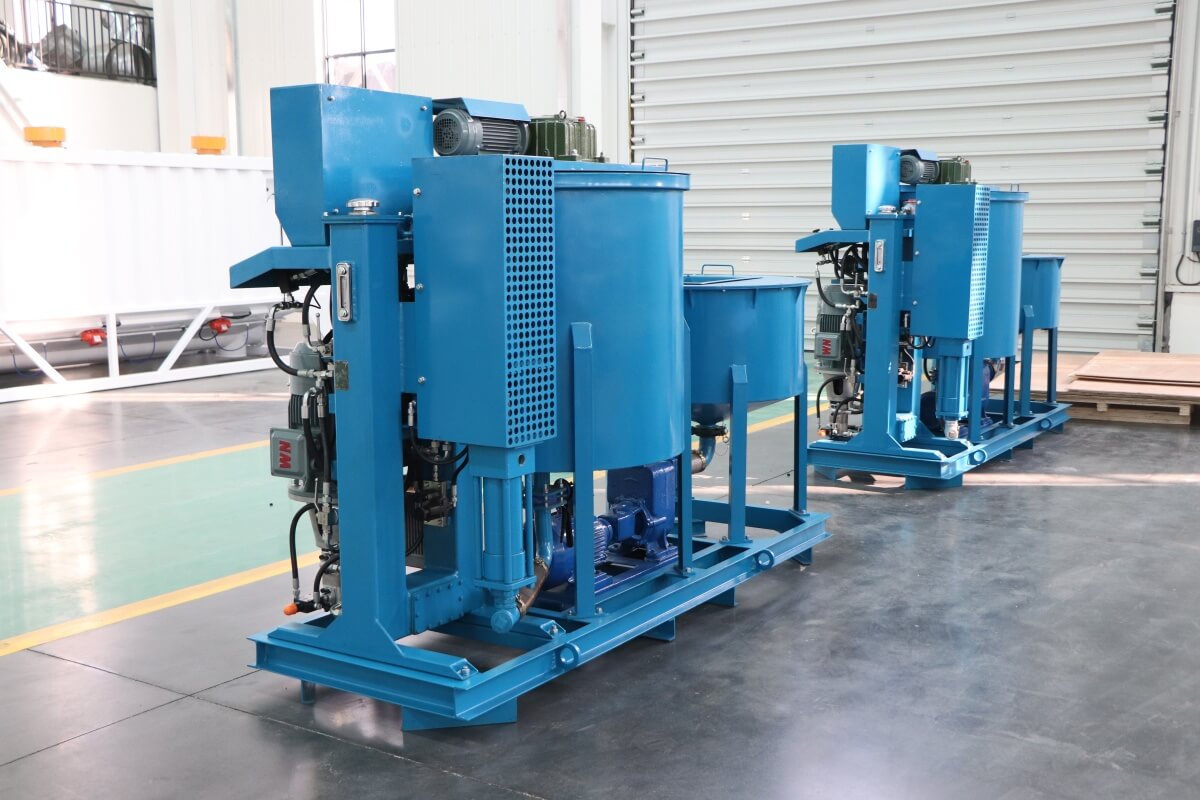
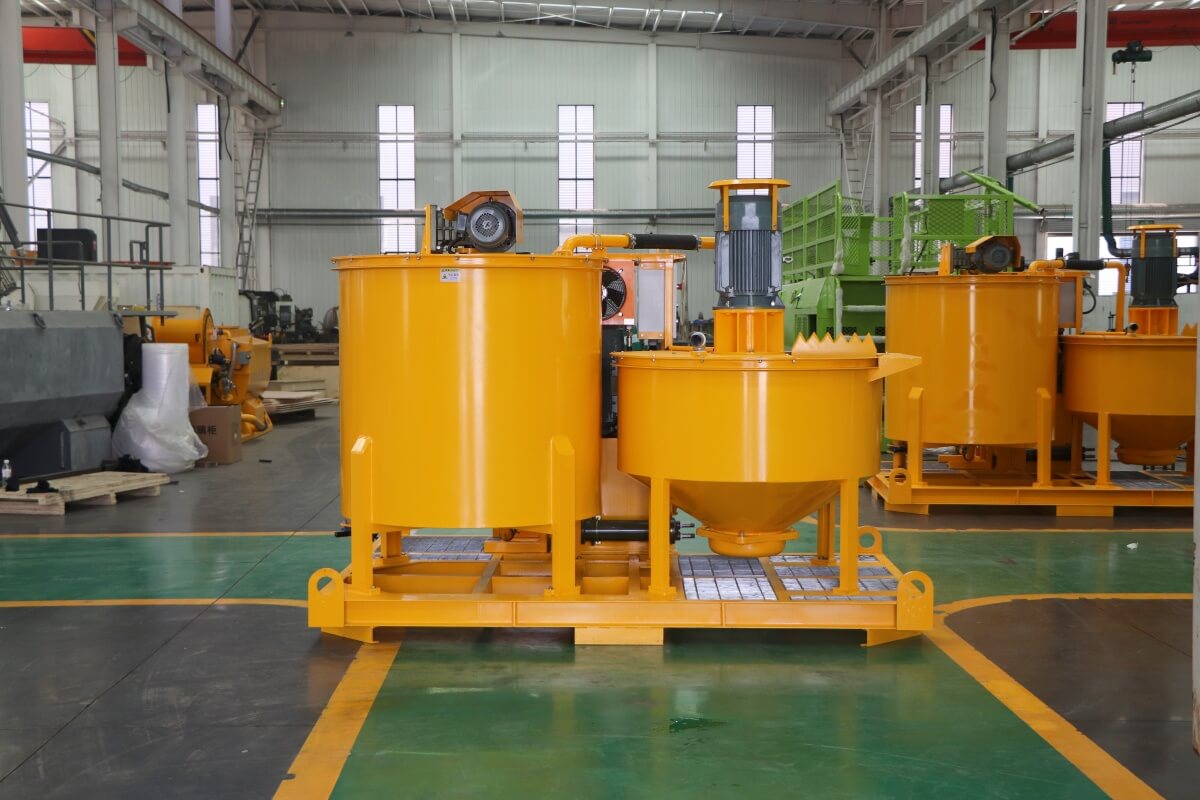
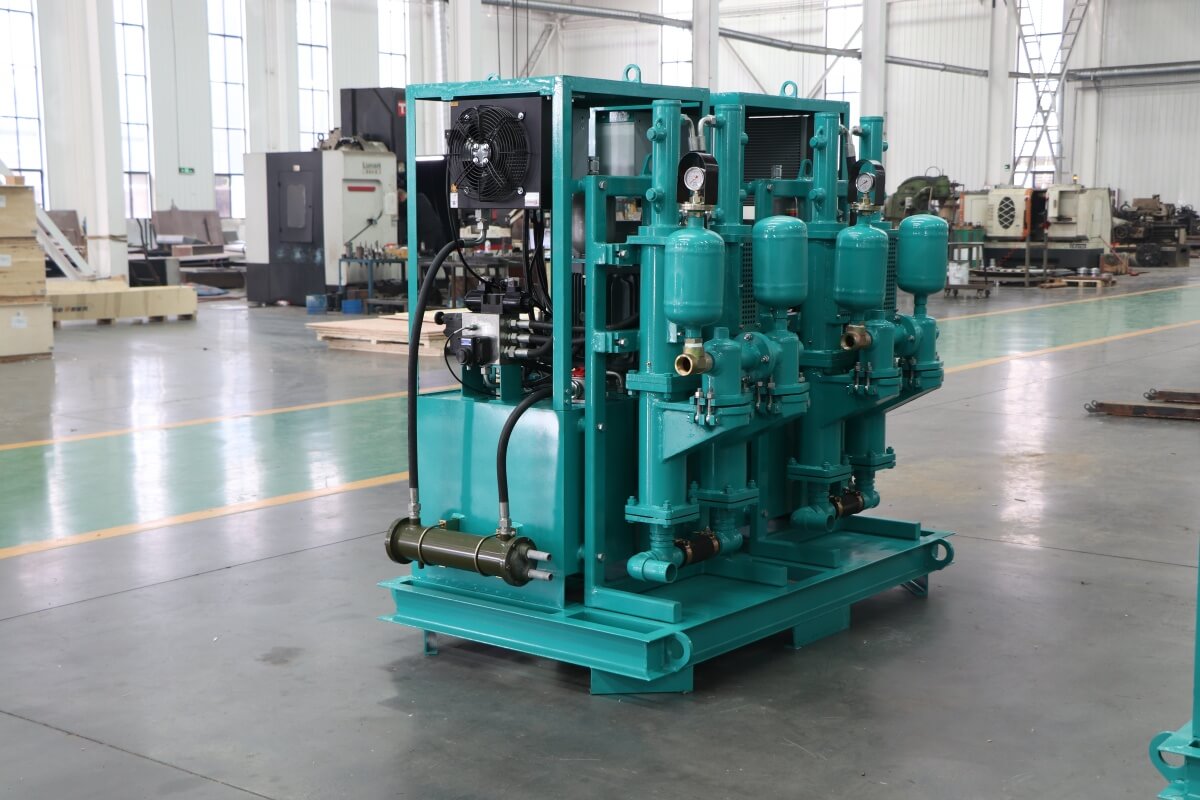
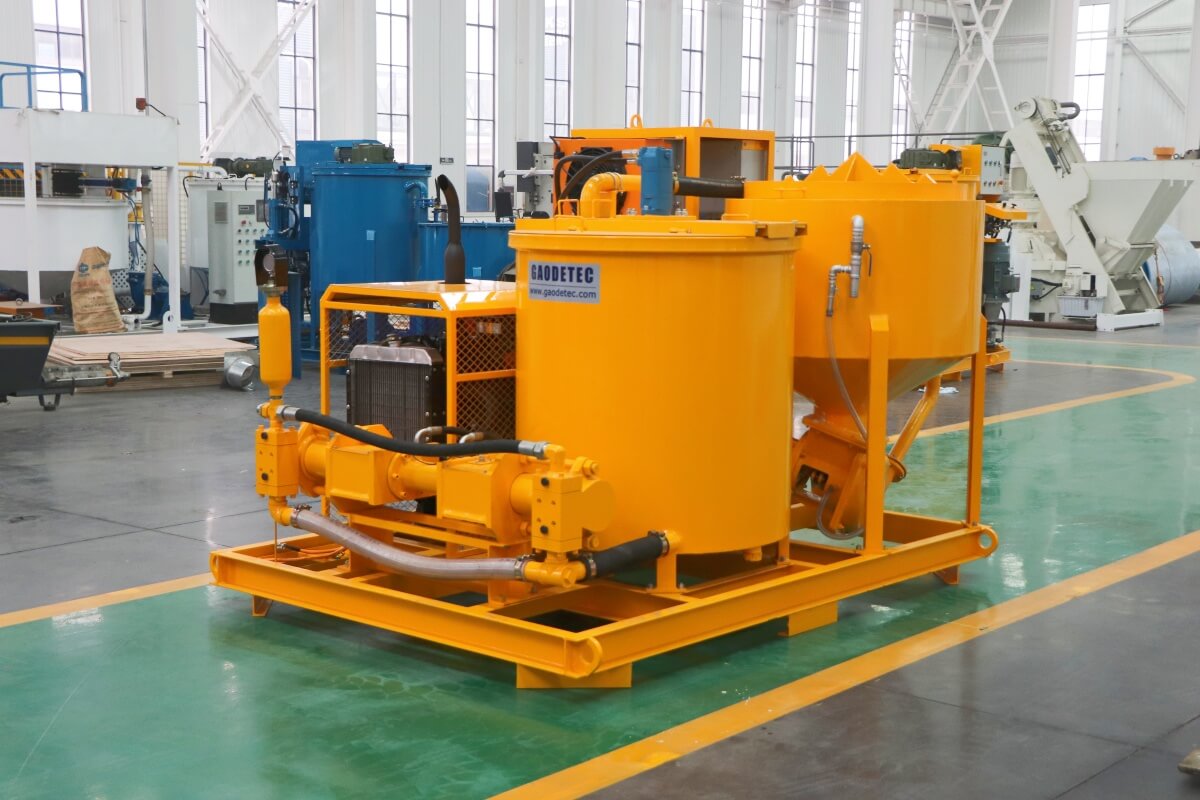
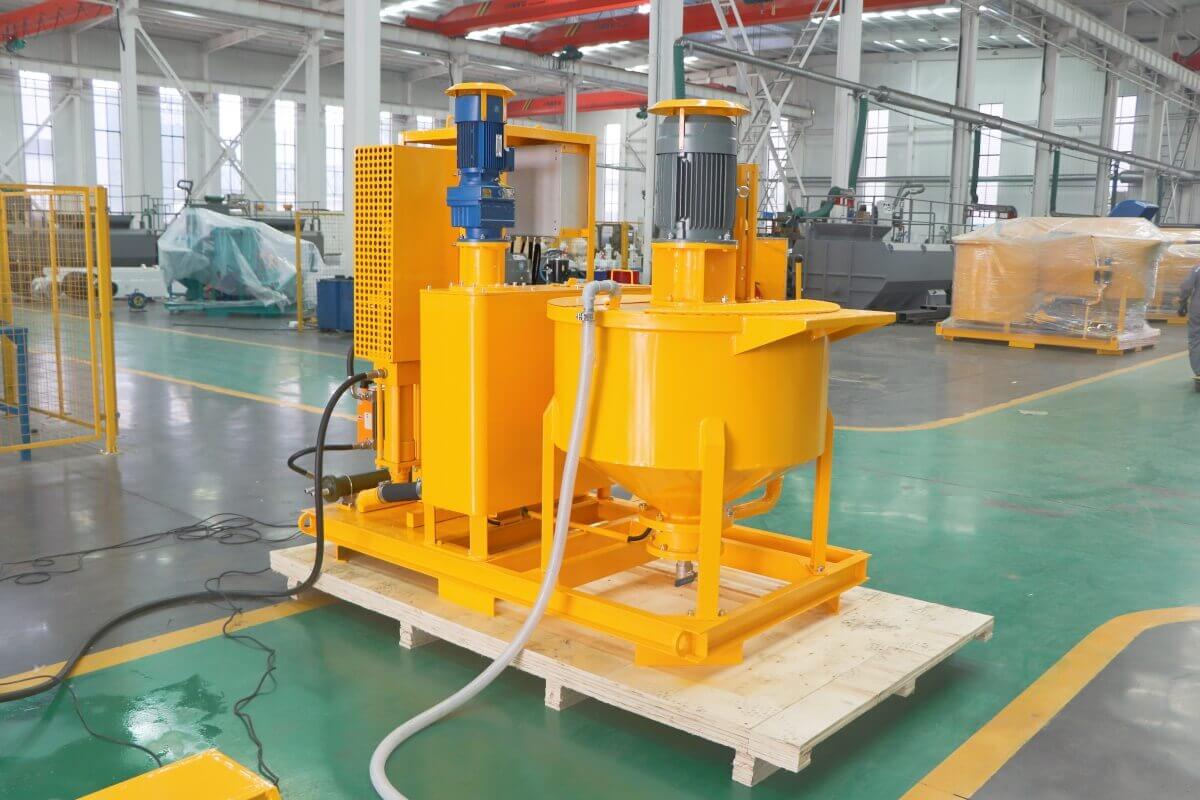
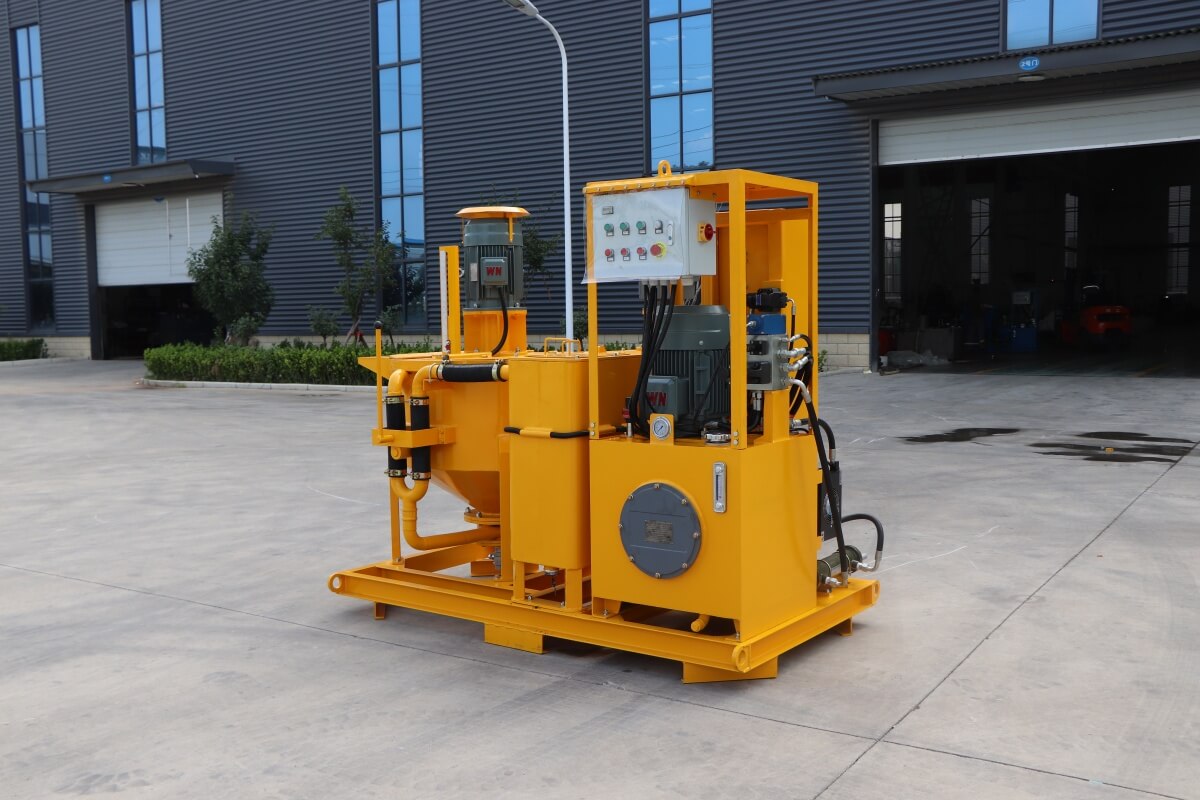
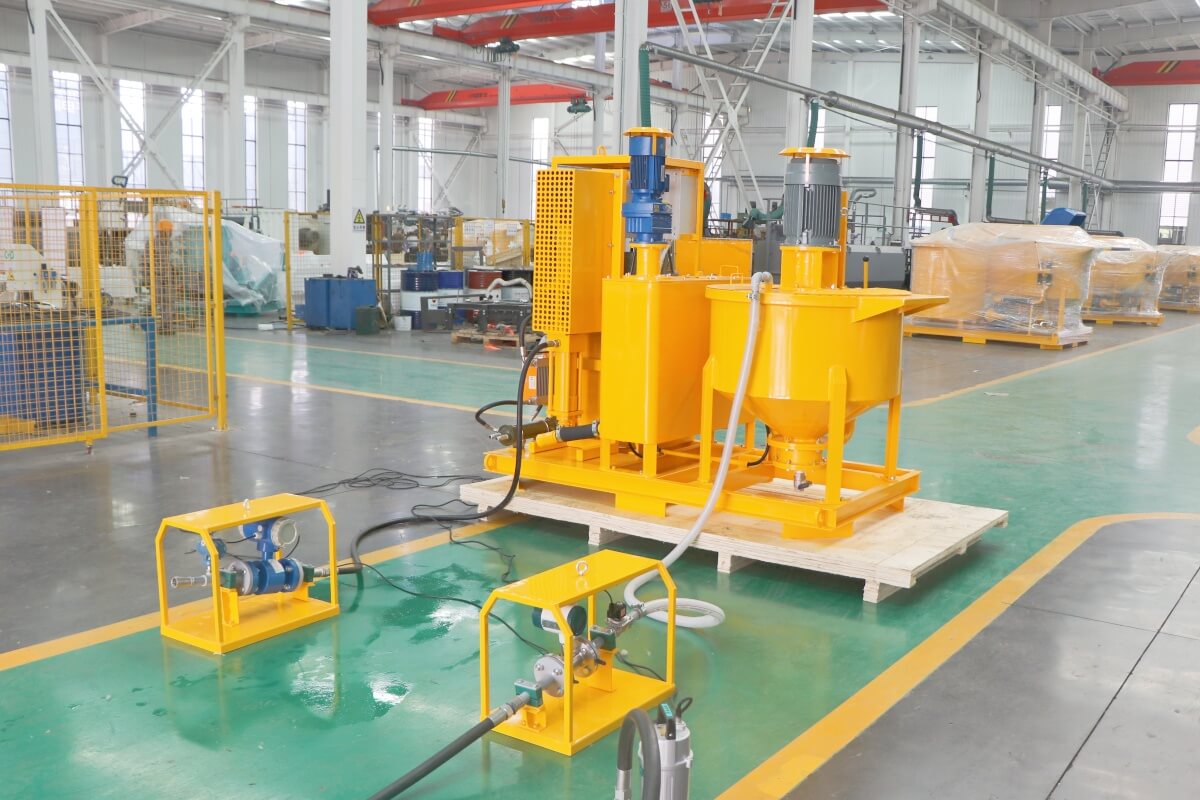
A complete colloidal grouting station for micropiles typically comprises a colloidal mixer, an agitated storage tank, a grout pump, an electrical control system, a pressure gauge, a safety valve, and delivery piping.
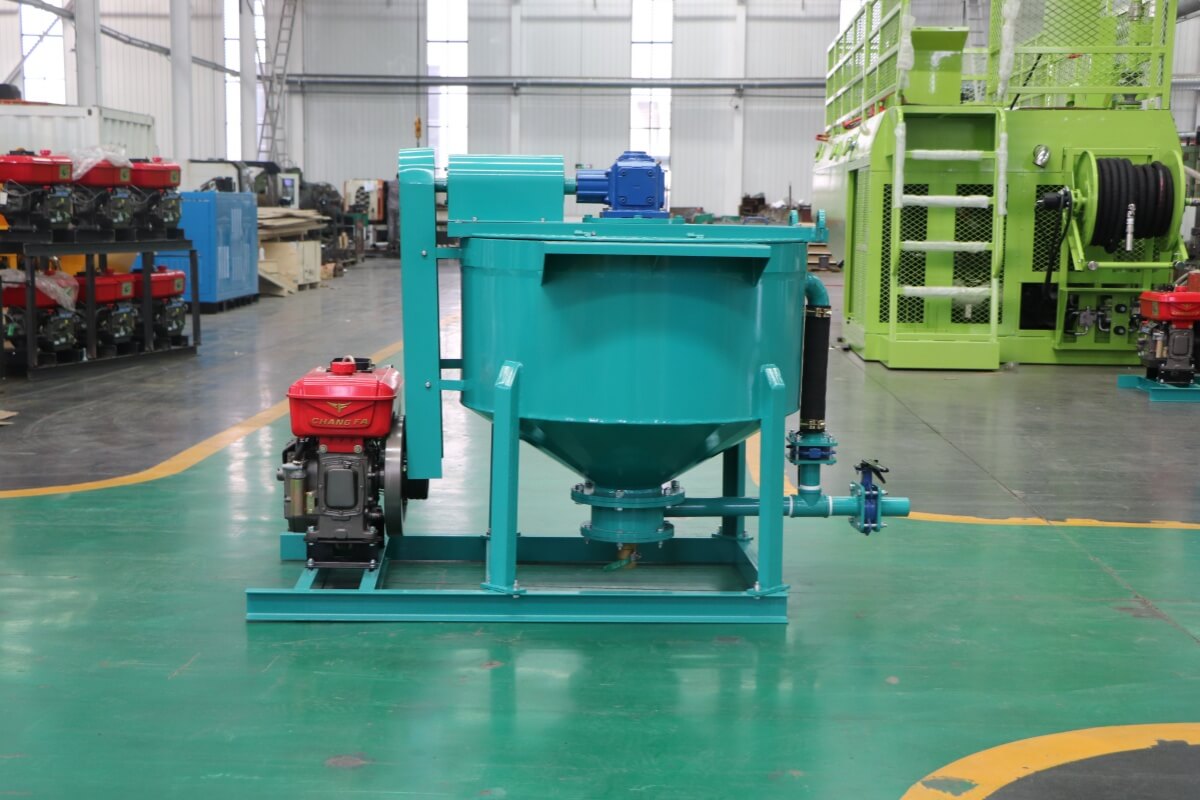
The colloidal mixer is used for the rapid preparation of cement grout. A high-speed impeller generates intense turbulence and shear forces, minimizing undispersed cement clumps and enhancing grout homogeneity.
The agitated storage tank serves as a temporary reservoir for the prepared grout. A low-speed agitator within the tank maintains grout fluidity, minimizes cement particle sedimentation, and ensures a continuous supply to the grout pump.
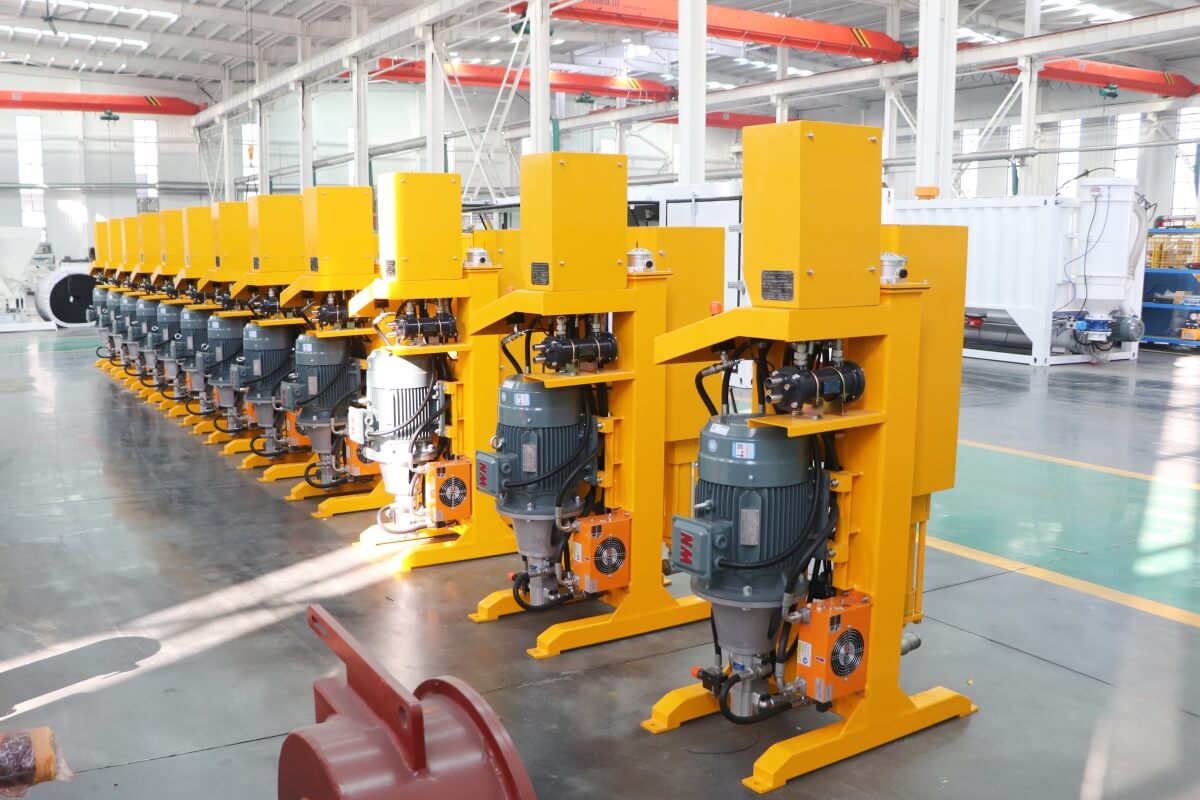
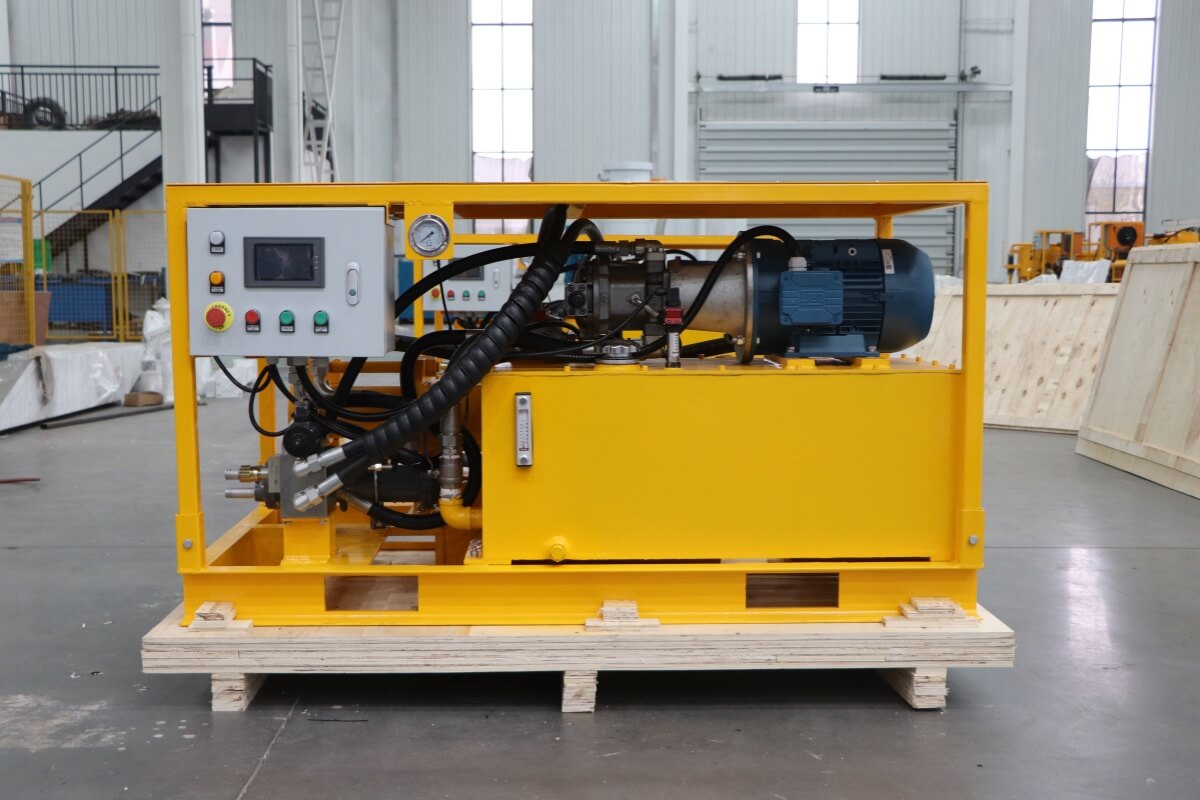
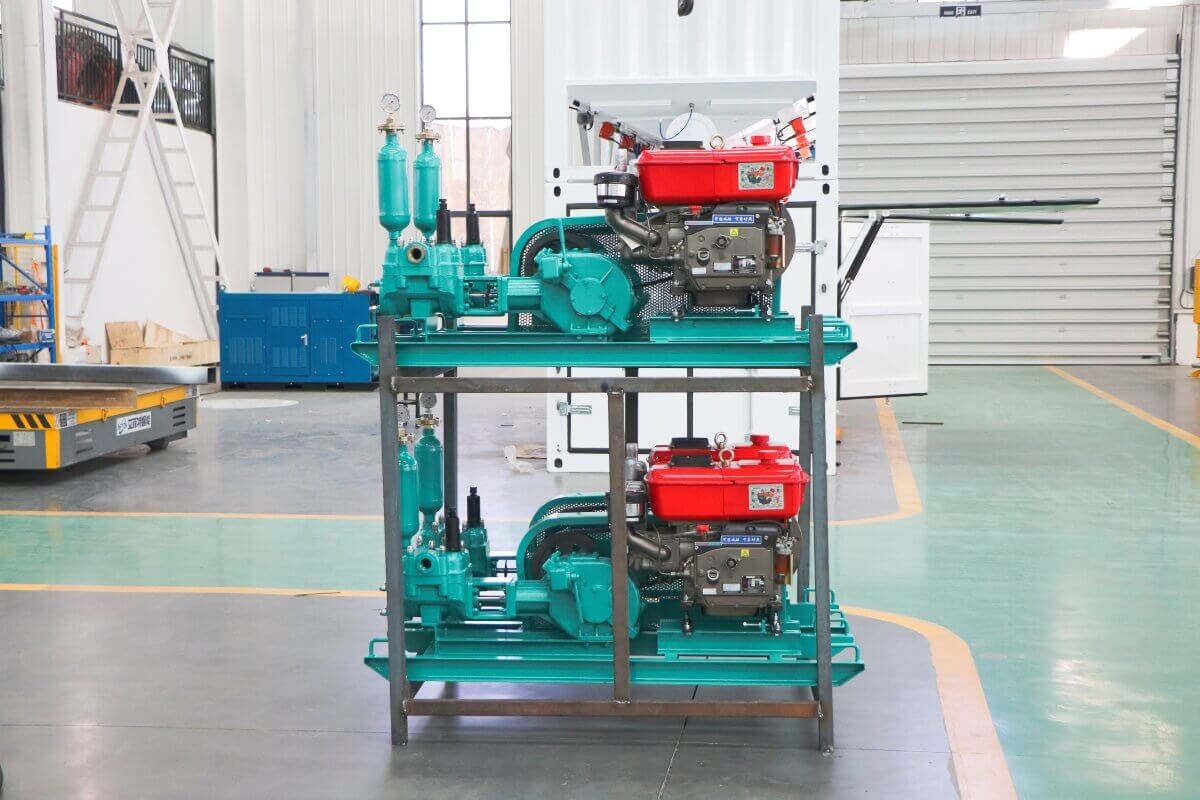
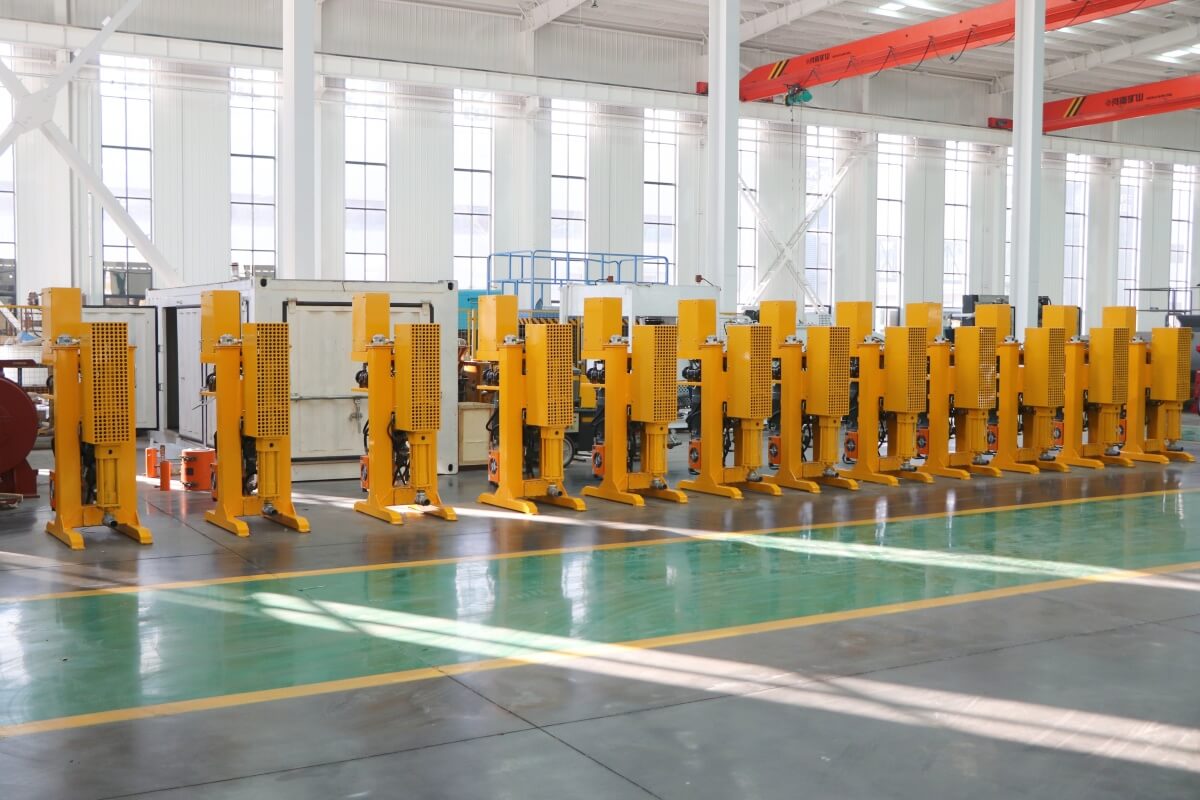
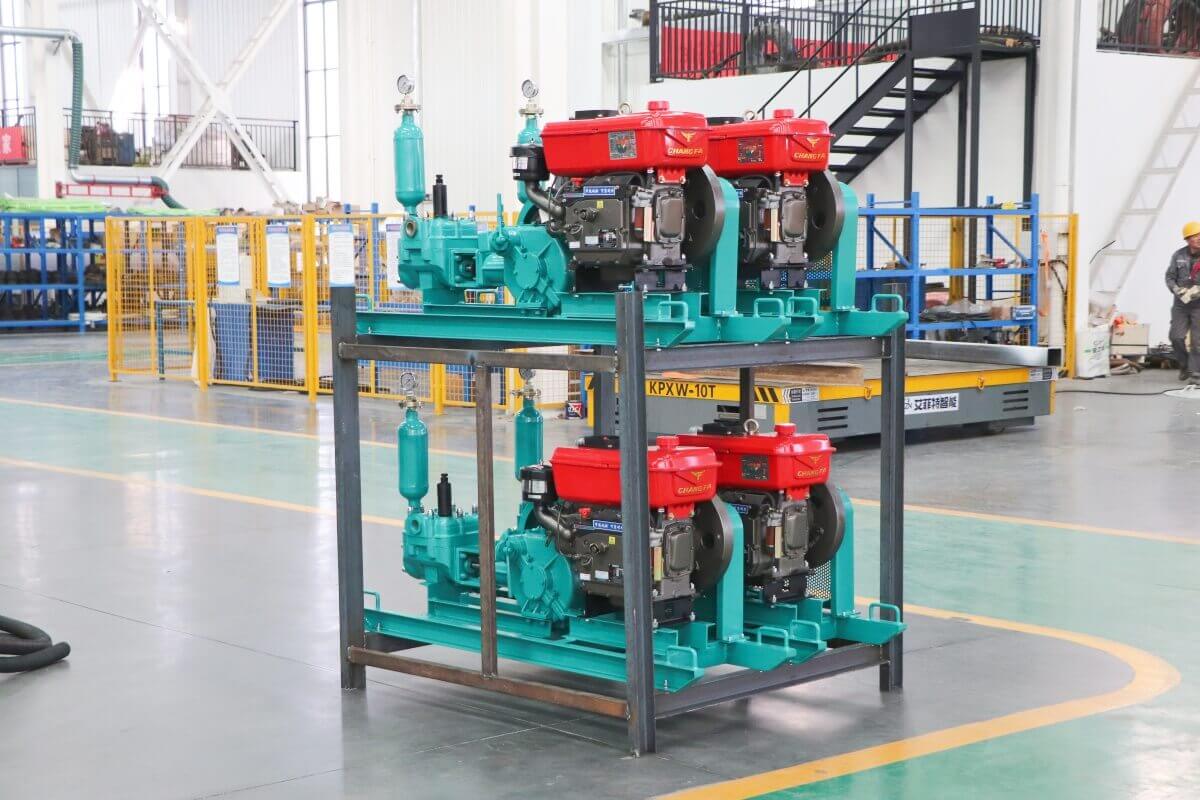
The grout pump delivers the grout into the micropile borehole. Depending on the design grouting pressure, grout viscosity, and operational efficiency requirements, a piston, plunger, or hydraulic grout pump may be selected.
Why is high-quality grout required for micropile construction?
Micropiles primarily transfer loads through the bond between the pile body and the surrounding soil or rock strata. The grout must not only fill the annular space between the borehole and the reinforcement (steel bars or pipes) but also penetrate local voids or fissures in the surrounding formation to form a stable grouted mass.
Inadequate mixing can lead to issues such as cement clumping, bleeding, sedimentation, or an uneven water-cement ratio. These problems can result in localized grout voids and inconsistent strength within the pile, as well as hinder grout transport through long delivery lines.
Colloidal mixing technology utilizes high-speed shearing and forced circulation to rapidly and uniformly disperse cement particles in water, providing a more stable grout for micropile applications.
Micropile Colloidal Mixing and Grouting Process
Before mixing begins, the cement type, water-cement ratio, admixture dosage, and estimated grout volume per micropile are determined based on design specifications. After clean water enters the colloidal mixer, cement is added gradually in the prescribed sequence.
Following high-speed mixing, the grout is transferred to the agitated storage tank. Operators verify the grout density, fluidity, and bleeding characteristics; once compliance with requirements is confirmed, the grout is pumped into the borehole.
Depending on the engineering design, micropile grouting may be executed using gravity grouting, pressure grouting, or secondary grouting techniques. During the grouting process, pressure, flow rate, and cumulative grout volume must be continuously monitored; pumping parameters should be adjusted based on borehole depth, formation grout absorption characteristics, and design termination criteria.
While the colloidal mixer prepares the next batch of grout, the storage tank can continue feeding the grouting pump, thereby minimizing downtime and ensuring the continuity of the micropile grouting operation.
Advantages of Colloidal Grouting Plants for Micropile Injection
Compared to standard mixing equipment, colloidal grouting plants enhance the dispersion of cement particles, resulting in a finer, more homogeneous grout that flows more easily through small-diameter injection pipes and long delivery lines.
Integrated equipment offers the following additional advantages:
Rapid cement grout preparation, reducing mixing time per batch
Reduction of cement clumping, sedimentation, and grout stratification
Continuous grout preparation, storage, and injection operations
Stable control of injection flow rate and working pressure
Reduced on-site equipment connection and installation workload
Ease of cleaning, maintenance, and relocation between sites
Configurability based on specific micropile construction methods
A stable grout supply minimizes interruptions, ensuring more consistent construction quality across a batch of micropiles.
How to Select Micropile Grouting Equipment?
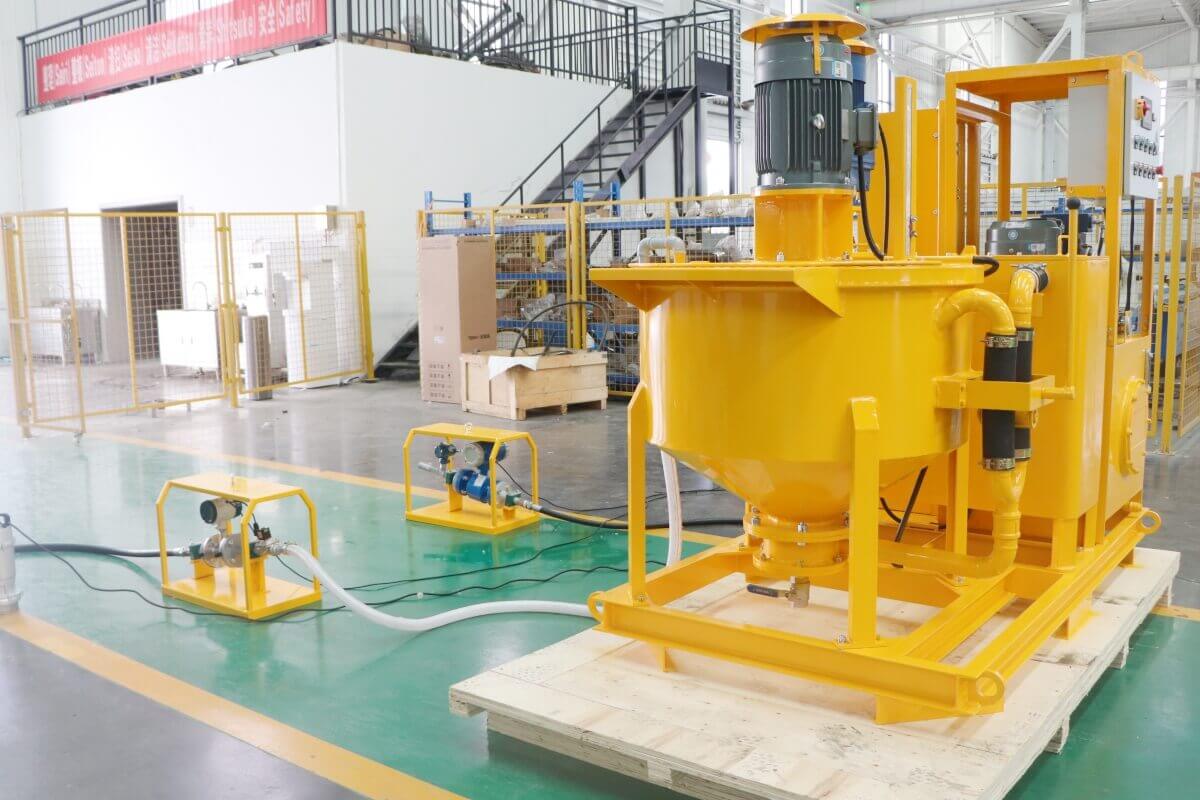
Equipment selection begins with determining project parameters such as micropile diameter, borehole depth, daily production volume, and grout volume per pile. Selecting the appropriate colloidal mixer and storage tank capacities based on actual grout requirements prevents supply shortages or issues caused by grout sitting for extended periods.
The flow rate and pressure capabilities of the grouting pump must align with the construction method. Primary grouting typically prioritizes continuous supply and filling capacity, whereas secondary or staged pressure grouting requires stable, adjustable pressure output.
Additionally, the following factors should be considered:
Grout materials and design water-cement ratio
Batch preparation volume and hourly production capacity
Injection pipe diameter and delivery distance
Maximum design injection pressure
On-site voltage and power supply conditions
Available workspace and equipment mobility requirements
Requirements for recording flow rate, pressure, and grout volume
Compact, mobile grouting stations are suitable for small-scale foundation repair projects, while bridge, railway, or large-scale foundation projects may require higher-capacity mixing systems, multiple grouting pumps, or automated data recording systems.
Gaodetec Equipment Colloidal Grouting Solutions for Micropiles
Gaodetec Equipment is a specialized manufacturer and supplier of colloidal grout plants designed for micropile injection. We offer a comprehensive range of equipment, including colloidal grout mixers, agitator storage tanks, grout pumps, and complete, integrated micropile grouting stations.
We provide equipment in various configurations—stationary, skid-mounted, trailer-mounted, or containerized—tailored to specific project requirements such as grout mix designs, micropile quantities, flow rates, maximum pressures, and site conditions. Power options include electric motor, diesel engine, or hydraulic drive, with available features such as automatic water intake, liquid level sensing, pressure monitoring, and grouting data logging.
In addition to standard cement grout, the equipment can handle cement-bentonite slurries and other engineering grouting materials as required. All configurations can be adjusted based on actual construction parameters, enabling clients to establish grouting systems that align perfectly with the pace of micropile installation.
Our colloidal grout plants ensure a uniform and continuous supply of grout for micropile construction through high-speed colloidal mixing, continuous agitation during storage, and stable-pressure injection. Optimizing the balance between mixing capacity, storage capacity, and pump performance enhances on-site efficiency while improving the integrity and consistency of the grouted micropile body.
If you are seeking reliable micropile grouting equipment, please contact Gaodetec Equipment with details regarding micropile dimensions, borehole depth, grout mix design, required flow rate, and design pressure; we will recommend the ideal equipment configuration for your project. You can reach us at info@gaodetec.com.