Complete Grout Plant for Micropile Foundation Work
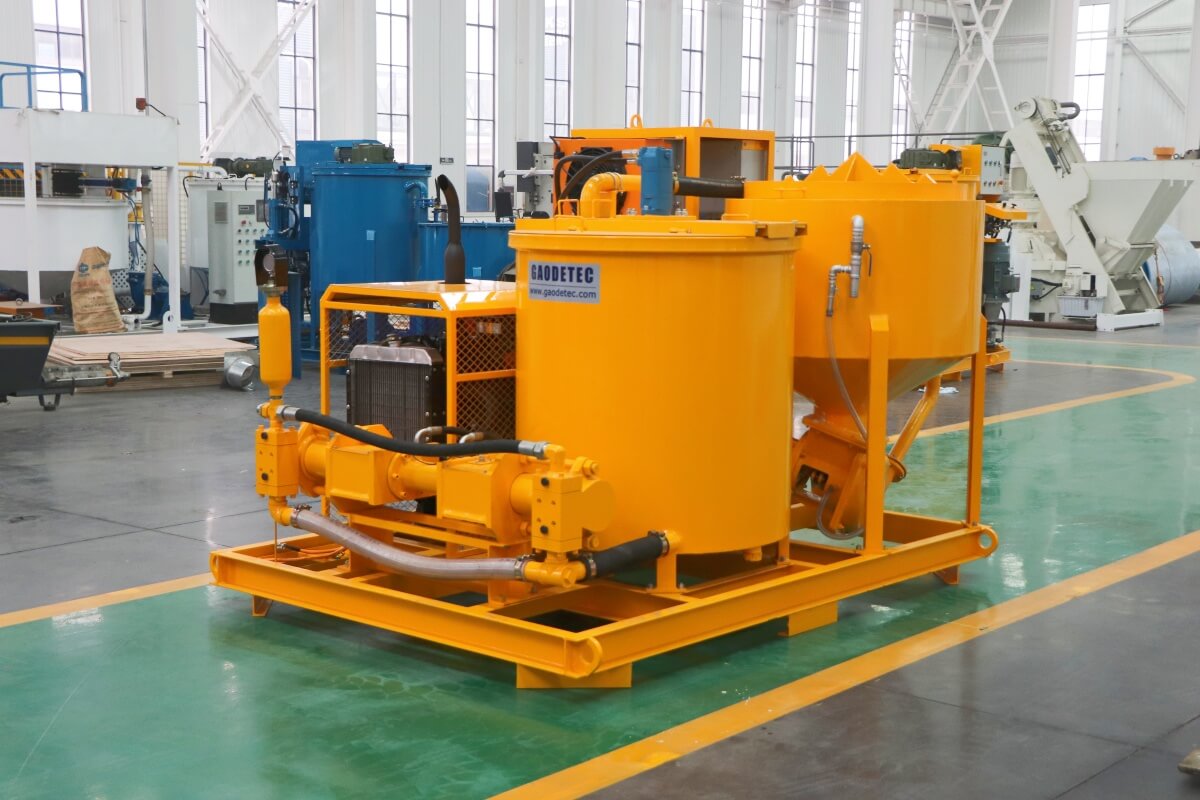
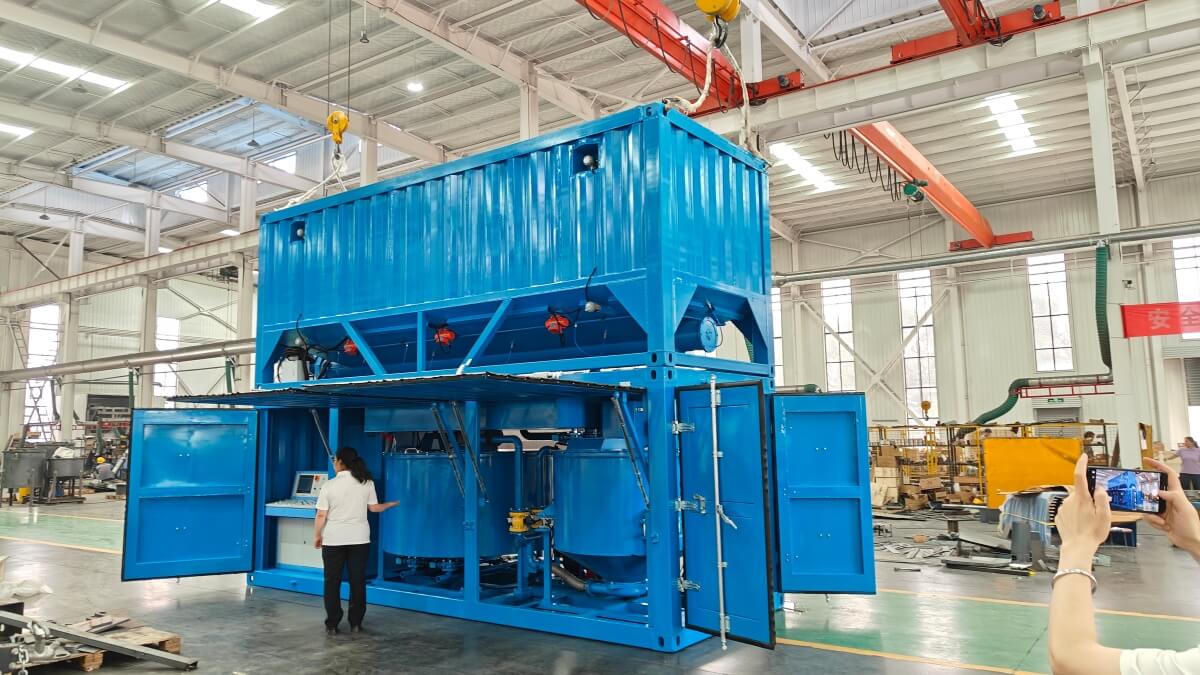
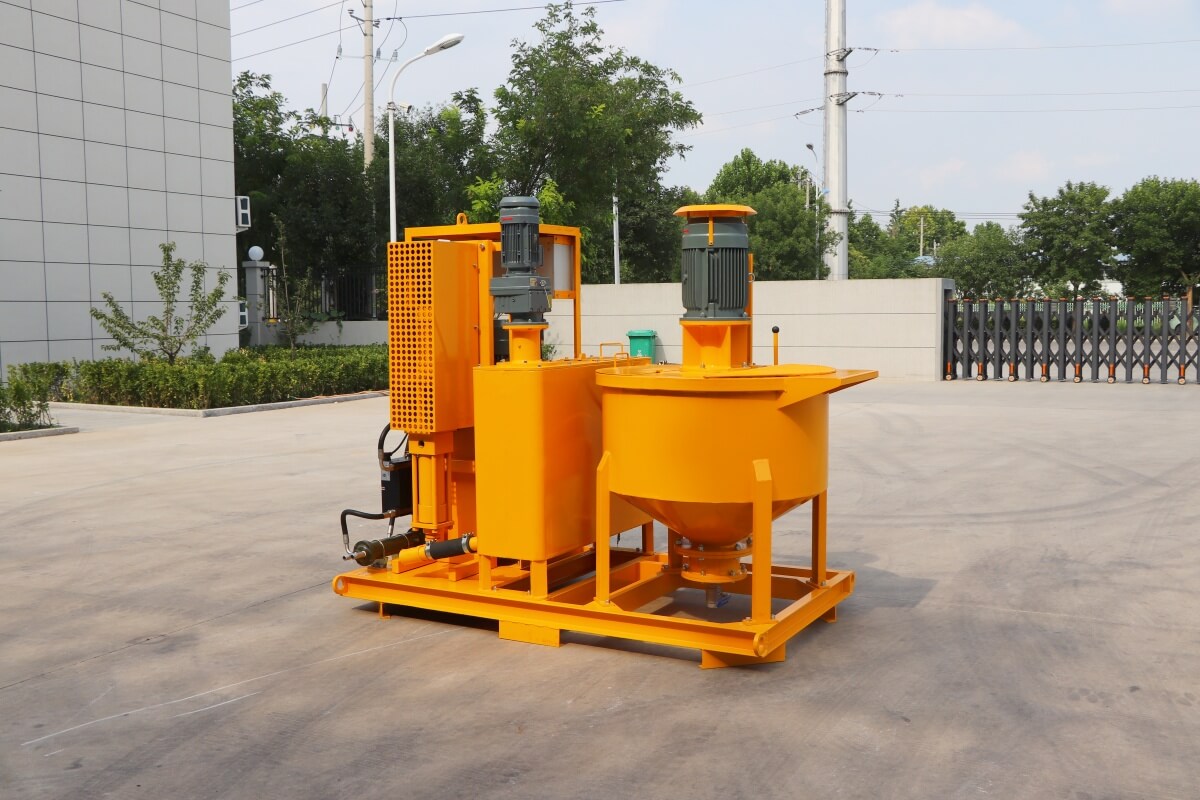
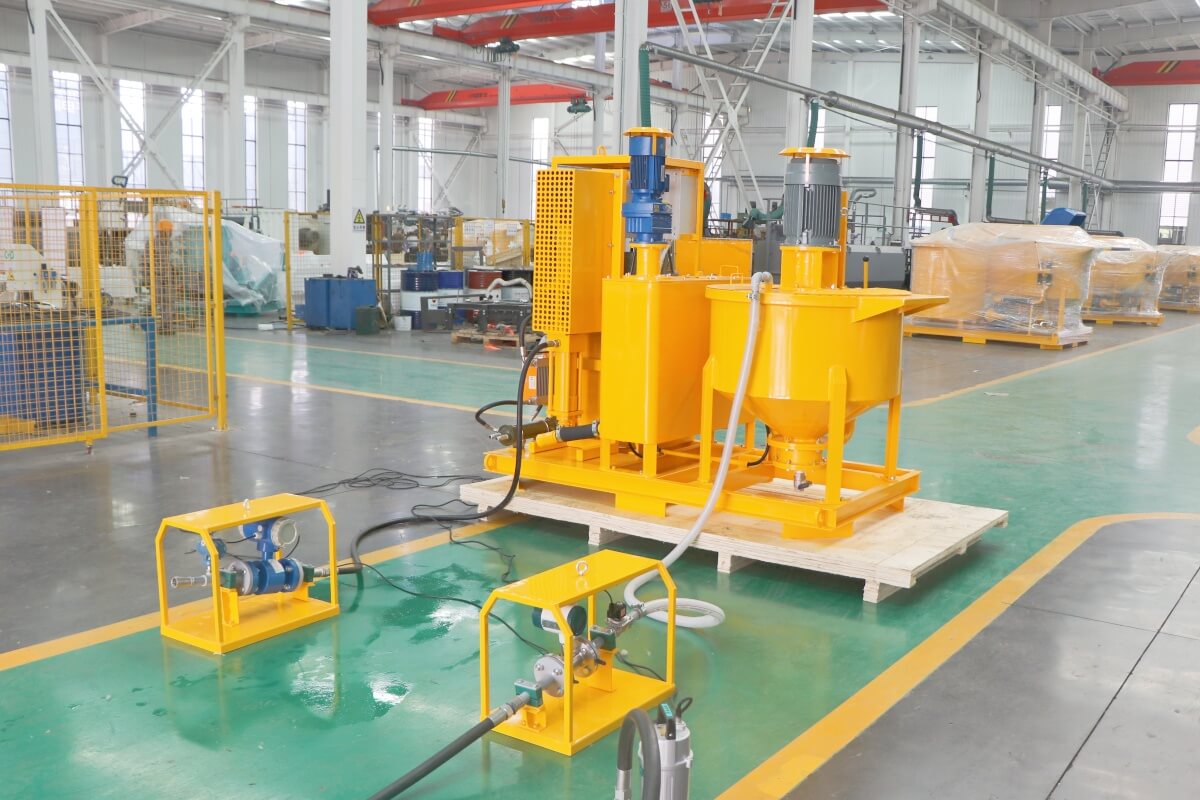
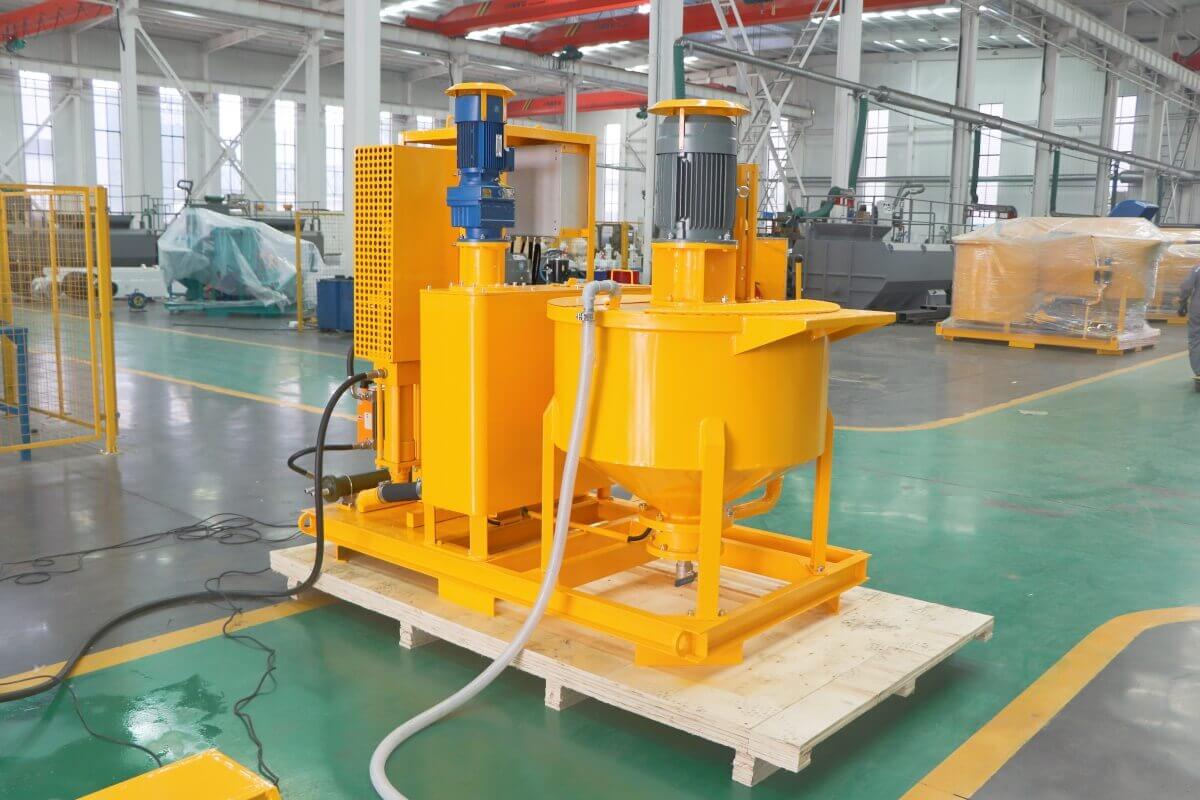
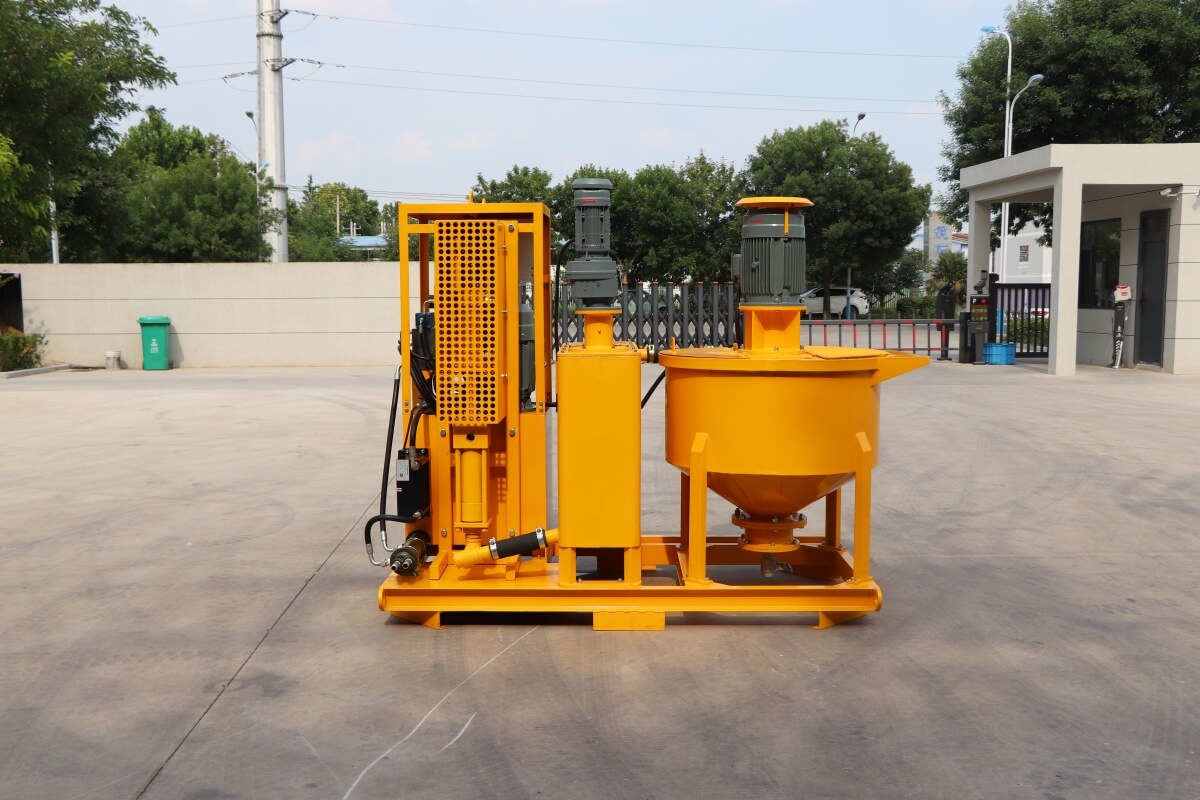
The integrated grouting plant for micropile foundation work combines slurry preparation, storage, mixing, and high-pressure delivery functions into a single unit, ensuring a continuous supply of high-quality, consistent cement grout for micropile construction. Compared to setups using multiple standalone machines, this integrated station offers advantages such as a compact footprint, ease of operation, efficient workflow integration, and simplified on-site management; it is suitable for projects involving micropiles, soil nails/anchors, underpinning, and ground improvement. In micropile foundation construction, the quality of the grouting directly impacts the density of the pile body, the bond strength between the pile and the surrounding soil, and the ultimate load-bearing capacity. Given the small borehole diameters and significant drilling depths—combined with the fact that these projects often take place in spatially constrained areas or complex geological conditions—contractors demand higher standards regarding grout uniformity and stability, as well as precise control over grouting parameters.
The Role of a Complete Grout Plant in Micropile Foundation Construction
Micropiles typically consist of a drilled hole, a reinforcement framework (such as steel bars or pipes), and pressure-injected cement grout. The grout must not only fill voids within the borehole but also bond effectively with the surrounding strata, thereby enhancing the pile’s resistance to compressive, tensile, and lateral loads.
A complete grout plant enables the rapid preparation, continuous storage, and stable delivery of cement grout directly at the construction site. A high-speed mixing system ensures thorough dispersion of cement particles, minimizing unmixed clumps; an agitated storage tank prevents grout sedimentation during the waiting period prior to injection; and a grout pump delivers the mixture into the borehole at controlled pressures and flow rates.
Through the seamless coordination of these functional modules, the system reduces manual handling and repetitive tasks, streamlines the mixing and injection processes, and ensures reliable, continuous micropile construction.
Technical Requirements for Grout Preparation Equipment in Micropile Projects
Micropile construction imposes strict requirements on grout properties. The grout must possess excellent fluidity to flow smoothly through injection pipes and penetrate fine fissures in the surrounding ground. It must also remain uniform and stable to avoid issues such as particle sedimentation, segregation, or pipeline blockages.
A **Micropile Grouting Plant** suitable for such projects should typically offer the following capabilities:
* Rapid mixing of water, cement, and required additives;
* Precise control of the water-cement ratio and batch volume;
* Maintenance of continuous, uniform grout flow within the storage tank;
* Adjustment of injection pressure and flow rate based on ground conditions;
* Compliance with process requirements for continuous construction or staged grouting;
* Ease of cleaning for pipelines, pump units, and mixing systems.
In loose soils, fractured rock, or strata with highly variable permeability, injection parameters must be adjusted in real-time based on observed pressure changes. Consequently, the equipment requires not only sufficient output capacity but also stable, intuitive control over pressure and flow rates. **Composition and Workflow of a Complete Grout Plant**
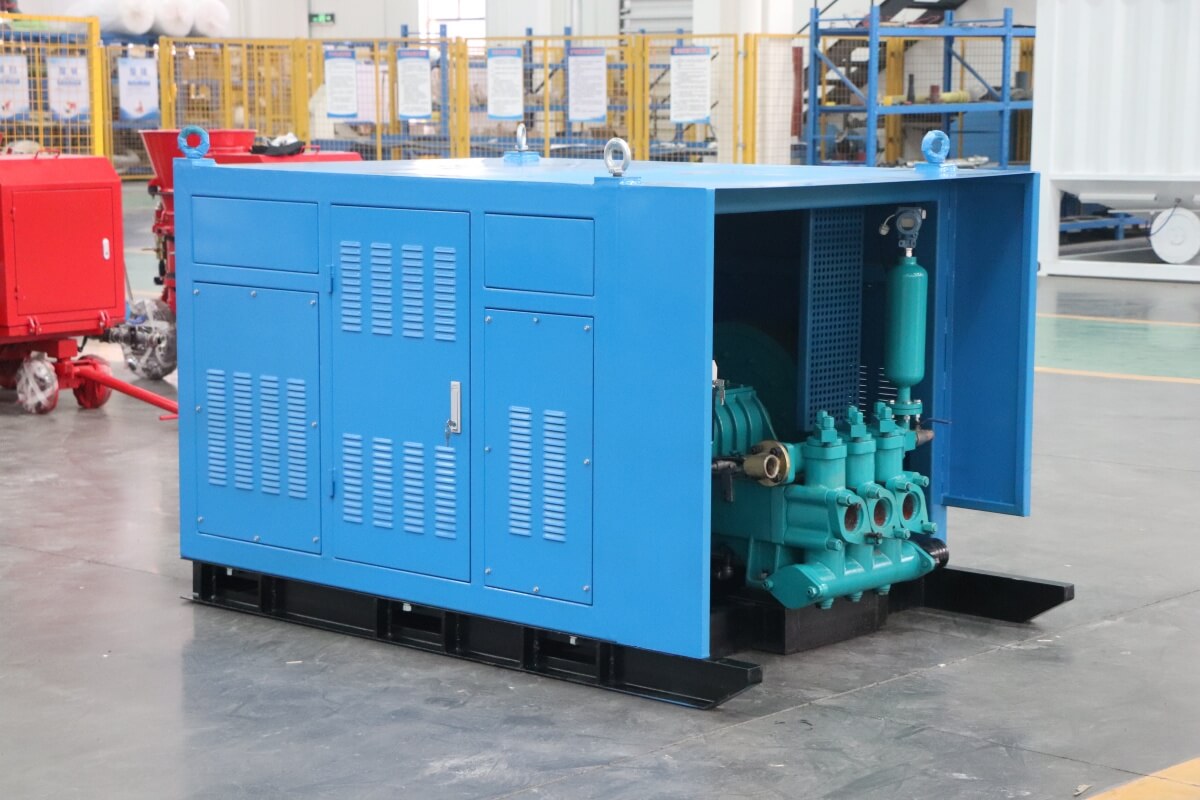
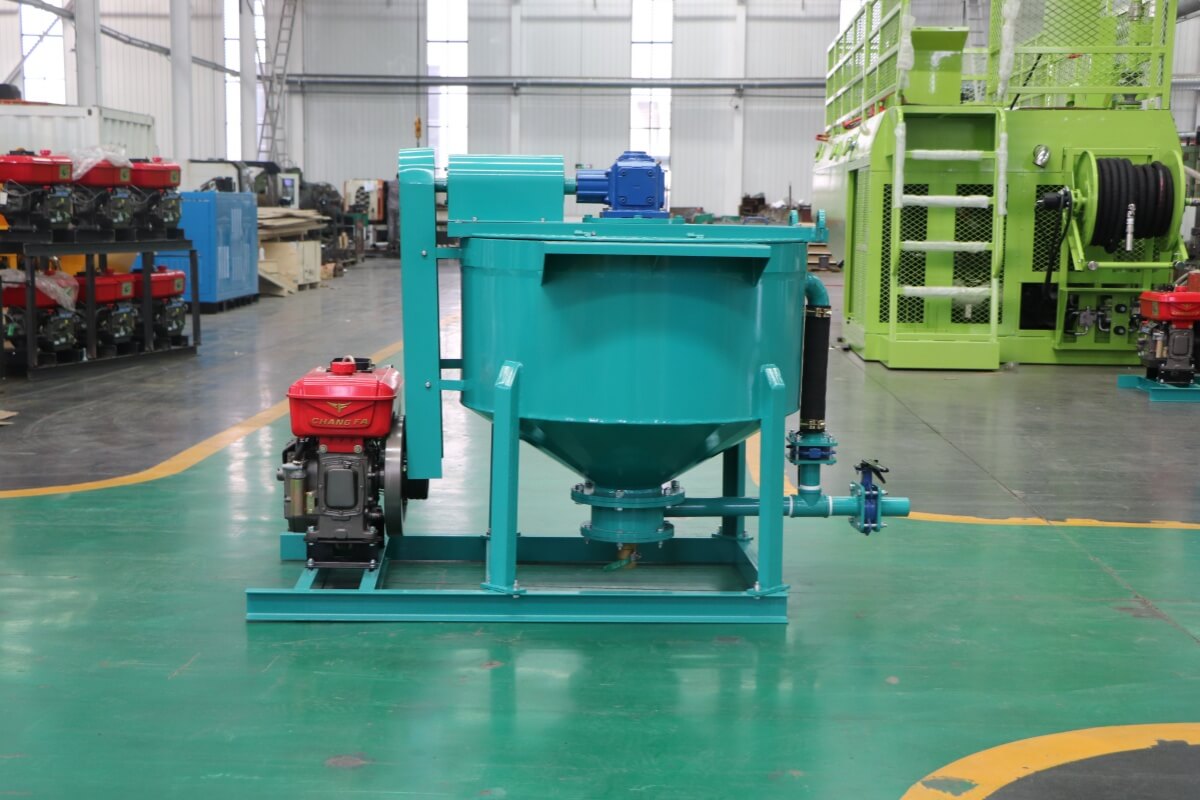
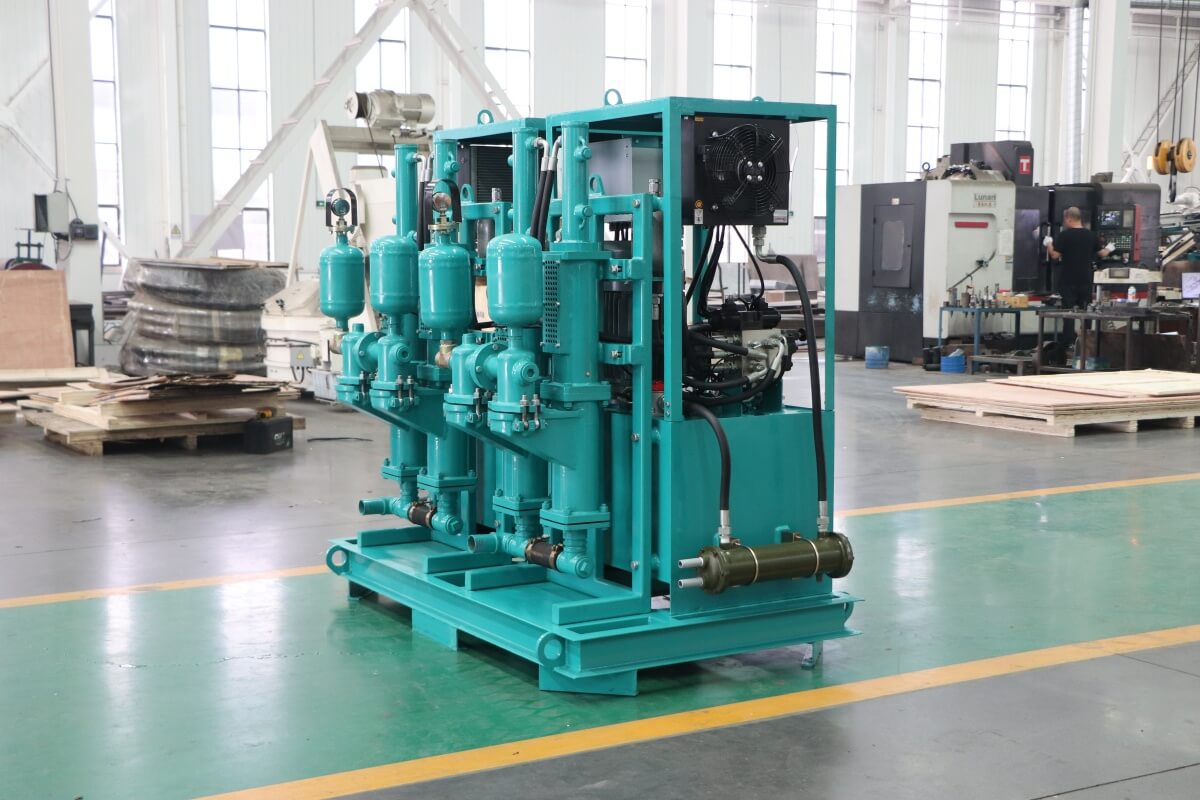
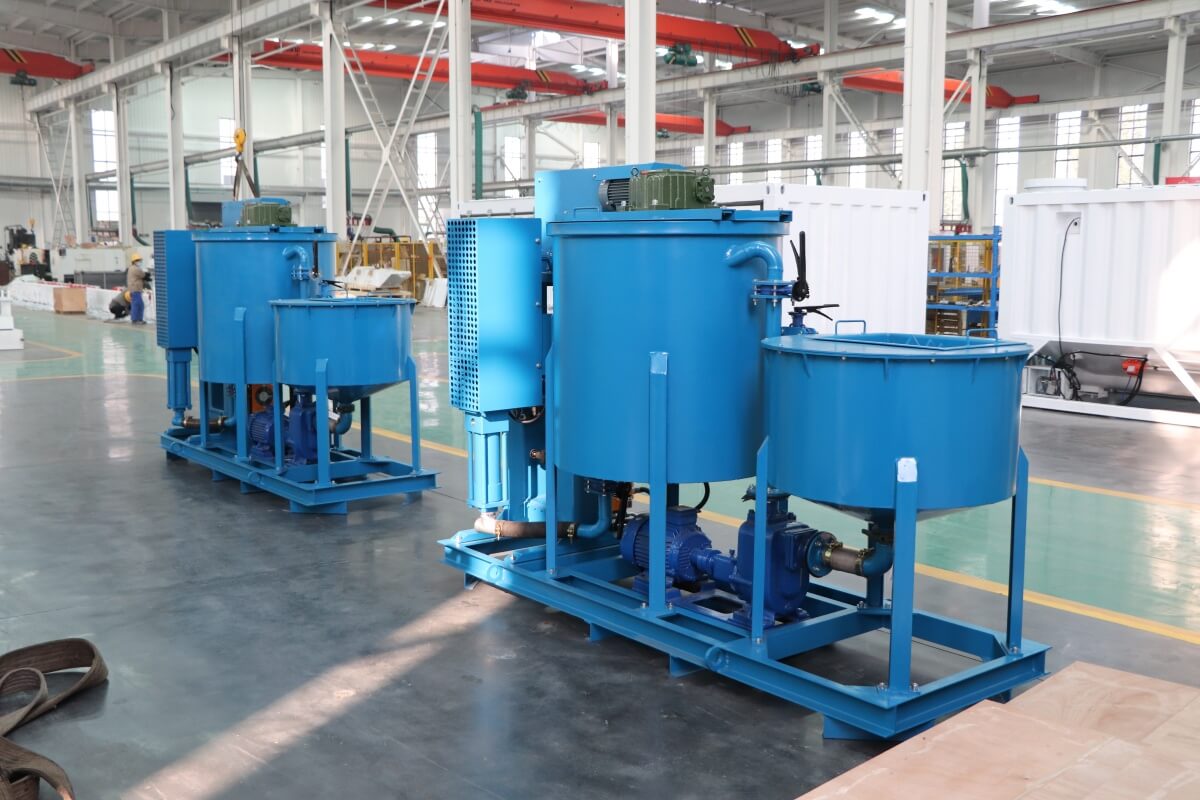
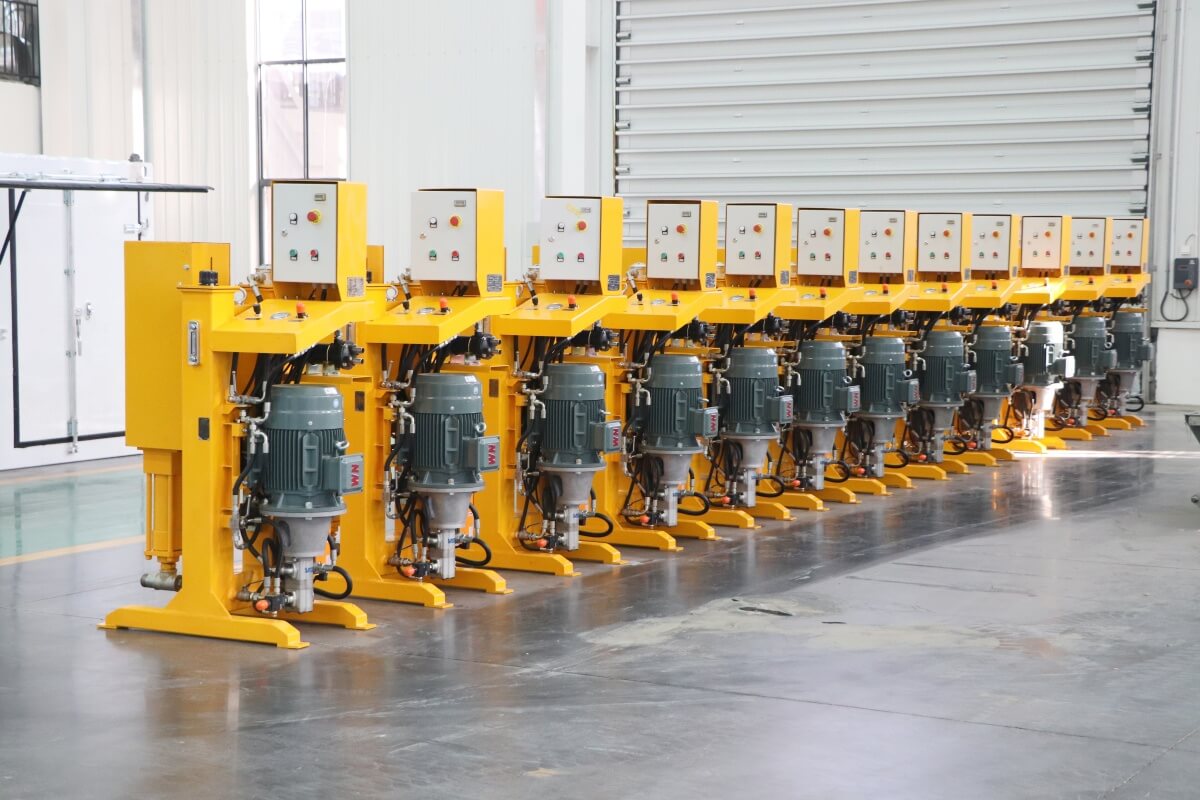
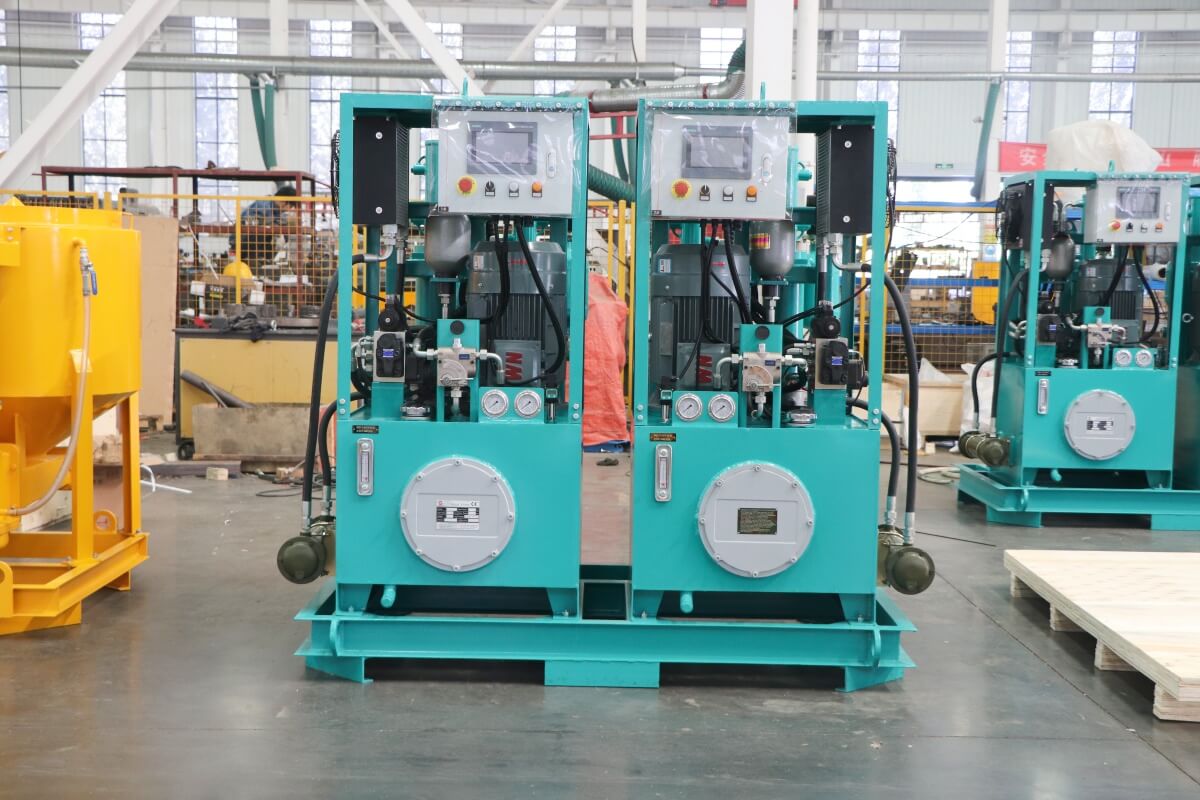
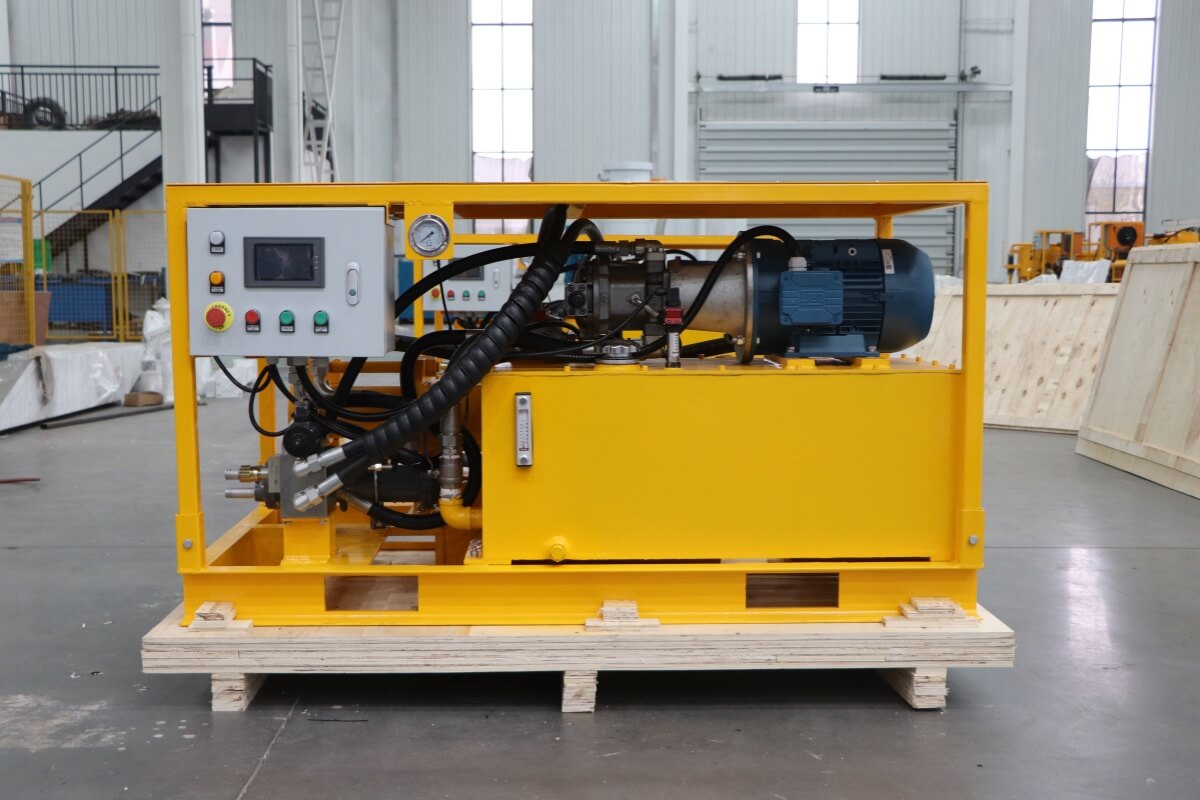
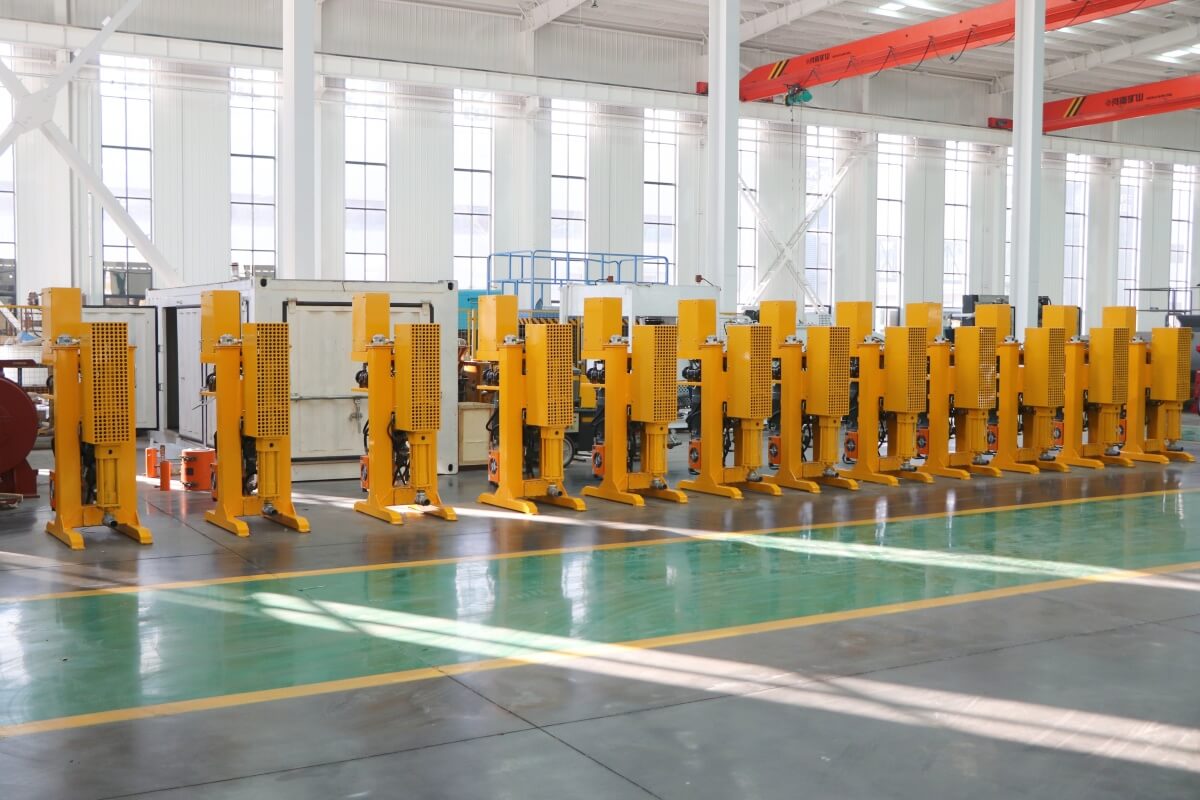
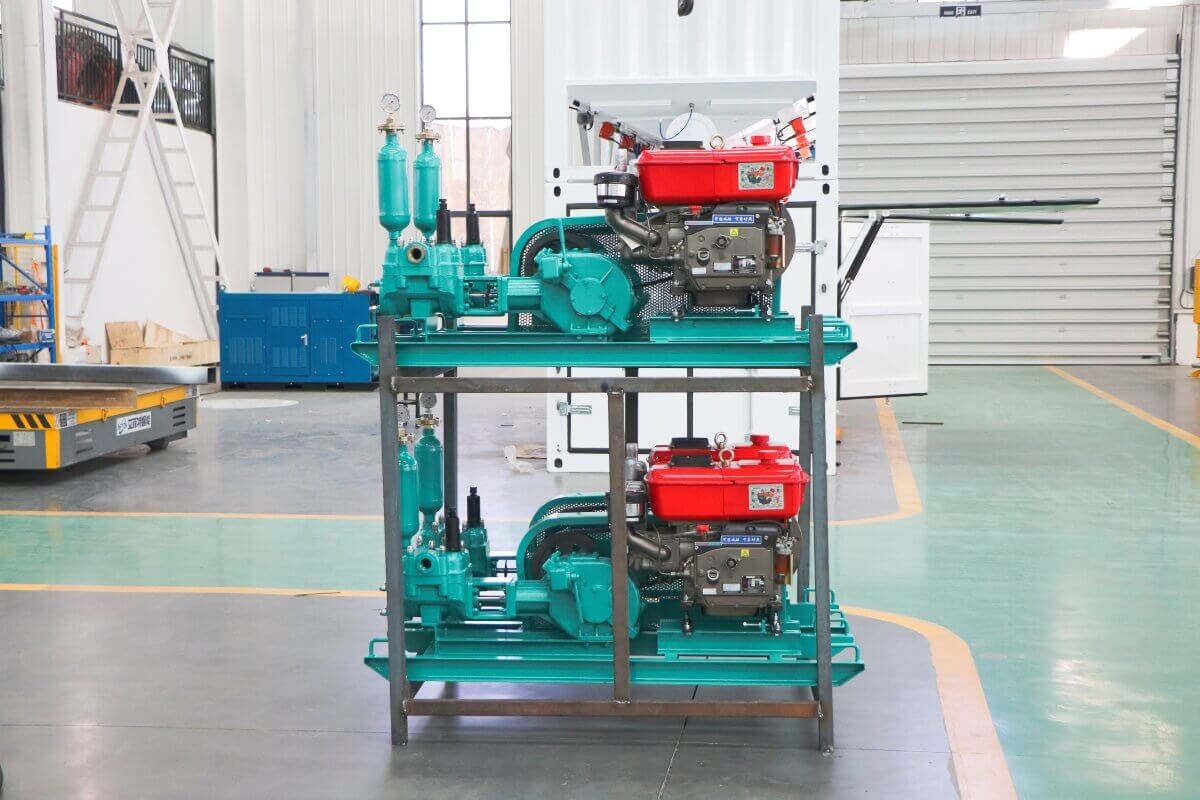
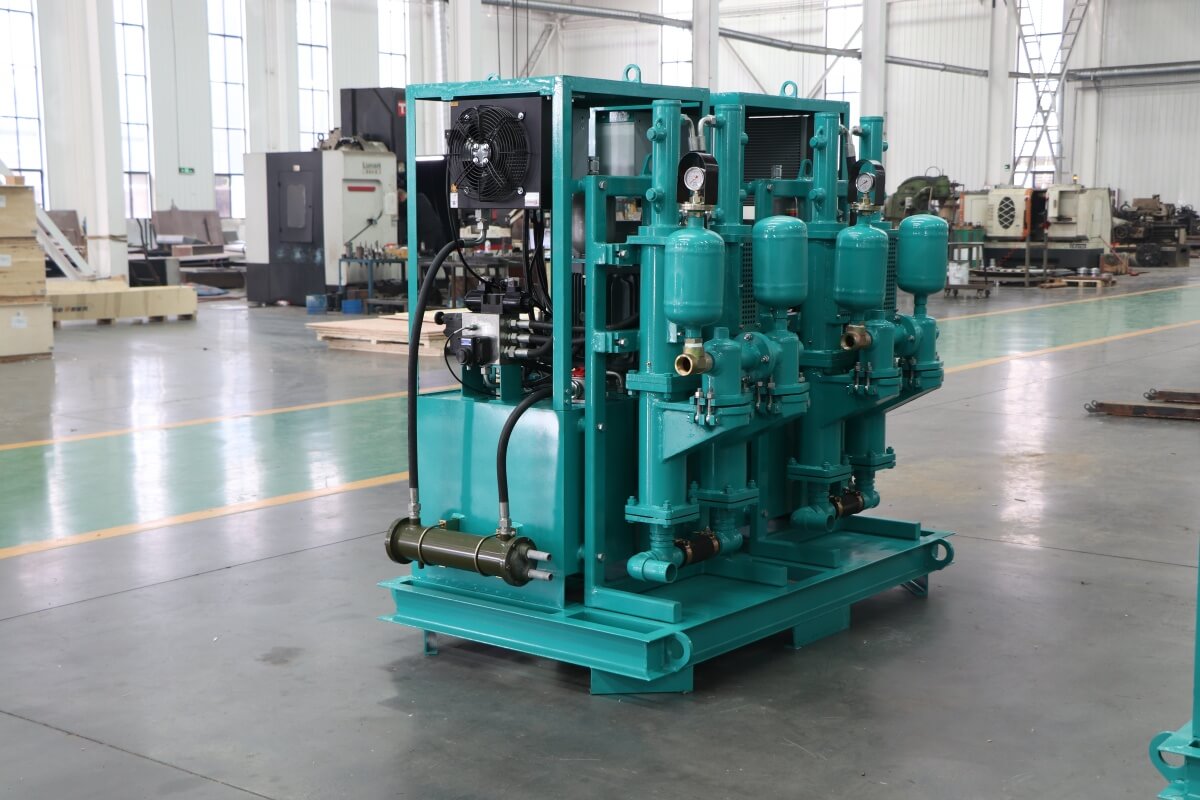
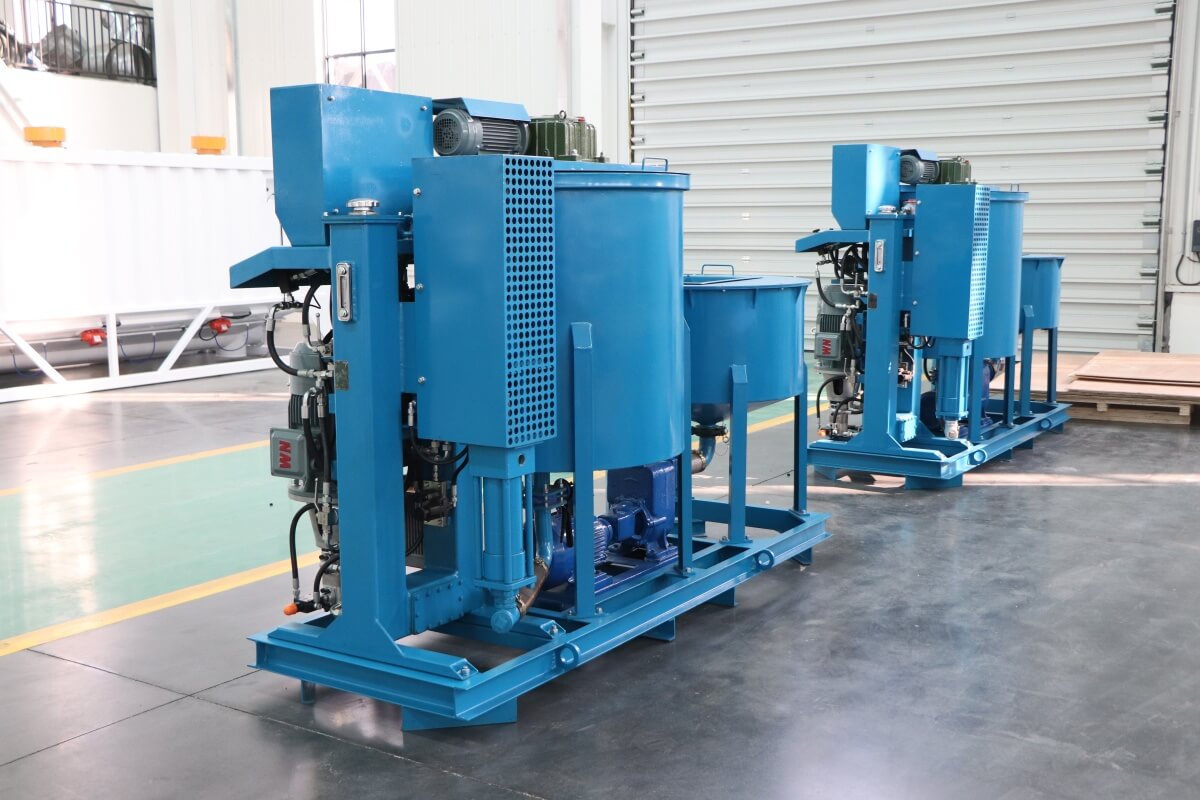
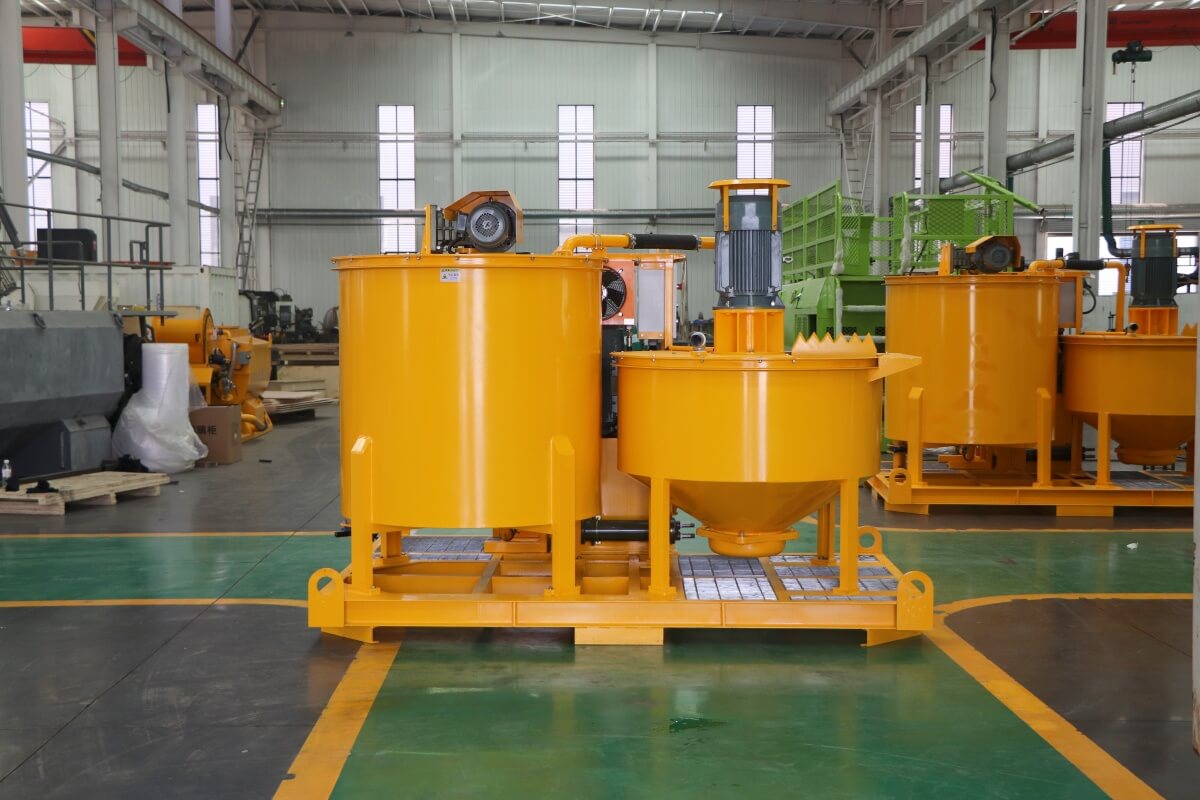
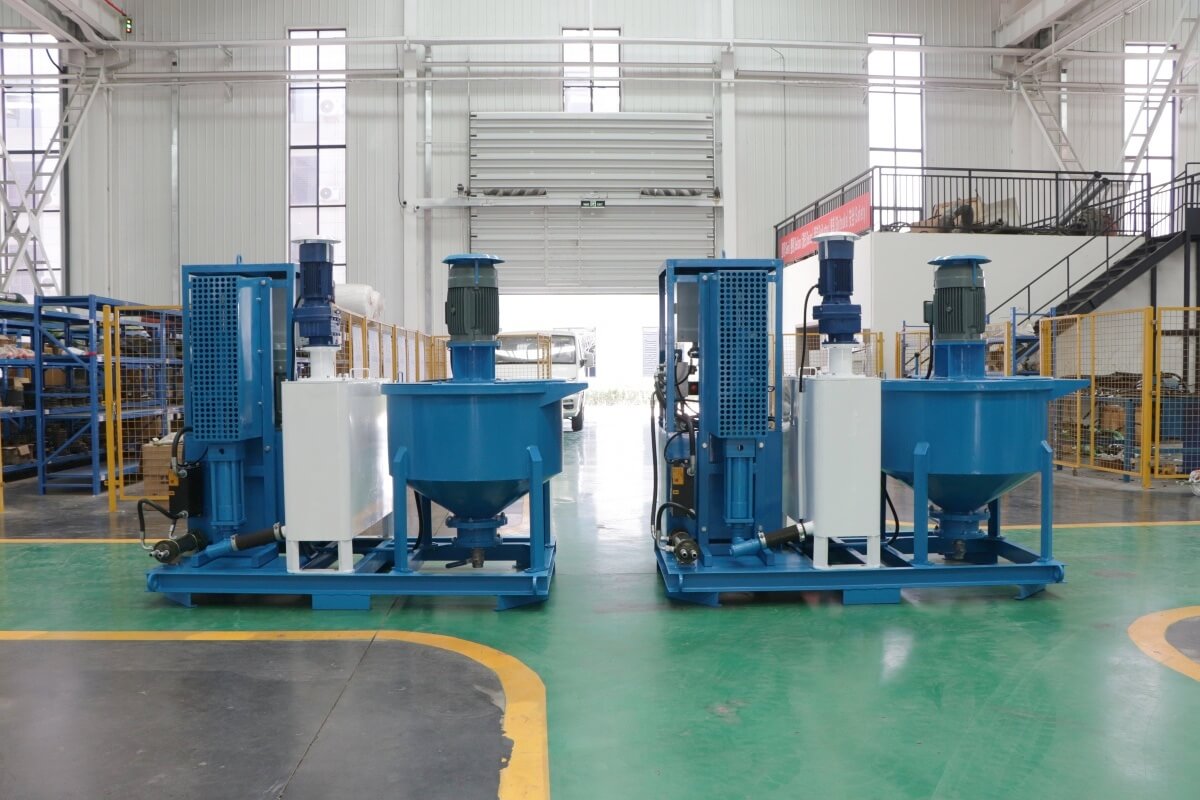
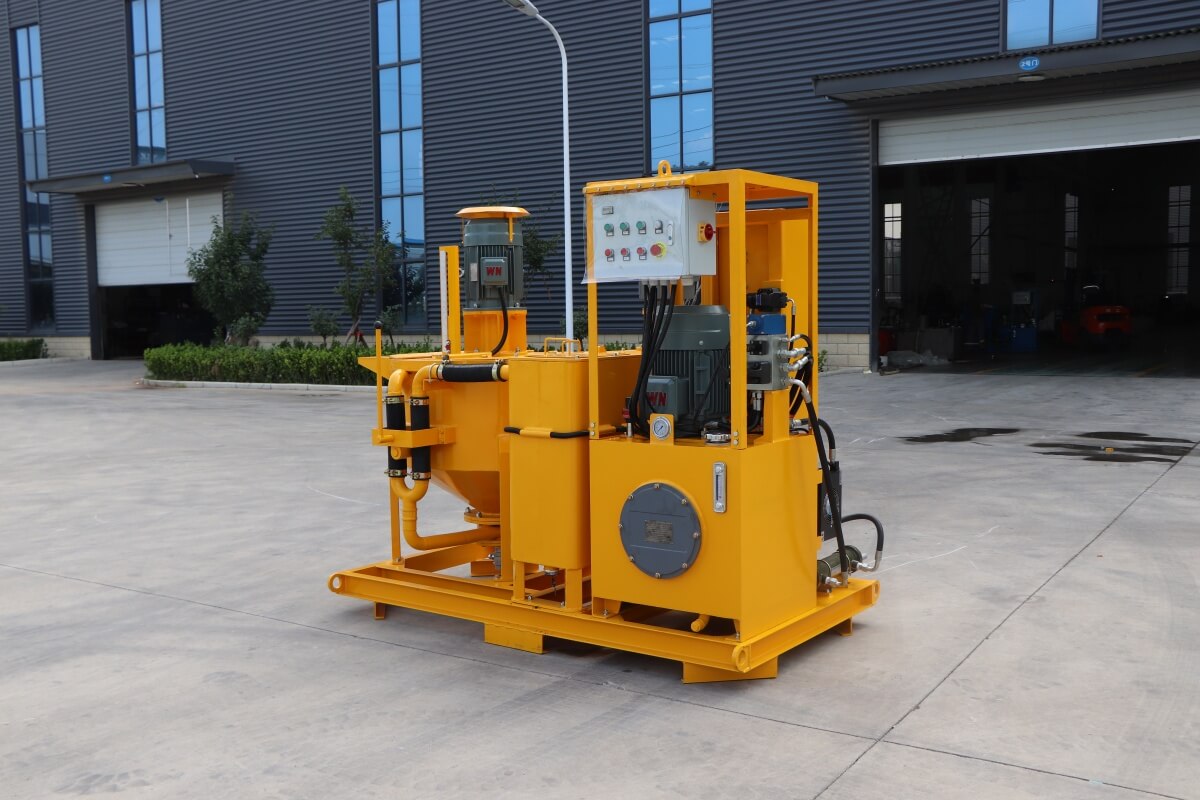
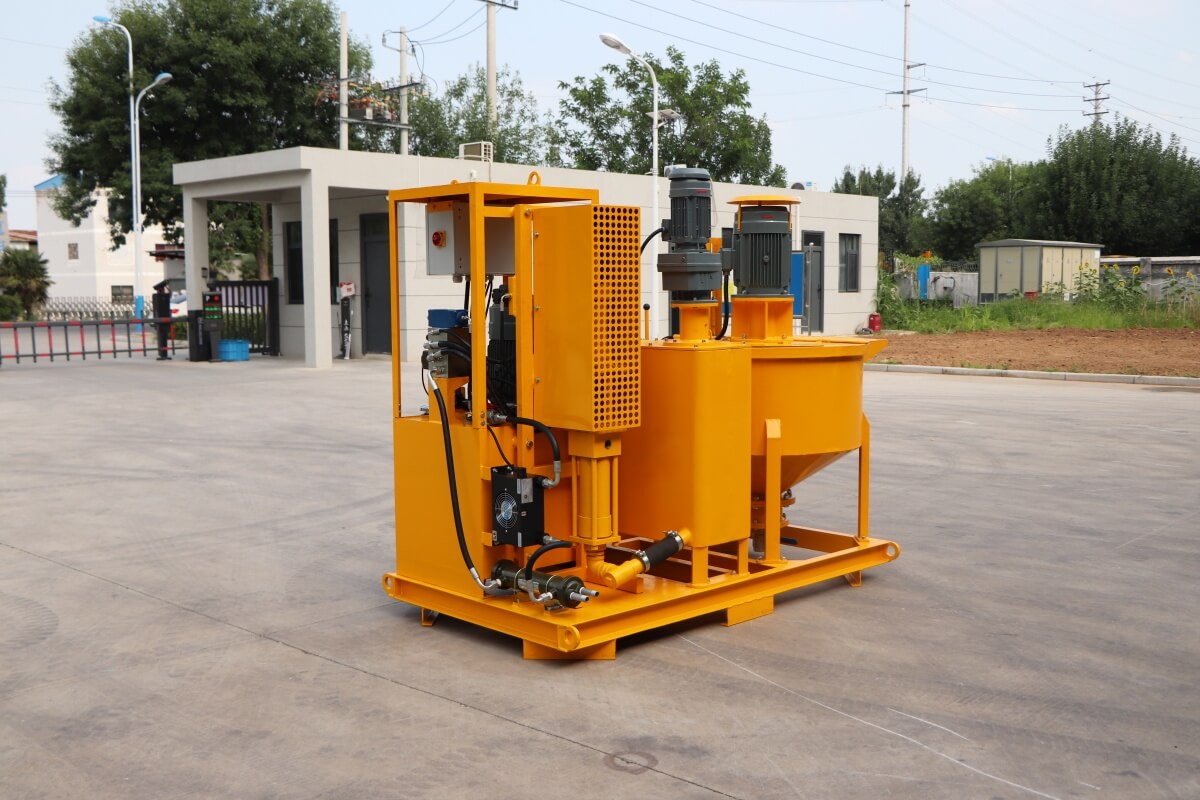
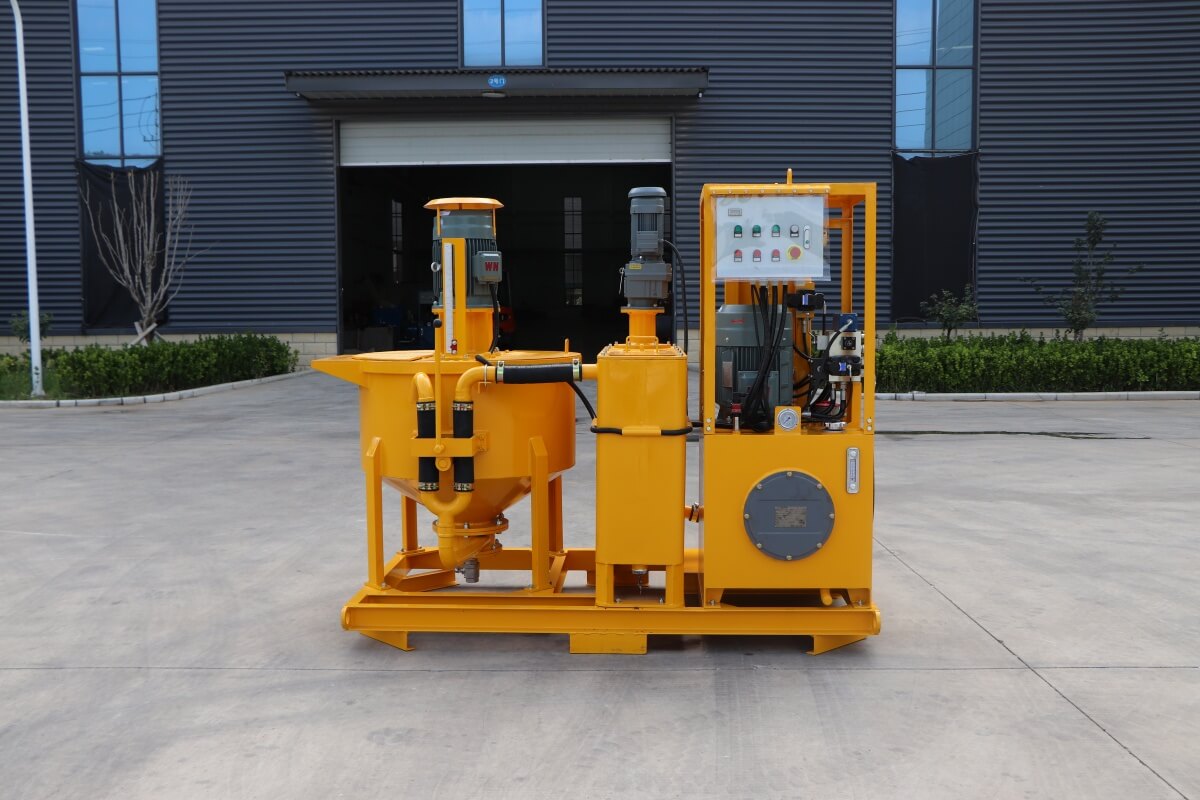
A typical complete grout plant consists primarily of a high-speed colloidal mixer, an agitated storage tank, a grout pump, an electrical control system, and connecting piping. Depending on project requirements, components such as flow meters, pressure sensors, automatic metering devices, and grouting data recording systems can also be added.
At the start of operations, the operator adds water, cement, and additives to the mixer according to the design water-cement ratio. High-speed shearing action rapidly breaks down cement particles, ensuring a highly uniform grout mixture. Once mixed, the grout is transferred to the agitated storage tank, where it is kept under low-speed agitation while awaiting injection.
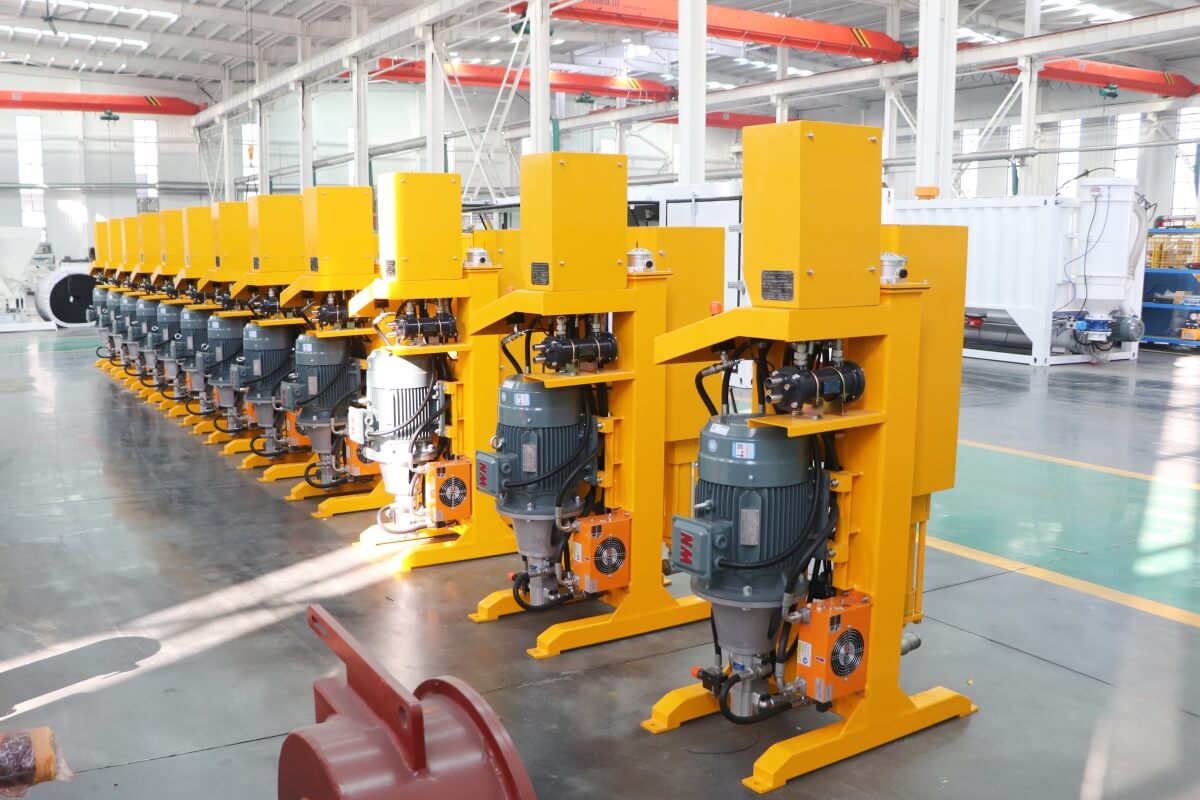
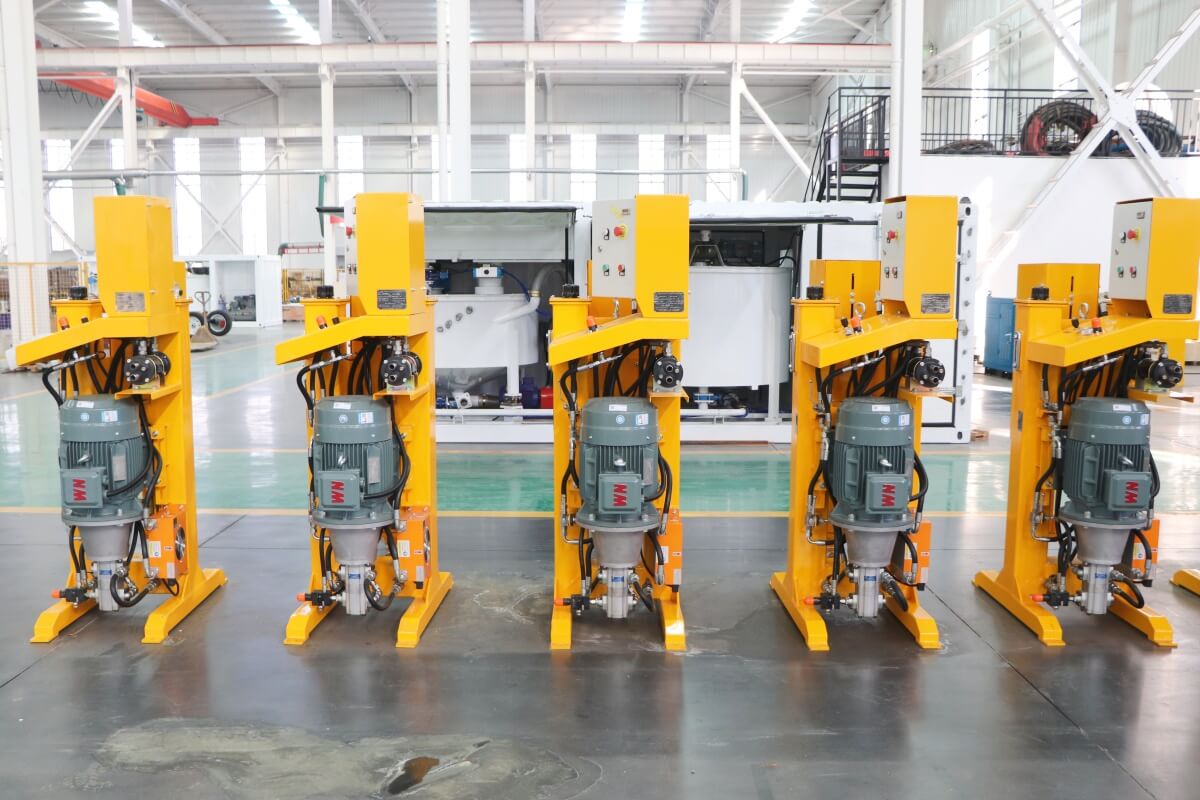
When site conditions permit, the grout pump draws the mixture from the storage tank and delivers it via high-pressure piping to the bottom of the micropile borehole. As the grouting process proceeds, the grout fills the borehole space and permeates the surrounding soil or rock fractures. Operators can adjust the pumping speed based on pressure fluctuations, grout return, and design volume requirements until the project specifications are met.
This continuous workflow shortens the operational cycle for each micropile and minimizes performance variations between different batches of grout.
Selecting the Right Grout Plant for Micropile Projects
When selecting a grout plant, factors such as the number of micropiles, borehole depth, pile diameter, grout mix design, construction pace, and available site space should be comprehensively considered. Undersized equipment may fail to meet continuous grouting demands, while oversized equipment increases investment, transportation, and on-site setup costs.
For small-scale foundation repairs, building underpinning, or indoor micropile installation, compact and highly mobile grouting equipment is suitable. Conversely, for projects involving a large number of piles, deep boreholes, or tight schedules, it is necessary to configure high-efficiency mixers, larger-capacity storage tanks, and high-pressure grout pumps with stable output. Key parameters to consider during equipment selection include:
* Effective capacity of the mixer and mixing time per batch;
* Effective volume of the grout storage and agitation tank;
* Maximum flow rate and operating pressure of the grout pump;
* Adjustment ranges for pressure and flow rate;
* Power configuration (electric, diesel, or hydraulic);
* Equipment dimensions, transportability, and mobility;
* Availability of wear parts and ease of maintenance.
Properly matching the processing capacities of the various modules is crucial. For instance, the mixing rate must meet the grout pump’s continuous supply requirements, and the storage tank capacity should act as a buffer between the mixing and grouting stages to prevent frequent equipment shutdowns.
Operational Advantages of the Integrated Micropile Grouting System
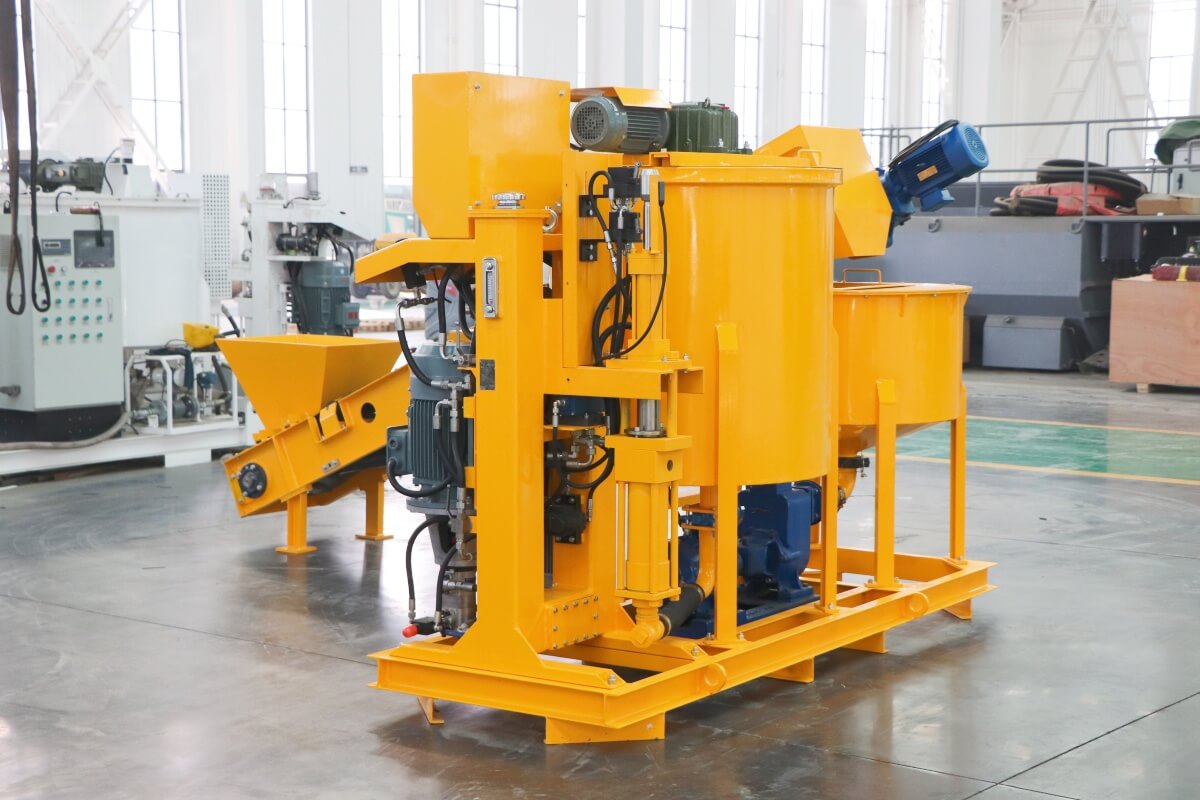
By consolidating multiple construction stages onto a single platform, the integrated micropile grouting system reduces the amount of on-site equipment, pipeline connections, and manual handling. Once on-site, operations can commence immediately after making the necessary connections for power, water, and grout lines.
High-speed colloidal mixing enhances the dispersion of cement particles, resulting in a more uniform grout; continuous agitation in the storage tank minimizes the risk of sedimentation; and the adjustable grout pump adapts to varying borehole depths and formation resistances. Consistent grout quality and output help ensure pile integrity and strengthen the bond between the grout and the surrounding formation.
Furthermore, centralized control allows operators to monitor equipment status intuitively and make timely adjustments to grouting pressure and flow rate. For micropile projects requiring continuous operation, this configuration effectively reduces downtime, grout waste, and the likelihood of pipeline blockages.
Engineering Applications of the Complete Grout Plant
In addition to micropile foundation construction, the complete grout plant is suitable for projects such as building foundation underpinning, bridge foundation repair, tunnel support, slope stabilization, anchor rod and cable grouting, soil improvement, and waterproofing of underground structures.
Mixing capacity, grout pump pressure, delivery flow rate, and control methods can be adjusted to suit specific application requirements. For instance, deep-hole micropile projects typically prioritize high-pressure delivery and continuous grout supply capabilities; urban structural reinforcement projects place greater emphasis on equipment dimensions, noise control, and ease of mobility; while construction in complex geological conditions may require more precise pressure monitoring and data logging functions.
Through appropriate configuration, the complete grout plant for micropile foundation work creates a continuous, stable, and easily manageable on-site grouting system. It not only enhances the efficiency of grout preparation and delivery but also enables contractors to better control grouting quality, providing reliable equipment support for micropile foundations, structural reinforcement, and other geotechnical engineering projects.