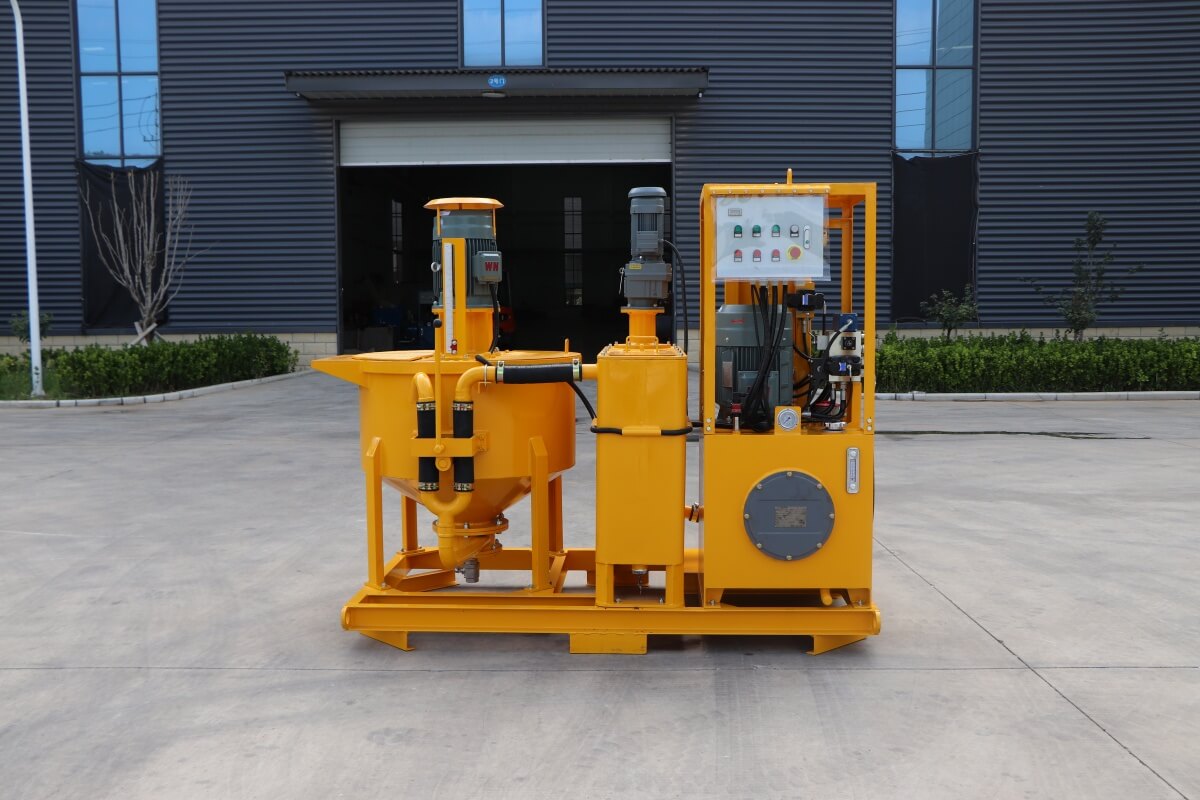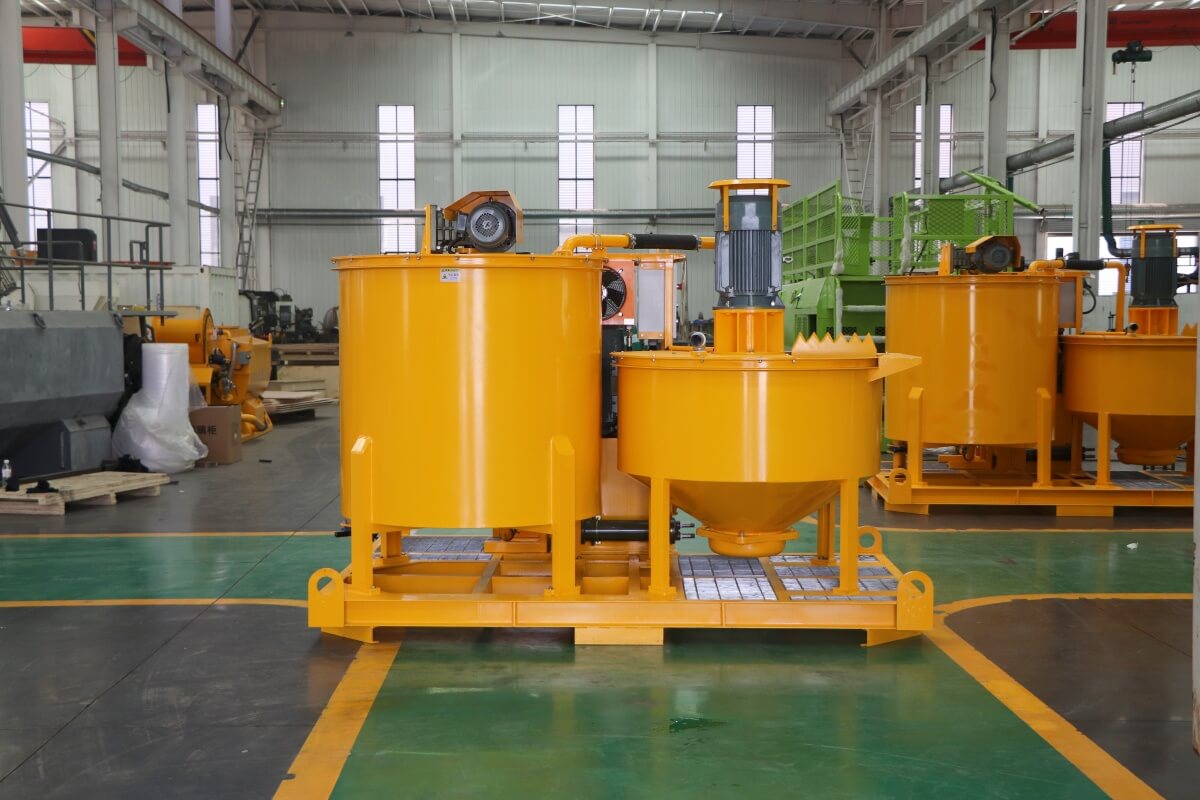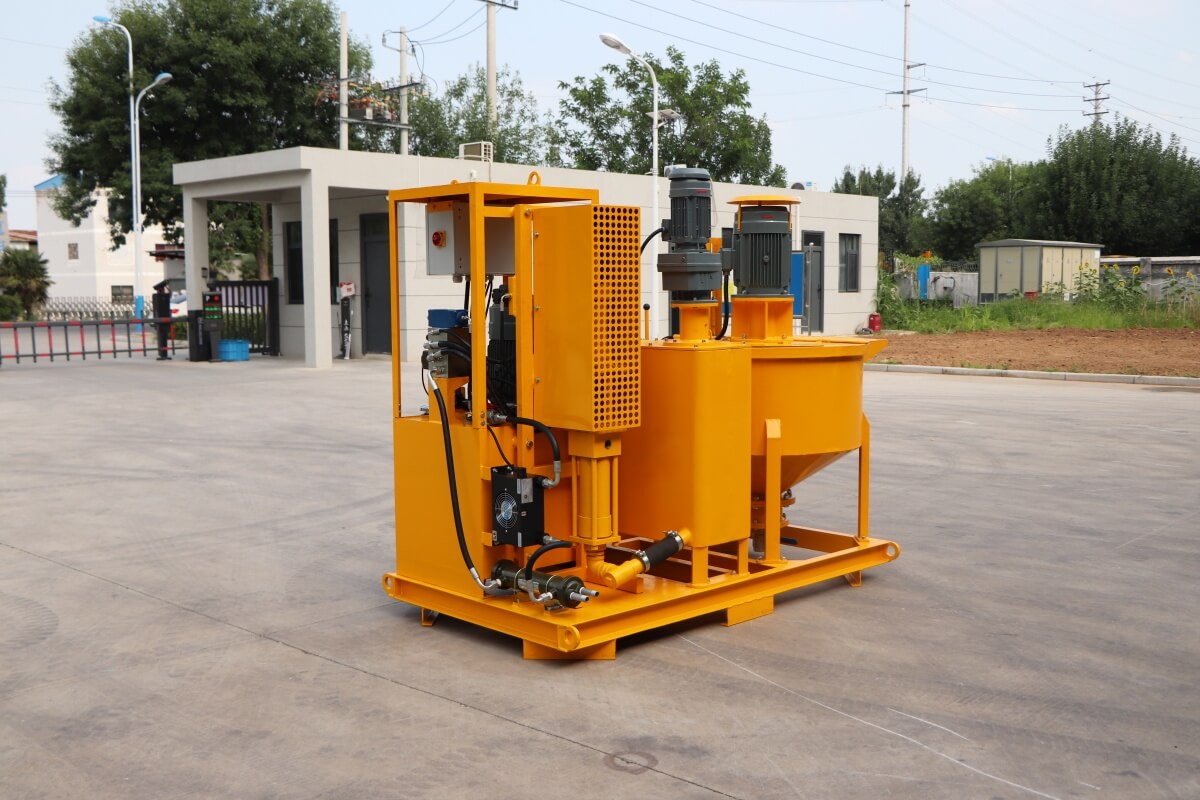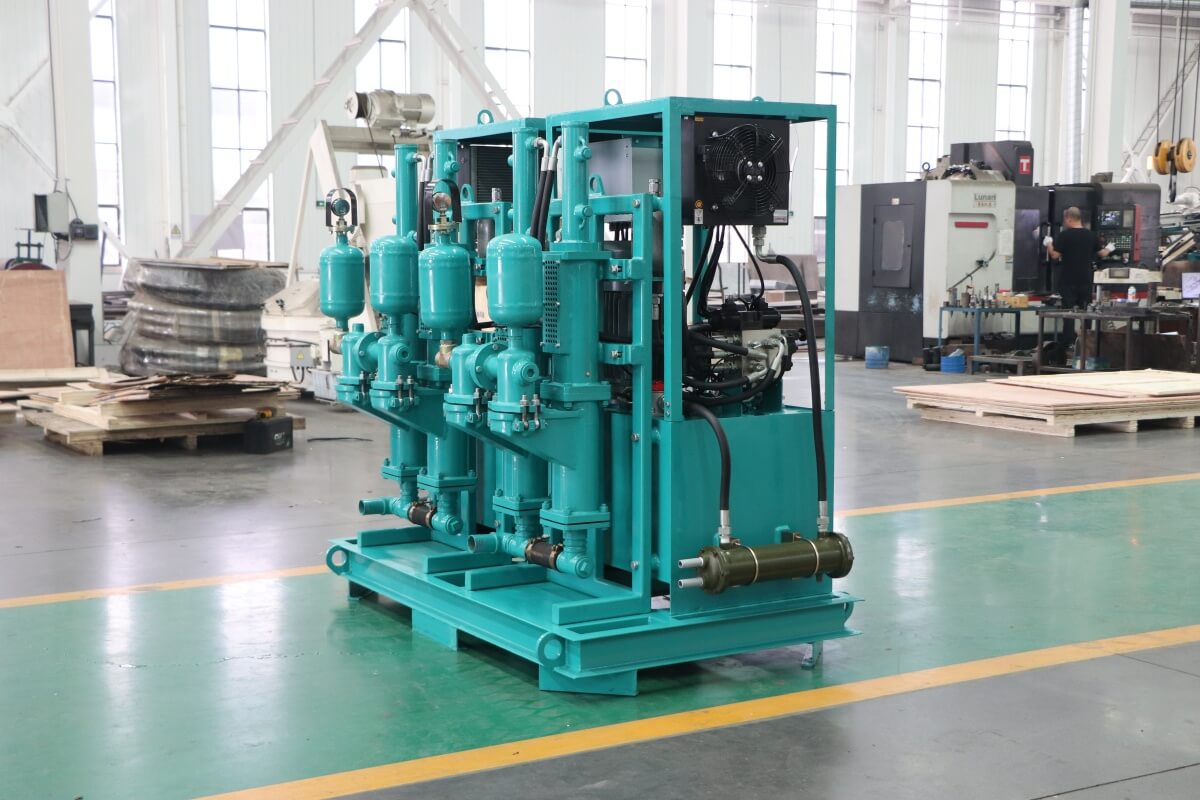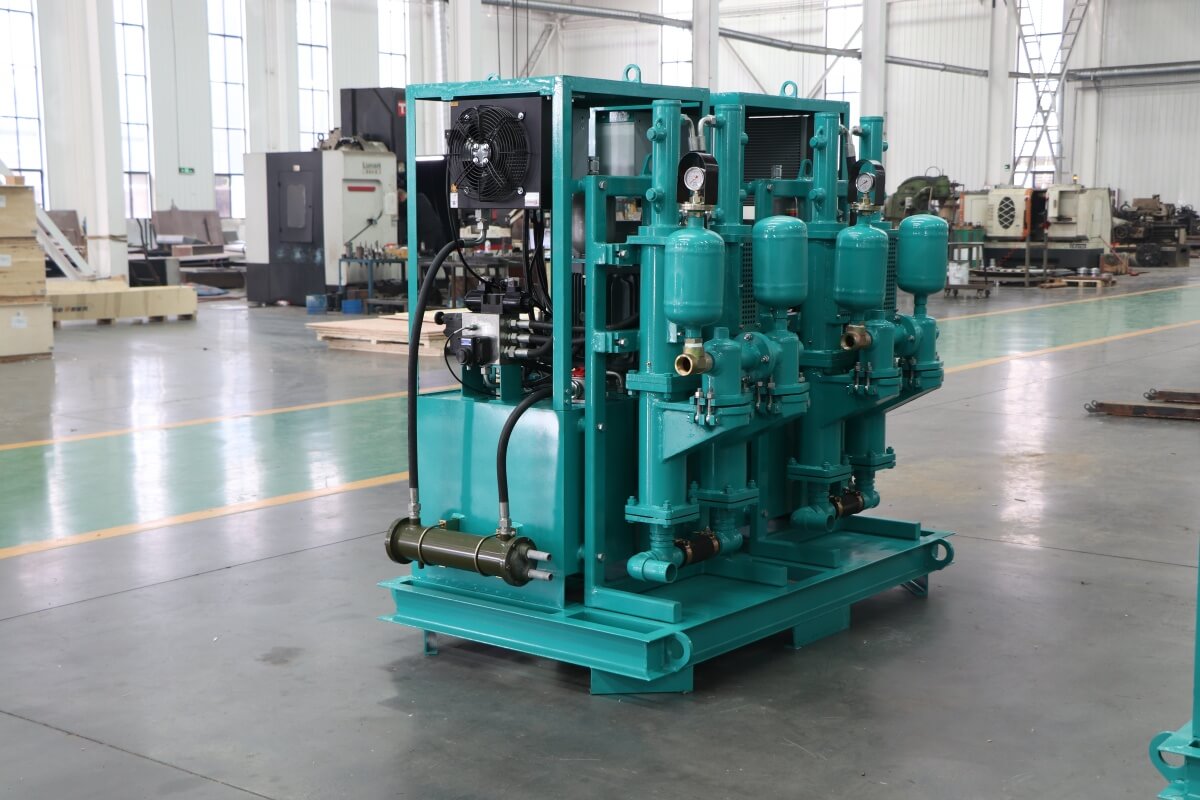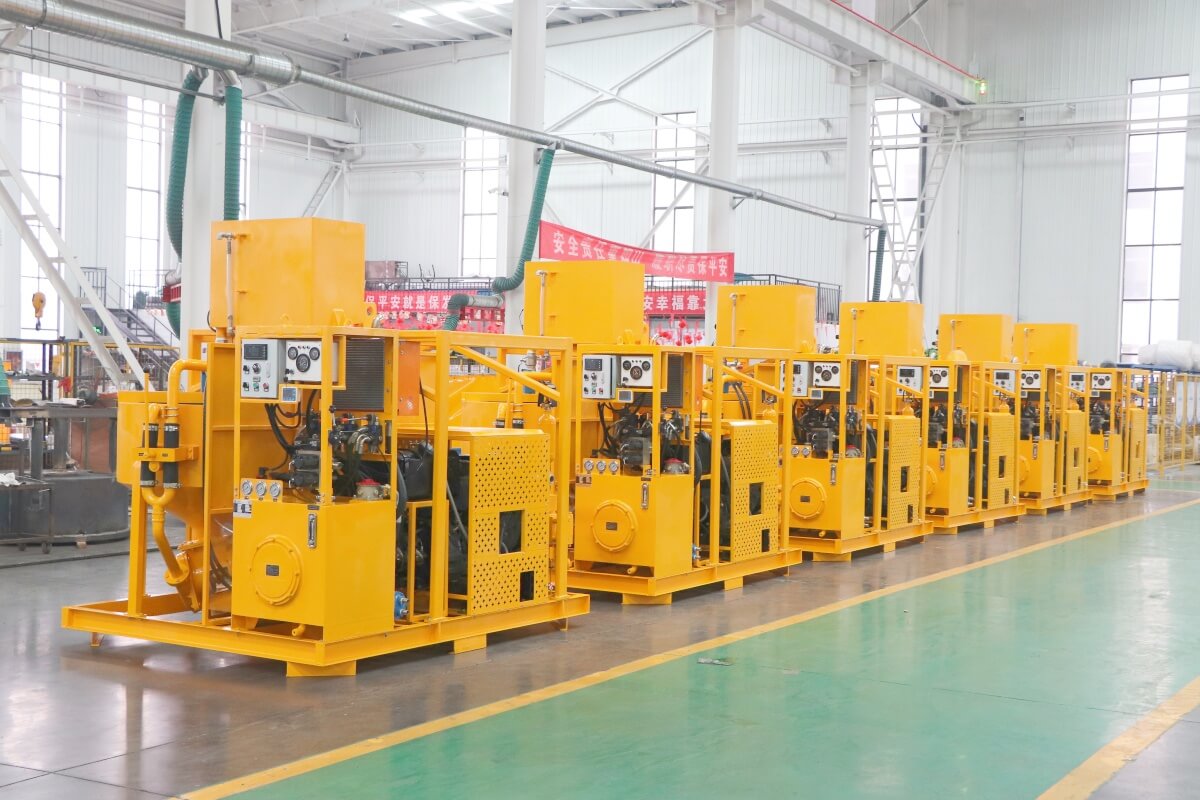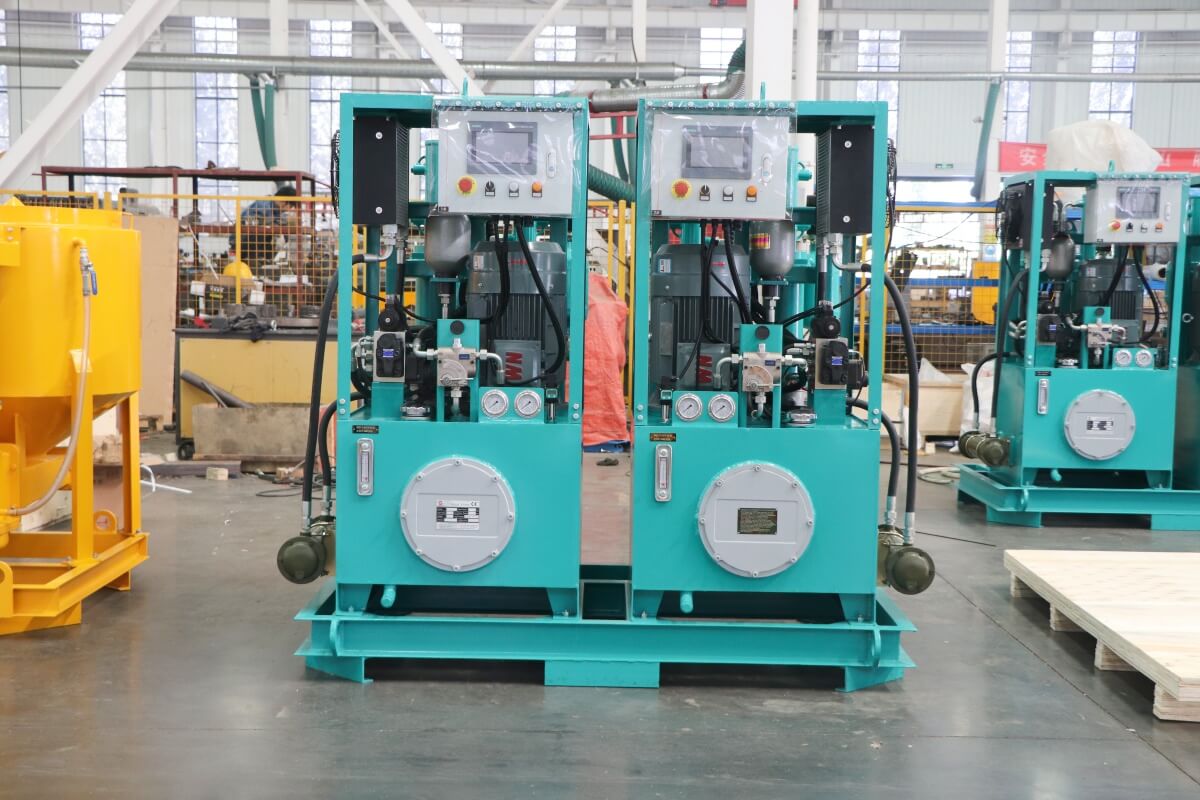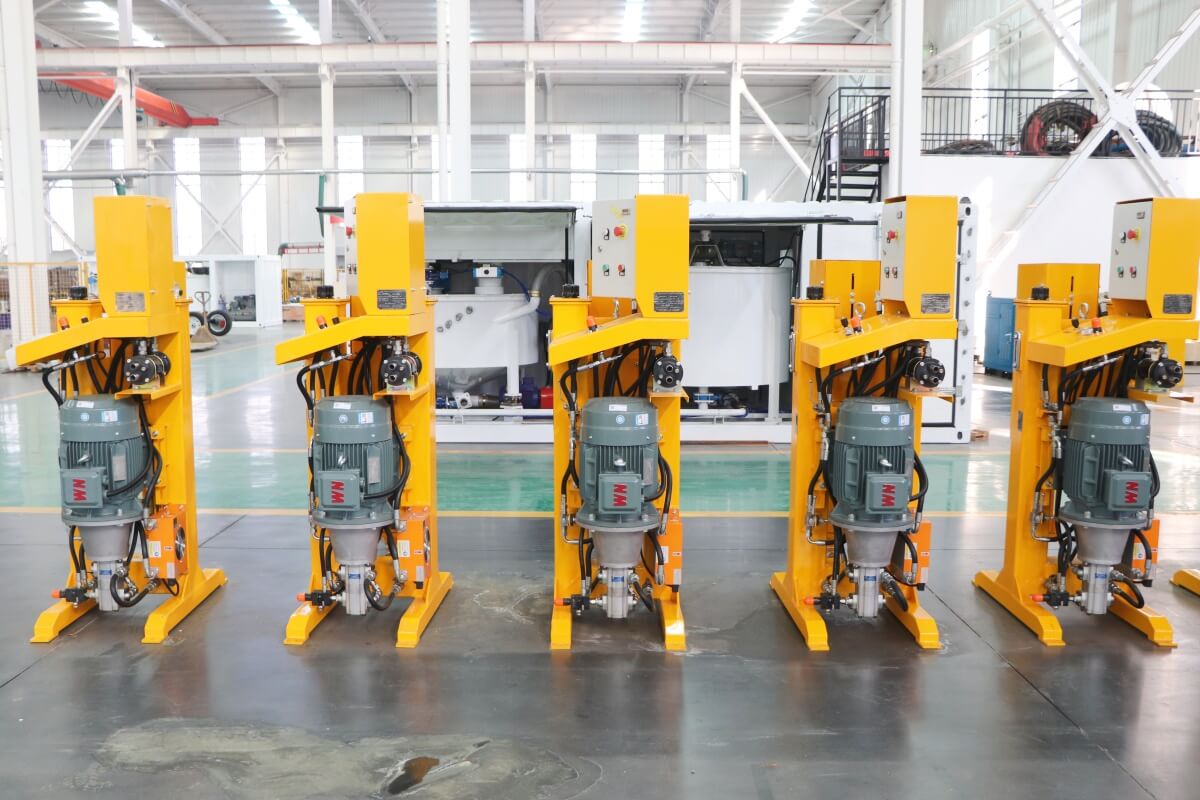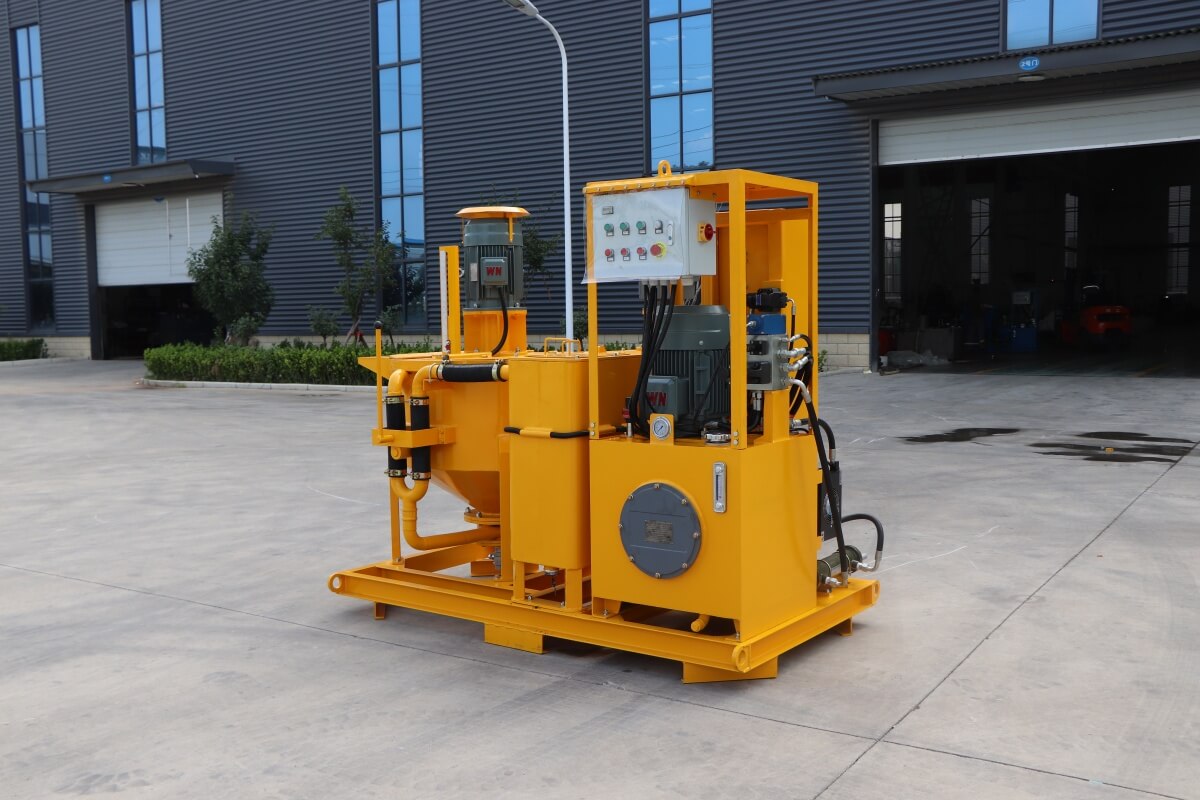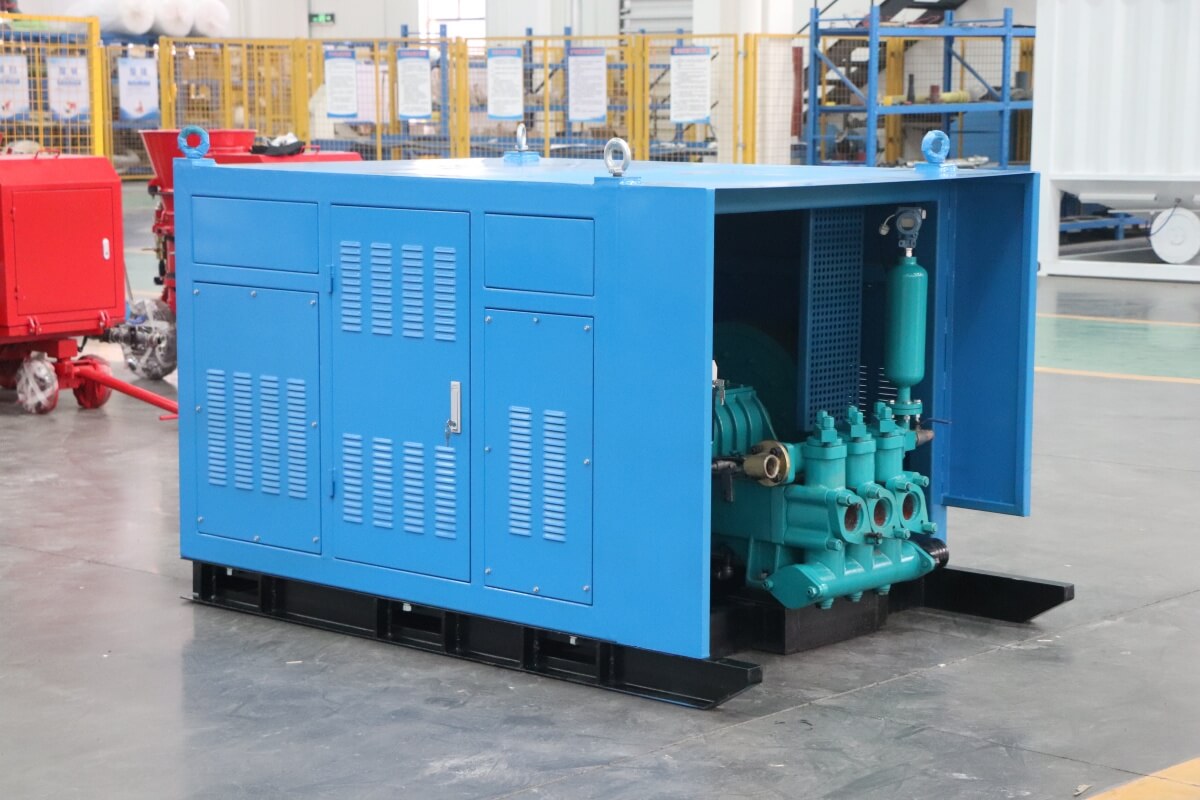
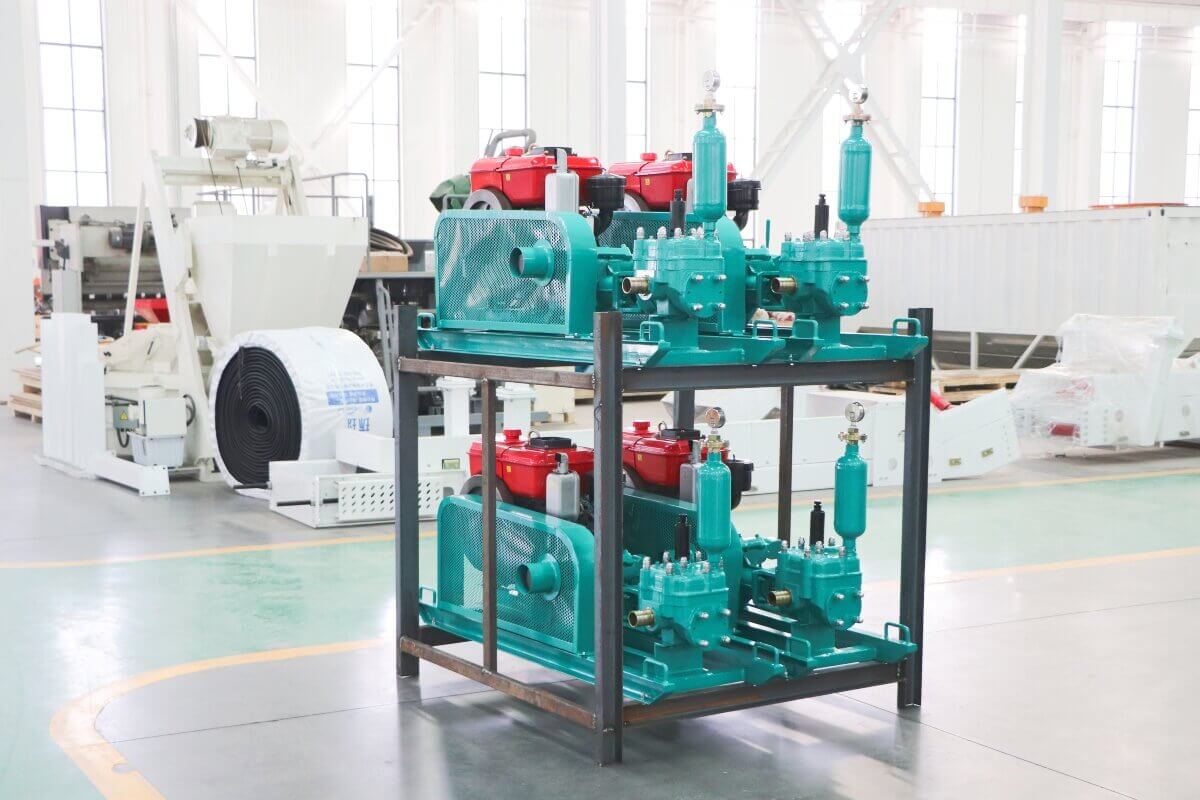
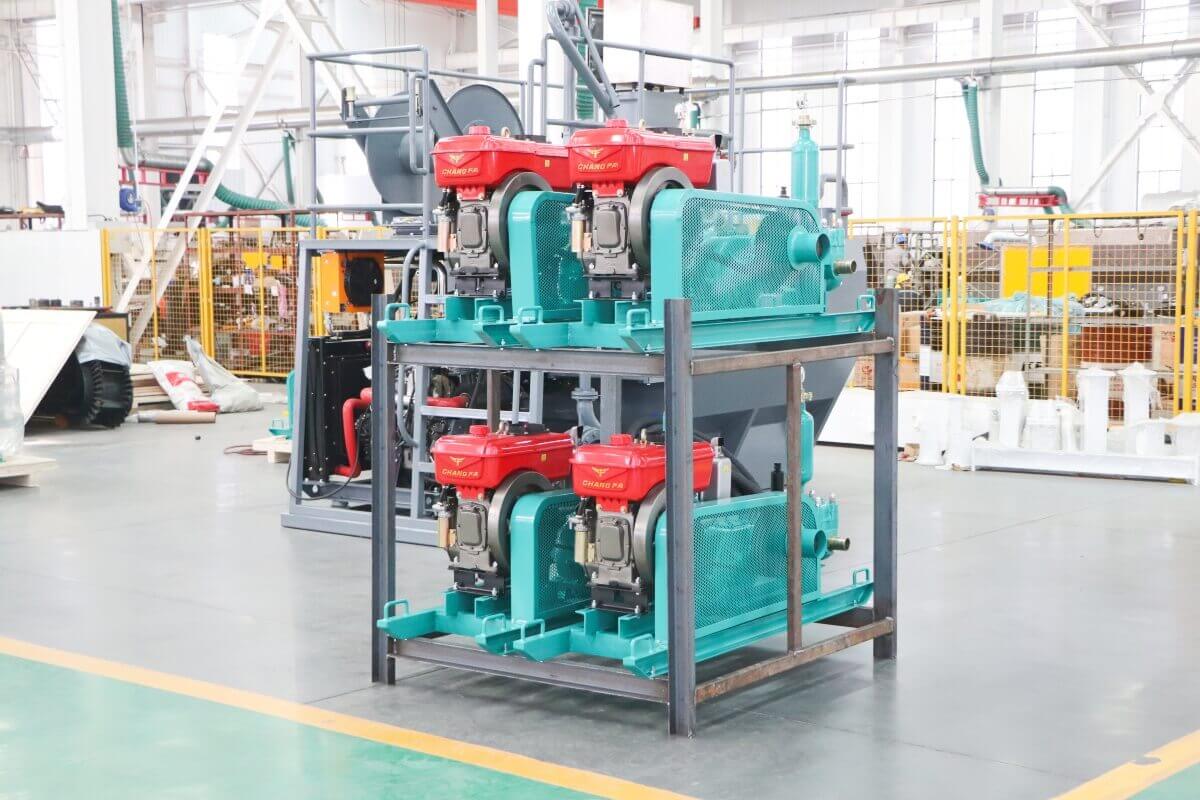
Diesel cement grout injection pump
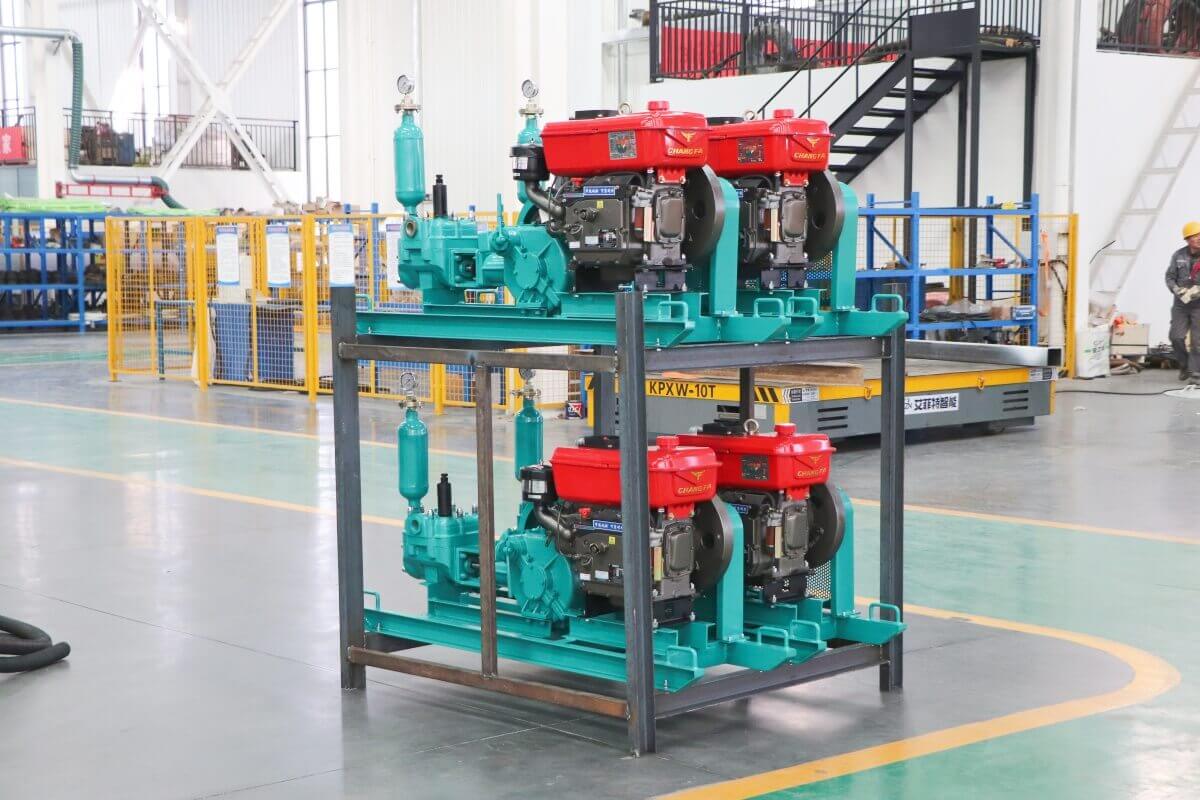
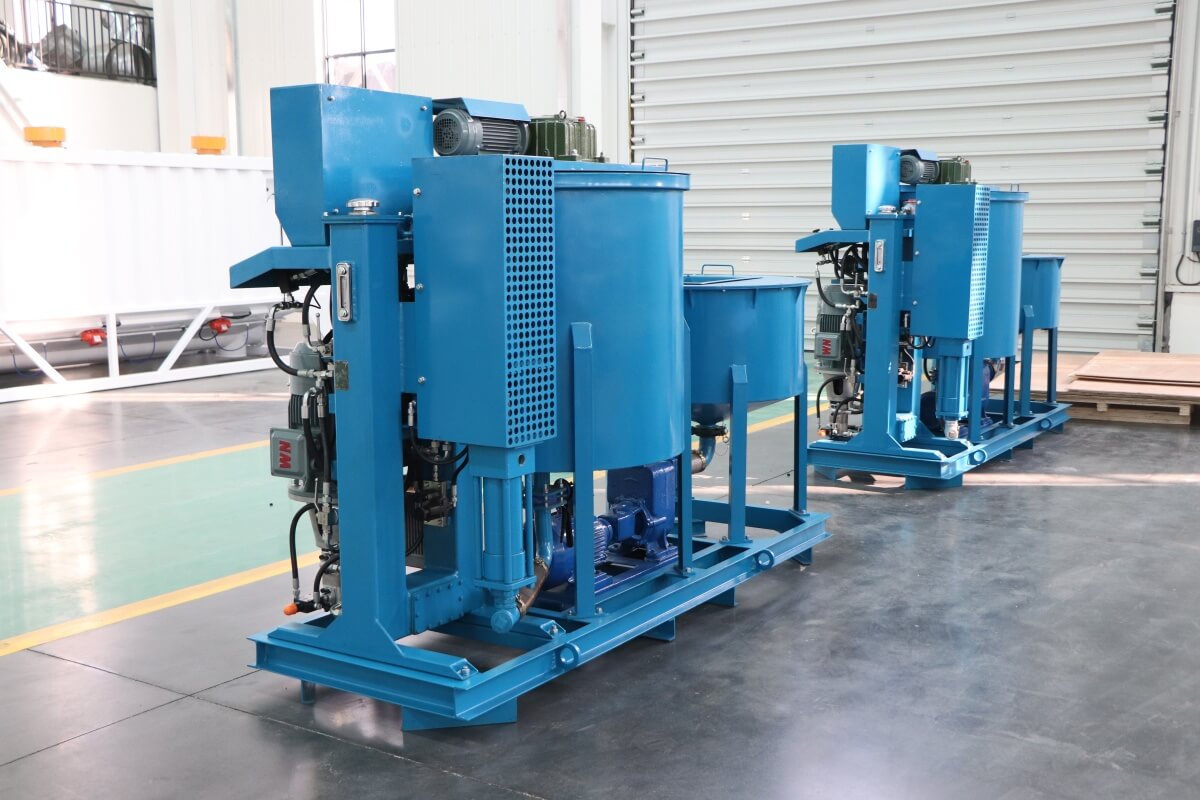
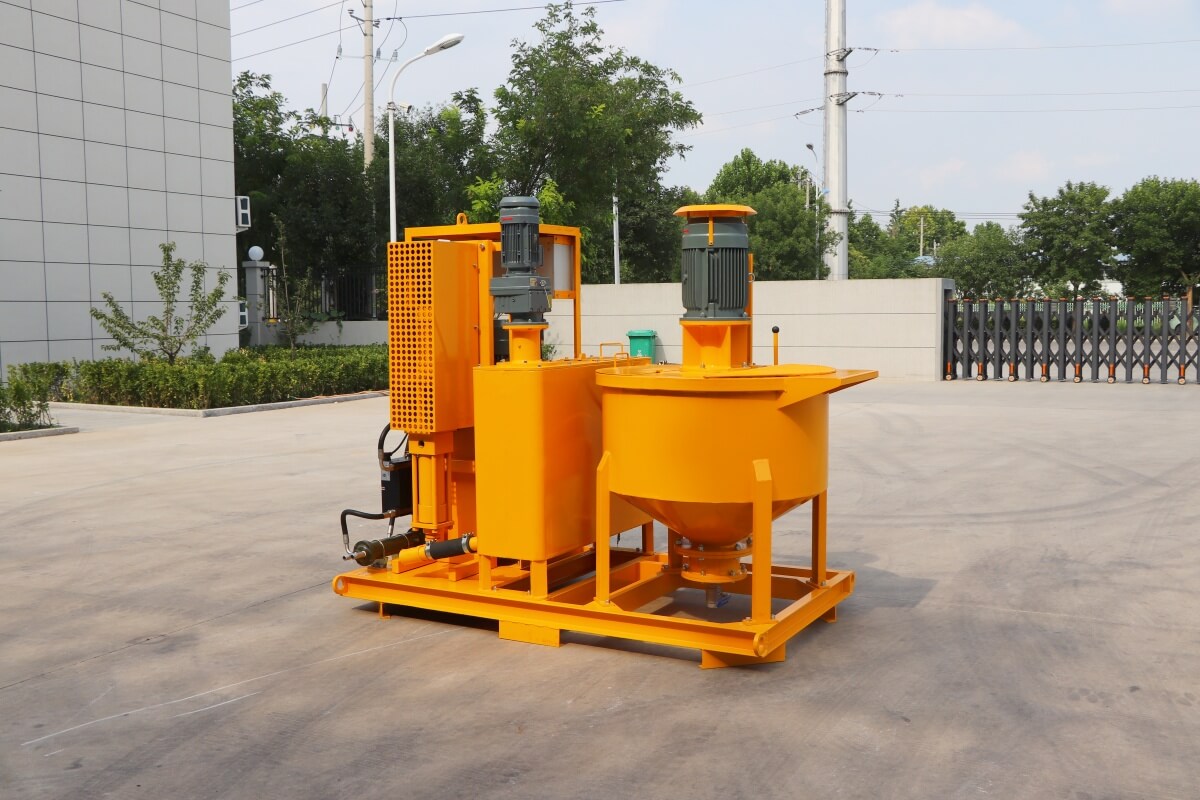
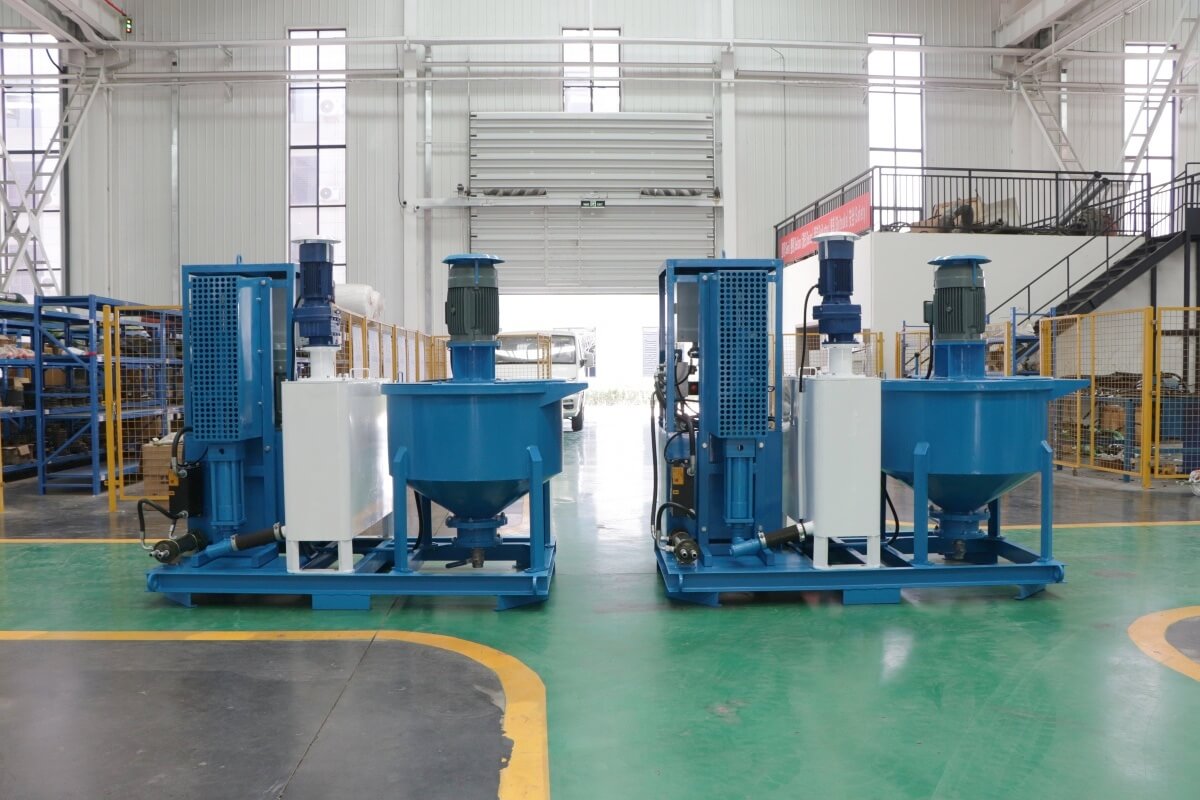
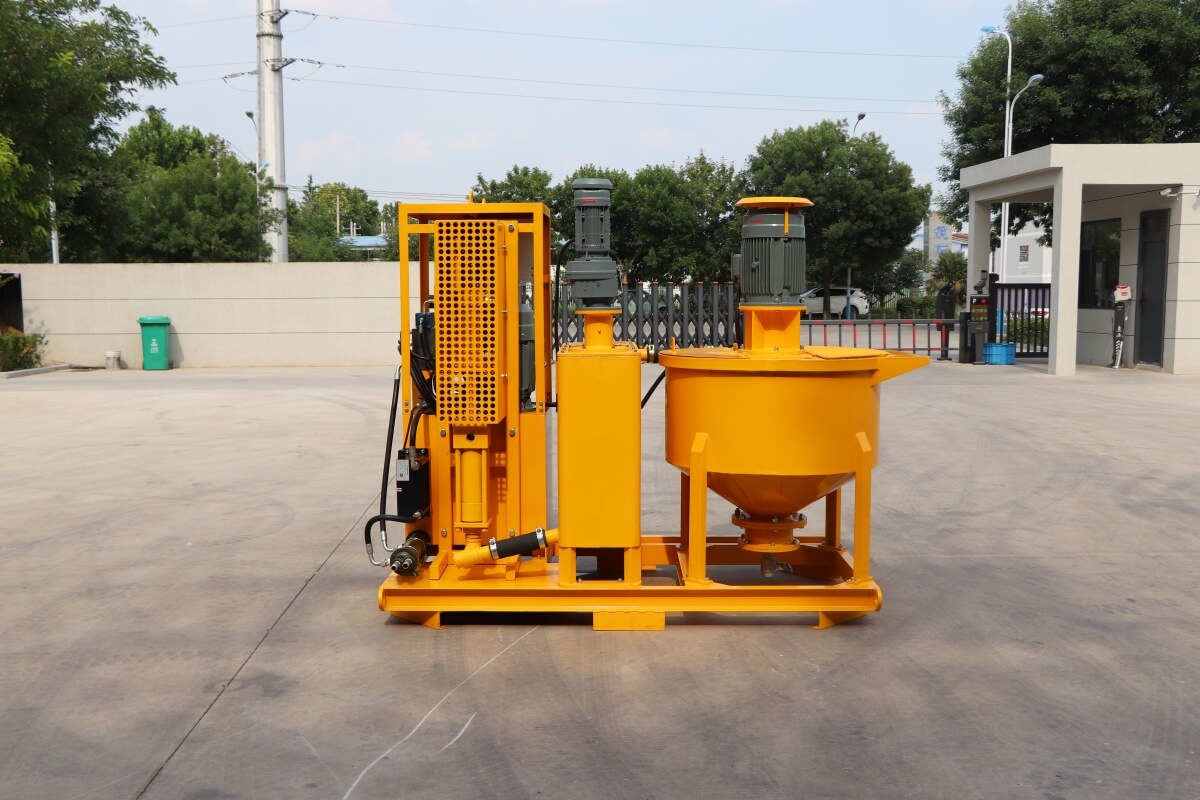
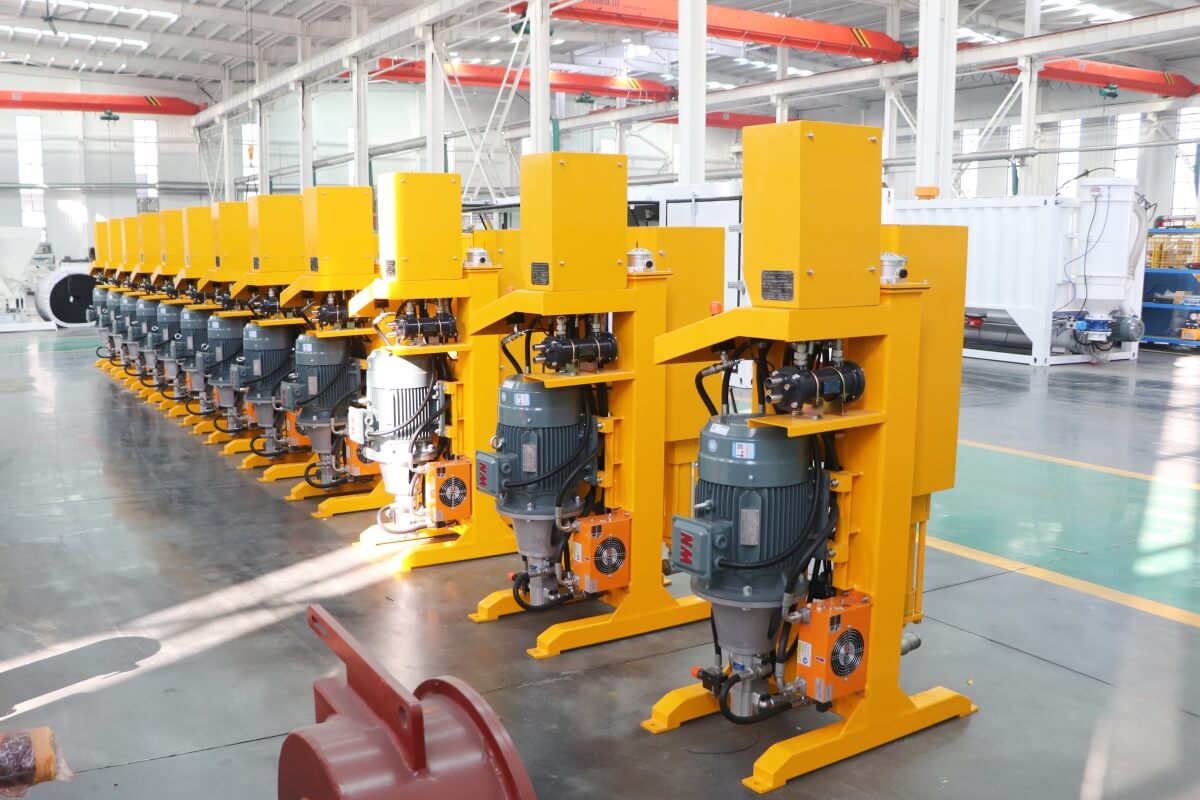
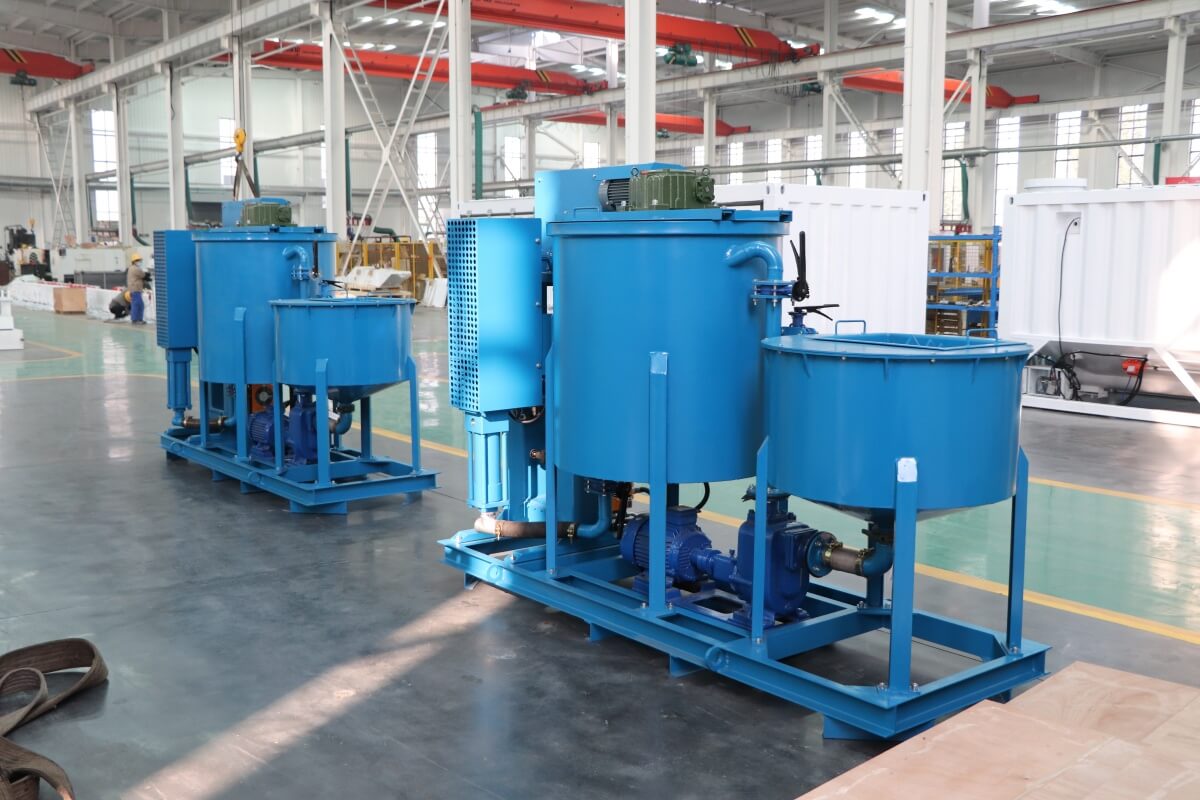
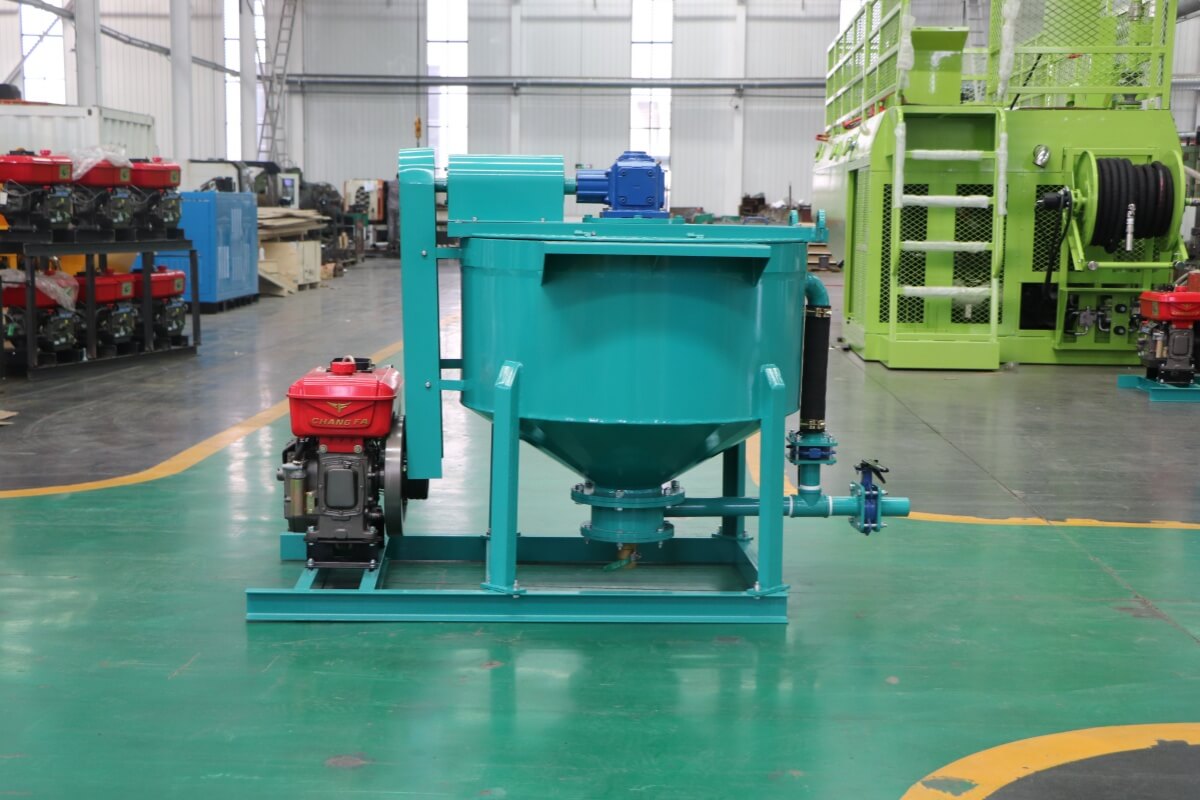
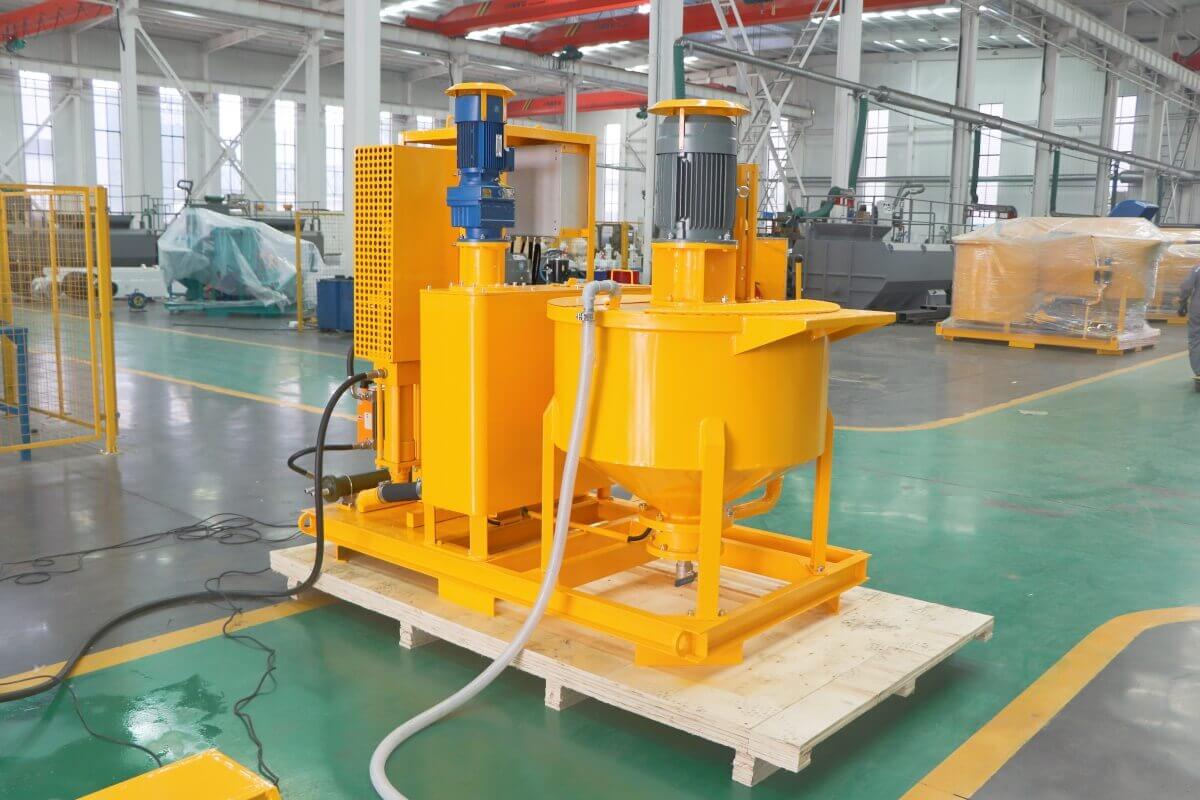
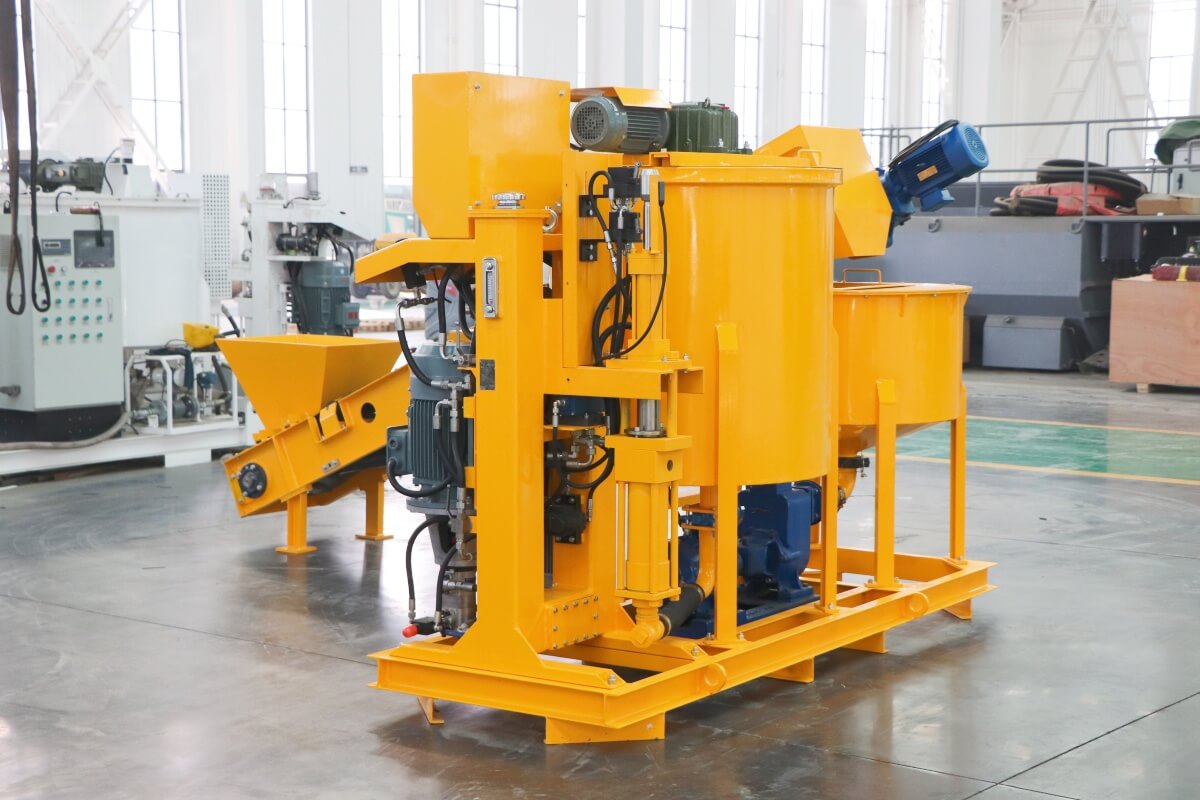
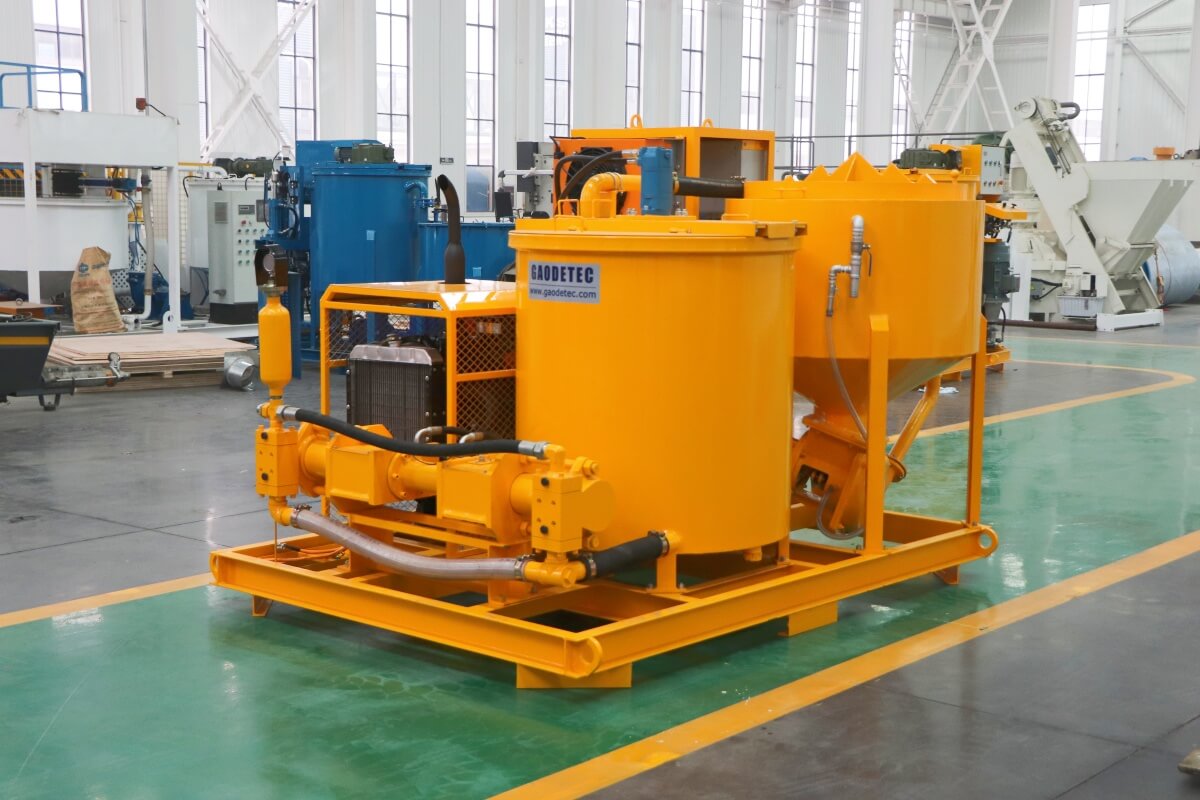
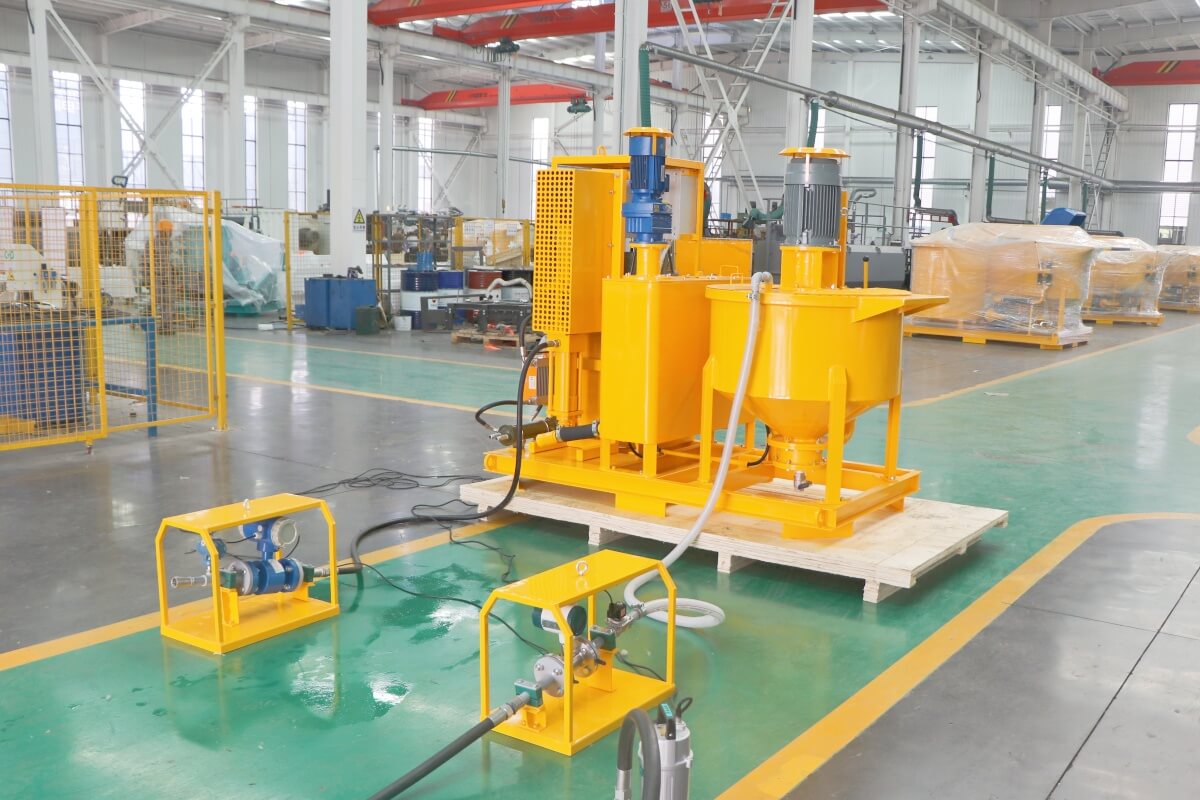
A diesel cement grout injection pump is a device that uses a diesel engine as a power source to inject cement grout or other grouting materials into strata, fissures, or structures. It mainly consists of a power system, a pumping system, a mixing system, and a control system, and features high pressure, large flow rate, and strong adaptability.
I. Introduction to Diesel Cement Grout Injection Pumps
In the fields of construction and civil engineering, grouting operations are critical for ensuring structural safety and enhancing project durability. As the core equipment enabling efficient grouting, diesel cement grout injection pumps consistently play an irreplaceable role. Whether constructing tunnels in remote mountainous regions, mining deep within rugged terrain, or performing seepage control at large-scale water conservancy projects, diesel cement grout pumps have become the preferred choice for construction teams due to their unique advantages. This article provides a comprehensive analysis of diesel cement grout pumps from multiple dimensions—including definition, working principles, core value, application scenarios, and key selection criteria—offering professional and practical guidance for engineering practitioners and procurement personnel.
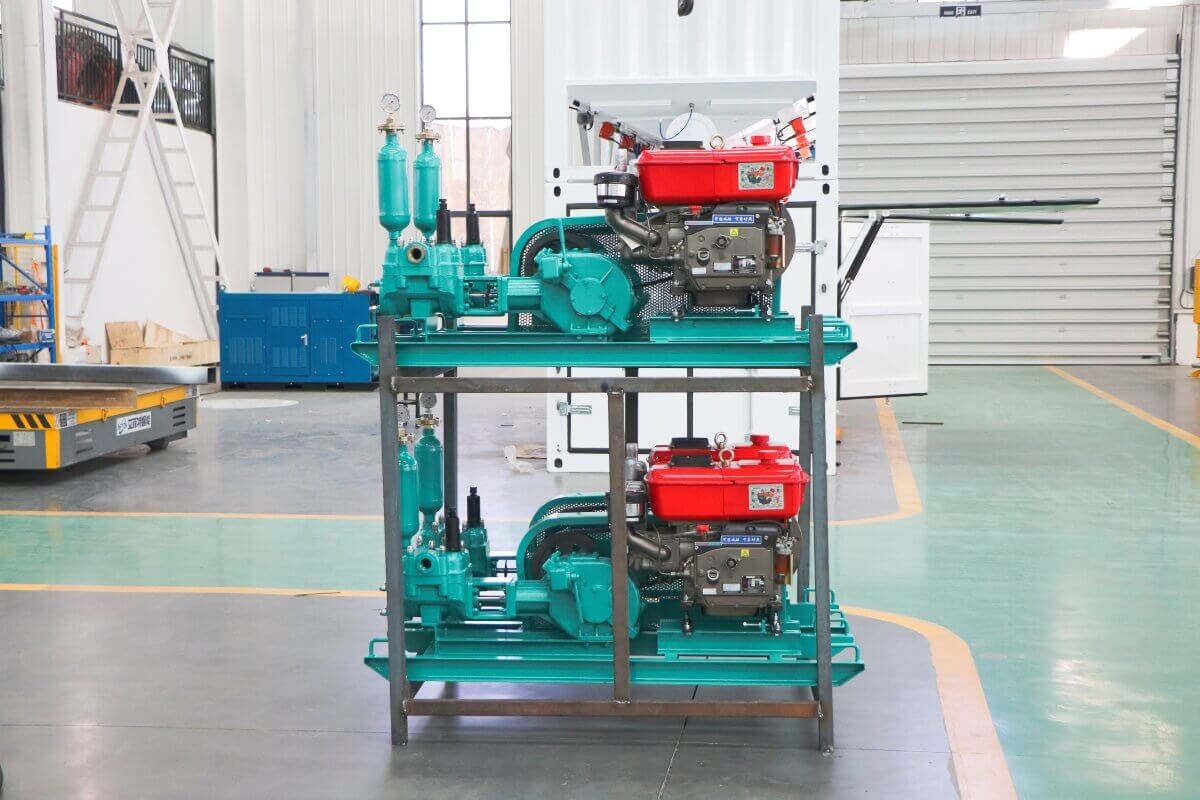
II. Definition of a Diesel Cement Grout Injection Pump
A diesel cement grout injection pump is a specialized construction device powered by a diesel engine. It is designed to convey and inject cement grout (or other grouting materials such as cement mortar or chemical slurries) into designated engineering areas. Its core function involves precisely delivering grouting materials under high pressure to target areas such as foundation voids, structural cracks, and tunnel surrounding rock to achieve engineering objectives like reinforcement, waterproofing, and void filling.
Operationally, the diesel cement grout injection pump follows a streamlined and efficient process: First, the diesel engine generates power upon startup, driving the piston or impeller within the pump body through the transmission system; Subsequently, a vacuum forms within the pump body, drawing uniformly mixed cement slurry from the hopper into the pump chamber; finally, the pump’s pressurization forces the slurry to be continuously injected into the construction area at a predetermined pressure and flow rate. This entire process operates independently of external power sources, delivering stable power output and enabling continuous operation in complex construction environments.
III. Importance of Grout Injection in Construction and Civil Engineering
As a fundamental technique in civil engineering, the construction quality of grouting technology directly determines the safety, stability, and service life of projects. Its core value manifests in four primary functions. First, foundation reinforcement: For areas with insufficient bearing capacity, such as soft soil foundations or backfilled foundations, grouting fills foundation voids and binds loose soil, significantly enhancing foundation bearing capacity and preventing subsequent settlement. Second, waterproofing and leak sealing: In water-prone areas like tunnels, dams, and basements, grouting creates a continuous impermeable barrier within structures, blocking water pathways and resolving leakage issues. Third, Crack Filling Function: For cracks generated during construction or gaps at structural joints, grouting prevents crack propagation, ensuring structural integrity. Fourth, Structural Reinforcement Function: For aging buildings or damaged bridges, grouting enhances the strength and stiffness of structural components, extending the service life of the project.
Taking practical engineering scenarios as examples: In tunnel construction, surrounding rock grouting effectively reinforces adjacent rock masses to prevent cave-ins. During bridge foundation work, pile foundation grouting enhances the bond between piles and soil, ensuring bridge load-bearing safety. In dam construction, dam body seepage control grouting is a core measure to resist flood infiltration and guarantee dam stability. Thus, high-quality grouting operations are vital for ensuring civil engineering safety, and diesel-powered cement grout pumps are the key equipment enabling this assurance.
IV. Why diesel-powered grout pumps are widely used in remote and heavy-duty projects
In remote construction scenarios (e.g., mountain tunnels, remote mines) and heavy-duty operations (e.g., large dams, deep foundation pit reinforcement), diesel cement grout pumps stand out far beyond electric grout pumps due to three core advantages.
Advantage 1: Independent Power Supply and High Mobility. Remote projects often lack stable external power sources. Diesel-powered grout pumps, driven by diesel engines, operate independently of the grid and can commence work anytime, anywhere. Additionally, these units typically feature mobile wheels or towing mechanisms, facilitating transportation across rugged terrain and meeting mobility demands in complex environments like mines and mountainous regions.
Advantage 2: Robust Power for Heavy-Duty Applications. Heavy-duty projects demand exceptionally high pressure and flow rates from grouting pumps—such as deep foundation pit reinforcement or dam seepage prevention—requiring sustained high-pressure cement slurry output. Diesel engines deliver high power and torque, driving the pump to achieve high-pressure grouting (typically 10-50MPa) while enabling prolonged continuous operation. This prevents work interruptions due to power shortages, significantly boosting construction efficiency.
Advantage Three: Exceptional Resilience in Harsh Environments. Remote and heavy-duty projects often involve challenging conditions marked by high dust levels, intense vibration, and extreme temperature fluctuations (both high and low). The engine and pump body of diesel cement grouting pumps feature reinforced designs, offering robust dust resistance, vibration damping, and tolerance to both extreme heat and cold. They maintain stable operation in harsh conditions, whereas electric grouting pumps’ motors are prone to failure in such environments, potentially disrupting construction schedules.
In contrast, while electric grouting pumps offer lower energy consumption, they are constrained by power availability and cannot operate in areas without grid access. Their limited power output also struggles to meet the high-pressure demands of heavy-duty projects. Consequently, diesel cement grouting pumps remain the indispensable choice for long-distance and heavy-load engineering applications.
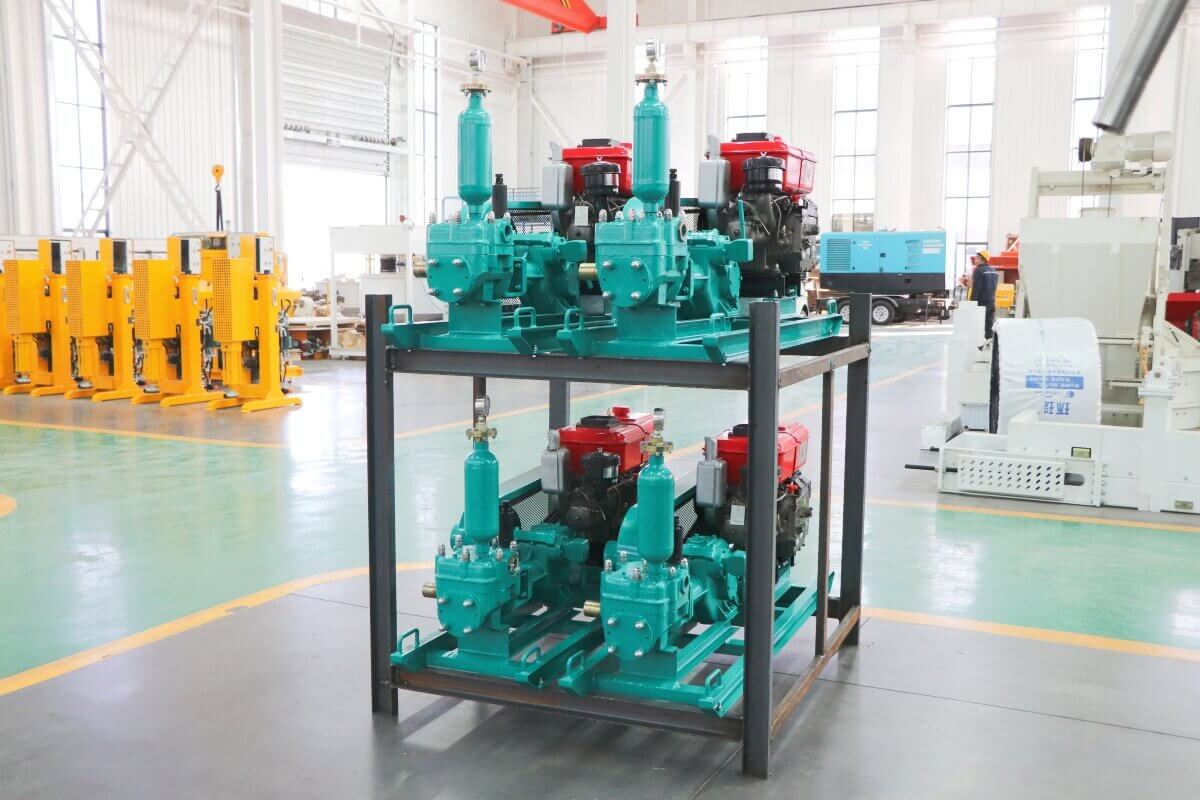
V. Overview of Typical Applications and Industries
Leveraging their robust performance advantages, diesel cement grouting pumps are widely deployed across multiple core industries, covering various critical engineering scenarios, as detailed below:
1. Civil Engineering Sector: This constitutes the core application domain for diesel cement grouting pumps, encompassing major projects such as tunnels, bridges, highways, and railways. In tunnel construction, they are employed for advance grouting reinforcement of surrounding rock and backfill grouting after lining installation. In bridge construction, they facilitate pile foundation grouting and bearing grouting. For highway and railway projects, they reinforce roadbeds and stabilize slopes through grouting, ensuring foundation integrity.
2. Mining Industry: During mining operations, shaft sealing and backfilling of abandoned areas are critical for safety. Diesel cement grouting pumps can be used for leak sealing grouting in mine shafts to prevent groundwater infiltration. Simultaneously, they enable backfilling grouting of goaf areas to prevent surface subsidence and safeguard surrounding environmental safety. For instance, in coal mining, backfilling grouting of goaf areas has become an essential safety procedure.
3. Water Conservancy Industry: Diesel cement grouting pumps play a vital role in the construction and maintenance of water conservancy facilities such as dams, reservoirs, and irrigation channels. They are used for seepage-proof grouting in dam bodies and foundations, forming impermeable curtains to resist flood infiltration; for crack repair grouting in irrigation channels to ensure water conveyance efficiency; In reservoir reinforcement projects, they strengthen dam structures to elevate reservoir safety standards.
4. Building Renovation Industry: With growing demand for retrofitting aging structures, diesel cement grouting pumps are increasingly applied in building renovations. Used for structural reinforcement grouting in old buildings to repair cracks in walls, beams, and columns; employed for leak-proofing and sealing grouting in basements and underground garages to resolve seepage issues; also plays a vital role in foundation reinforcement and retrofitting of existing structures to enhance load-bearing capacity.
Additionally, diesel cement grouting pumps are utilized in urban infrastructure projects such as subways and utility tunnels, ensuring safe construction for urban engineering.
VI. Key Considerations for Selecting Diesel-Powered Cement Grouting Pumps
For procurement personnel and construction teams, choosing a diesel-powered cement grouting pump that meets project requirements directly impacts construction efficiency, project quality, and overall costs. The following five key factors warrant careful consideration:
1. Power and Pressure Parameters: Select matching power and pressure specifications based on the project’s grouting requirements. First, determine the required grouting pressure (e.g., 10-20 MPa for shallow foundation reinforcement, 20-50 MPa for deep foundation pits or dams) and flow rate (grout volume per unit time) to ensure the equipment’s power output meets construction requirements. Additionally, consider the diesel engine’s power rating—higher power indicates greater reserve capacity and enhanced capability for heavy-duty operations.
2. Grouting Volume and Operational Efficiency: Grouting volume directly impacts construction progress. Select equipment with appropriate output based on project timelines. Opt for adjustable-volume pumps to adapt to varying construction phases, enhancing flexibility. Additionally, prioritize continuous operation capabilities to minimize frequent shutdowns that hinder efficiency.
3. Engine Quality and Fuel Efficiency: The engine is the core component of a diesel cement grouting pump, with its quality directly impacting equipment lifespan and failure rates. Opt for equipment equipped with renowned diesel engines (e.g., Weichai, Yuchai, Cummins), which feature mature technology, high reliability, and easier maintenance. Fuel efficiency is also crucial—low-consumption equipment effectively reduces long-term operational fuel costs.
4. Maintenance Ease and After-Sales Service: With tight construction schedules, equipment maintenance accessibility directly impacts downtime. Opt for units with rational structural design, easily replaceable wear parts, and simplified routine maintenance procedures. Furthermore, comprehensive after-sales support is crucial. Verify that suppliers can provide timely technical assistance, readily available replacement parts, and repair services to prevent construction delays caused by unresolved equipment failures.
5. Safety Performance: Construction safety is the foremost priority, necessitating attention to equipment safety features. Key checks include whether the equipment is equipped with safety components such as overload protection, high-pressure alarms, and leak prevention devices. Simultaneously, verify that the equipment’s operating interface is simple and intuitive, effectively preventing misoperation to ensure the personal safety of construction personnel.
In summary, diesel cement grouting pumps have become core construction equipment for remote and heavy-duty projects due to their independent power source, robust performance, and high resilience. They play an irreplaceable role across multiple industries including civil engineering, mining, water conservancy, and building renovation. Selecting a diesel cement grouting pump suited to project requirements necessitates comprehensive evaluation of key factors including power specifications, operational efficiency, engine quality, maintenance convenience, and safety performance. Regular maintenance is equally vital to maximize equipment value and ensure smooth project progression.
If you are selecting a diesel cement grouting pump for a specific project, we recommend consulting professional equipment suppliers to obtain customized selection solutions based on actual conditions such as project scale, operating environment, and grouting requirements. Email address: info@gaodetec.com