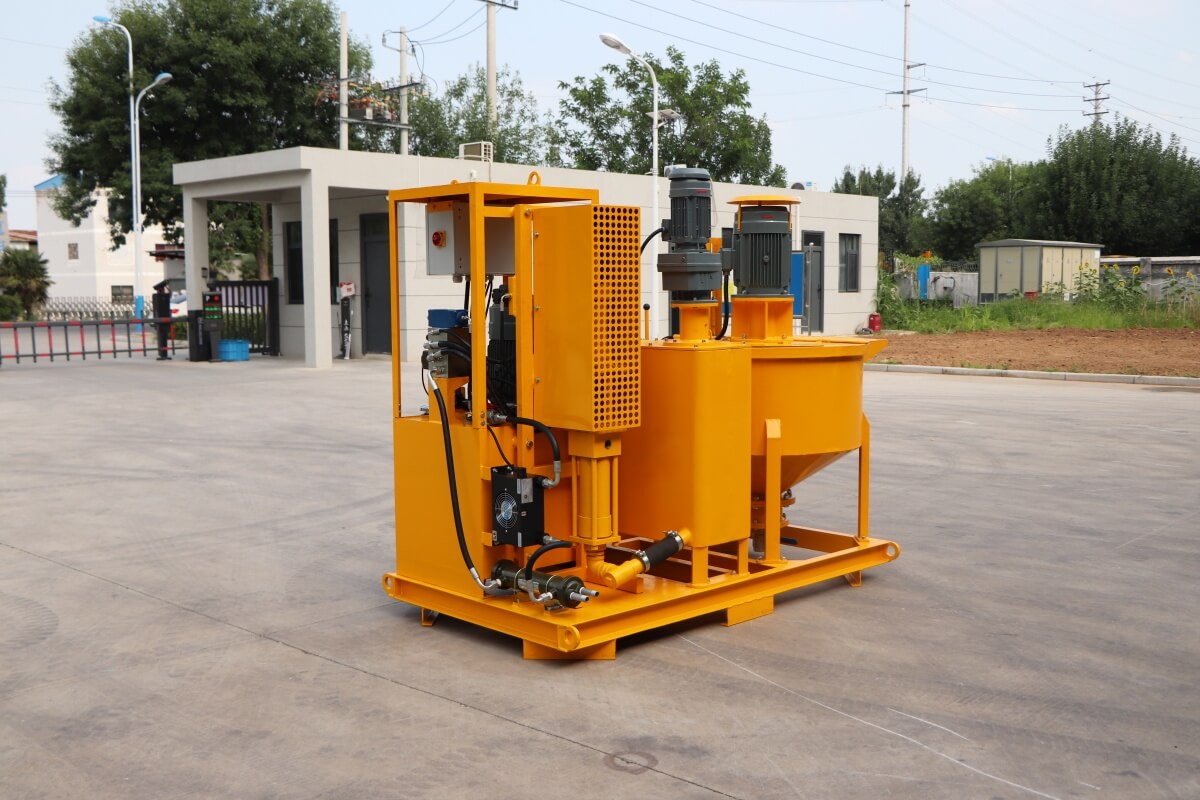
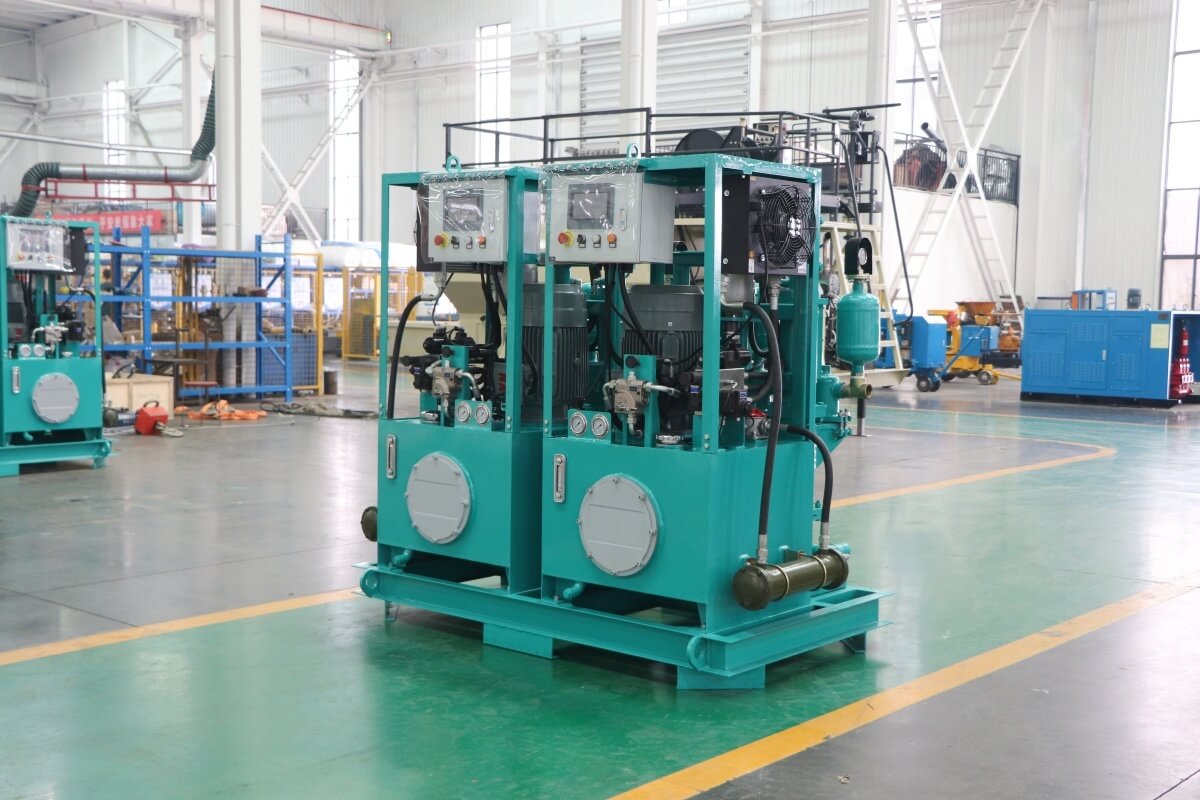
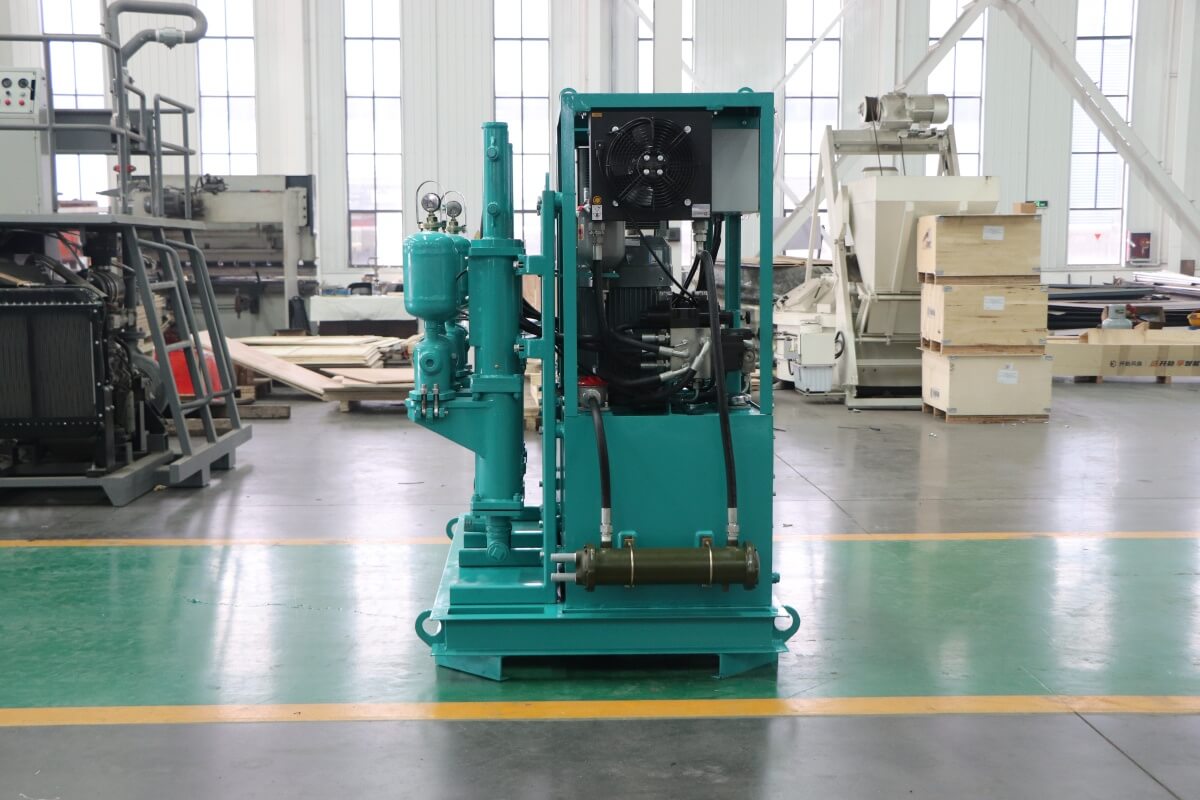
Plunger grout pump for tunnelling
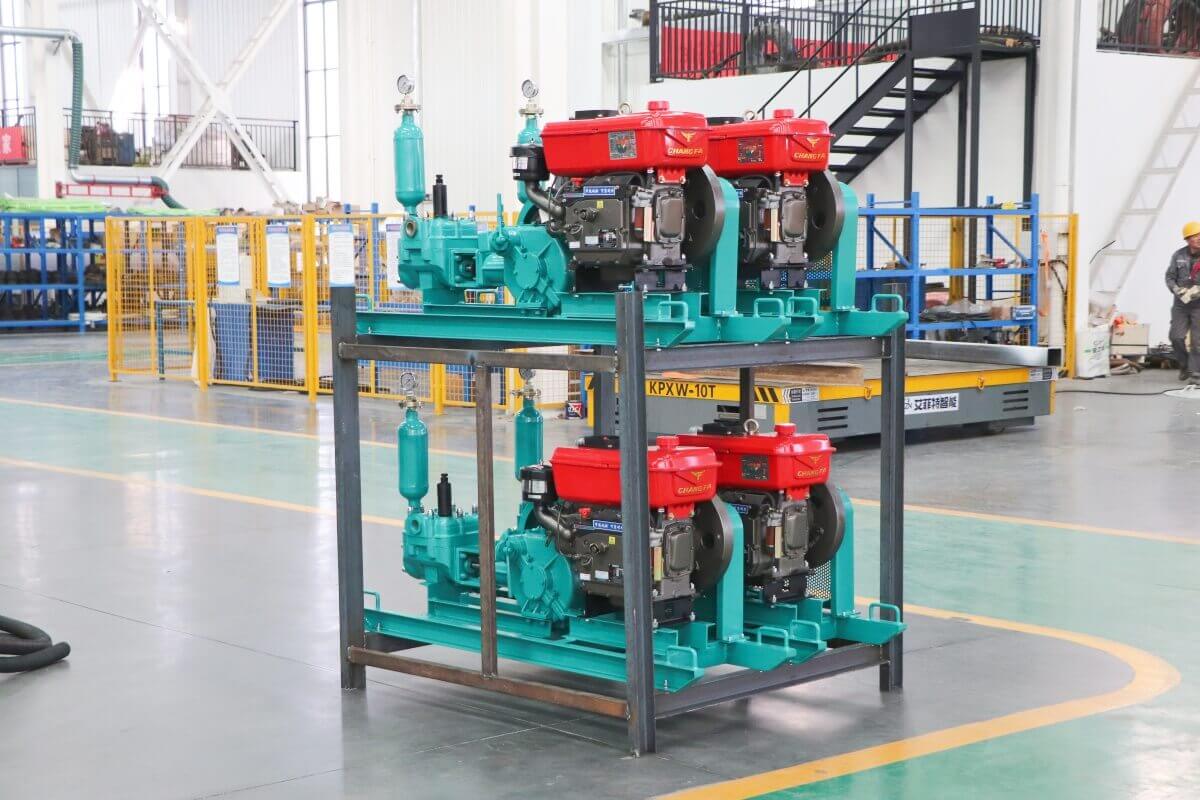
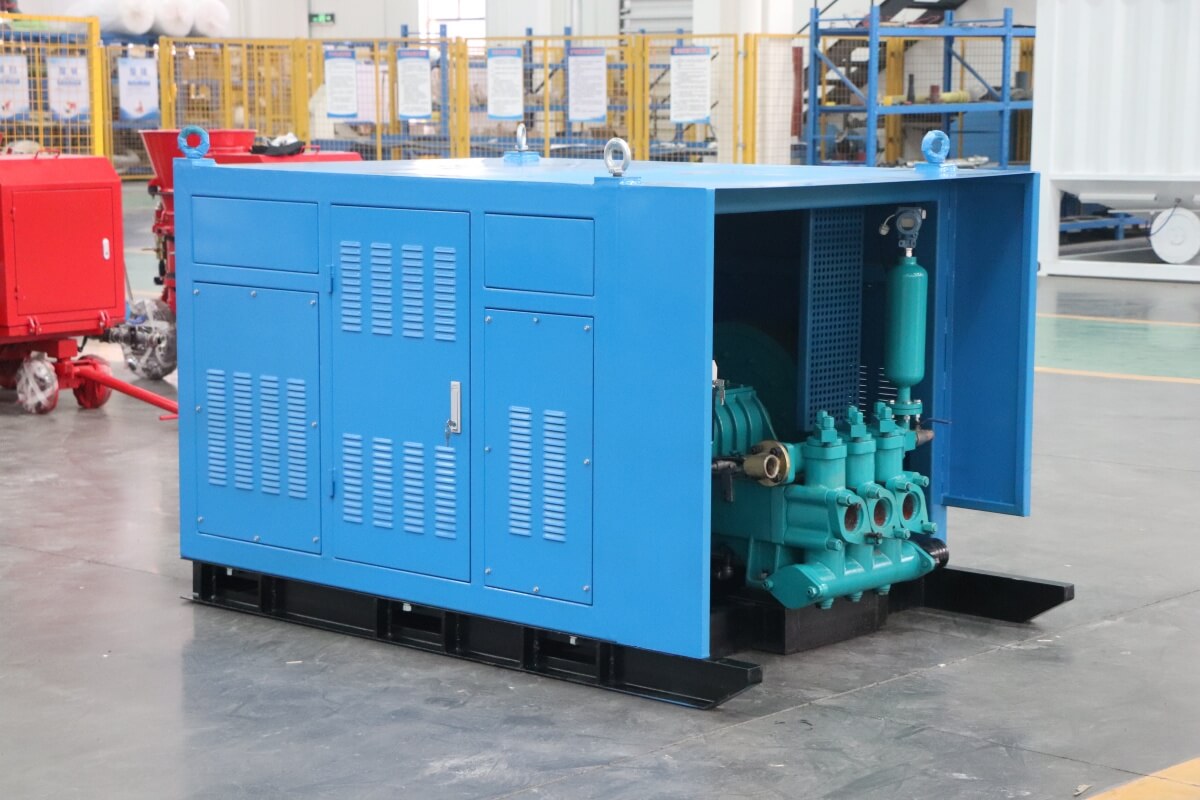
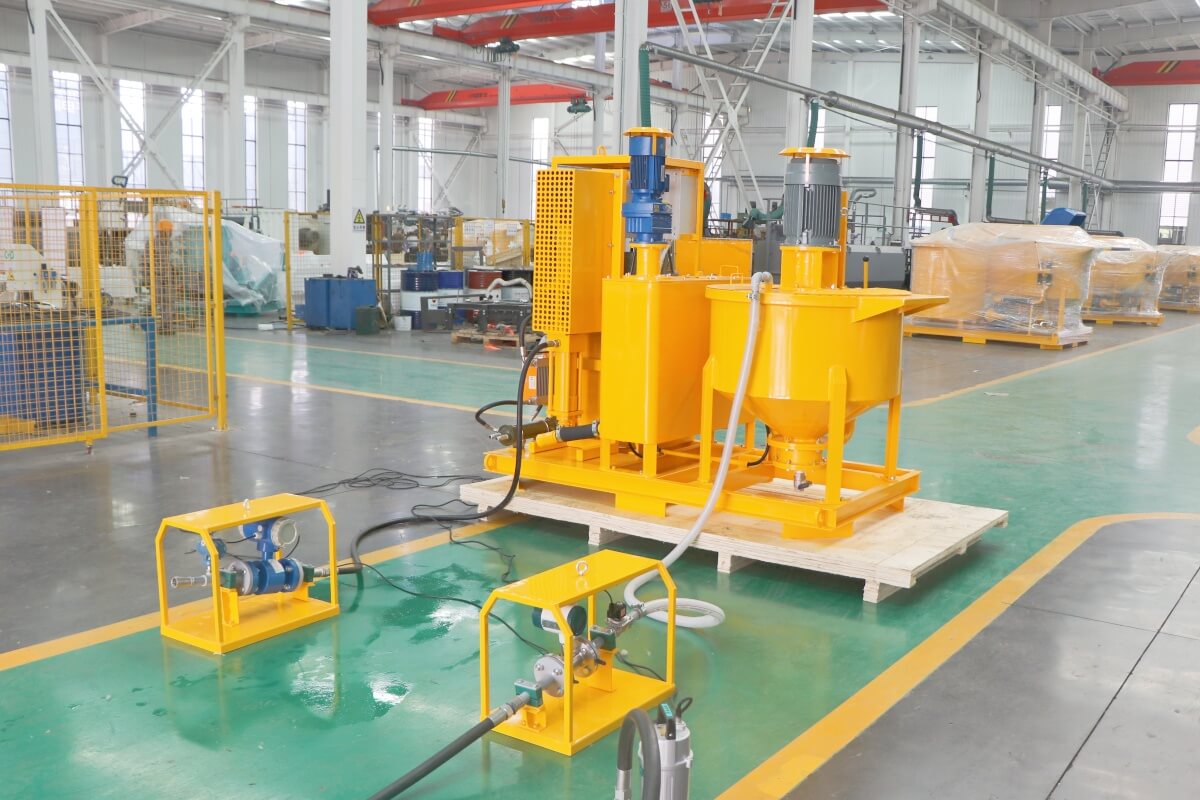
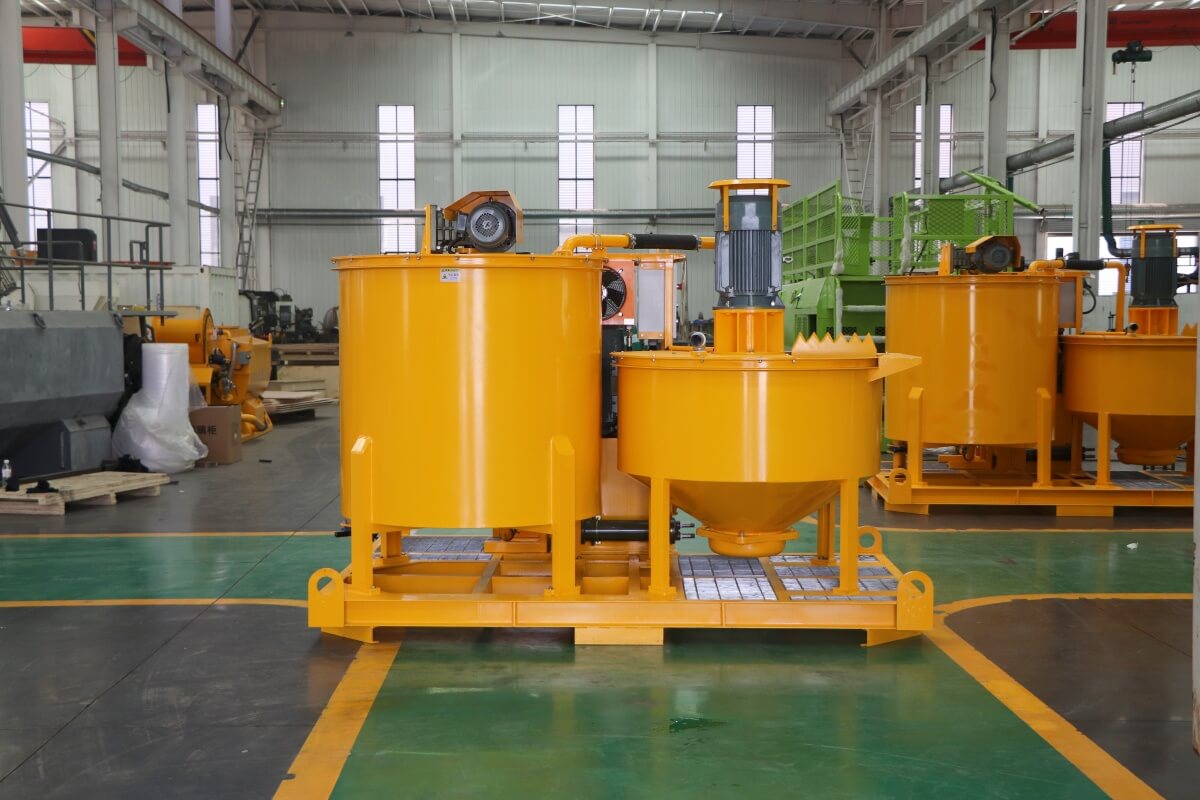
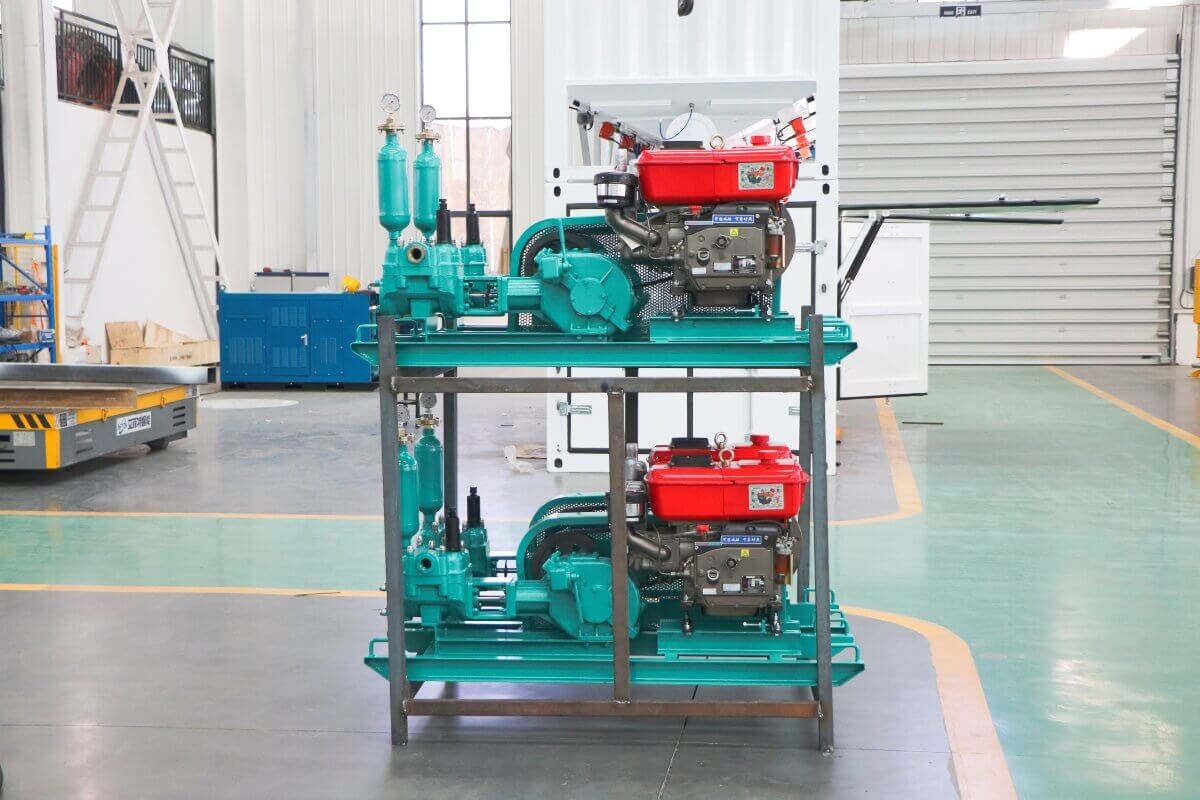
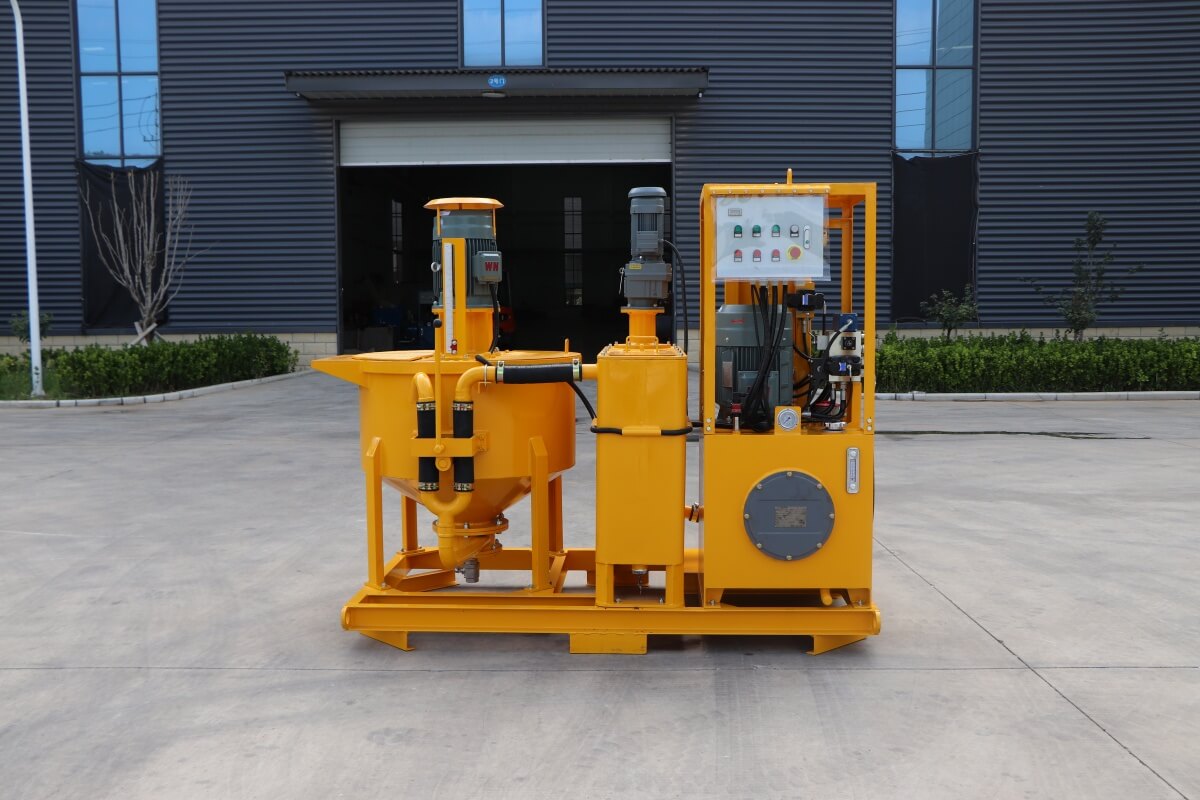
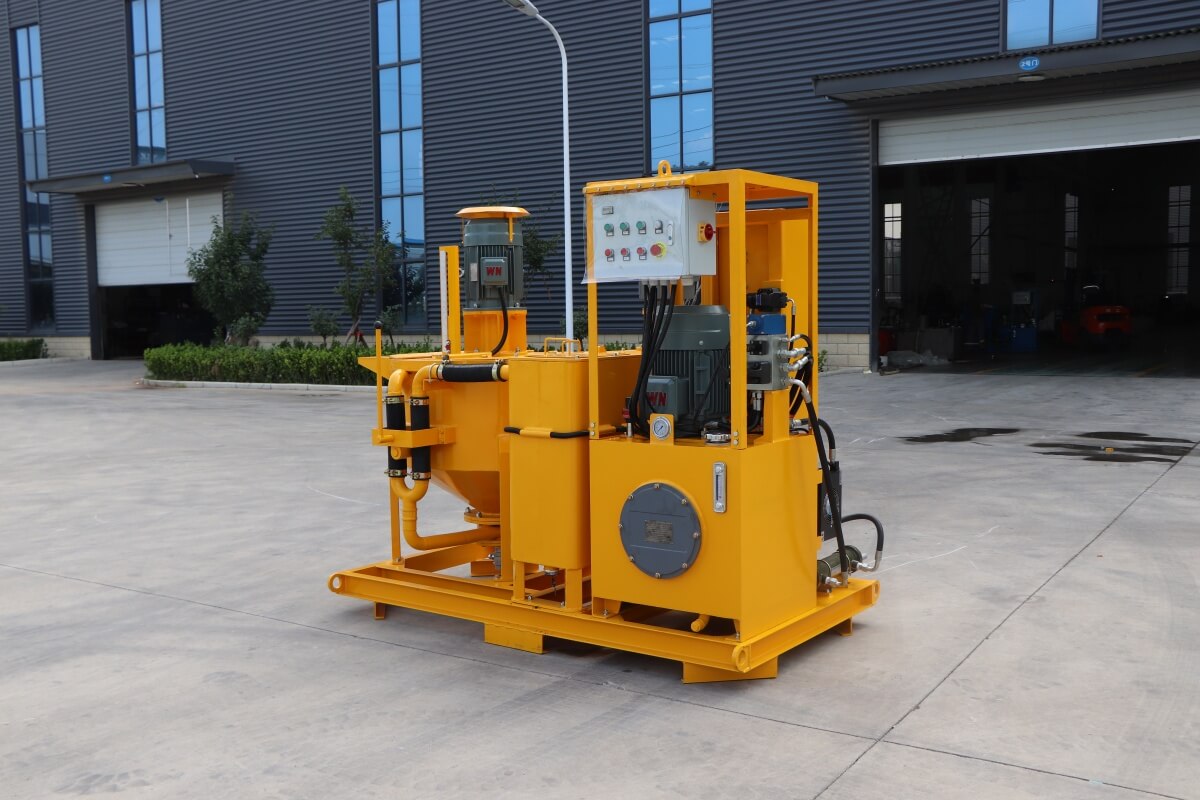
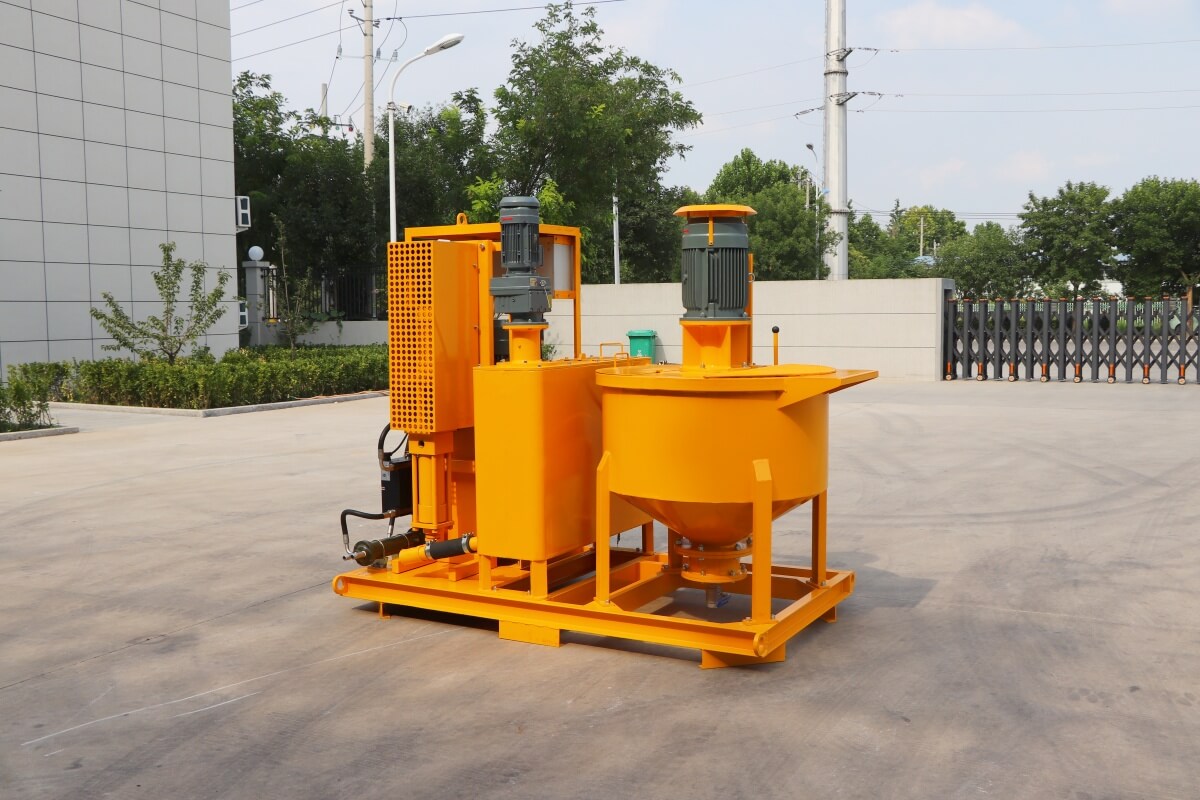
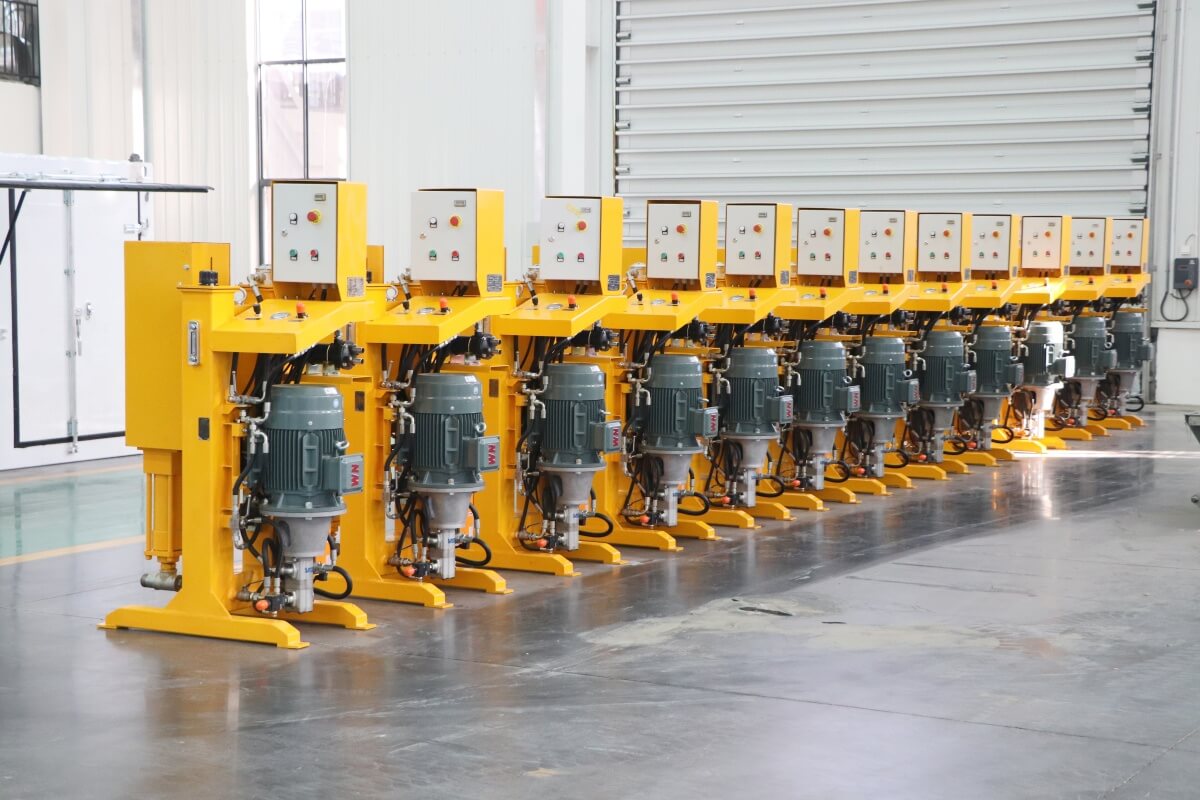
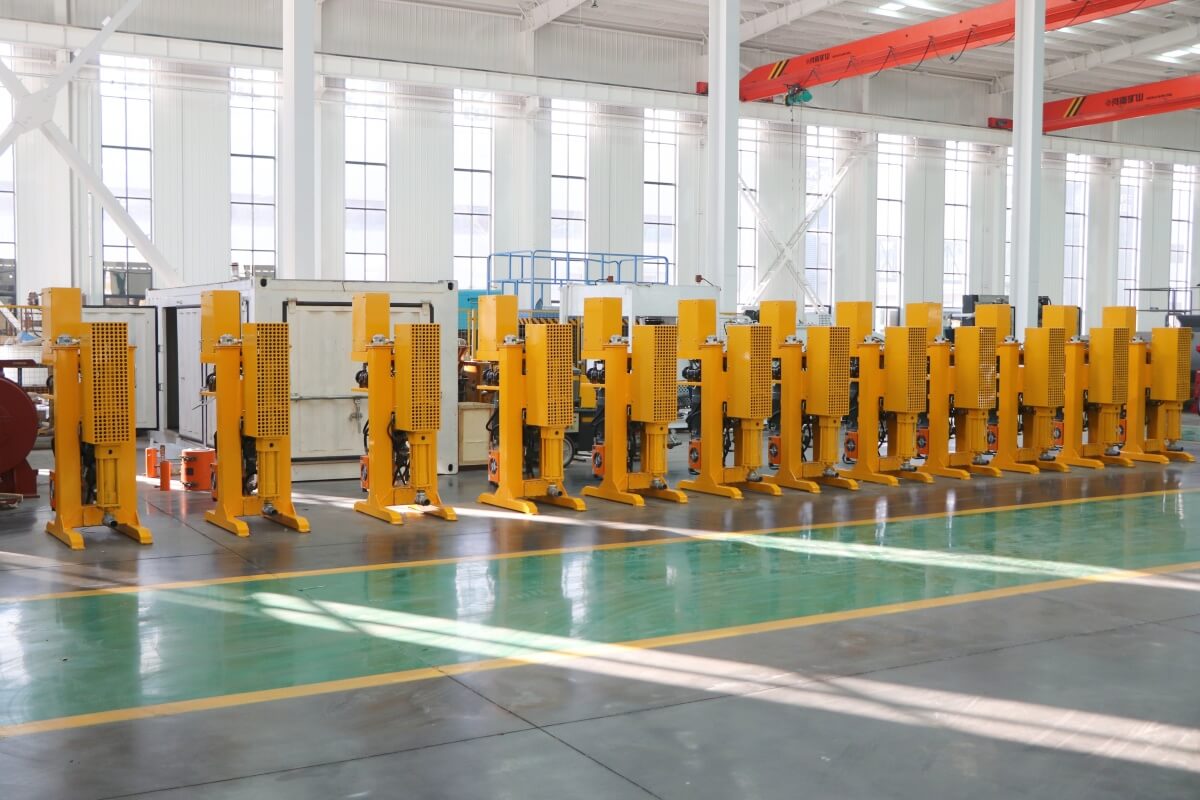
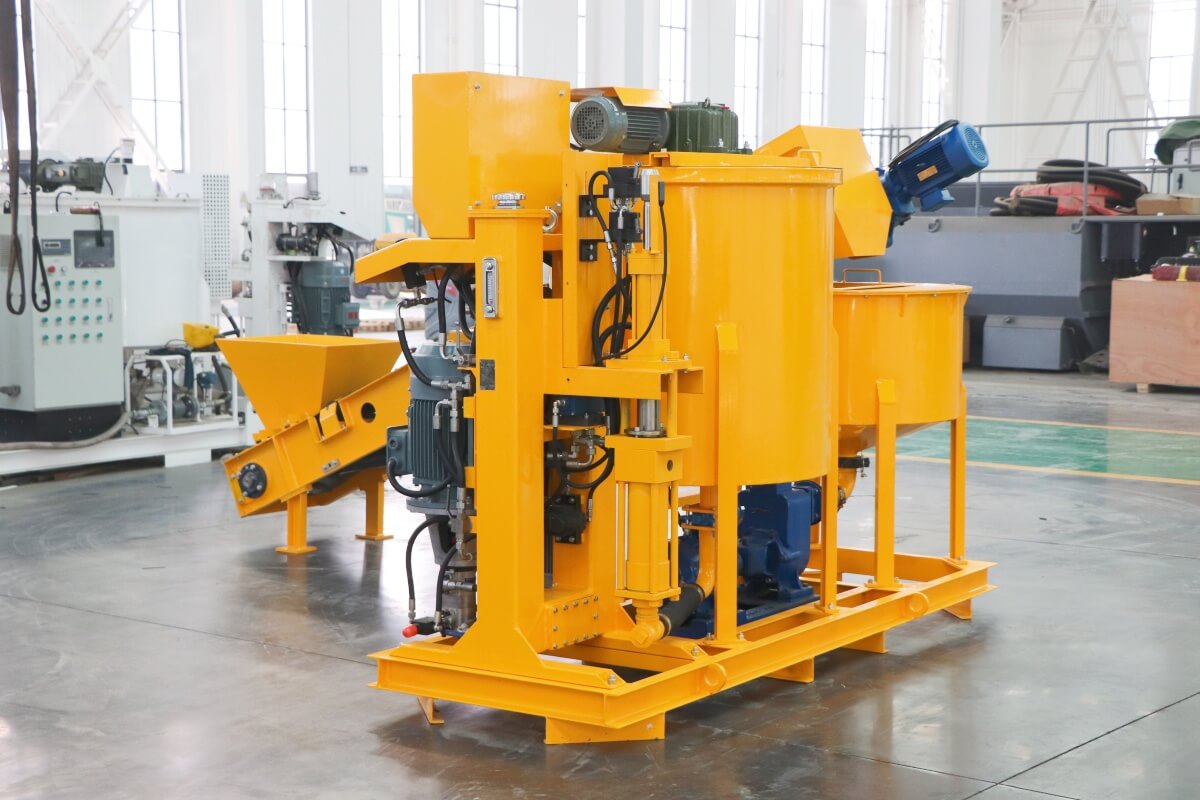
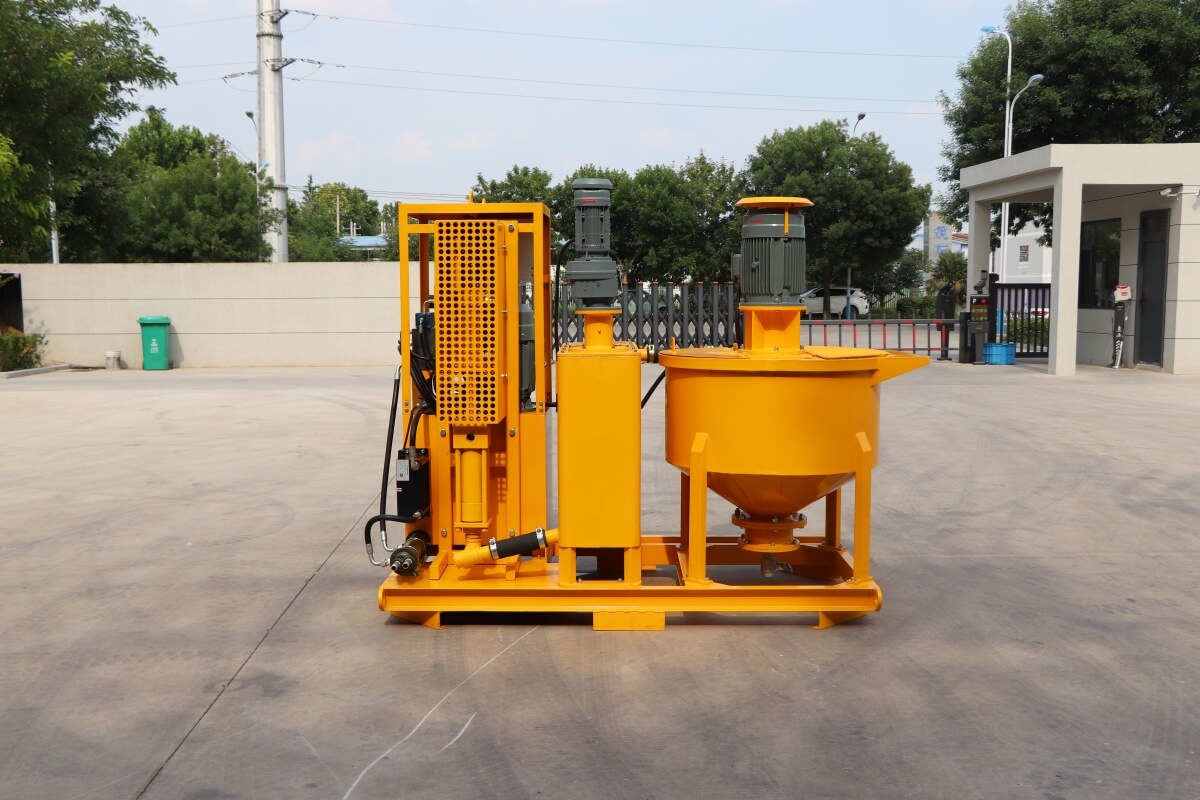
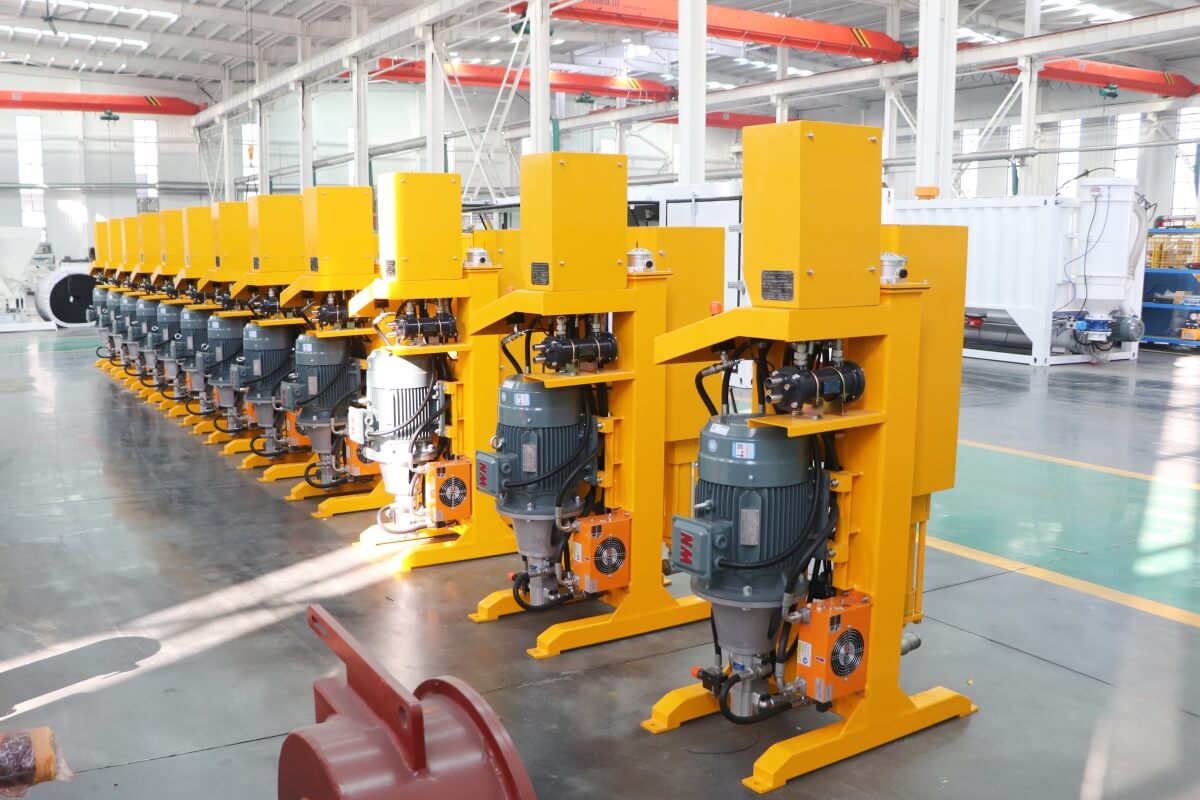
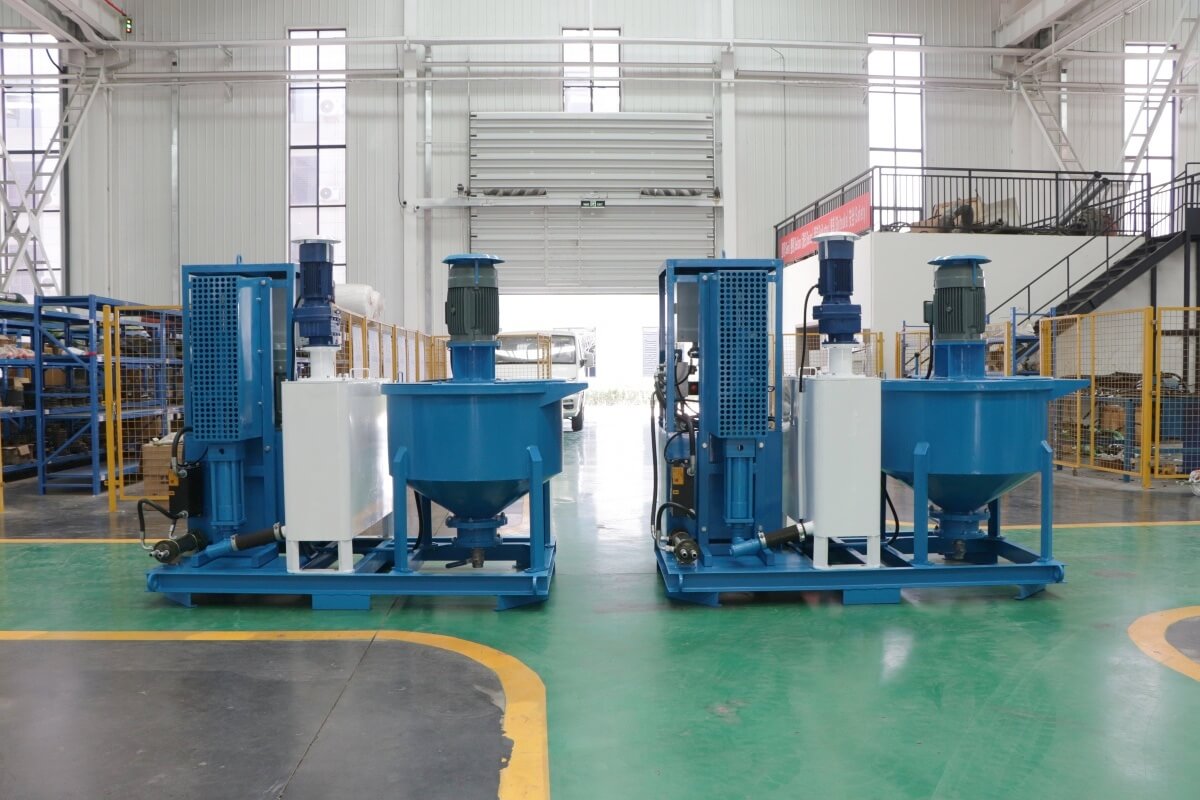
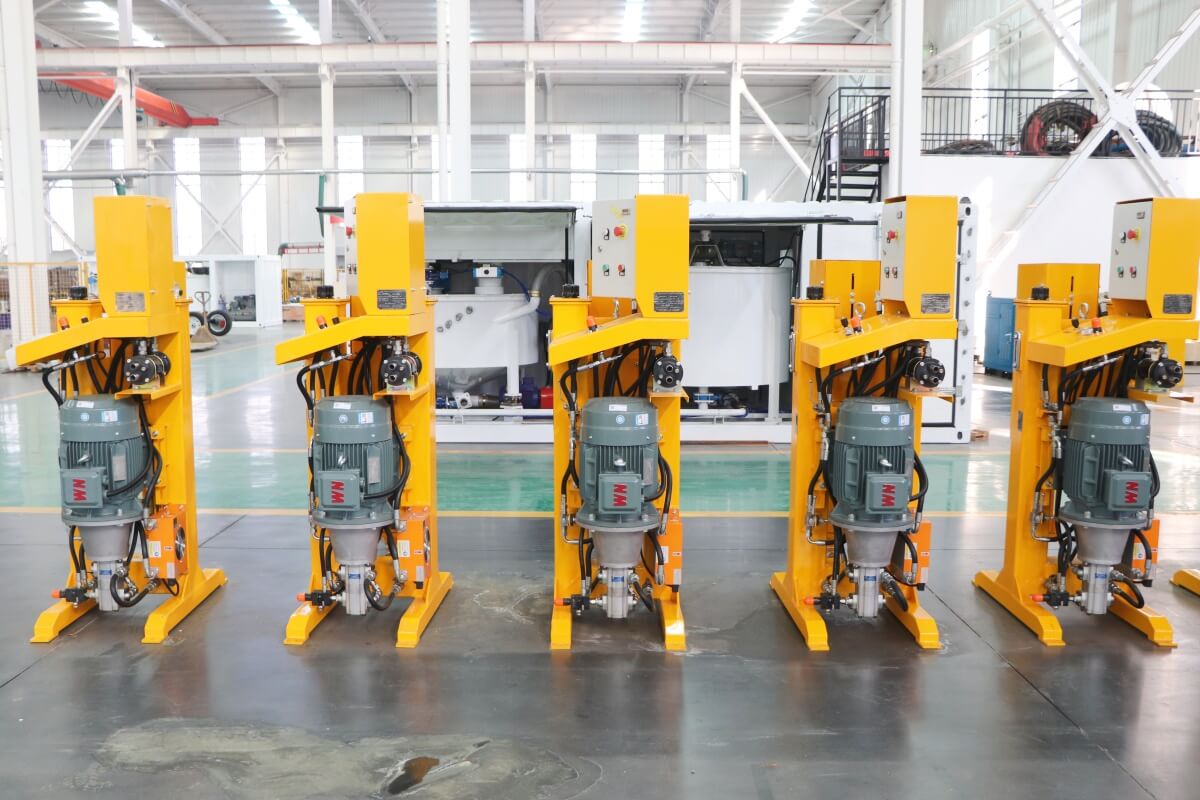
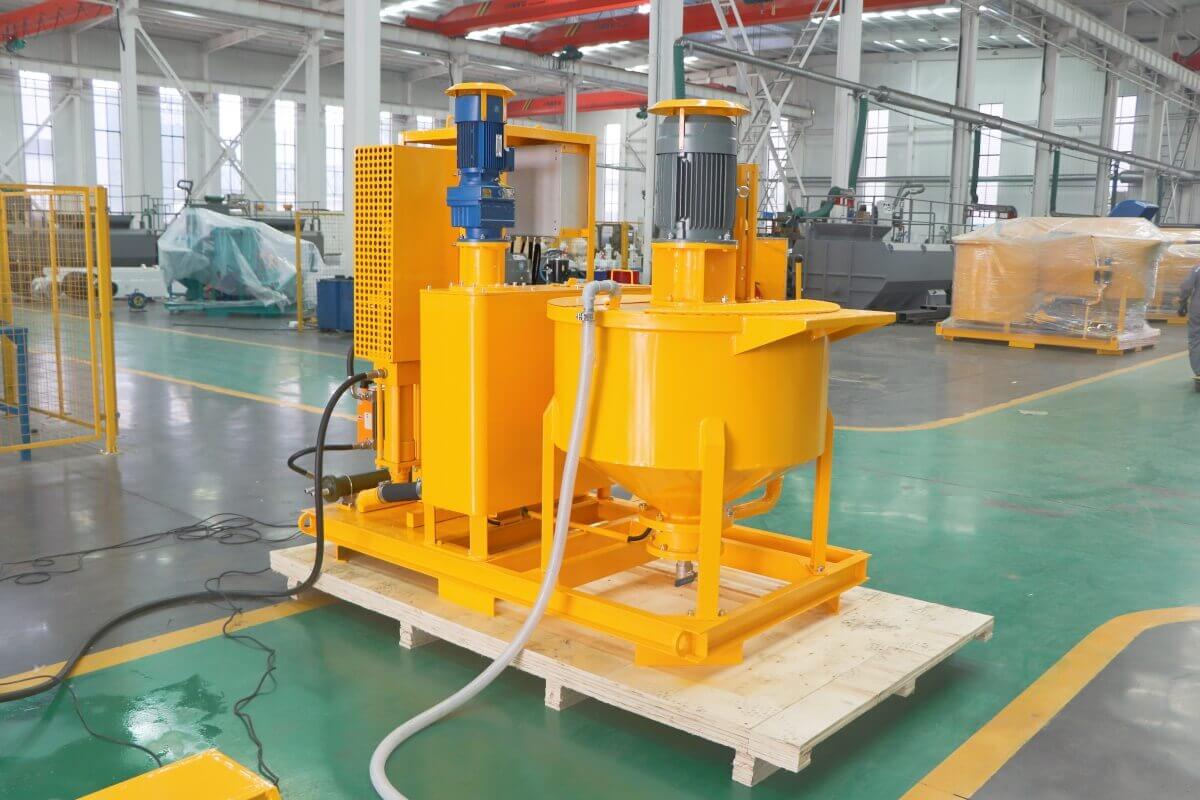
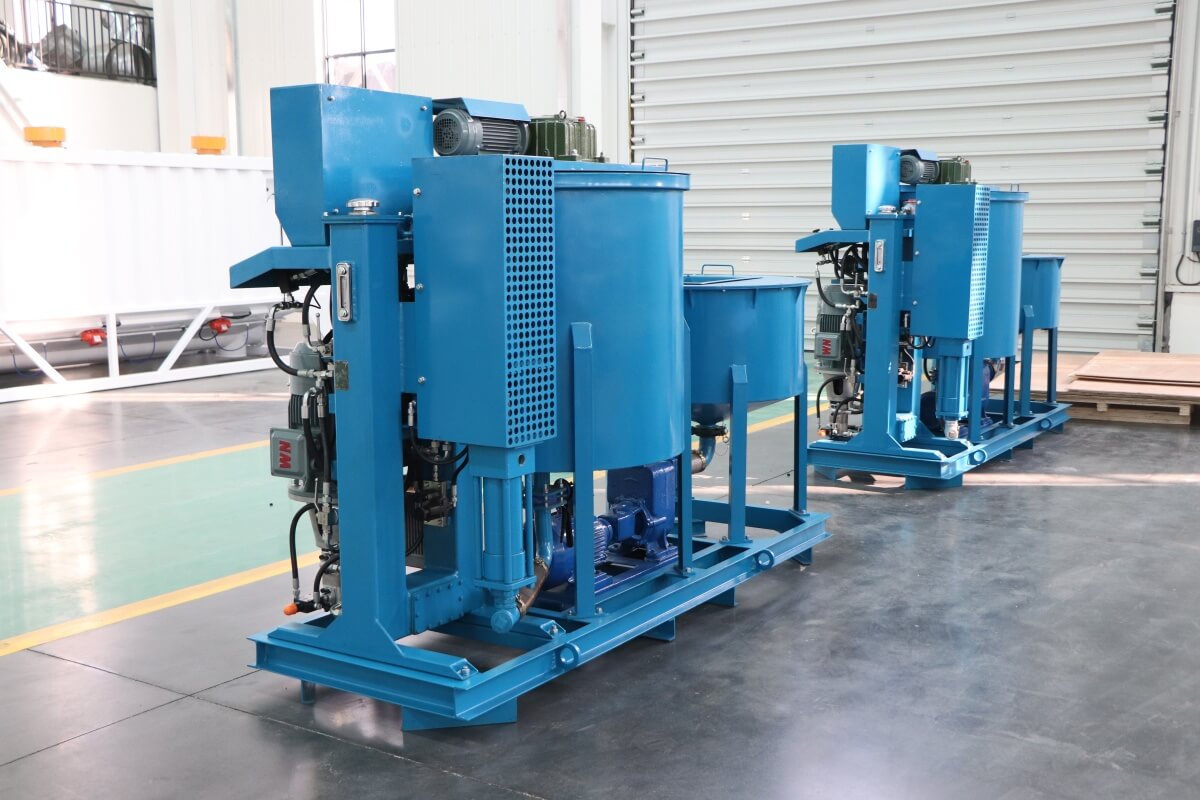
The plunger grout pump for tunneling is a core piece of high-pressure grouting equipment specifically designed for tunnel construction; it ensures the stable delivery of various engineering slurries—such as cement and bentonite slurries—and meets the requirements of grouting operations throughout the entire tunneling process.
Applications for the plunger grout pump:
Synchronous and secondary grouting behind shield tunnel segments to fill the gap between segments and the surrounding ground, thereby controlling surface settlement
Pre-grouting at the tunnel face to reinforce fractured surrounding rock, seal off groundwater, and prevent sudden water or mud inrushes
Repairing cracks in subway tunnel segments and filling voids behind the lining to enhance overall structural stability
Grouting for slope anchor bolts and fore-poling (small conduit) pre-support at tunnel portals to stabilize loose ground at the entrance/exit
Plunger Grout Pump for Tunnelling: Matching Grout Delivery to Underground Conditions
In tunnel grouting, the challenge is rarely just moving slurry from a tank to a borehole. One injection point may accept grout readily, while another shows increasing resistance after only a small volume has entered. As work advances, longer pipelines and changes in grout formulation can also affect delivery. A plunger grout pump for tunnelling must therefore be considered as part of the complete grouting process.
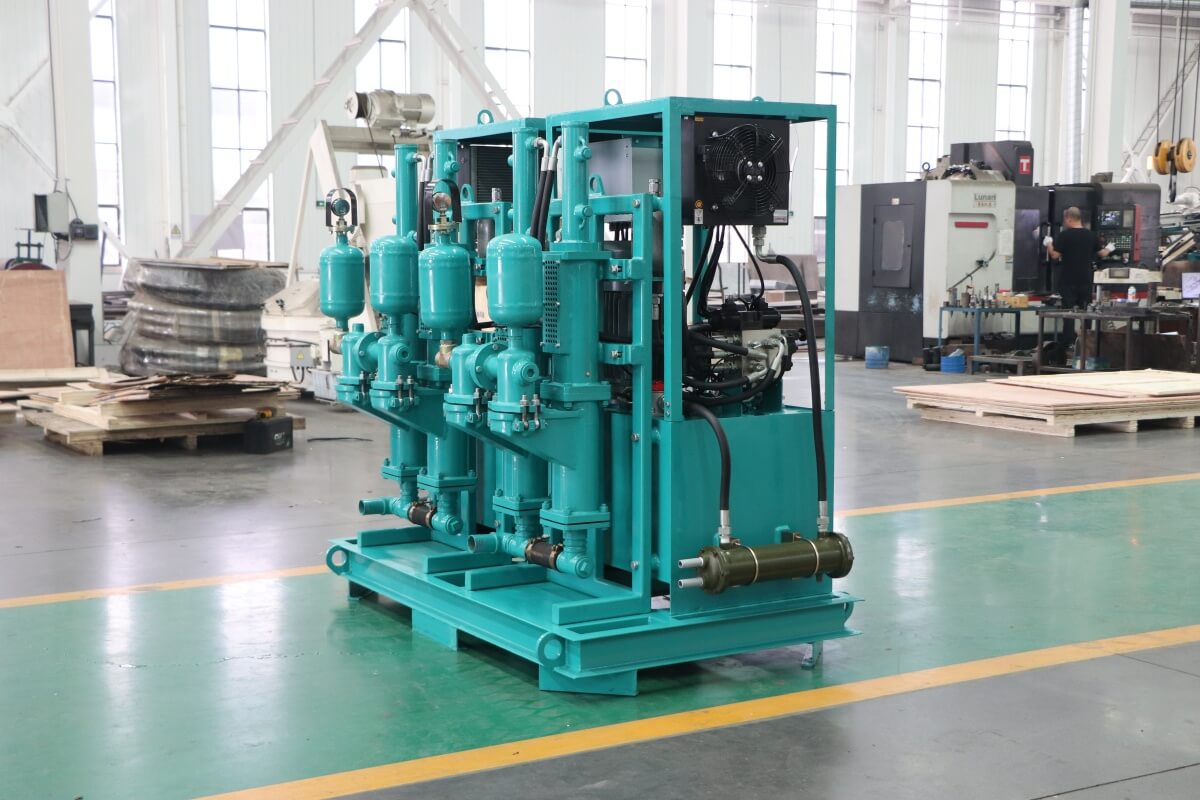
Before excavation, grout may be injected through drilled holes to treat identified fractures in the surrounding rock. The pump supplies the material, but successful placement depends on how the grout interacts with those fractures. A fine opening may require a finer cement and a suitable formulation; simply increasing pressure cannot make an unsuitable grout penetrate it.
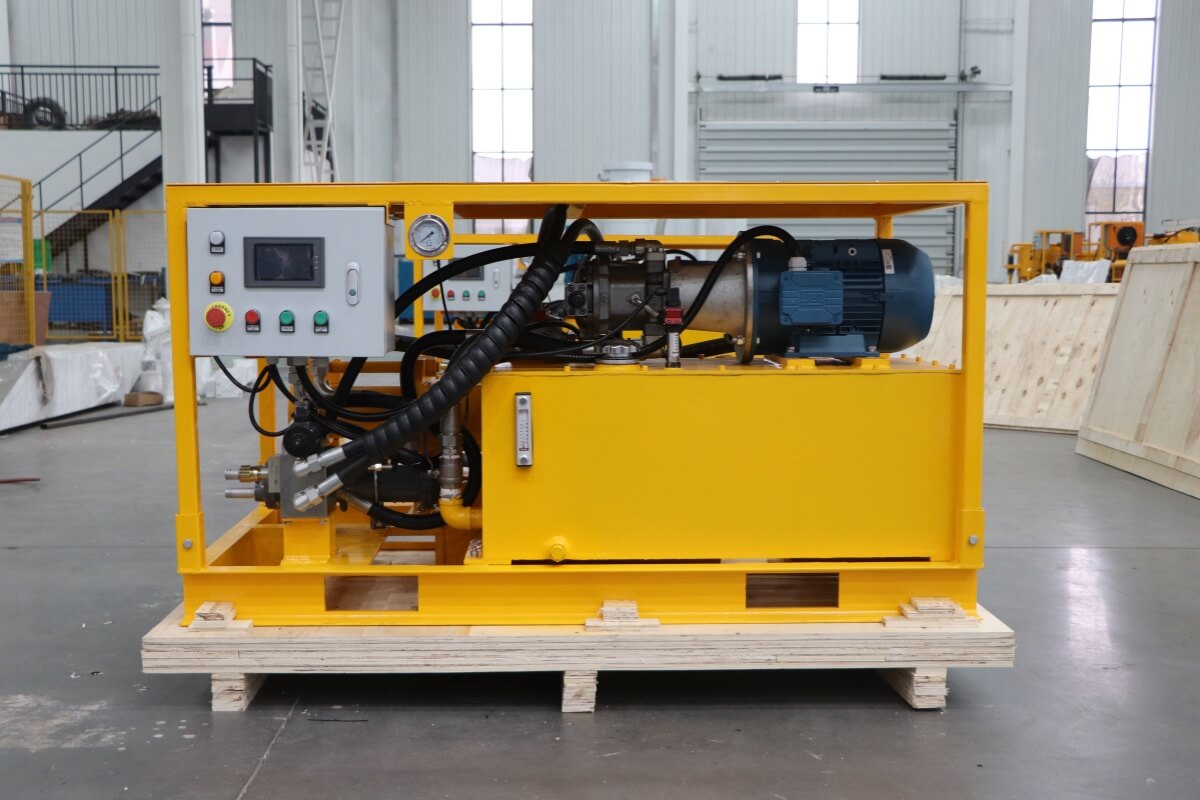
During this stage, operators need to interpret pressure and flow together. A pressure rise accompanied by falling grout intake may indicate increasing resistance in the treated zone, but it can also result from a restriction in the hose, valve or packer. Checking the delivery system helps distinguish an equipment issue from a change in ground response. An adjustable hydraulic plunger grout pump allows delivery to be modified within the approved injection limits.
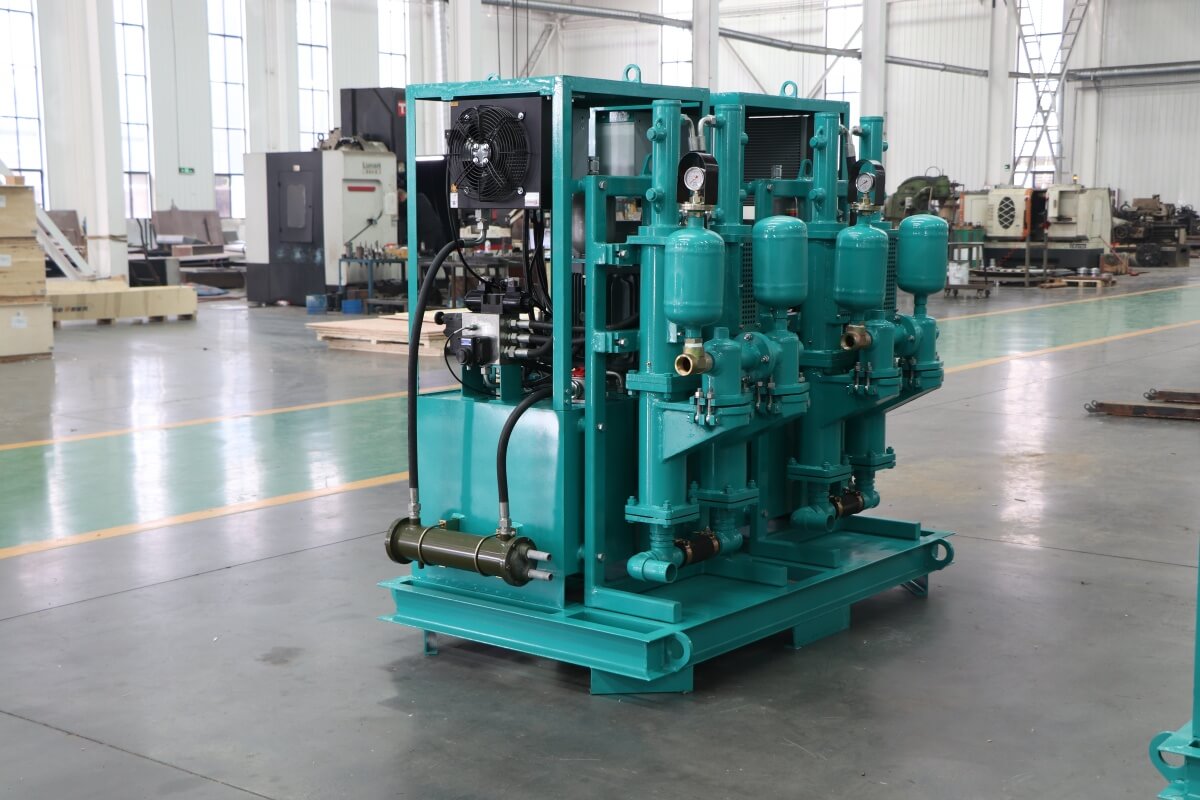
The application changes when work moves to filling identified voids behind a tunnel lining. Here, the objective is to place material throughout the designated space while respecting the lining’s allowable loading. Injection locations, venting and filling sequence become central to the operation. Pumping should be coordinated with observations at the relevant ports and the project’s volume and pressure criteria; a high gauge reading alone does not demonstrate complete filling.
Cement slurry pumping presents another set of requirements. In pipe jacking and microtunnelling, cement slurry may be supplied to designated injection points around the pipe string or along the annular space to fill voids, stabilize the surrounding ground or support the construction process. The pumping rate must suit the distribution arrangement, slurry formulation and construction progress. This application differs from injecting a cement-bentonite grout intended to harden, and it should also be distinguished from the main excavation slurry circuit that carries spoil.
Pipeline layout connects all these applications. A pump positioned near the tunnel entrance may eventually feed injection points much farther underground. Pipe diameter, bends, elevation and slurry properties determine the resistance along that route. Consequently, the pressure shown at the pump can differ substantially from the pressure reaching the injection point. Selecting a hydraulic grout pump on maximum pressure alone overlooks the equally important question: what flow can it deliver through the planned line at the required operating pressure?
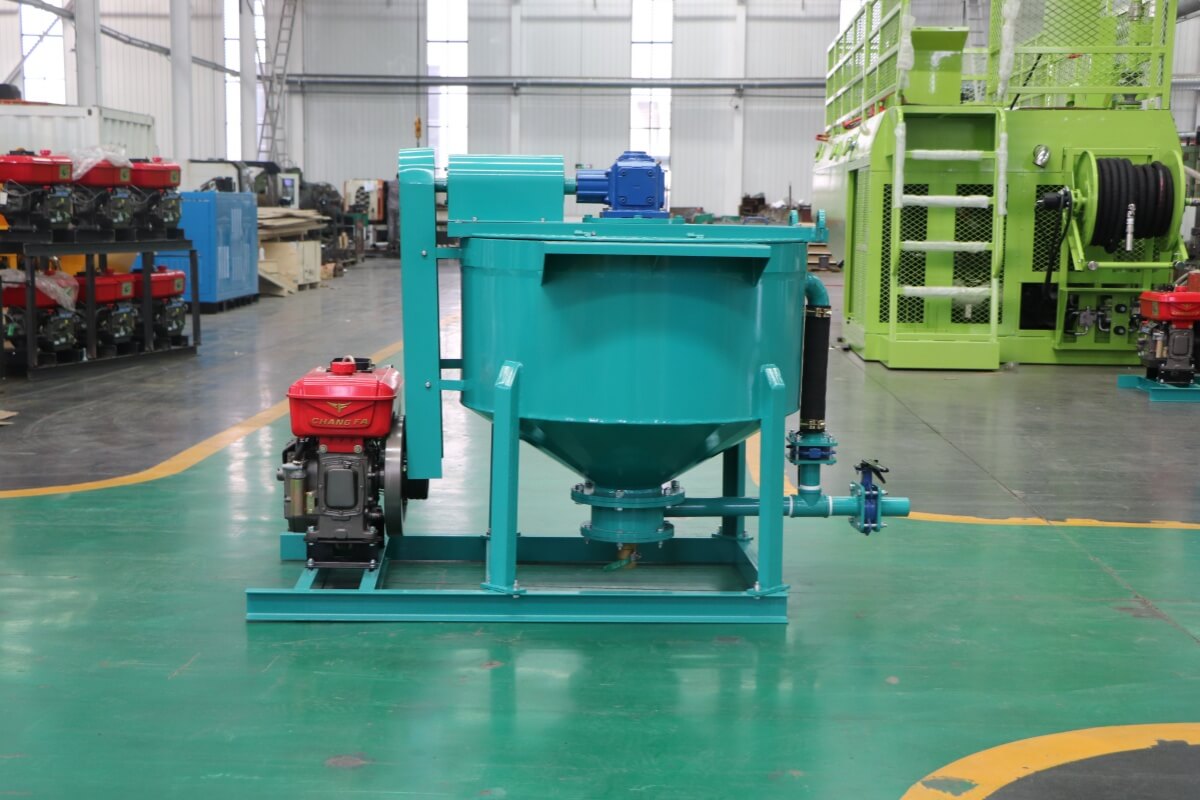
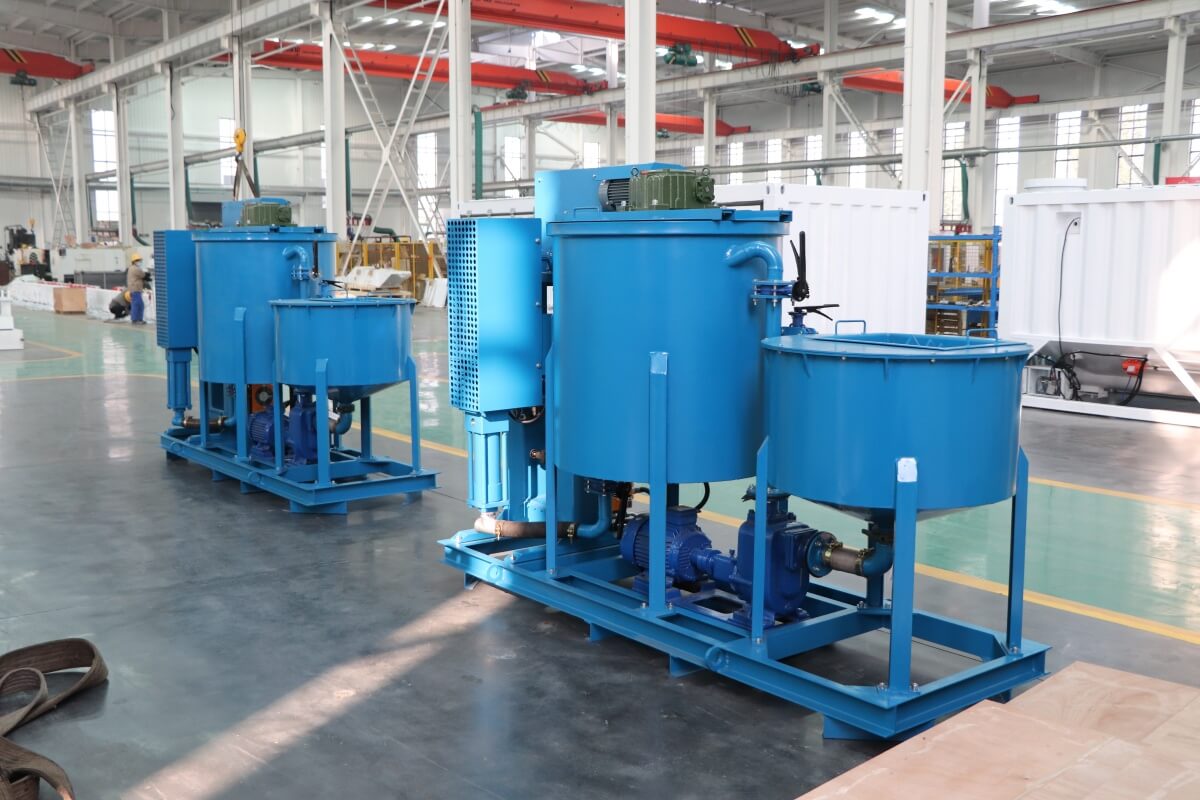
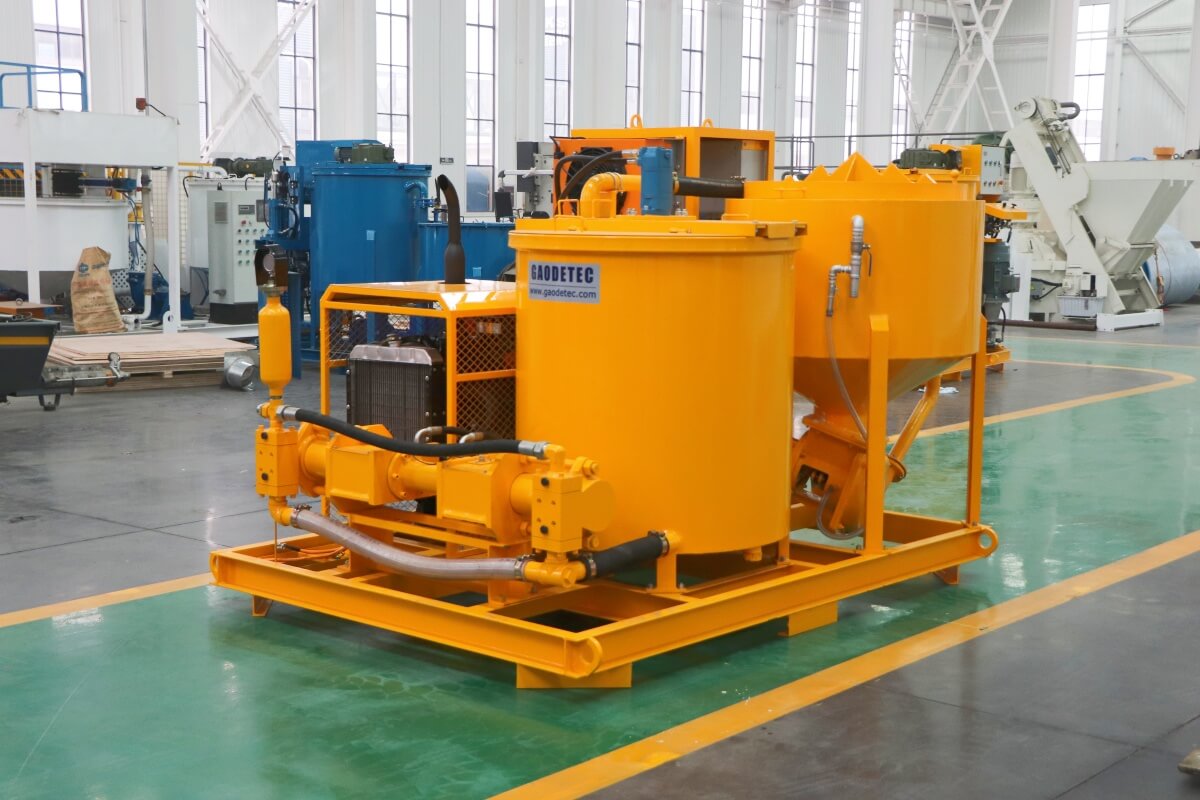
Material preparation deserves the same attention. Cement slurry must be mixed thoroughly and kept within its usable working time, while its water-cement ratio and additives should remain consistent with the project specification. Mixing capacity, holding arrangements and pump feed should be coordinated so that the injection process is not interrupted by an inconsistent material supply. Planned access for flushing and cleaning is particularly important when work stops or formulations change.
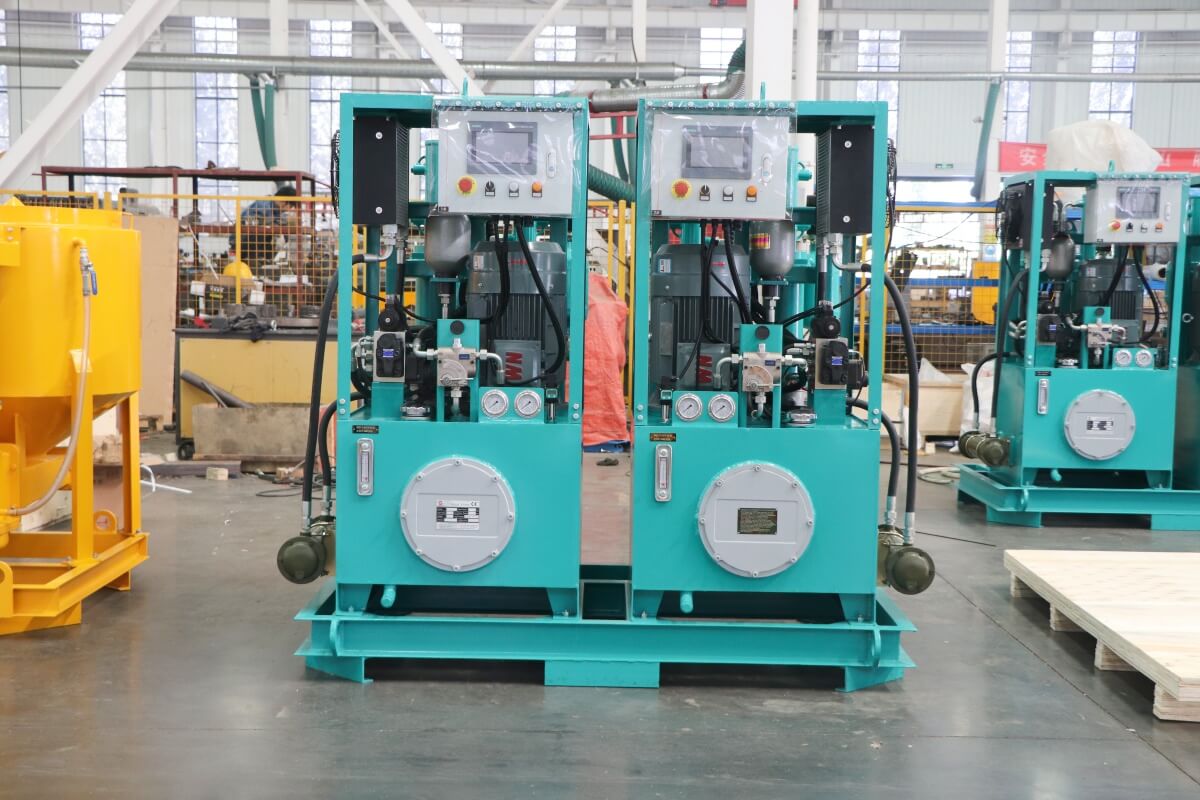
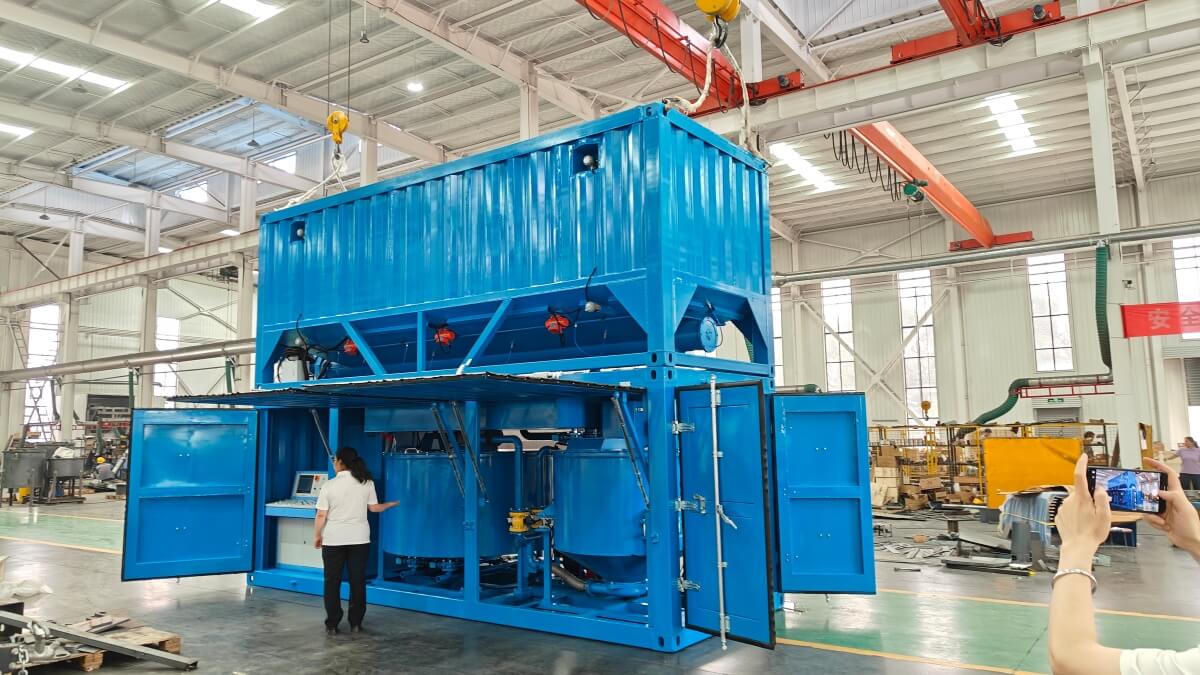
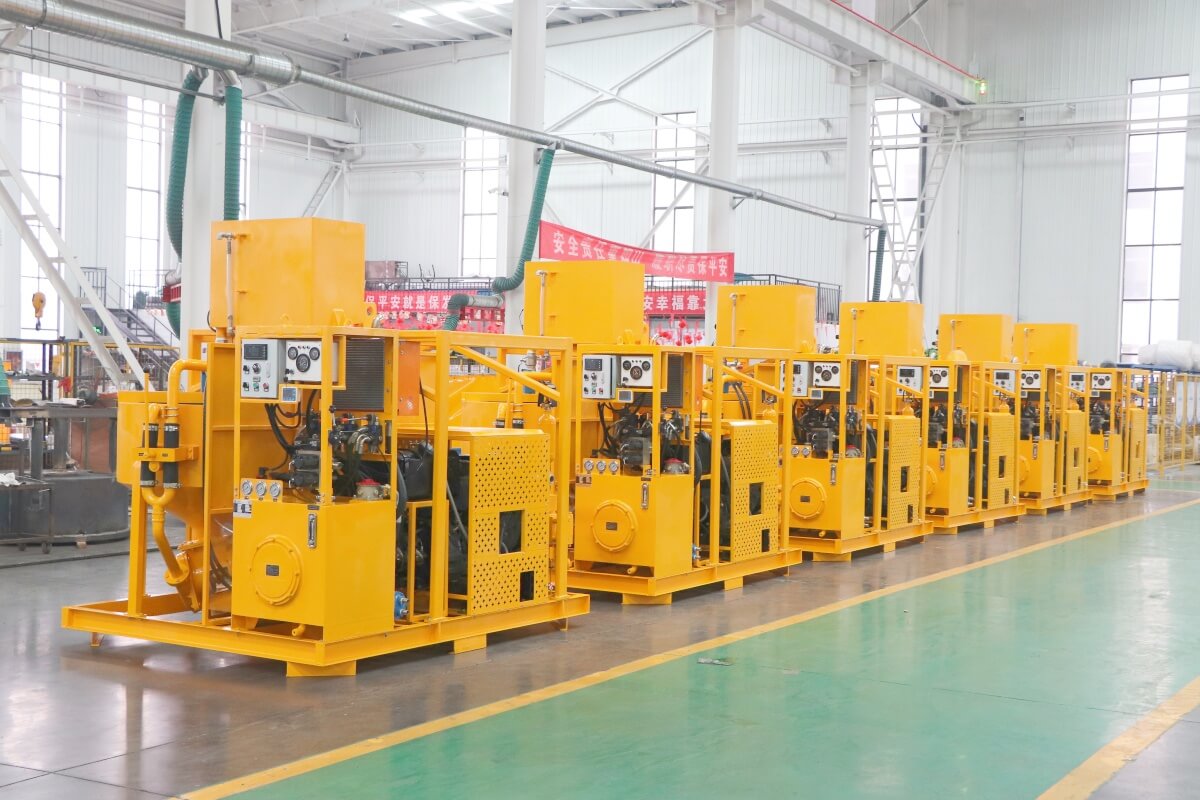
For projects using two pumps on a shared base, the value lies in how the station supports the construction sequence. With suitable piping and controls, separate pumps may serve different zones or provide an alternative supply during planned servicing. The operating arrangement should be defined before manufacture so that power capacity, manifolds, valves and cleaning connections match the intended use.
Gaode Equipment manufactures plunger grout pumps and custom grout pump stations for underground construction. Tell us where the grout needs to go, what material you intend to pump and how the injection process will be controlled. With your required flow, pressure and pipeline layout, we can discuss a configuration suited to the tunnelling application and prepare a quotation. Email address: info@gaodetec.com