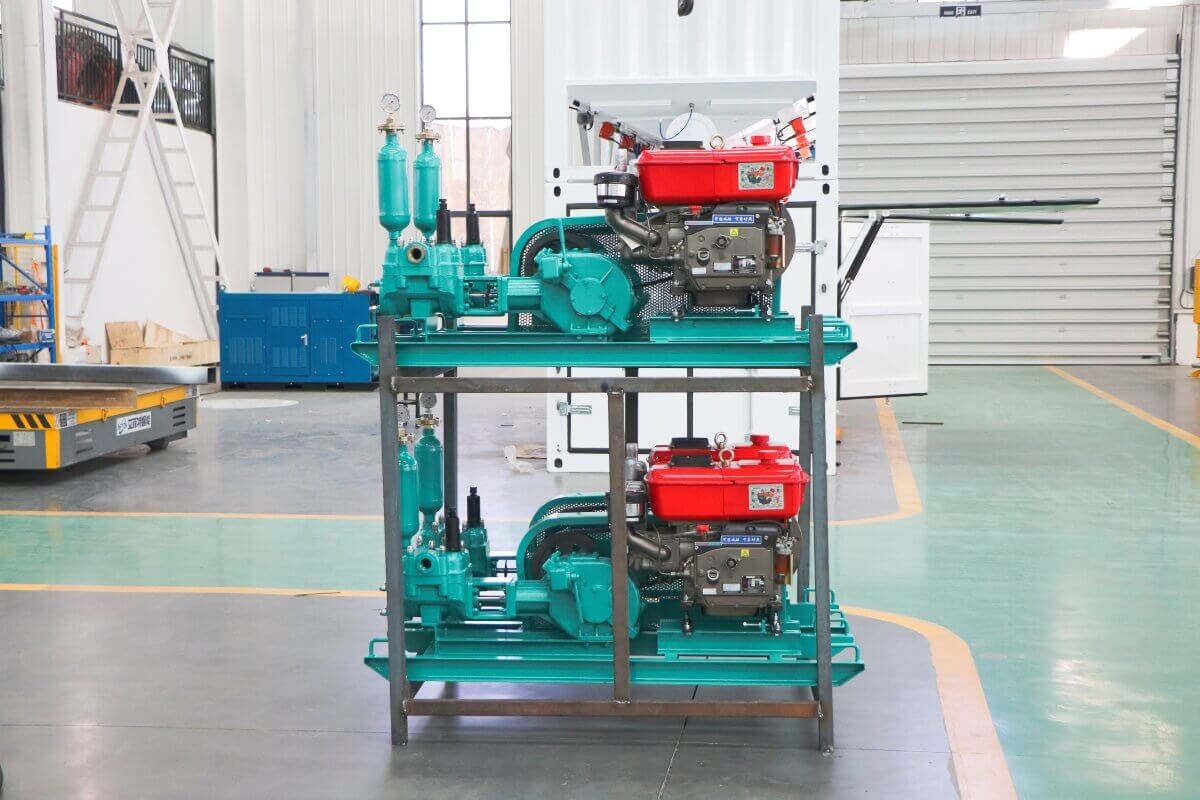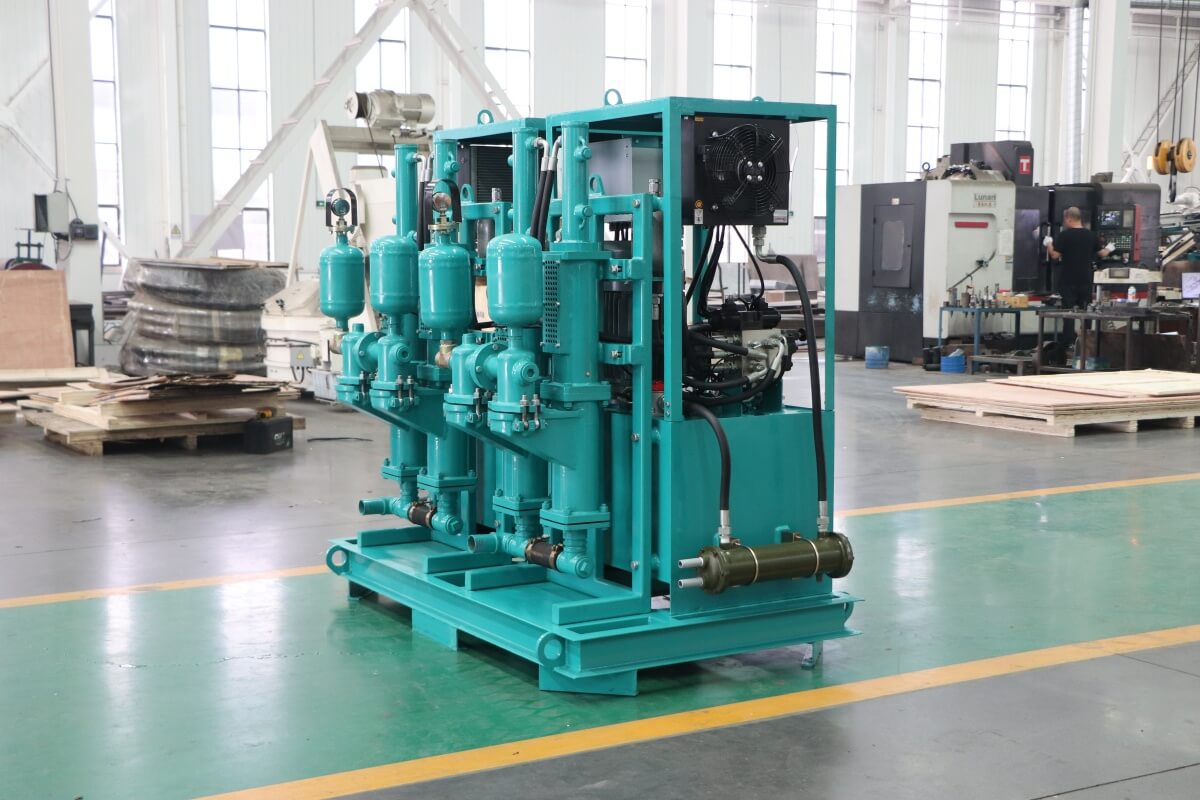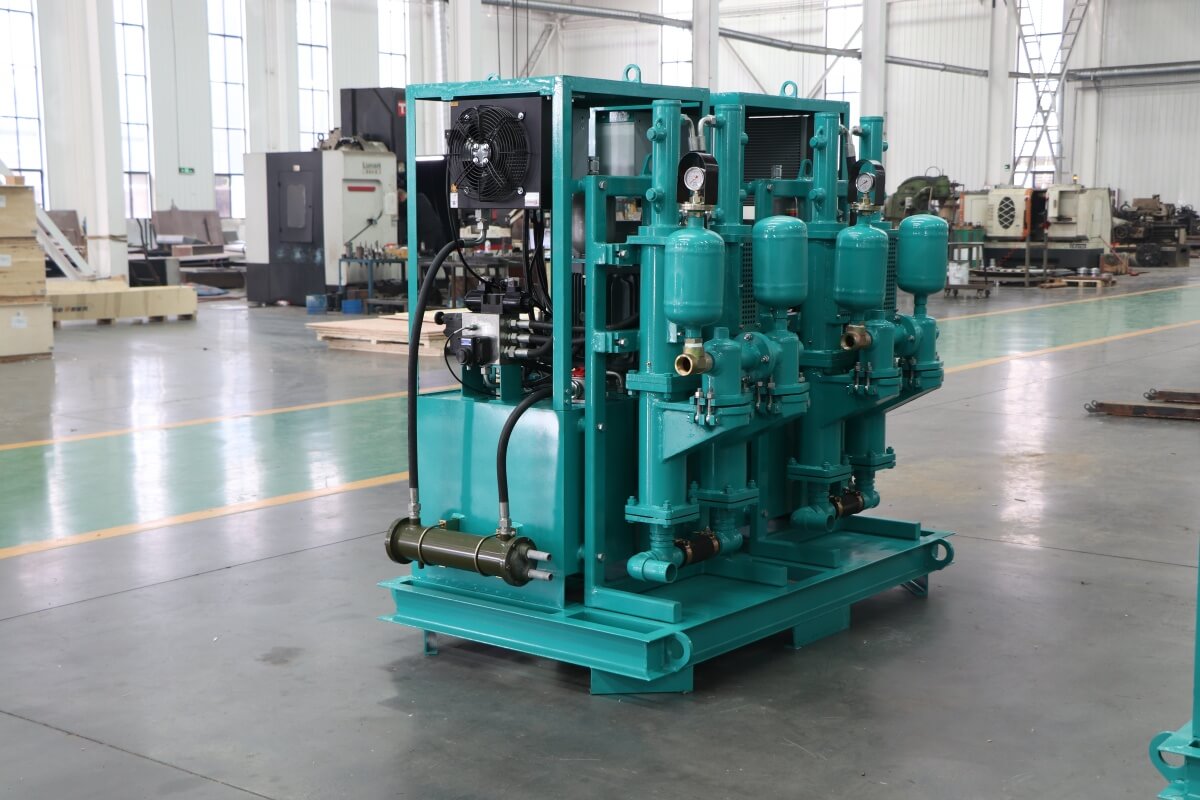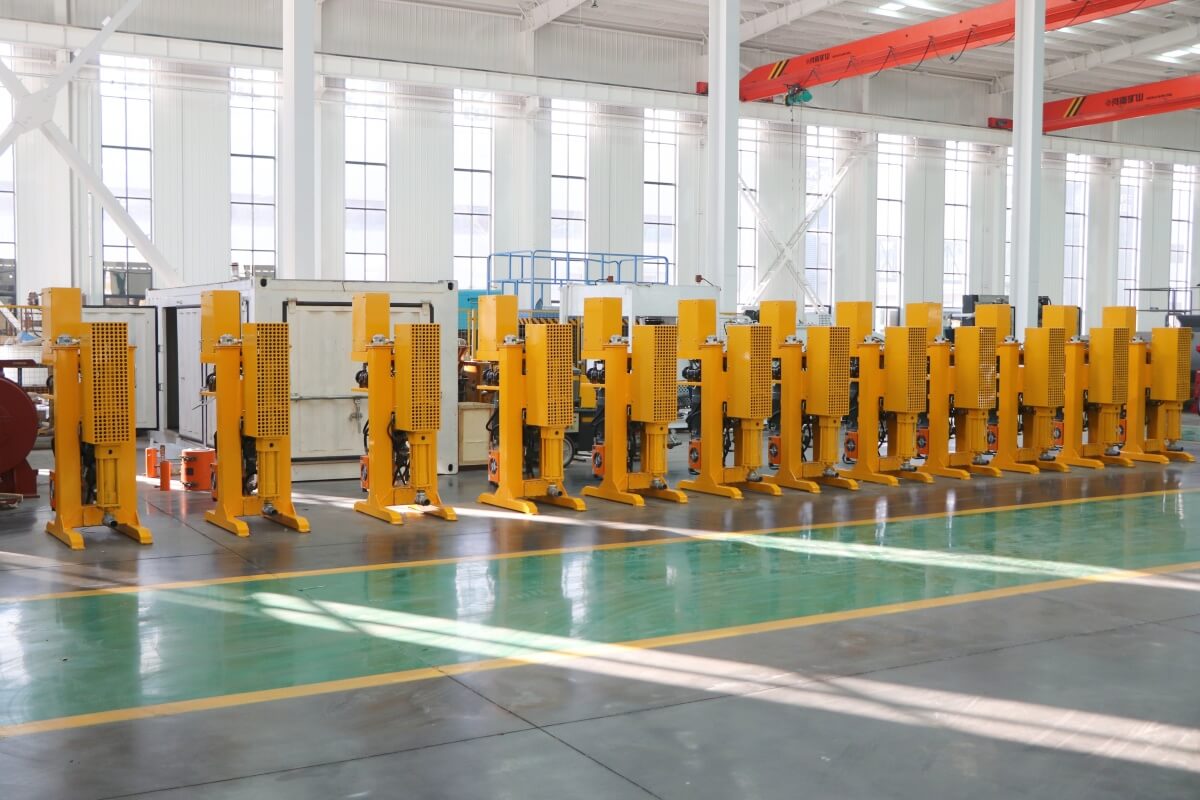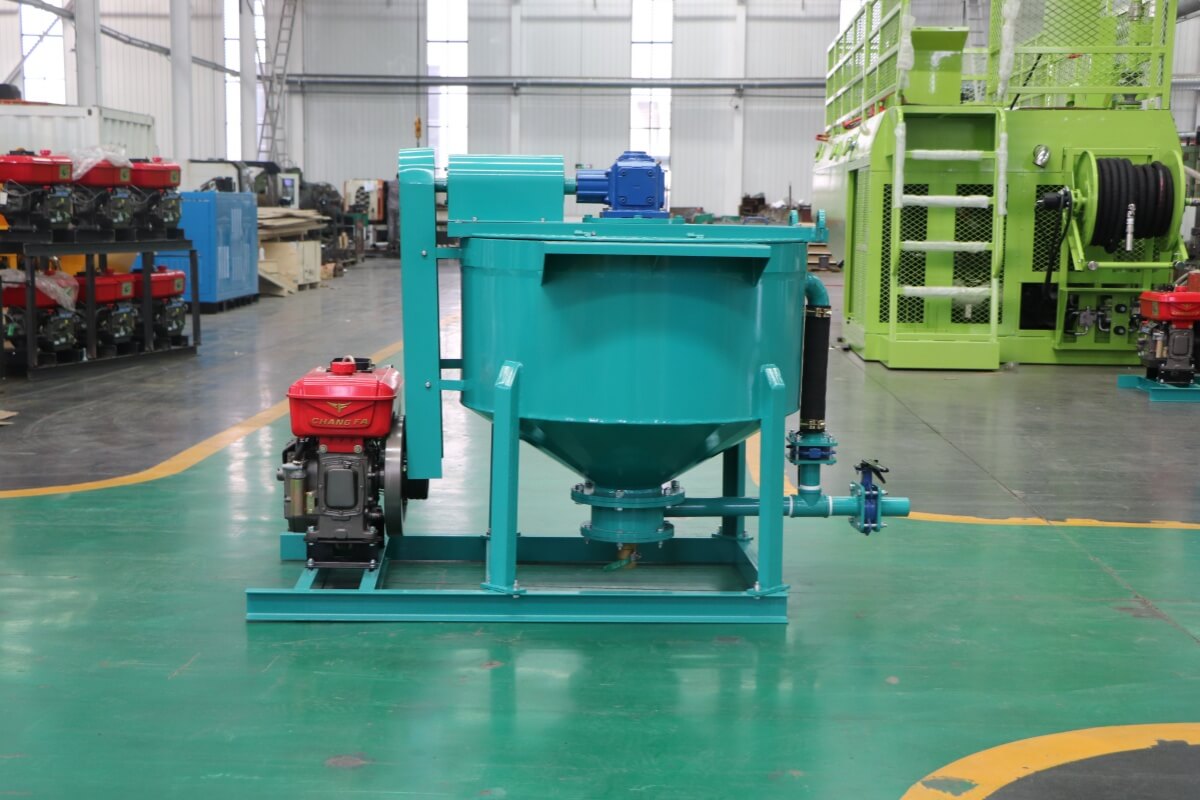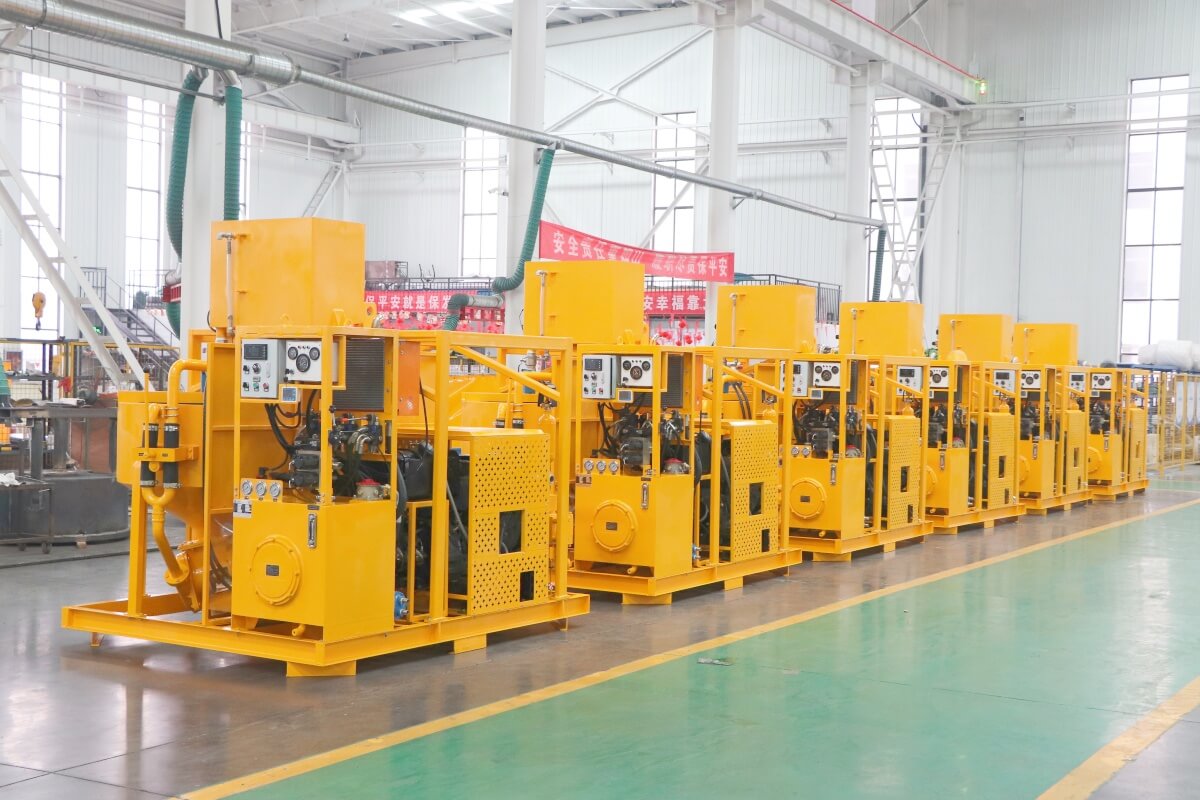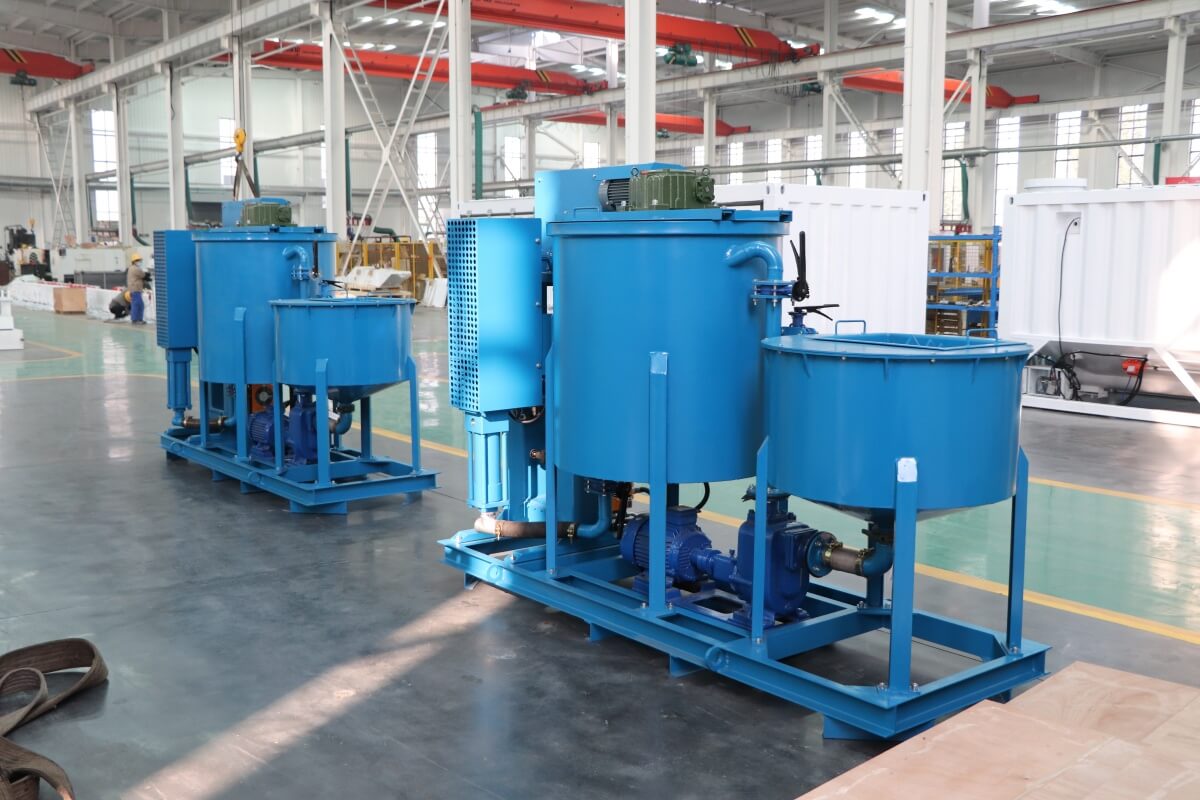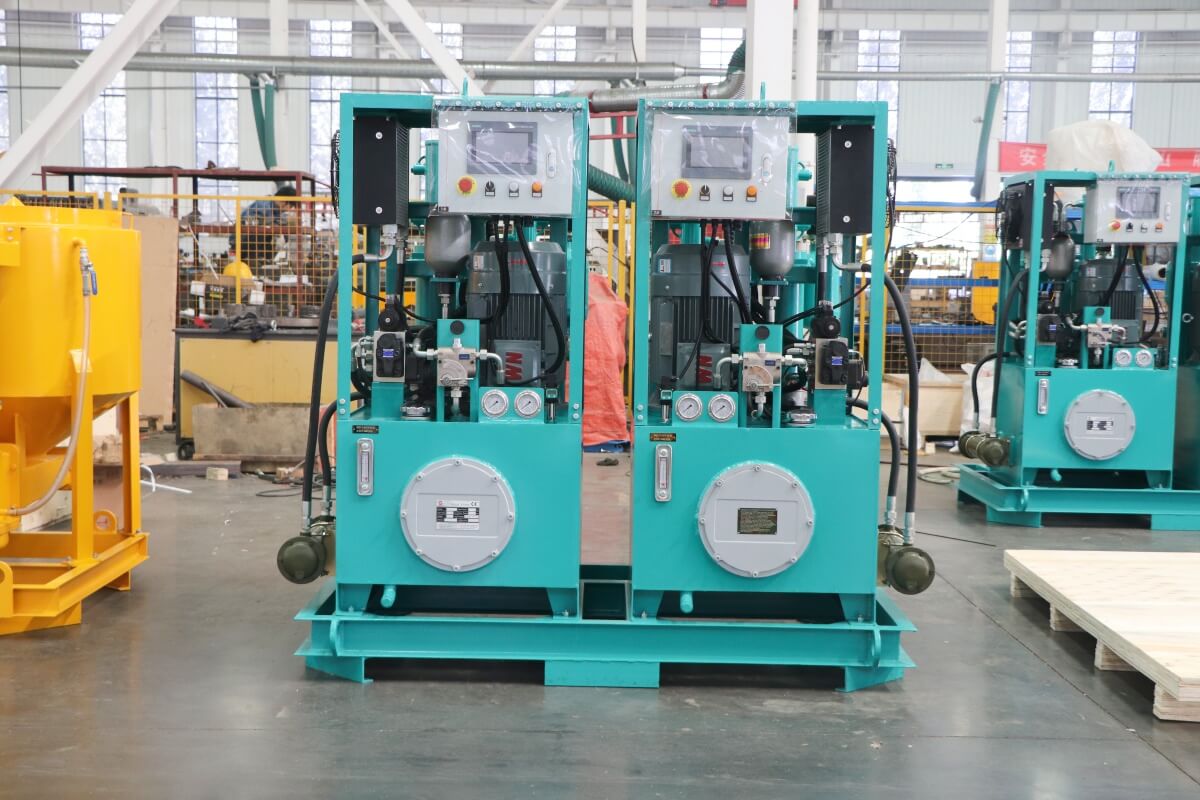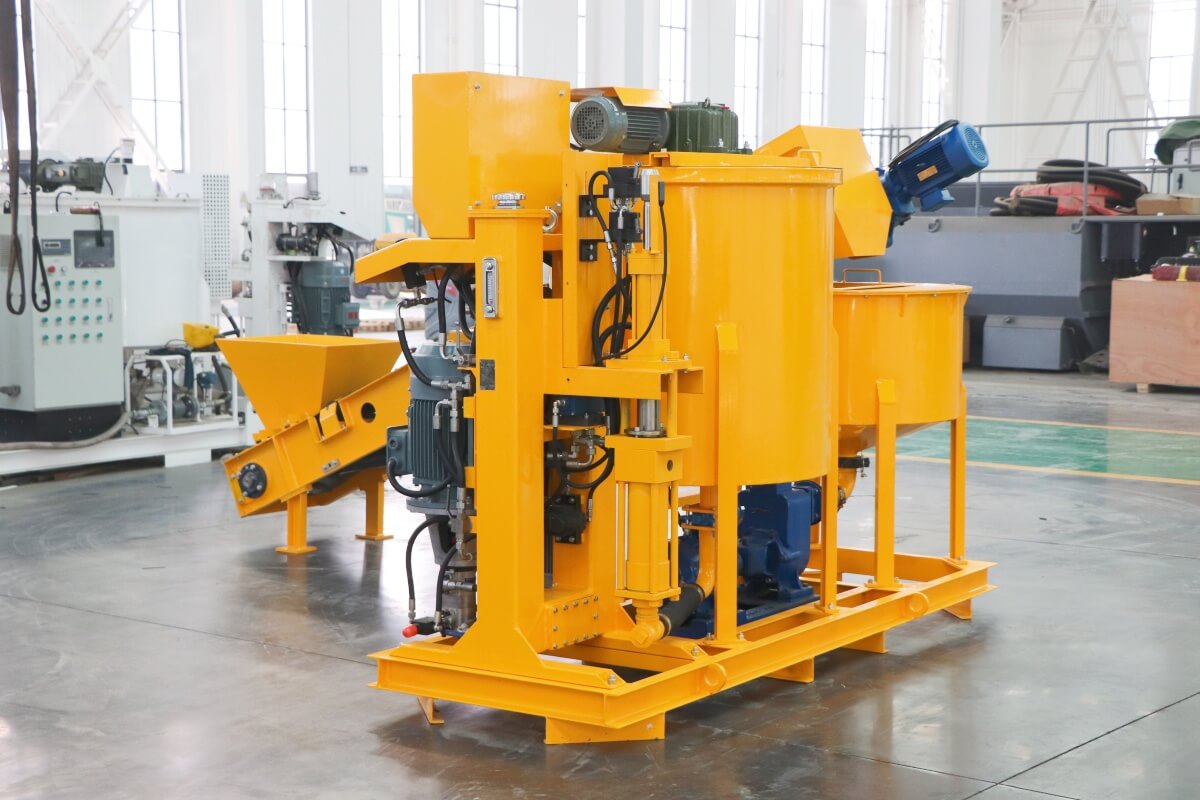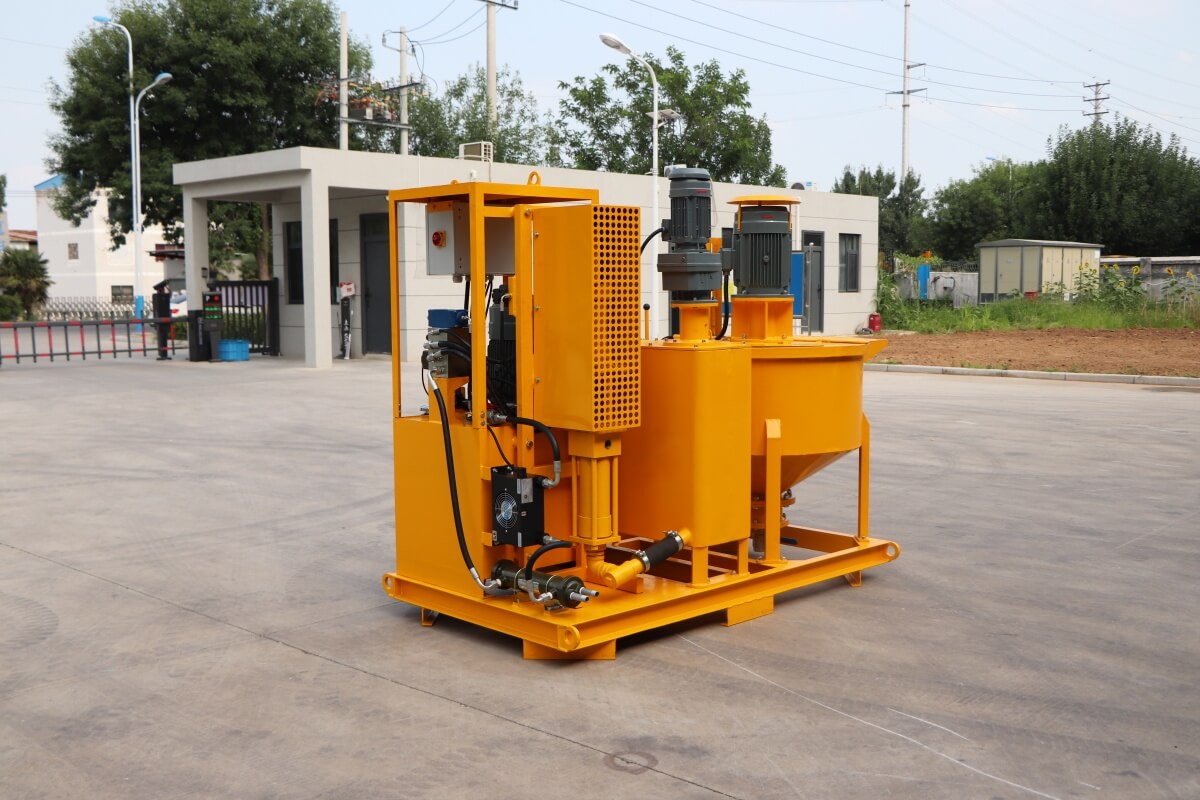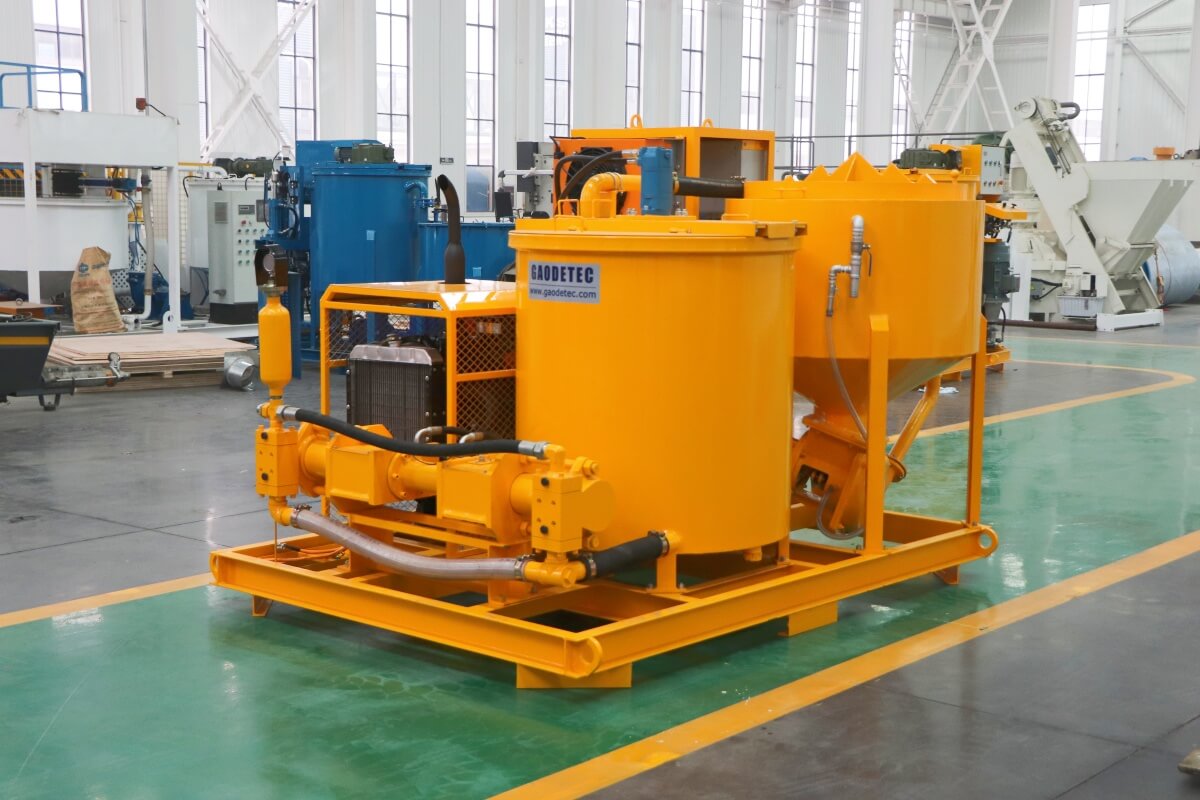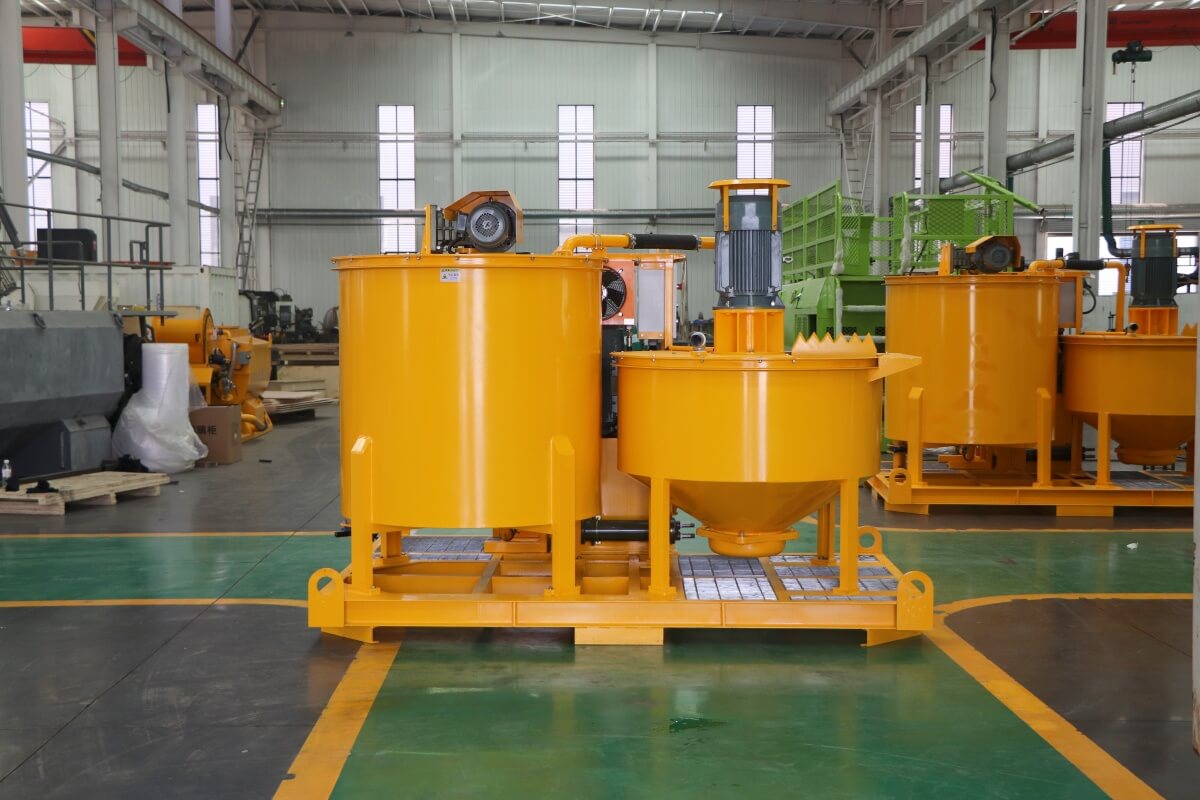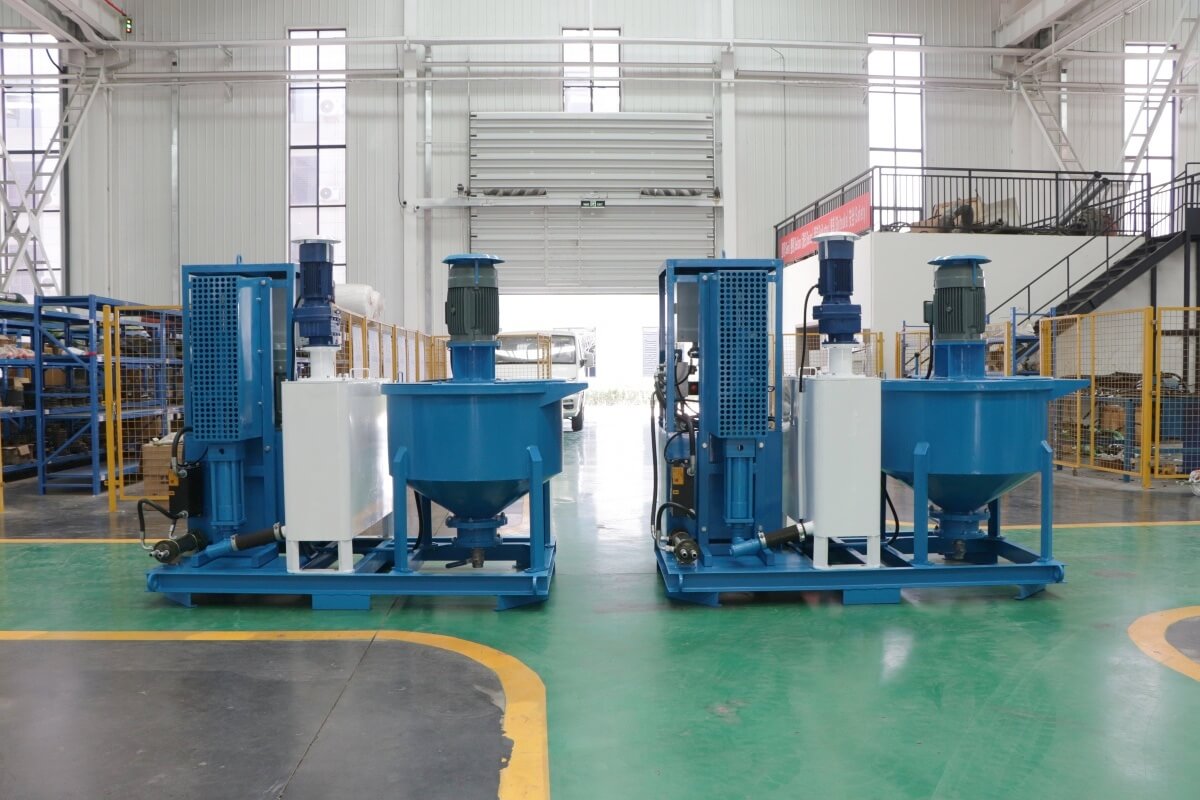
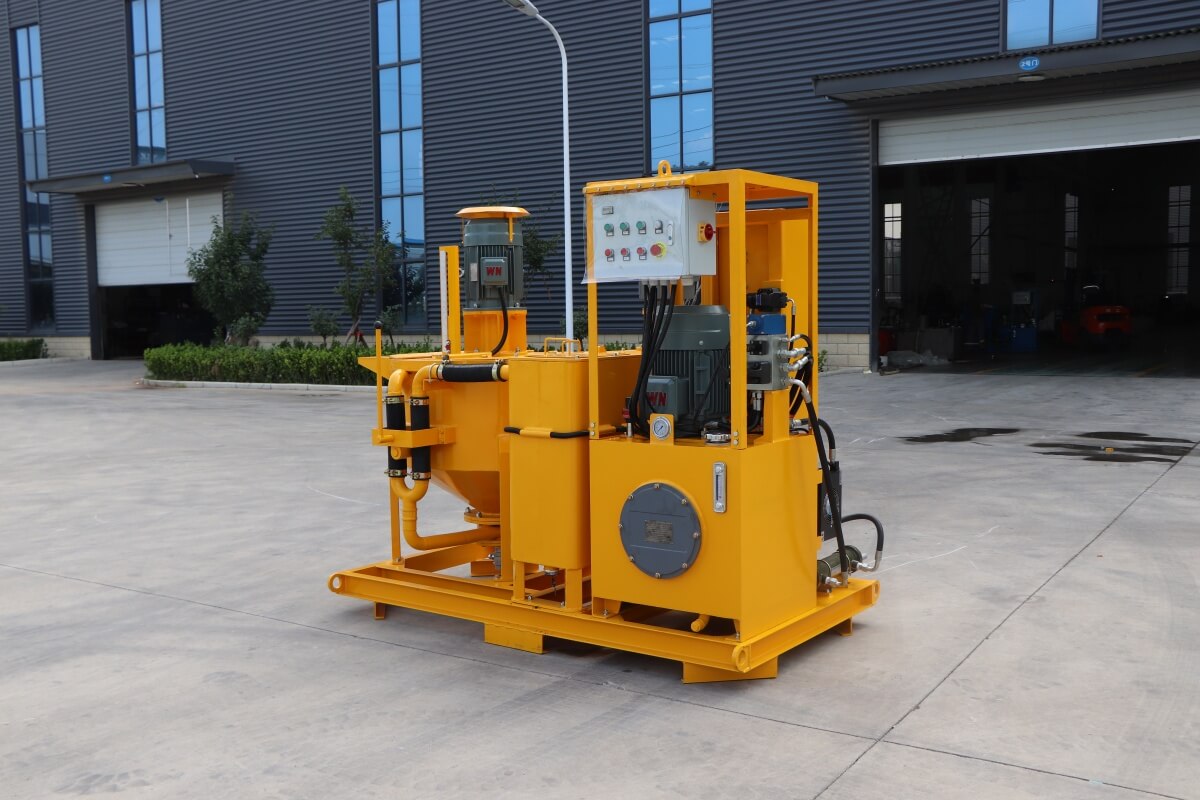
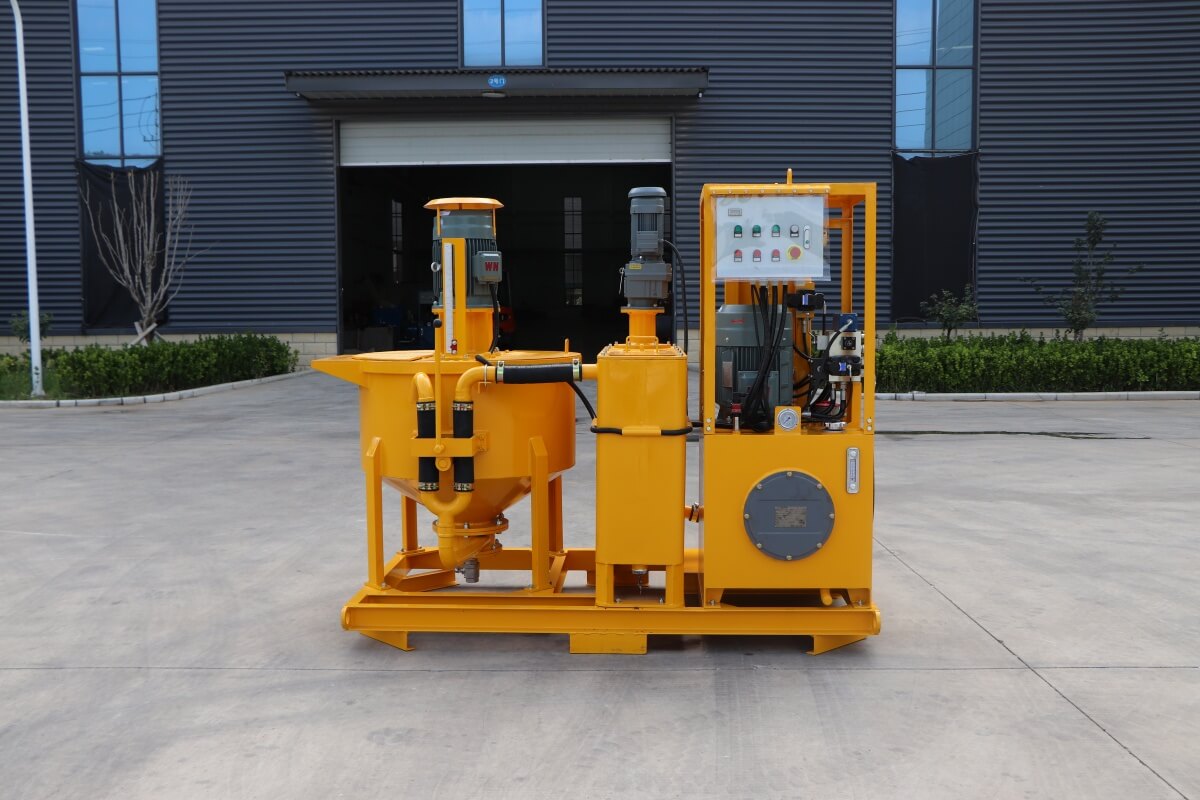
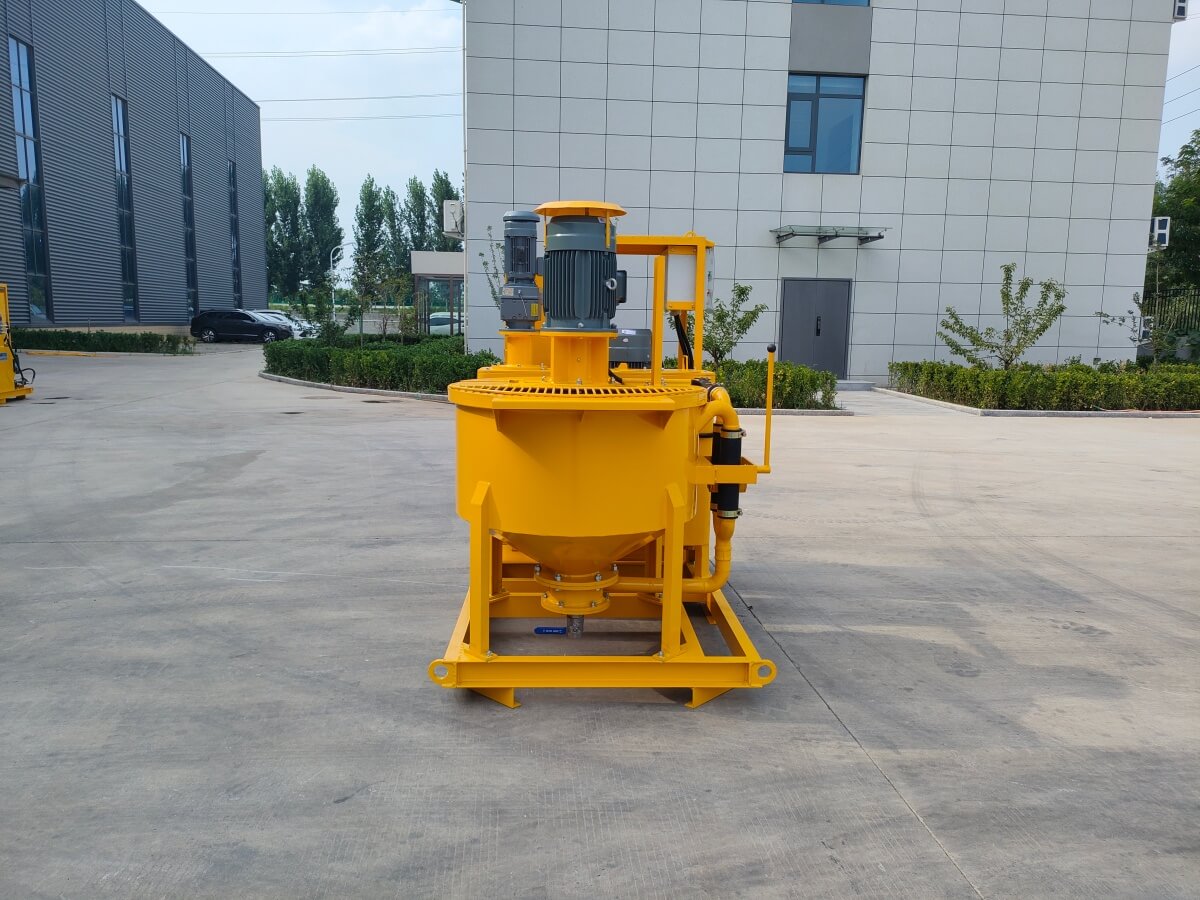
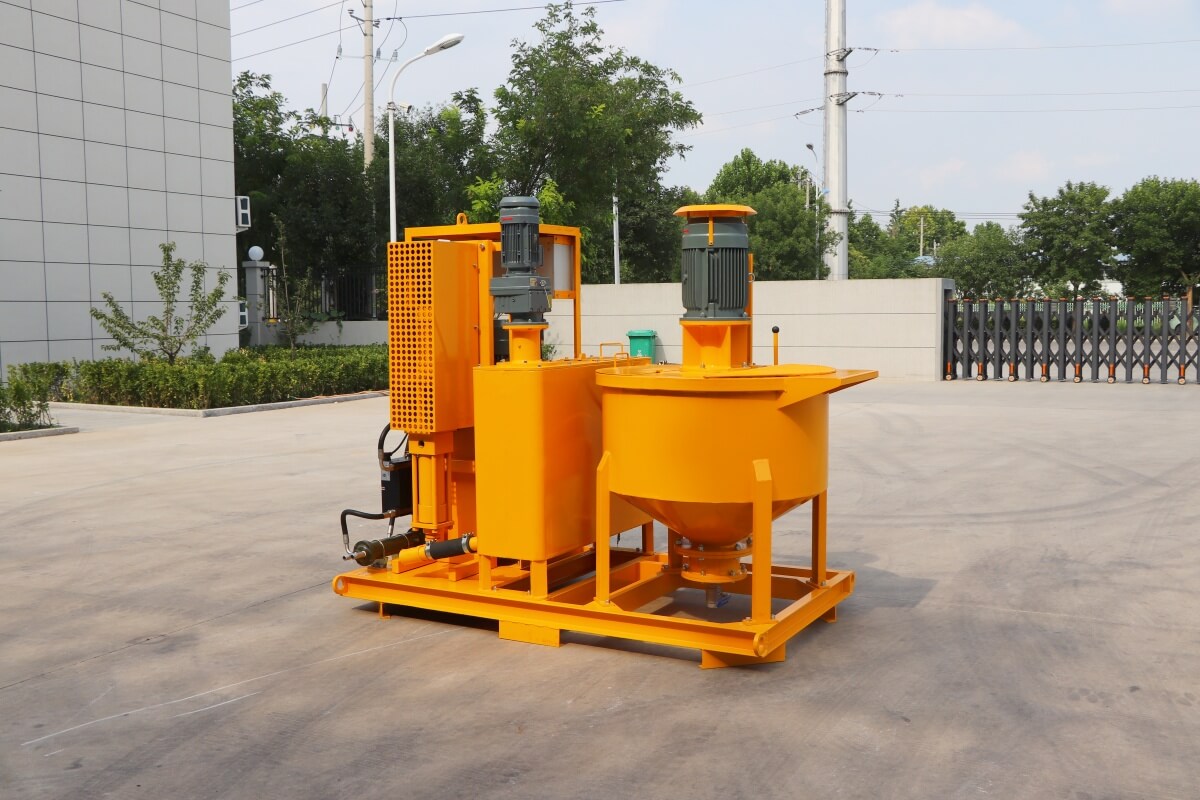
High-Shear Colloidal Grout Mixer Pump Unit
The High-Shear Colloidal Grout Mixer Pump Unit is a piece of high-efficiency grouting equipment specifically designed for cement-based grouts. Utilizing a high-speed rotating high-shear impeller or centrifugal dispersion device (operating at speeds of 2,000–3,000 rpm), it thoroughly disperses materials such as cement and fly ash into their finest particles, ensuring complete wetting. This process significantly enhances grout stability while minimizing the risks of bleeding and segregation. These units are widely used in heavy-duty construction applications—including dams, tunnels, post-tensioned prestressing projects, underground mining, and geotechnical anchoring—and are compatible with various grout materials, such as neat cement grout, bentonite slurry, and micro-cement grout.
In applications such as tunneling, mining, dam construction, foundation reinforcement, and micropile installation, grout quality is a critical factor determining the effectiveness of the grouting process. Traditional low-speed mixing methods often fail to rapidly break down cement particles, leading to issues such as clumping, sedimentation, or uneven mixing.
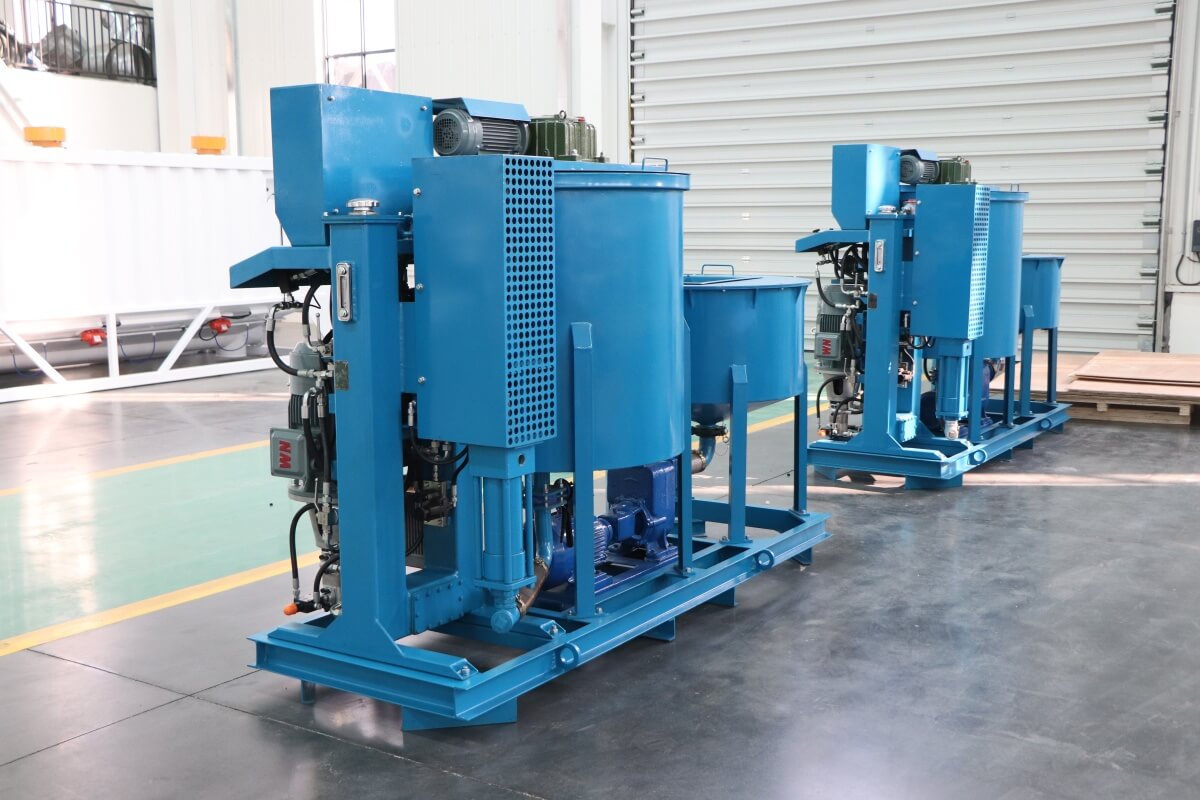
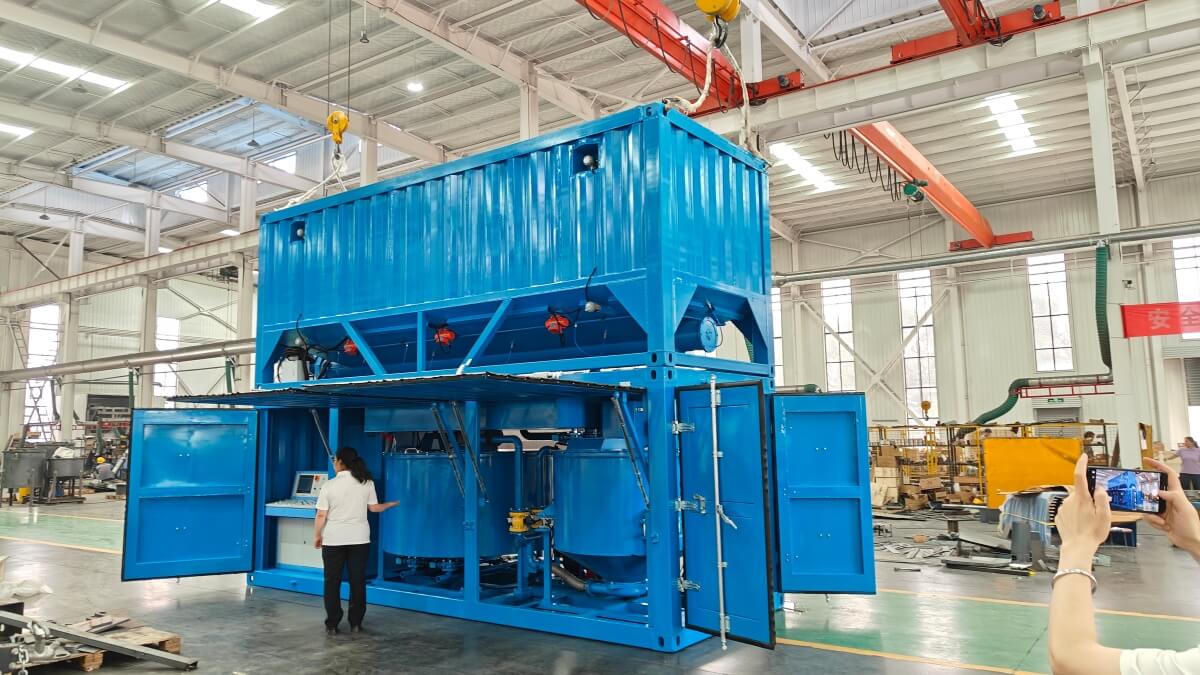
The High-Shear Colloidal Grout Mixer Pump Unit integrates high-shear colloidal mixing, storage agitation, and pressure pumping onto a single platform. It produces a uniform, stable grout with excellent flowability and continuously delivers it to grouting holes, anchor holes, or foundation reinforcement zones.
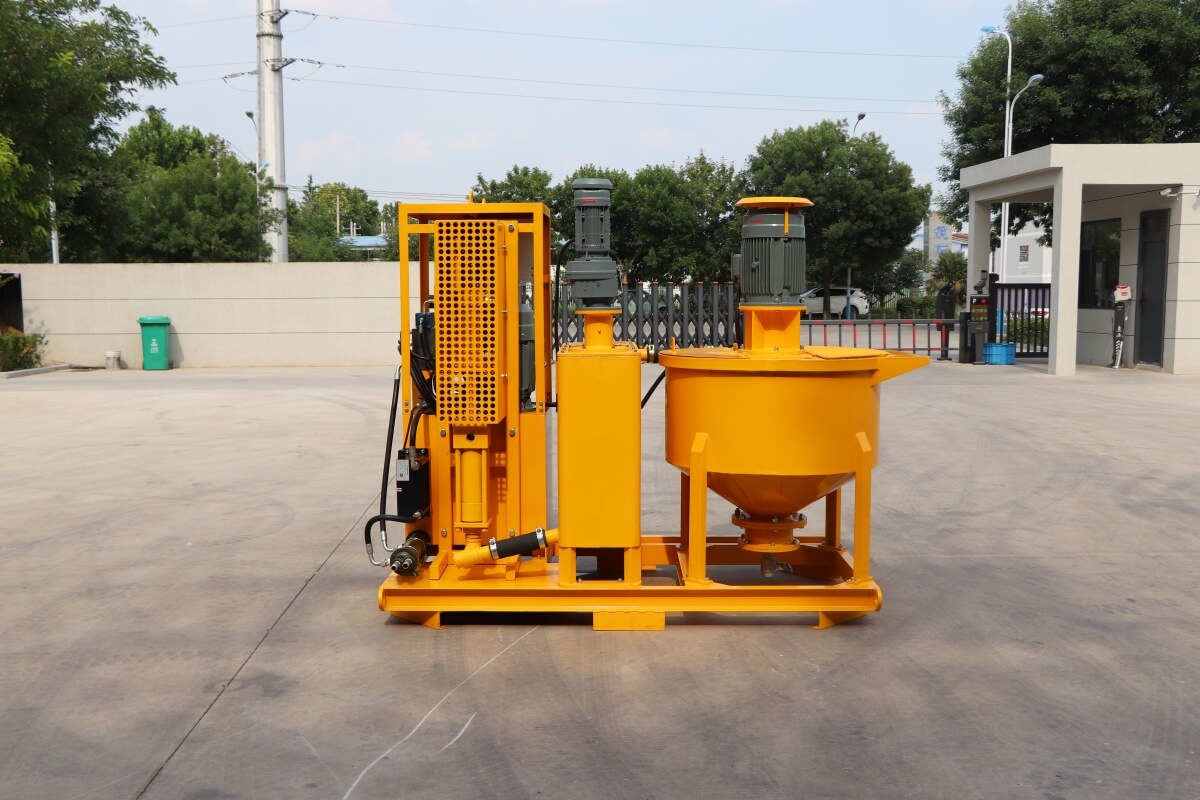
What is the High-Shear Colloidal Grout Mixer Pump Unit?
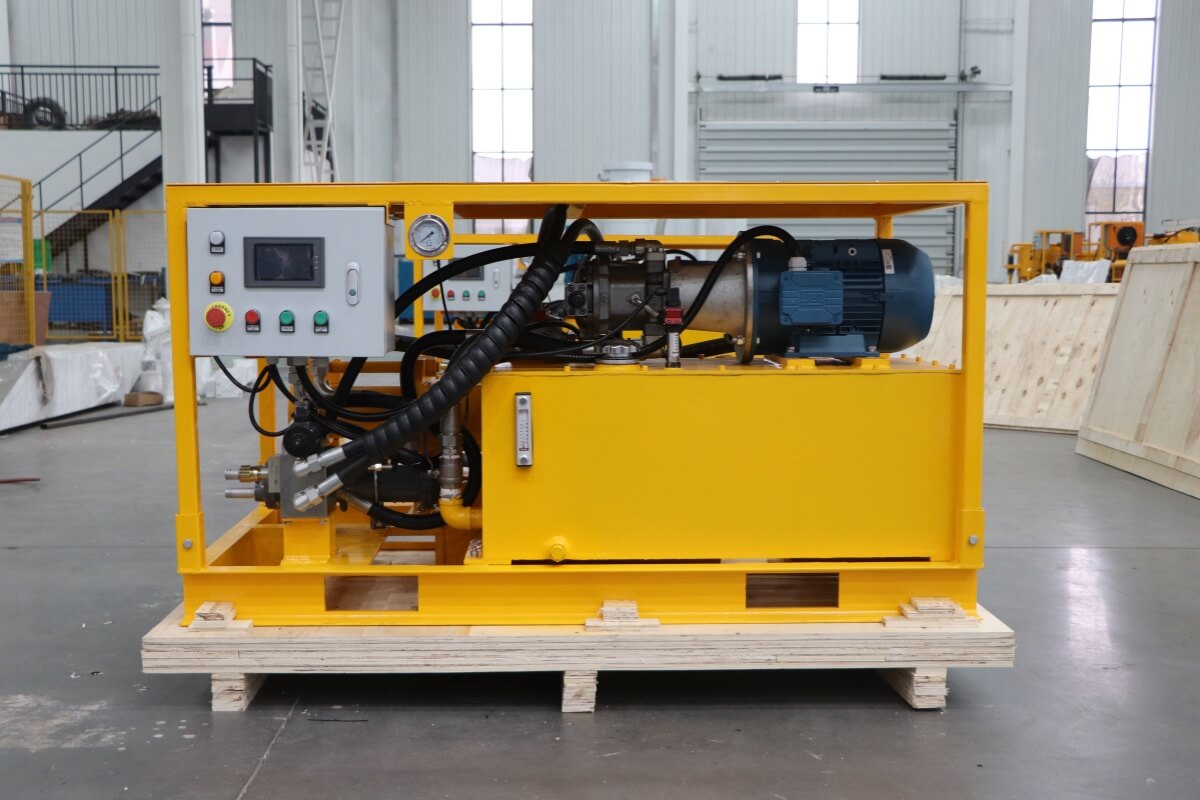
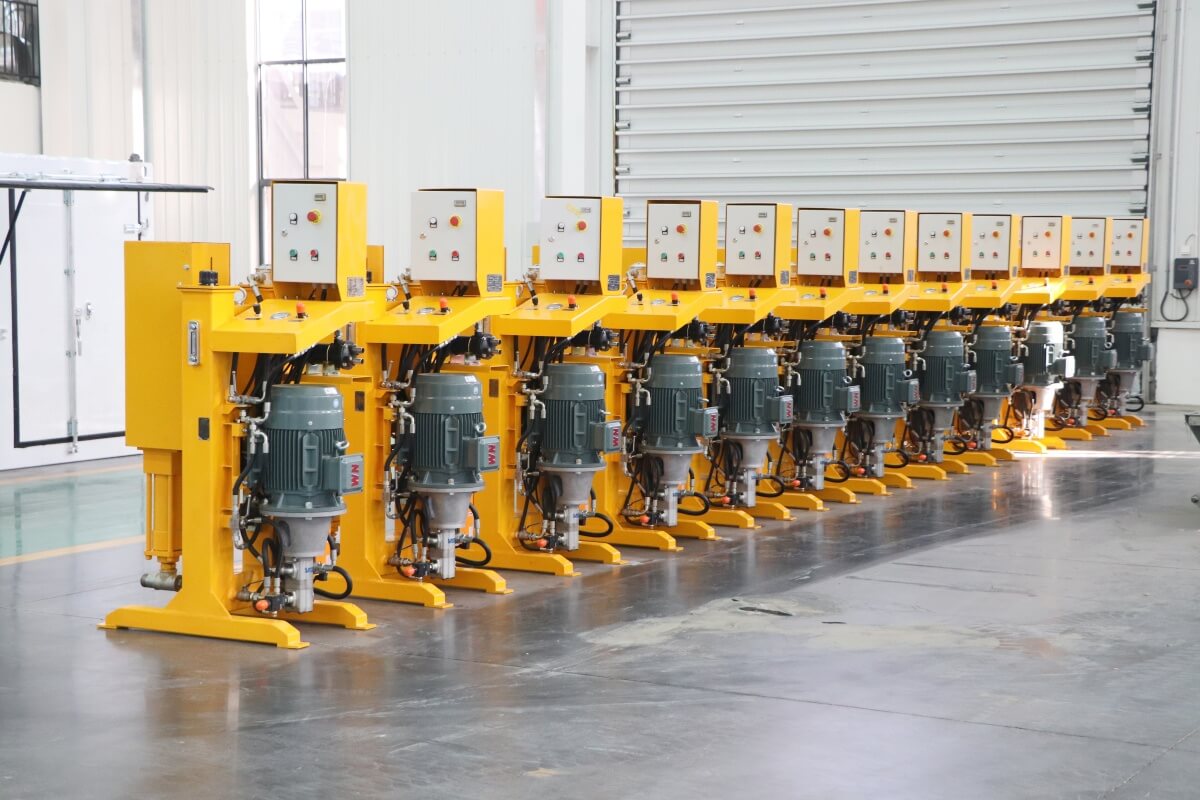
The High-Shear Colloidal Grout Mixer Pump Unit is an all-in-one grouting system primarily composed of a high-shear colloidal mixer, a storage/agitation tank, a grout pump, an electrical control system, pressure gauges, and connecting piping.
Compared to standard paddle-type mixers, the high-shear colloidal mixer creates rapid circulation of the grout mixture. Under the combined effects of shear, impact, and circulation, cement particles are thoroughly dispersed, enhancing grout uniformity and minimizing the formation of unmixed cement clumps.
Once mixed, the grout flows into a low-speed storage tank for continuous agitation before being pumped to the injection point at the required flow rate and pressure, enabling a continuous mixing and pumping workflow.
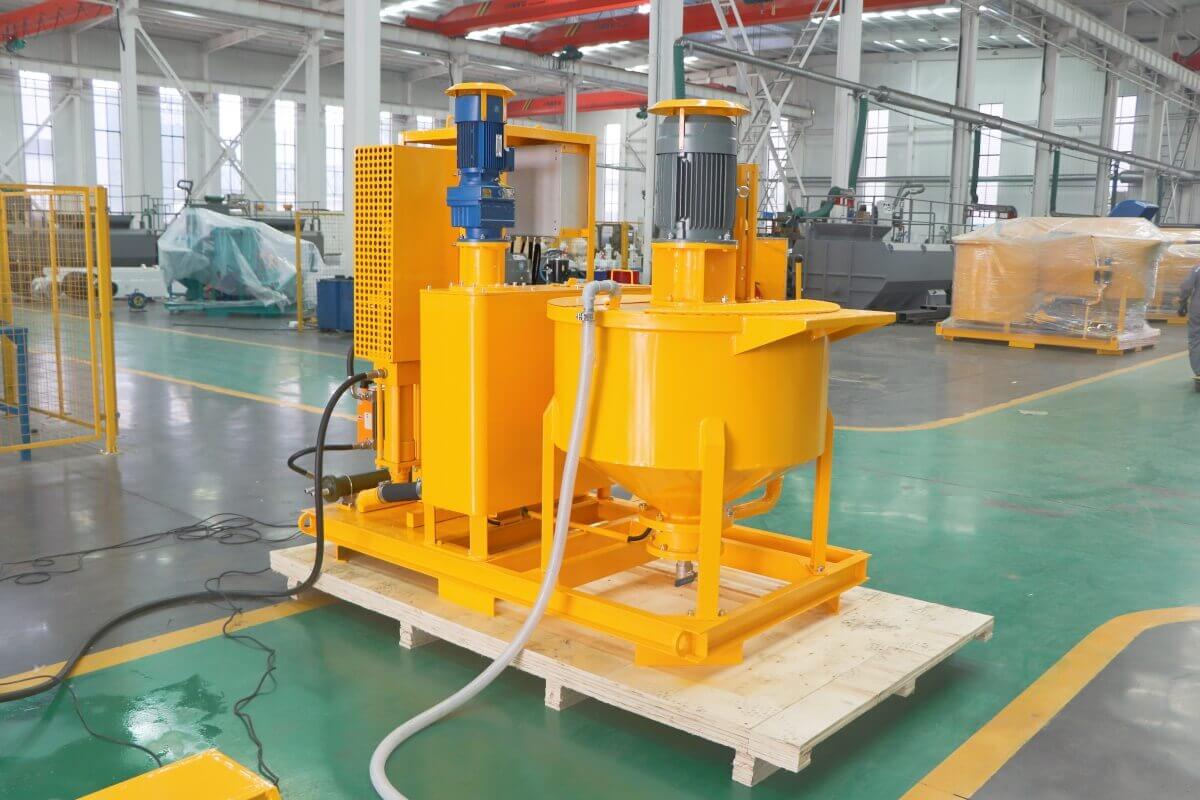
Advantages of High-Shear Colloidal Mixing Technology
The primary objective of high-shear mixing is not merely to blend water and cement, but to fully disperse solid particles, resulting in a highly uniform mixture.
This mixing method helps reduce the risk of sedimentation and segregation, making it easier to maintain a stable water-cement ratio. The resulting grout flows smoothly through delivery lines and penetrates soil voids, rock fissures, or the annular spaces around micropile boreholes.
A uniform grout mixture also mitigates issues such as unstable pump suction, pressure fluctuations, and pipeline blockages, thereby facilitating continuous operation. For projects requiring large grout volumes or strict mix proportions, high-shear colloidal mixing systems significantly improve grout preparation efficiency. Operational Workflow of the Integrated Mixer-Pump Unit
Before operation, the operator loads water, cement, and necessary additives into the mixer based on the specified water-cement ratio. The grout undergoes high-speed circulation and shearing to ensure thorough mixing; once it meets the required specifications, it is discharged into the storage and agitation tank.
The storage tank utilizes low-speed agitation to maintain grout homogeneity and prevent cement particles from settling while awaiting injection. Simultaneously, the colloidal mixer can begin preparing the next batch, ensuring a continuous and stable supply of grout to the injection pump.
The injection pump draws grout from the storage tank and delivers it through high-pressure hoses to the borehole or injection pipe. Operators can adjust the pumping speed based on pressure gauge readings, grout return conditions, and the designed injection volume. The injection operation concludes once the pressure or injection volume meets the construction requirements.
Configurable with Various Types of Injection Pumps
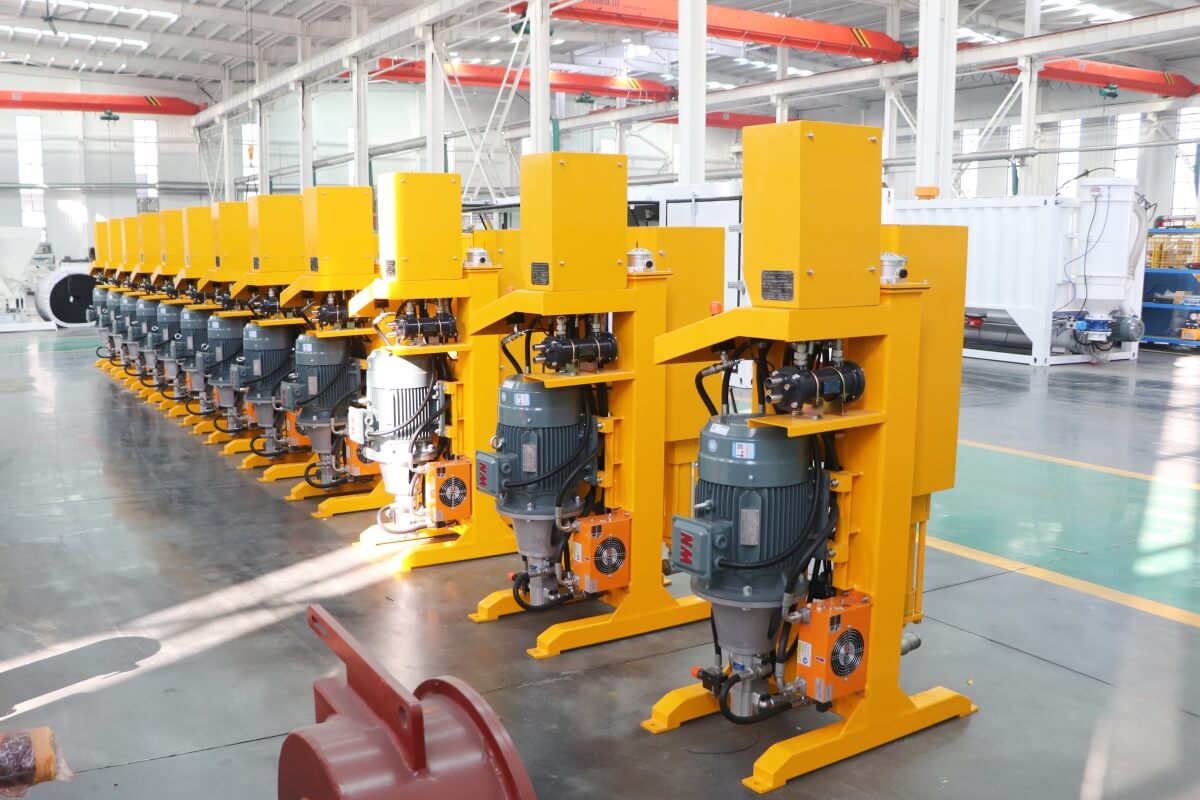
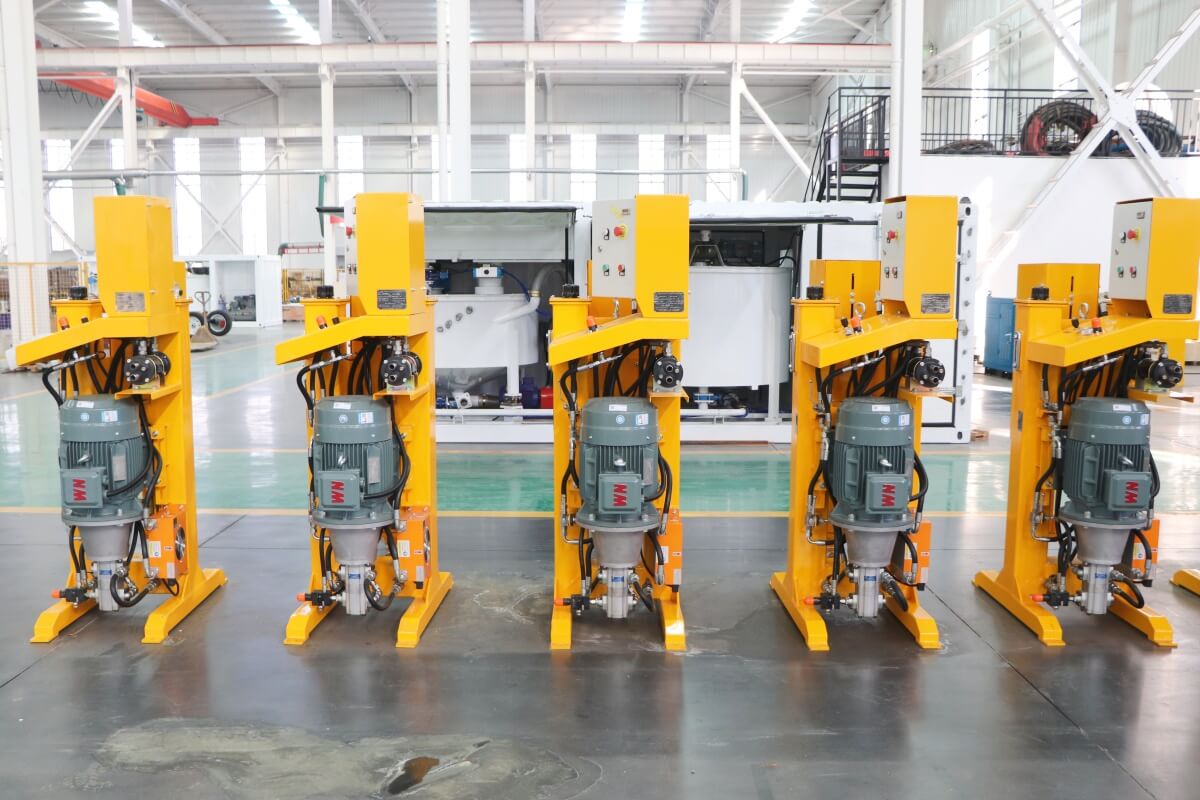
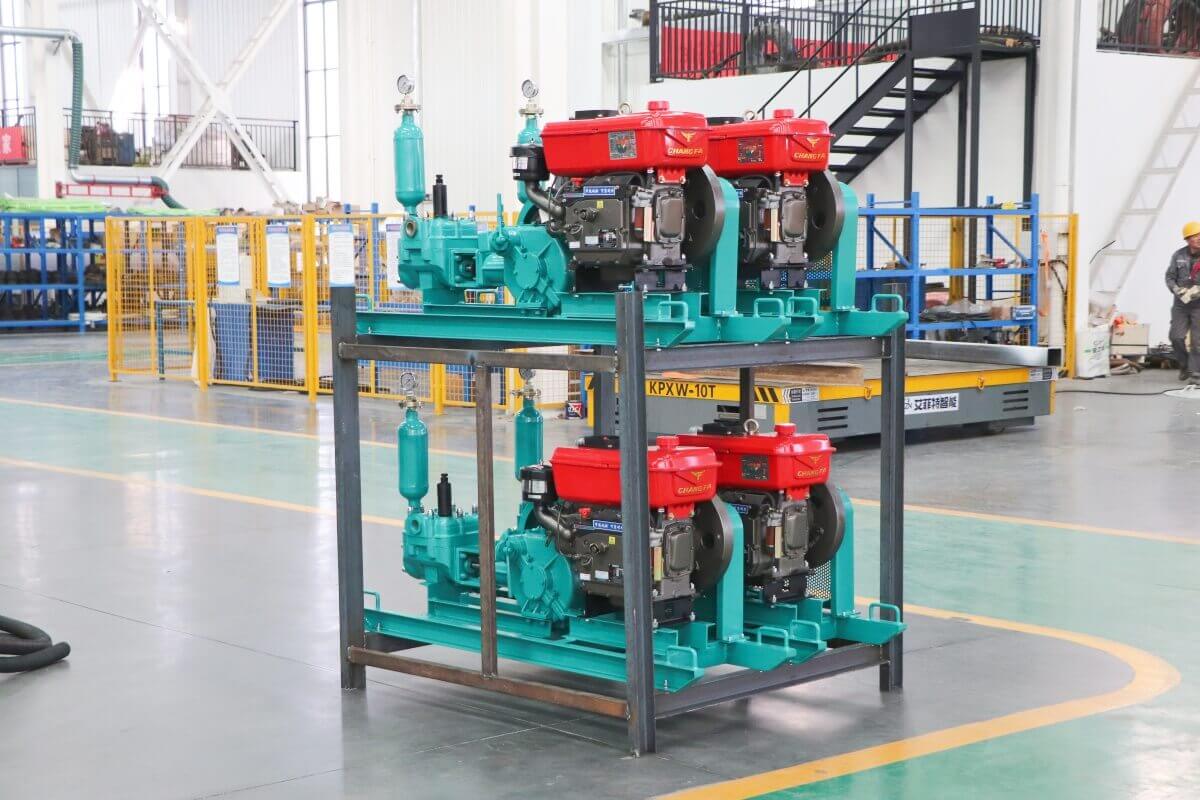
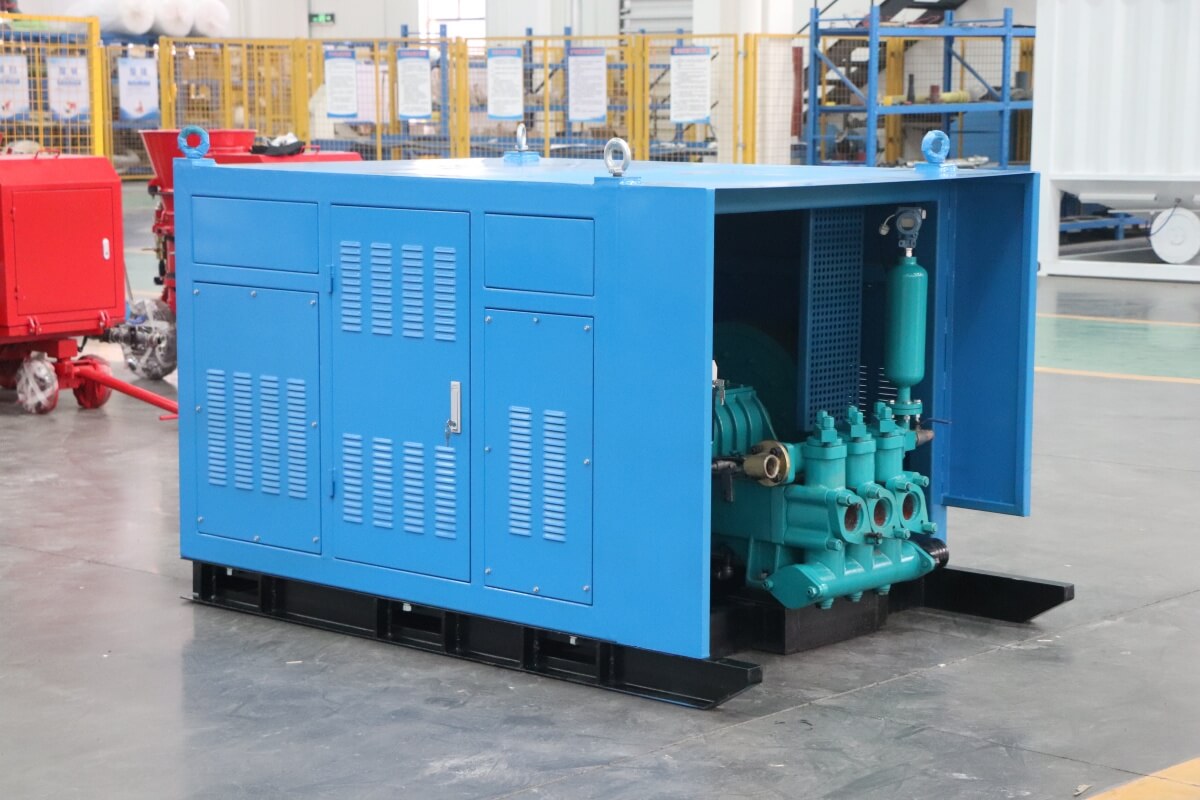
Depending on grout properties, operating pressure, and flow rate requirements, the colloidal grout mixer-pump unit can be configured with plunger pumps, piston pumps, screw pumps, or other suitable grout delivery equipment.
High-pressure, low-flow pumps are suitable for rock fissure grouting, anchor grouting, and high-pressure foundation reinforcement; medium-pressure, adjustable-flow pumps are appropriate for micropiles, pipe roofs, and general foundation grouting; projects requiring higher flow rates or handling high-viscosity grout necessitate pumps with greater delivery capacity.
When selecting equipment, it is essential to verify the grout’s water-cement ratio, viscosity, particle size, and setting time to ensure that the pump’s flow passages, sealing mechanisms, and output parameters are compatible with the materials used. Applications of the High-Shear Colloidal Grout Mixer Pump Unit
This equipment is suitable for a wide range of civil engineering and underground construction projects, including:
* Micropiling and bored piling;
* Tunnel backfilling and consolidation grouting;
* Reinforcement of mine roadways and rock fissures;
* Dam foundation and curtain grouting;
* Grouting for rock bolts, anchors, and pipe roofs;
* Bridge and building foundation repair;
* Stabilization of weak strata and void filling;
* Waterproofing and leakage control in underground projects.
By swapping out the grout pump, adjusting mixing capacity, or adding automatic metering devices, the same unit can be adapted to various grout formulations and construction environments.
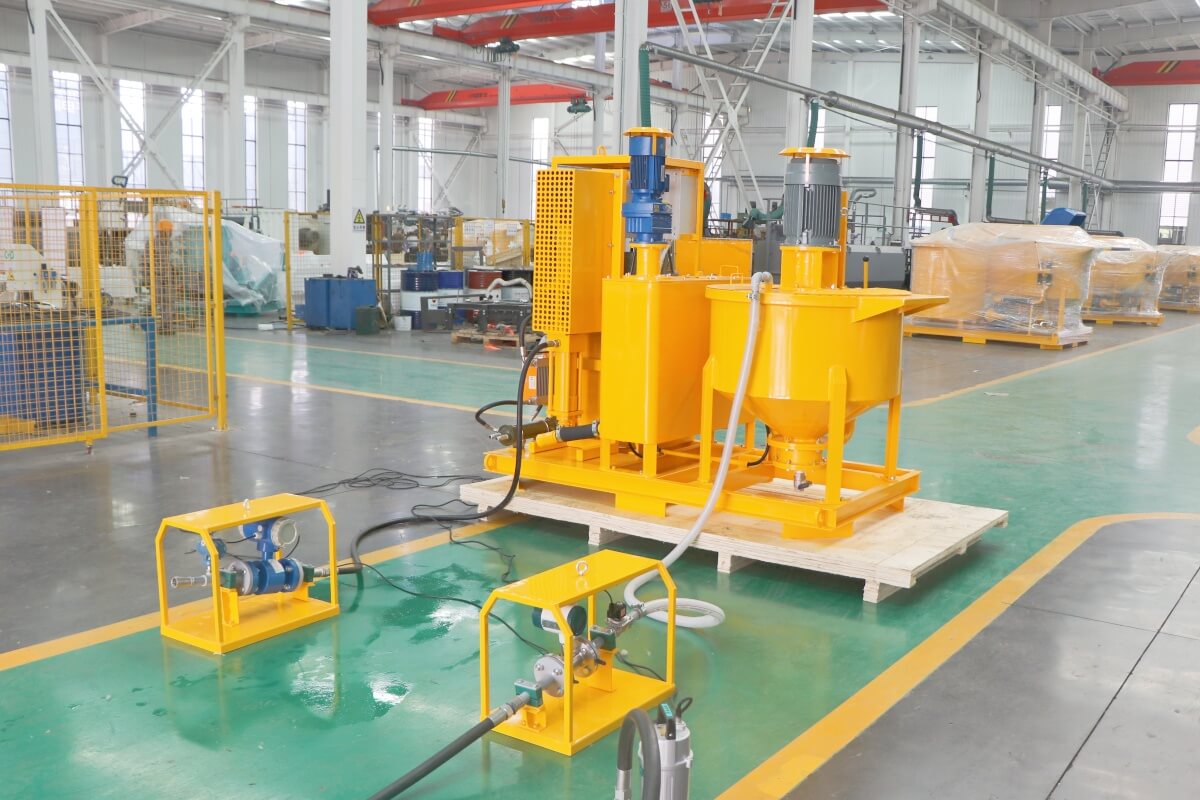
How to Select the Right Colloidal Grout Mixer Pump Unit
When selecting equipment, the first step is to determine the required batch mixing volume and the hourly grout demand. Insufficient mixer capacity may cause the grout pump to idle while waiting for supply, whereas excessive capacity can lead to larger equipment dimensions and higher on-site installation costs.
The grout storage tank should provide sufficient buffer capacity to ensure a continuous workflow between mixing and injection. The grout pump’s maximum flow rate and working pressure must be matched to the borehole depth, grouting distance, formation resistance, and specific construction method.
Additionally, factors such as power source, equipment dimensions, mobility, control systems, and cleaning/maintenance requirements should be considered. Compact, skid-mounted units are ideal for space-constrained tunnels or underground projects, while diesel or hydraulic power configurations are suitable for sites lacking a stable power supply.
Gaodetec: A Professional Manufacturer of Grouting Equipment
Gaodetec Equipment is a specialized manufacturer of grouting equipment, offering high-shear colloidal mixers, grout agitators, high-pressure grout pumps, automatic grouting systems, and complete grout mixer-pump units.
We can configure and customize equipment based on specific client requirements regarding mixing capacity, storage volume, pumping flow rate, injection pressure, grout type, and power source. Our products are widely used in projects involving micropiling, tunneling, mining, dam construction, bridge work, and foundation reinforcement. If you are looking for a stable and efficient high-shear colloidal grout mixer-pump unit, please provide Gaodetec Equipment with details regarding the grout mix design, required flow rate, maximum pressure, and application scenario; we will then recommend the appropriate equipment model and a comprehensive grouting solution for your project.