Cement bentonite grout mixing plant
A cement bentonite grout mixing plant is a specialized system designed to produce homogeneous, stable slurries used primarily in geotechnical and civil engineering applications such as: Slurry walls (diaphragm walls), groundwater cutoff, tunneling and shaft sealing, landfill containment barriers, and soil nailing and ground improvement. Working Principle: Premixing Stage: Bentonite and water are thoroughly dispersed under low-speed stirring to form a colloidal solution.
Main Mixing Stage: Cement and additives are added, and homogeneous mixing is achieved through high-speed shear mixing.
Transportation and Storage: The mixed slurry is transported to the construction site via a pumping system or temporarily stored in mixing tanks to maintain its fluidity.
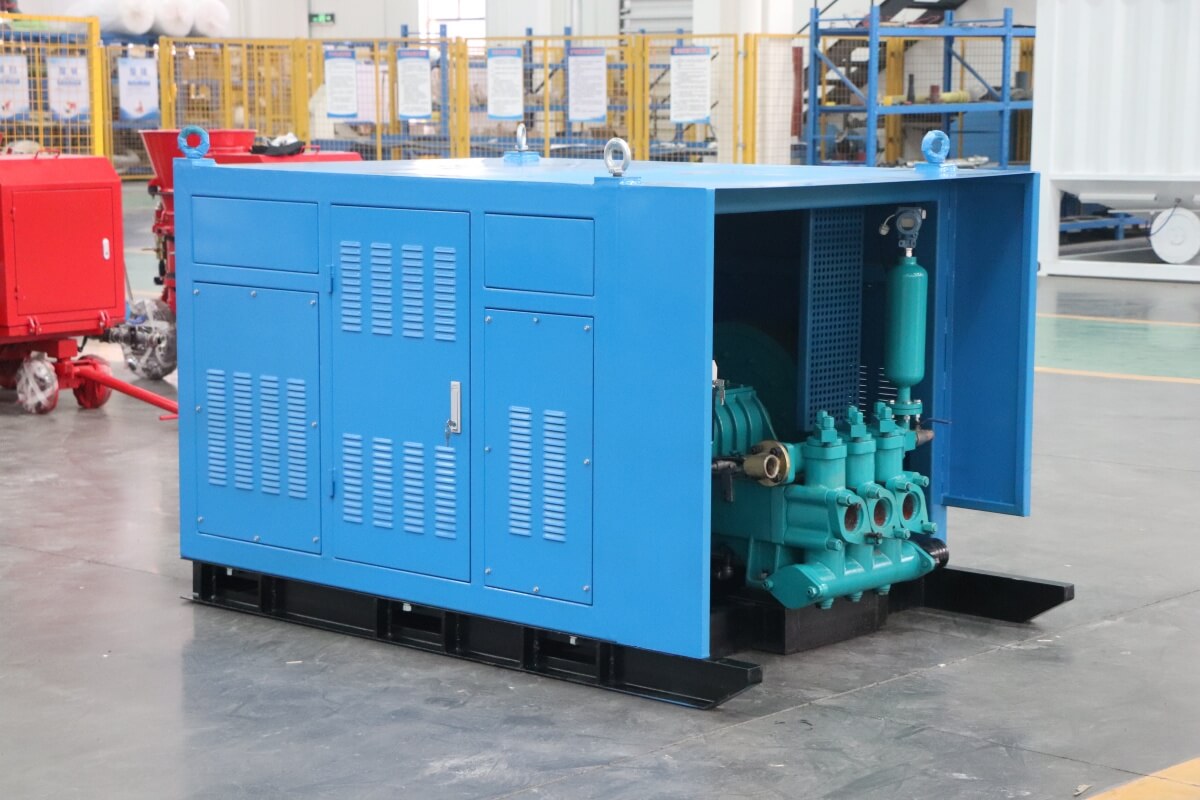
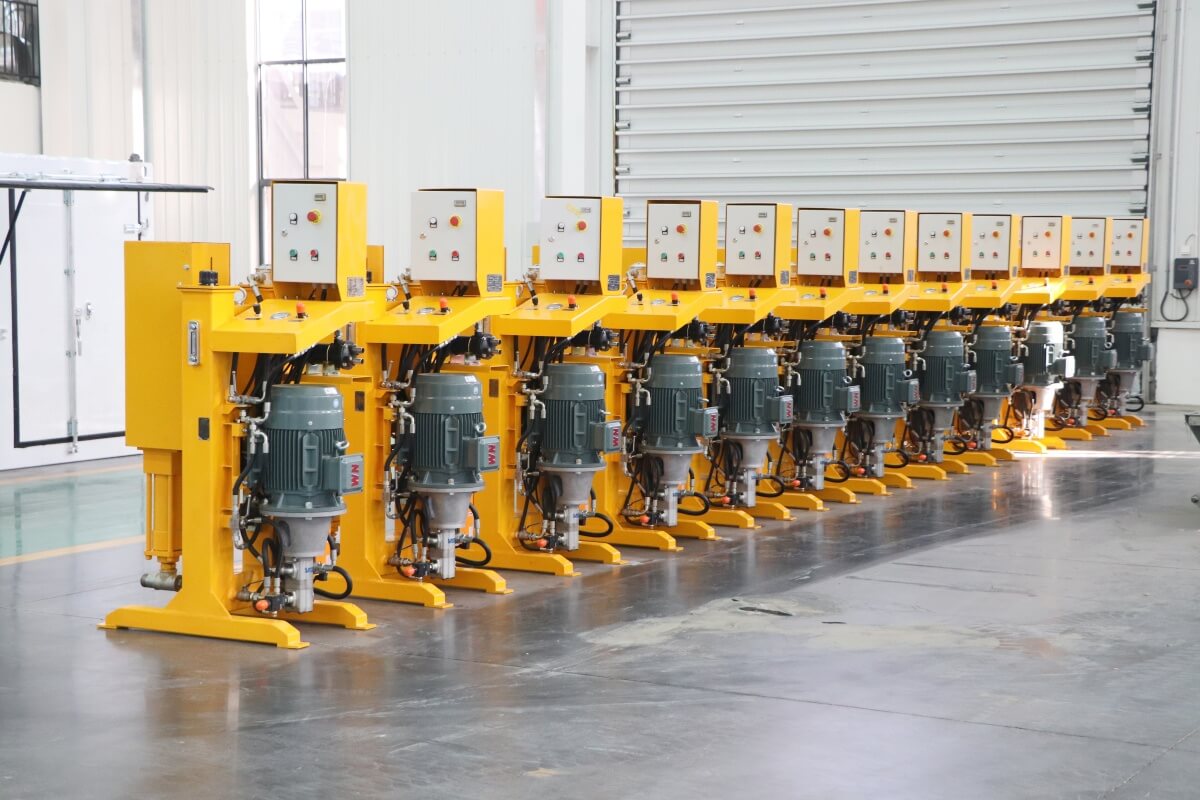
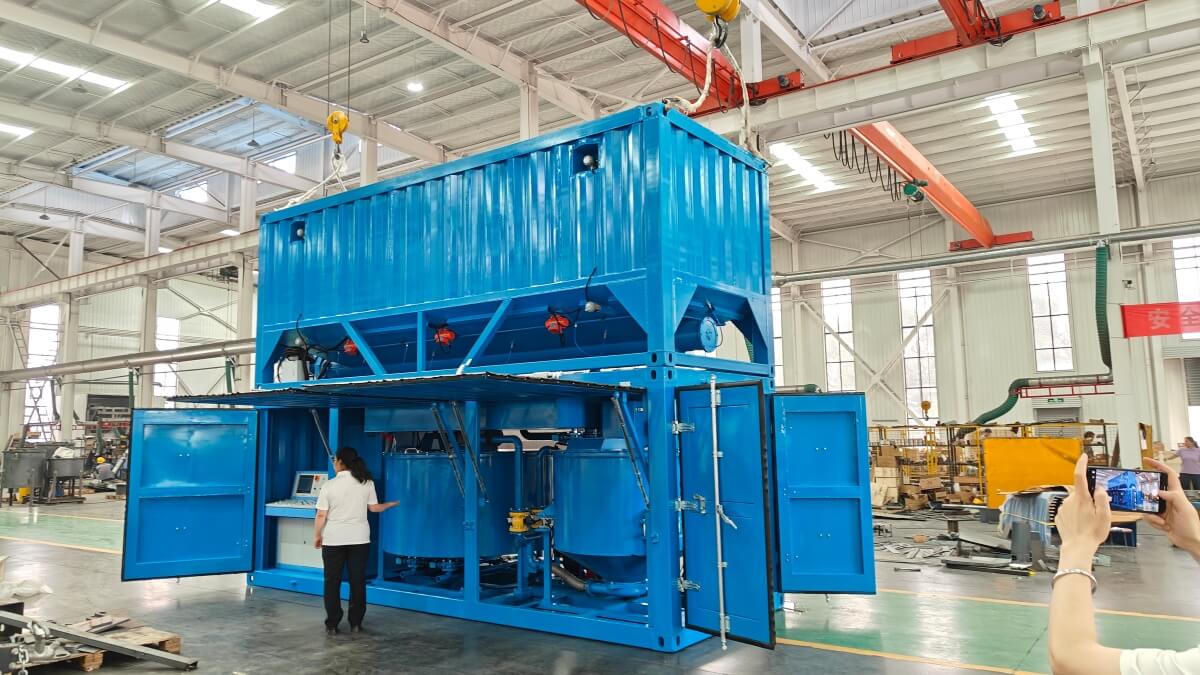
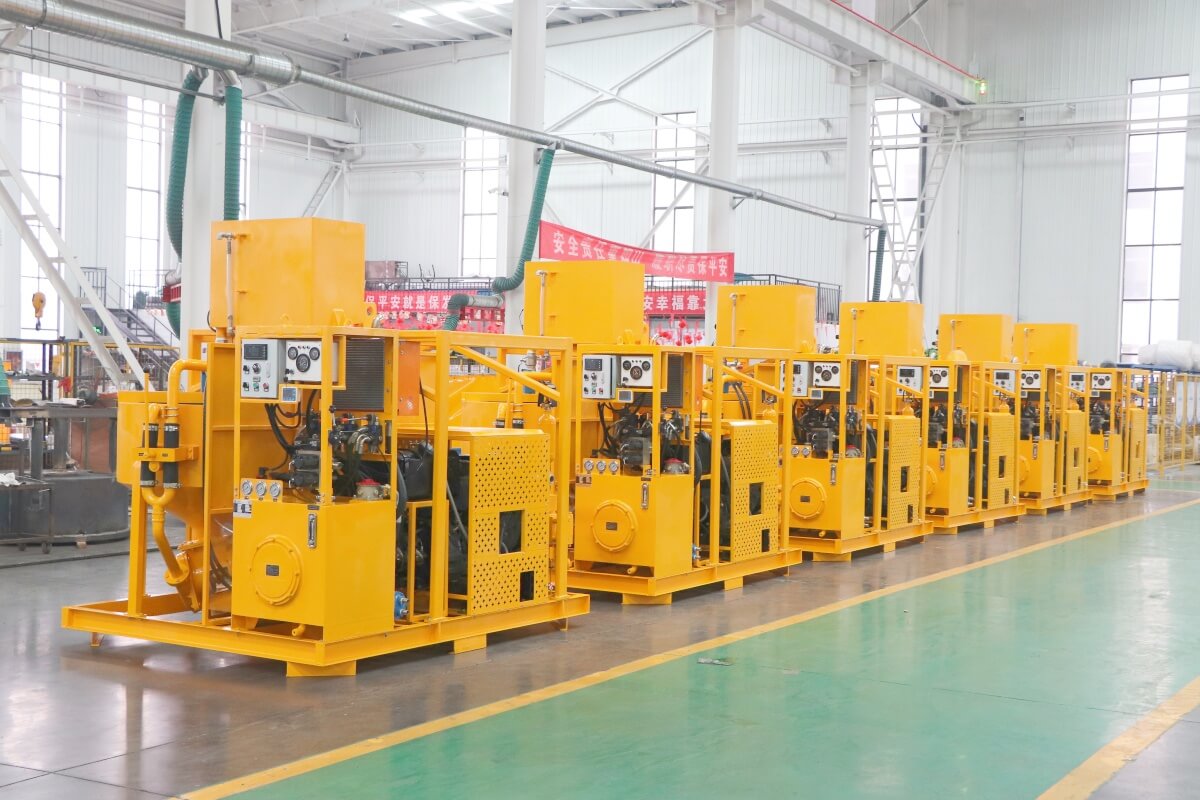
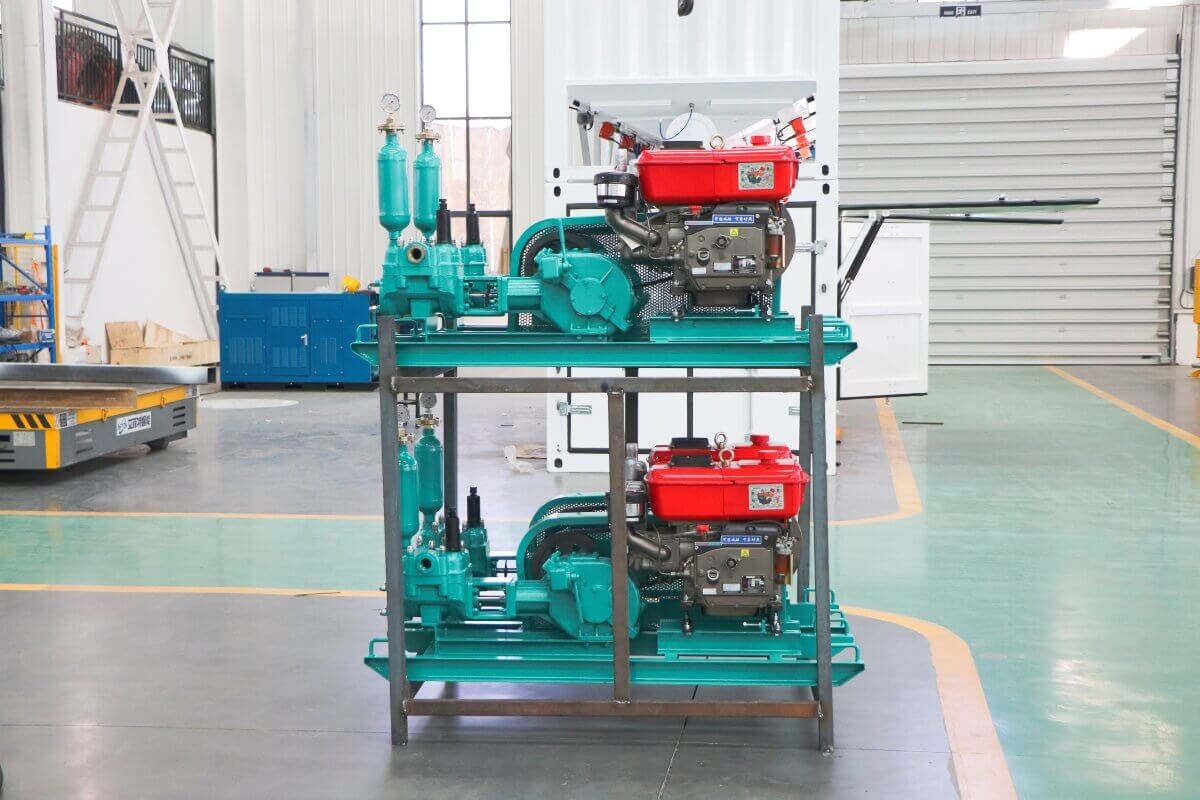
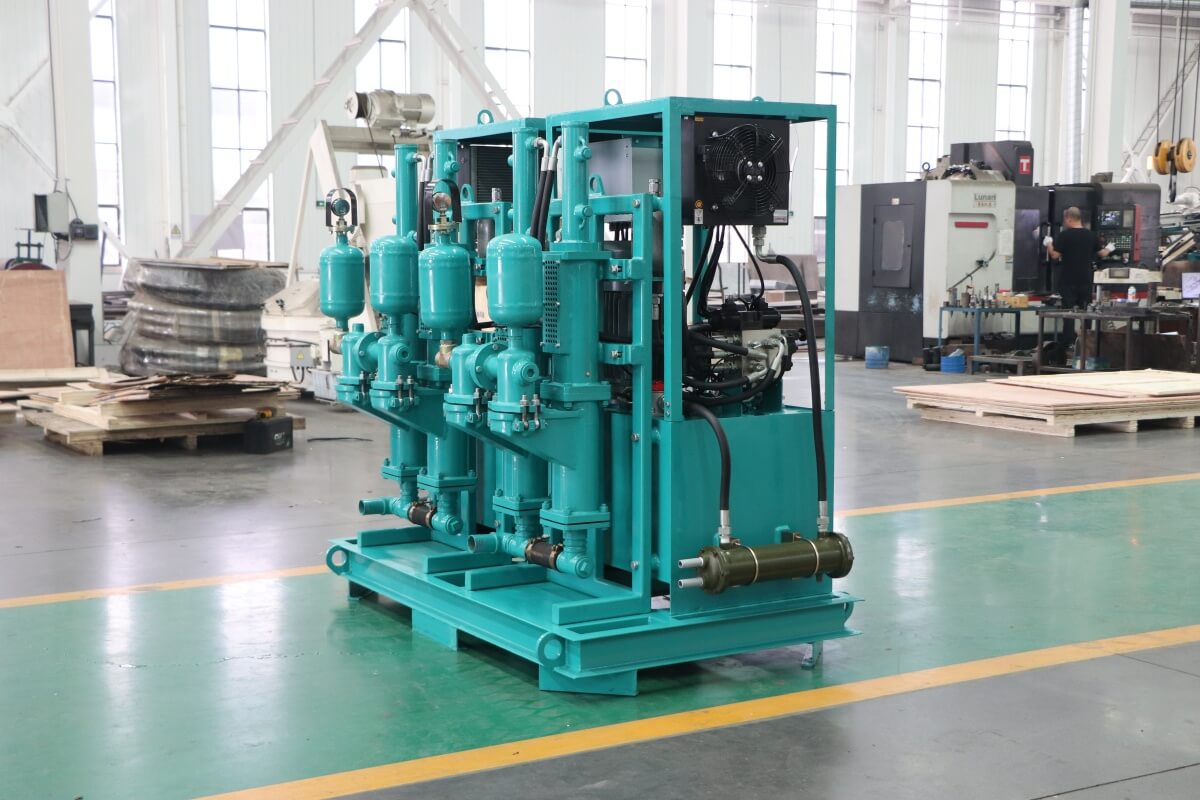
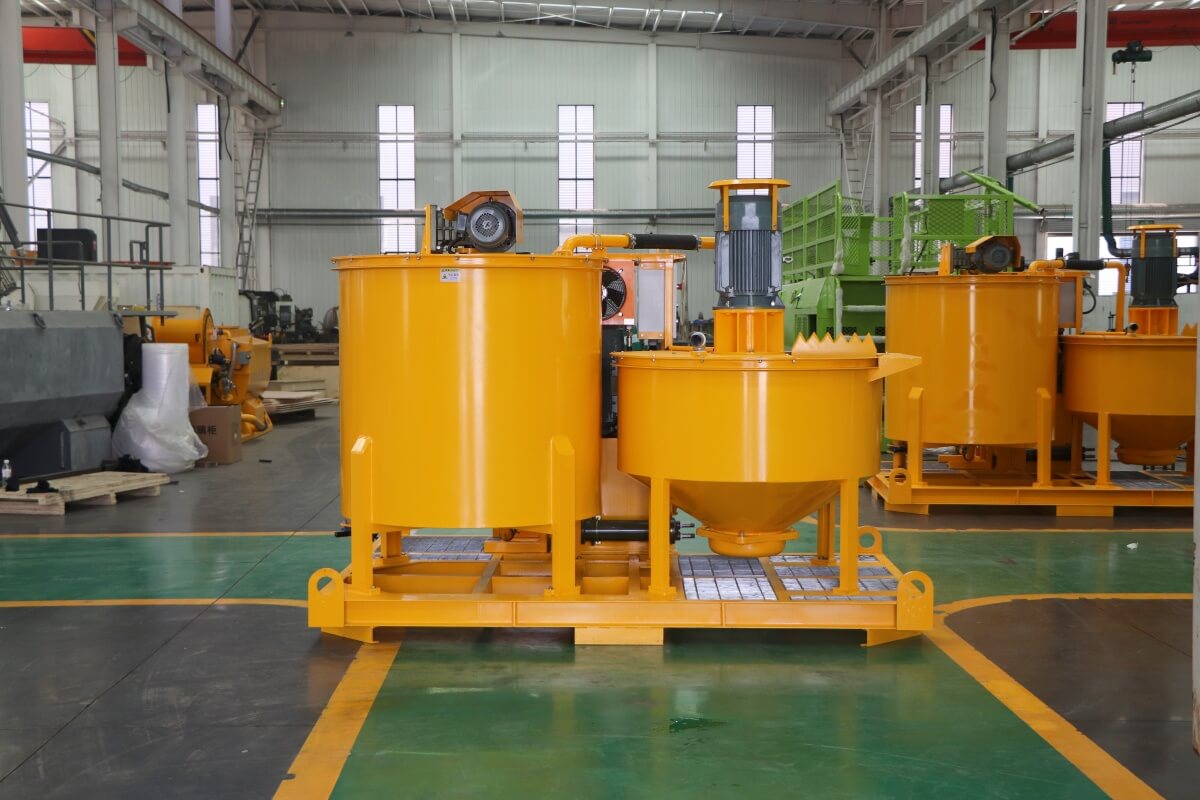
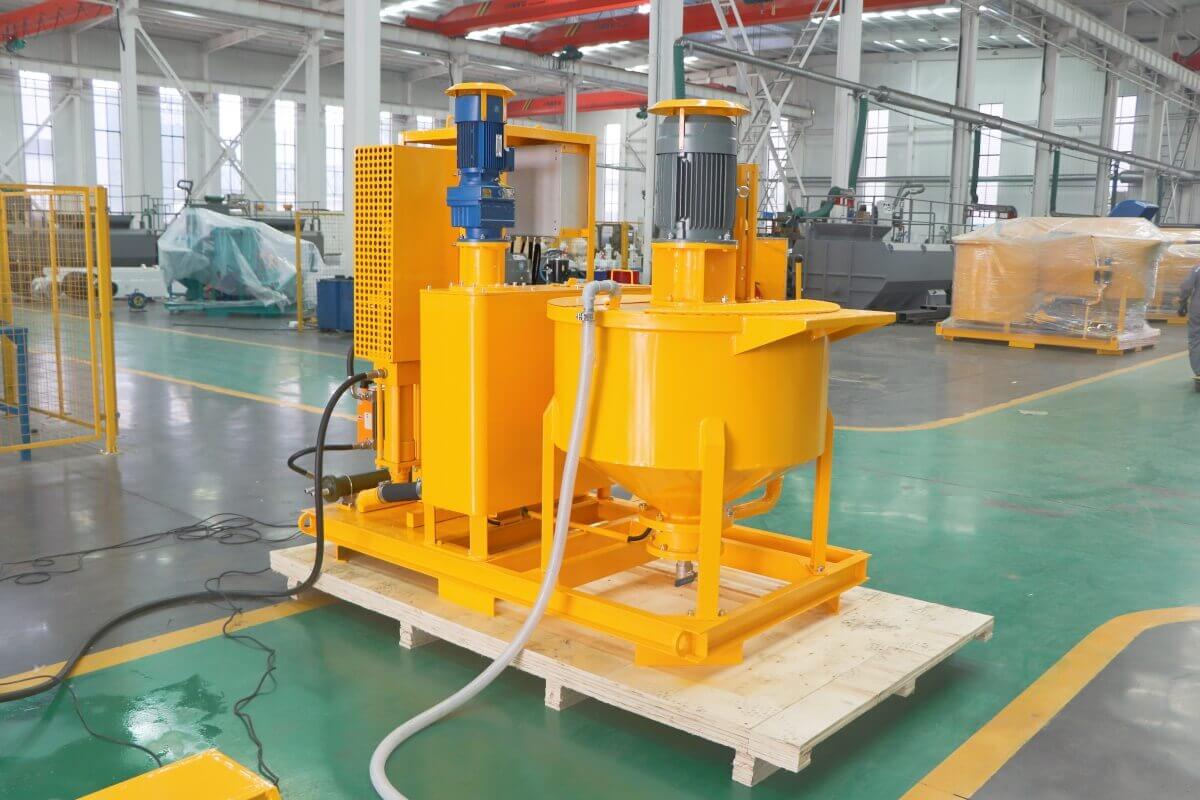
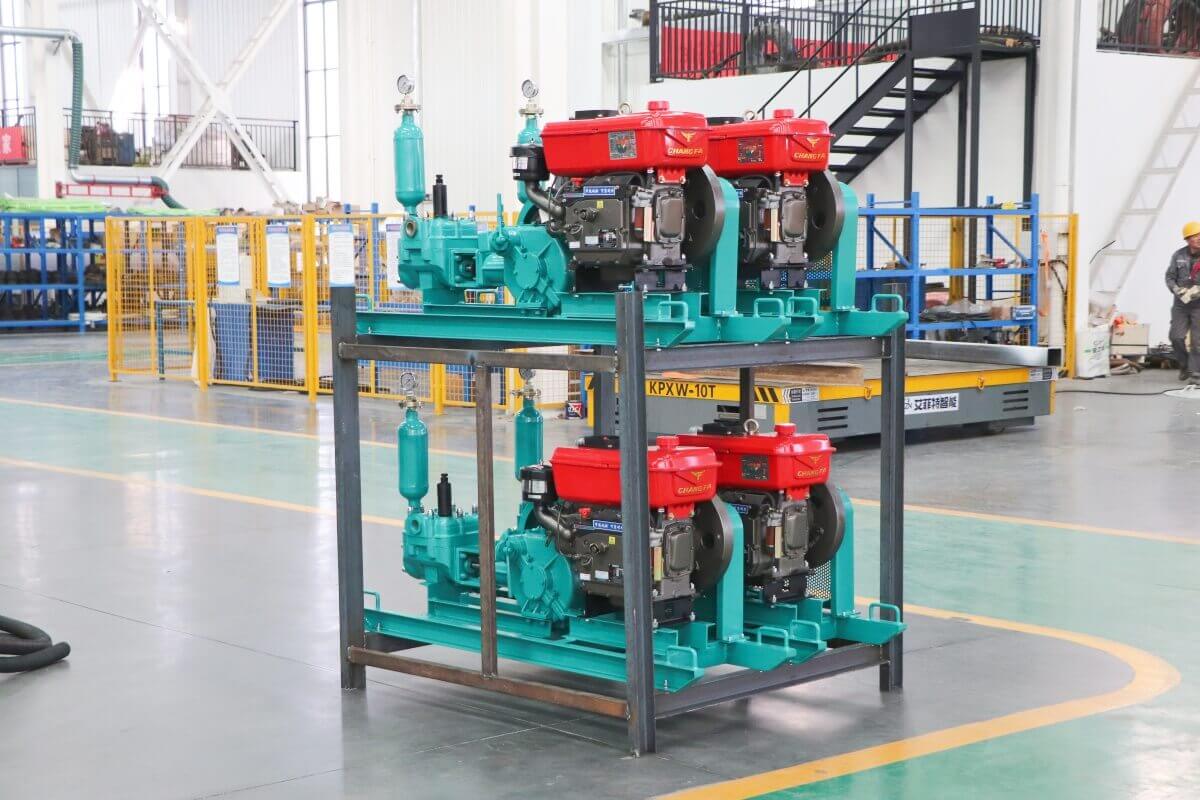
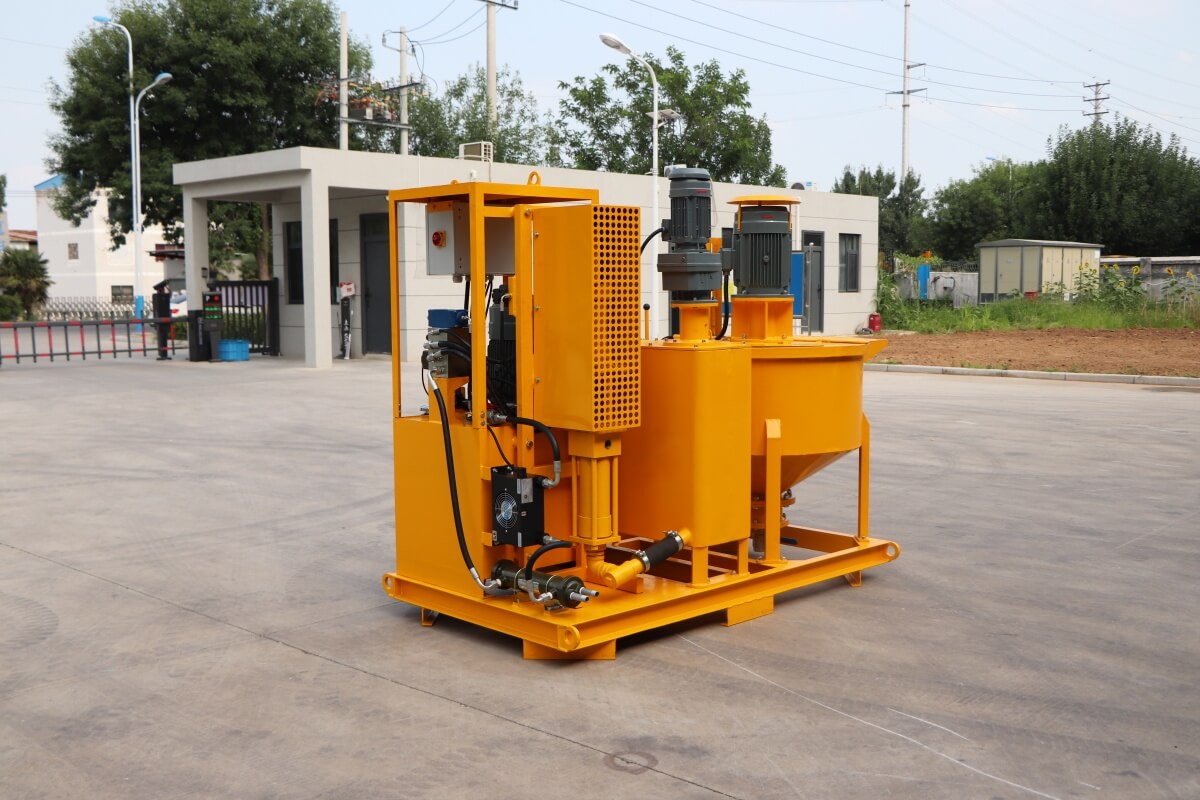
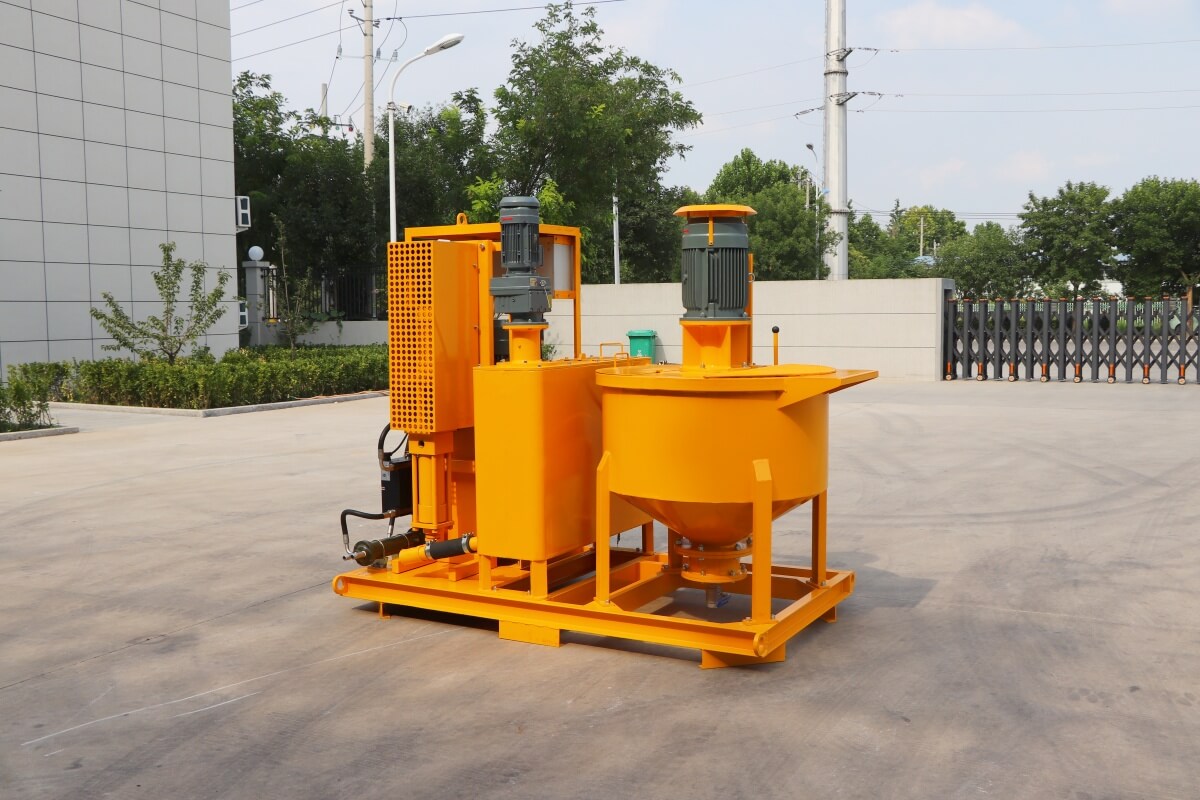
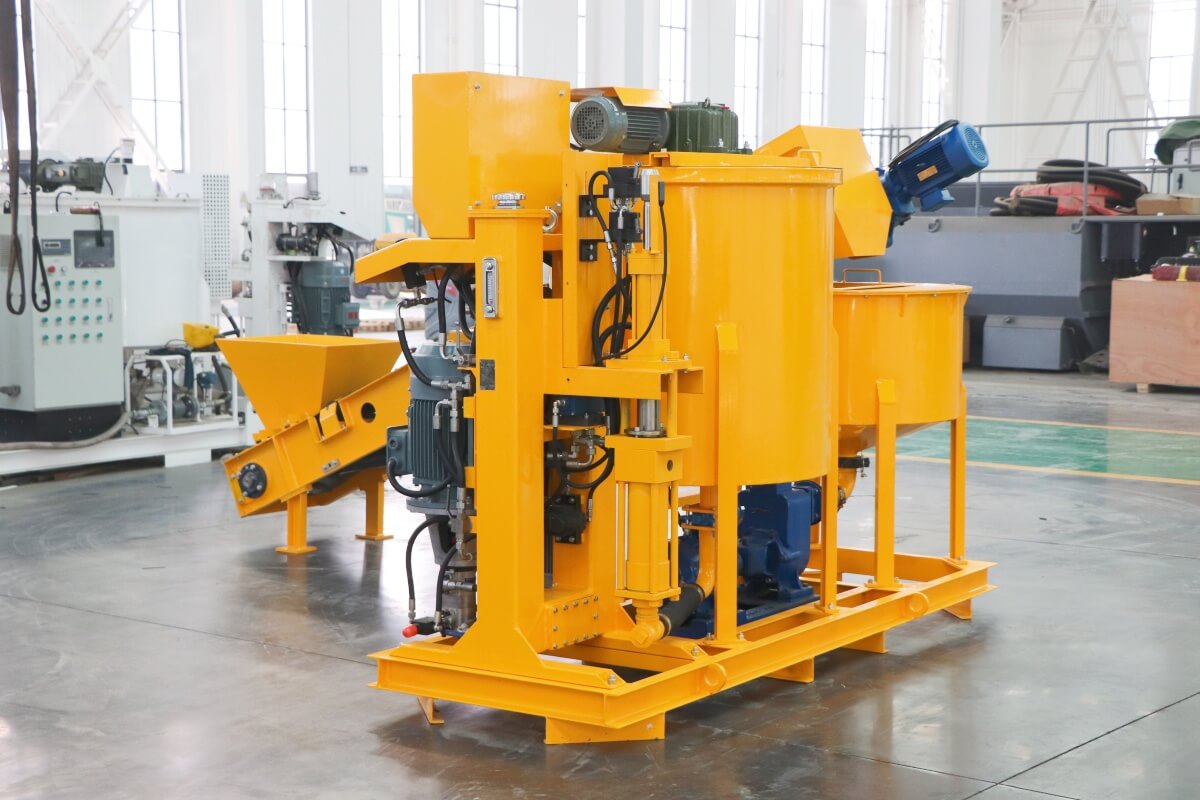
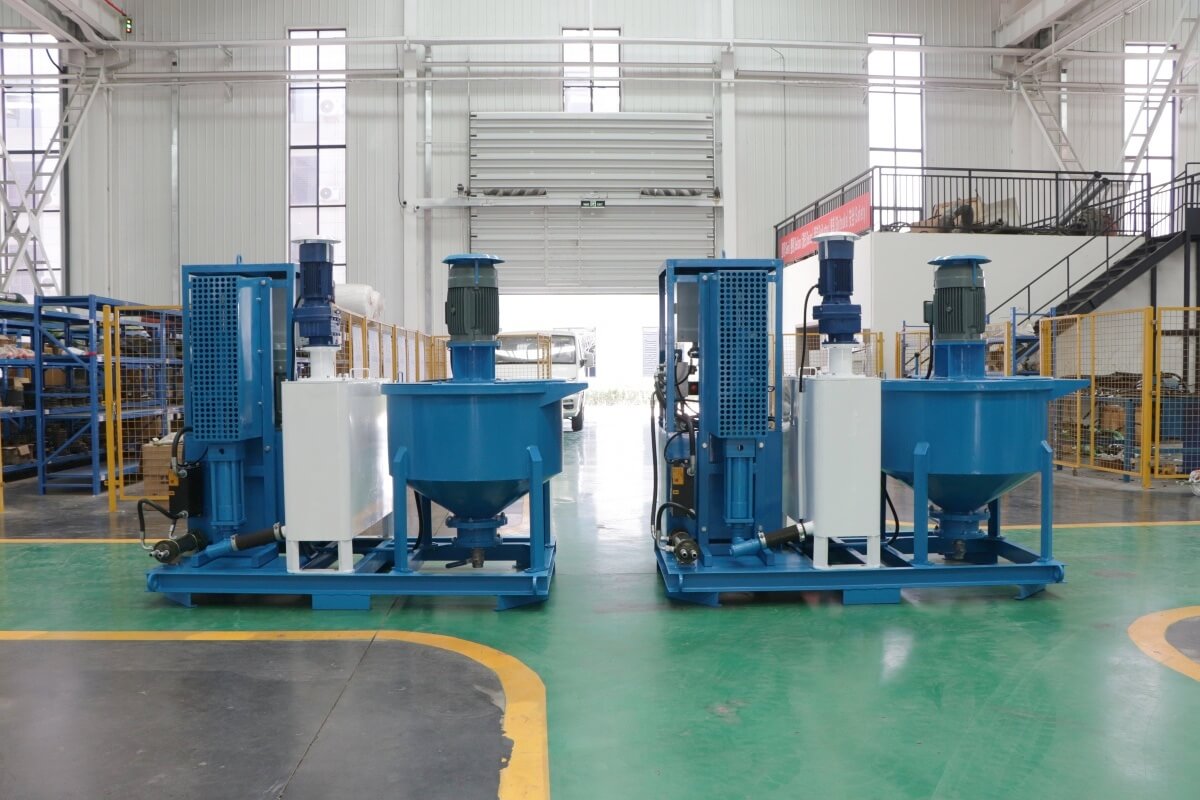
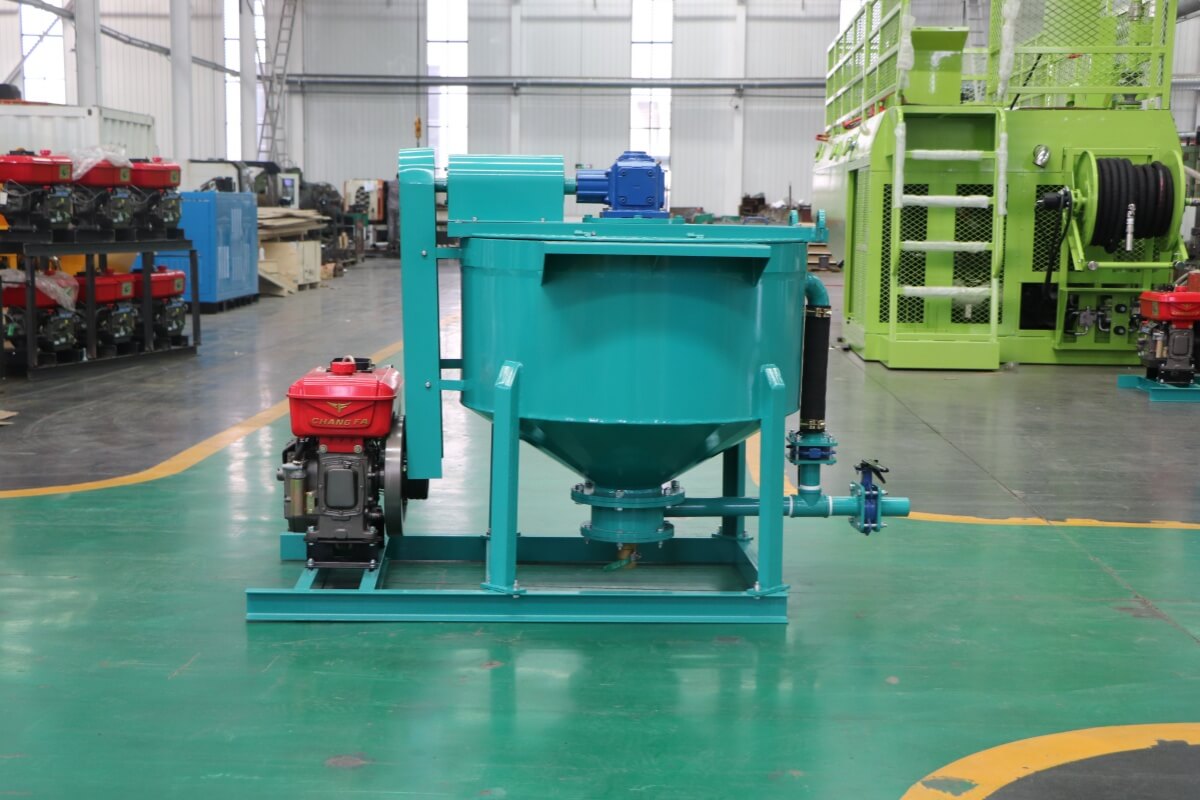
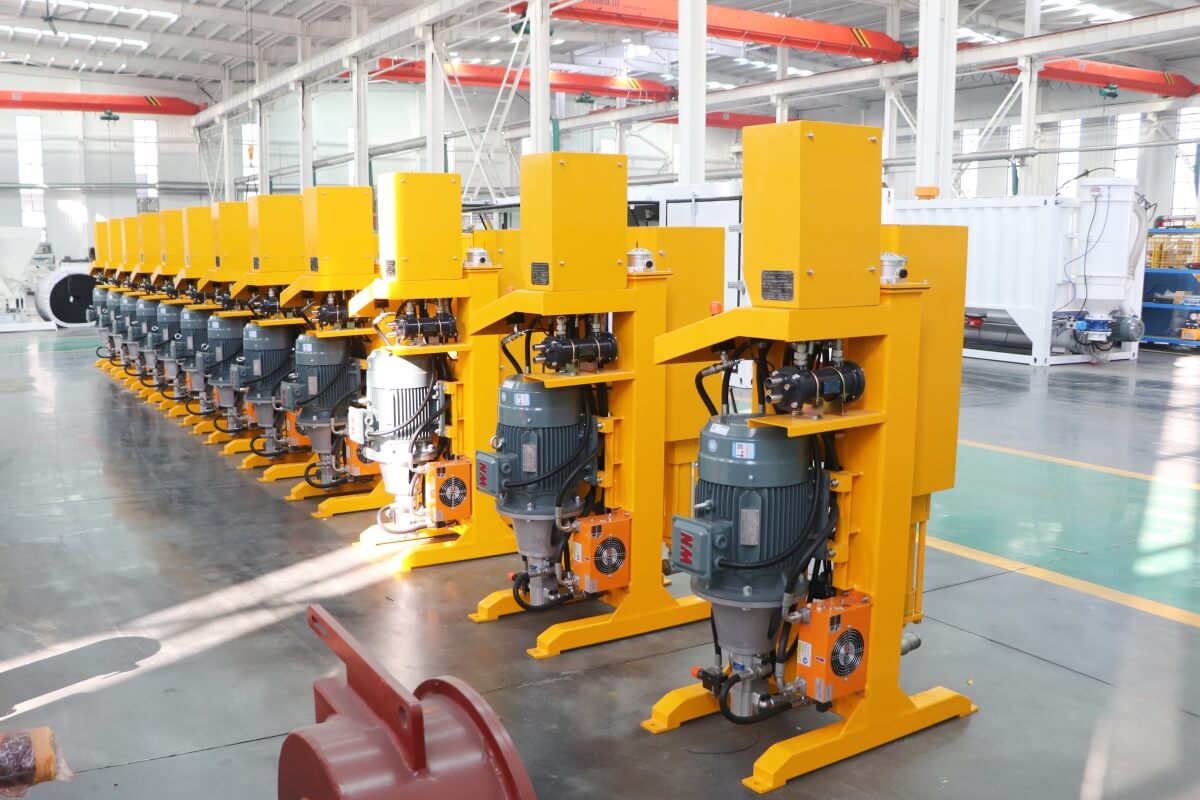
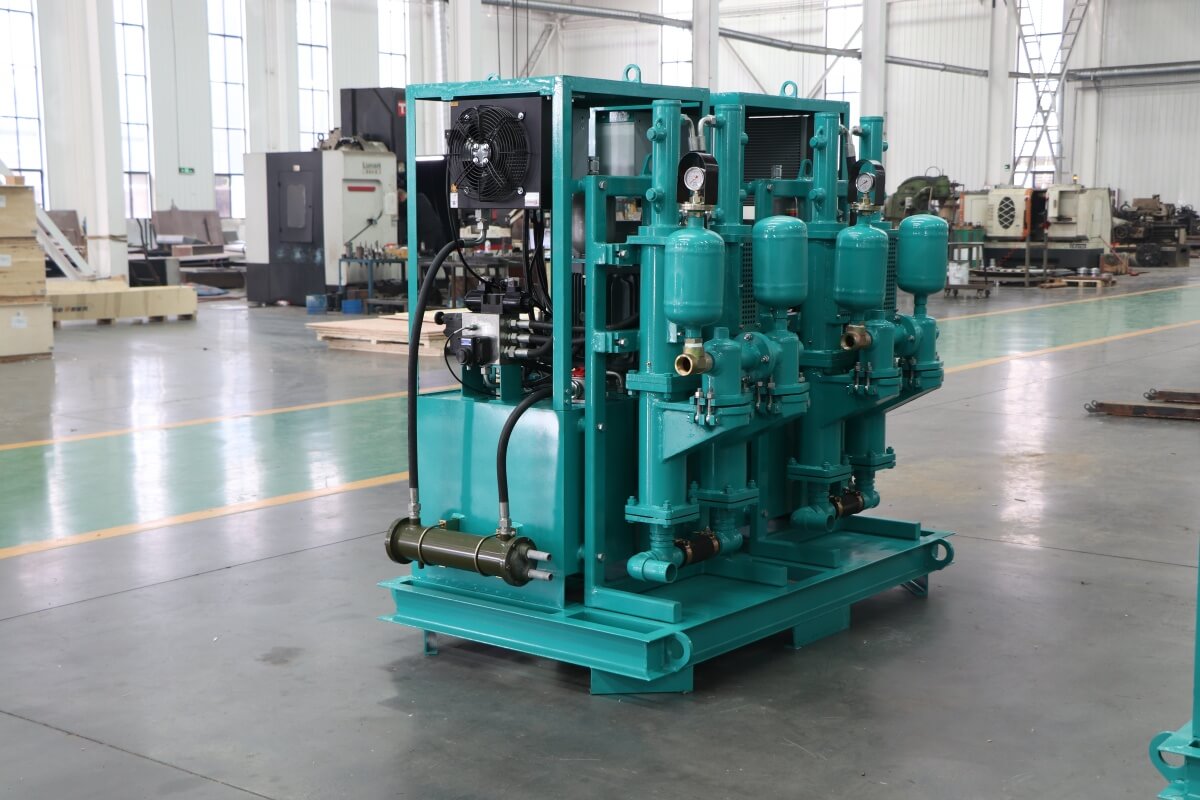
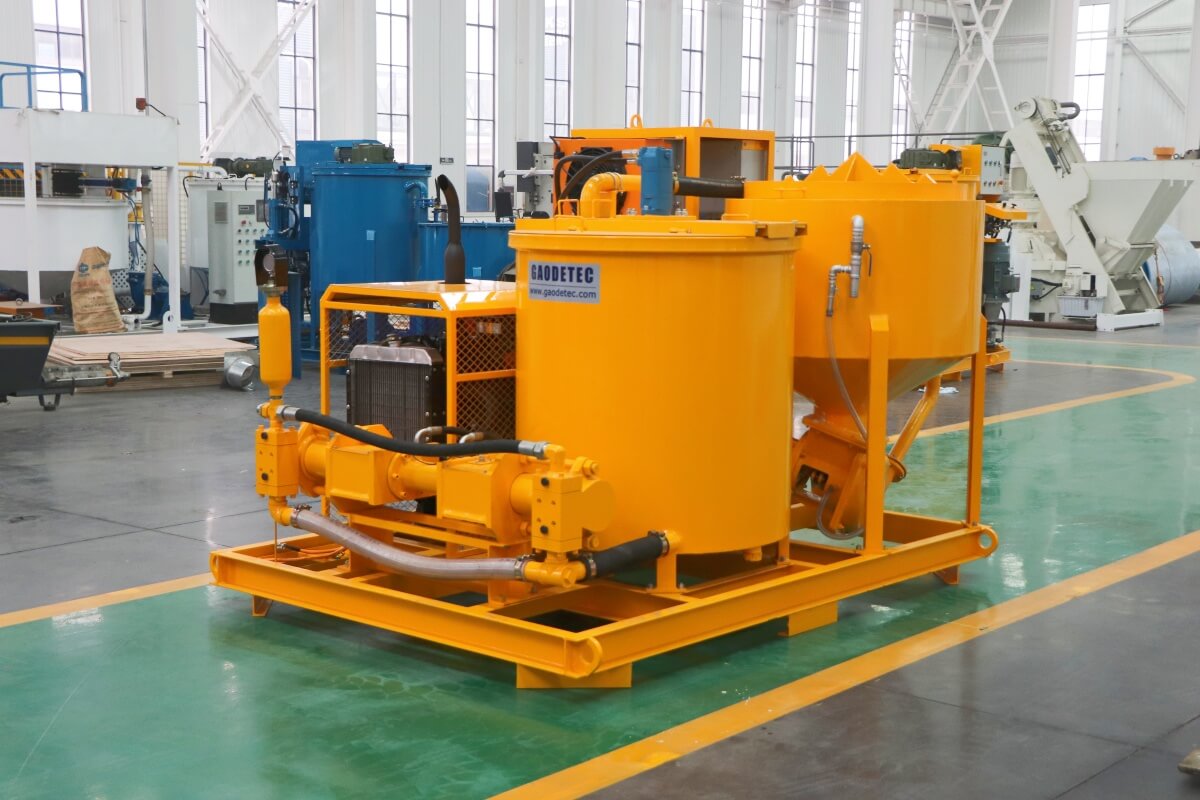
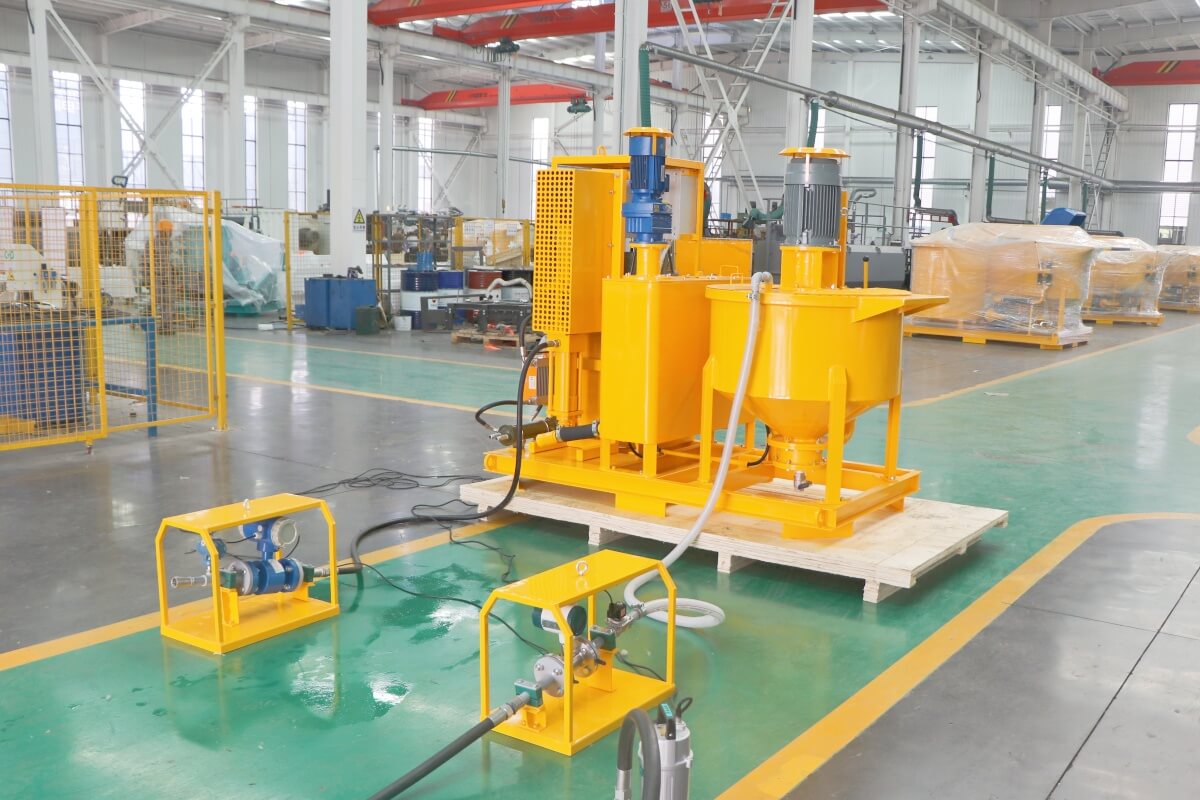
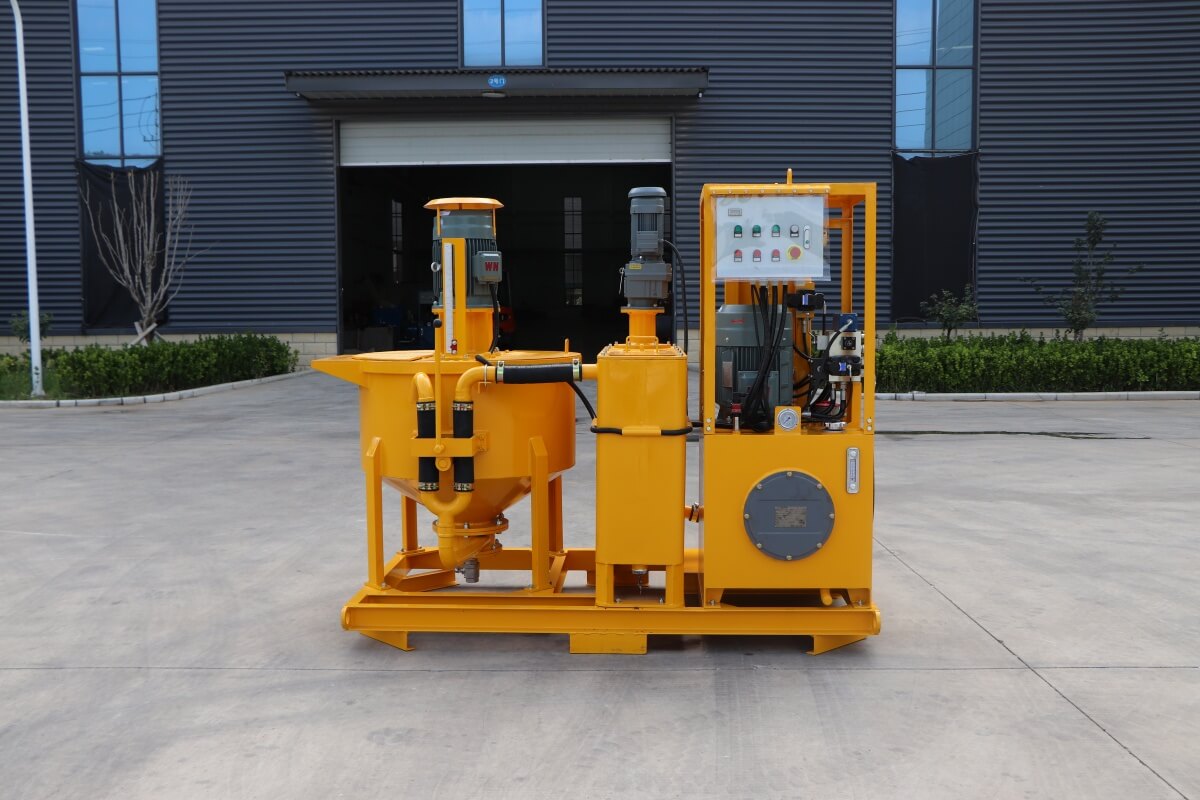
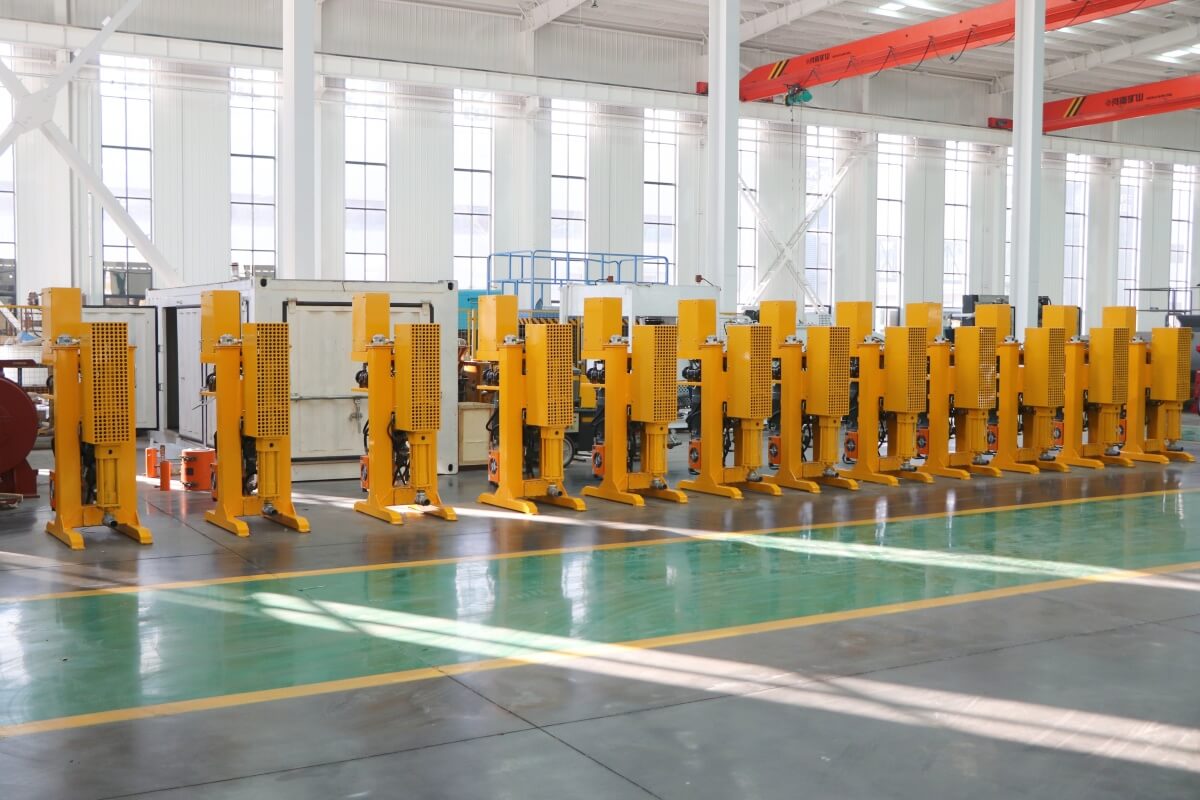
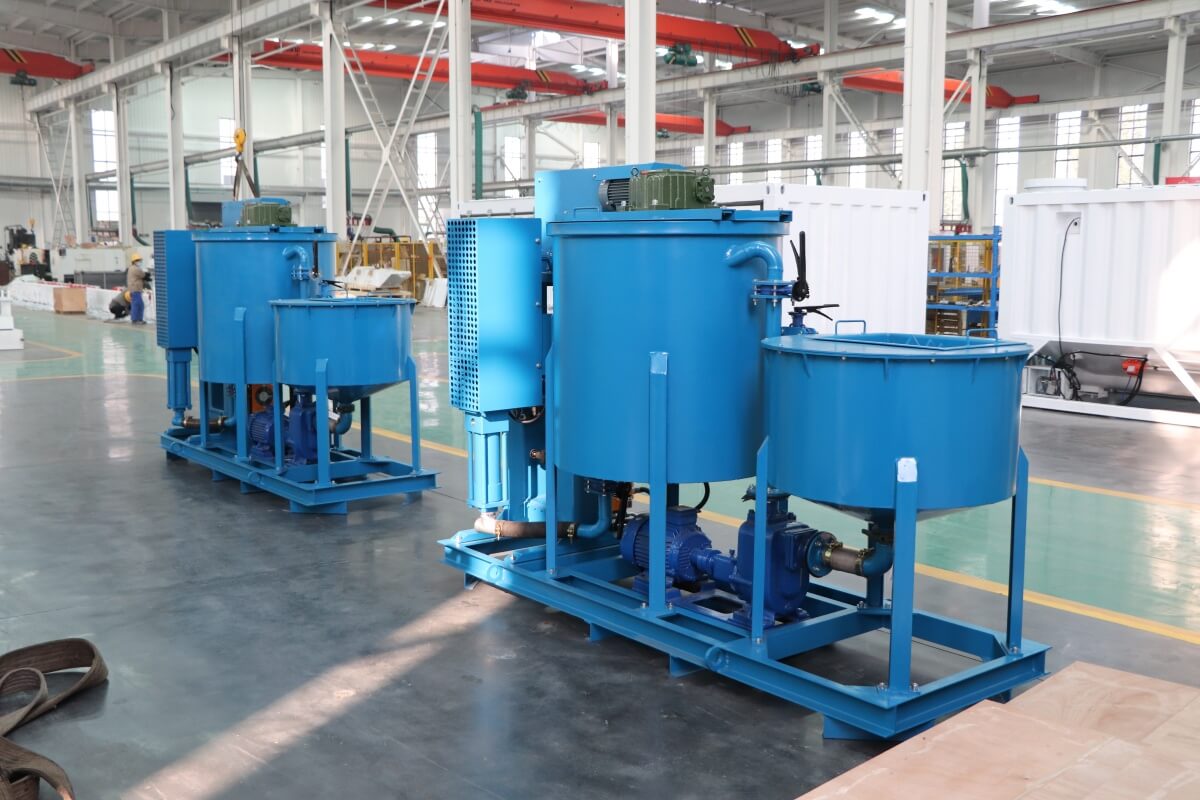
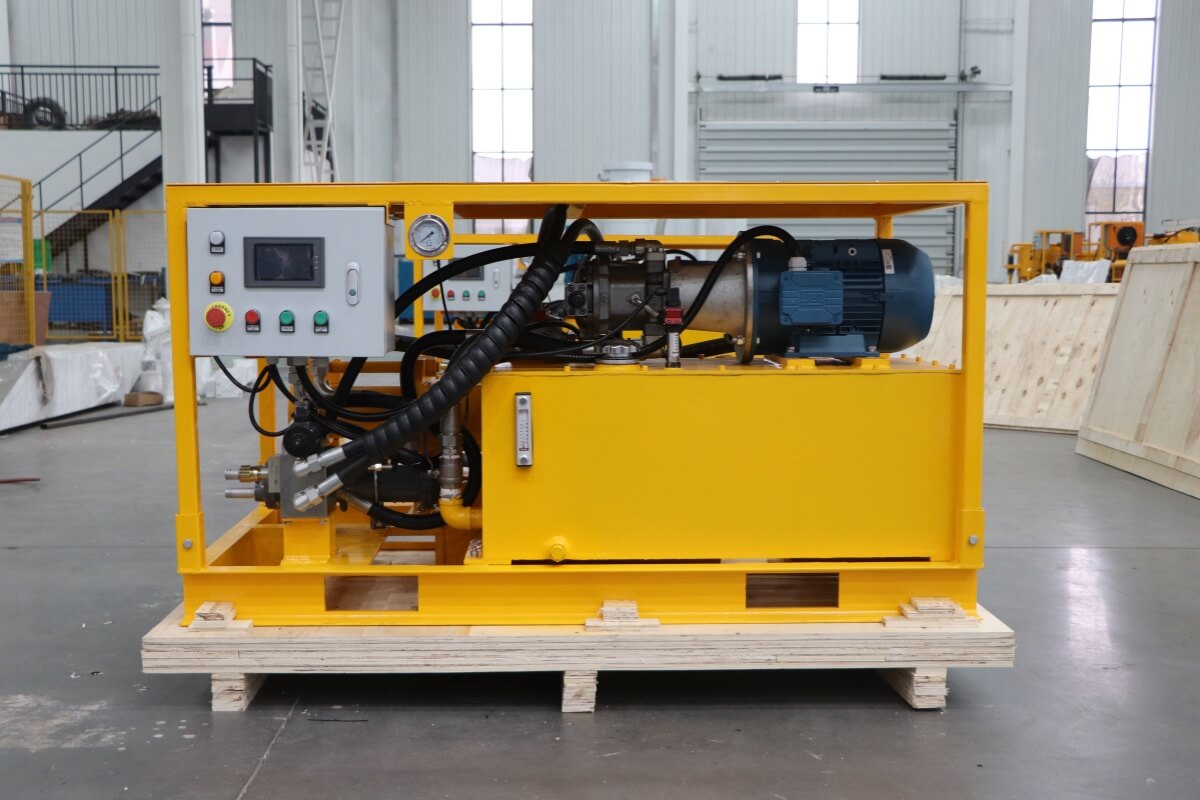
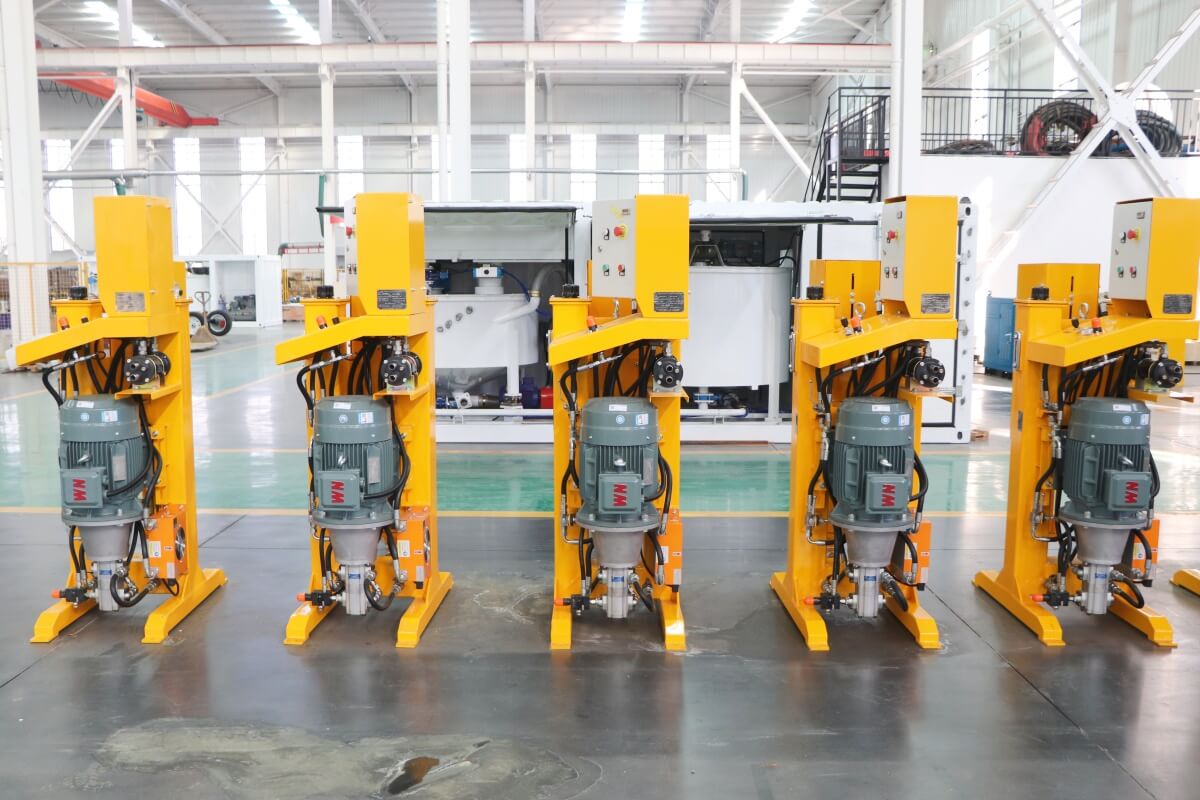
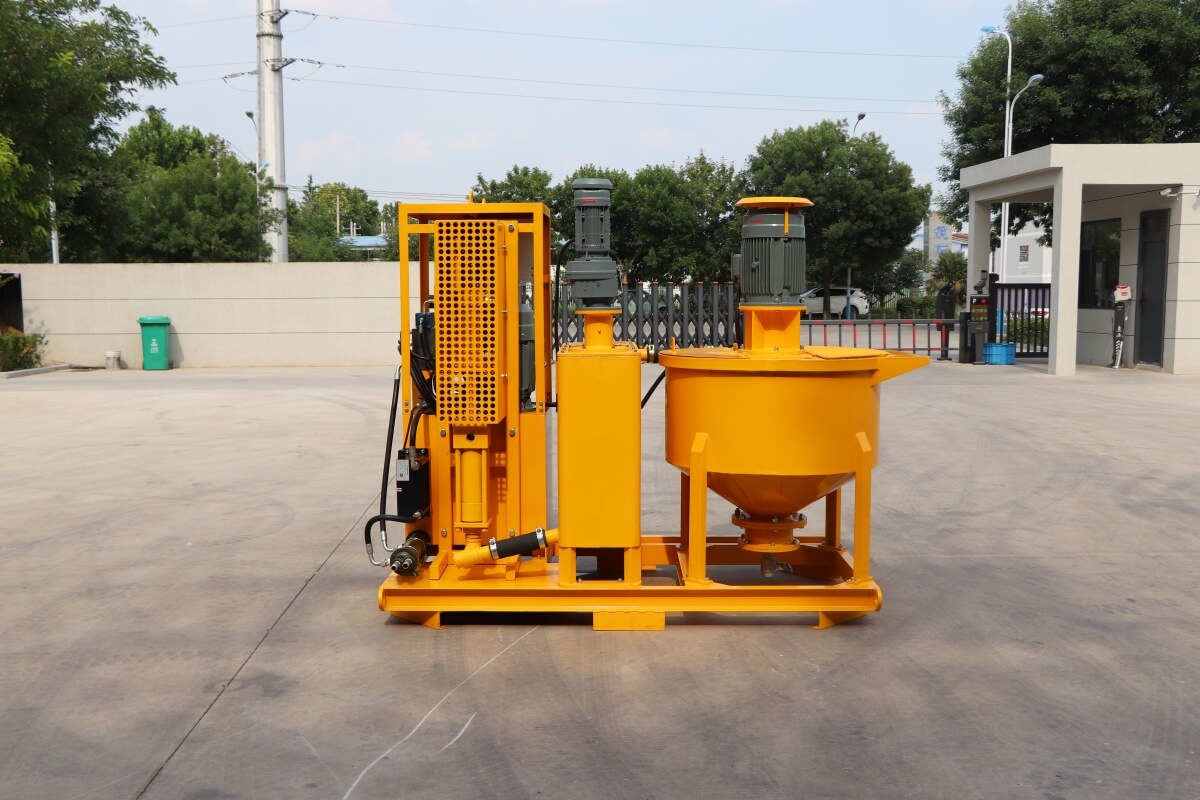
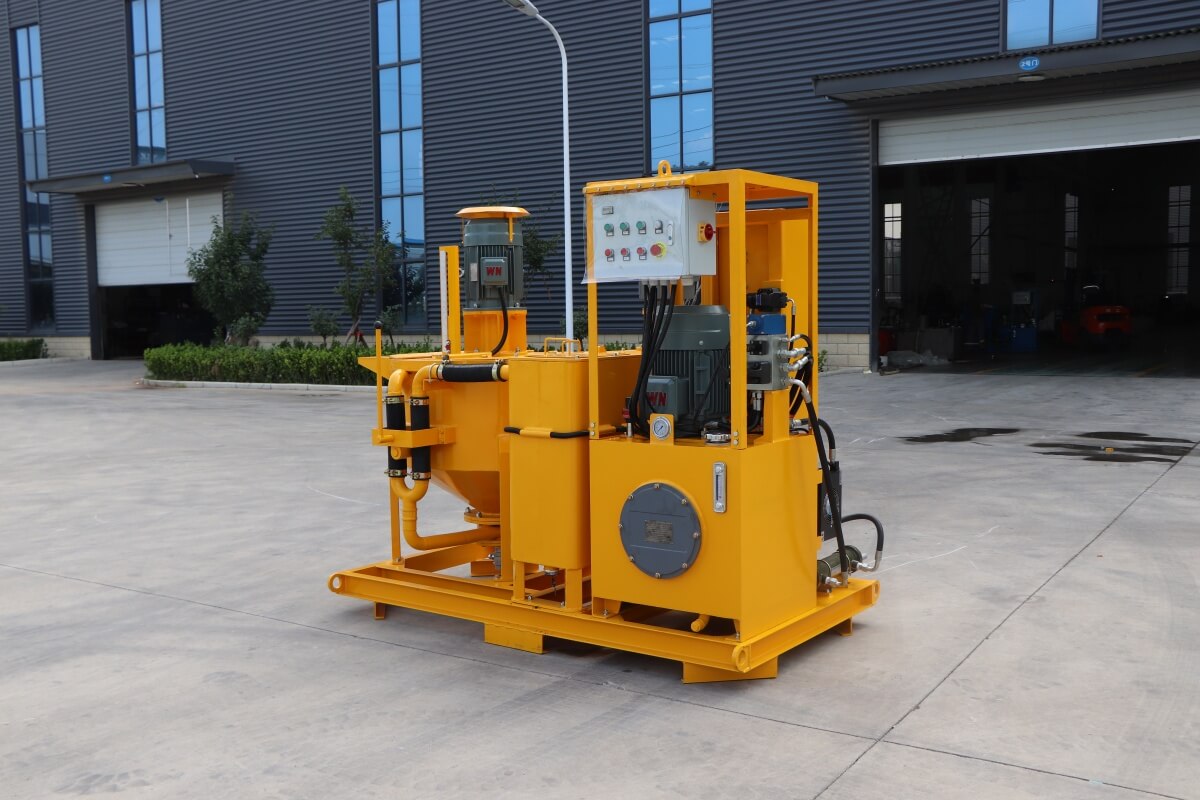
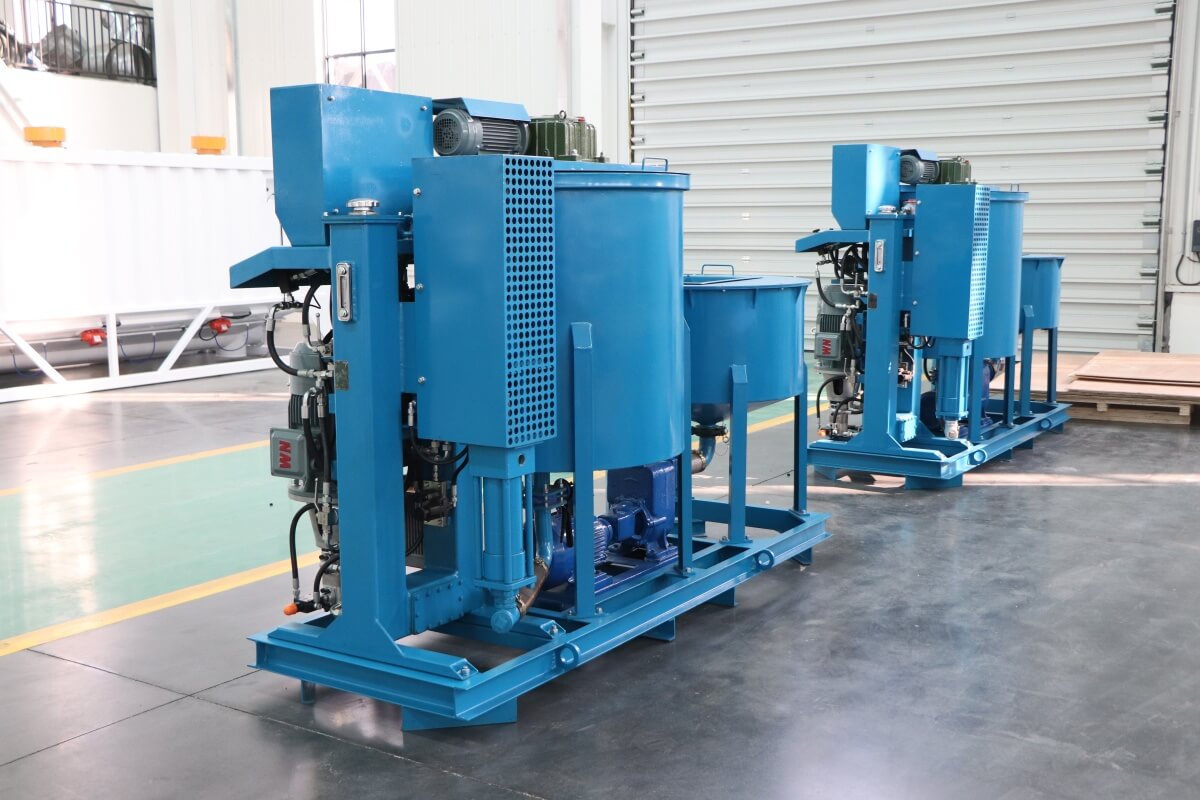
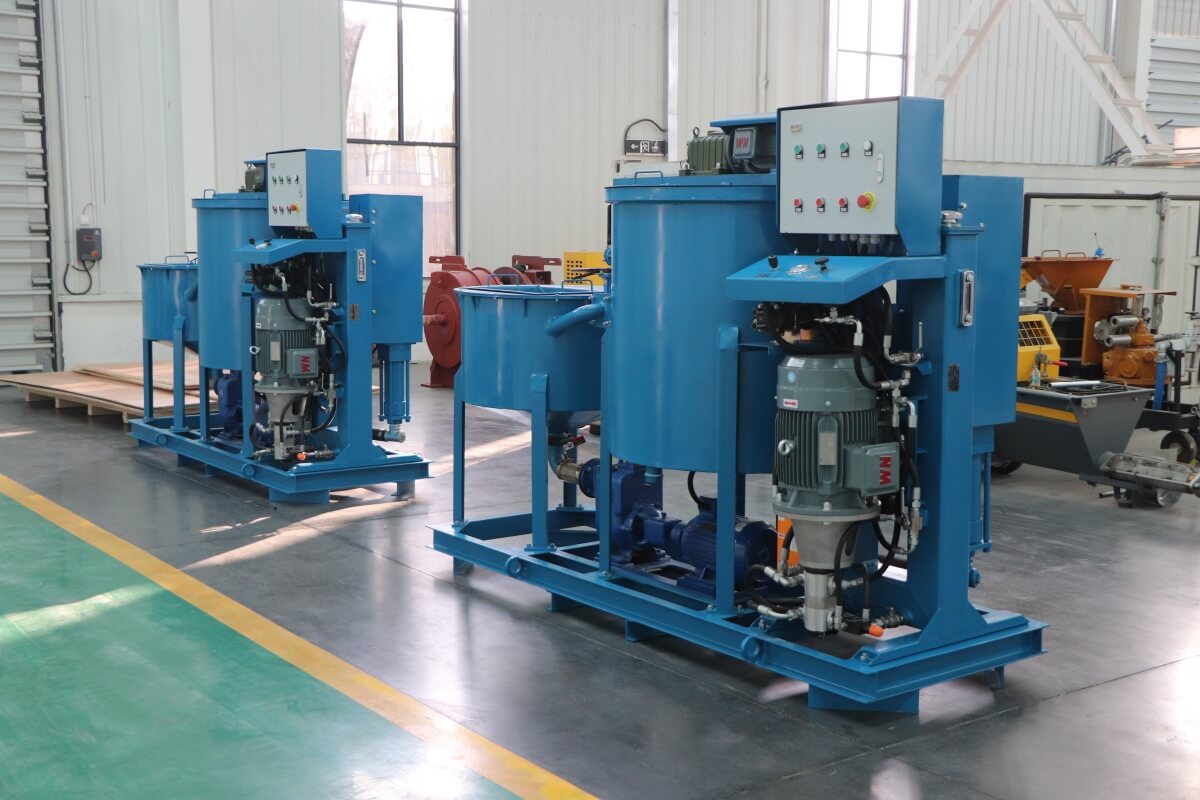
Today, our factory shipped an all-in-one cement bentonite grout mixing plant to our customer. A cement bentonite grout mixing plant is a specialized system designed to produce homogeneous, stable slurries used primarily in geotechnical and civil engineering applications.
Cement-bentonite grout combines:
Portland cement: Provides strength and durability.
Sodium or calcium bentonite: Imparts low permeability, thixotropy, and colloidal stability.
Water: Activates hydration and forms the slurry.
Optional additives: Retarders, plasticizers, or silica fume for specific performance needs.
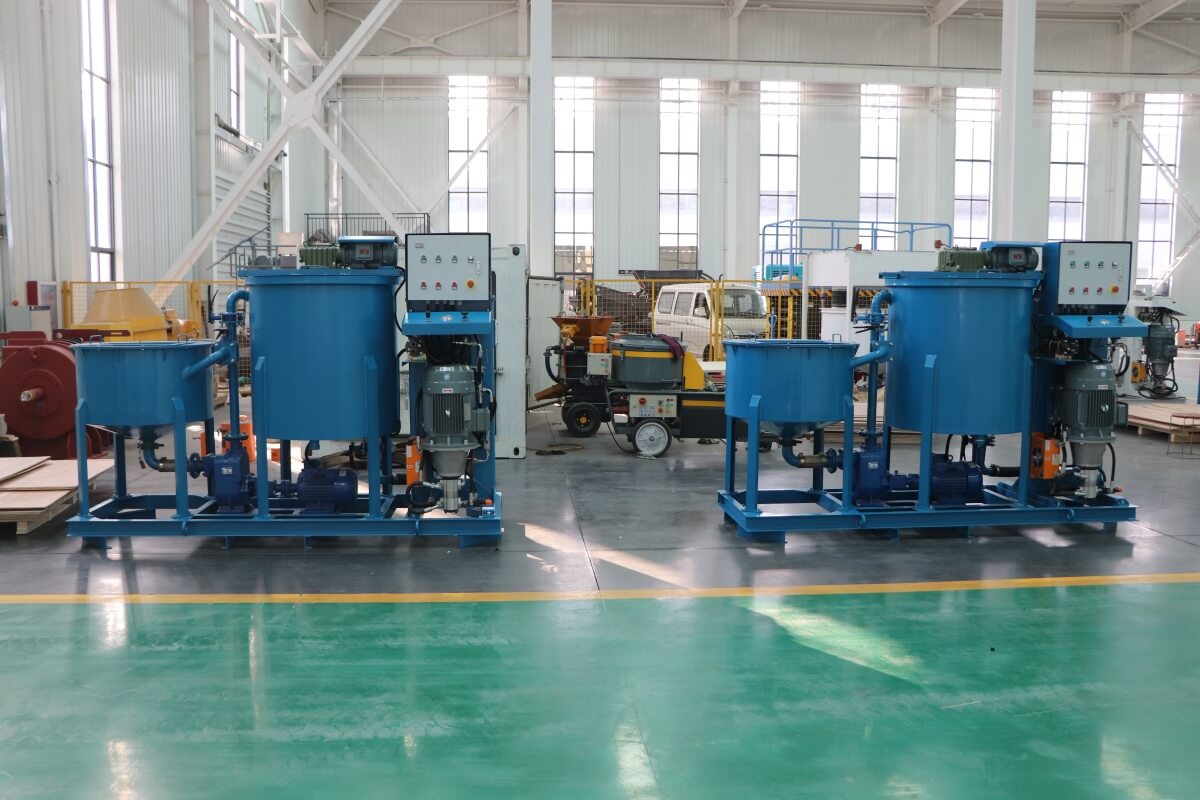
Key components of the cement bentonite grout mixing plant:
A. Grout mixer
Purpose: To uniformly mix cement, water, additives (e.g., high-efficiency water-reducing agents, accelerators), and sometimes added fine aggregates. It produces a very homogeneous grout with a low water-cement ratio by high-speed shearing of particles.
B. Mixing Tank (Storage Tank)
Maintains the fluidity and homogeneity of the mixed grout before pumping. Equipped with a low-speed agitator to prevent segregation or sedimentation.
C. Grouting Pump
Transports the grout from the mixer/storage tank to the injection point. Typically a piston pump or plunger pump.
D. Grouting Accessories
Hose/Pipe: High-pressure, abrasion-resistant.
Packer/Grouting Port: Used to seal boreholes or cracks during grouting.
Control Valves and Manifolds: Regulate flow and pressure.
Pressure Gauges and Flow Meters: Monitor real-time grouting parameters.
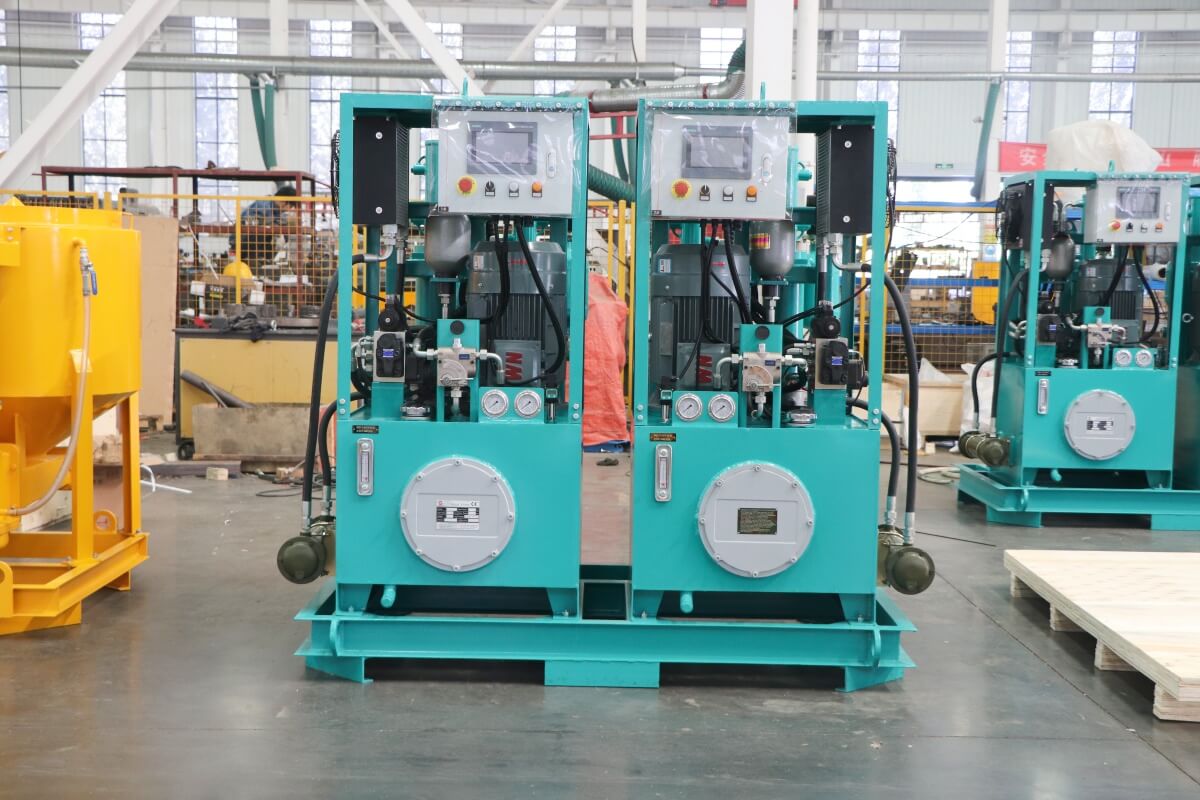
E. Control System
Modern equipment typically includes automatic control of the following aspects:
Water-cement ratio
Mixing time
Grouting pressure and volume
Data recording for quality assurance
Cement bentonite grout mixing plants have a wide range of applications. The following is an analysis of specific applications and technical advantages in different engineering scenarios:
1. Anchor Injection
Application Scenario: Used for reinforcing rock and soil anchors and cables. High-pressure injection of grout fills the gap between the anchor hole and the rod body, forming anchoring force.
Technical Advantages: High Permeability: Bentonite reduces grout viscosity, improving injectability, suitable for strata with fine fractures.
Anti-Dispersion: Cement bentonite grout is not easily diluted under groundwater flow conditions, ensuring anchoring strength.
Case Study: In mine slope reinforcement, the use of cement bentonite grout increased anchoring force by more than 30%.
2. Jet Grouting (High-Pressure Jet Grouting)
Application Scenarios: High-pressure jet grouting cuts through soil, mixing with grout to form a consolidated body, used for foundation reinforcement, seepage prevention curtains, etc.
Technical Advantages: Triple-tube method adaptability: Triple-tube jet grouting simultaneously injects high-pressure water, compressed air, and cement grout. The addition of bentonite adjusts the grout viscosity, adapting to different soil types (e.g., sandy soil, cohesive soil).
Consolidation Body Strength: The consolidation body formed by cement-bentonite grout can achieve a compressive strength of 500-1000 kPa, meeting the requirements for deep foundation pit support.
Case Study: In a subway deep foundation pit project, the triple-tube method was used to inject cement-bentonite grout to form a continuous seepage prevention curtain, reducing leakage by 90%.
3. Drilling
Application Scenarios: Used as drilling fluid (mud) to lubricate drill bits, cool drilling tools, and carry cuttings.
Technical Advantages: Suspension: Bentonite’s strong suspension properties effectively suspend drill cuttings, preventing borehole collapse.
Bonding Properties: It binds with soil and rock particles to form stable mud, enhancing borehole stability.
Case Study: In oil drilling, cement-bentonite mud can reduce stuck pipe incidents and increase drilling efficiency by 20%.
4. Concreting
Application Scenarios: As a concrete additive, it improves workability (such as fluidity and segregation resistance).
Technical Advantages: Water Retention: Bentonite absorbs moisture, reducing concrete bleeding and improving surface quality.
Crack Resistance: Cement-bentonite composites can reduce the risk of concrete shrinkage cracks.
Case Study: In the construction of large factory floors, the surface flatness error of concrete with added bentonite is controlled within ±2mm.
5. Cavity Filling
Application Scenarios: Filling underground cavities, sinkholes, and mined-out areas to prevent ground subsidence.
Technical Advantages: Expansion: Bentonite absorbs water and expands, filling densely and preventing grout loss.
Low Permeability: Forms a dense waterproof layer, reducing the permeability coefficient to below 1×10⁻⁷ cm/s.
Case Study: In coal mine goaf remediation, the use of cement-bentonite grout reduced surface settlement by 85%.
6. Bottom Injection
Application Scenarios: Grouting at the bottom of building slabs or underground structures to prevent groundwater infiltration.
Technical Advantages: Thixotropy: The grout is gel-like when still and becomes a sol when flowing, facilitating construction and providing excellent waterproofing.
Durability: Cement-bentonite grout bonds firmly to the concrete substrate, maintaining stable long-term impermeability.
Case Study: In basement waterproofing projects, grouting of the bottom slab reduced the number of leakage points by 95%.
7. Tunnel Applications
Application Scenarios: Soil improvement in shield tunneling, grouting behind tunnel segments, tunnel seepage prevention, etc.
Technical Advantages: Lubricity: Bentonite slurry reduces shield cutterhead torque and wear.
Waterproofing: Cement-bentonite slurry fills the gaps between tunnel segments, forming a low-permeability waterproof layer.
Case Study: In subway tunnel construction, after using bentonite to improve the soil, the tunneling speed increased by 30%, and surface settlement was controlled within 5mm.
8. Dam Applications
Application Scenarios: Dam foundation curtain grouting, dam crack repair, seepage barrier construction, etc.
Technical Advantages: Grouting Capacity: Cement-bentonite slurry can be injected into micro-cracks (width ≥ 0.1mm), solving the problem of pure cement slurry “absorbing water but not slurry”.
Stability: Bentonite prevents slurry sedimentation, ensuring grouting continuity.
Case Study: In the grouting of the dam foundation of a hydropower station, the use of cement-bentonite grout reduced the unit water absorption to 0.05 L/min·m·m, resulting in a significant seepage prevention effect.