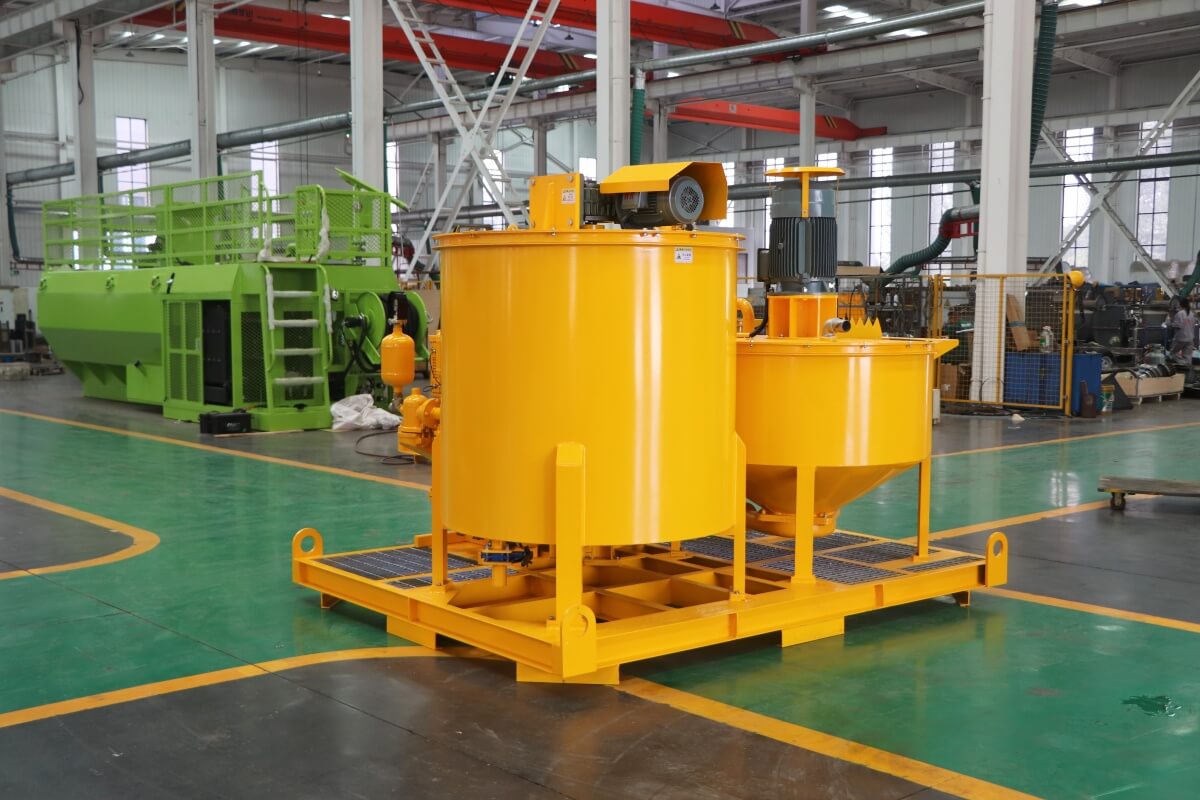
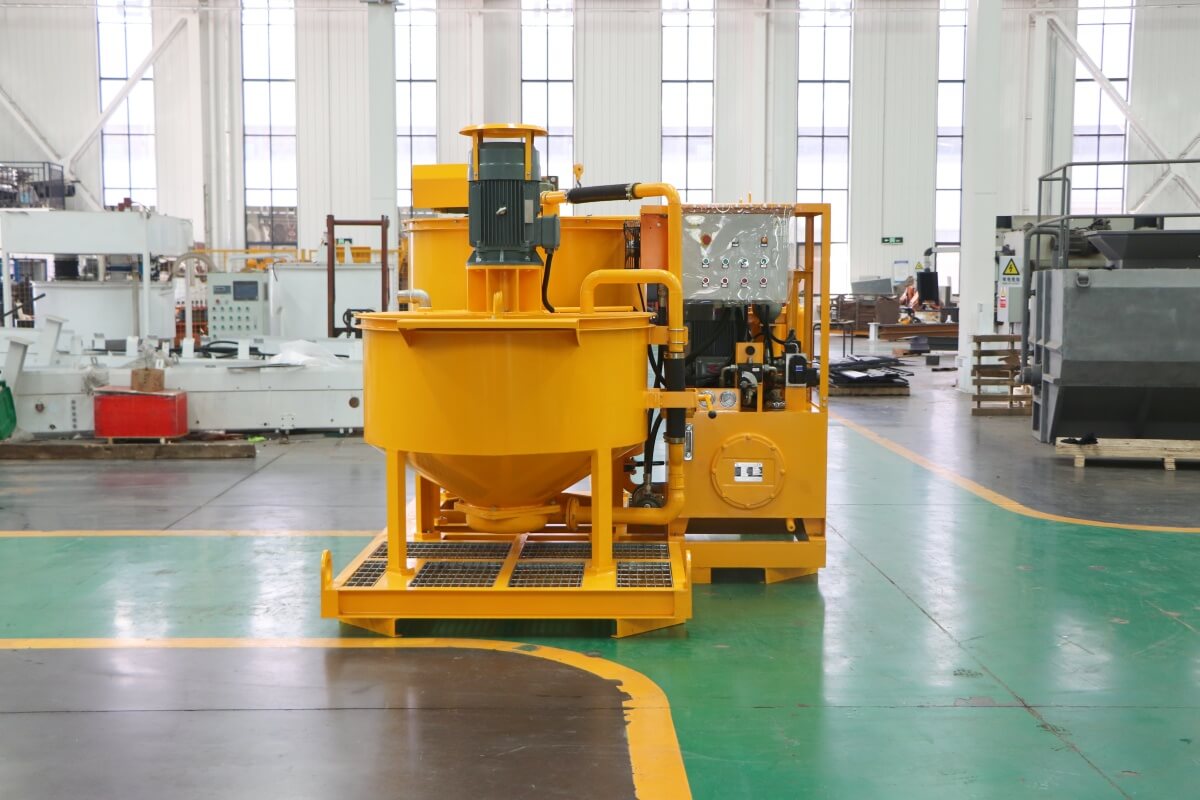
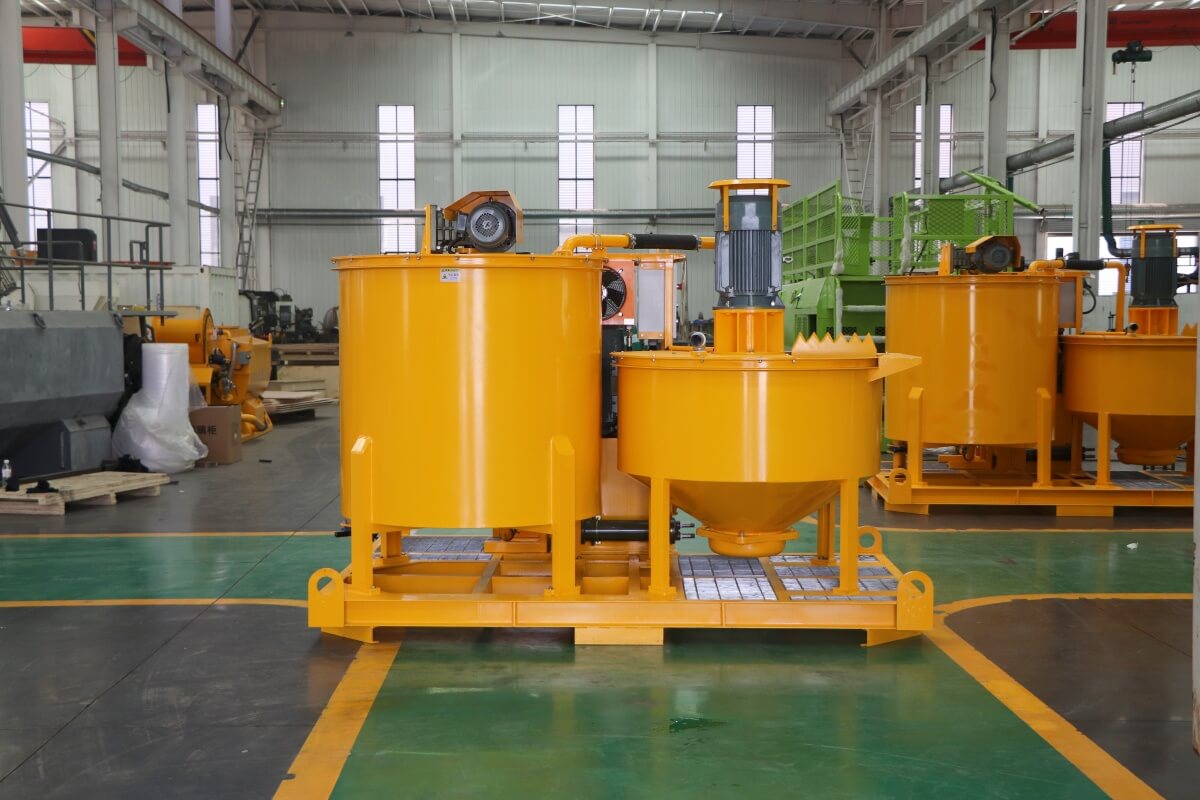
Integrated grout mixing and pumping station
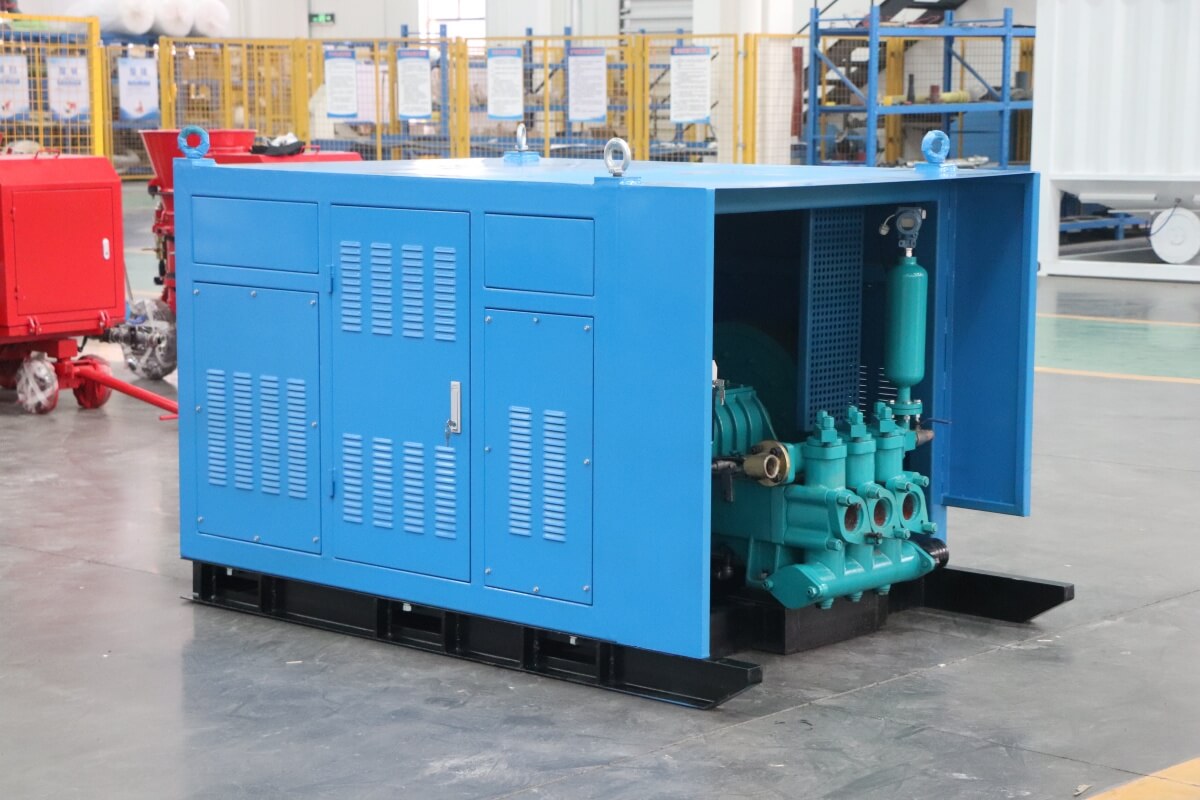
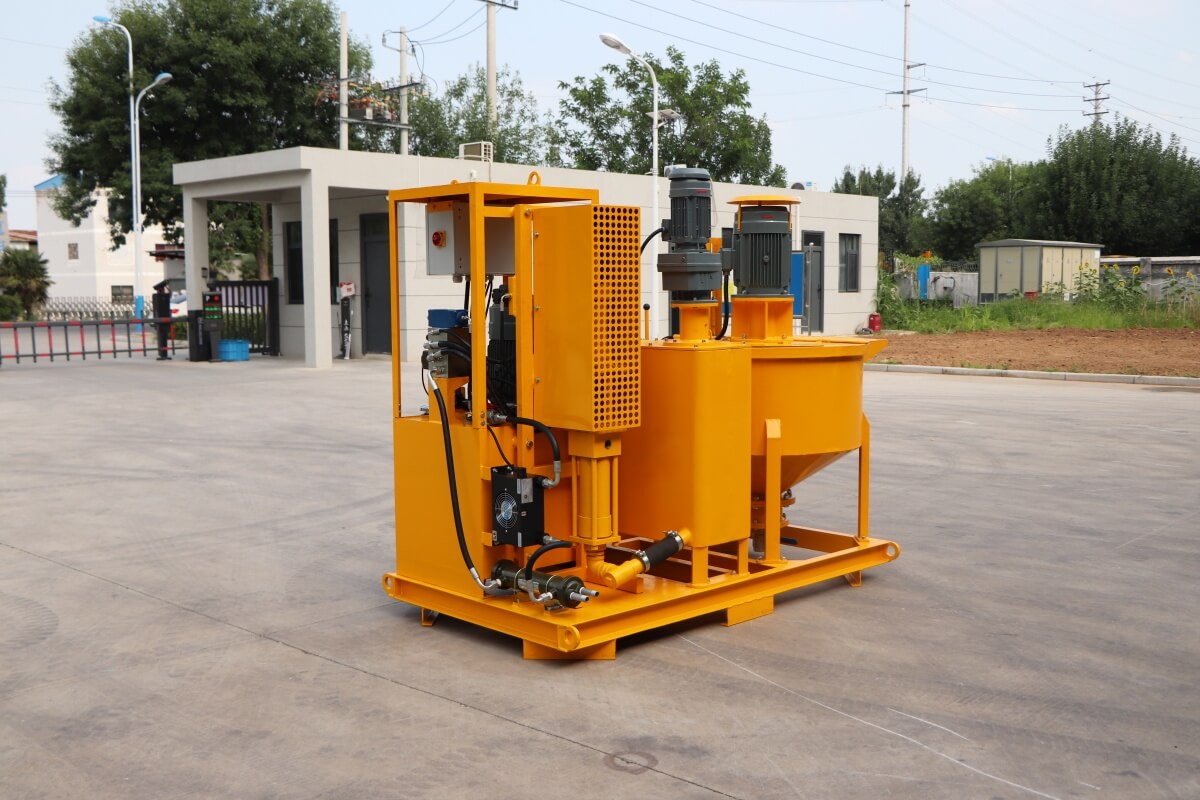
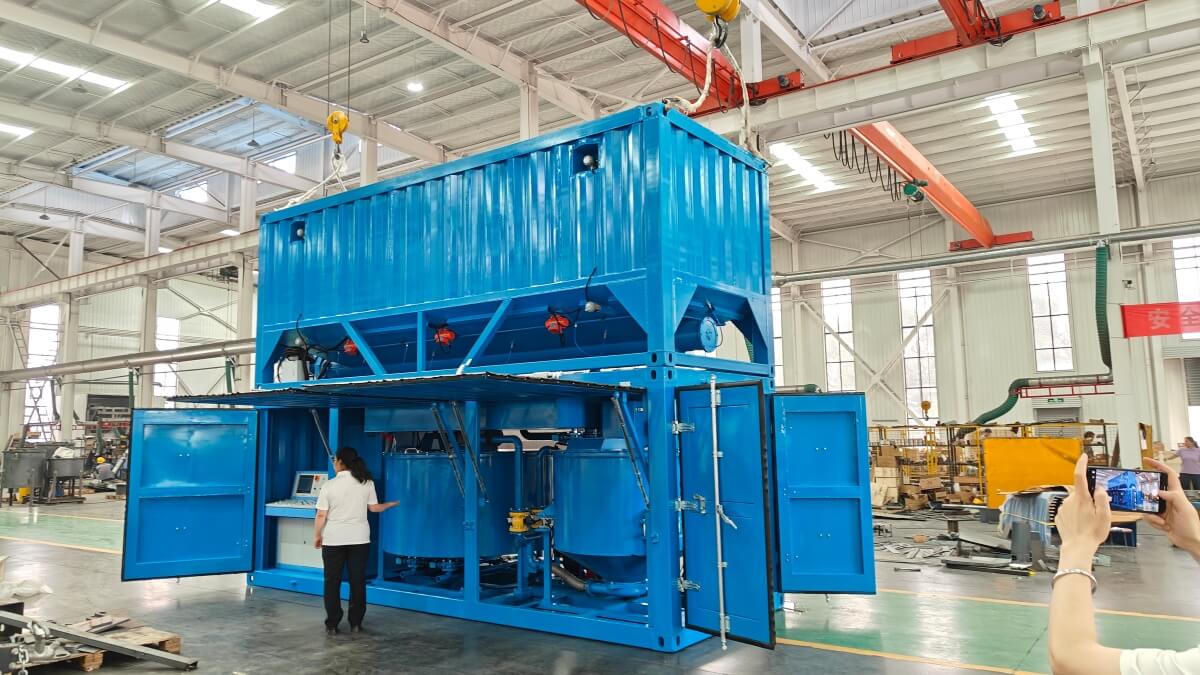
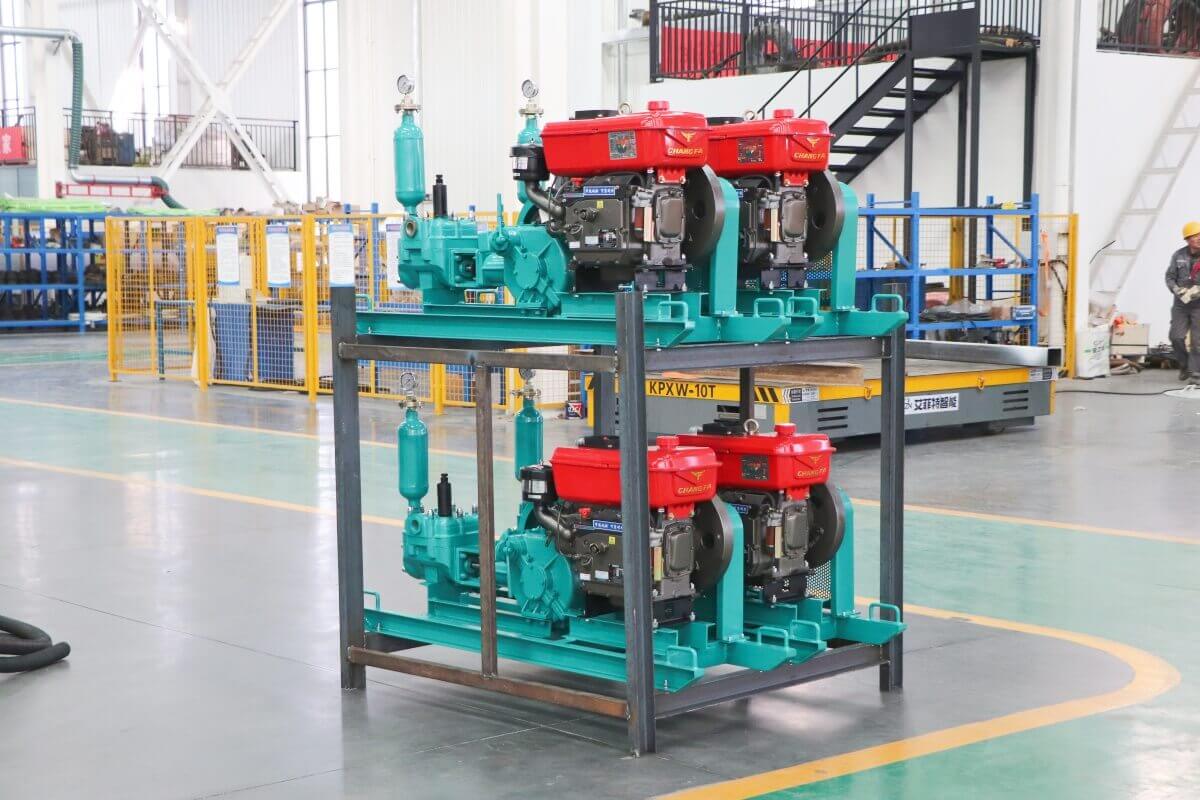
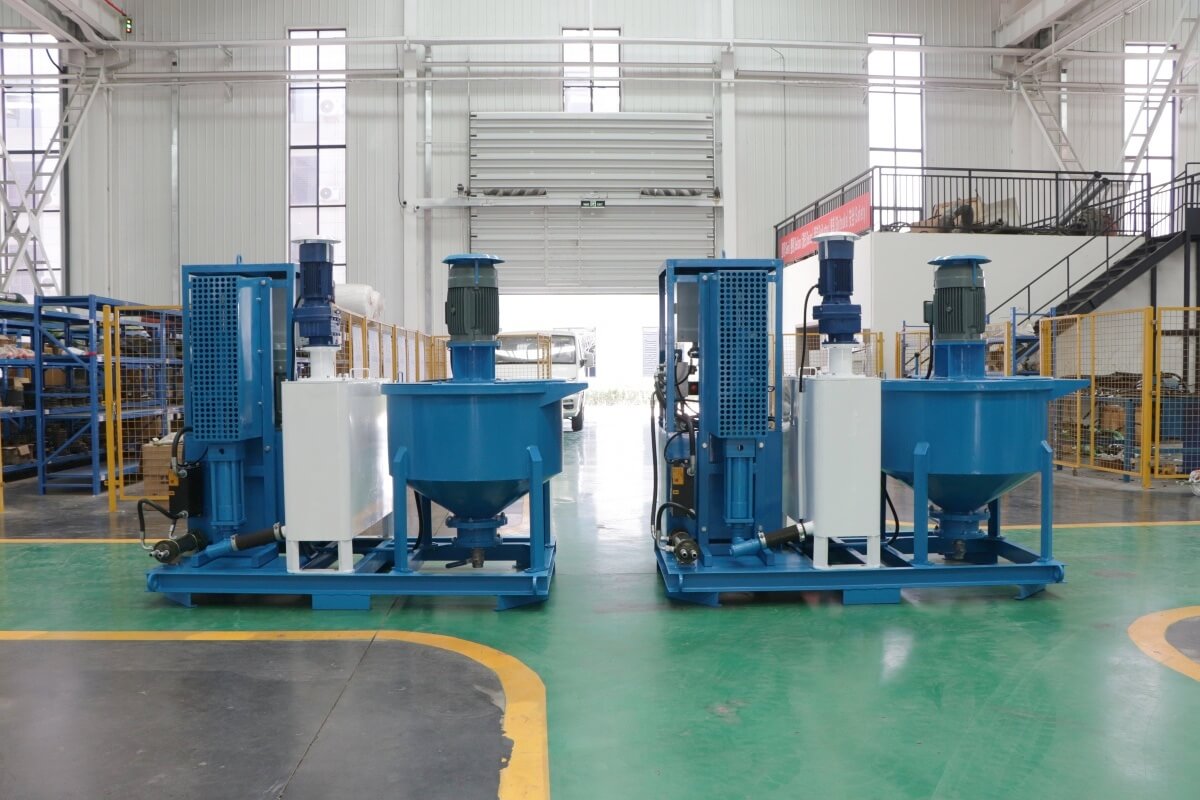
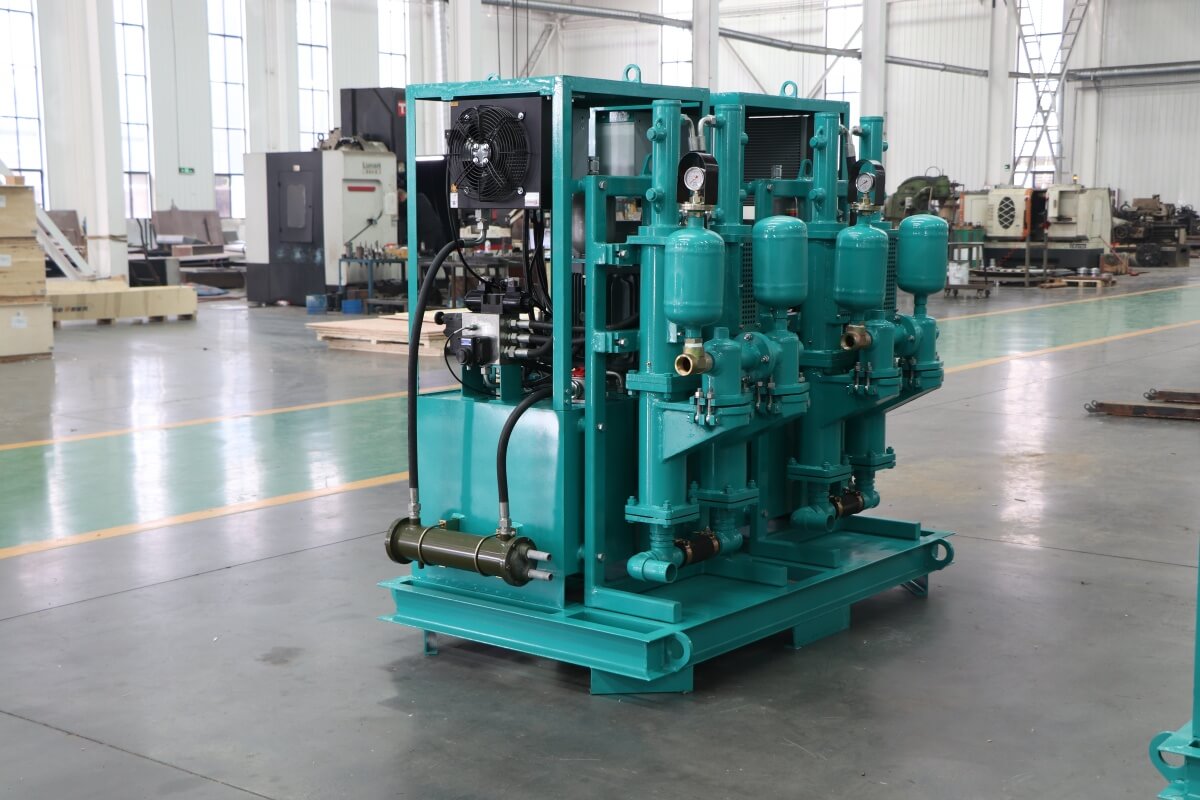
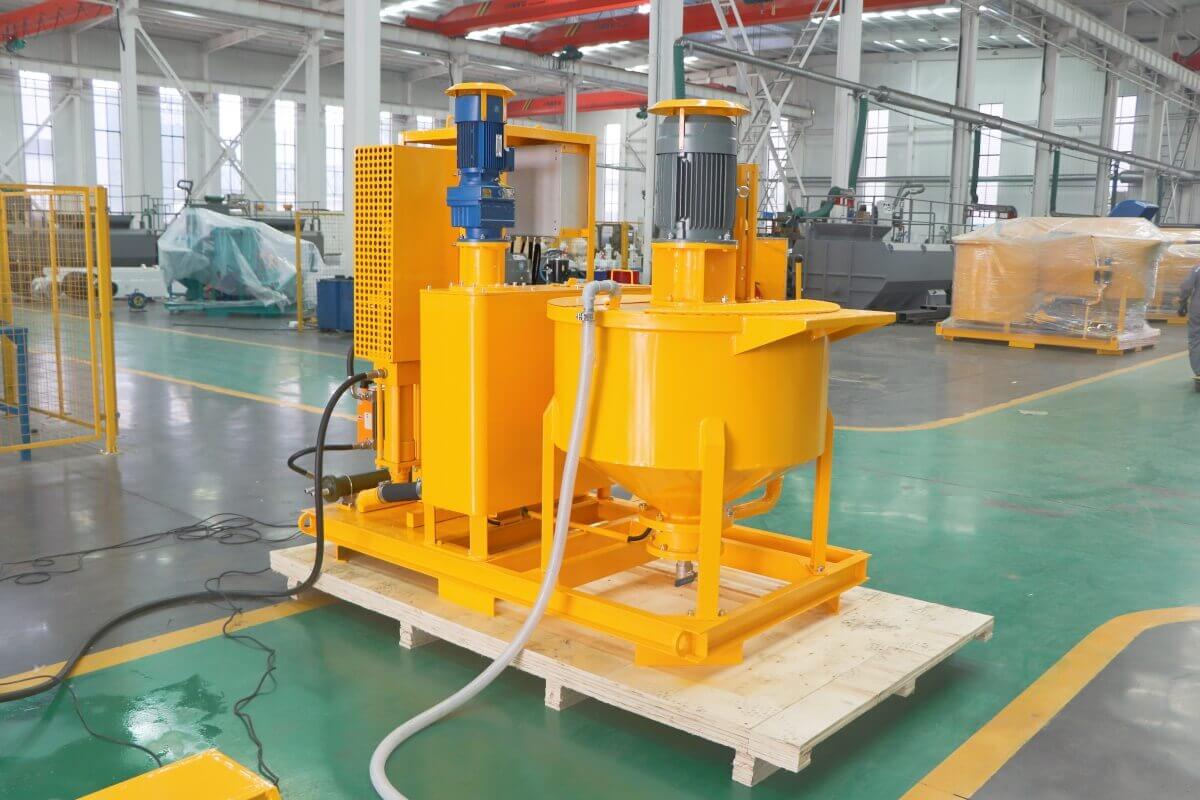
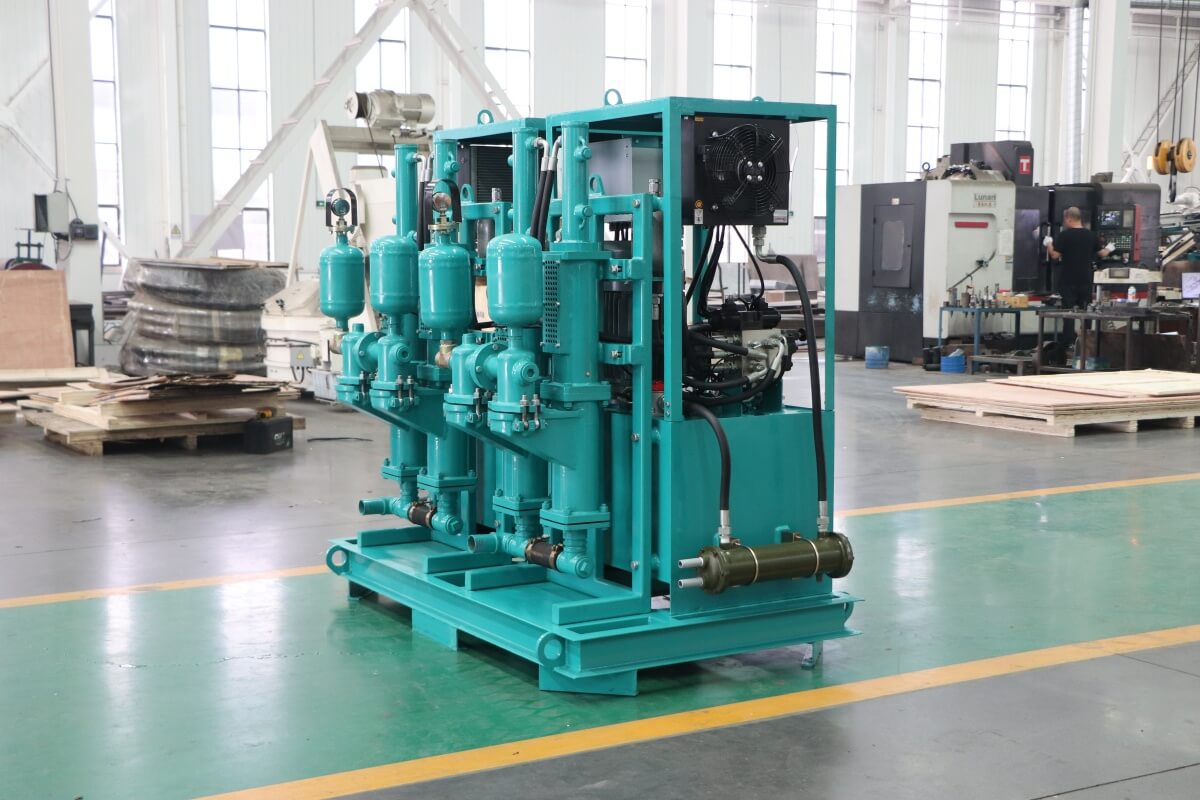
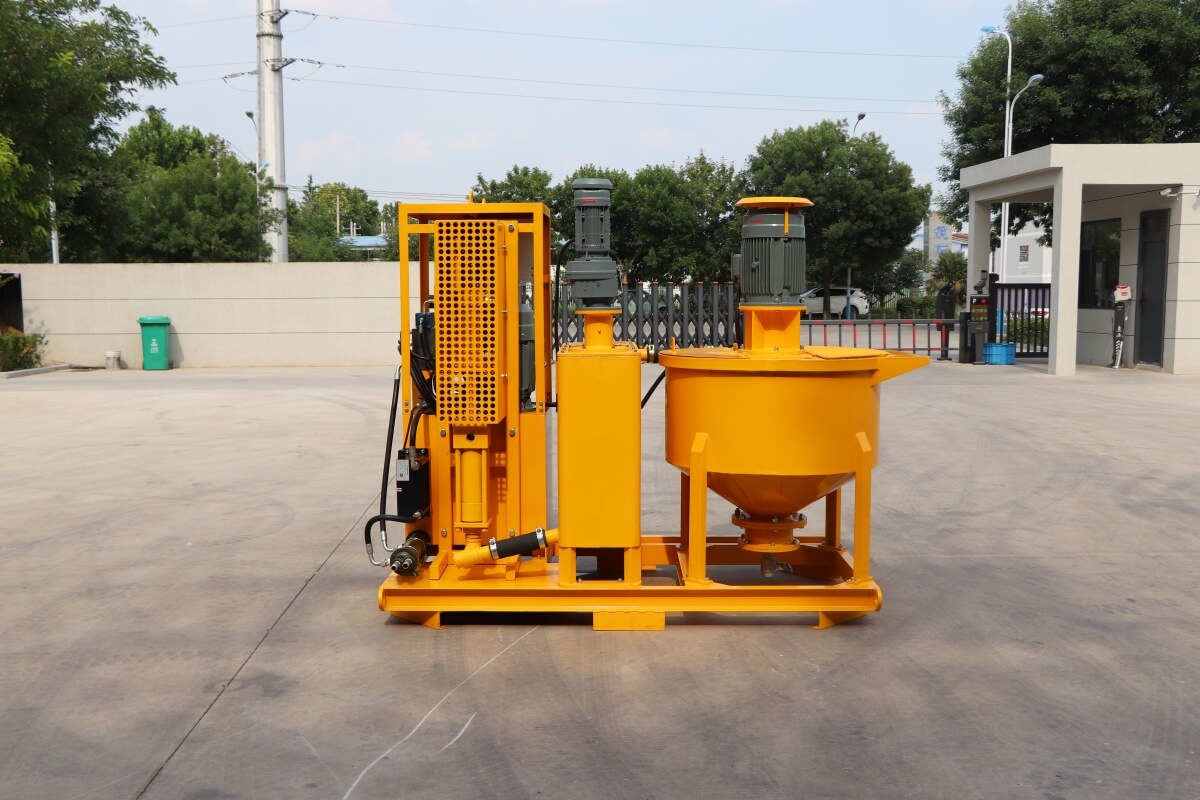
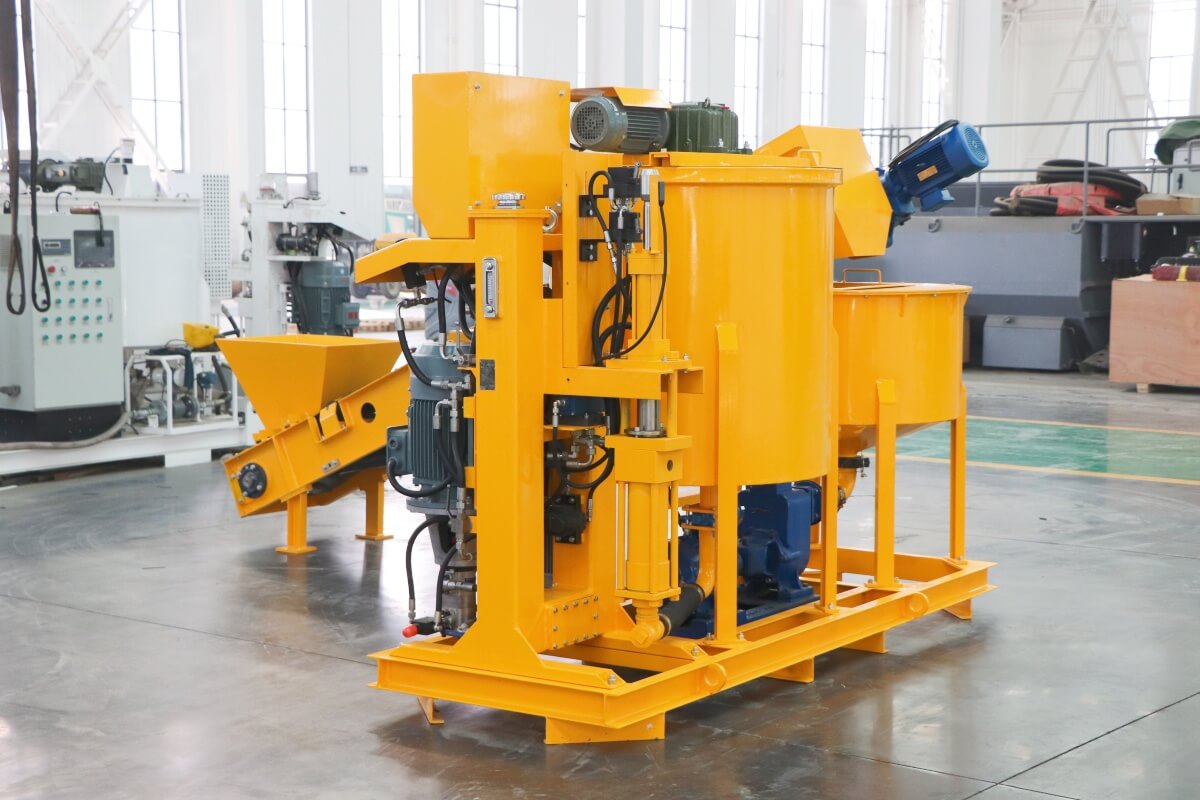
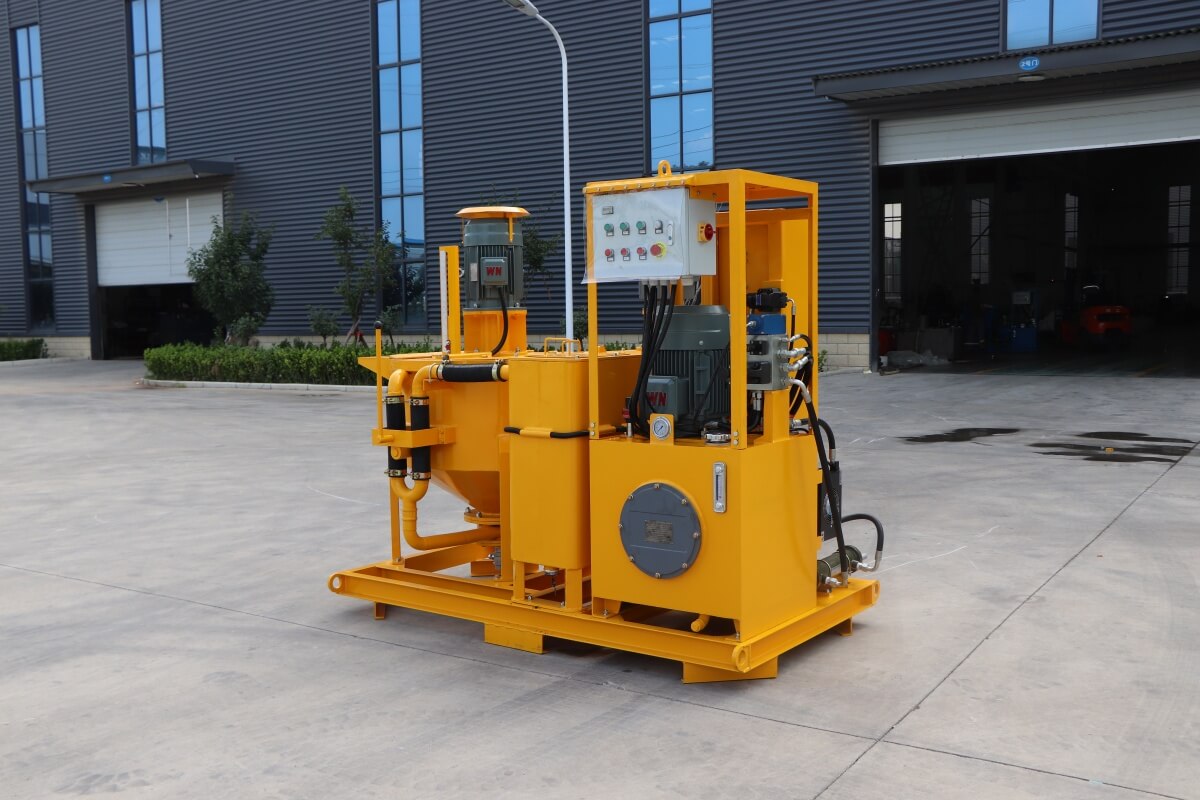
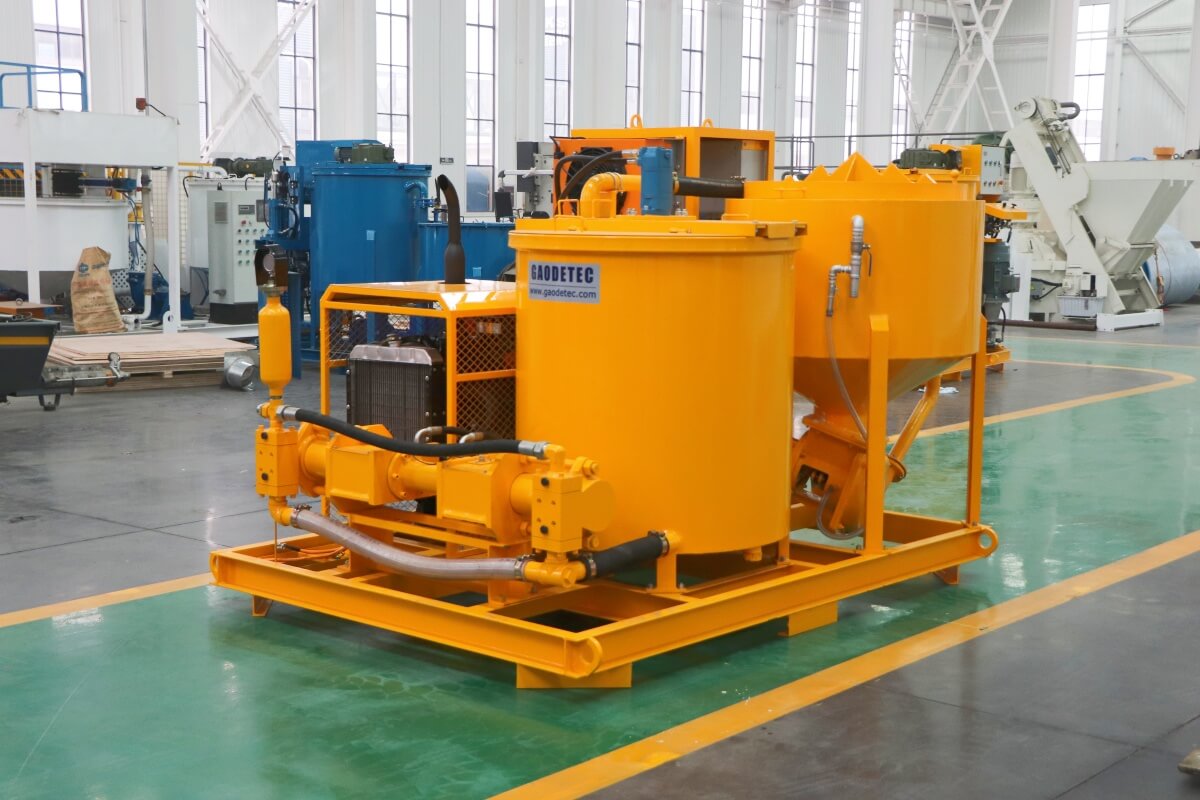
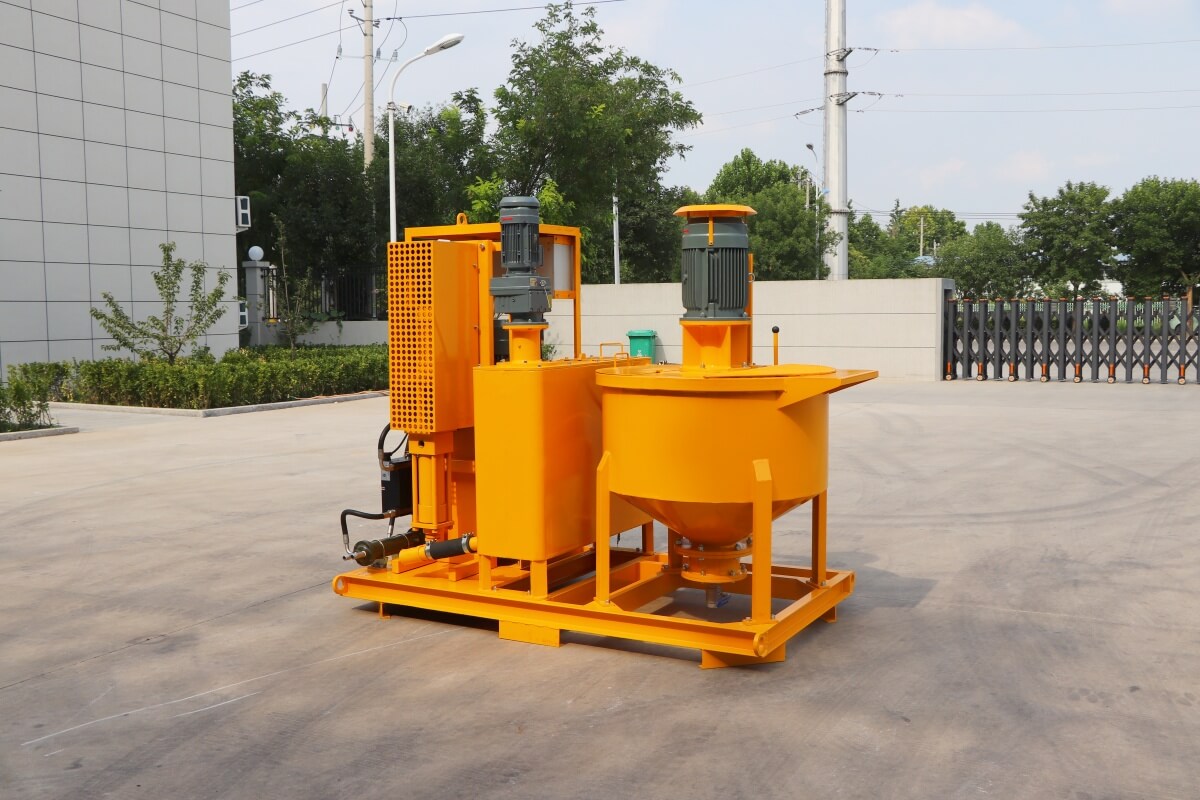
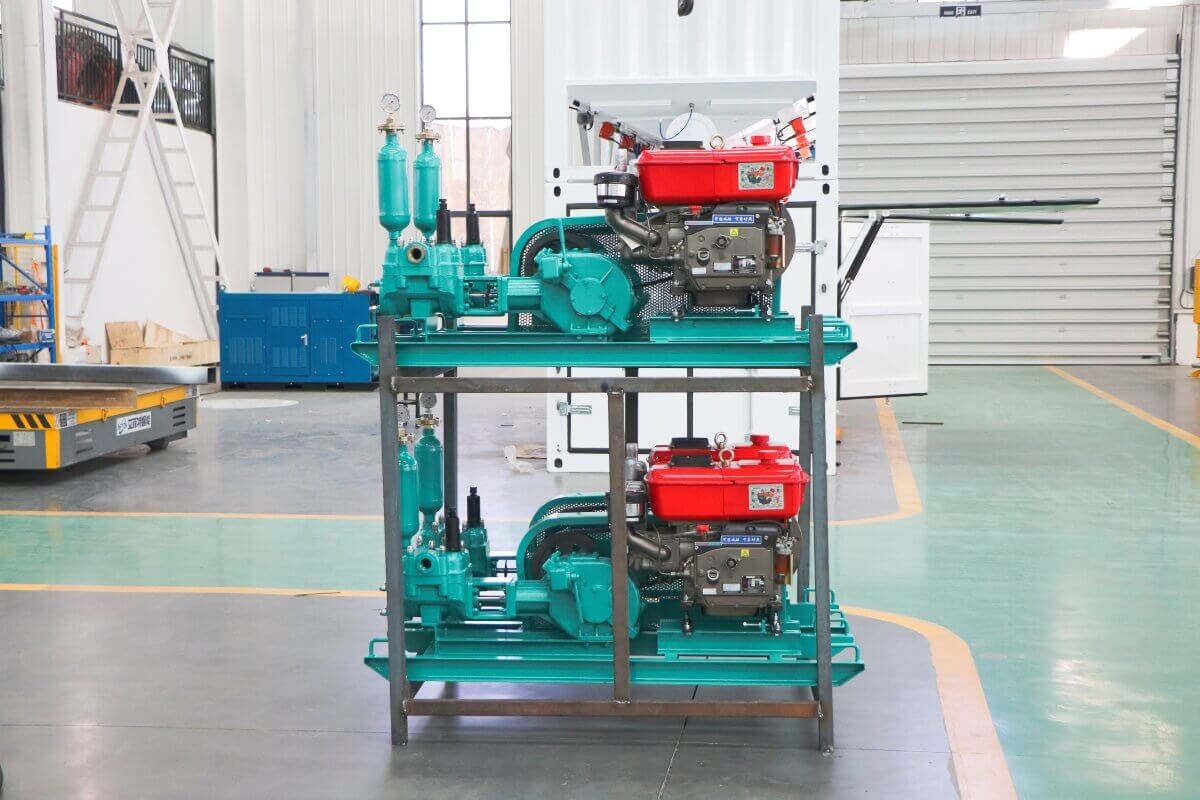
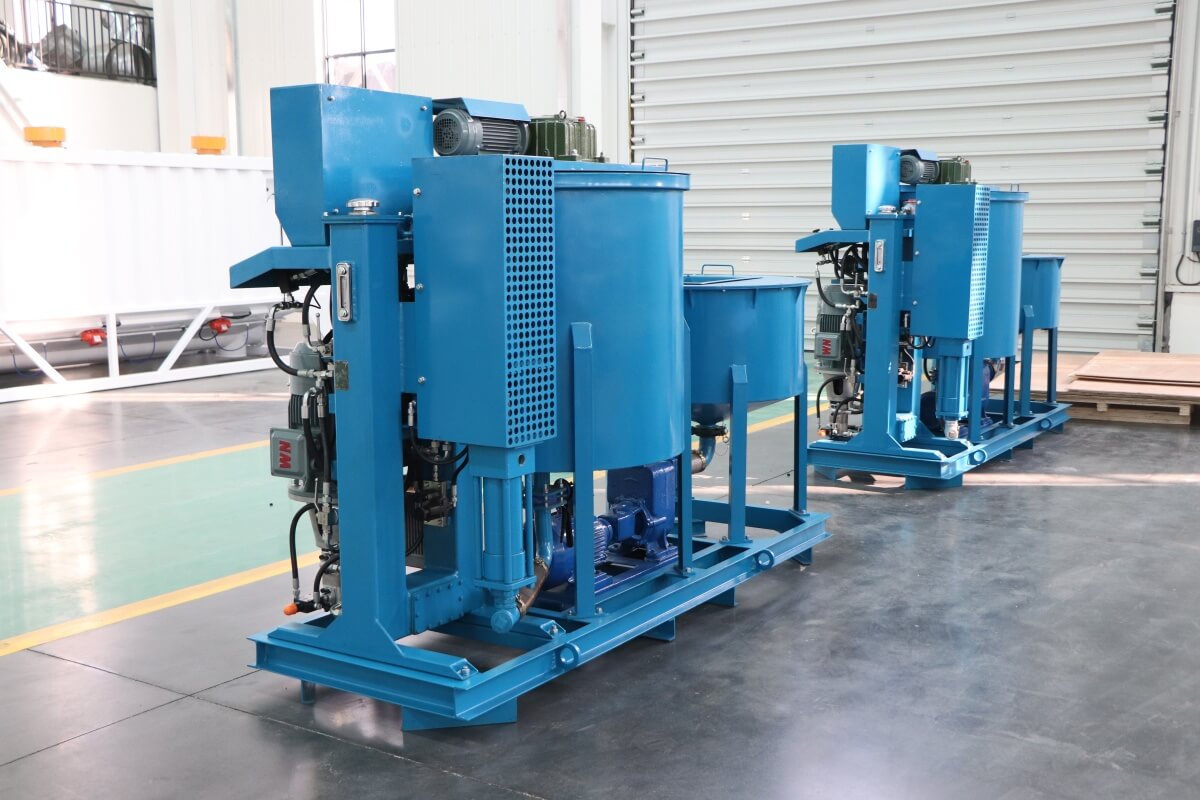
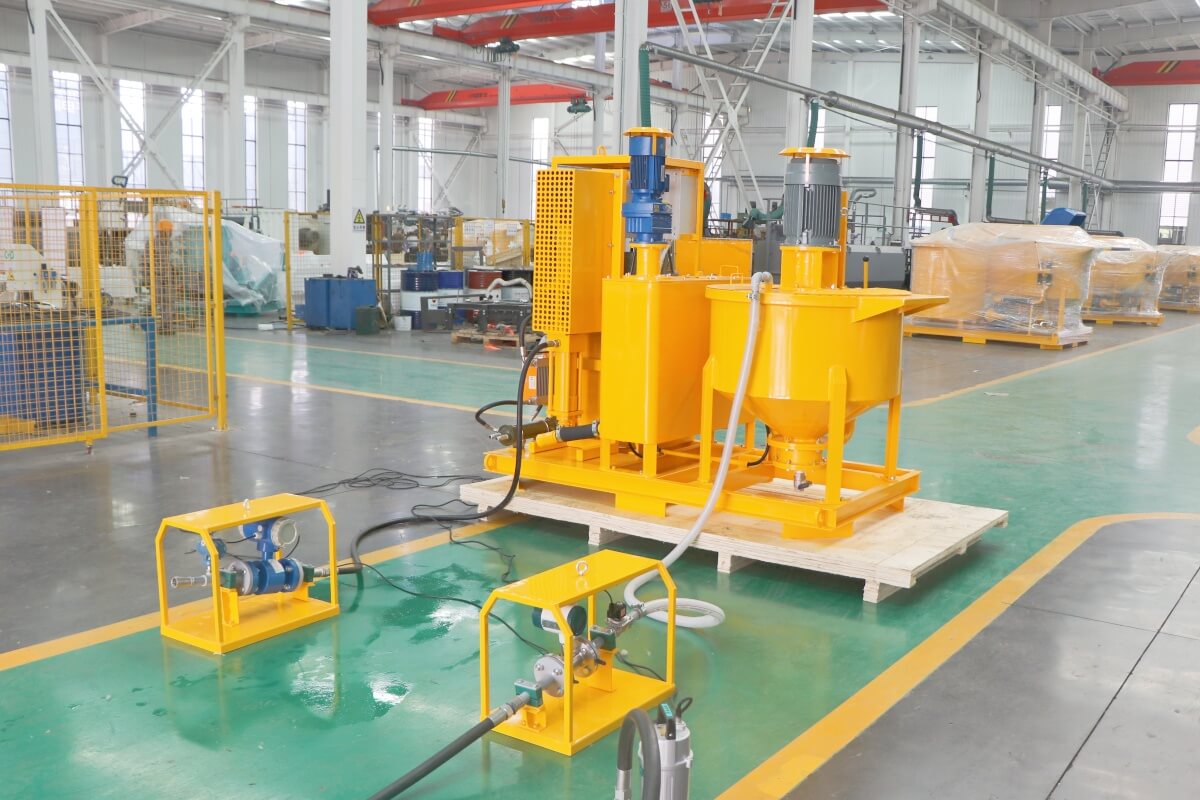
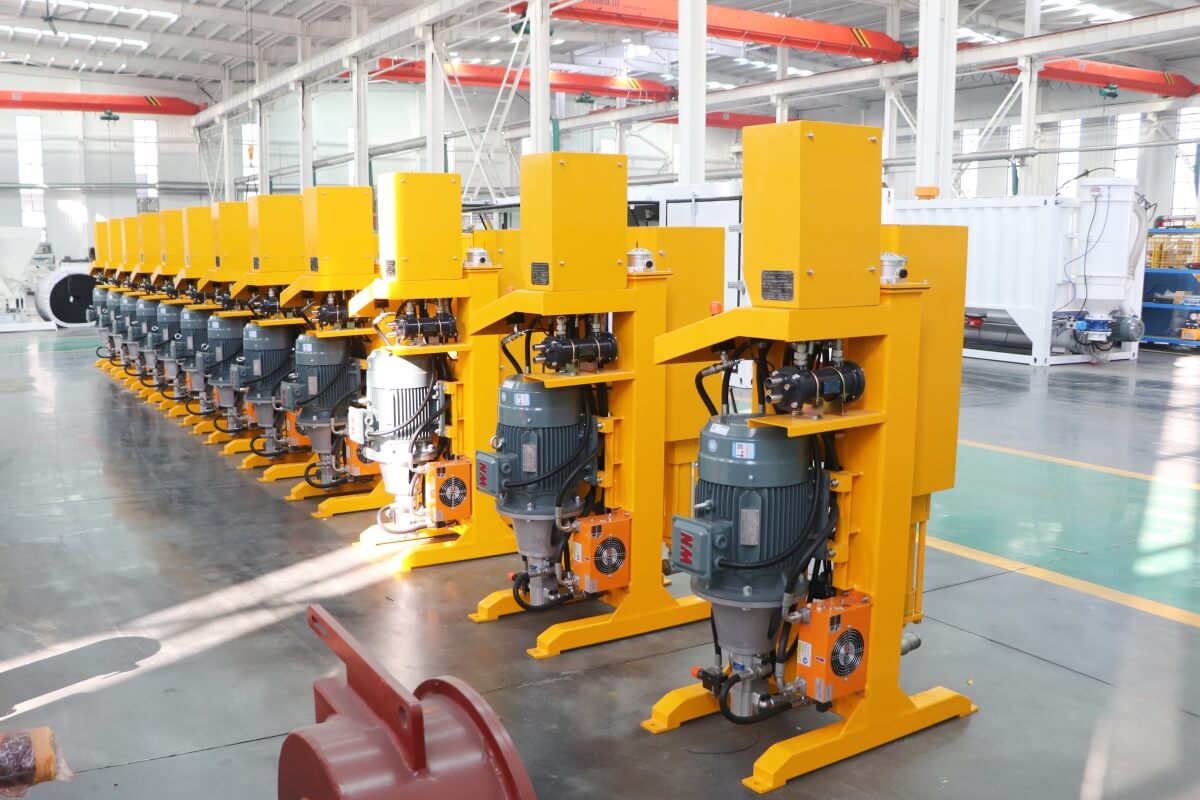
Our integrated grout mixing and pumping station combines mixing, agitation, and grout injection in one compact system. Configured to suit cement, bentonite, or microfine cement grouts, it supports ground anchoring, foundation improvement, and seepage control projects. Mixing capacity, pump output, and working pressure can be customized to meet your application requirements.
Recently, a client provided reference specifications for a grouting system, seeking an integrated mixing and pumping station capable of preparing and injecting—at high pressure—cement grout, bentonite slurry, and micro-fine cement grout. Key requirements included a 250 L mixing tank, a 500 L storage/agitation tank, and a grouting pressure of 120 bar, with the equipment intended for applications such as ground anchors, foundation reinforcement, and anti-seepage grouting.
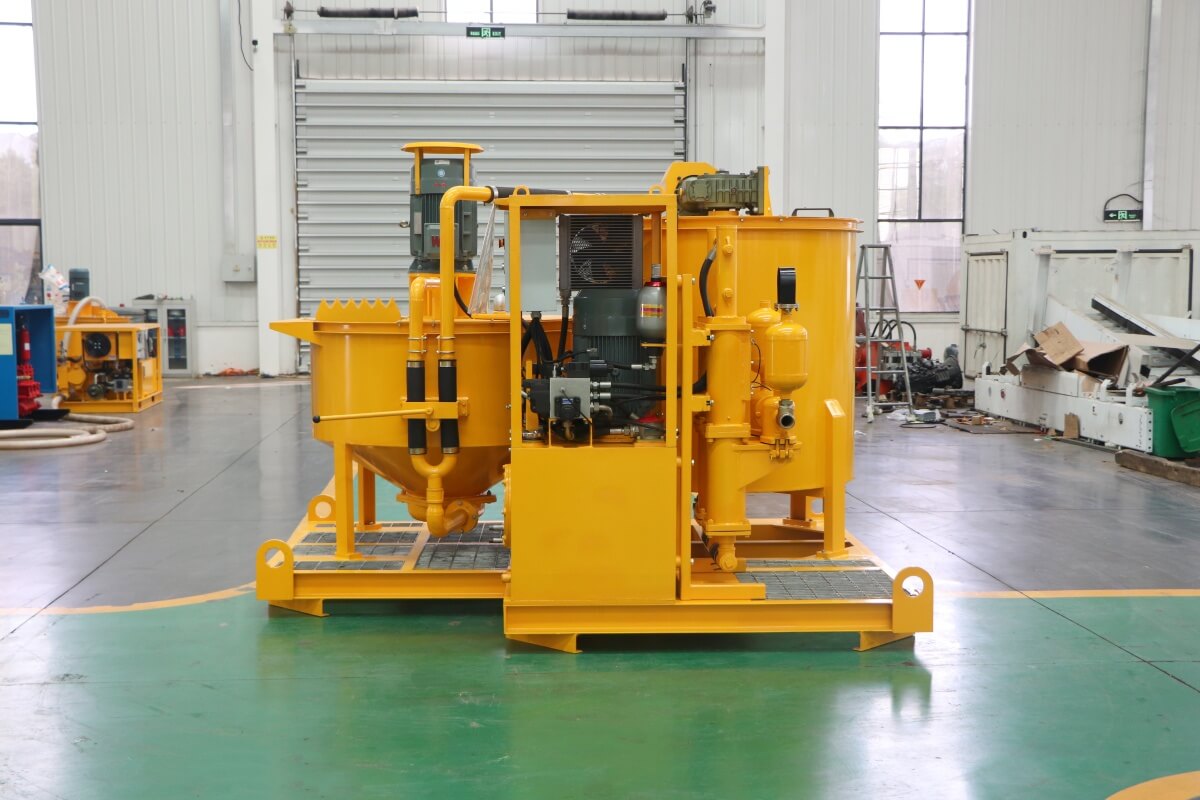
Selecting the right integrated grout mixing and pumping station requires balancing grout quality, batch continuity, and the matching of pump pressure and flow rate to ensure a seamless workflow between the mixing and injection systems.
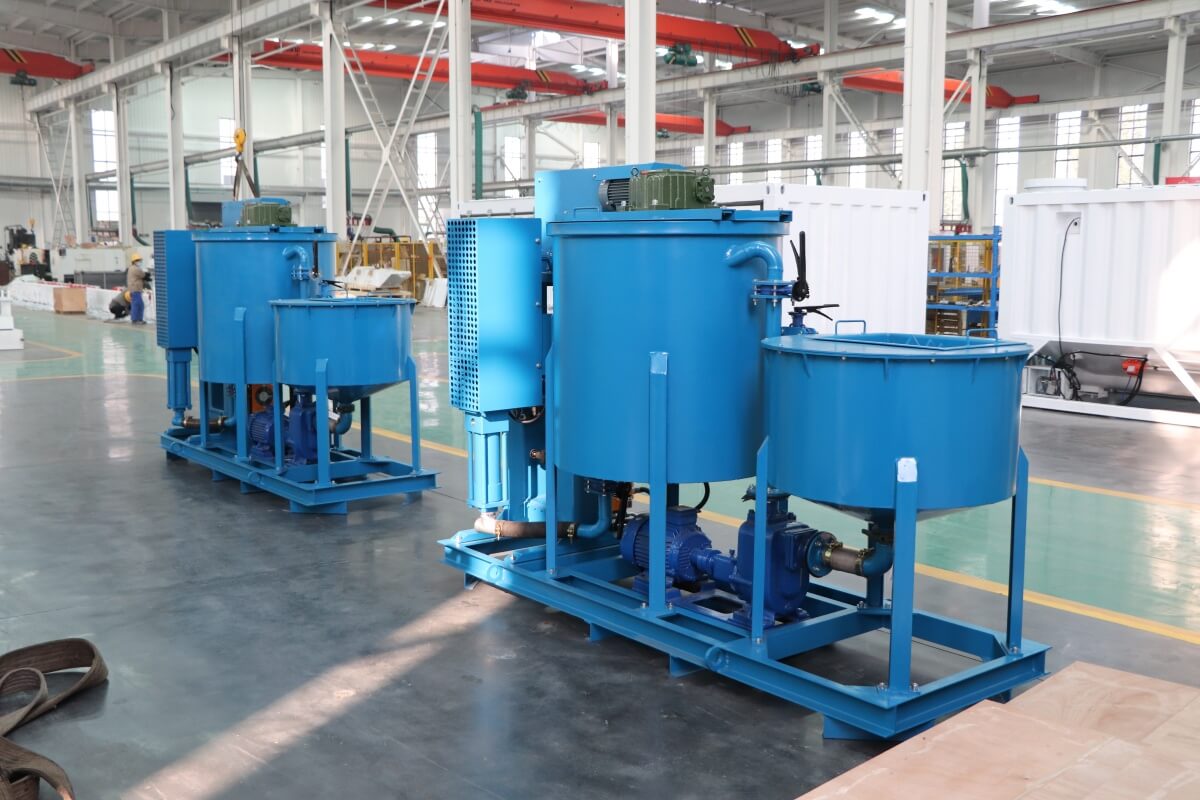
250 L Mixing and 500 L Storage Configuration: Bridging Batch Mixing and On-Site Injection
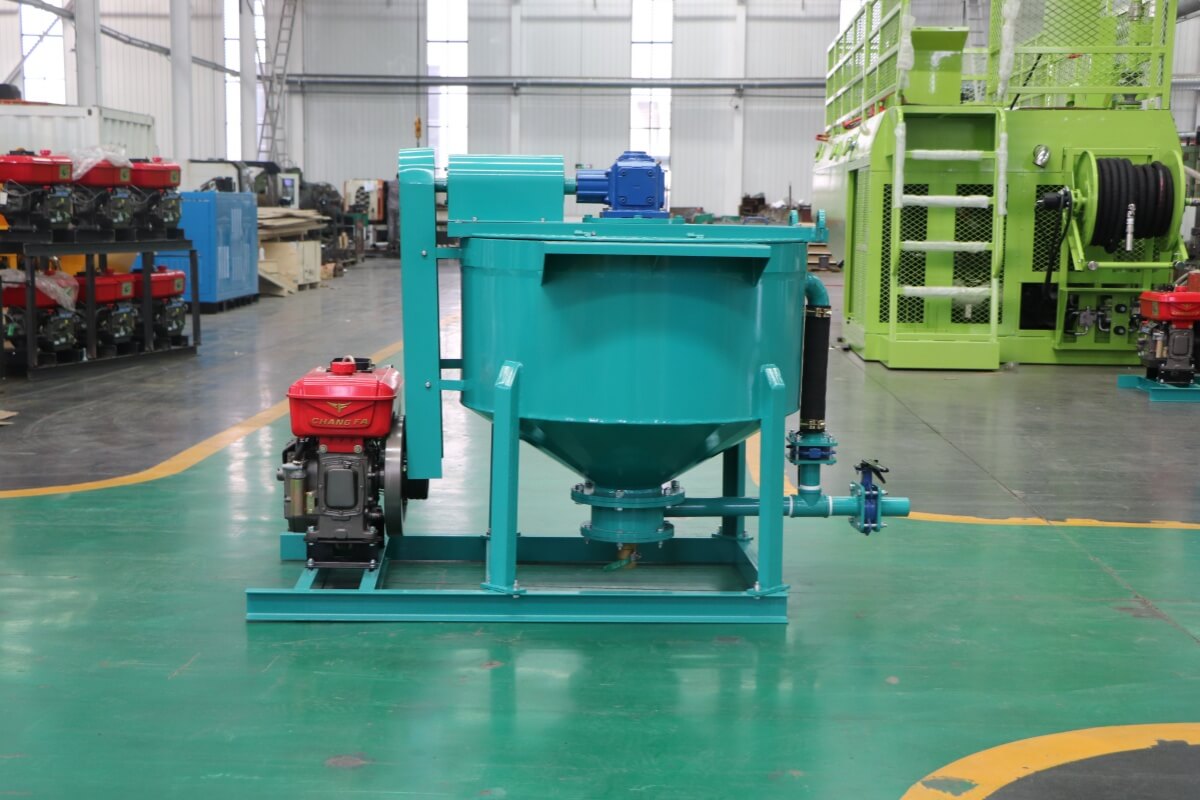
The client’s reference configuration features a 250 L high-speed mixing tank equipped with a 5.5 kW motor, designed to mix water with powdered materials while promoting dispersion and minimizing clumping. For cement and micro-fine cement grouts, mixing uniformity directly impacts subsequent transport and injection performance; when using bentonite, the material properties and formulation requirements dictate the specific feeding sequence and hydration time.
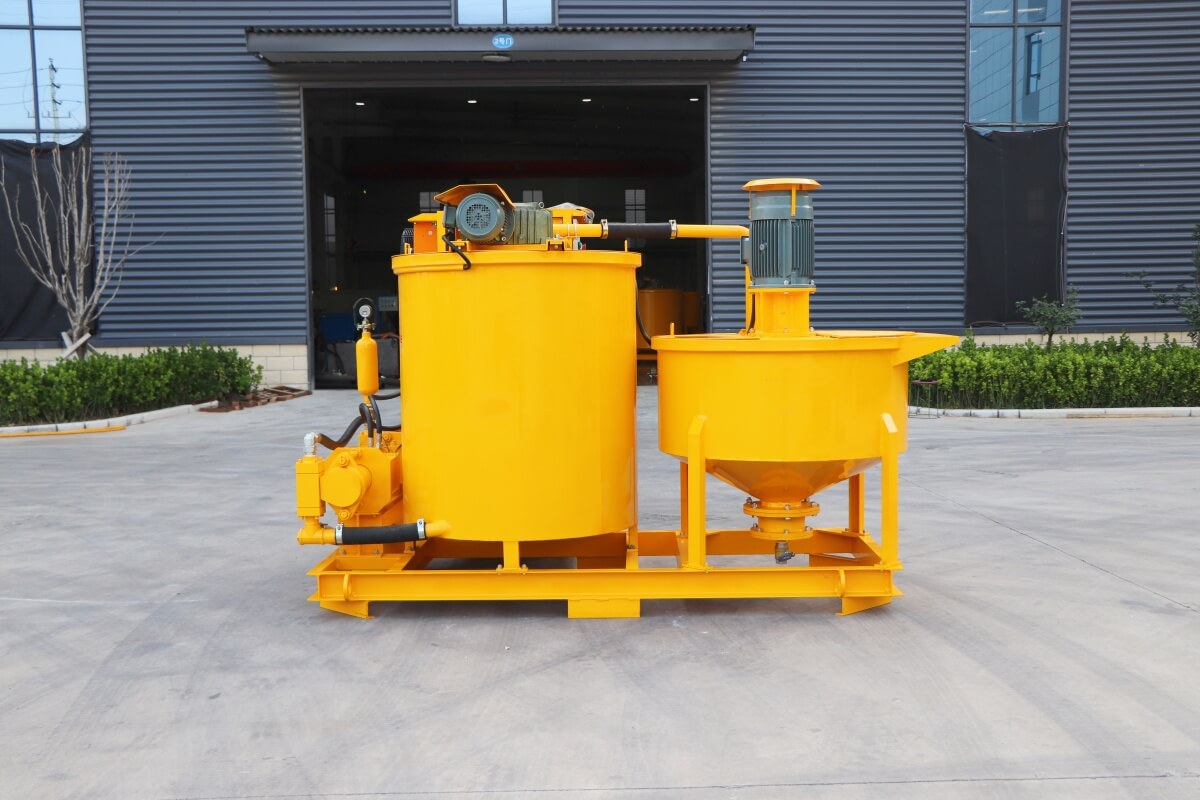
Once mixed, the grout transfers to a 500 L storage/agitation tank, where a low-speed agitator keeps the slurry in motion to minimize sedimentation and stratification. This storage tank acts as a buffer between mixing and pumping, allowing the mixer to prepare the next batch while injection is underway. However, maintaining a continuous grout supply depends on the actual mixing cycle, effective storage capacity, and injection flow rate; tank capacity alone is not the sole determinant.
Matching Pumping Capabilities to the 120 bar Injection Requirement
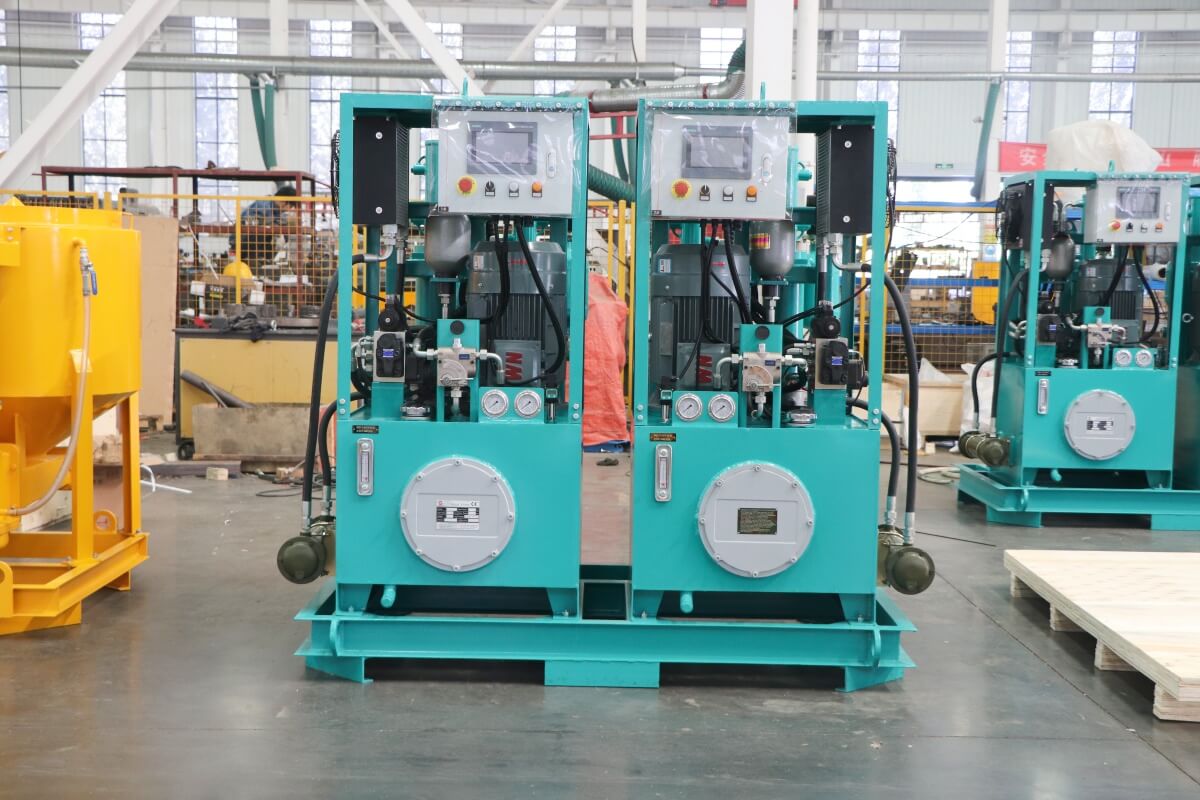
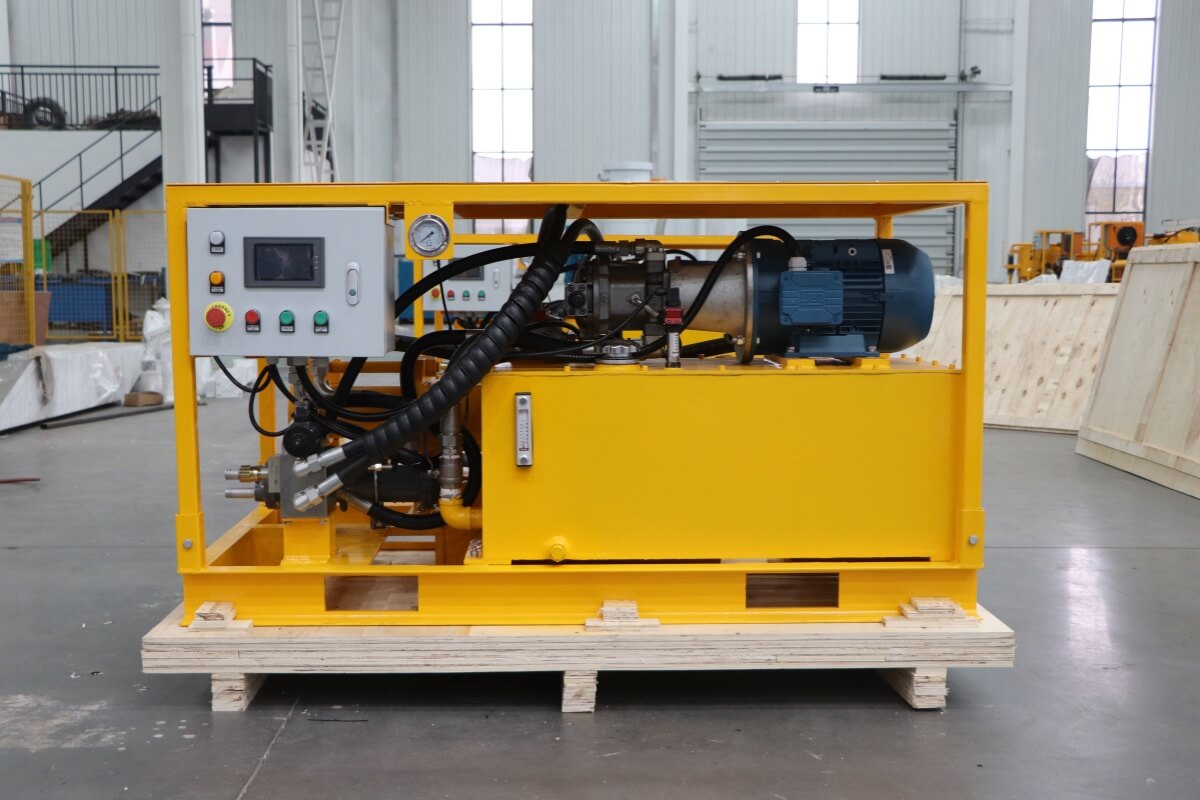
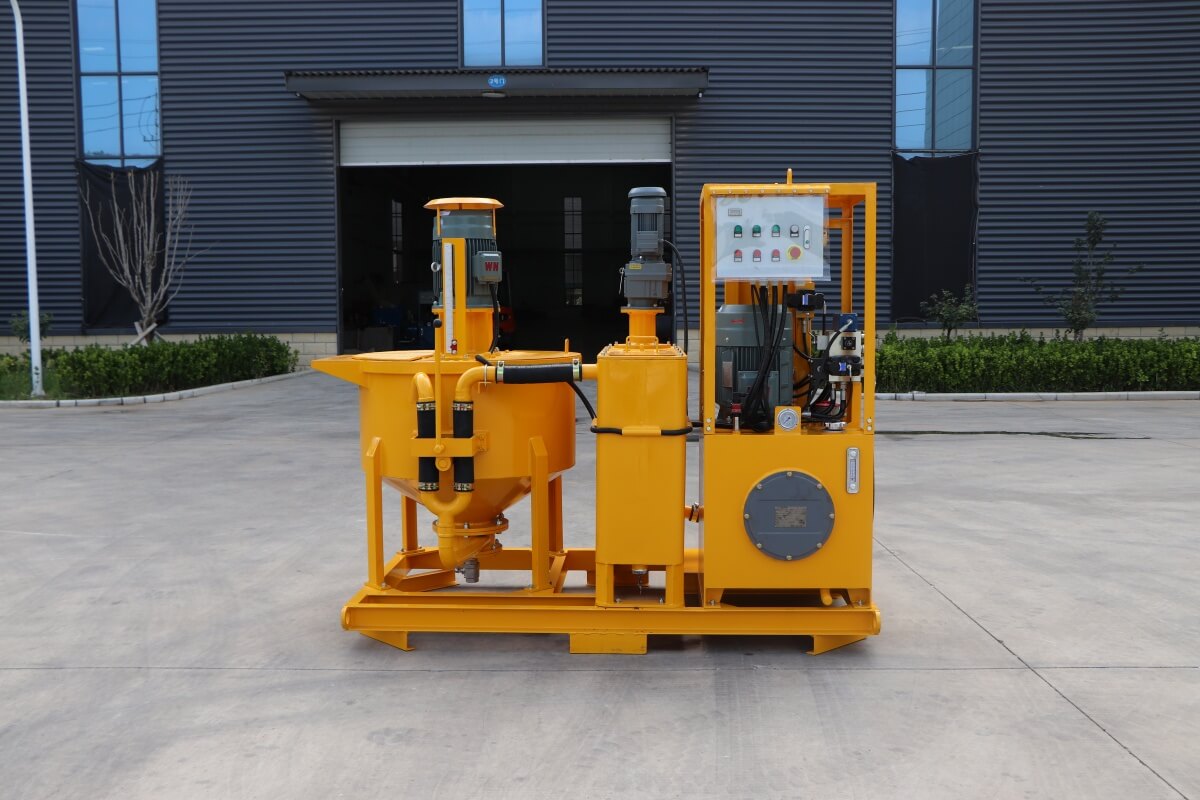
The client’s reference materials specify a grouting pressure of 120 bar but also list a pump pressure of 150 bar. During equipment selection, it is crucial to clarify whether the 150 bar figure refers to the hydraulic system pressure or the grout-side pressure, as these cannot be treated as identical parameters.
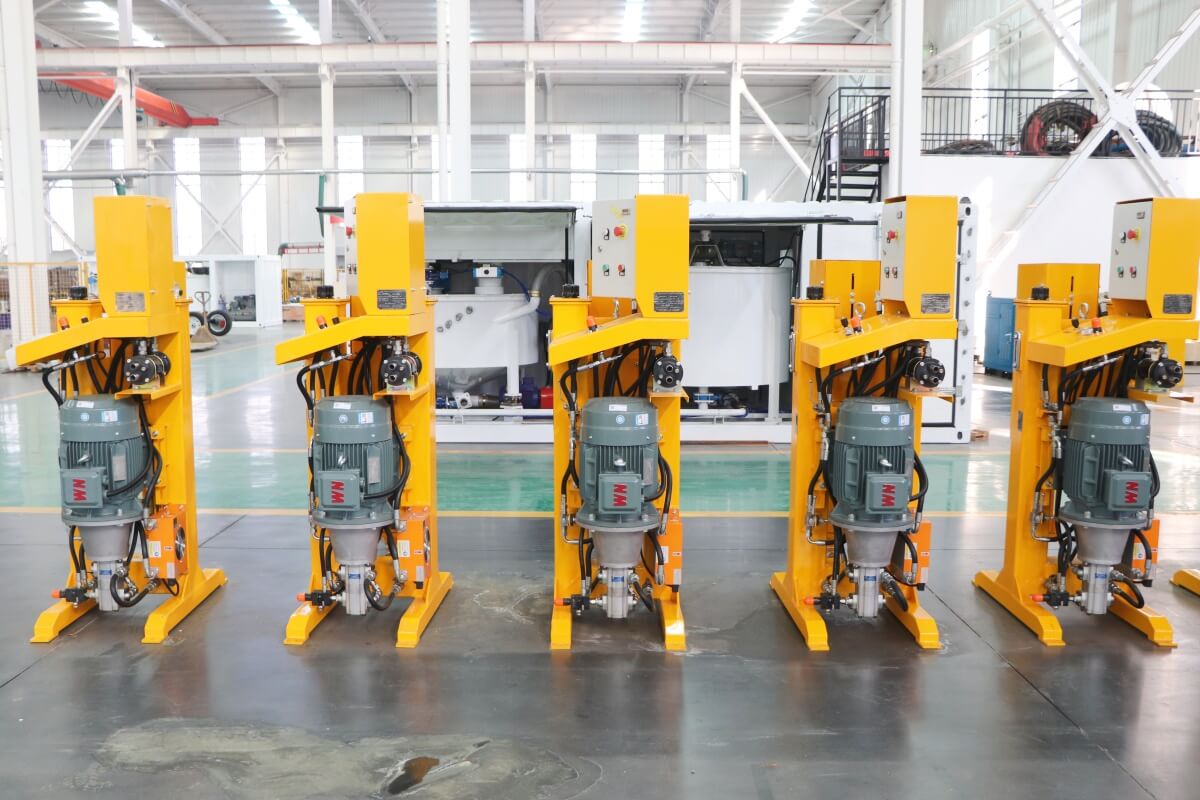
Similarly, the 45 L/min figure cited in the documentation refers to the hydraulic pump flow rate, which is not equivalent to the actual grout delivery flow rate. When selecting the appropriate grouting pump, we prioritize verifying the actual discharge rate at the target grouting pressure and evaluating delivery requirements based on factors such as grout viscosity, pipeline length, and outlet diameter. While reference models often utilize a sensor-controlled single-piston design, the final pump model and control configuration are determined based on the client’s specific operating conditions.
Integrated grout mixing and pumping station applications: Ground Anchors, Foundation Reinforcement, and Impermeability Grouting
In projects involving ground anchors, soil nails, and foundation reinforcement, the integrated grout mixing and pumping station is used to prepare and deliver cement grout, filling the designated grouting spaces within boreholes. Consistent grout supply and appropriate pumping capacity facilitate staged and sequenced grouting operations, while specific grouting pressures are determined by engineering designs and geological conditions.
For grouting rock mass fissures and fine voids, the use of micro-fine cement—often requested by clients—imposes more stringent requirements on the equipment. Beyond mixing and dispersion efficiency, considerations must include material particle size, grout stability, and the compatibility of pump valves and pipelines. High pressure alone does not guarantee grout penetration into fine fissures; matching the material properties to the fissure characteristics is equally critical.
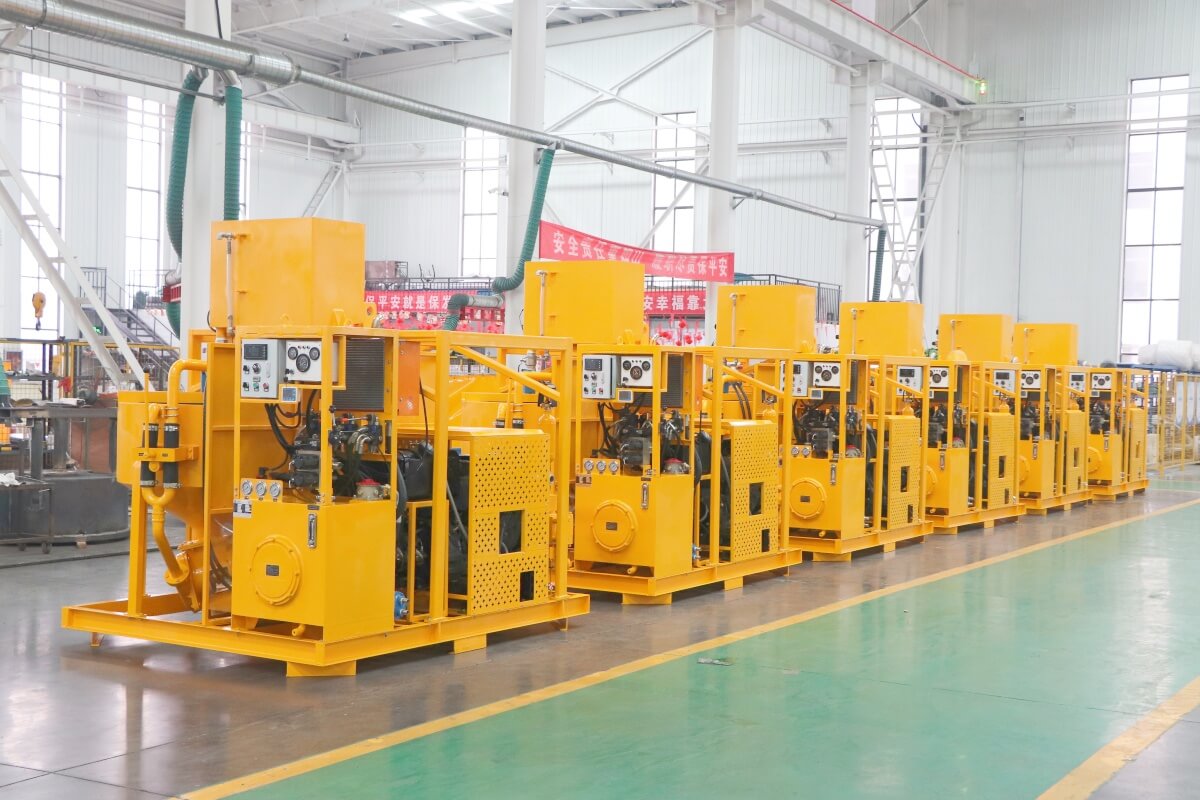
In the construction of impermeable grout curtains, the integrated station handles both grout preparation and delivery, coordinating with on-site grouting procedures. Depending on project needs, configurations such as pressure monitoring, flow metering, and cumulative injection recording can be included to help operators track the grouting process.
As a professional supplier of grouting equipment, we can tailor solutions—including mixing capacity, storage volume, pump performance, and power configuration—based on client-provided specifications to ensure the integrated grout mixing and pumping station is perfectly suited to actual site conditions.
If you are looking for equipment to mix and inject cement, bentonite, or micro-fine cement, please send details regarding your grout mix ratio, required pressure and flow rates, pipeline distance, and on-site power supply to info@gaodetec.com to receive equipment selection recommendations and a quotation.