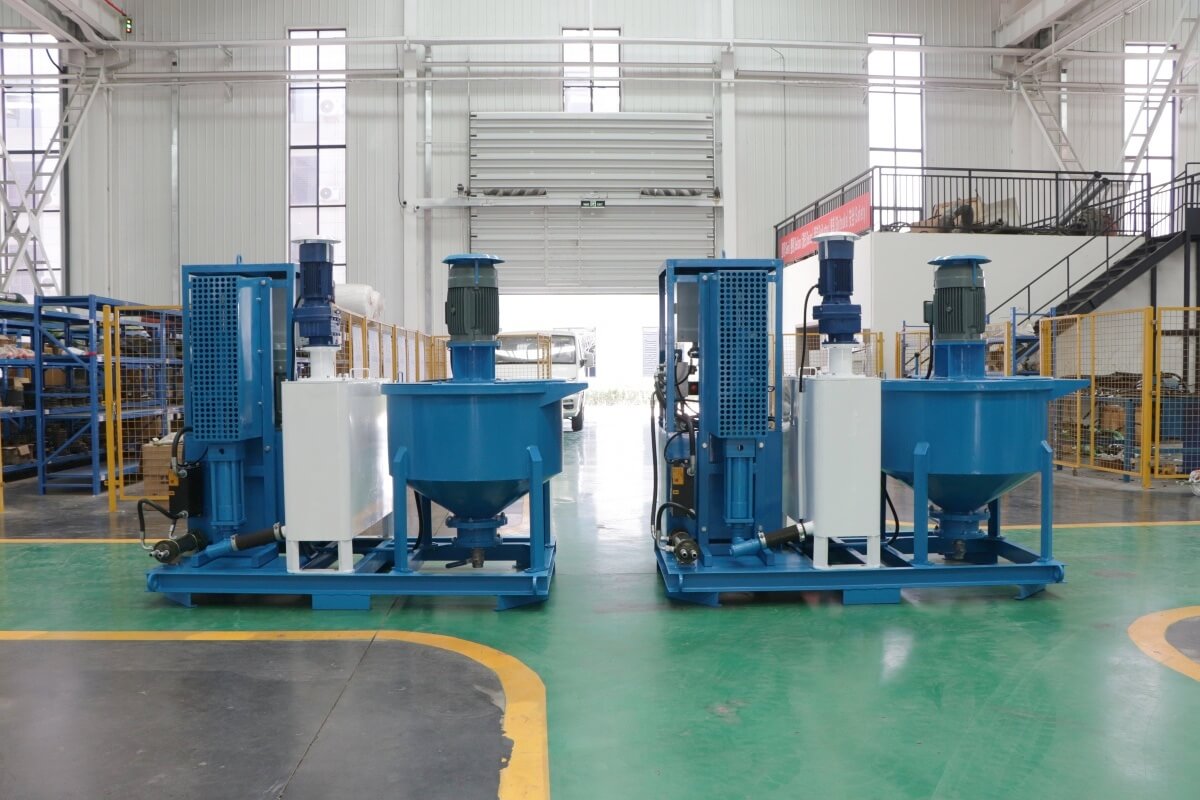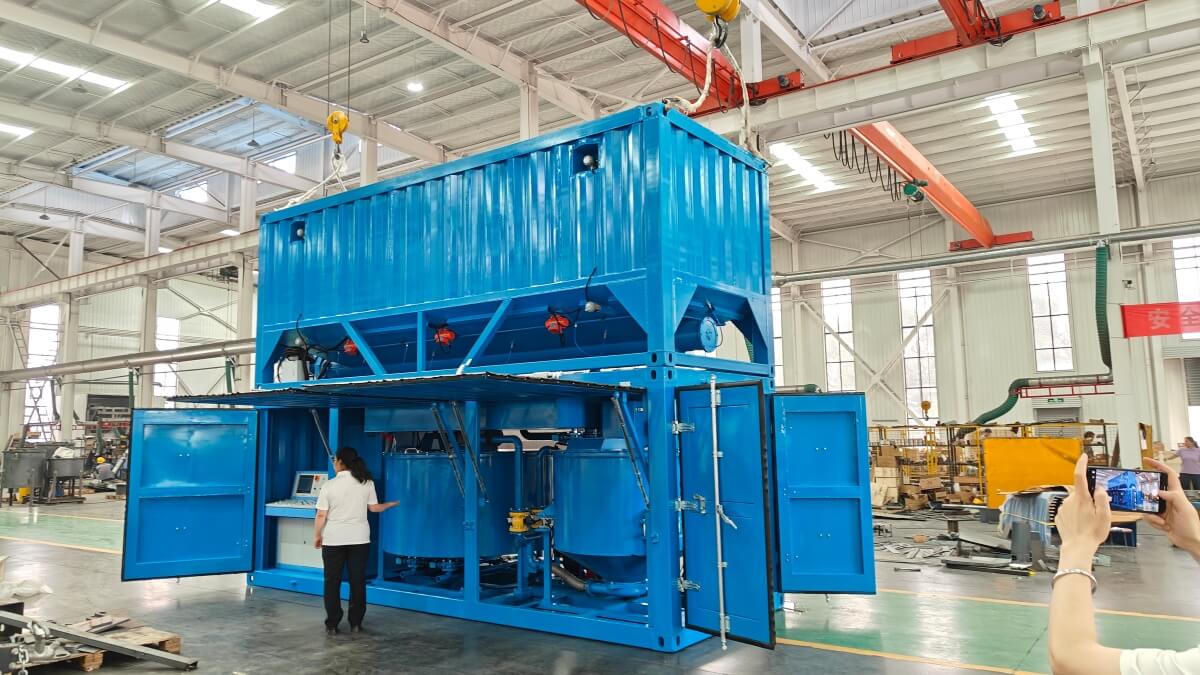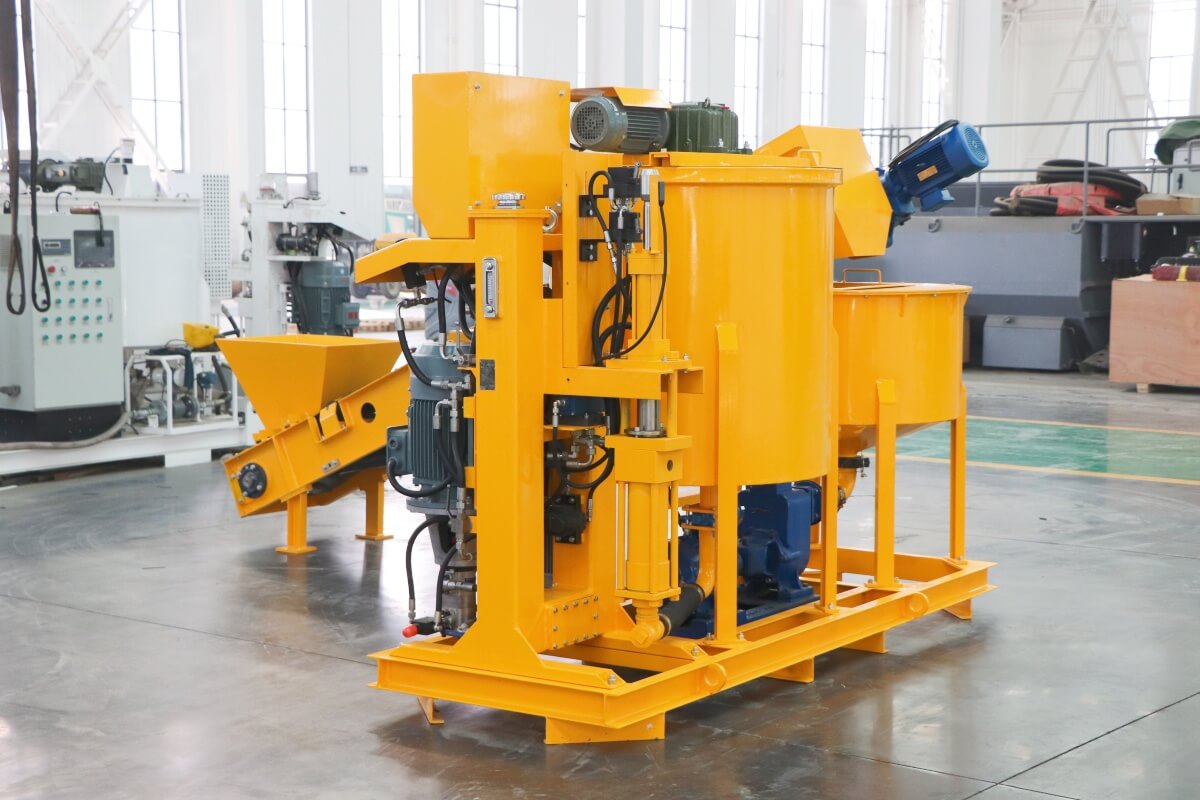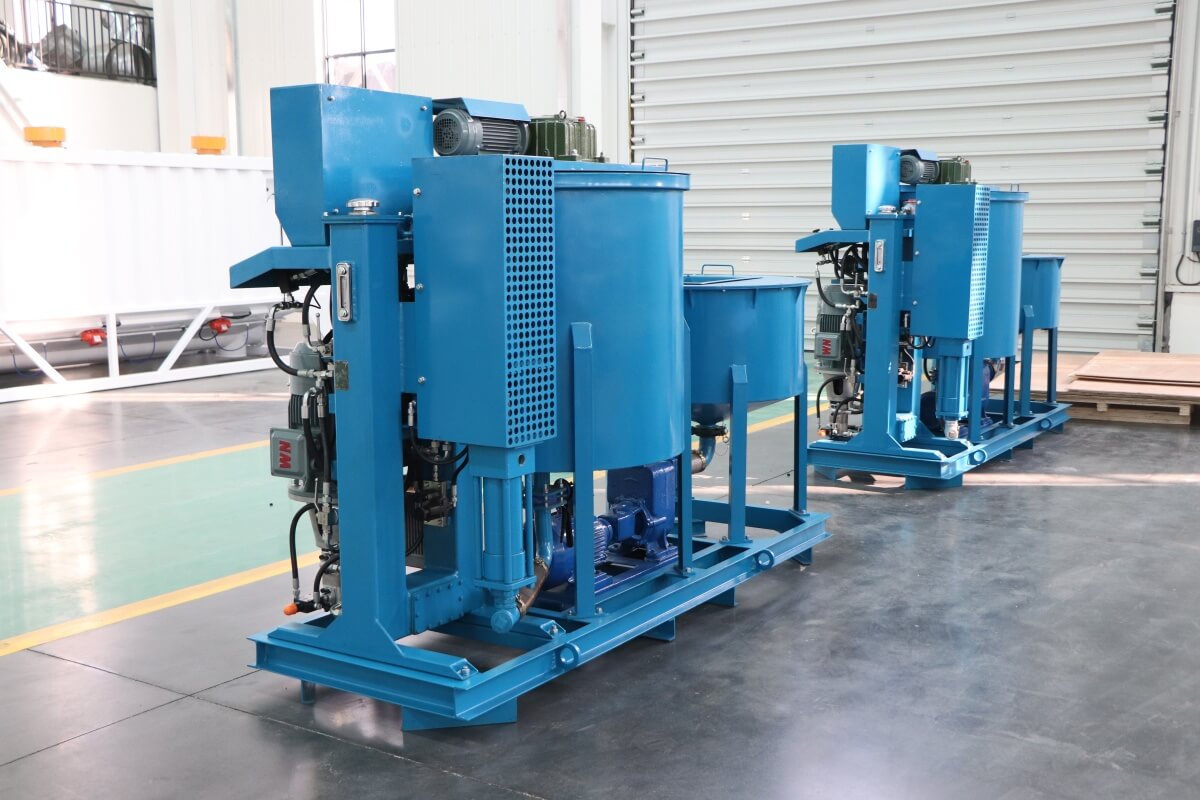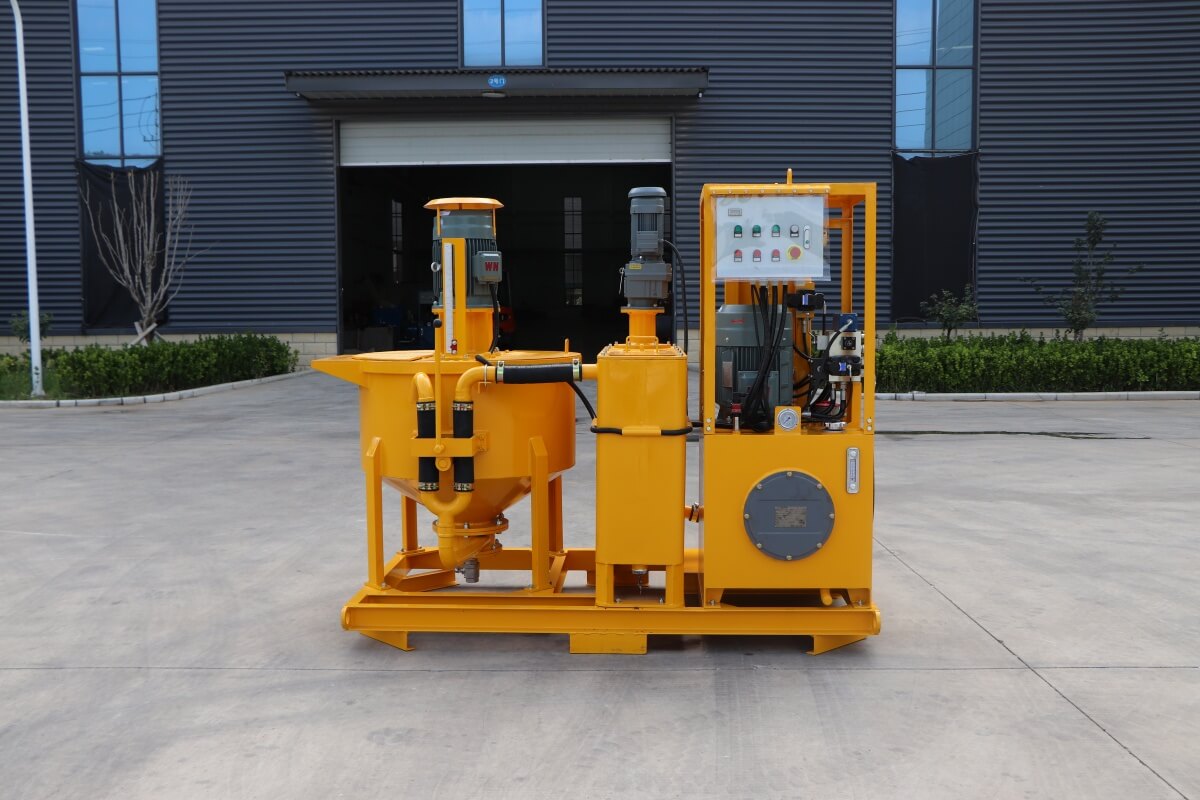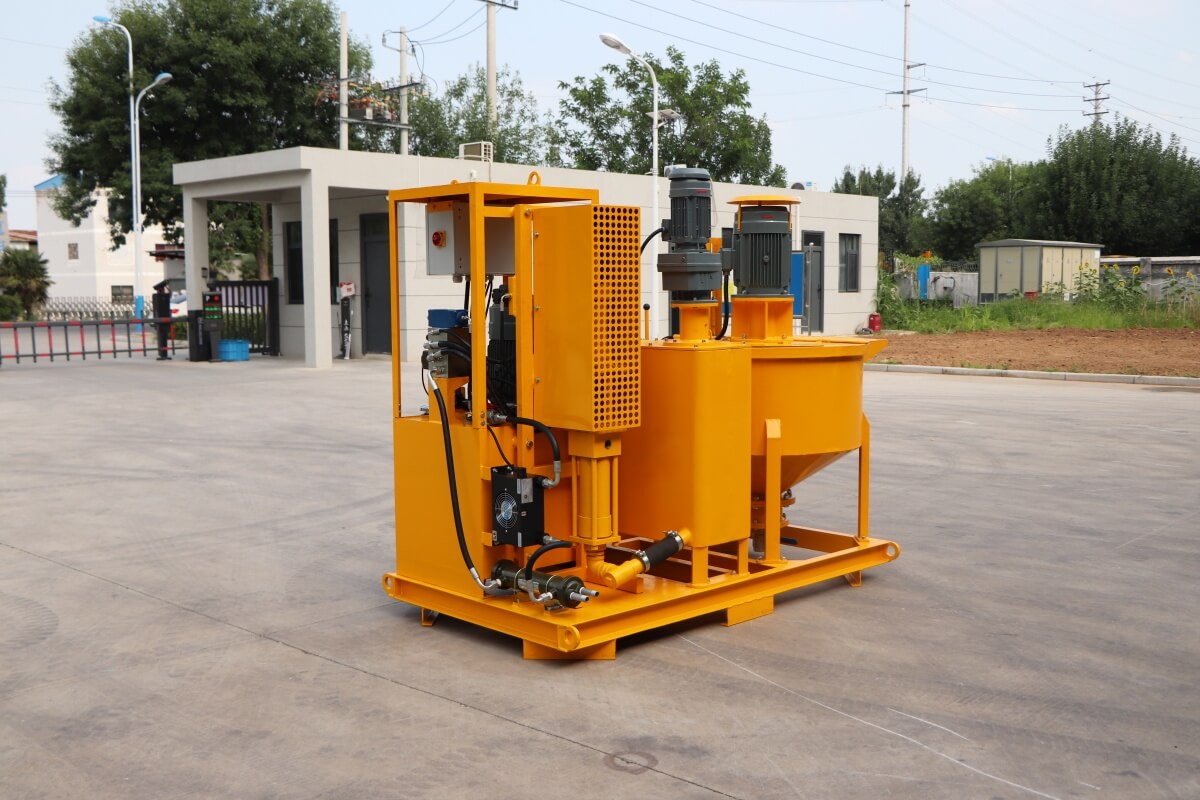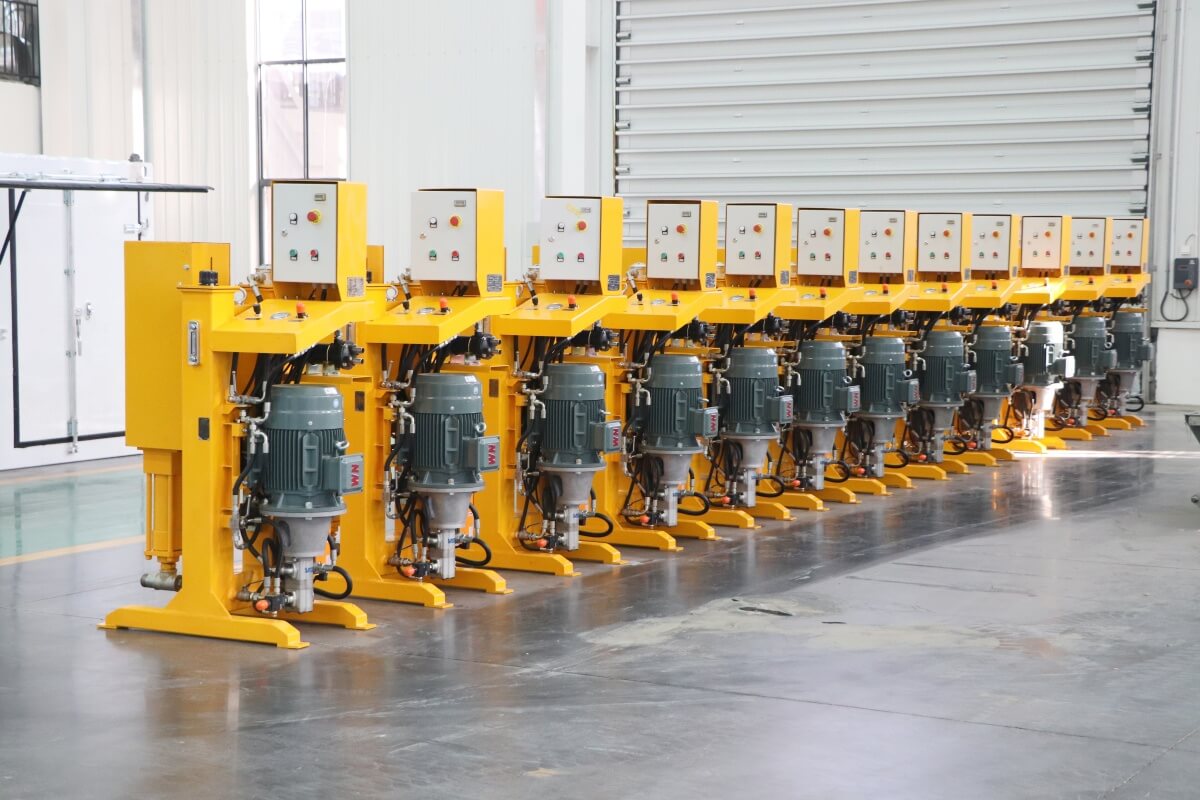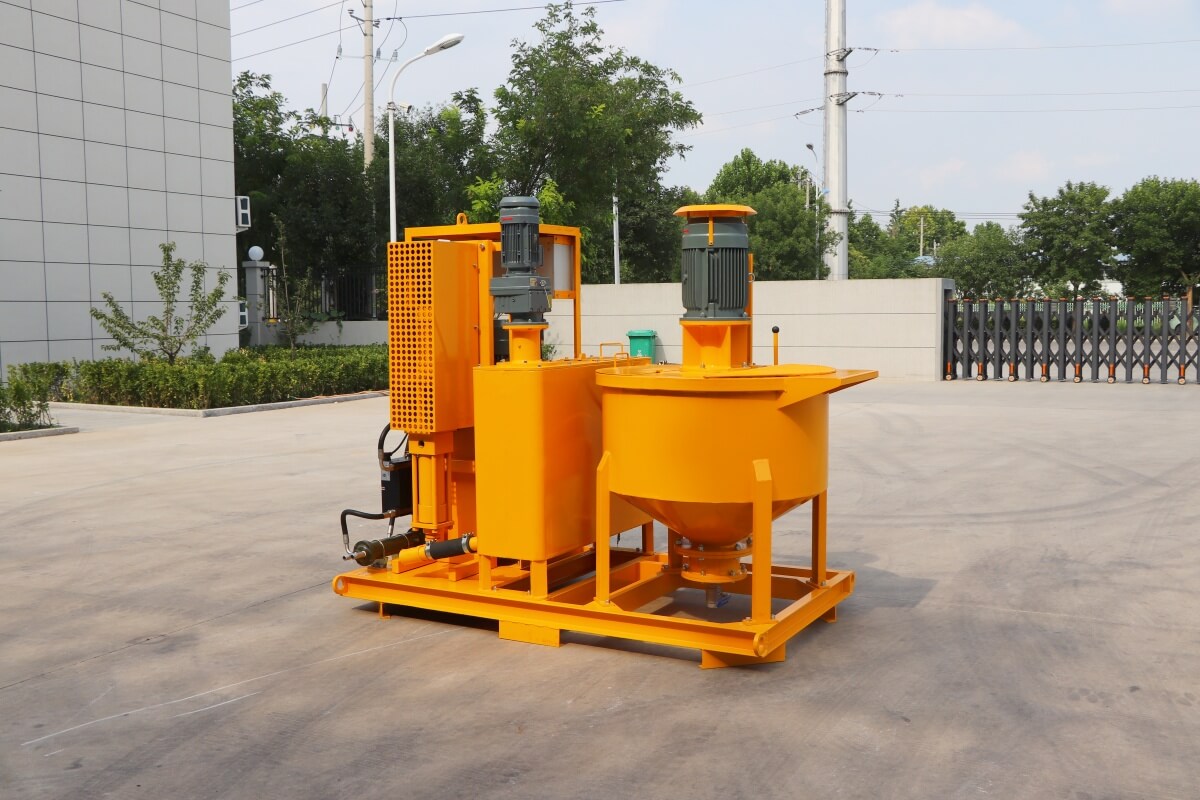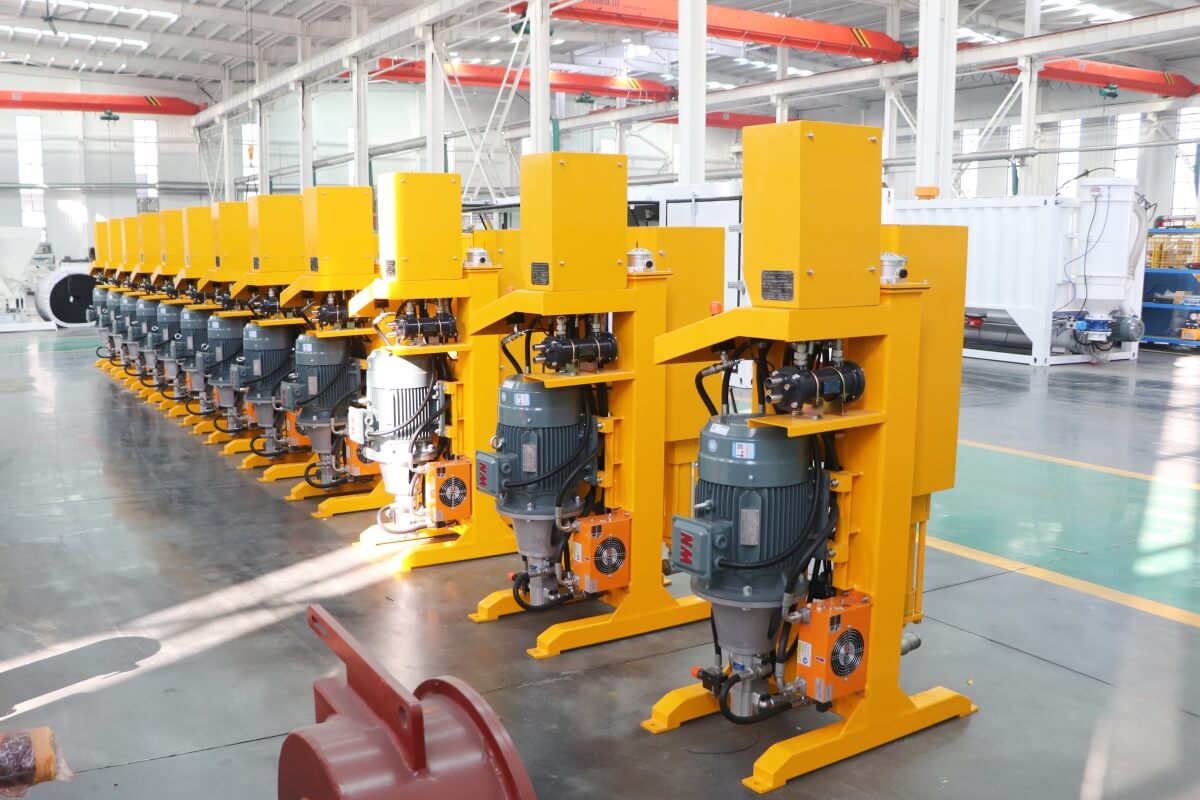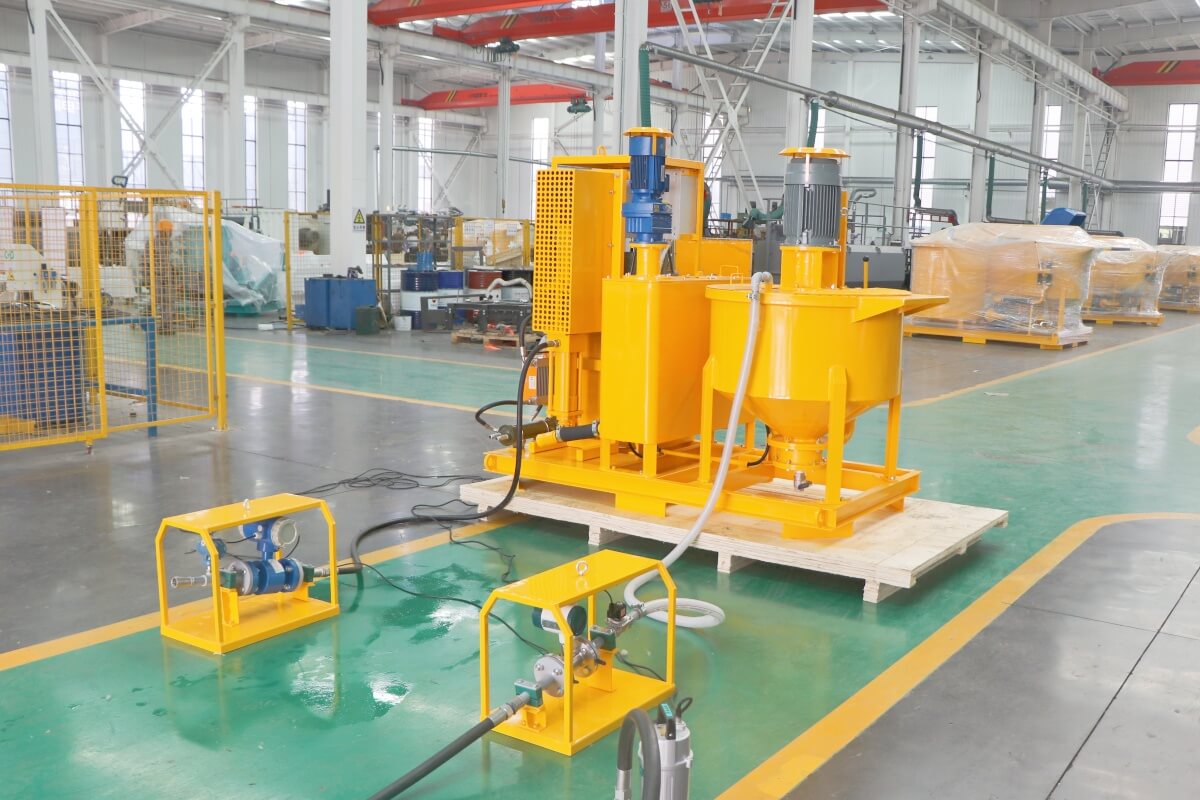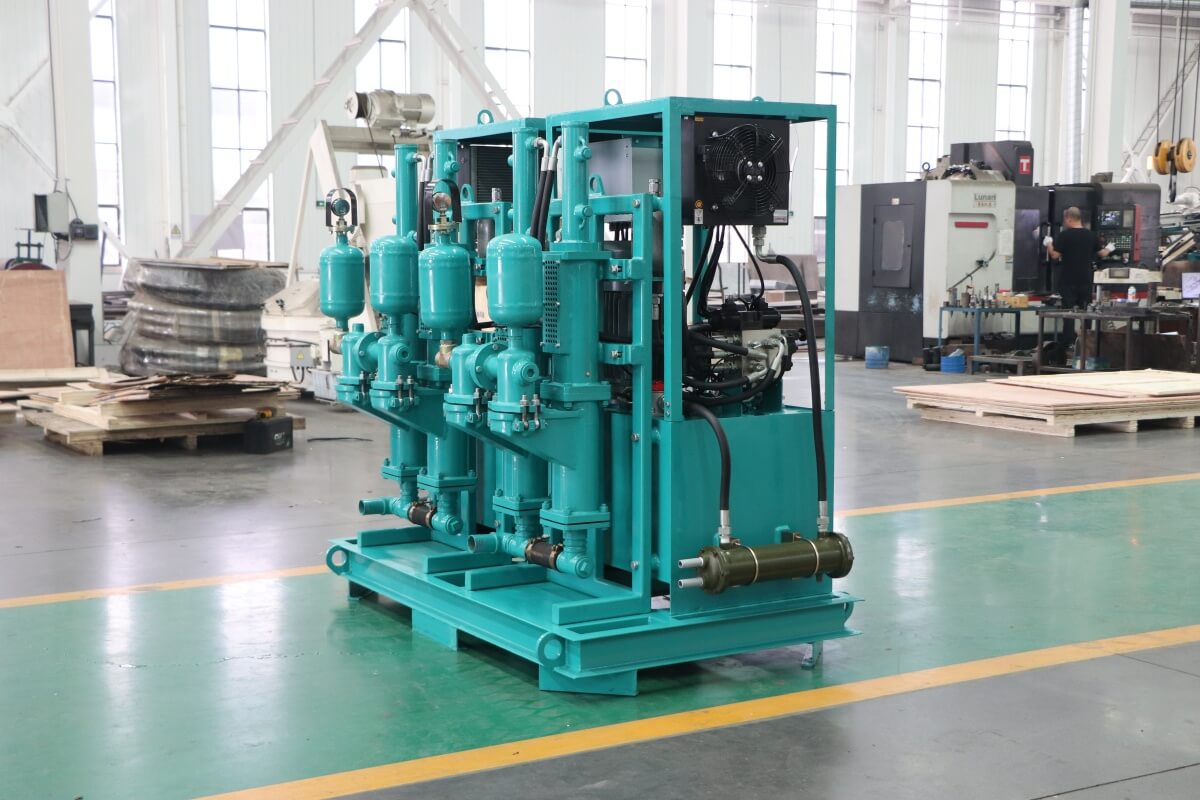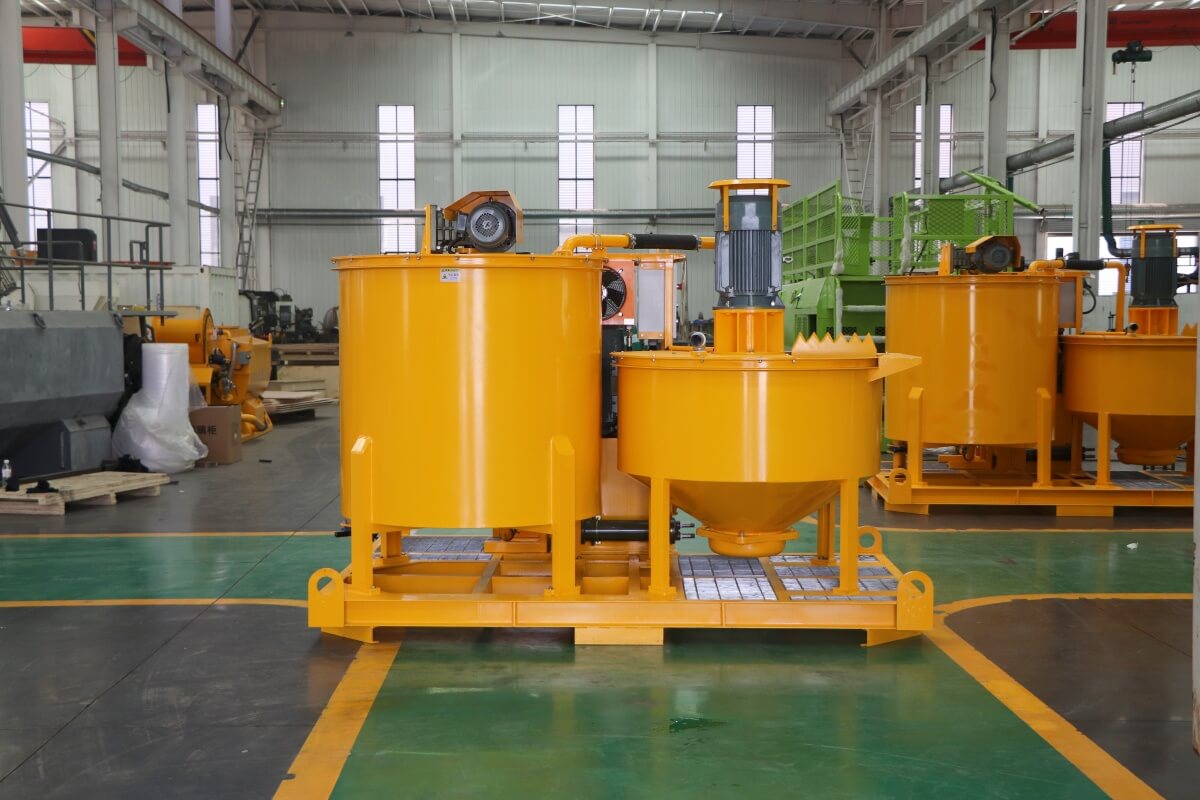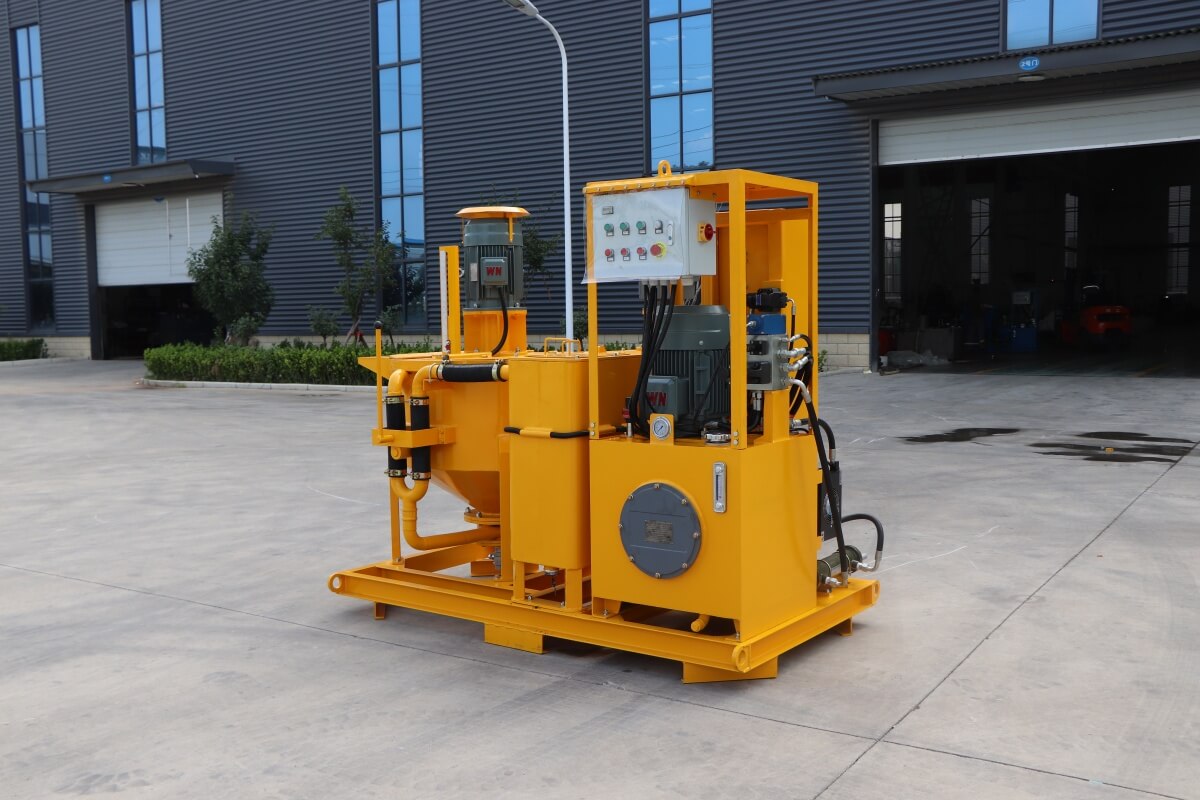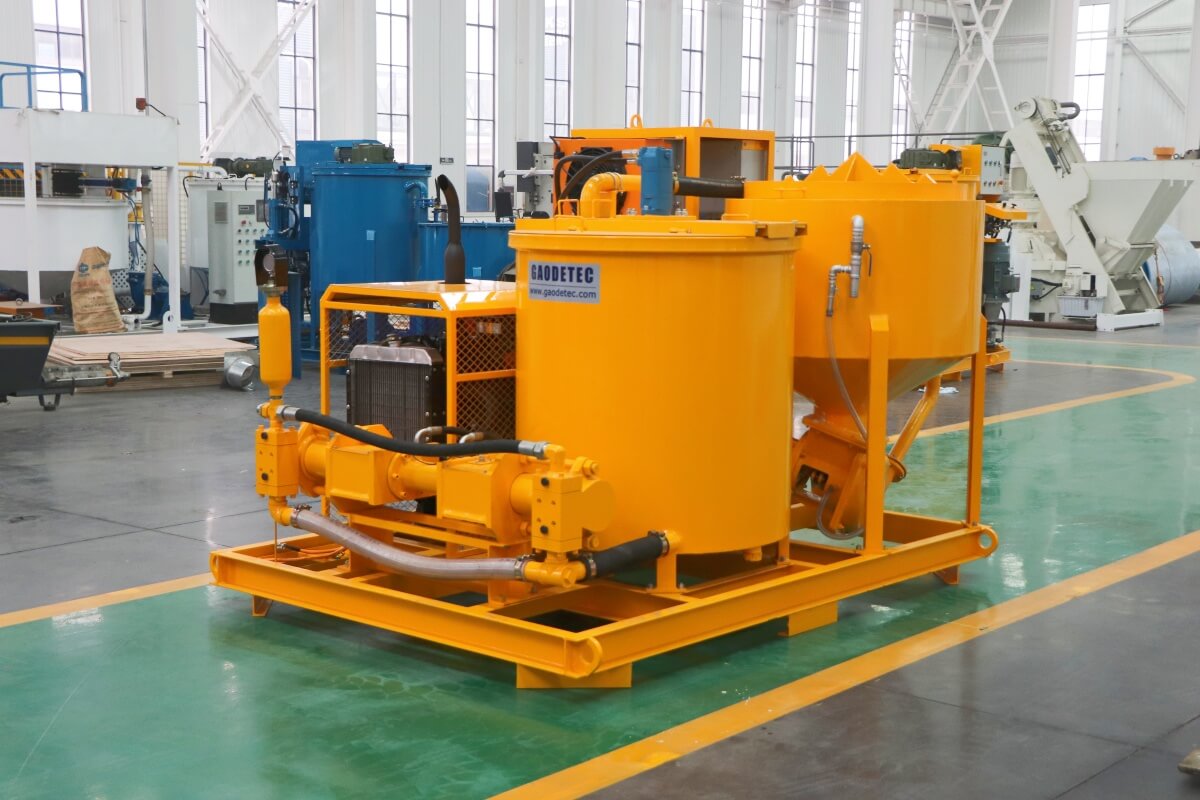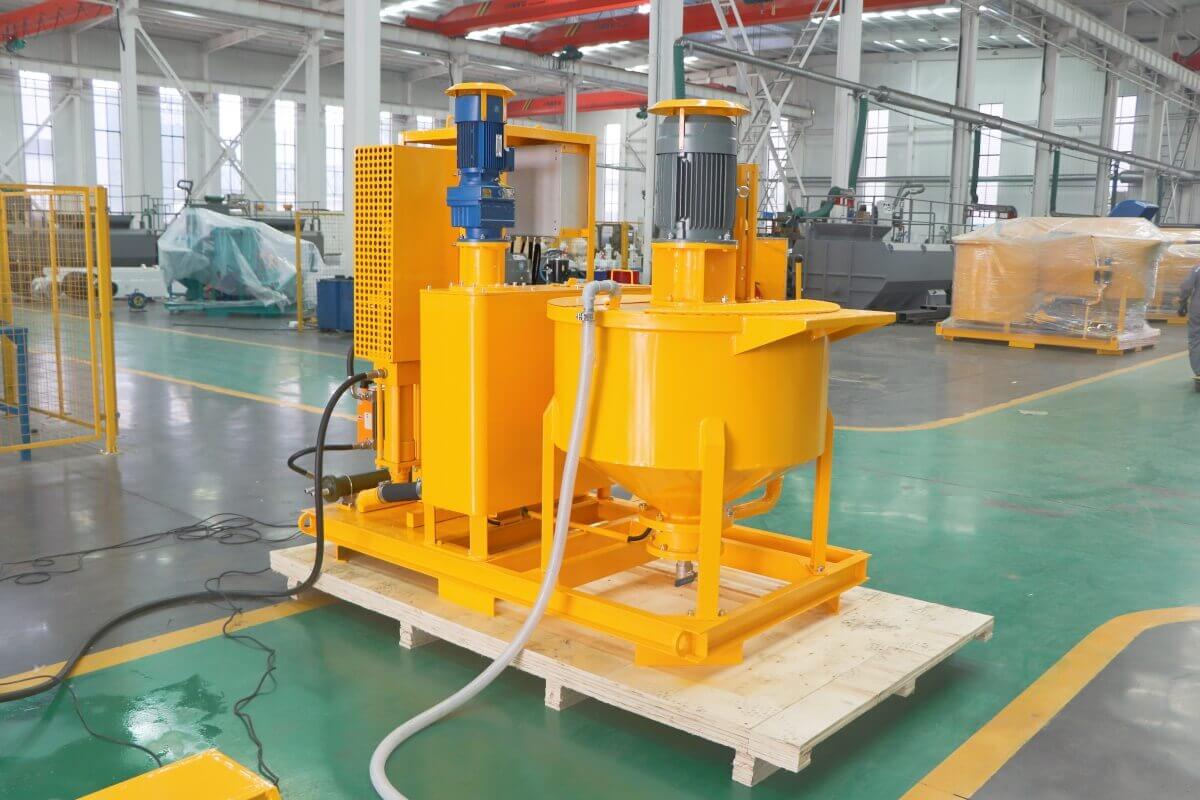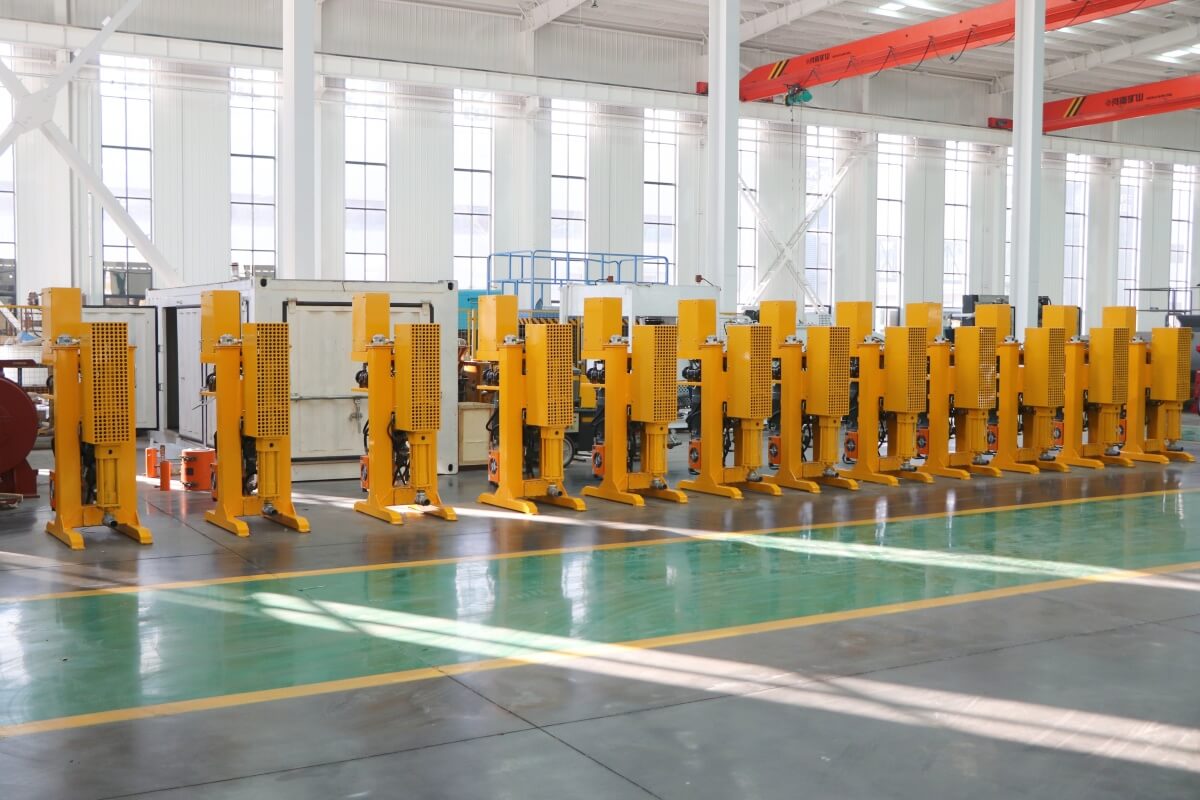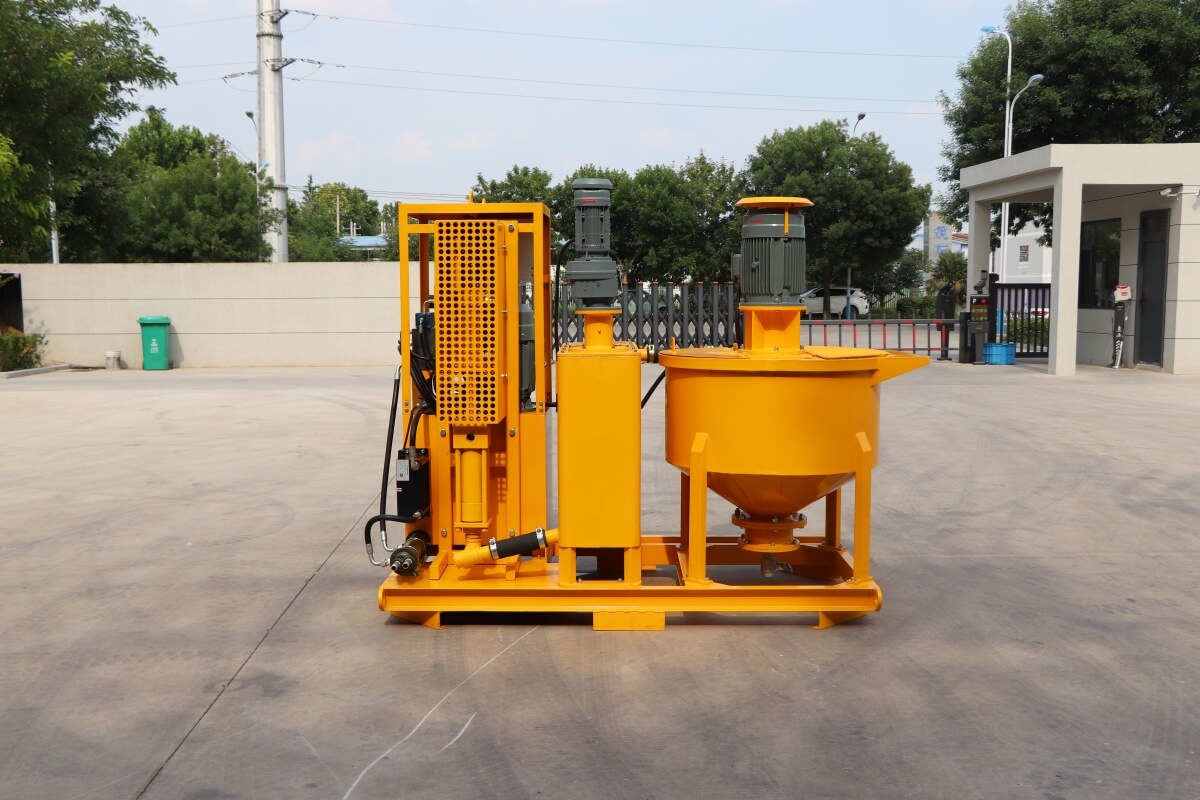
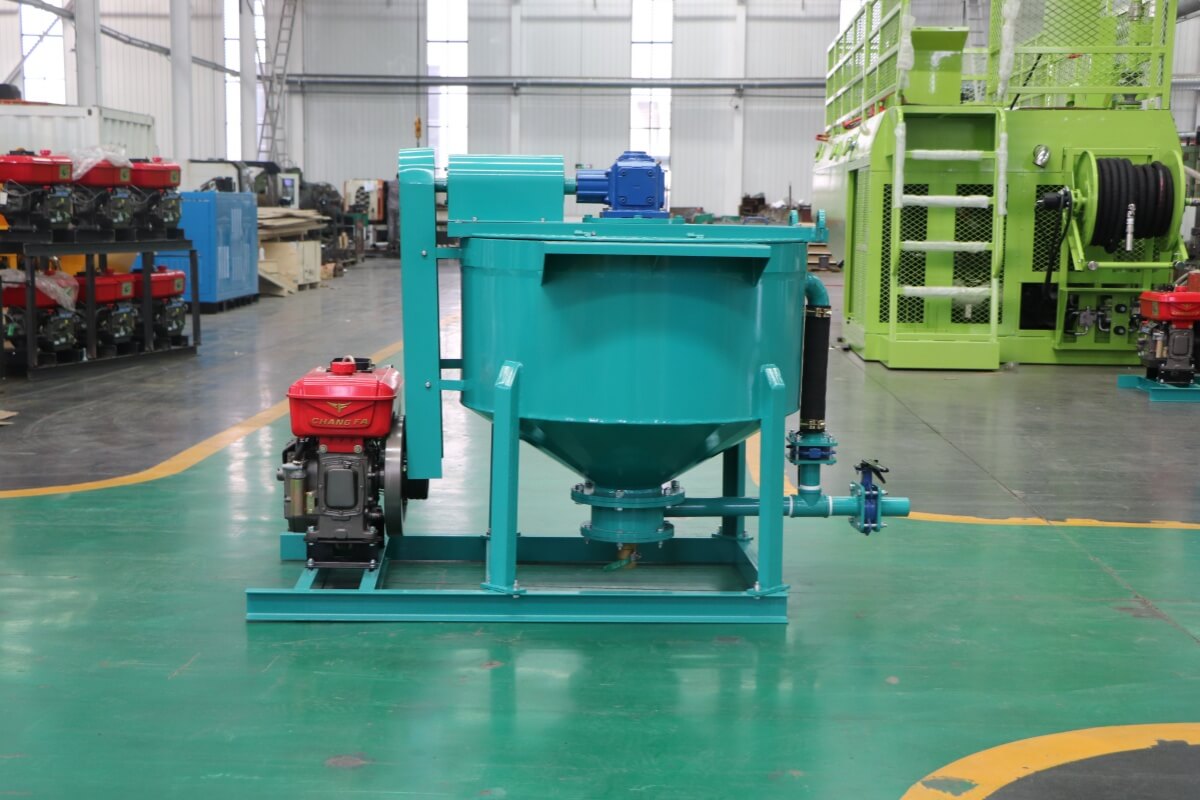
High shear high intensity cement slurry mixer
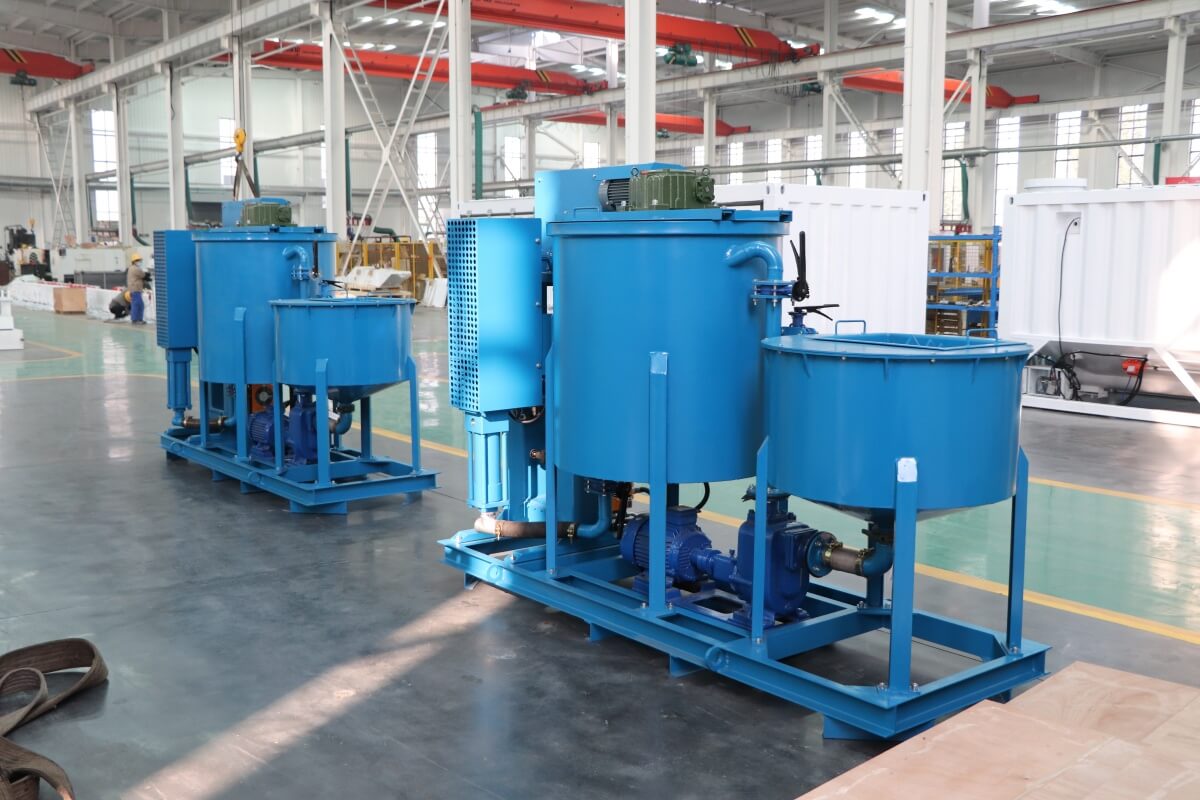
The high shear cement slurry mixer is designed for the rapid preparation of homogeneous cement grout used in demanding construction and geotechnical applications. Its high-intensity mixing action creates strong turbulence and shearing forces, allowing cement, water, bentonite and compatible additives to be dispersed efficiently.
Compared with conventional paddle mixers, the machine produces smoother and more consistent slurry while helping reduce cement agglomeration, sedimentation and material separation. The resulting grout offers stable flow characteristics for pumping and controlled injection into boreholes, rock fissures, foundations and underground structures.
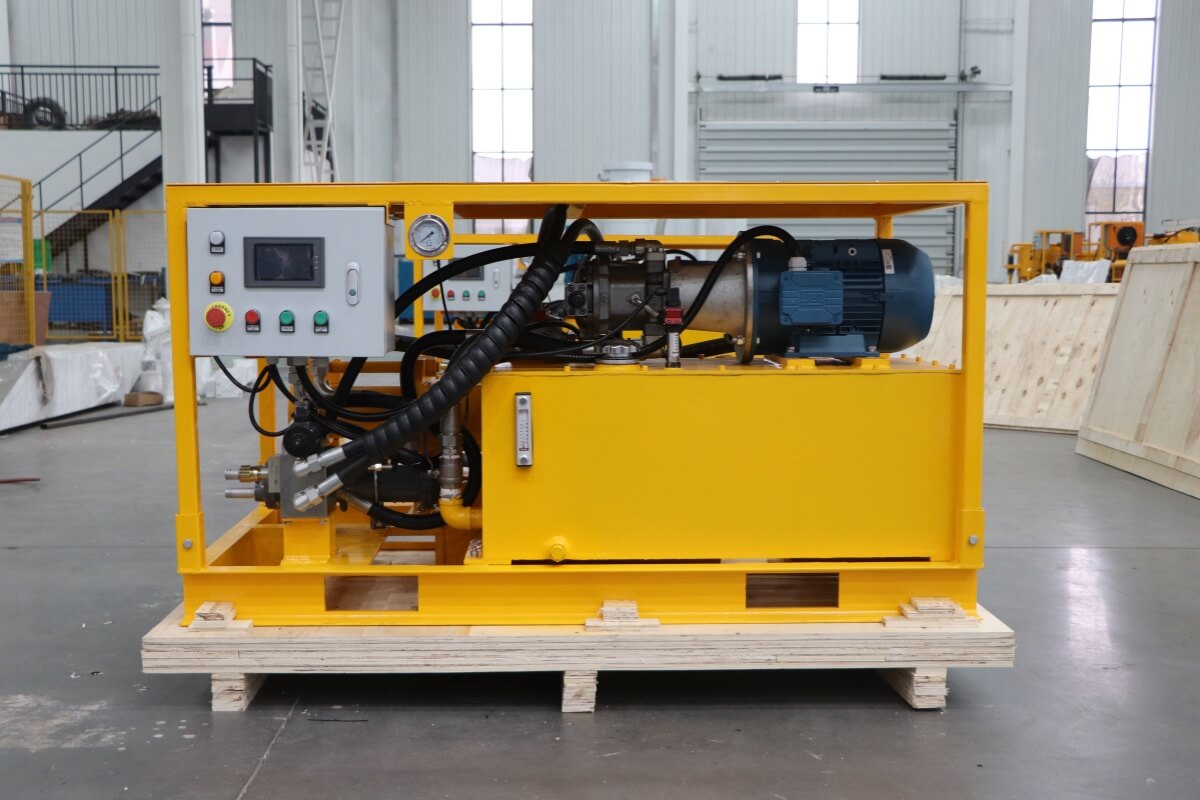
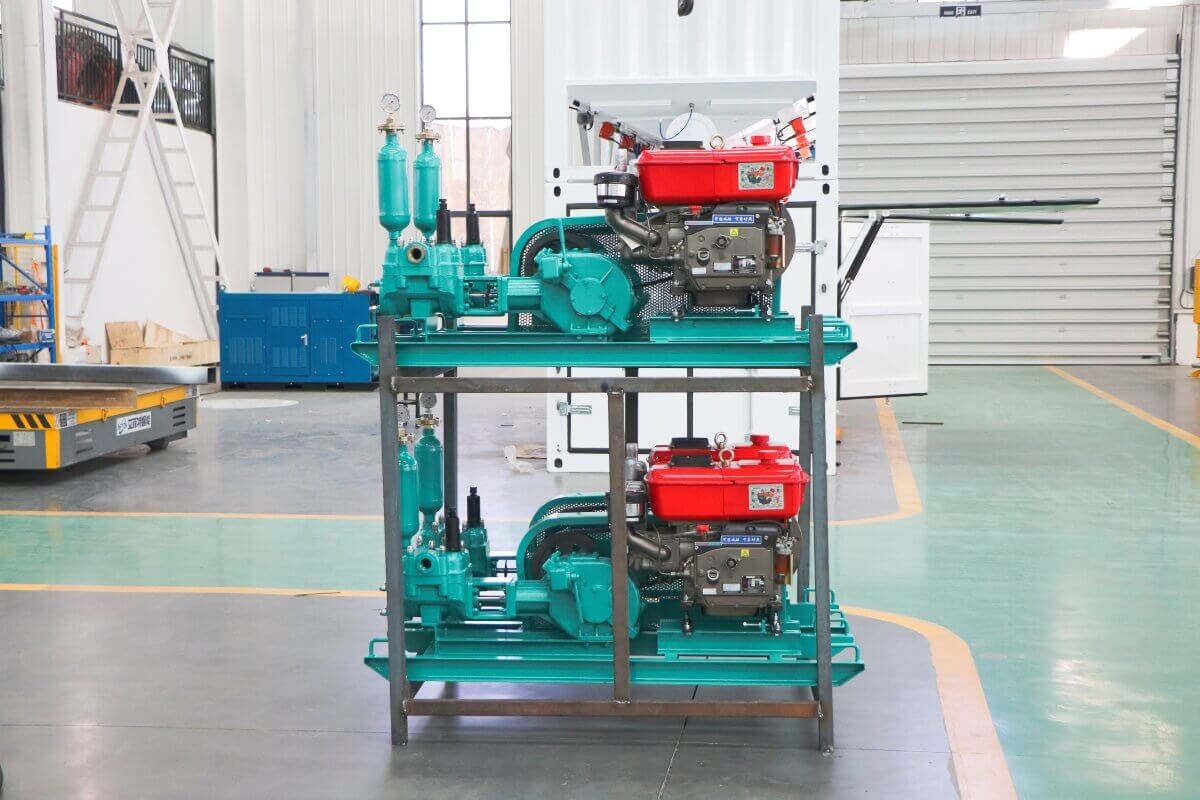
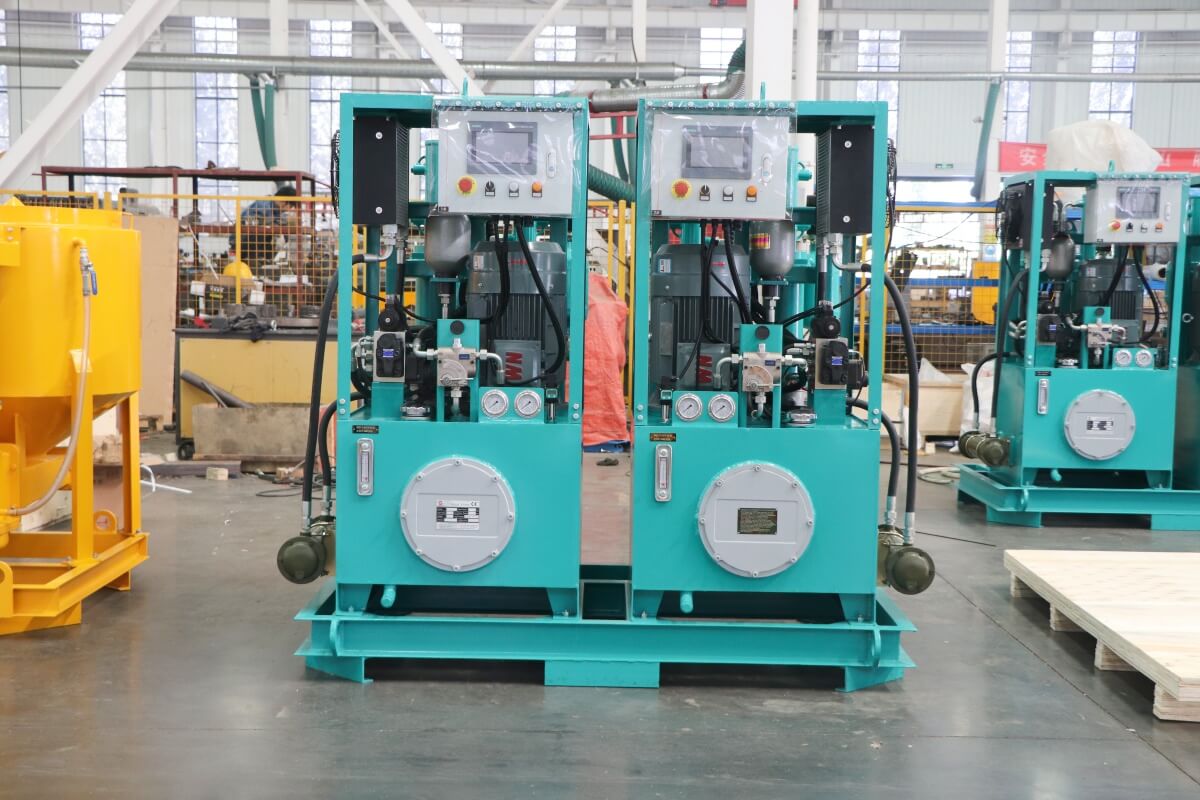
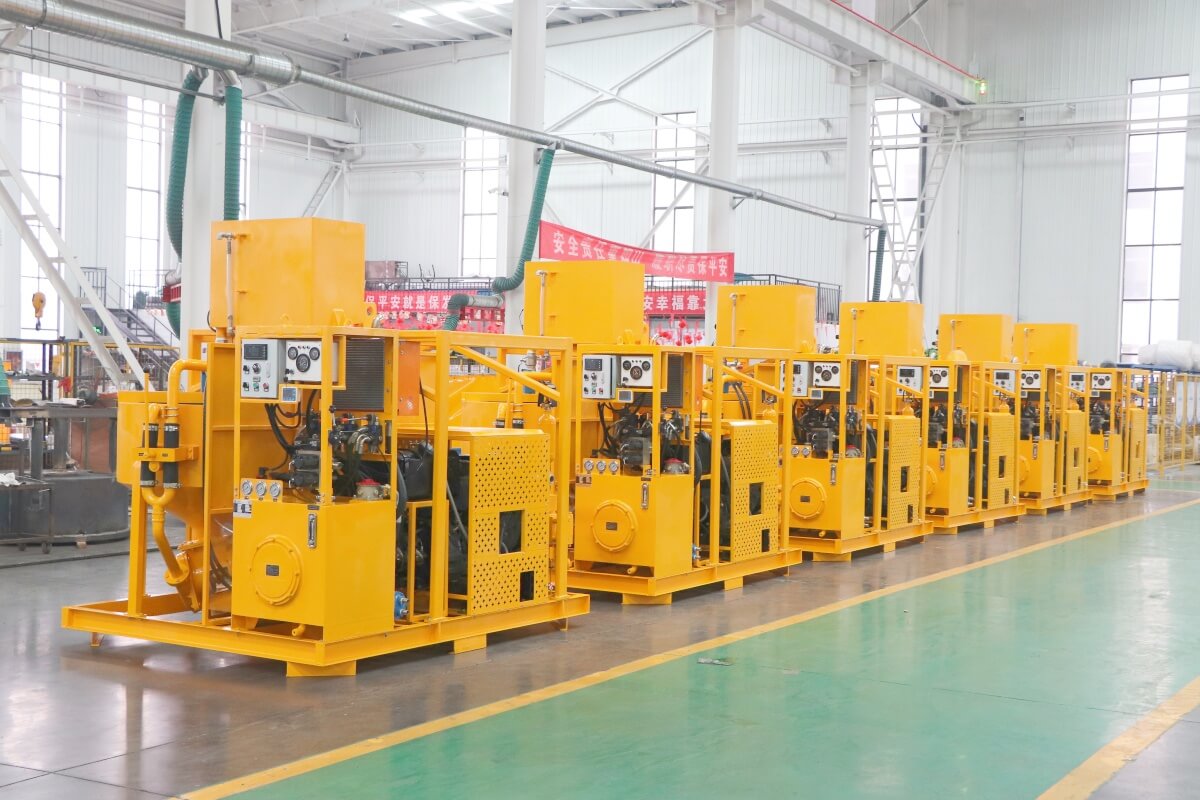
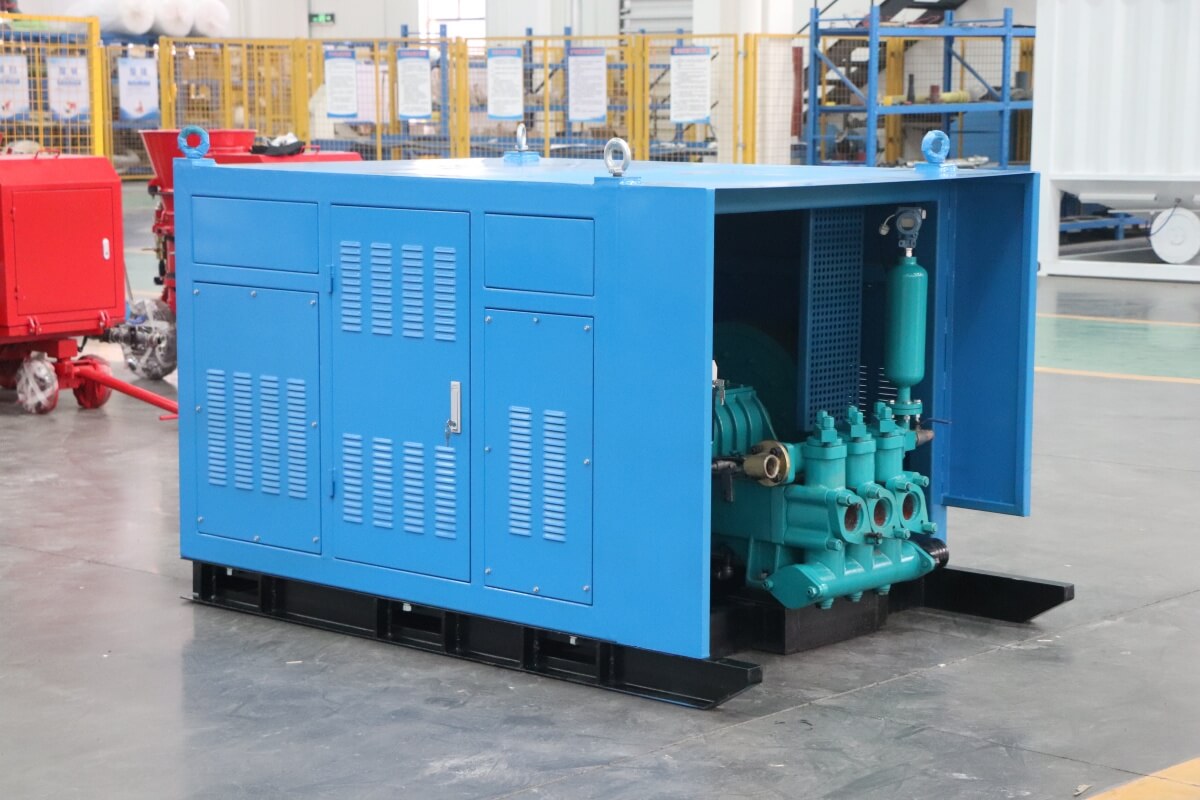
The mixer can operate independently or be integrated with an agitator tank and grout pump to form a continuous grout mixing and injection system. Mixing capacity, power source, voltage and control configuration can be customized according to project requirements.
Recently, a European engineering company consulted us about a high-shear high-intensity cement slurry mixer. The project requires the preparation of cement slurry with a water-cement ratio of 0.30–0.45, with the addition of a chemical water-reducing agent to meet the requirements for slurry uniformity, flowability, and stability in subsequent grouting or material testing.
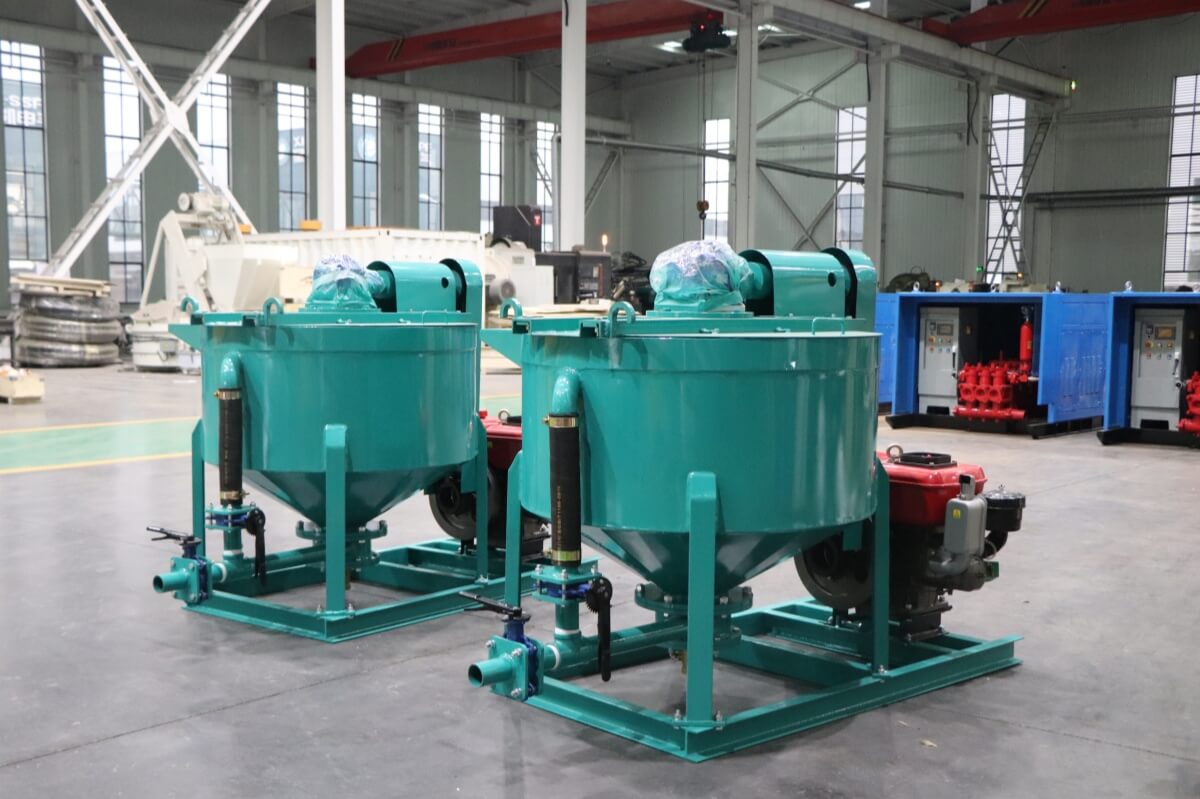
For this low water-cement ratio formulation, ordinary low-speed mixing equipment often struggles to quickly wet and disperse cement particles. As the amount of cement added increases, the slurry viscosity rises significantly, easily leading to problems such as clumping, localized dryness, uneven mixing, and difficulty in discharge. While water-reducing agents can improve flowability, their actual effectiveness is also highly dependent on the order of addition, shear strength, and mixing time.
To address this situation, a high-shear high-intensity cement slurry mixer needs to rapidly disperse cement, water, and chemical additives through high-speed circulation and strong shear action. Equipment selection should not only focus on the mixing tank capacity but also comprehensively consider the required drive power, circulation efficiency, internal flow field, discharge capacity, and wear resistance of components in contact with the slurry.
Key Points in the Preparation of Low Water-Cement Ratio Grout
In actual grouting, metered water is typically added first, followed by cement and water-reducing agent according to process requirements. A stable feeding rate helps prevent the formation of lumps due to the instantaneous influx of large amounts of dry powder. After initial wetting, the grout circulates continuously under high shear, ensuring thorough dispersion of cement particles and forming a more uniform, pumpable cement grout.
For formulations with a water-cement ratio of 0.30–0.45, it is recommended to conduct actual material testing before determining equipment specifications, as cement type, temperature, and the type and dosage of water-reducing agent all affect grout viscosity and mixing load. In addition to mixing effectiveness, it is also necessary to assess whether the grout can be smoothly discharged and matched with subsequent grouting pumps.
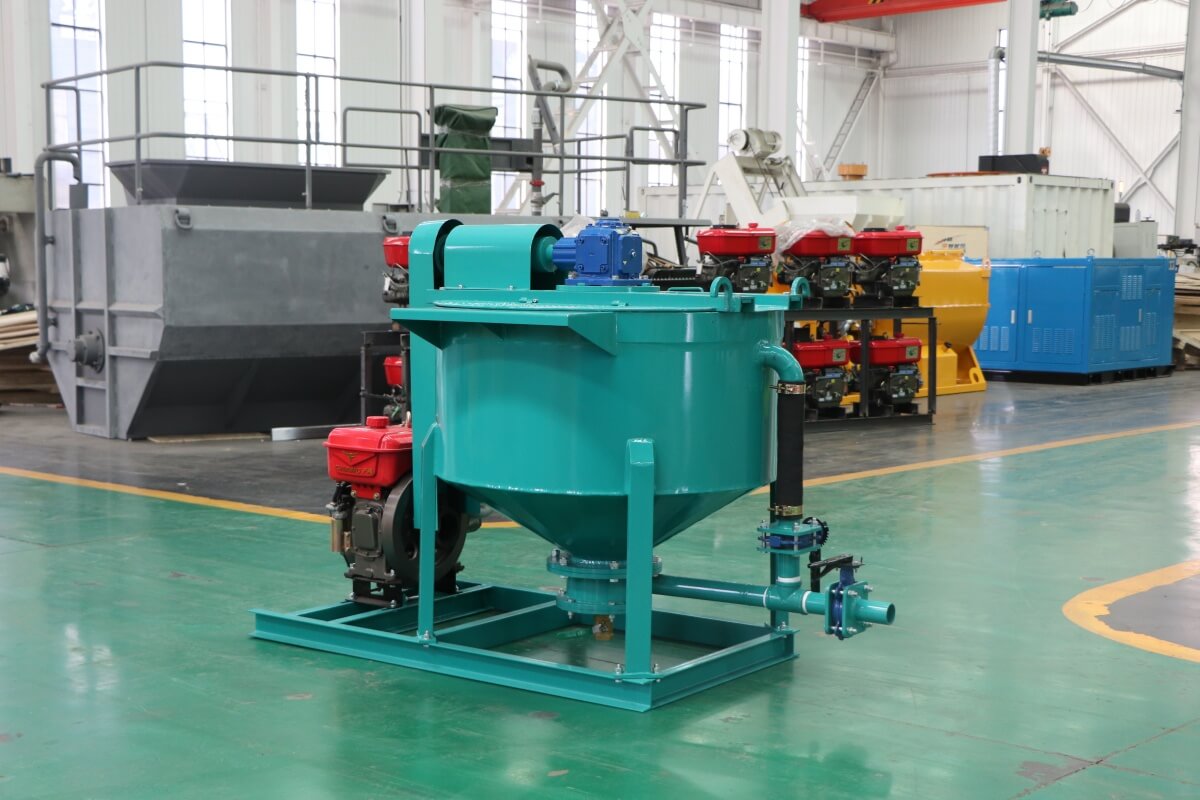
Configurable Grouting Solutions
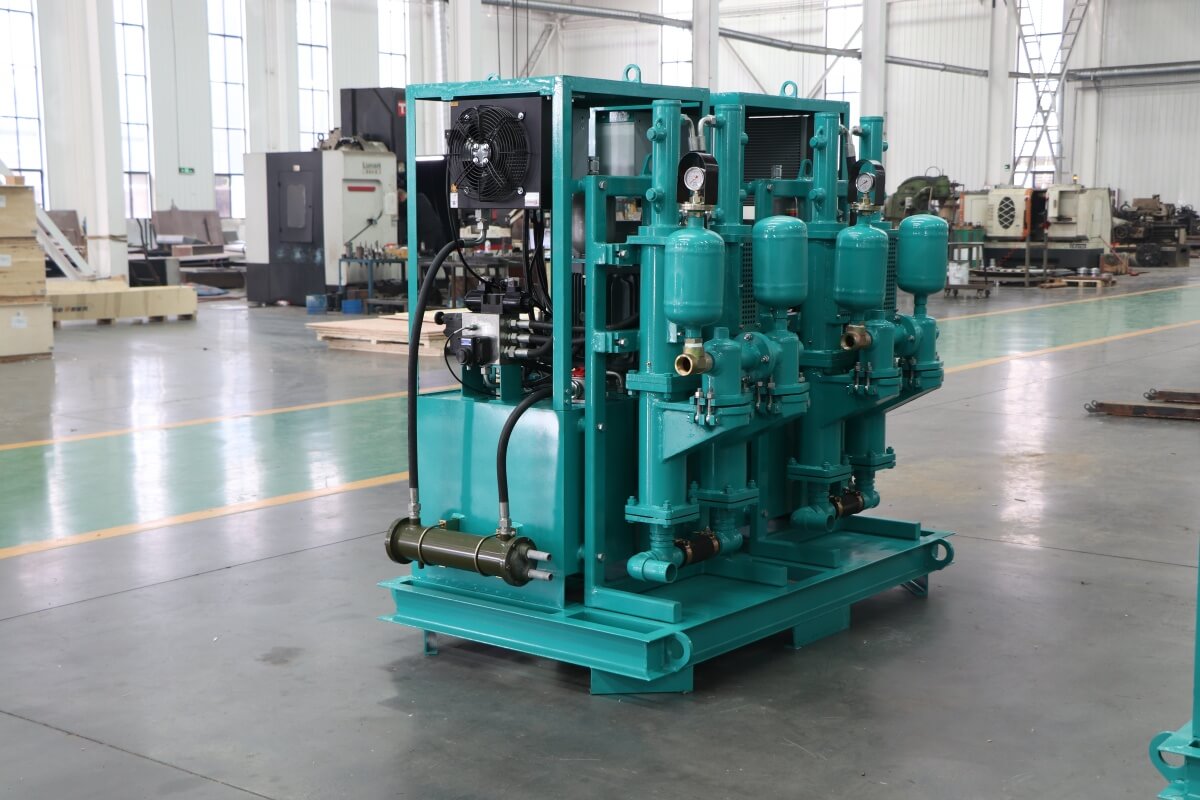
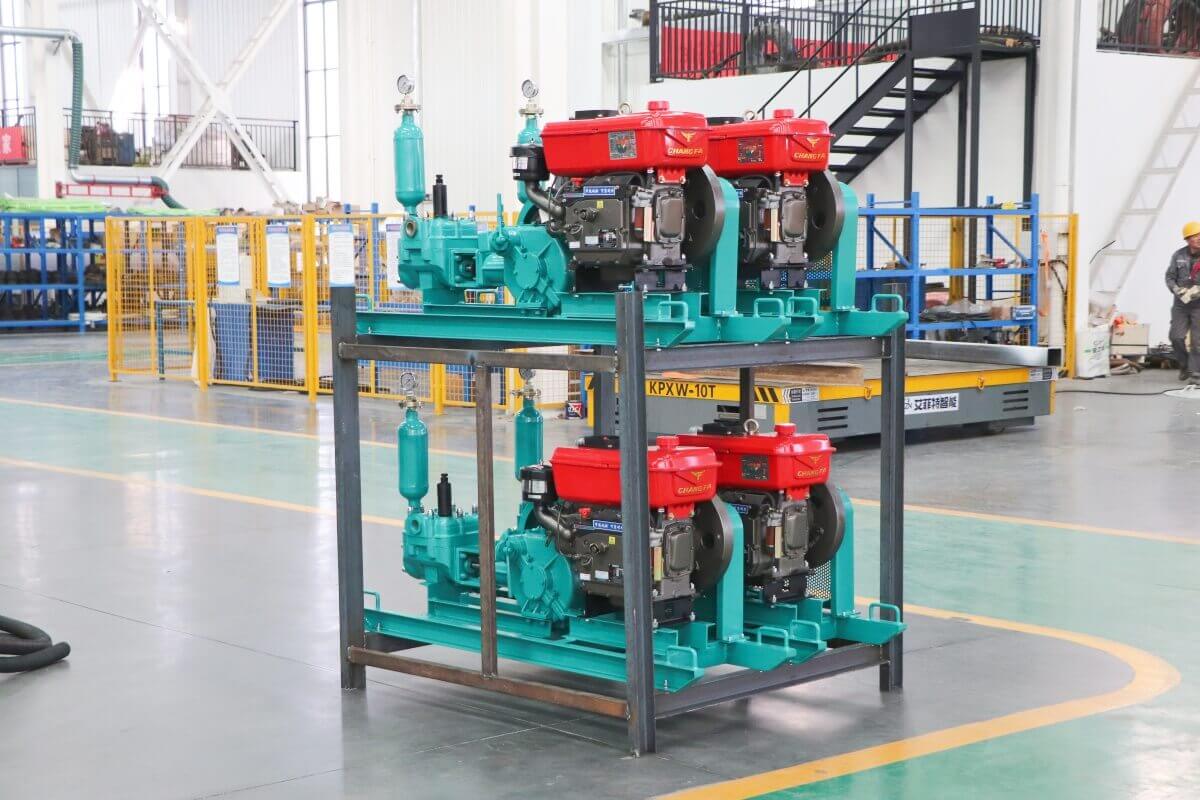
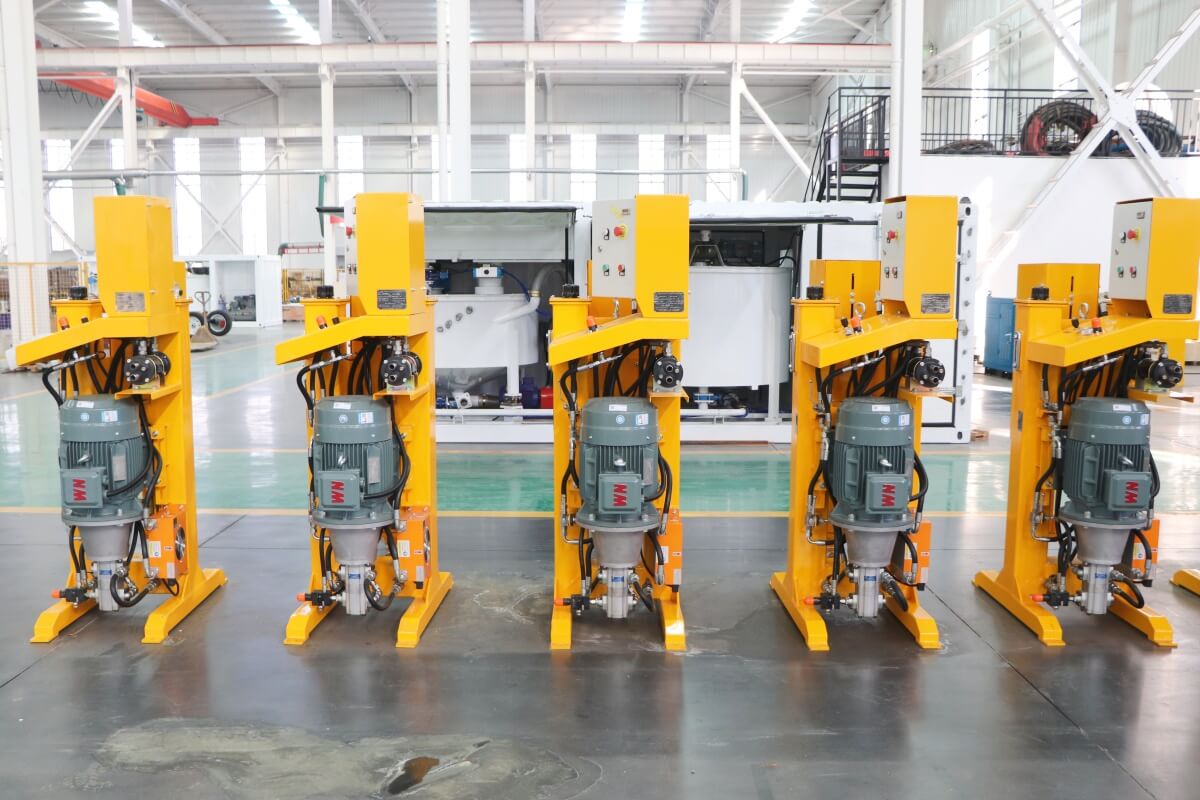
We can provide cement slurry grout mixers of different capacities based on the customer’s grout formulation, batch volume, and site conditions. The equipment can be electrically, diesel, or hydraulically driven and can be combined with grout storage tanks, grouting pumps, and control systems to form a continuous grouting and mixing system.
To facilitate technology selection, we recommend that customers provide the following information:
* Target water-cement ratio and cement type
* Types and dosages of chemical additives
* Required slurry volume per batch or per hour
* Slurry density, viscosity, or flowability requirements
* On-site power supply and construction environment
* Flow rate and pressure requirements of subsequent grouting pumps
By matching the slurry formulation, a more reliable mixing effect can be achieved for low water-cement ratio cement slurry, and the stability of subsequent transportation and grouting processes can be improved.
If you are looking for a
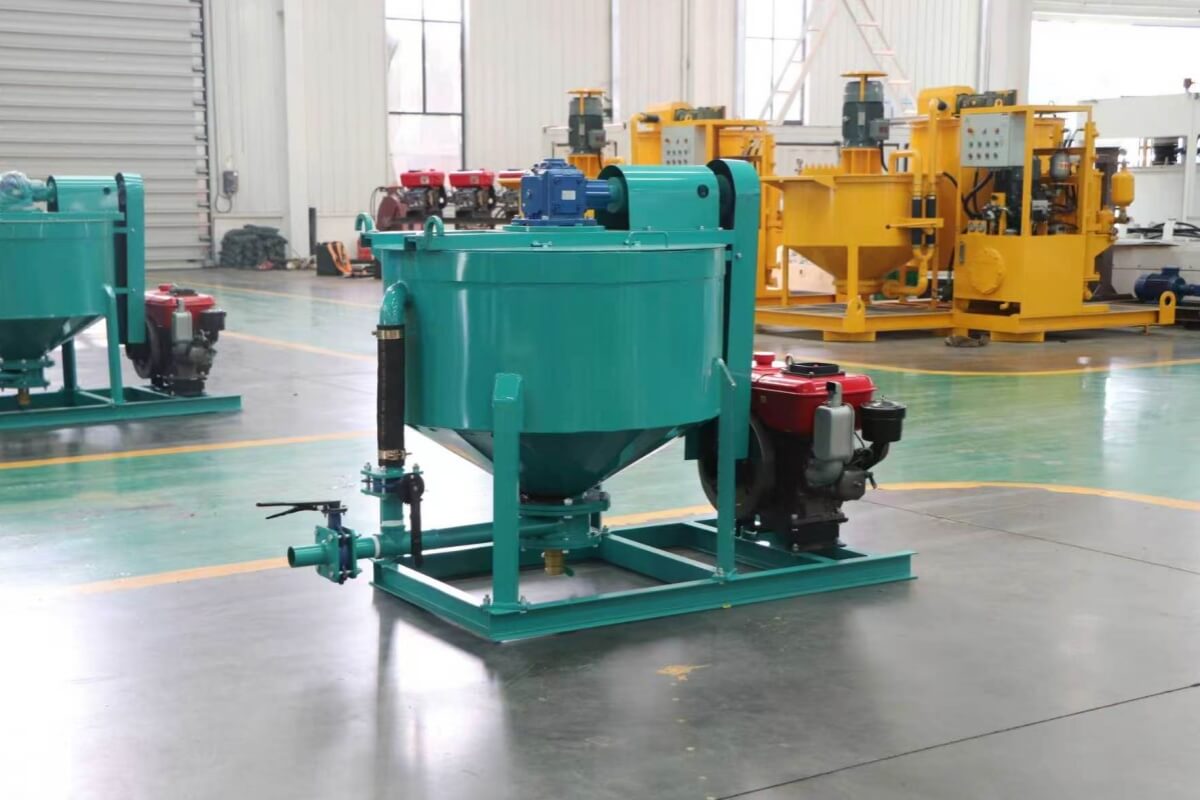
high shear cement slurry mixer suitable for low water-cement ratio cement slurries, bentonite slurries, or chemically additive slurries, please contact us directly. Our technical team can recommend or customize suitable slurry mixing equipment based on your slurry formulation, mixing capacity, power conditions, and construction requirements.
Contact email: info@gaodetec.com
You can also send us the water-cement ratio, cement type, additive dosage, and required slurry volume so that we can provide more accurate equipment selection and technical solutions.