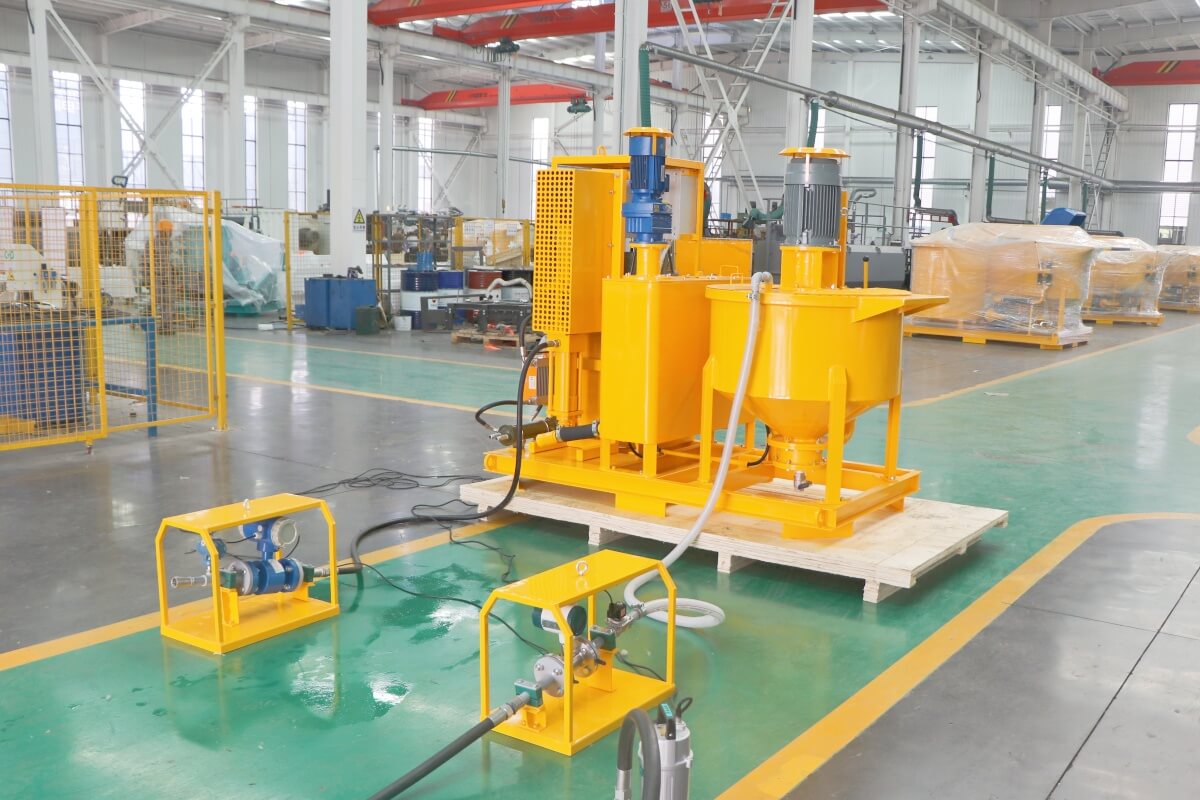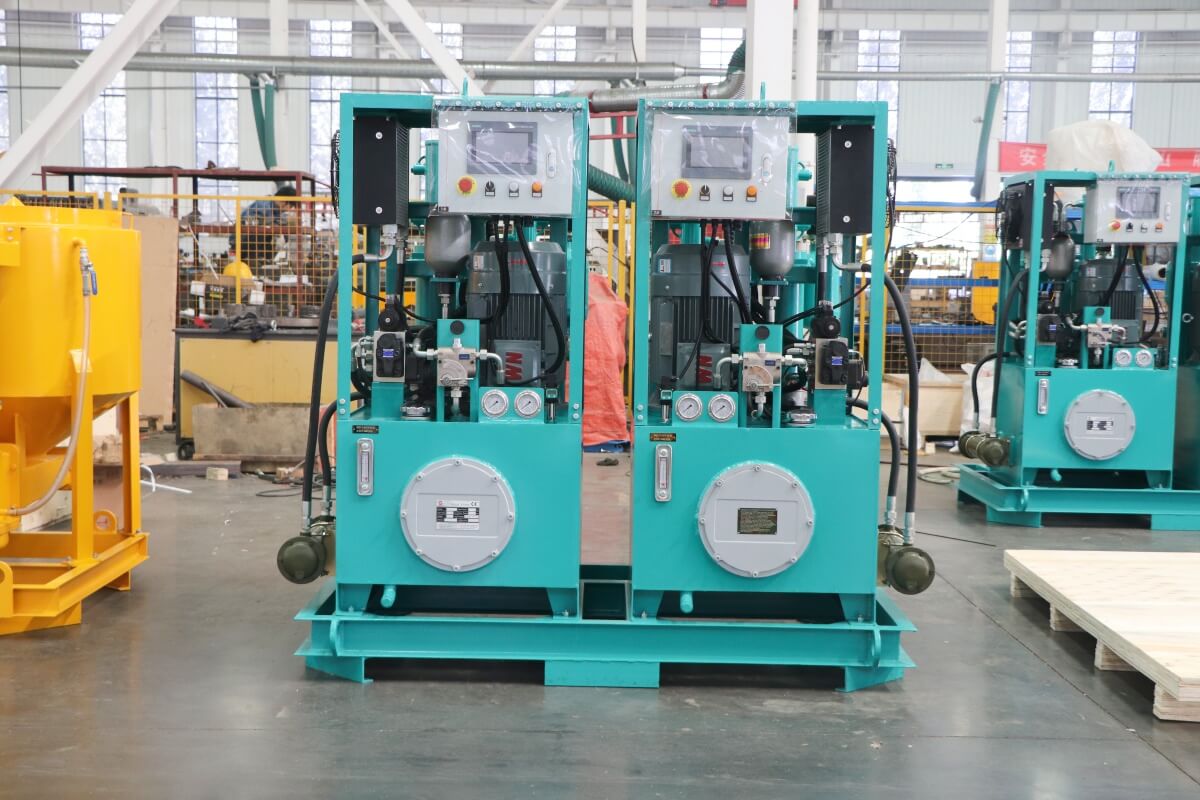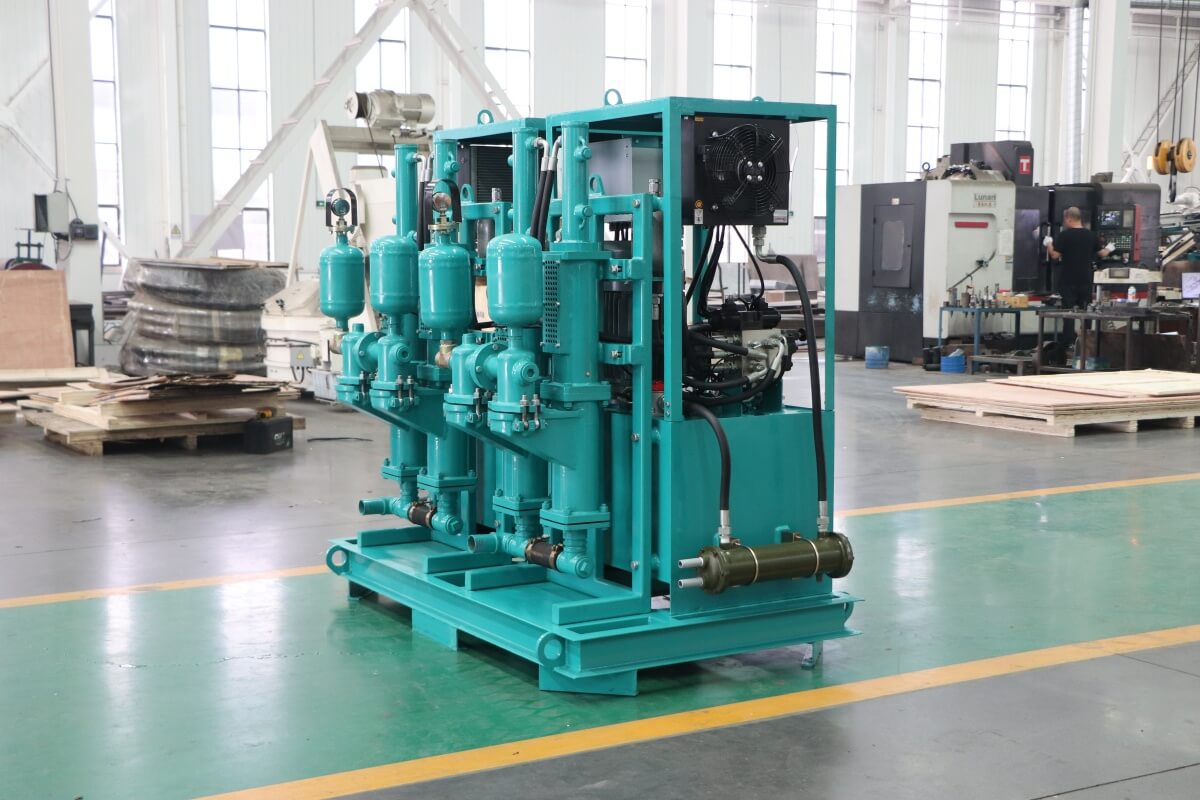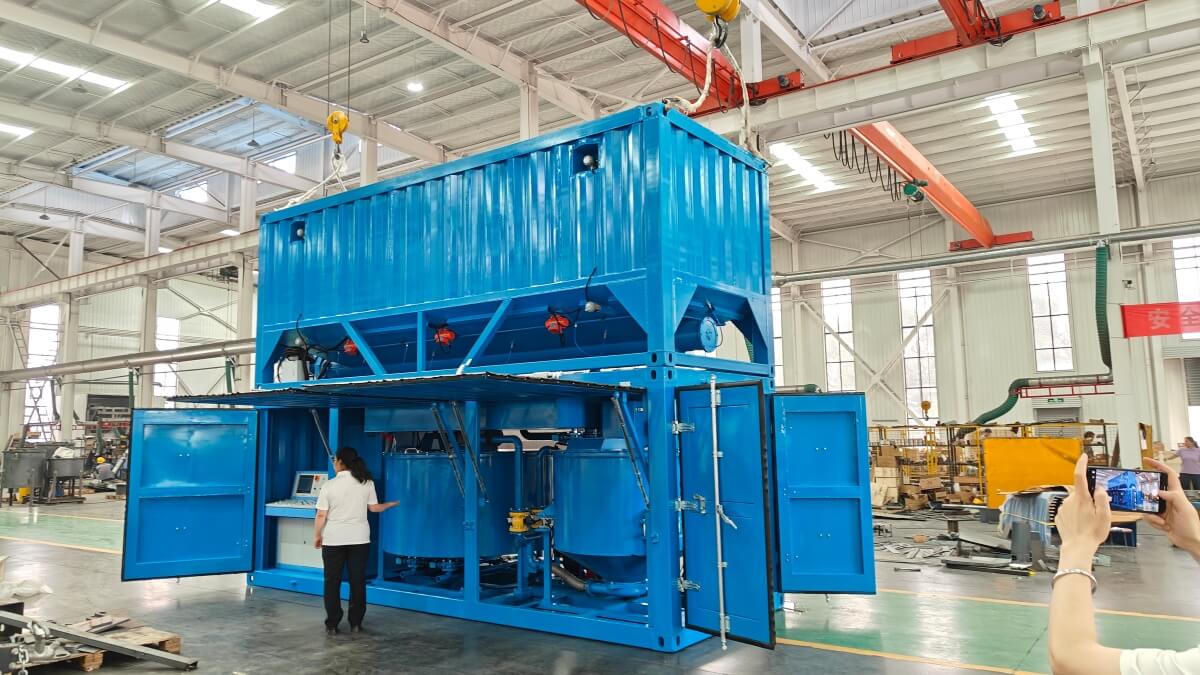
Grout mixing equipment for underground mine
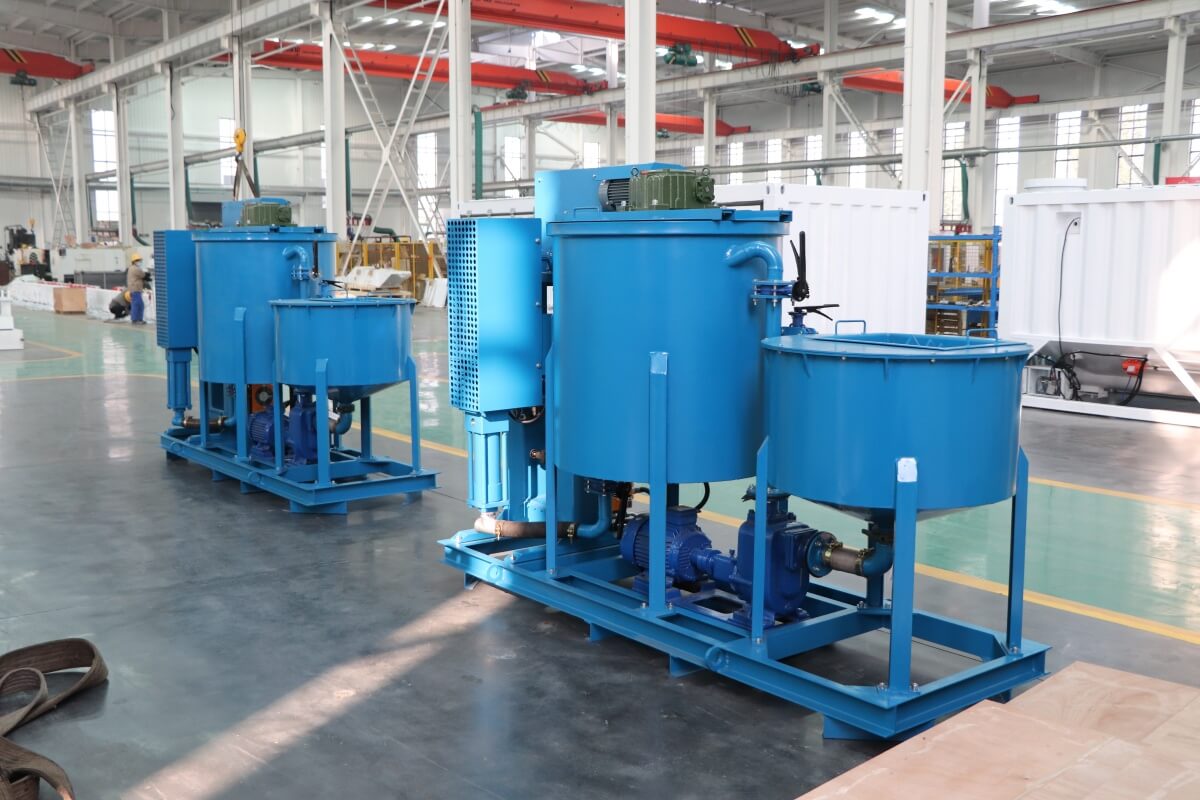
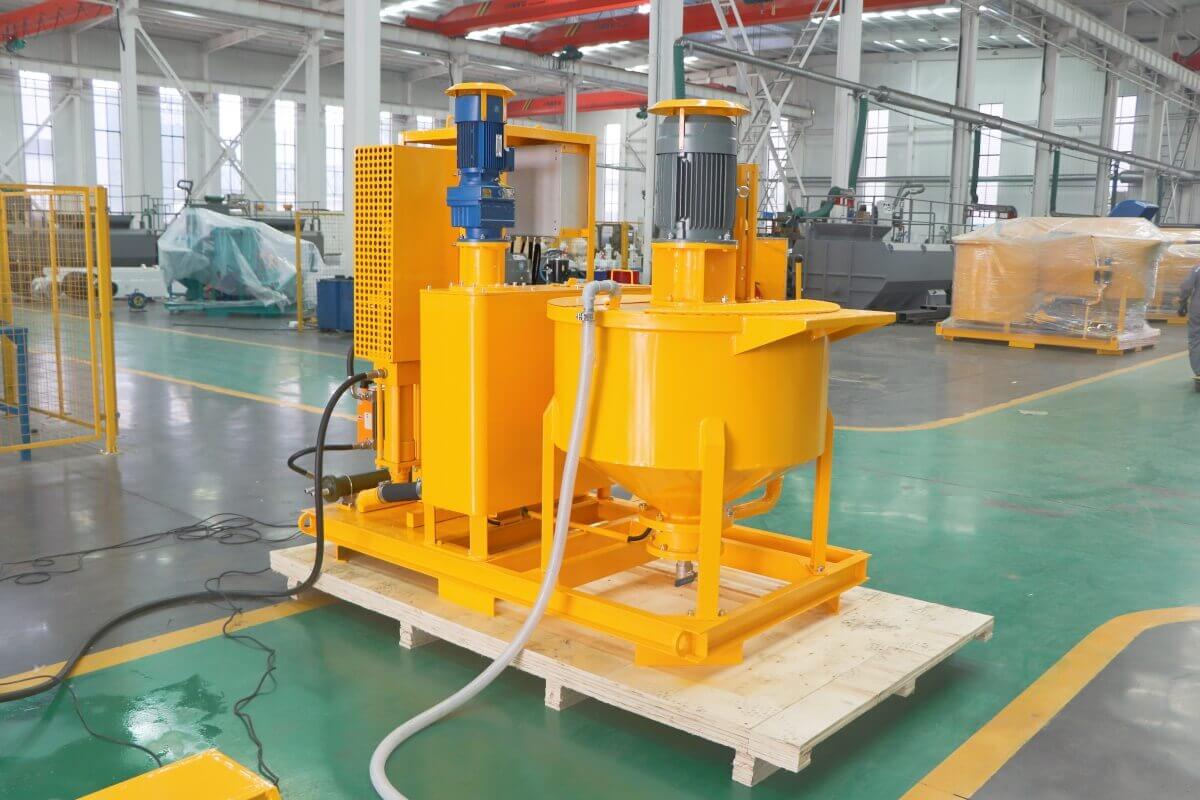
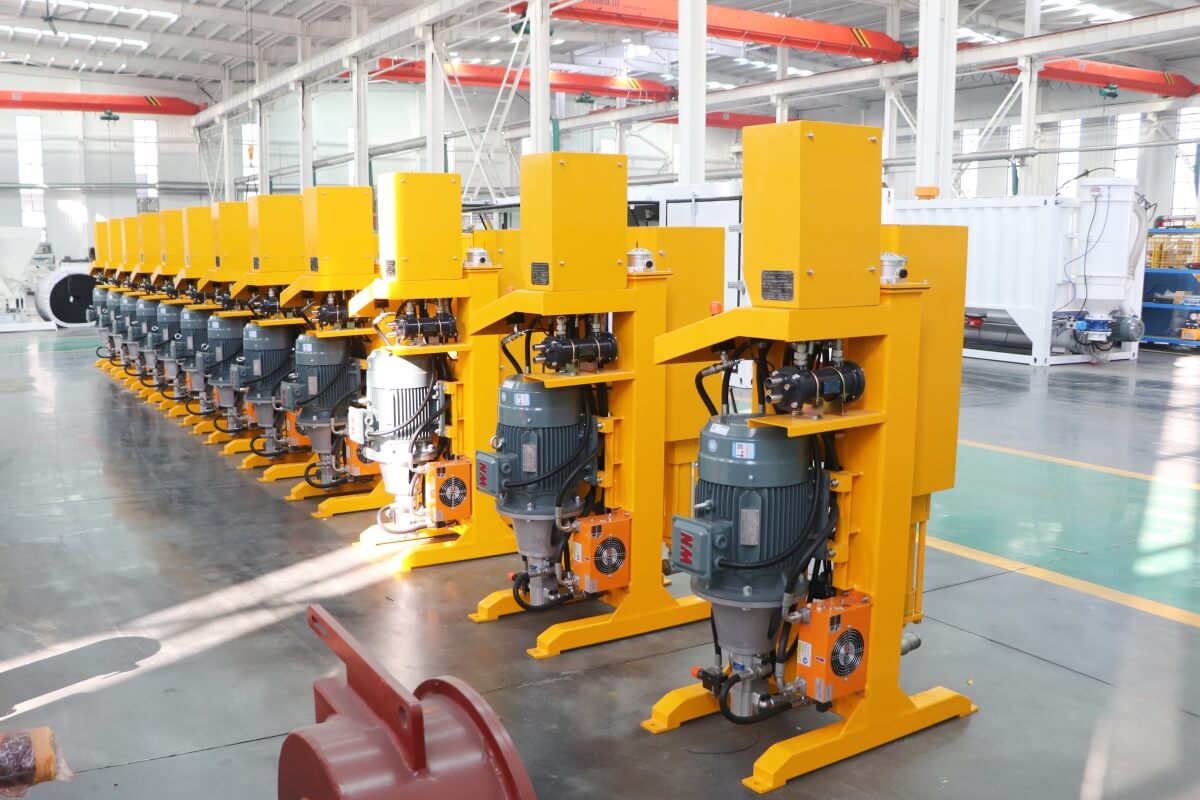
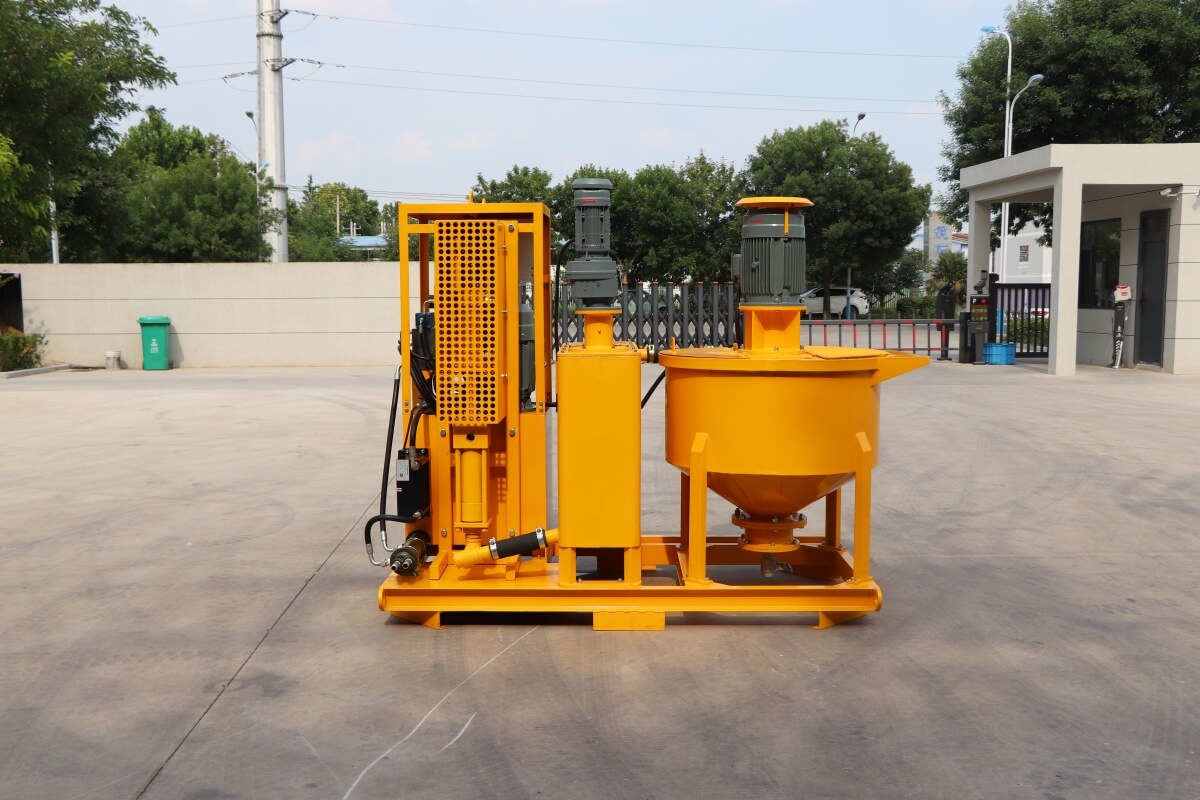
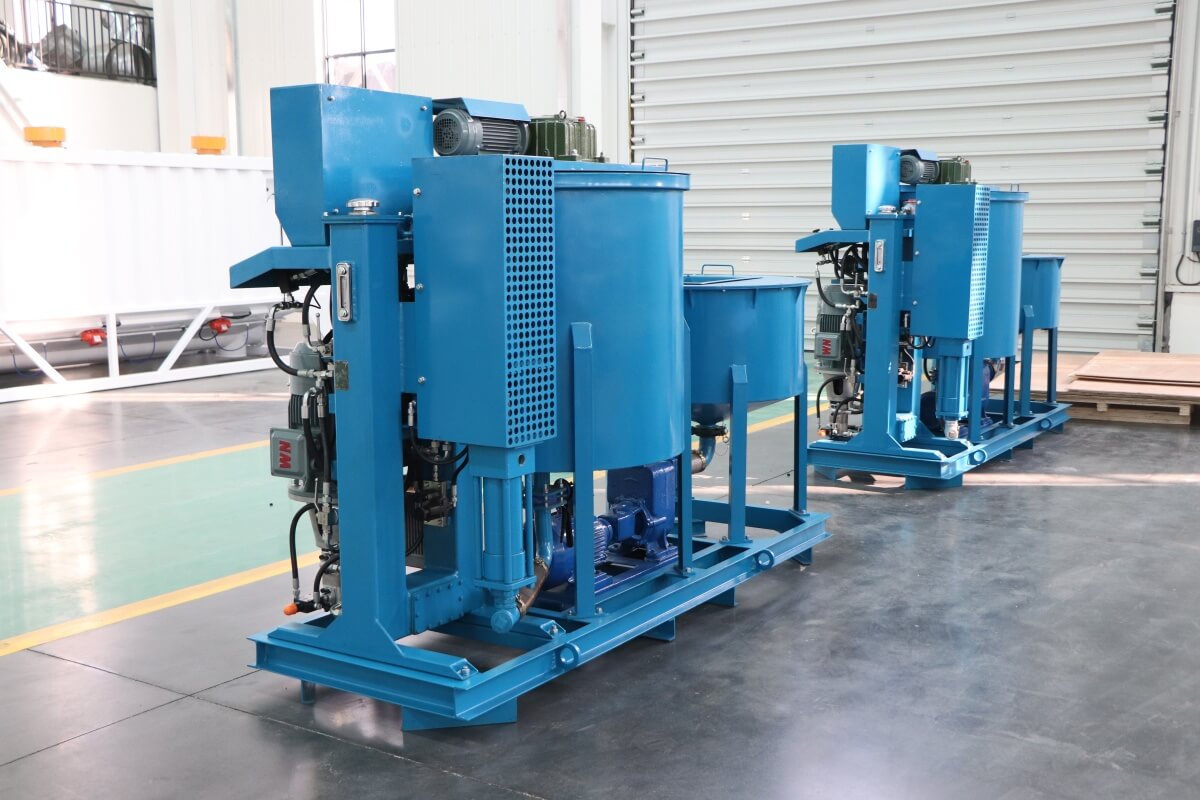
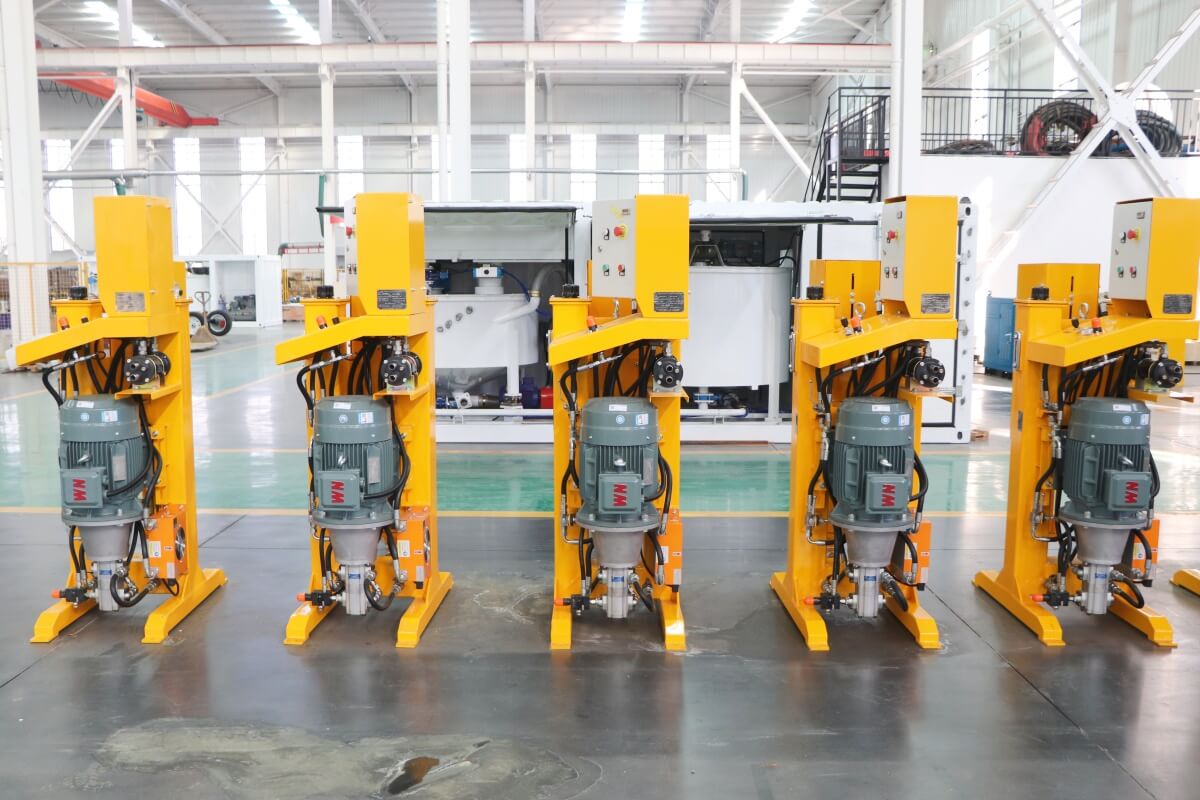
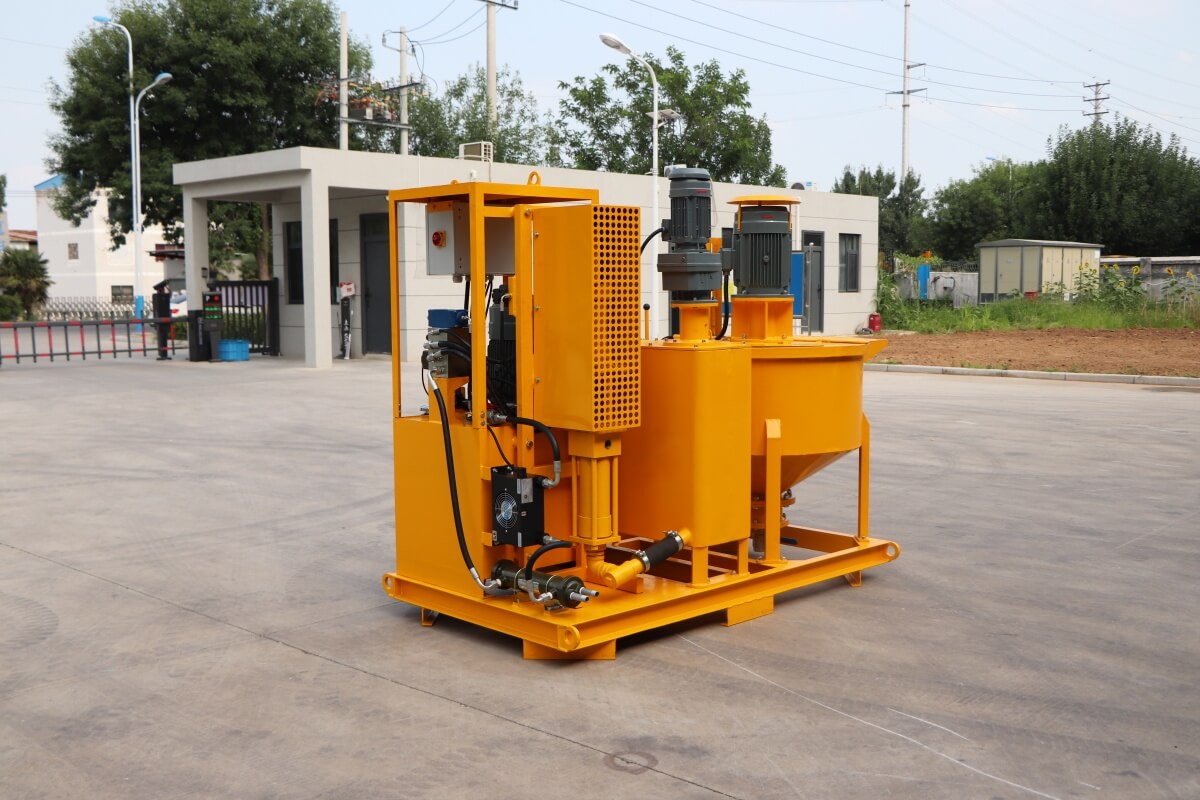
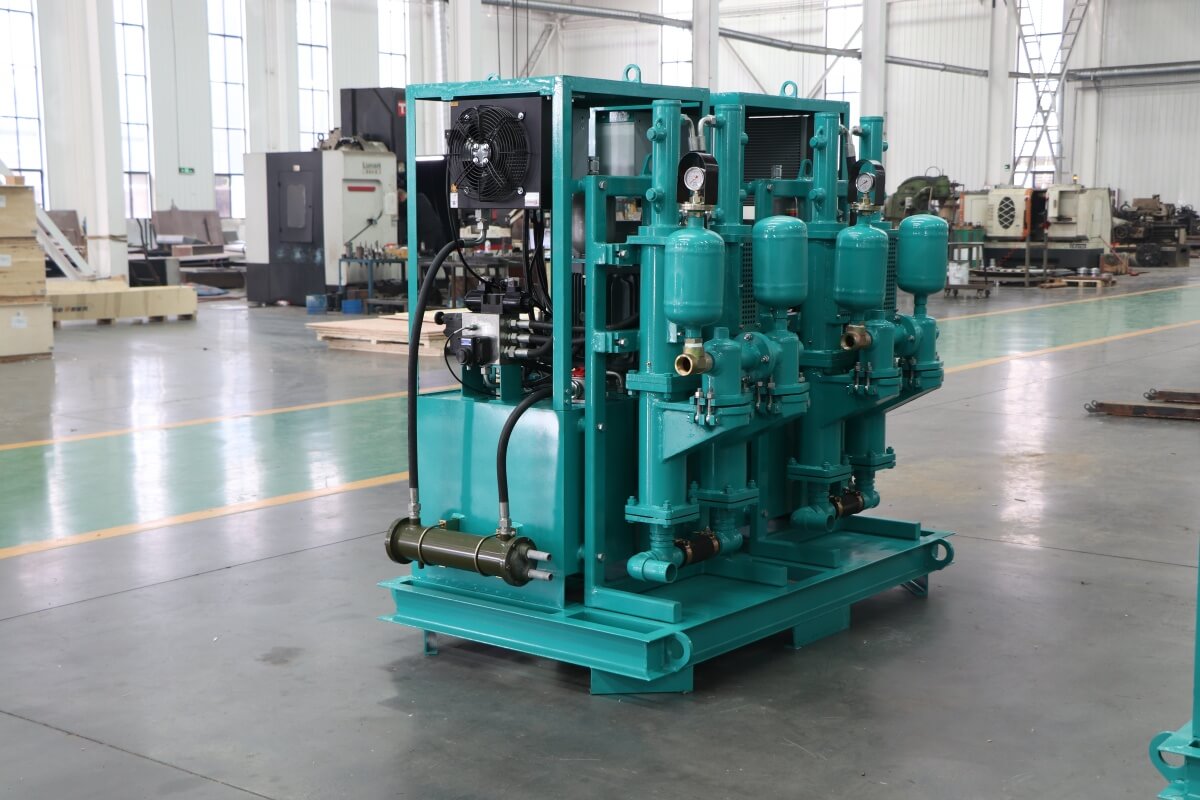
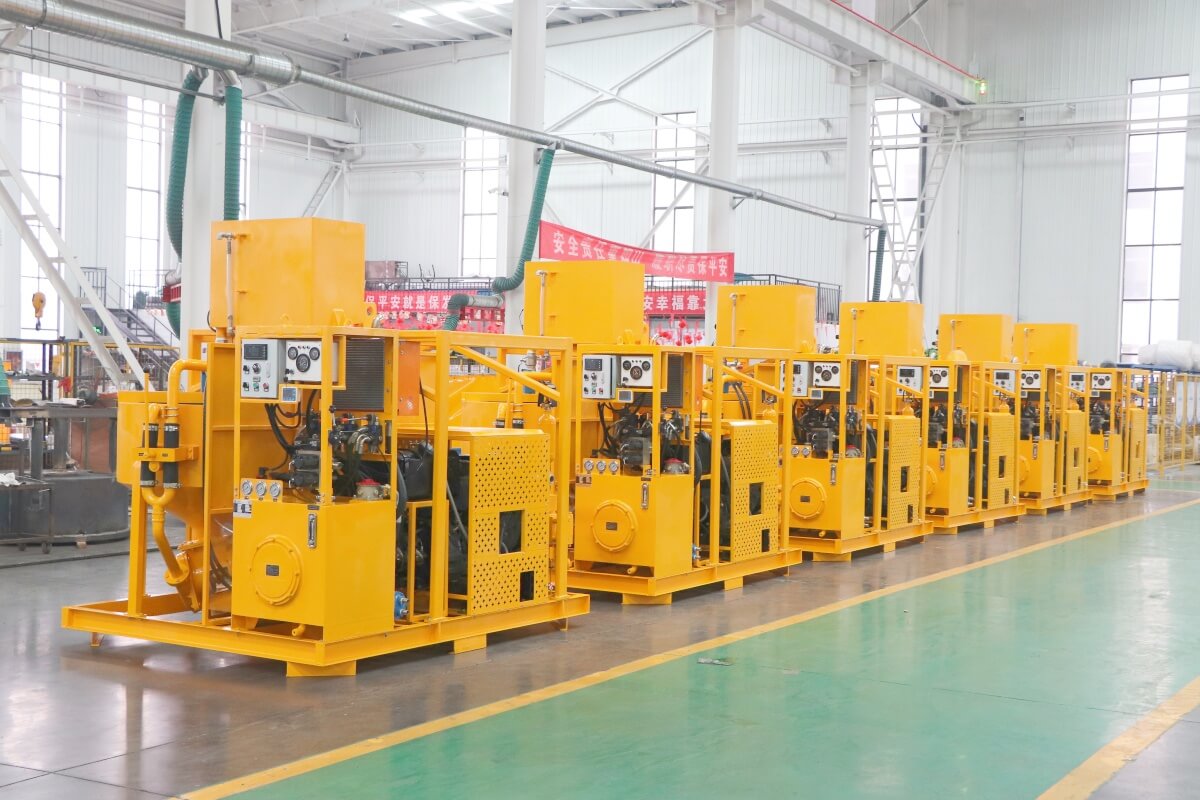
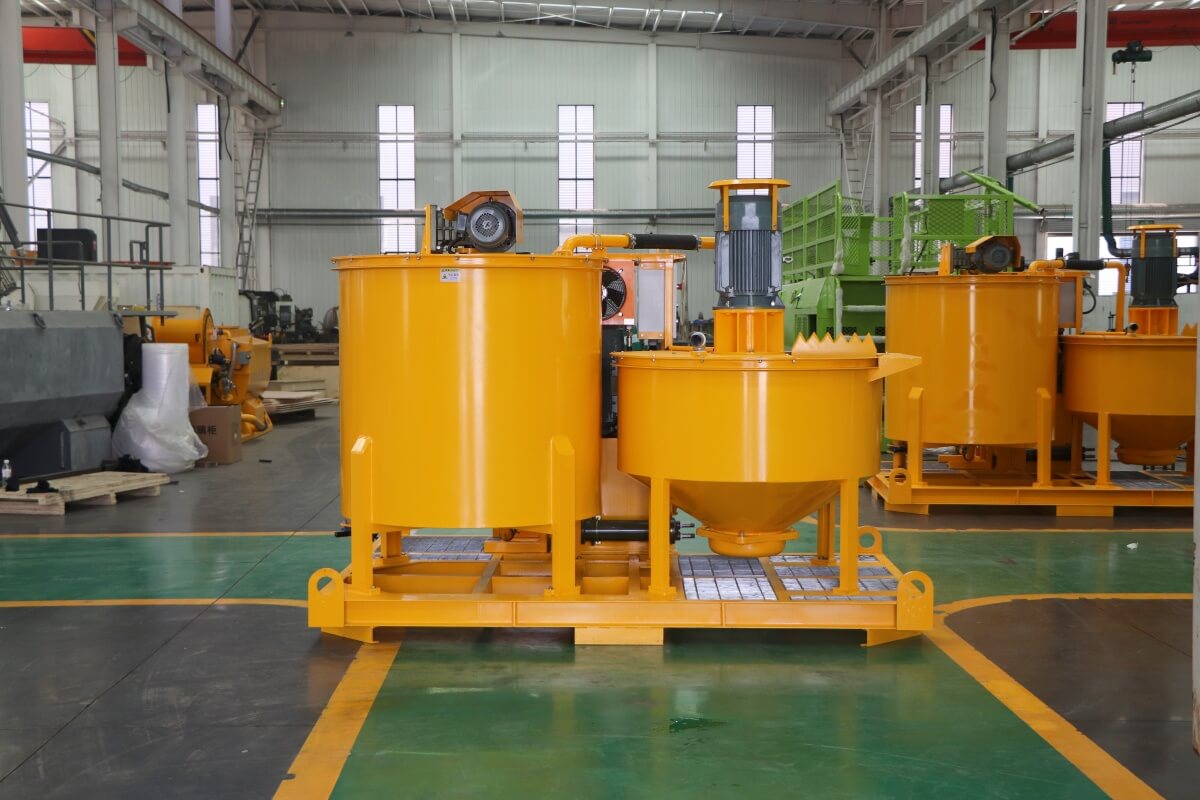
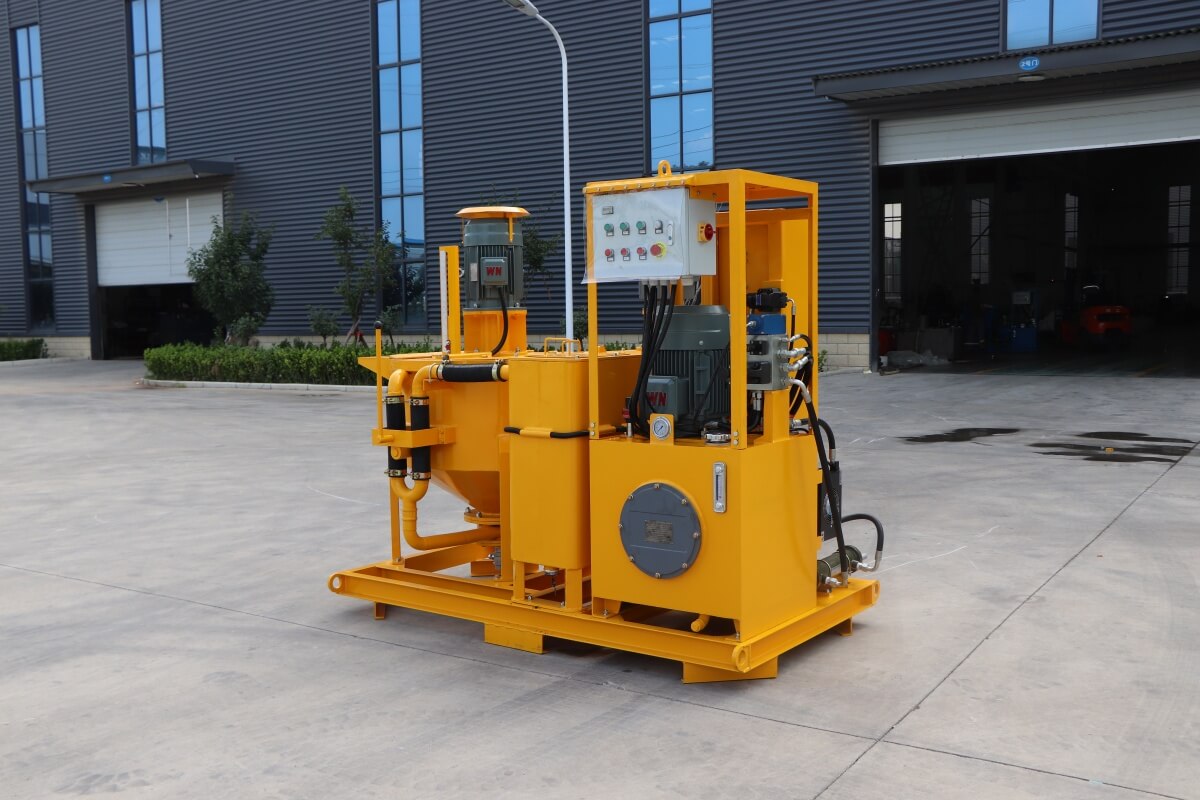
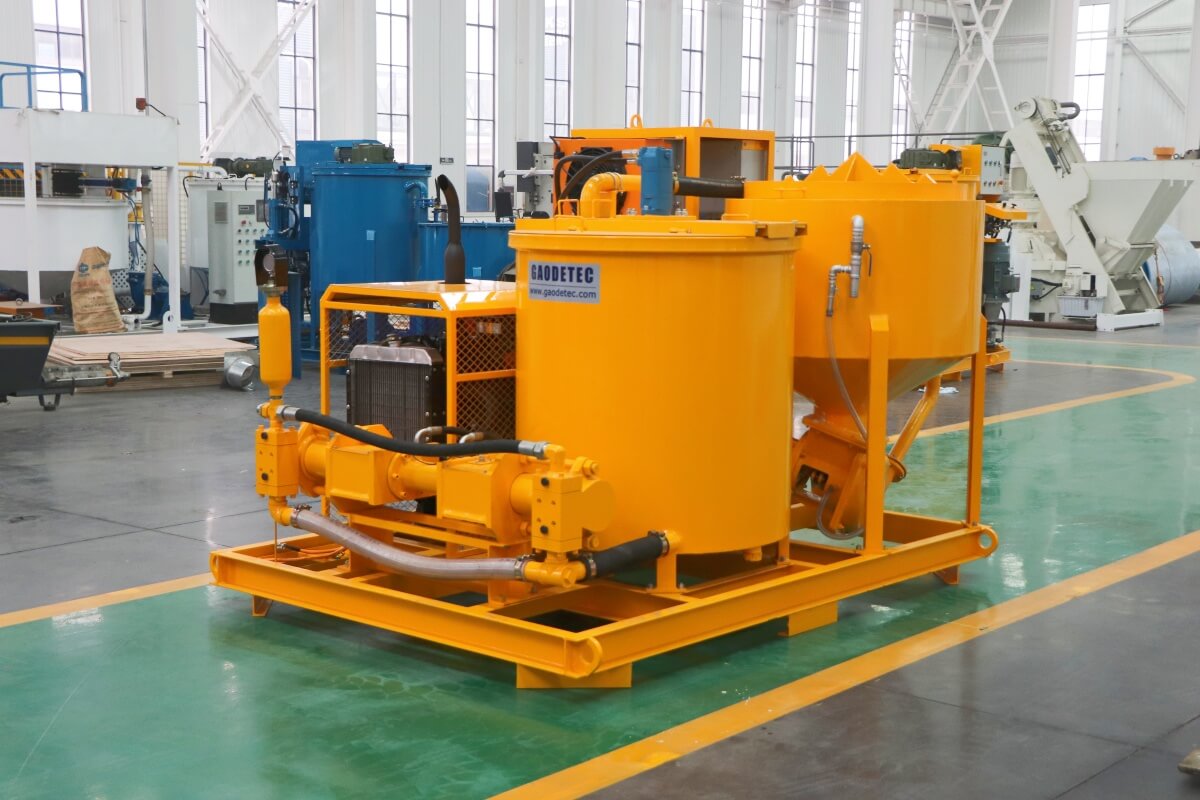
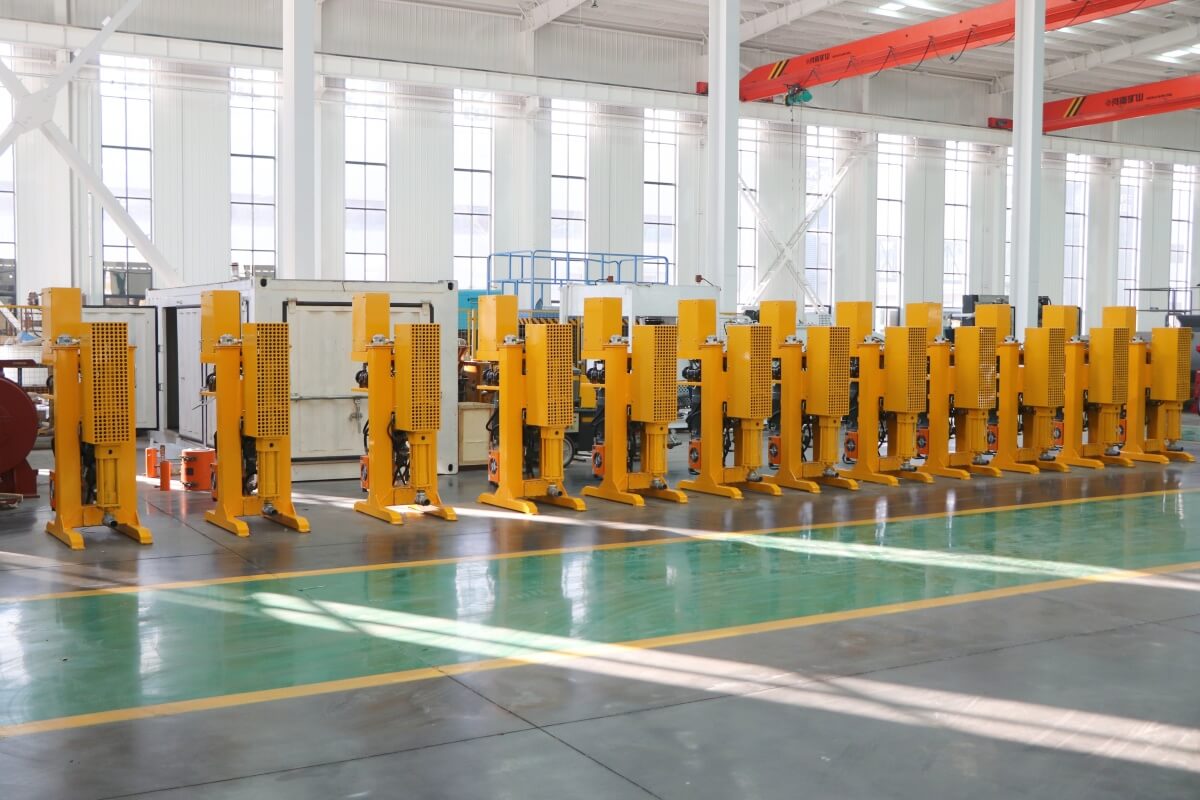
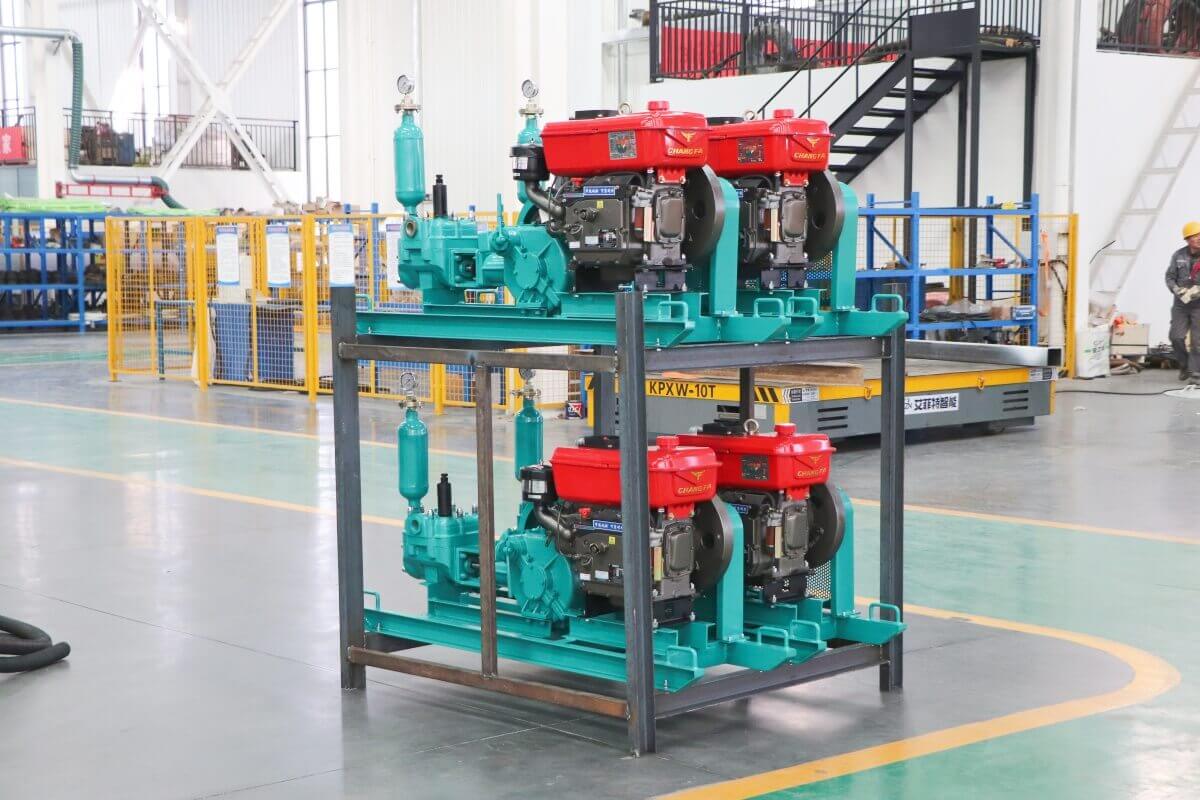
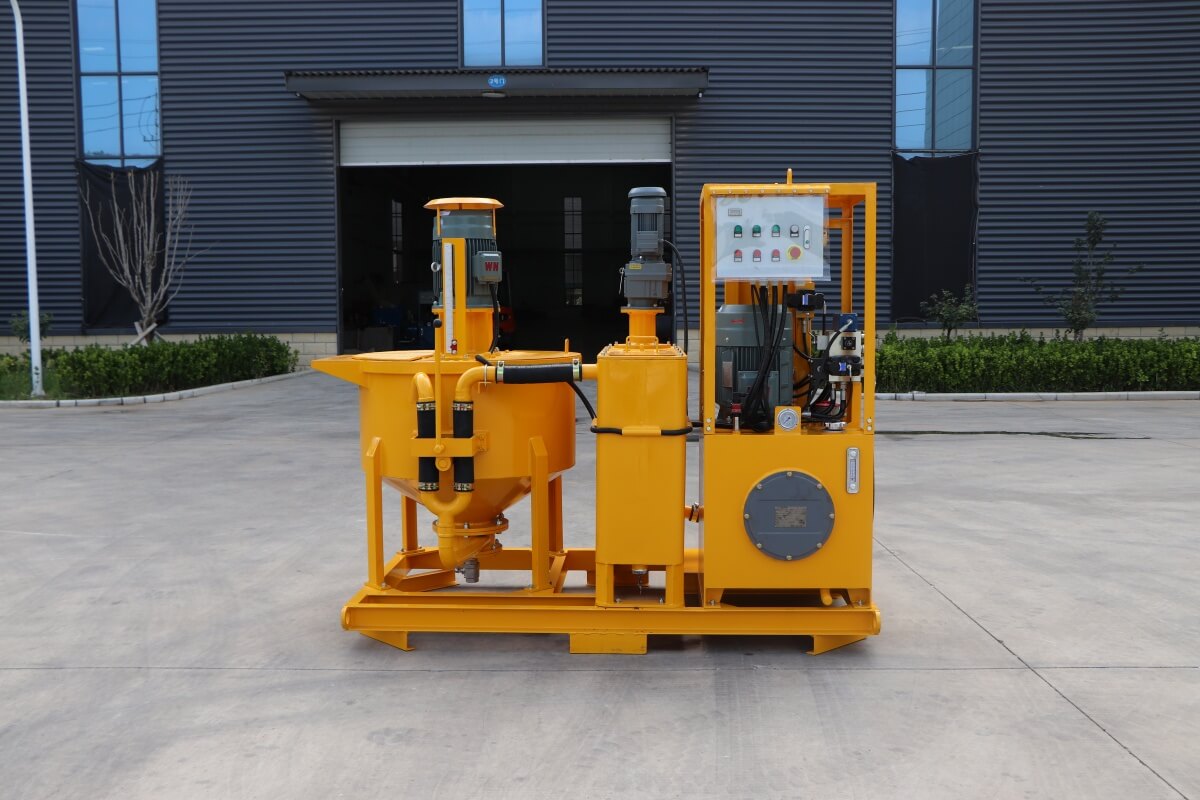
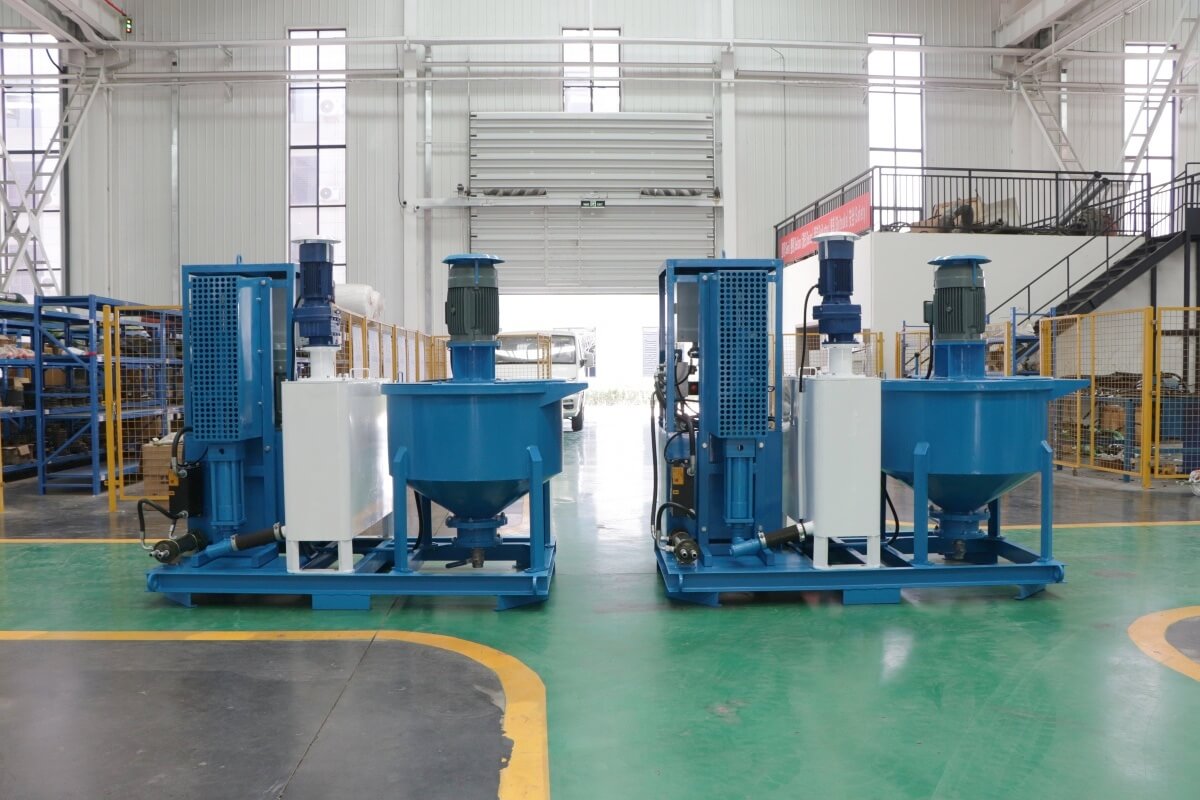
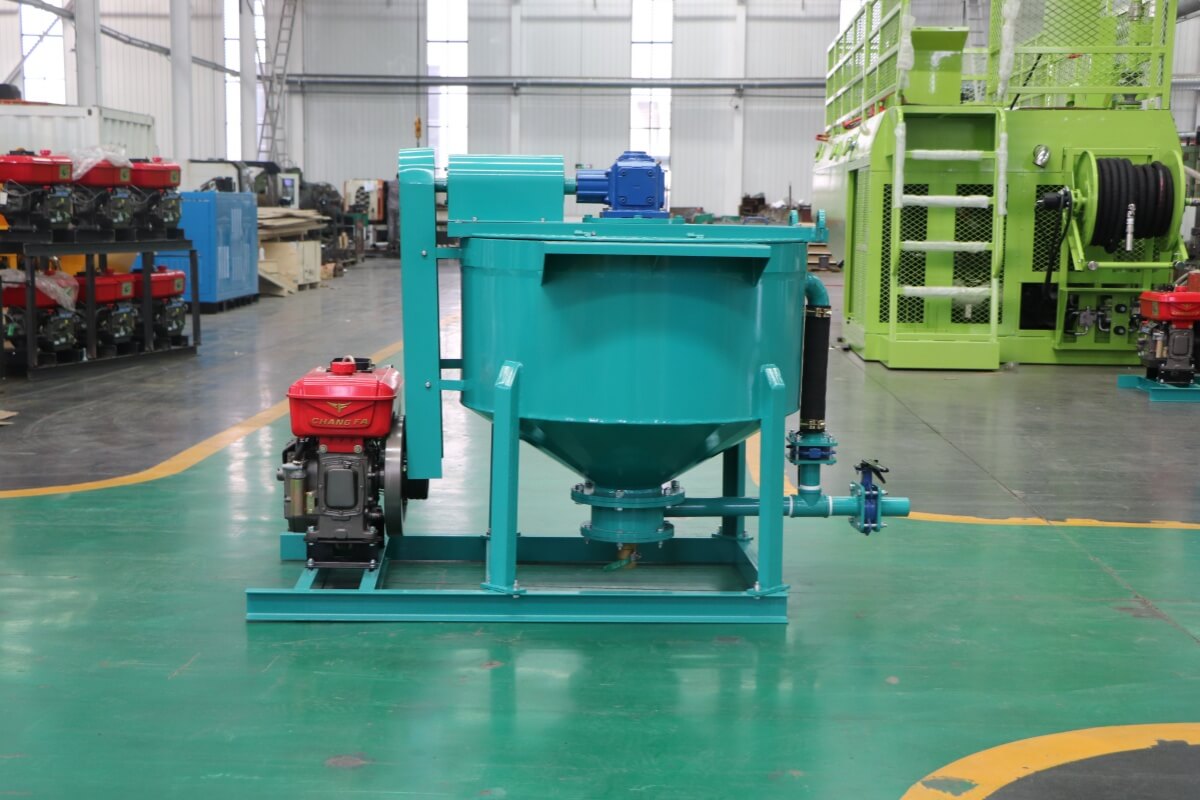
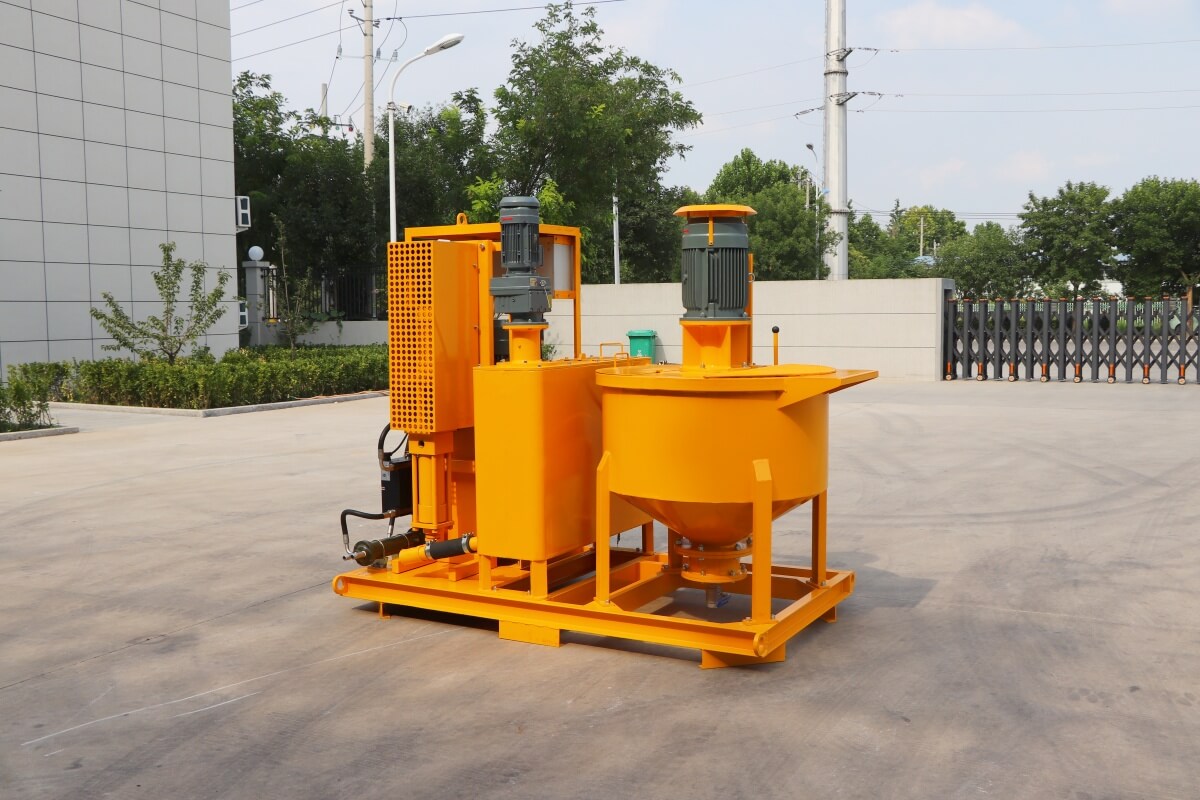
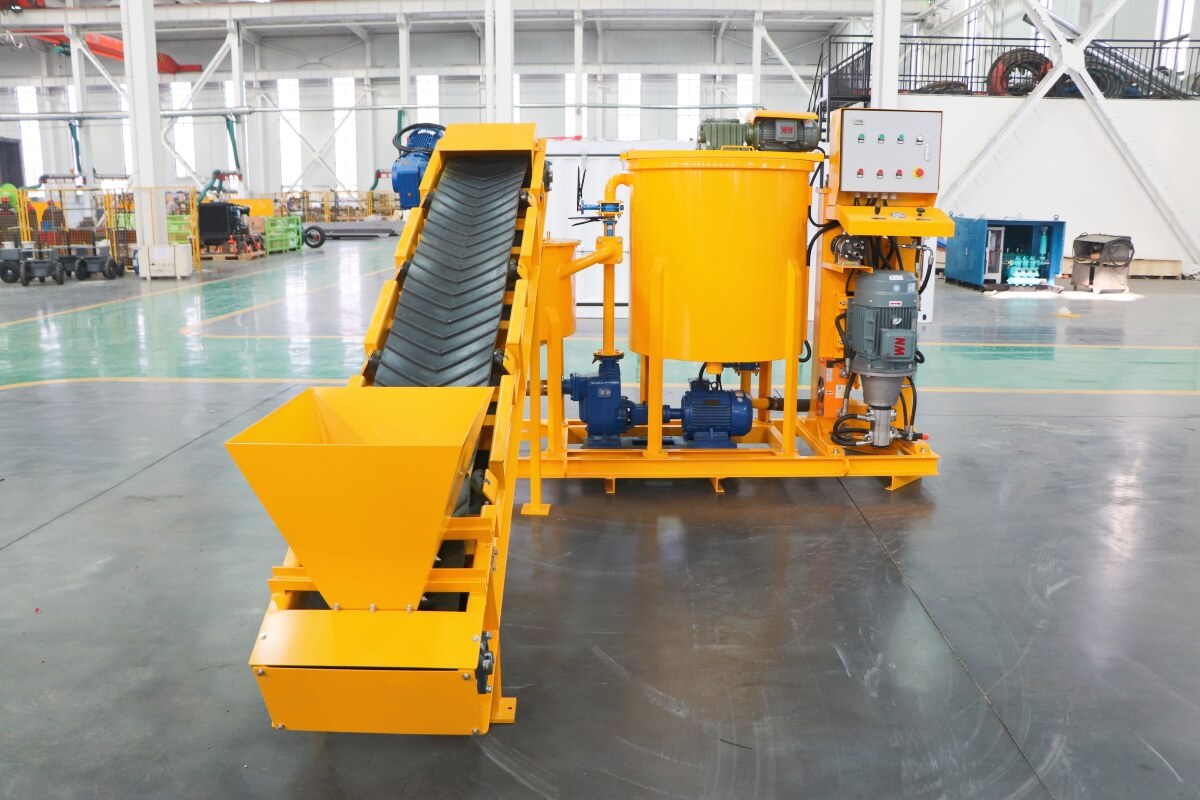
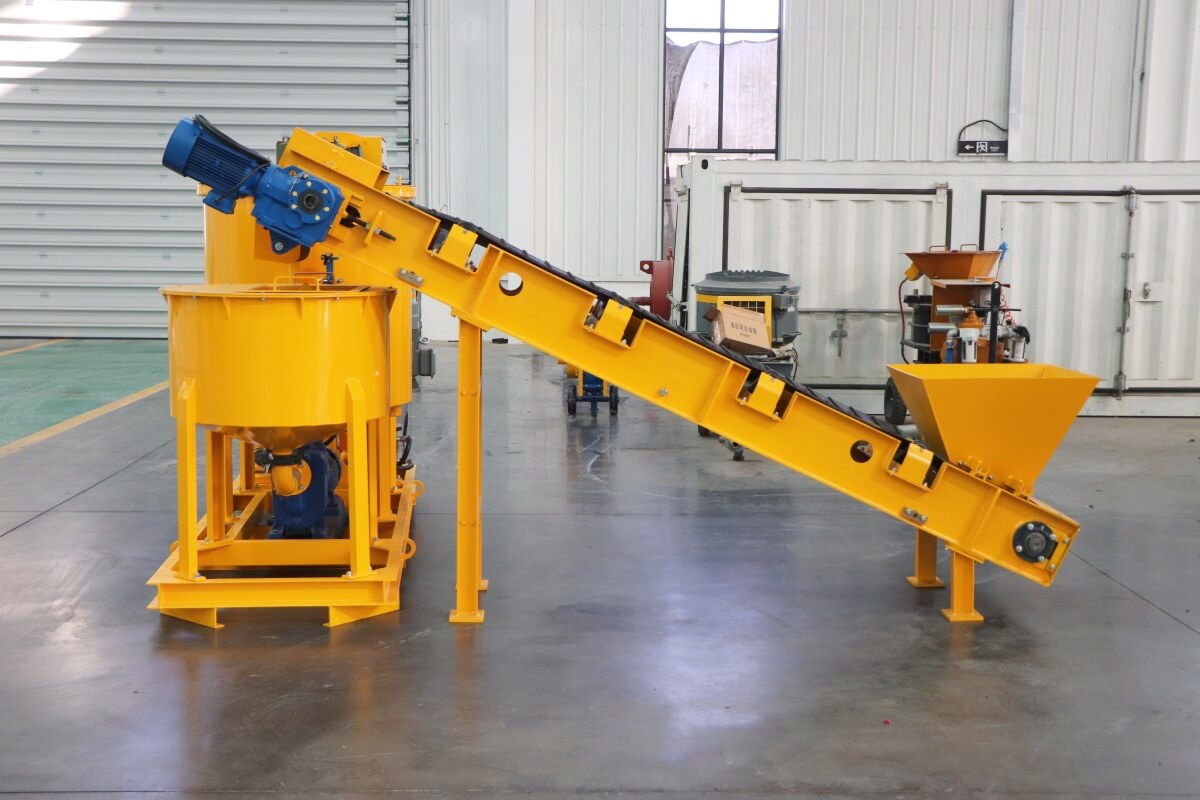
In underground mines, grout mixing equipment is a key piece of equipment used to prepare grouting materials. It mixes solid materials (such as cement, loess, fly ash, etc.) with water in a certain proportion to form a uniform slurry that meets the required concentration, which can be used for mine fire prevention and extinguishing, goaf backfilling, roadway reinforcement and other projects.
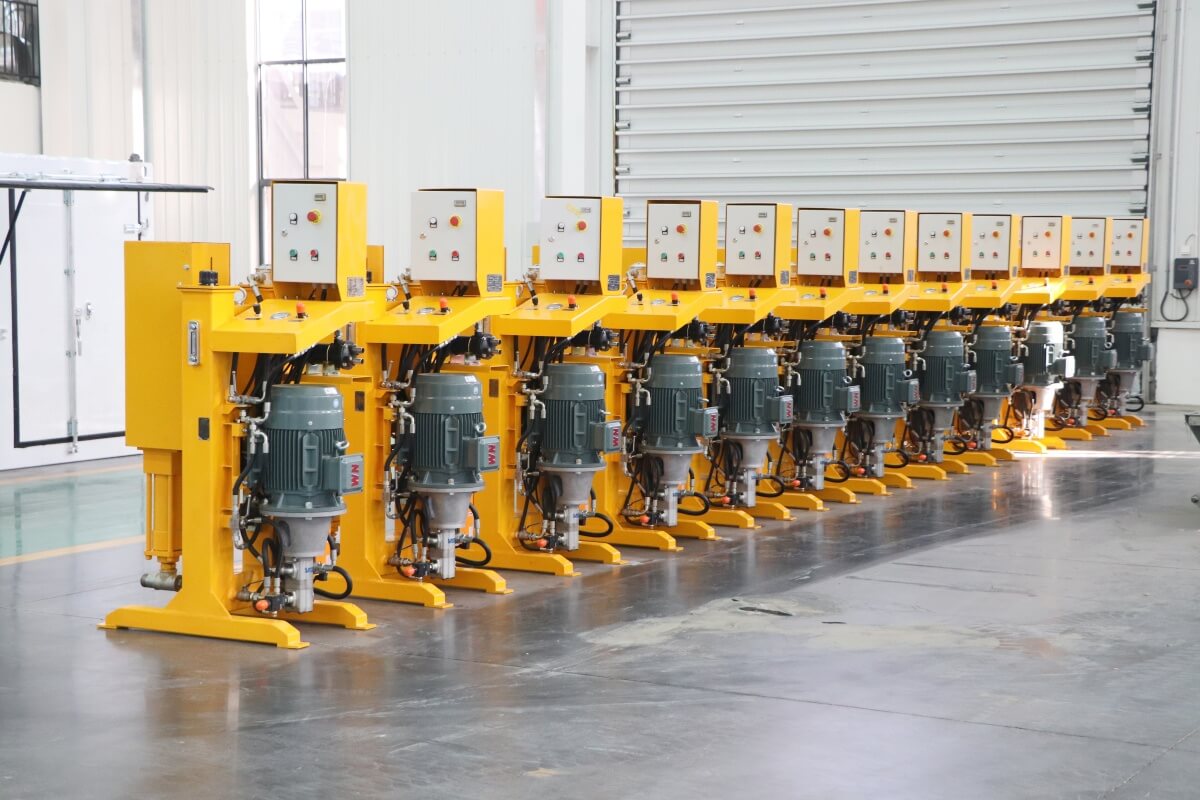
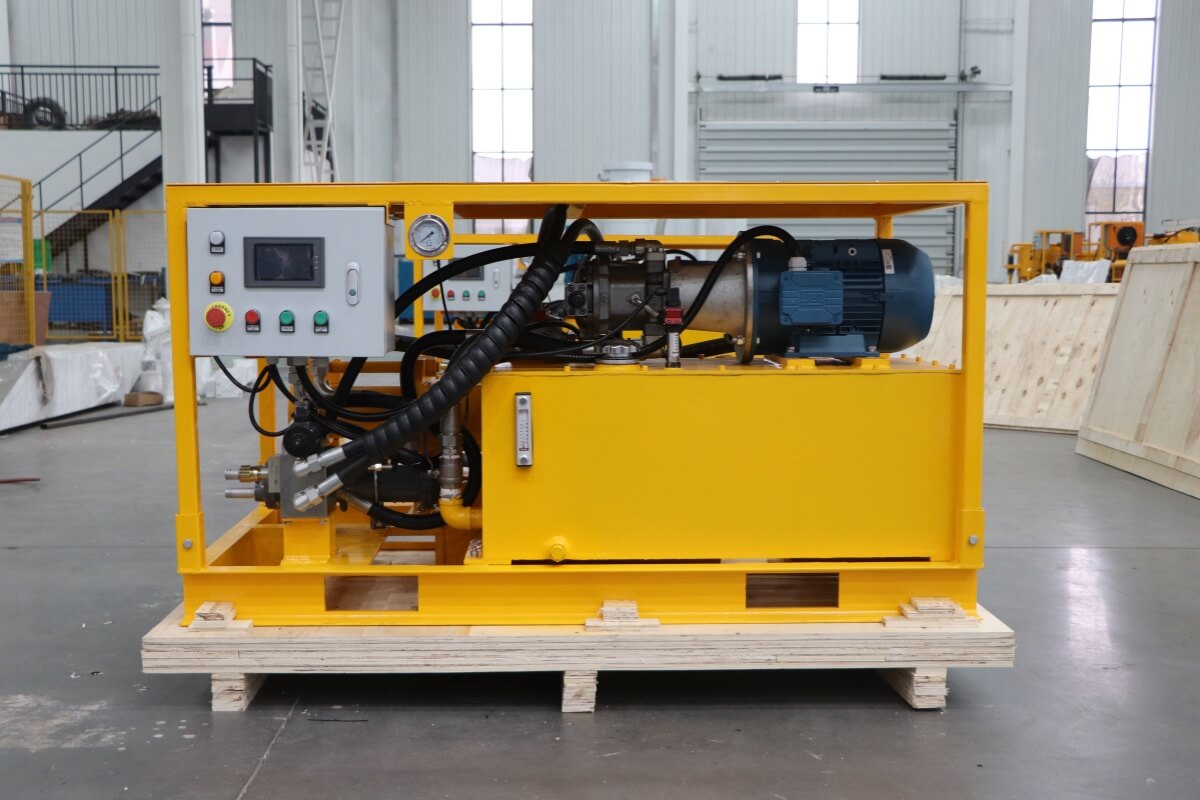
Grouting technology occupies an indispensable core position in underground mining operations, primarily undertaking critical tasks such as surrounding rock stabilization, water control and sealing, and roadway support. It directly impacts mining safety, efficiency, and sustainability. As the core equipment ensuring grouting quality, the performance of grouting mixing equipment directly determines the precision of slurry mixing ratios and uniformity of blending, thereby influencing the reinforcement effectiveness and construction efficiency of grouting projects. High-performance grouting mixing equipment not only optimizes the overall operational workflow in underground mines but also effectively mitigates safety risks such as surrounding rock collapse and water inrush, providing robust support for large-scale mining operations.
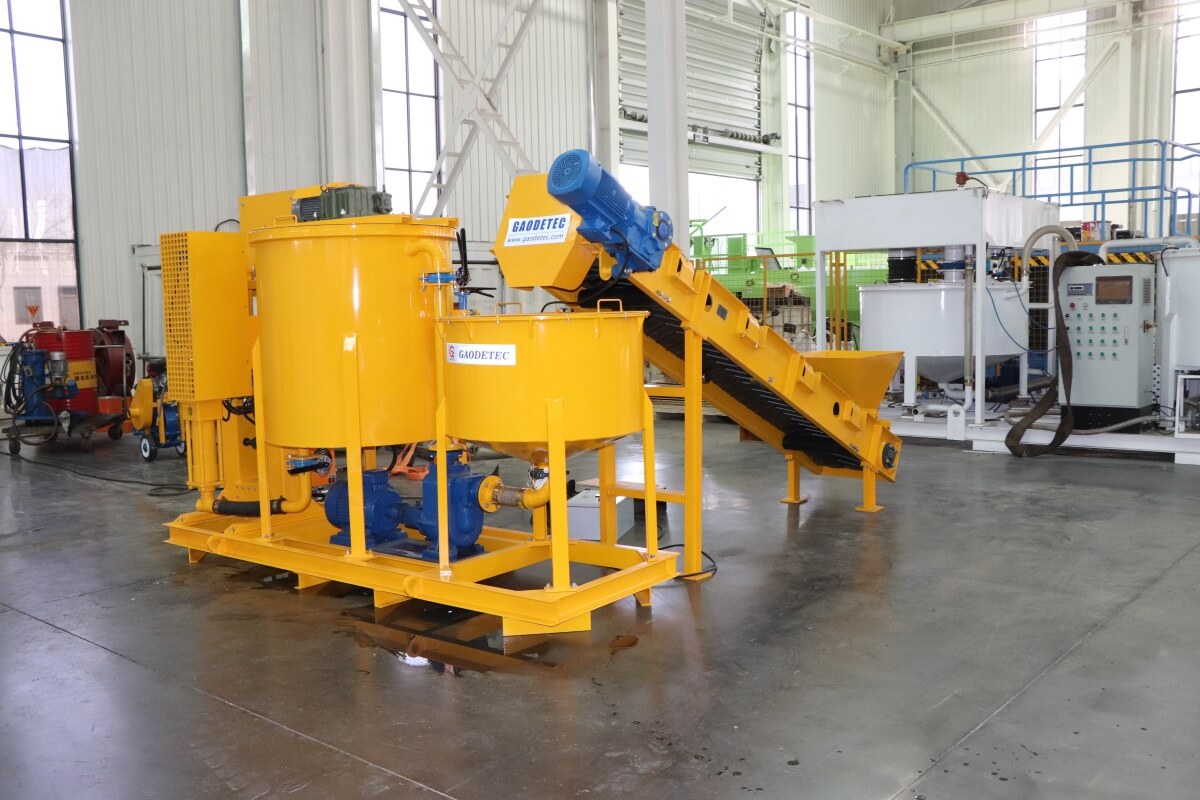
I. Core Functions of Underground Mine Grouting Mixing Equipment
1.1 Ensuring Homogeneous Grout Mixing
Grout uniformity is critical for determining rock mass bonding strength and reinforcement effectiveness. Issues like sedimentation, segregation, or inconsistent viscosity significantly degrade grouting quality and may even cause support failure. Through scientifically designed mixing structures and speed control, grouting mixing equipment effectively prevents these issues. It ensures complete integration of all grout components, with viscosity and density meeting the stringent standards of underground mining grouting projects. This delivers stable grout materials for rock reinforcement, water blocking, and other operations.
1.2 Adapting to Diverse Grout Formulation Requirements
Different grouting scenarios in underground mines—such as water control, anchor grouting, and backfill support—demand significantly varied grout material properties. This requires adaptability to diverse ratios of raw materials like cement, bentonite, and chemical admixtures. High-quality grouting mixing equipment offers flexible ratio adjustment capabilities, enabling precise control of component quantities based on specific construction needs. It also efficiently processes materials with differing physical characteristics, ensuring grout performance meets the engineering requirements of each unique scenario.
1.3 Supporting Continuous Mining Operations
Underground mining involves high-intensity, fast-paced operations demanding strict continuity in grouting processes. Any interruption in slurry supply directly halts construction, impacting overall mining progress. Grouting mixing equipment delivers stable, continuous slurry supply that precisely matches the demanding pace of mining operations. Through optimized capacity design, it prevents downtime caused by slurry shortages, ensuring seamless coordination and efficient advancement of both grouting and mining processes.
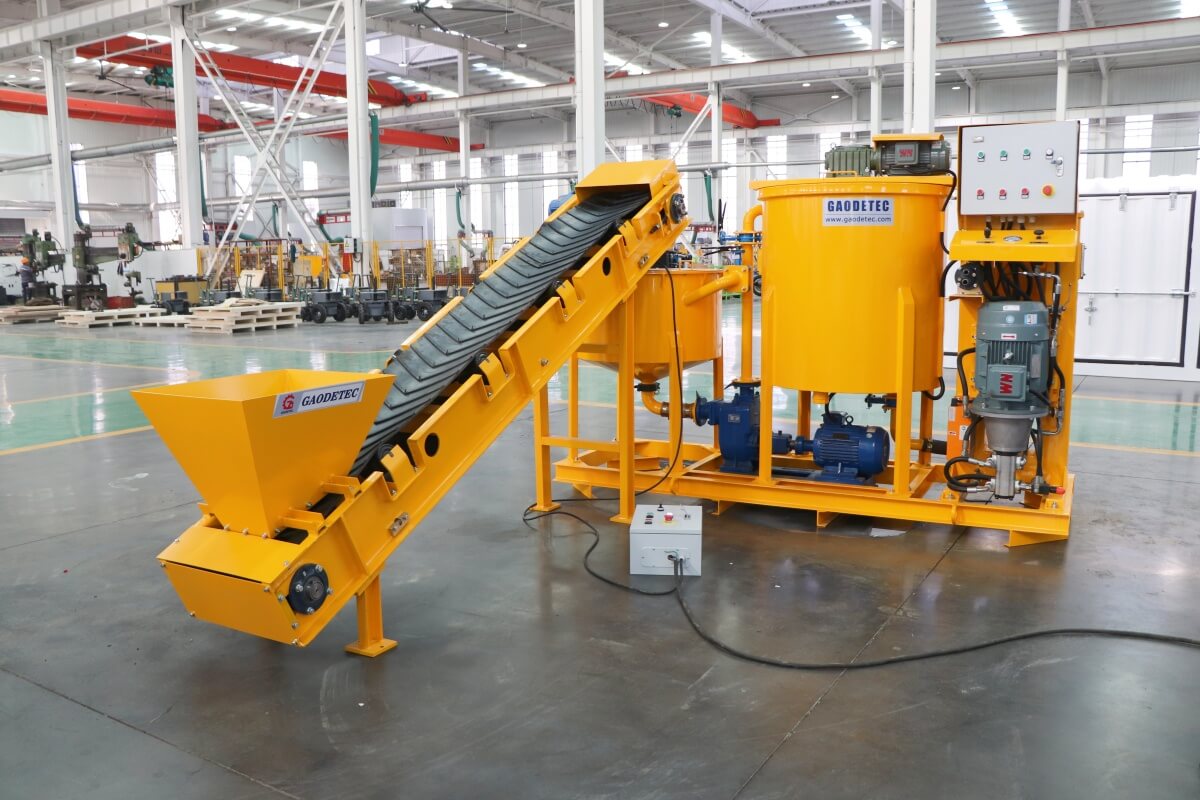
II. Primary Types of Underground Mine Grouting Mixing Equipment
2.1 Batch-Type Grouting Mixing Equipment
This equipment features small-to-medium capacity and precise mix ratio control, making it suitable for intermittent grouting scenarios such as localized rock reinforcement and minor tunnel repairs. Its advantages include precise control over batch-specific slurry ratios and quality, along with flexible and convenient operation. However, its intermittent operation mode limits scalability in confined underground spaces, making it unsuitable for large-scale continuous grouting demands.
2.2 Continuous Grouting Mixing Equipment
Continuous grouting mixing equipment excels in high capacity and uninterrupted output, seamlessly integrating with grout delivery systems. It is widely deployed in large-scale mining projects like long-distance tunnel grouting and mine shaft stabilization. Designed for underground environments, these units prioritize mobility through modular construction for easy underground transport and installation. They provide stable grout supply for high-intensity grouting operations, significantly boosting construction efficiency.
2.3 Portable/Compact Grouting Mixing Equipment
For confined mine tunnels and low-headroom spaces, portable grouting mixers excel with lightweight, easy-to-operate designs. Compact and highly transportable, it can be rapidly deployed in confined spaces, making it particularly suitable for mobile operations like temporary grouting repairs and localized water control. While its output capacity is relatively lower, it effectively compensates for the limitations of large-scale equipment in tight spaces.
2.4 High-Shear Grouting Mixing Equipment
High-shear grouting mixing equipment leverages powerful shear forces to rapidly dissolve chemical admixtures and break down raw material agglomeration, significantly enhancing grout fluidity and stability. This makes it suitable for high-performance chemical grouting operations in complex geological conditions. In demanding scenarios such as complex surrounding rock and high water pressure in underground mines, this equipment can produce high-performance chemical grouts that meet the engineering demands of high-precision, high-strength grouting.
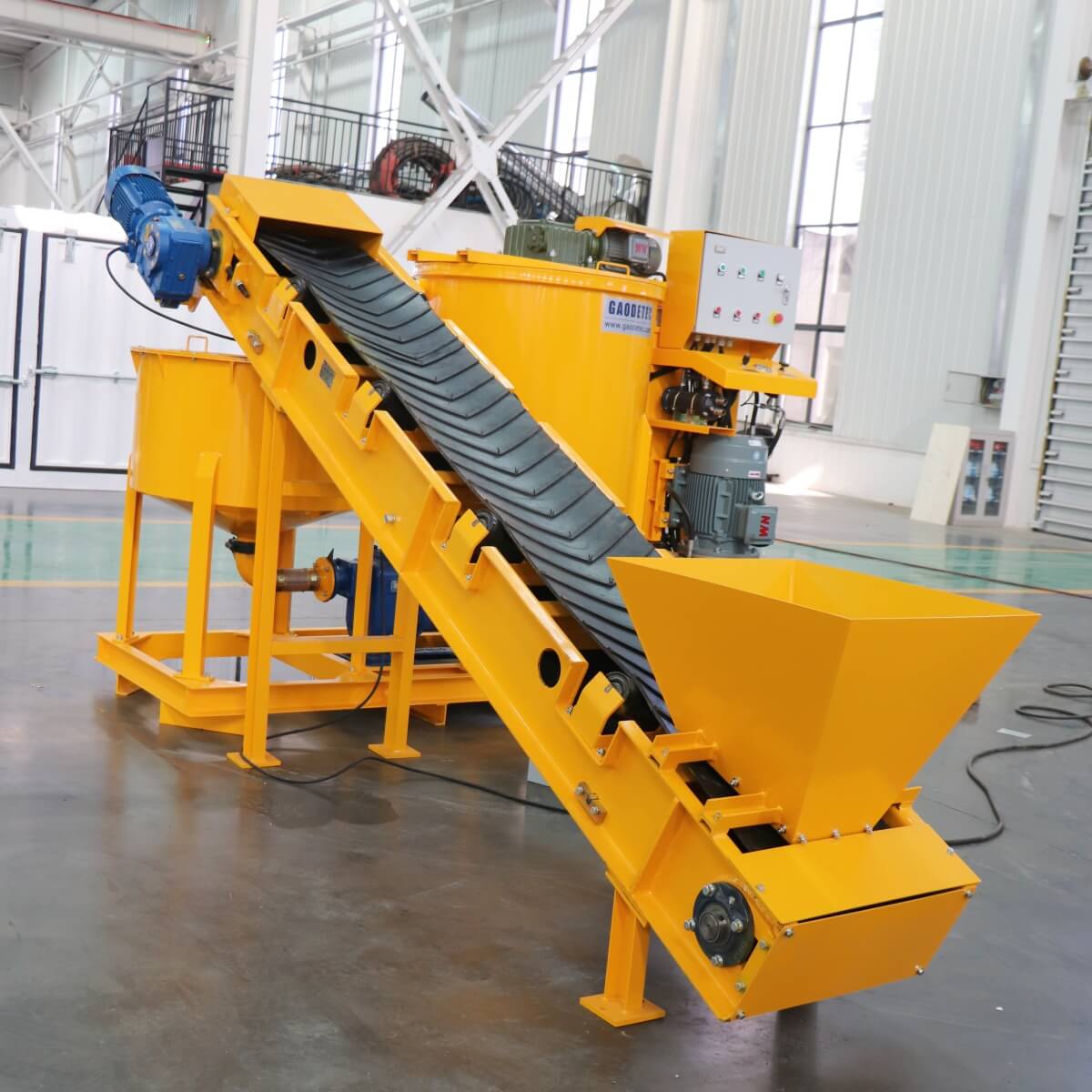
III. Key Selection Criteria for Underground Mine Grouting Mixing Equipment
3.1 Production Capacity and Output Efficiency
Selection must align with the scale of the grouting project, daily grouting volume, and construction schedule to precisely match equipment capacity. This prevents resource waste from overcapacity or delays caused by insufficient output. For large-scale continuous operations, prioritize high-capacity continuous equipment; for small-scale intermittent tasks, choose batch or portable units to achieve optimal capacity-demand alignment.
3.2 Weather Resistance and Underground Environment Adaptability
Underground mining environments feature high humidity, heavy dust, intense vibrations, and significant temperature fluctuations, while grout ingredients may corrode equipment. Thus, equipment must exhibit superior corrosion resistance, dustproofing, and waterproofing. Core components should be manufactured from wear-resistant, vibration-resistant materials to ensure long-term stable operation in harsh underground conditions and reduce equipment failure rates.
3.3 Safety and Compliance
Equipment must comply with underground mining safety standards. Explosion-proof designs are required for special scenarios like high-gas mines. Safety features such as emergency stop buttons and slurry leakage alerts should be installed to mitigate safety risks stemming from equipment failures at the source. Additionally, equipment must obtain industry safety certifications to ensure compliance with all mining safety production regulations.
3.4 Energy Efficiency and Operating Costs
Equipment selection must holistically evaluate factors including energy consumption per unit output, maintenance complexity, and spare parts availability to optimize long-term operational costs. Prioritize energy-efficient motor-driven equipment to reduce power expenditure. Simultaneously, choose models with simplified structures and ease of maintenance to minimize downtime for servicing and repair costs, thereby enhancing overall operational efficiency.
3.5 Automation and Control Systems
Intelligent control systems significantly enhance grouting precision and efficiency while minimizing human operational errors. Equipment featuring digital mix ratio adjustment, real-time viscosity monitoring, and remote control capabilities is recommended. Automation enables precise control over grout properties, reduces labor intensity for underground personnel, and improves operational safety.
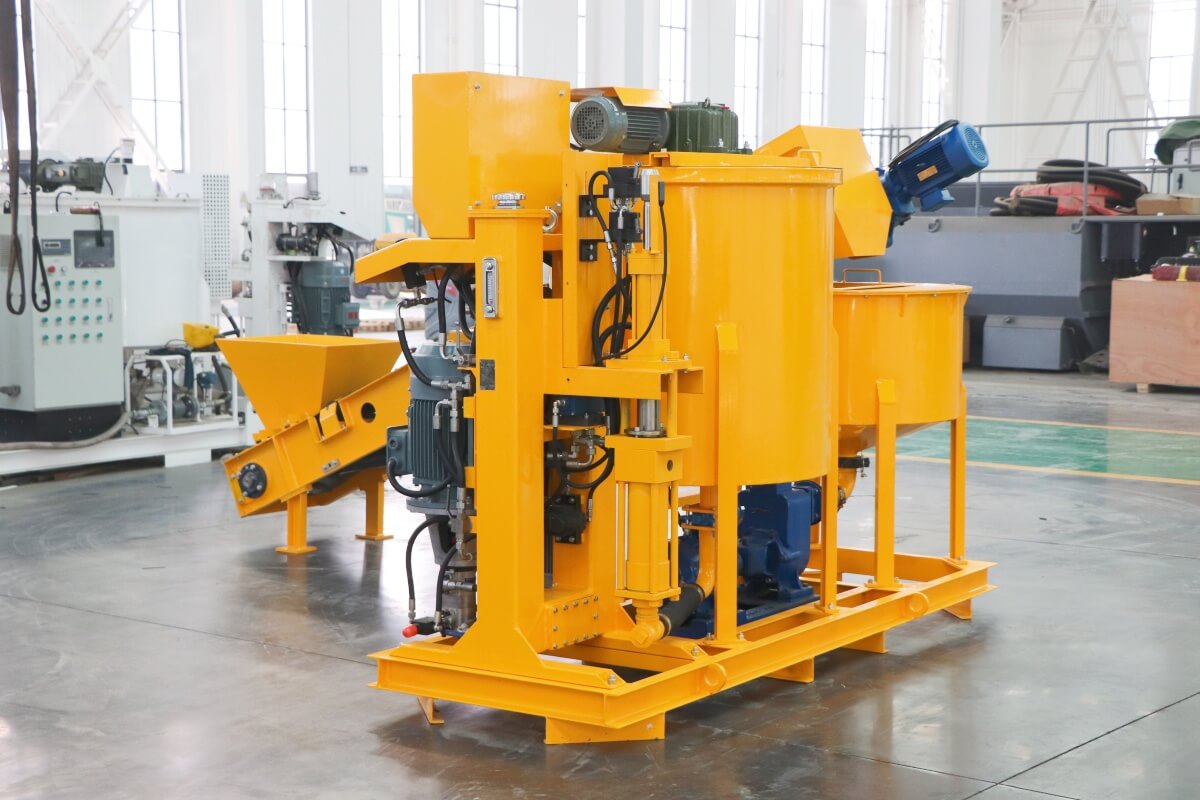
IV. Common Challenges in Underground Mine Grouting Mixing and Equipment Solutions
4.1 Constraints of Confined Underground Spaces
To address narrow underground tunnels and limited working areas, equipment should adopt modular designs and foldable mixing structures. This reduces footprint and transportation complexity, facilitating rapid installation and commissioning in confined spaces. Portable equipment, leveraging its lightweight advantage, can be transported to work sites via manual labor or small vehicles, flexibly adapting to diverse spatial requirements.
4.2 Grout Setting Time Control Challenges
Both excessively long and short slurry setting times compromise grouting effectiveness. The equipment employs adjustable-speed mixing systems and temperature control systems to precisely regulate temperature and mixing speed during slurry blending, optimizing setting time. Pre-set mixing parameters for different slurry characteristics prevent premature setting that could block pipelines or delayed setting that undermines reinforcement efficacy.
4.3 Difficulties in Underground Environment Maintenance
To reduce maintenance complexity in underground environments, the equipment features an automatic cleaning function that cleans the mixing tank and pipelines after operation, preventing slurry residue buildup. Core components utilize wear-resistant and corrosion-resistant materials to extend service life. Additionally, the design incorporates easily disassembled structures, enabling maintenance personnel to quickly replace spare parts and minimize downtime.
Selecting appropriately sized grouting mixing equipment and adhering to standardized operating procedures are fundamental to ensuring the quality, efficiency, and safety of mining grouting projects. Mining enterprises must select equipment based on scientific standards, considering operational scenarios, scale, and geological conditions, while adhering to standardized operation and maintenance protocols to maximize equipment performance. In the future, with the evolution of intelligent, energy-efficient, and environmentally friendly technologies, grouting mixing equipment will provide more efficient, safe, and green solutions for underground mines. It is recommended that enterprises collaborate with professional suppliers to customize tailored solutions, supporting the high-quality development of mining operations.