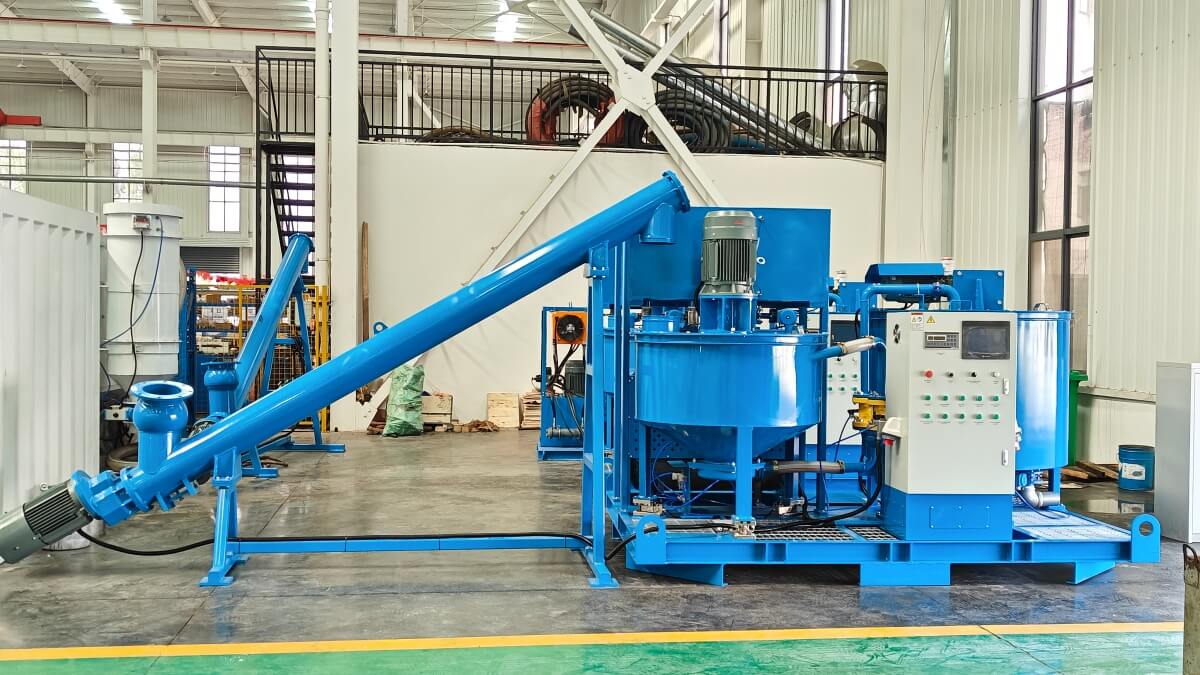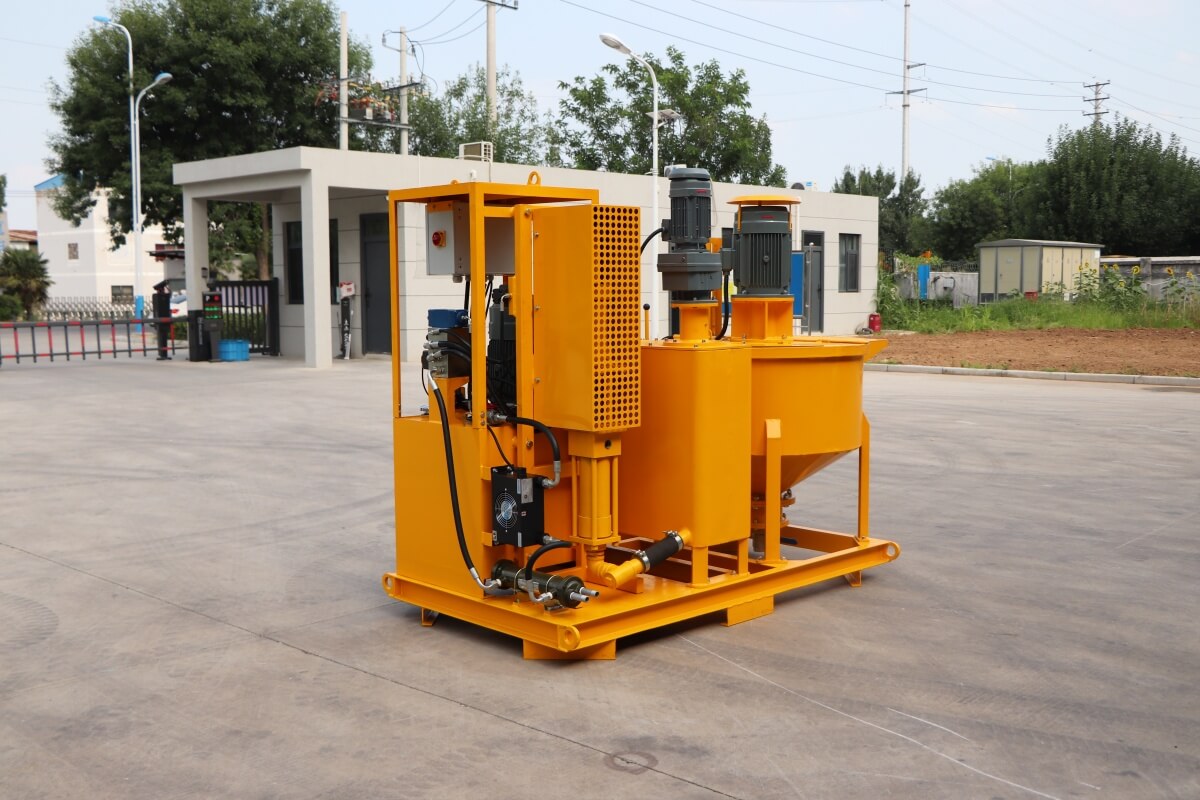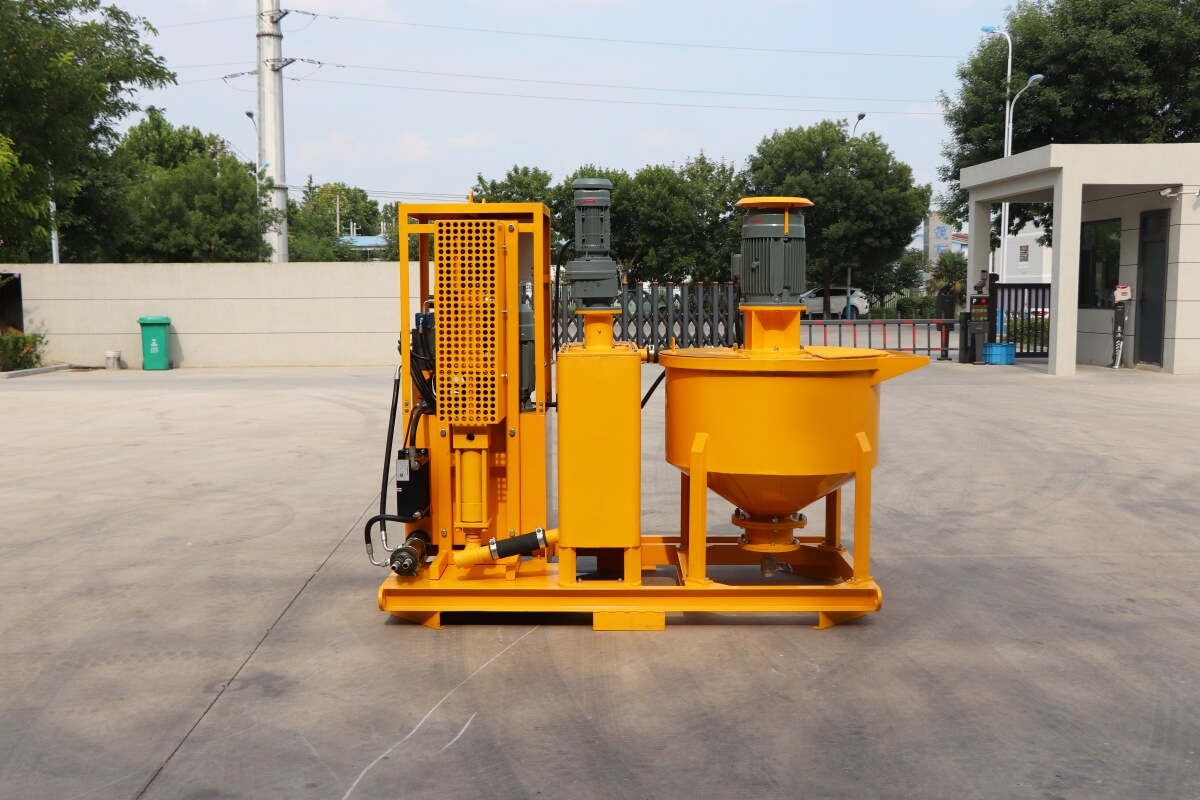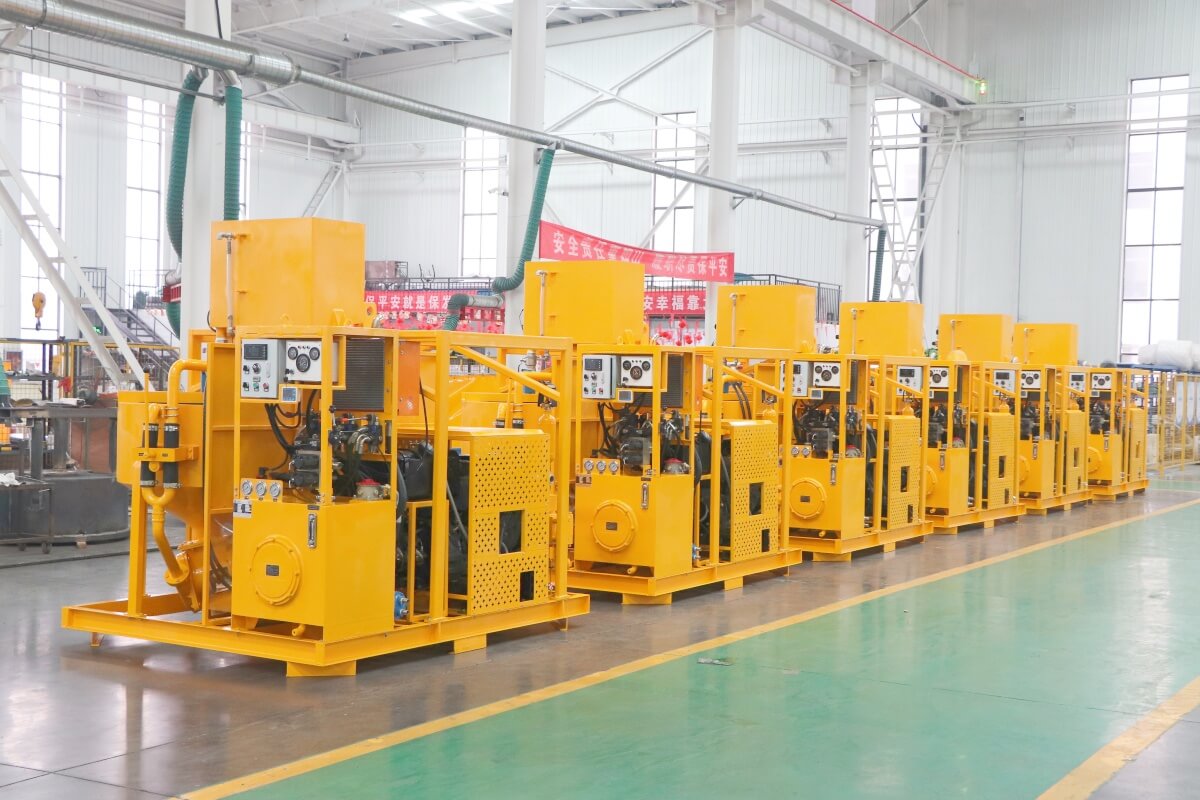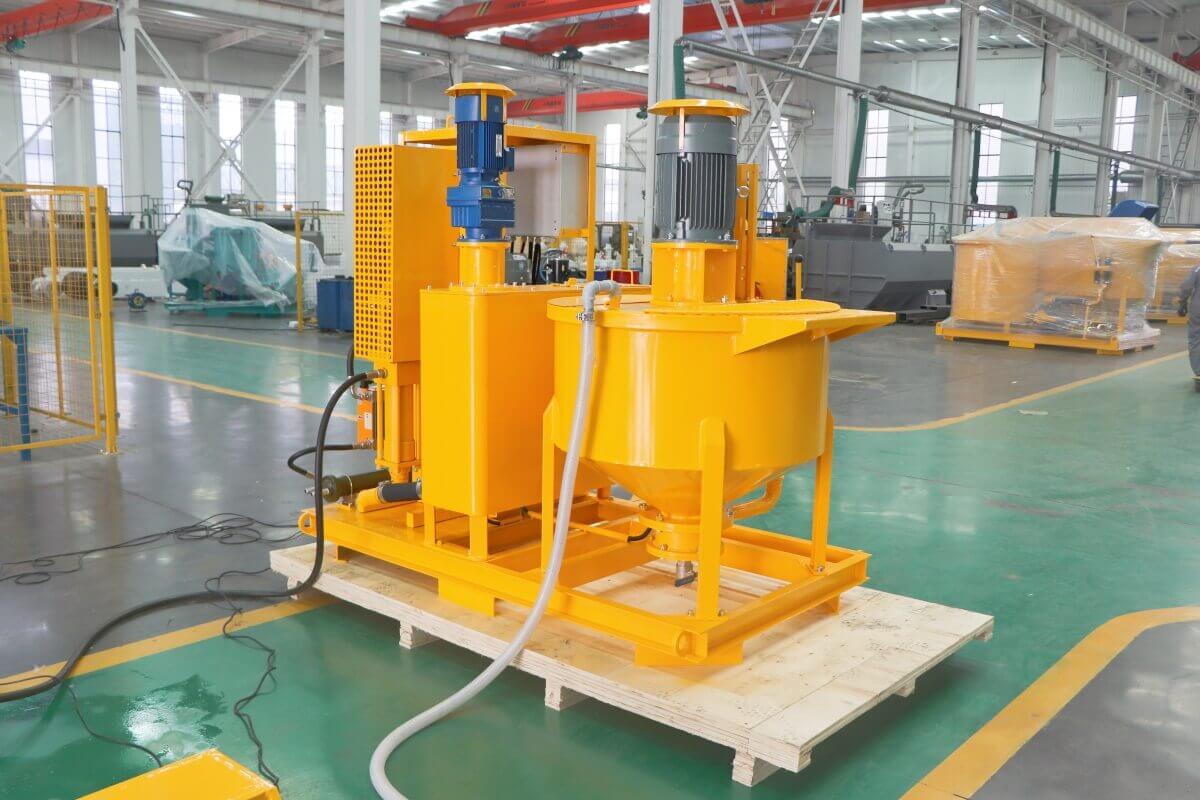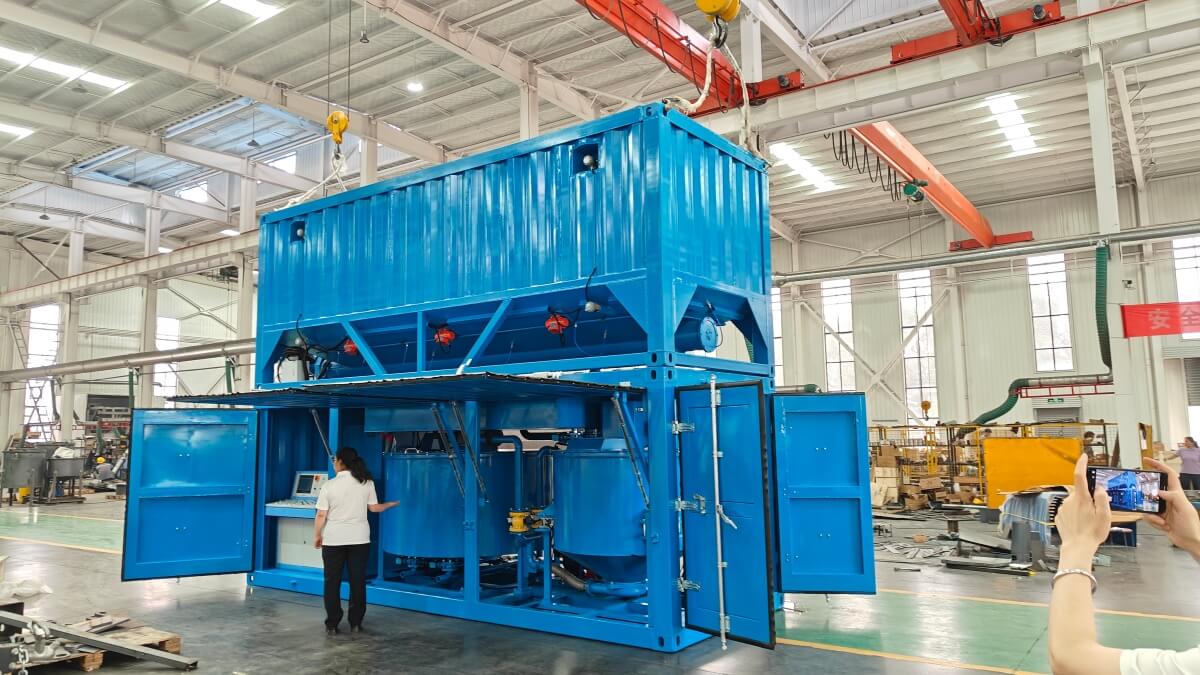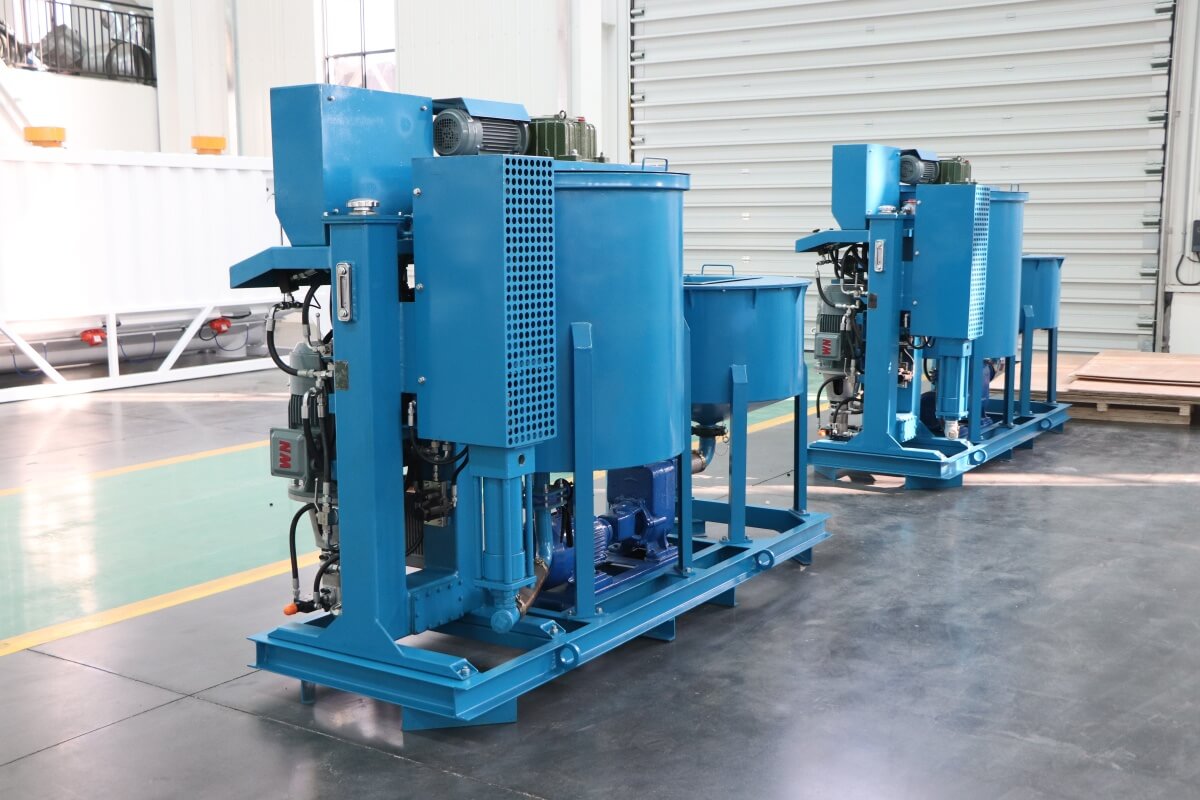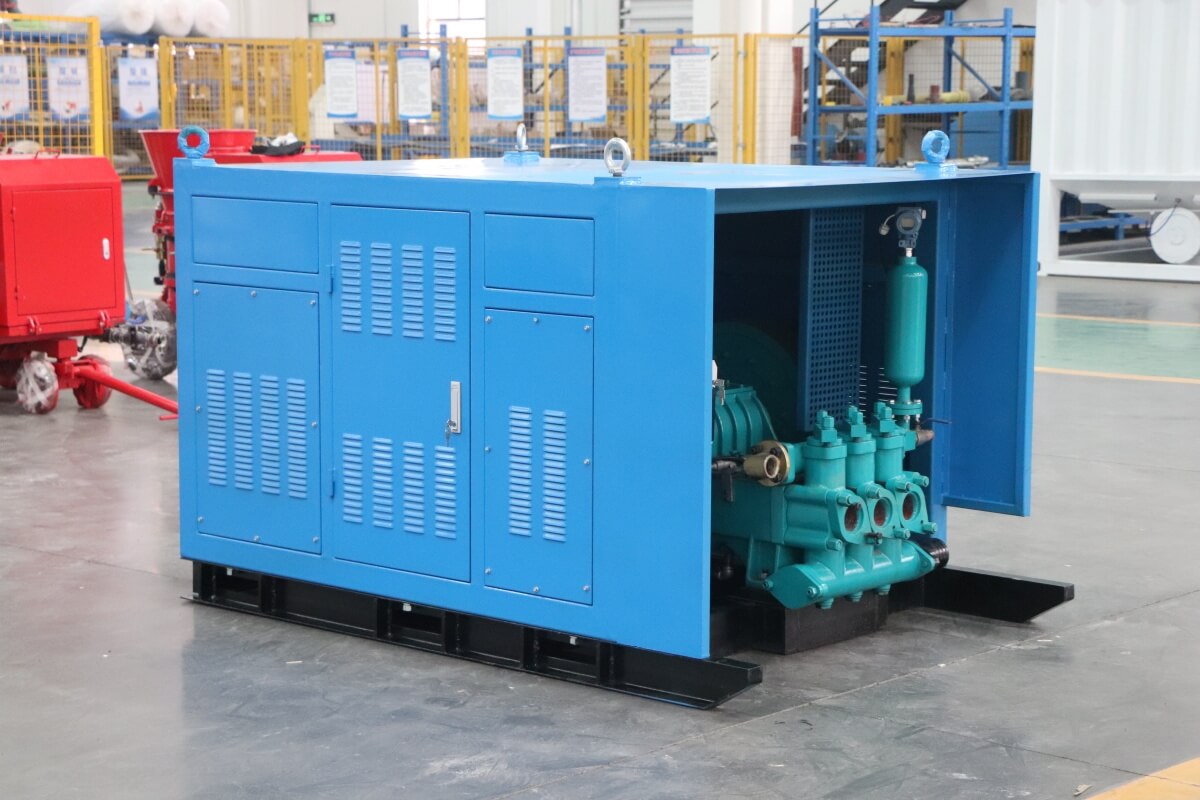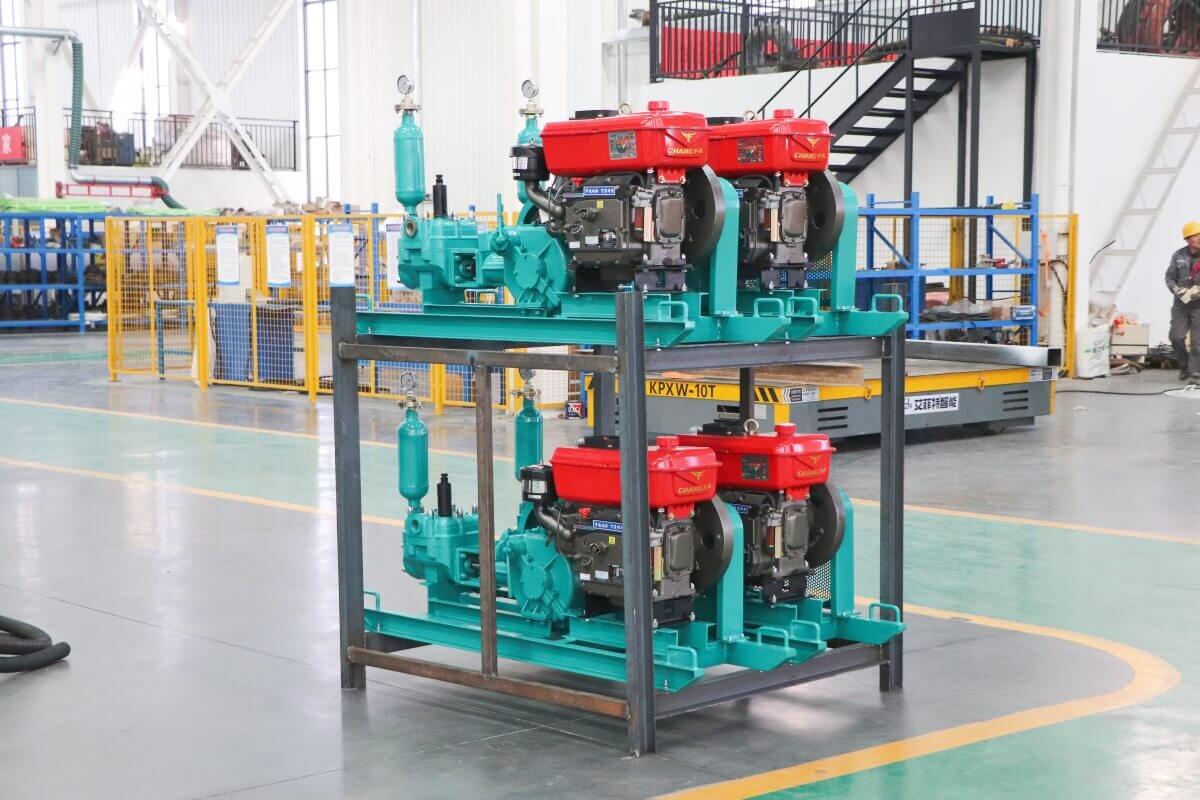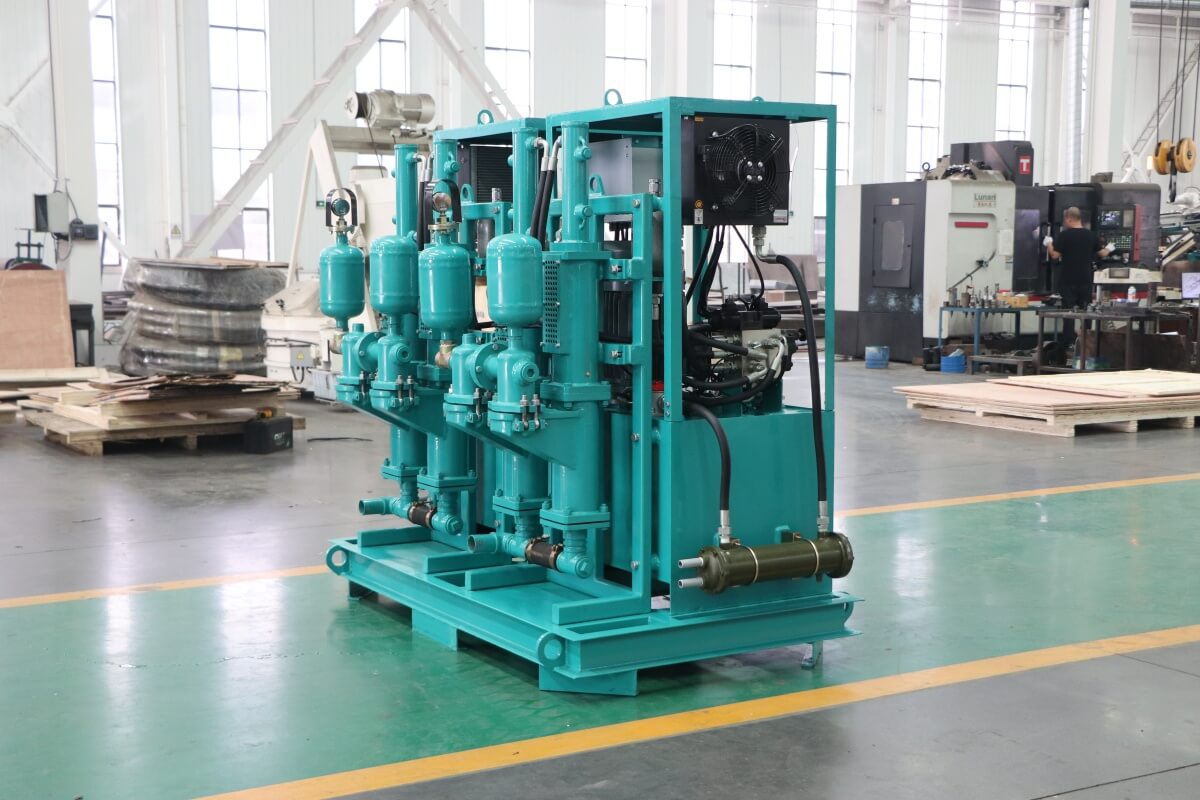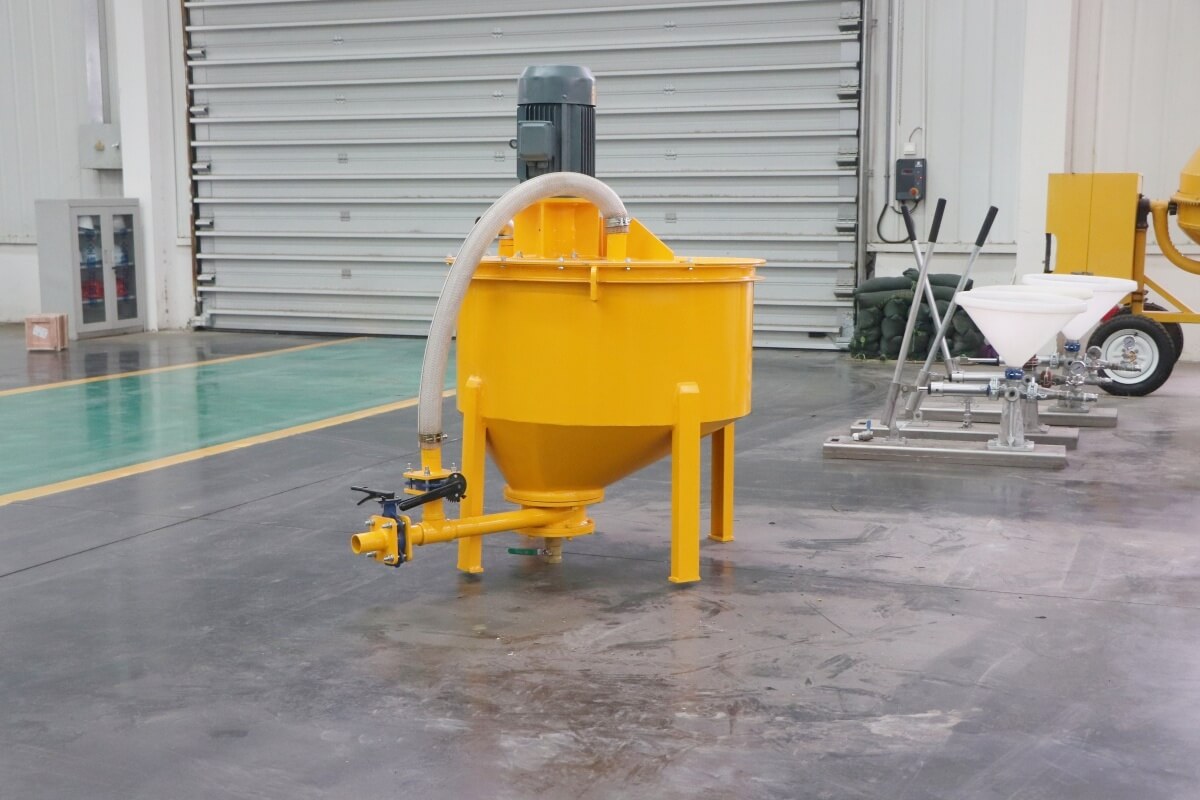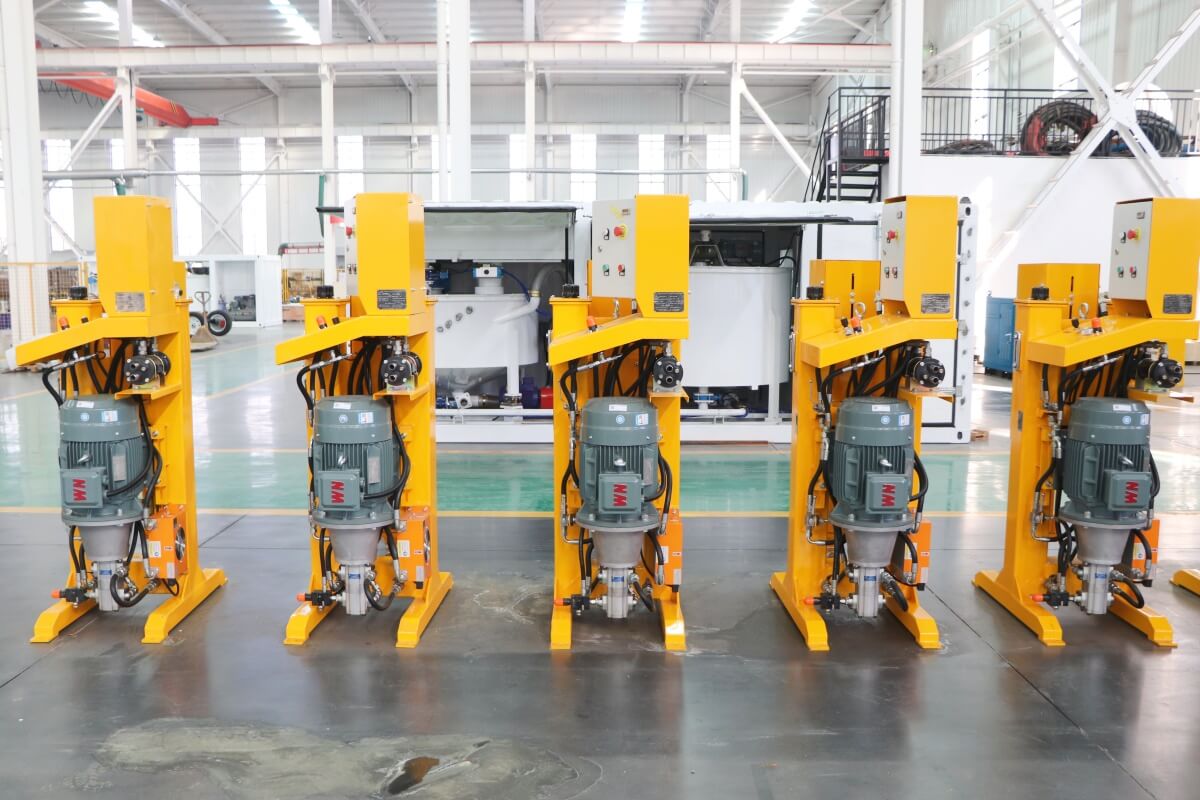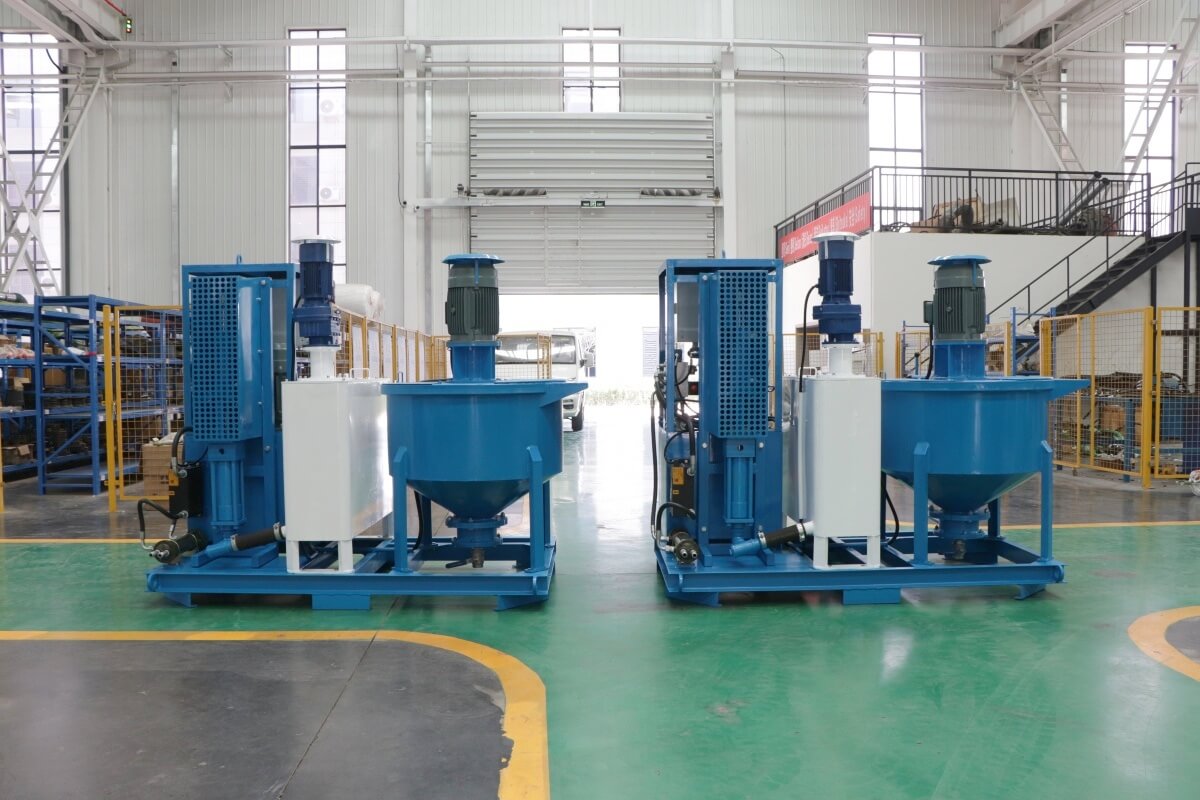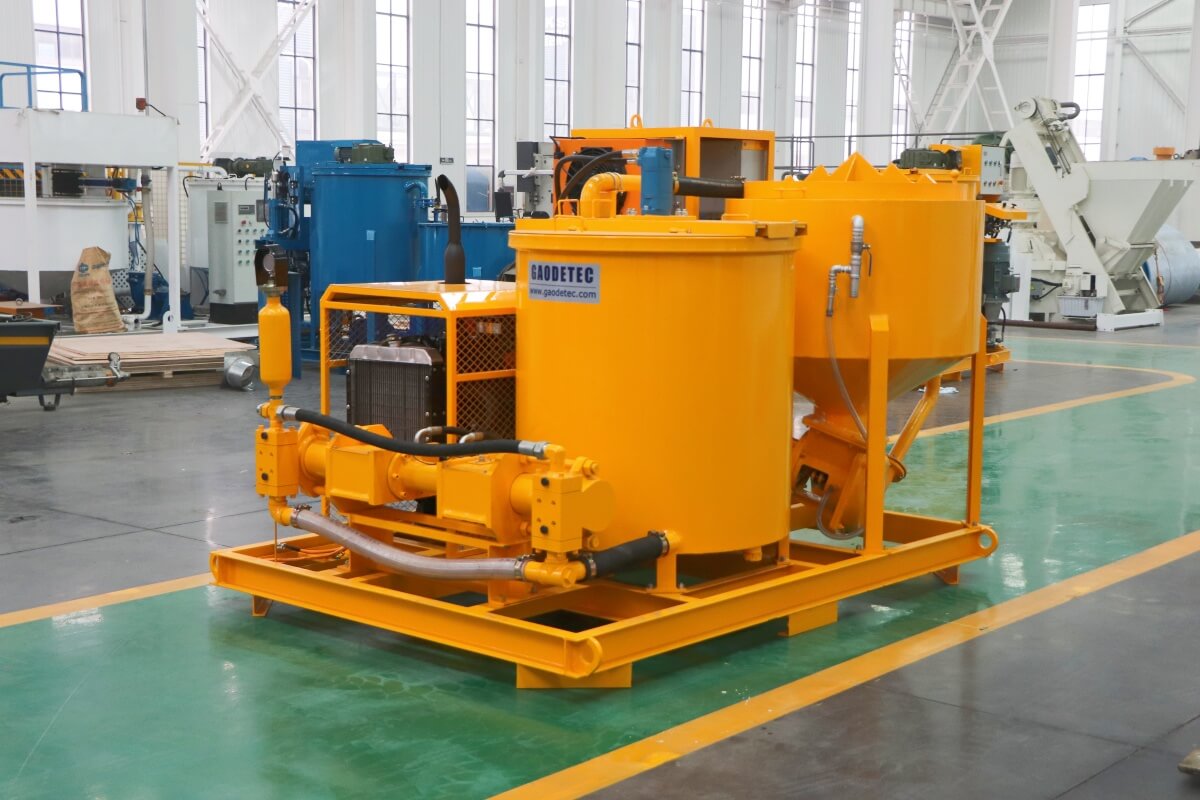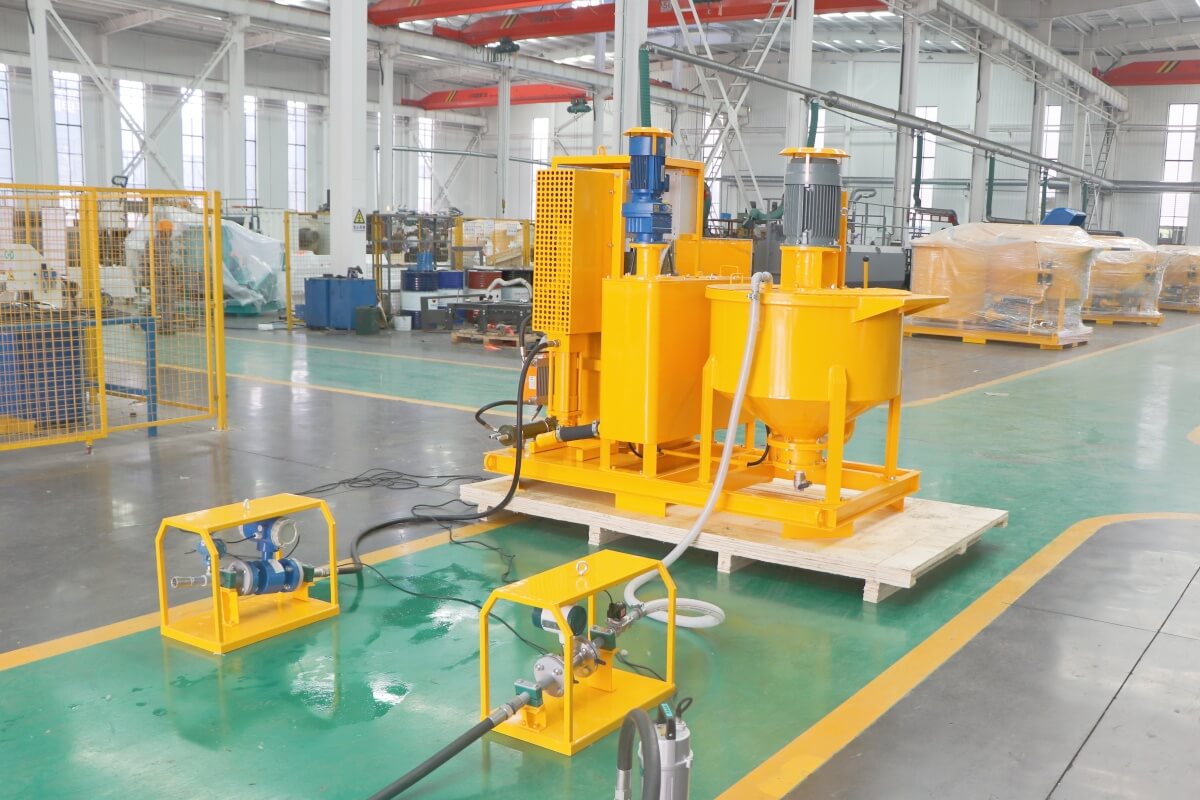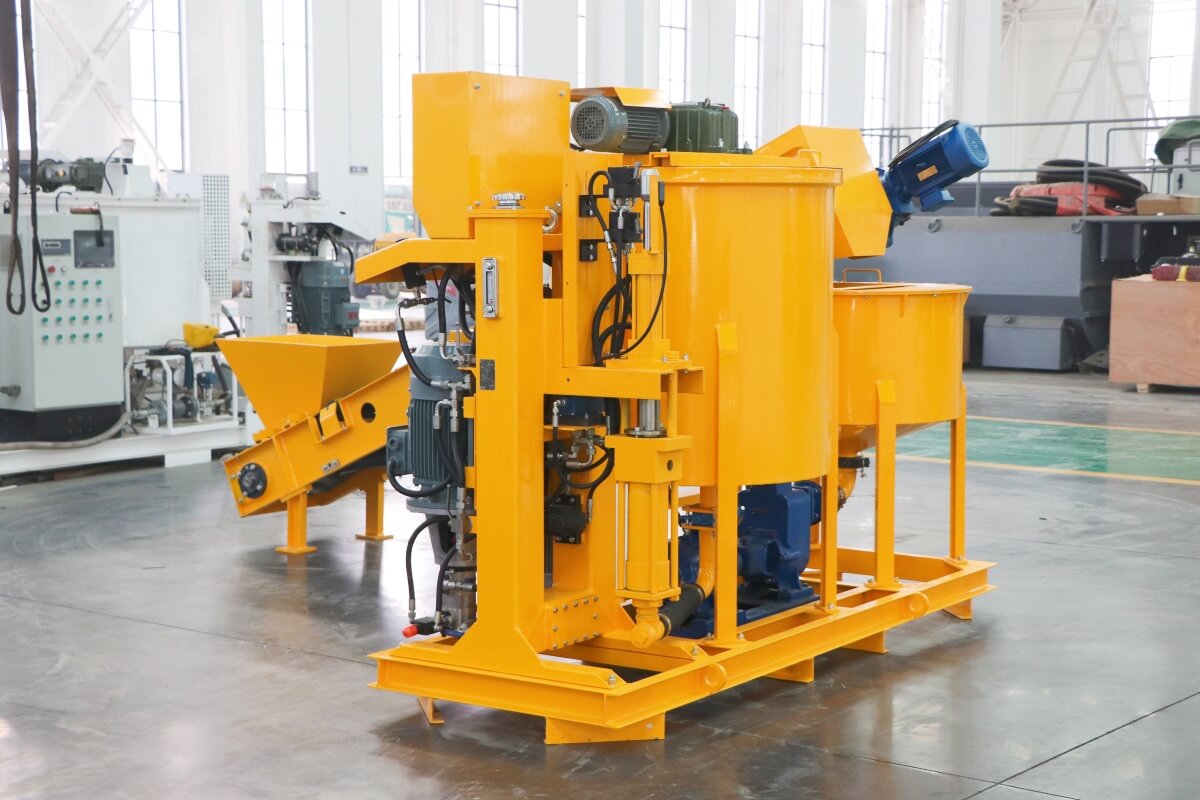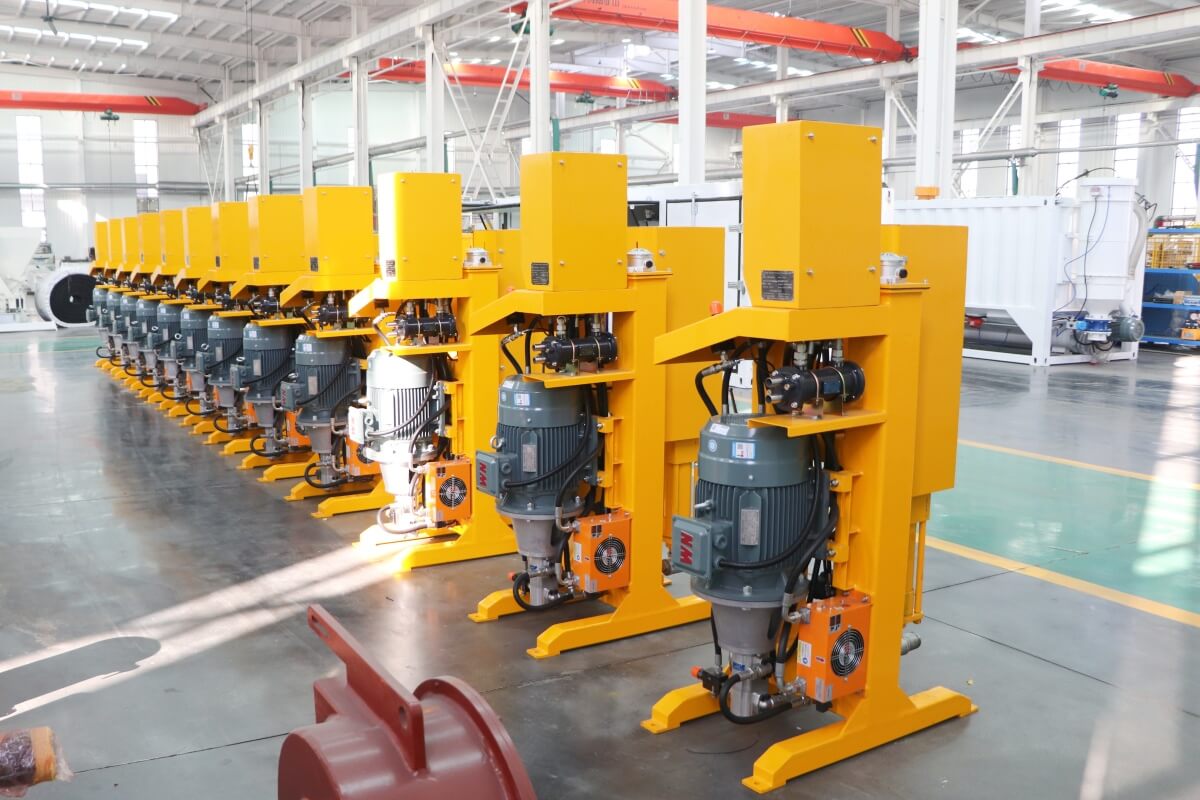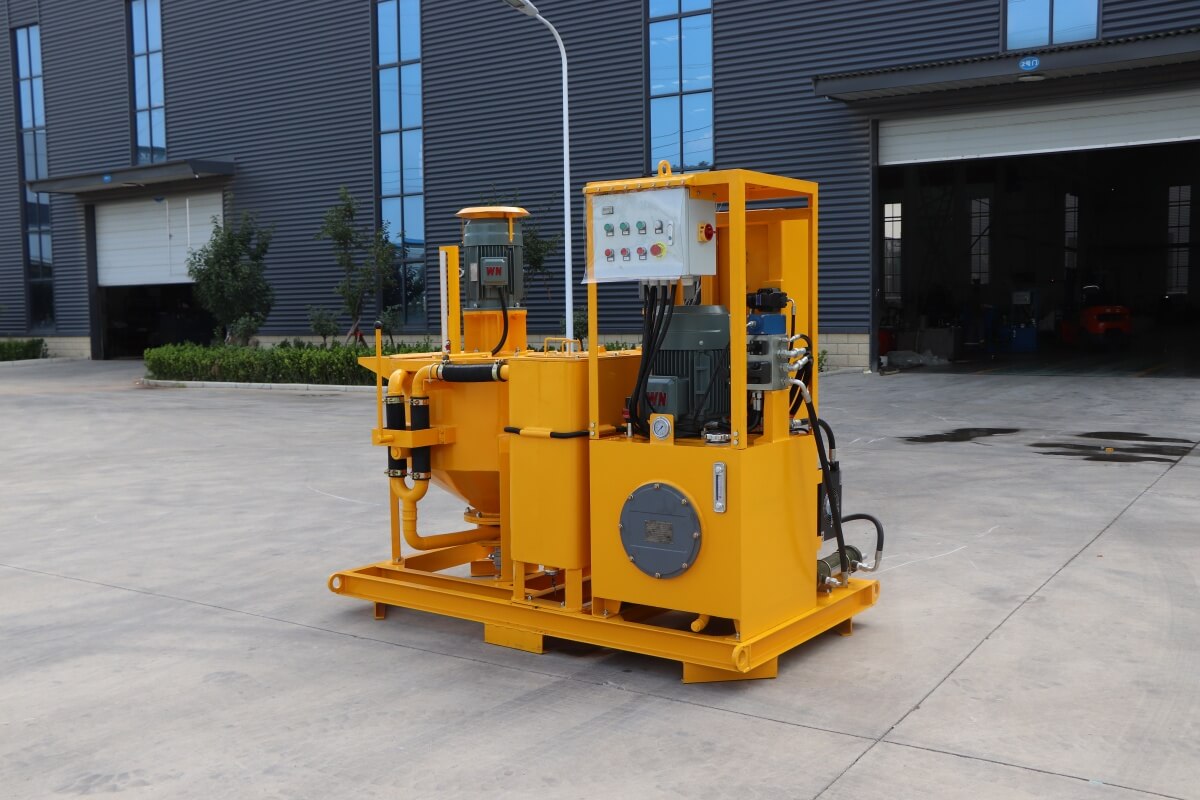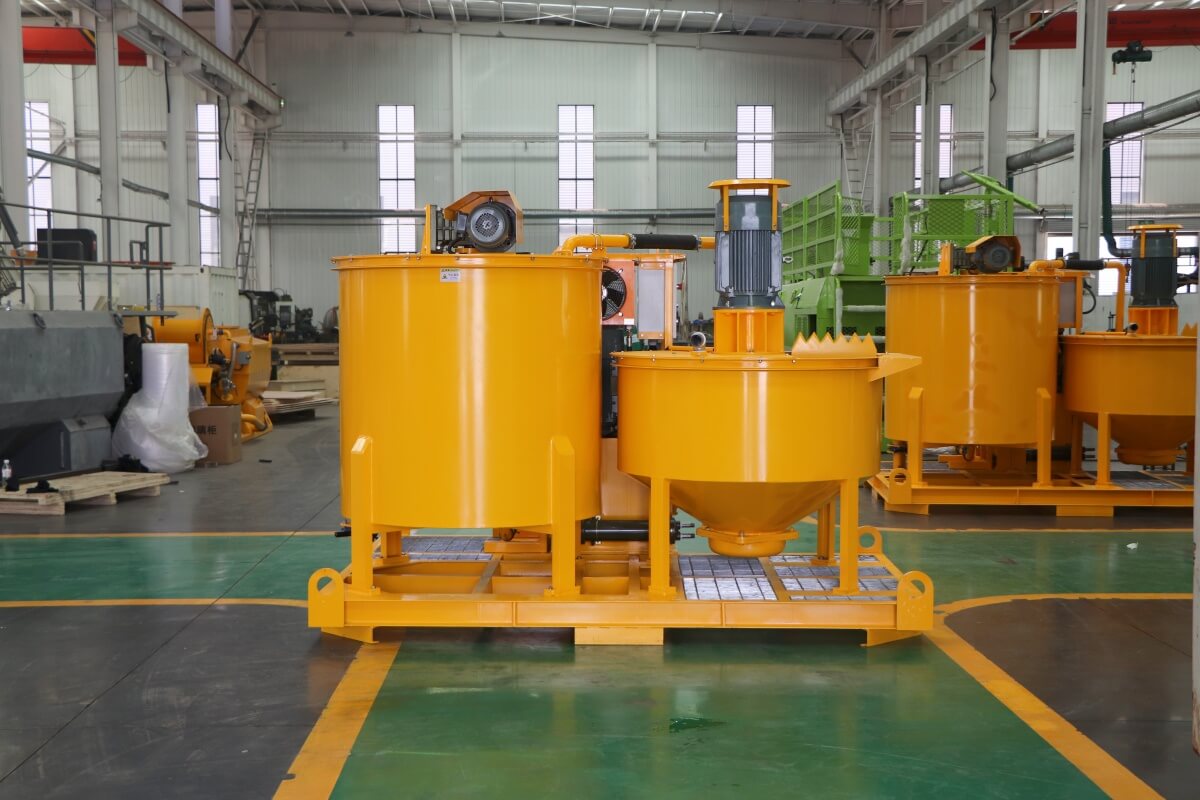
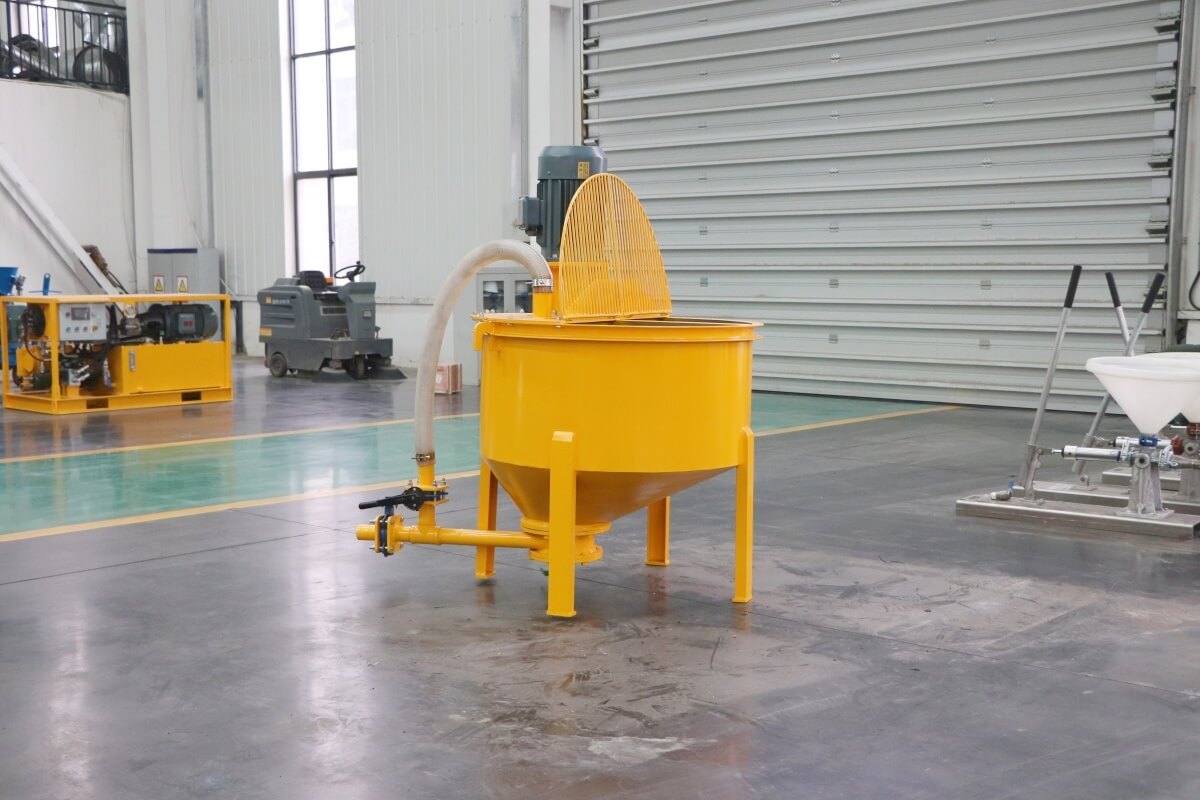
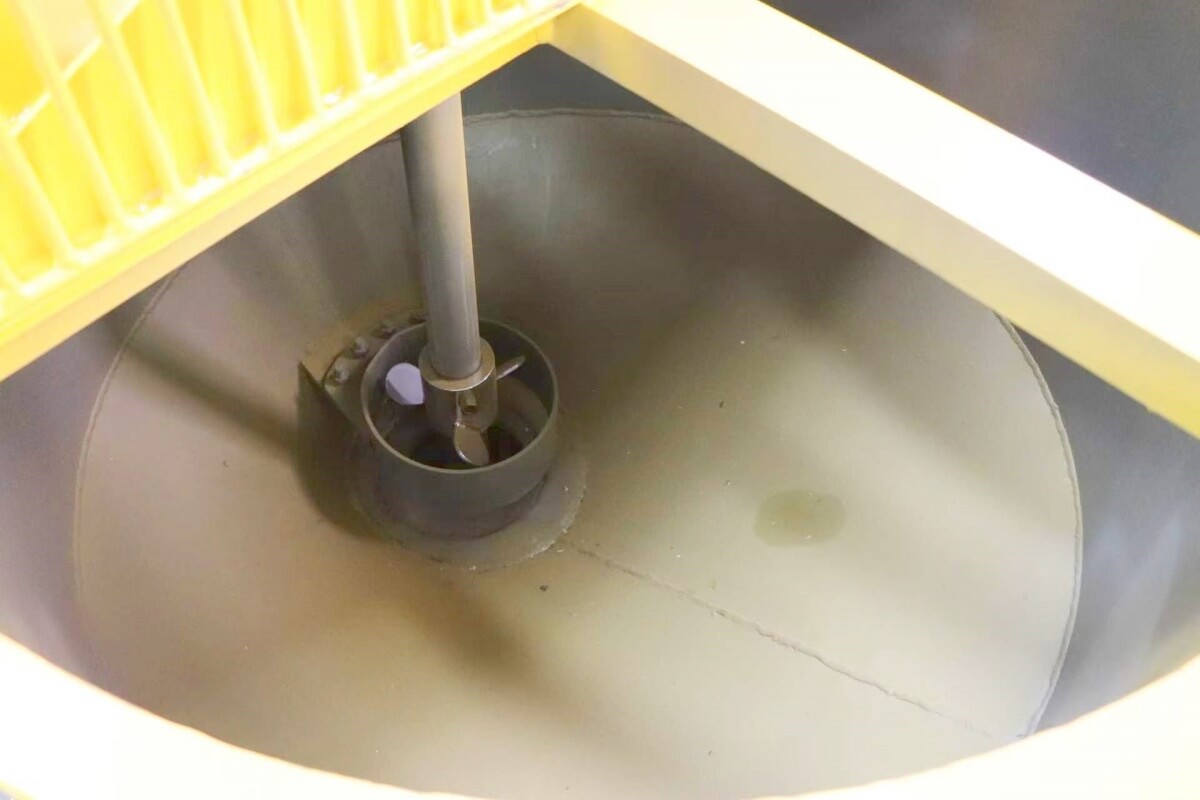
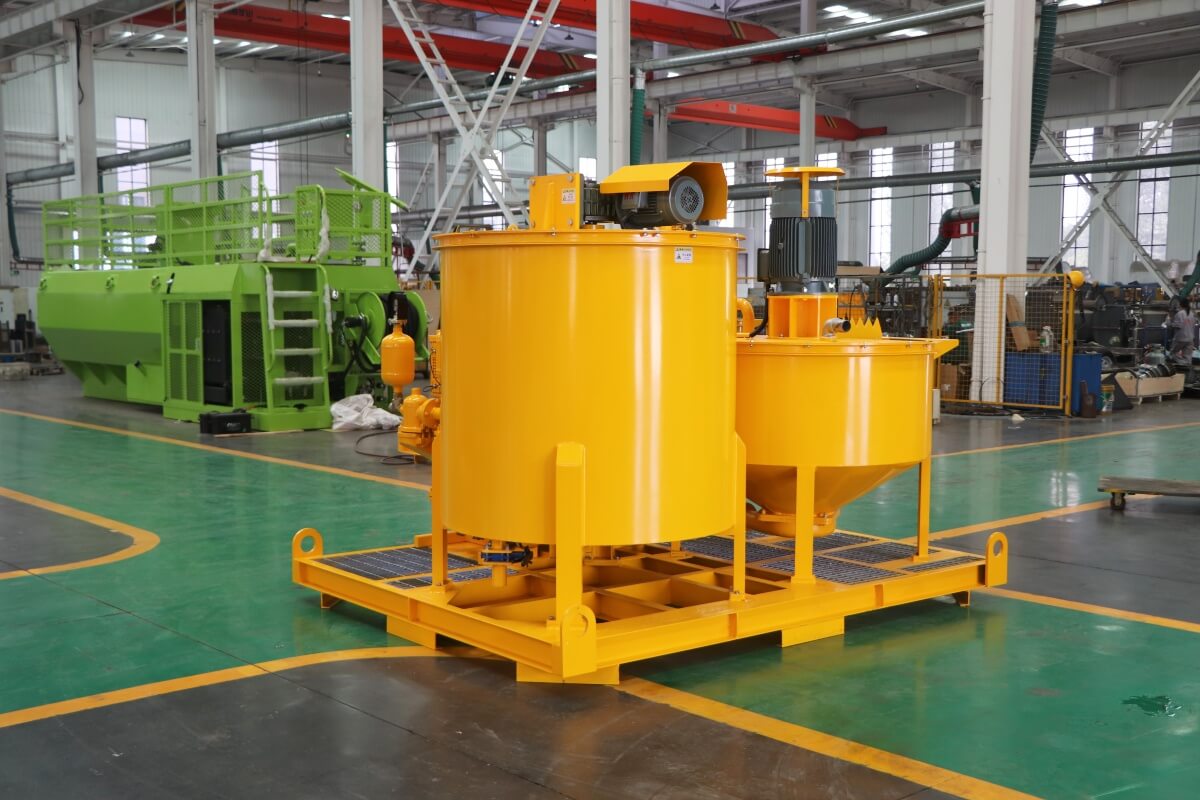
200L bentonite slurry mixer
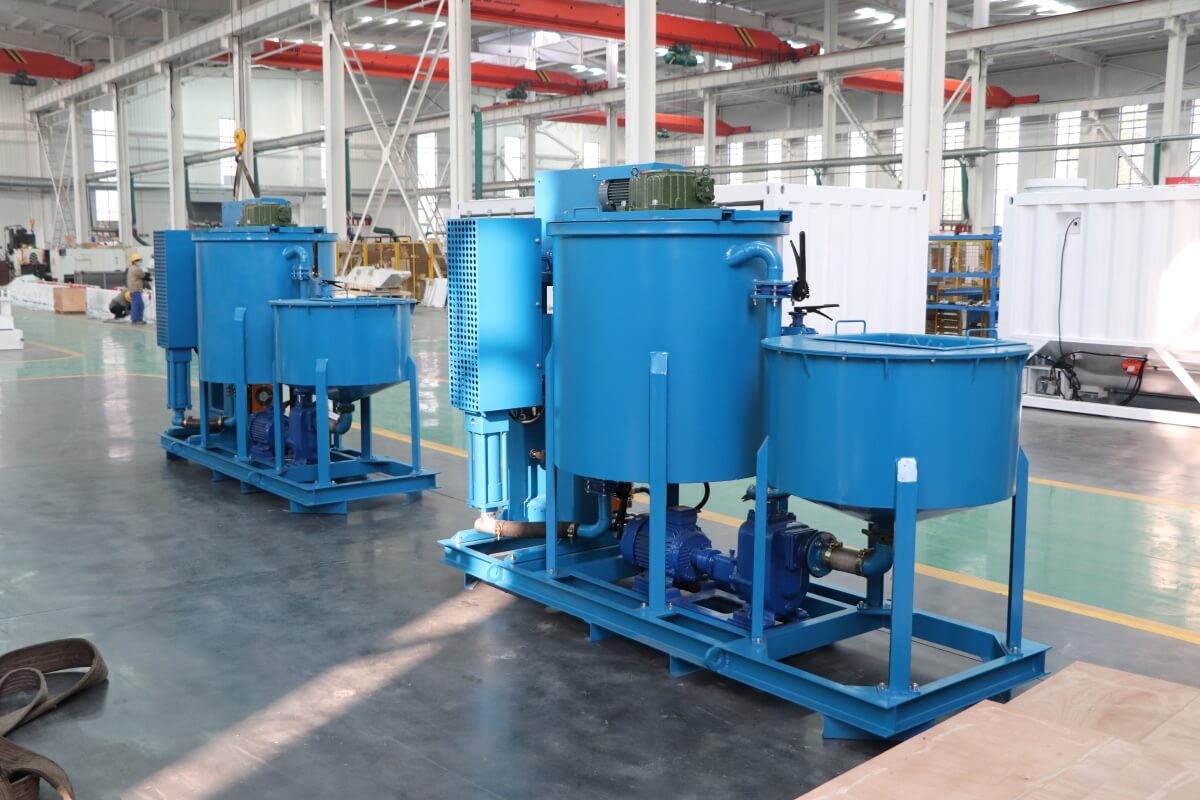
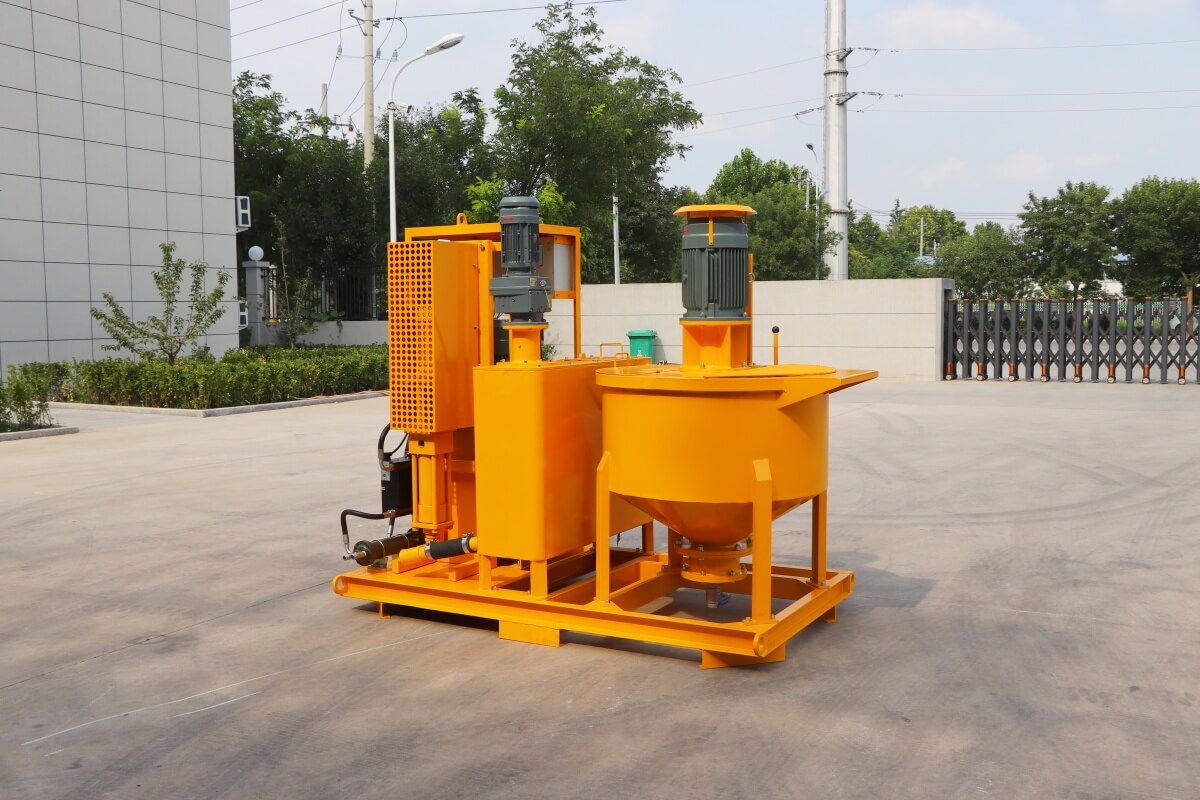
A 200L bentonite slurry mixer is a batch preparation option for projects requiring controlled slurry production. Selection should consider usable working volume, powder dispersion, slurry viscosity and transfer requirements. Where the specified bentonite needs hydration before use, separate holding capacity may be required alongside the mixer.
200L bentonite slurry mixer
A 200L bentonite slurry mixer should be assessed by how much usable slurry it prepares and when that slurry is ready for the next operation. Tank size alone does not establish hourly output, hydration performance or the ability to supply a pump continuously.
For contractors comparing equipment for projects in Australia or other markets, the practical starting point is the required slurry condition at the point of use. The mixer, any hydration tank and the transfer arrangement must work together to meet that requirement.
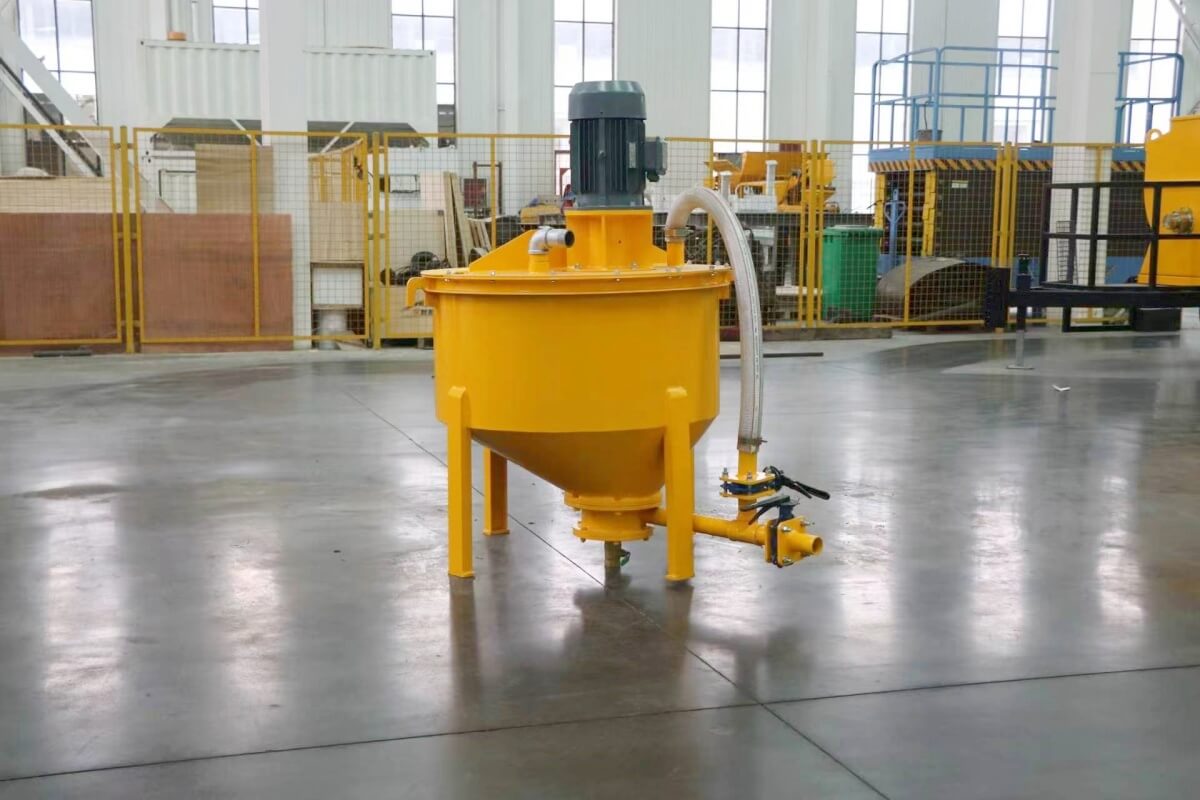
Confirm what the 200L capacity represents
Before selecting equipment, establish whether 200L describes the total tank volume, recommended liquid charge or finished working batch. These figures are not interchangeable.
A mixing vessel needs sufficient space for circulation and powder incorporation without overflowing. The permitted working level also depends on the mixer design and formulation. Do not assume that a tank described as 200L can discharge 200L of prepared slurry in every application.
Ask for the recommended batch volume at the intended bentonite concentration. This gives a more useful basis for planning water measurement, powder loading and the number of batches needed during a shift.
Select for powder dispersion and slurry circulation
Bentonite preparation requires the powder to disperse into water. Agglomerates can remain when powder incorporation and circulation are inadequate, even when the mixture appears to be moving.
High-shear equipment can break down agglomerates and expose more clay surface to water. However, the description “high speed” does not by itself establish mixing performance. The mixing mechanism and circulation pattern must be suitable for the batch volume and the viscosity that develops.
When assessing a proposed mixer, check how powder enters the liquid, how material circulates through the mixing zone and whether circulation remains effective as the slurry thickens. A demonstration using the intended bentonite and site water provides stronger evidence of suitability than an unloaded speed figure.
Allow for hydration after mixing
Dispersion and hydration are related processes, but they are not the same. A batch may be free of visible lumps before it develops the properties required for use.
The necessary preparation and holding time depends on the bentonite grade, mixing conditions and application. Follow the material supplier’s instructions and the project’s fluid acceptance requirements rather than adopting one universal hydration period.
If the mixer must retain each batch while it hydrates, that holding period limits how soon the next batch can begin. Where the process permits, a separate hydration or holding tank can free the mixer for further preparation. The tank arrangement must still maintain the specified slurry condition and provide the required residence time.
Make-up water should also be checked. Salinity and other water characteristics can affect bentonite performance, so a trial using convenient clean water may not represent results with the actual site supply.
Calculate output from the complete batch cycle
Preparation capacity depends on the usable batch volume and the full cycle: filling, adding powder, mixing, transferring and preparing for the next batch.
For a planning example only, assume a mixer has a confirmed usable batch of 160L and completes that entire cycle in eight minutes. Its calculated average preparation rate would be:
160L × 60 ÷ 8 = 1,200L/hour
This is an illustrative calculation, not verified performance for a Gaodetec machine. It excludes additional delays and does not establish that the slurry has completed any required hydration.
Continuous withdrawal creates a separate challenge. If the downstream operation consumes slurry while the mixer is preparing its next batch, usable buffer storage must cover that interval. Hydration storage and ready-to-use buffer storage should therefore be considered separately when planning the system.
Check transfer performance at the required slurry condition
A mixer’s recirculation pump, where fitted, should not automatically be treated as a pump capable of meeting the downstream delivery duty.
Transfer performance depends on slurry properties, pipe diameter, line length, elevation and the receiving equipment. As bentonite hydrates, its changing flow behaviour may affect discharge and pumping. Confirm the transfer arrangement using the slurry condition expected during operation.
For an electrically driven unit, provide the actual site voltage, phase, frequency and available supply capacity. Country destination alone does not confirm compatibility with a particular site connection.
Discuss your slurry preparation requirements
For a Gaodetec enquiry, send the bentonite datasheet and intended concentration, required usable batch volume and hourly demand, site water information, transfer duty and available power supply. These details provide a basis for assessing whether a 200L mixer alone or a mixer with separate holding capacity suits the planned process.
Contact info@gaodetec.com to discuss your application and request a quotation.