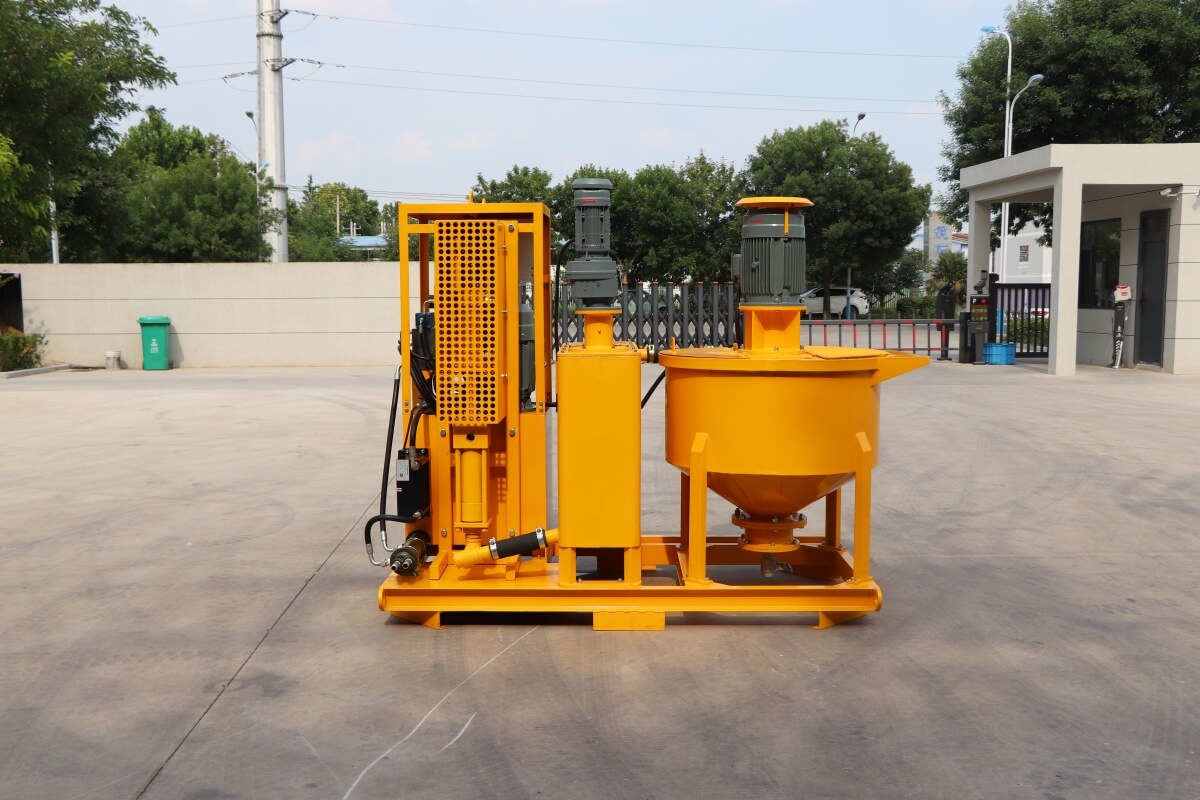
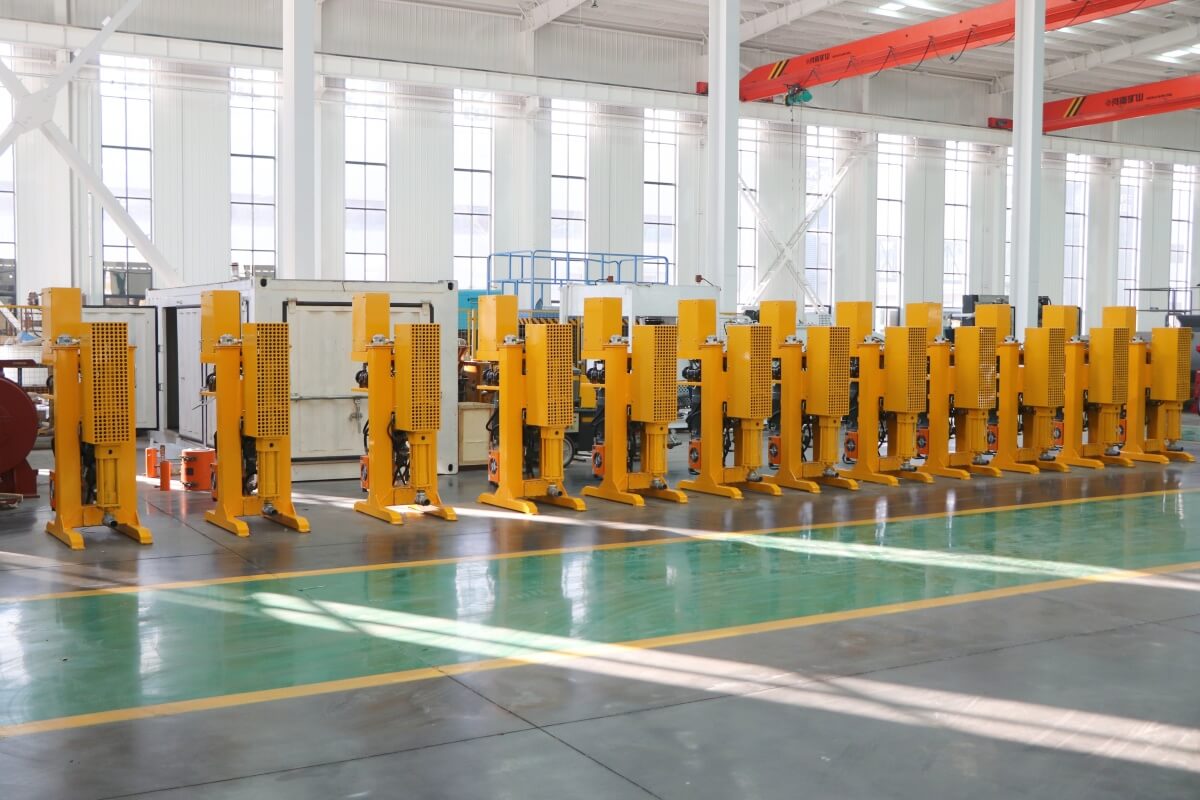
The integrated grouting plant for micropile foundation work combines slurry preparation, storage, mixing, and high-pressure delivery functions into a single unit, ensuring a continuous supply of high-quality, consistent cement grout for micropile construction. Compared to setups using multiple standalone machines, this integrated station offers advantages such as a compact footprint, ease of operation, efficient workflow integration, and simplified on-site management; it is suitable for projects involving micropiles, soil nails/anchors, underpinning, and ground improvement. In micropile foundation construction, the quality of the grouting directly impacts the density of the pile body, the bond strength between the pile and the surrounding soil, and the ultimate load-bearing capacity. Given the small borehole diameters and significant drilling depths—combined with the fact that these projects often take place in spatially constrained areas or complex geological conditions—contractors demand higher standards regarding grout uniformity and stability, as well as precise control over grouting parameters.
Grouting pumps inject cement-based or chemical grout into foundation cracks, pores, or weak layers under high pressure, forming a solidified mass to enhance the foundation’s bearing capacity. Its reinforcement principles encompass the following aspects: Permeation consolidation: The grout fills soil pores, increasing density through cementation; suitable for highly permeable strata such as sandy soil and silt. Fracturing reinforcement: High-pressure grout fractures the soil, forming a dendritic grout vein network, improving the overall strength of the foundation; commonly used for soft clay or collapsible loess. Compaction grouting: High-pressure compaction of the surrounding soil creates a dense zone; suitable for saturated soft clay or artificial fill.
*Please enter a message to us