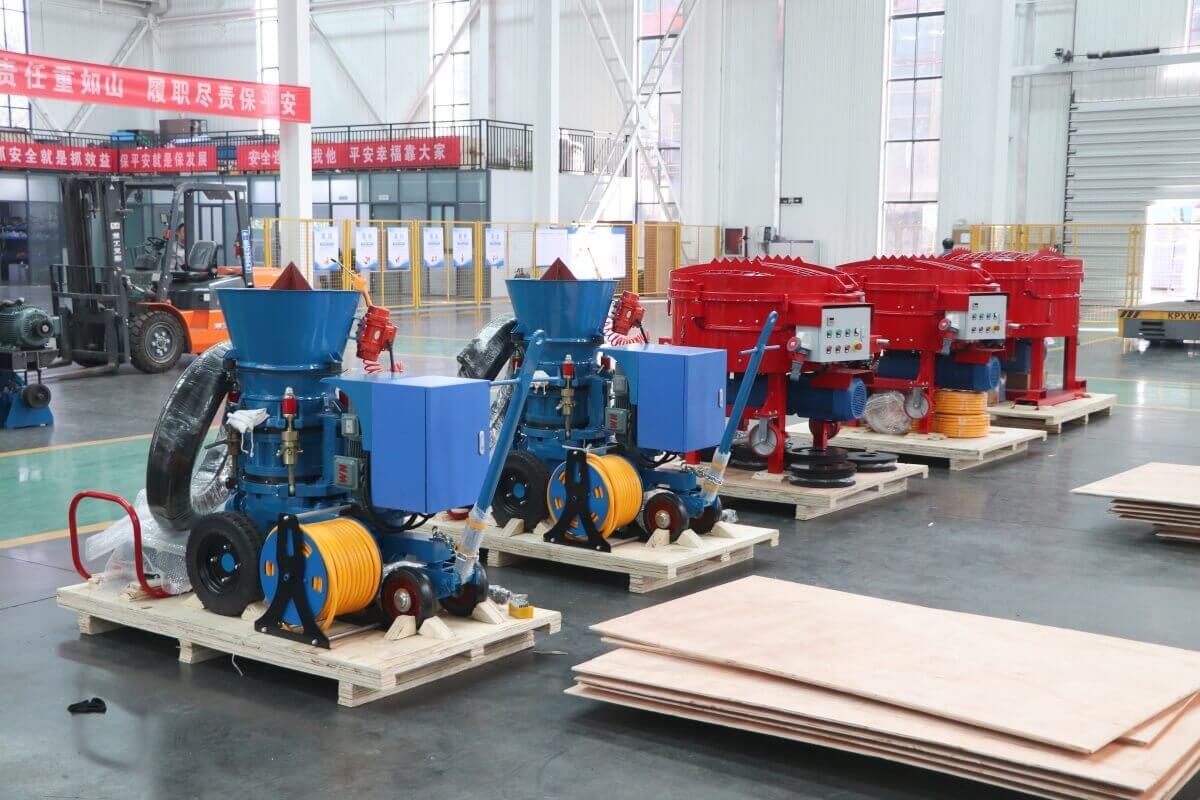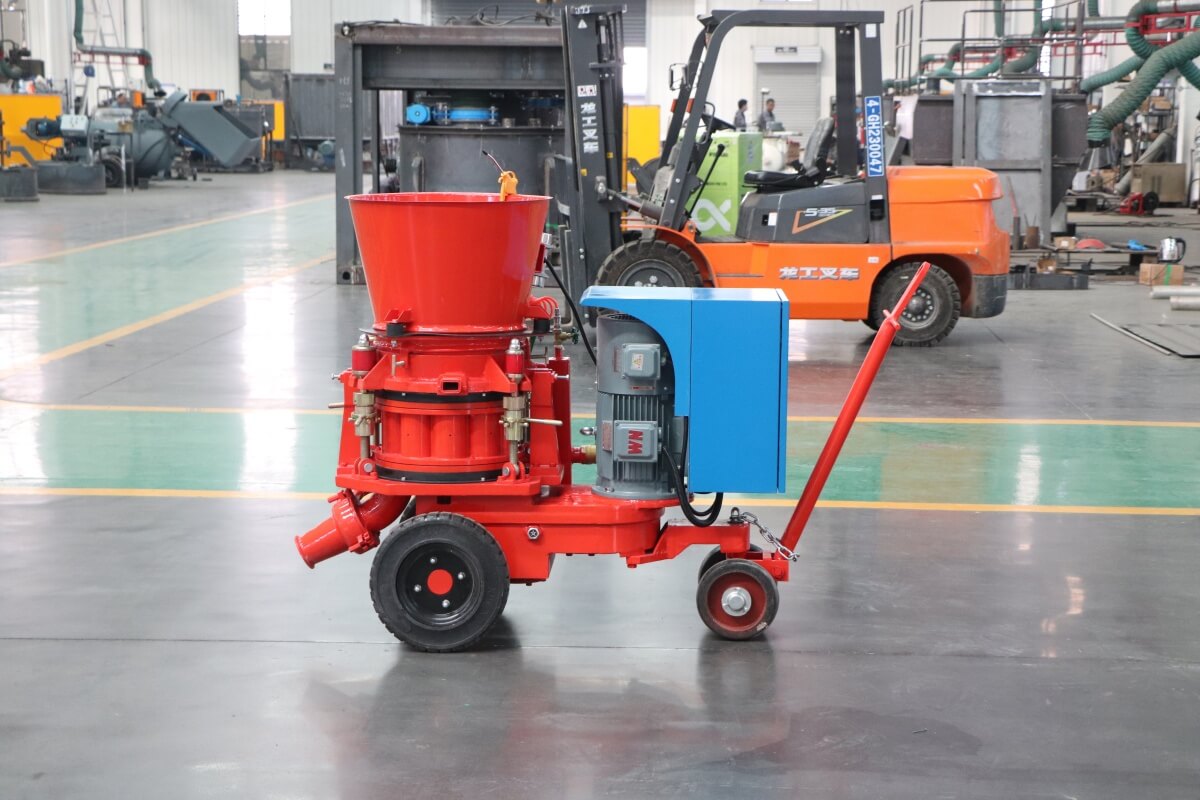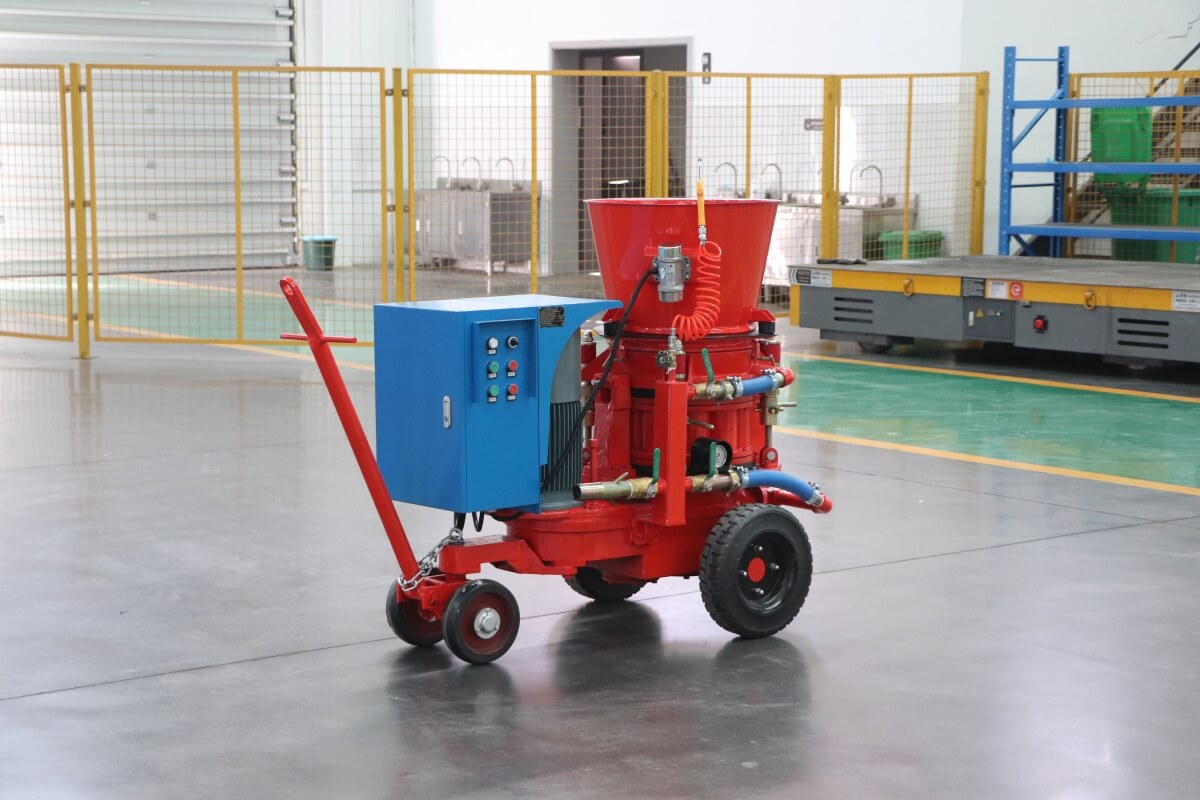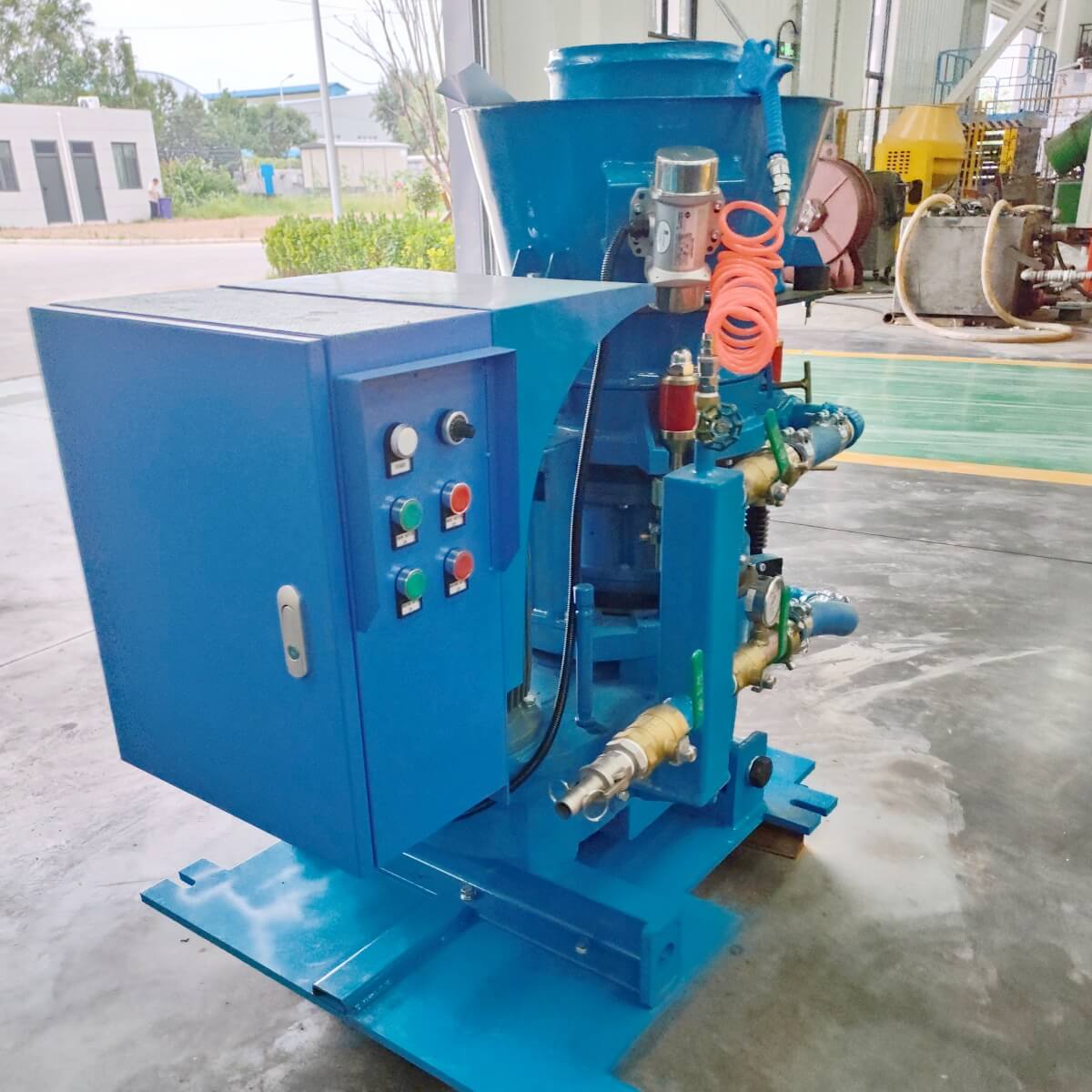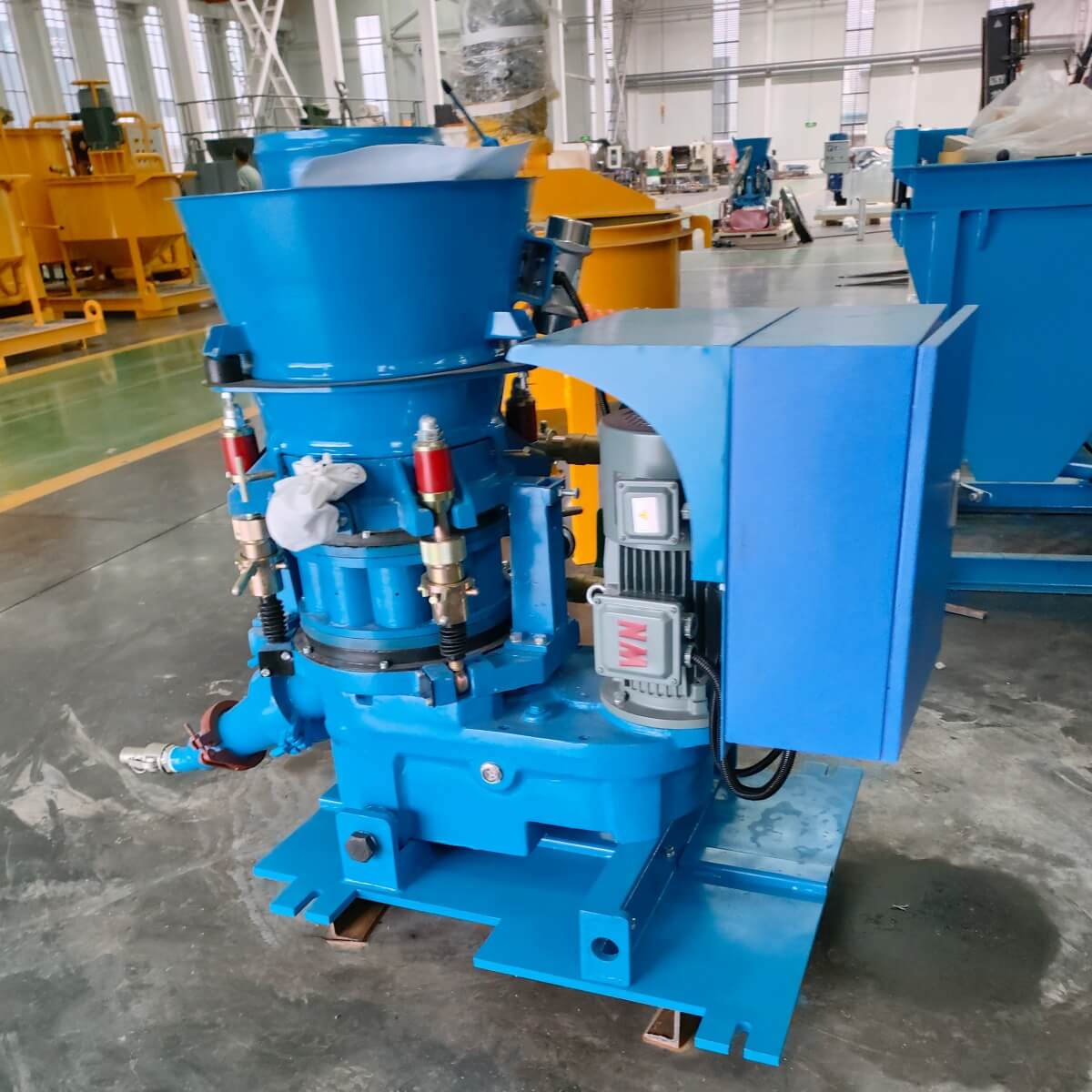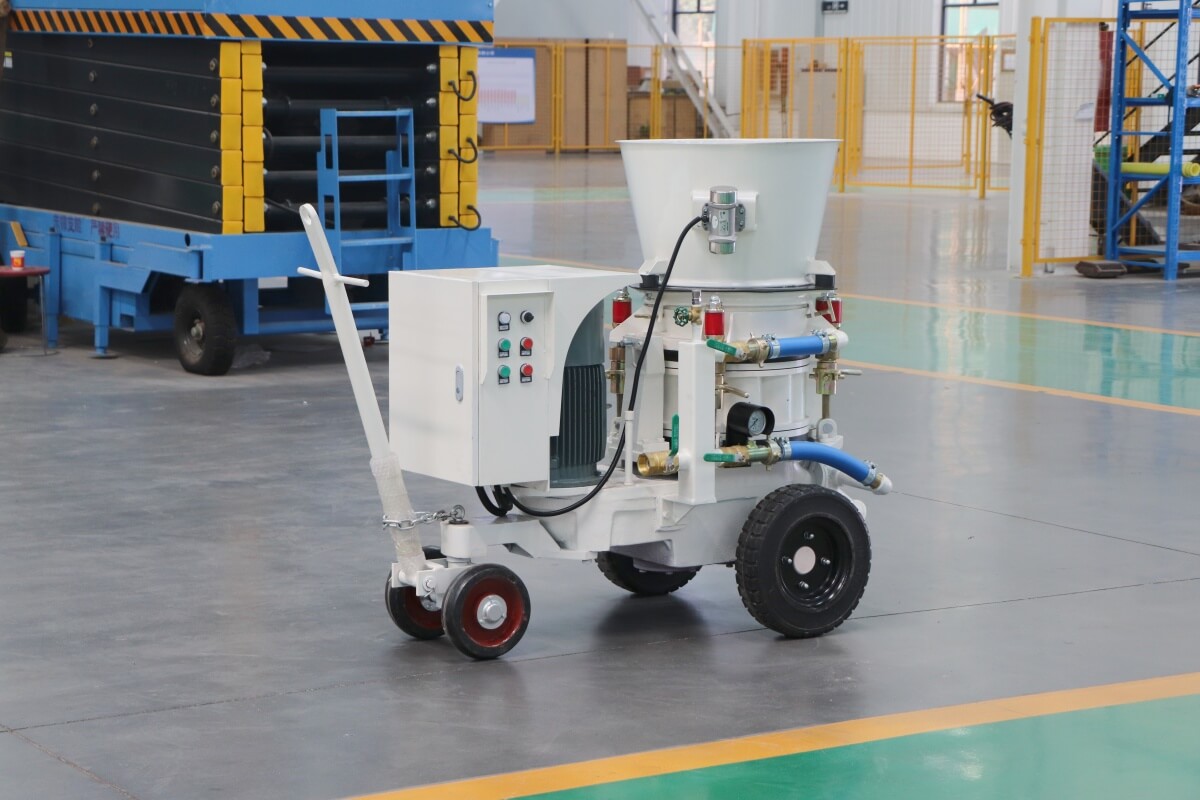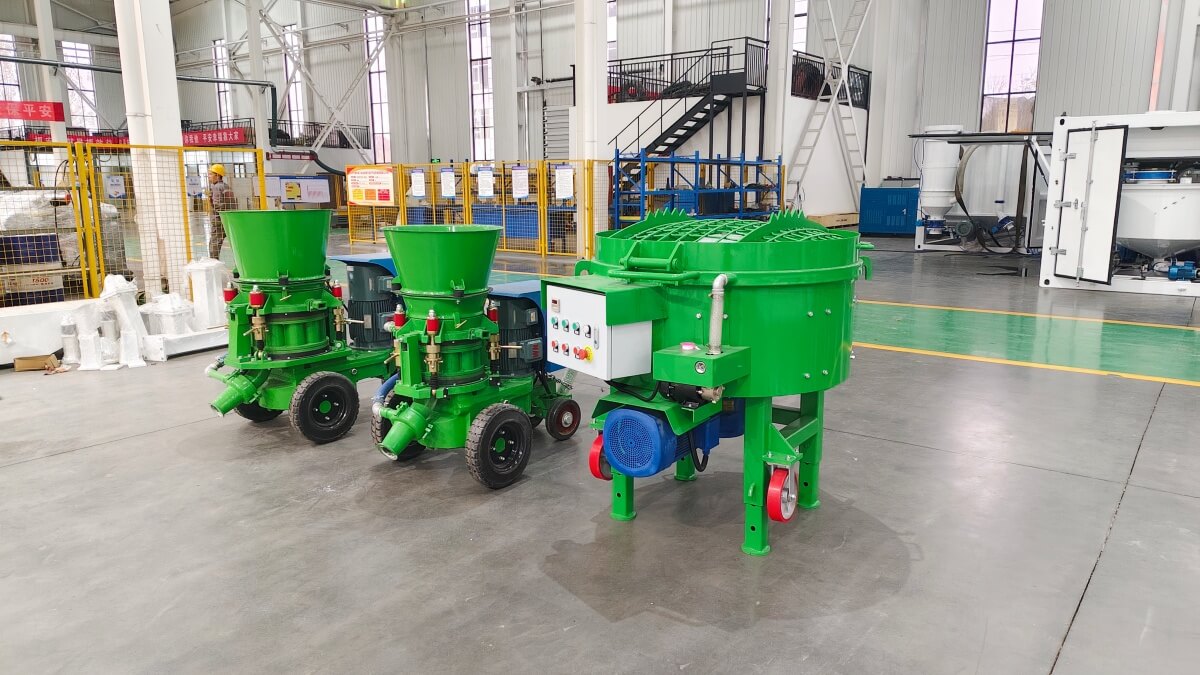
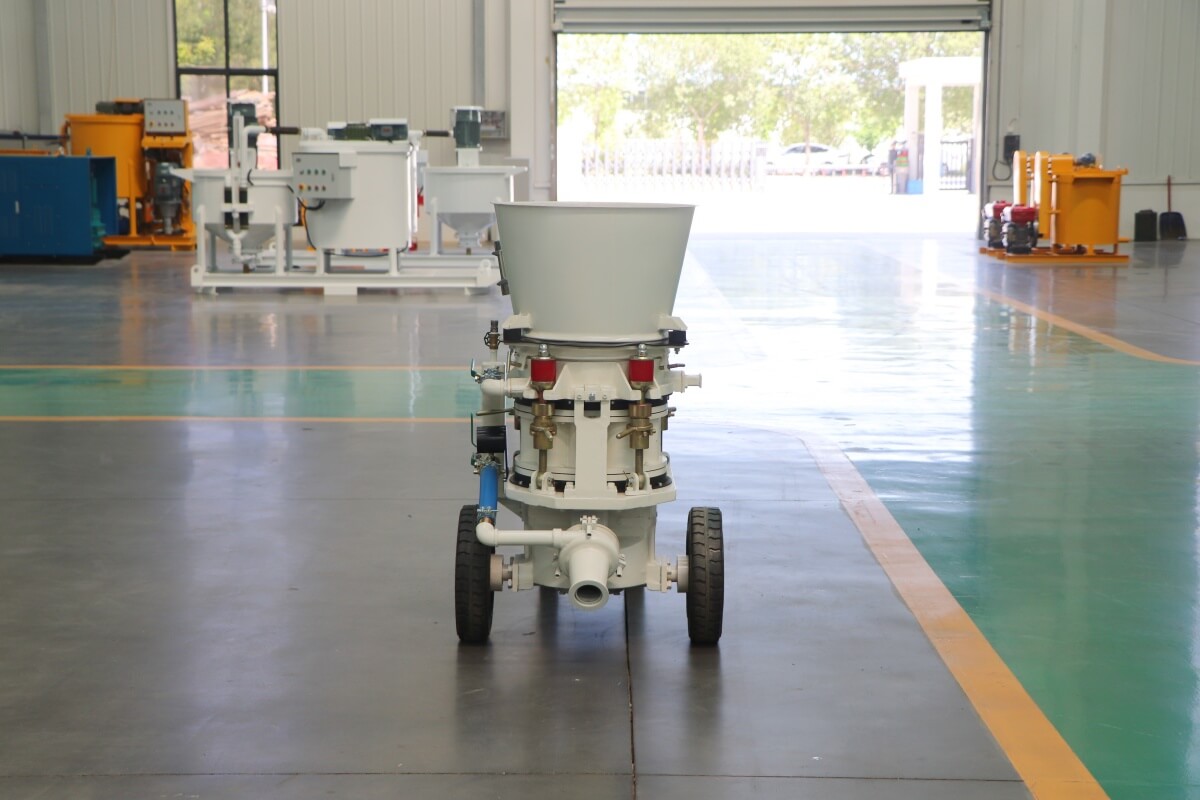
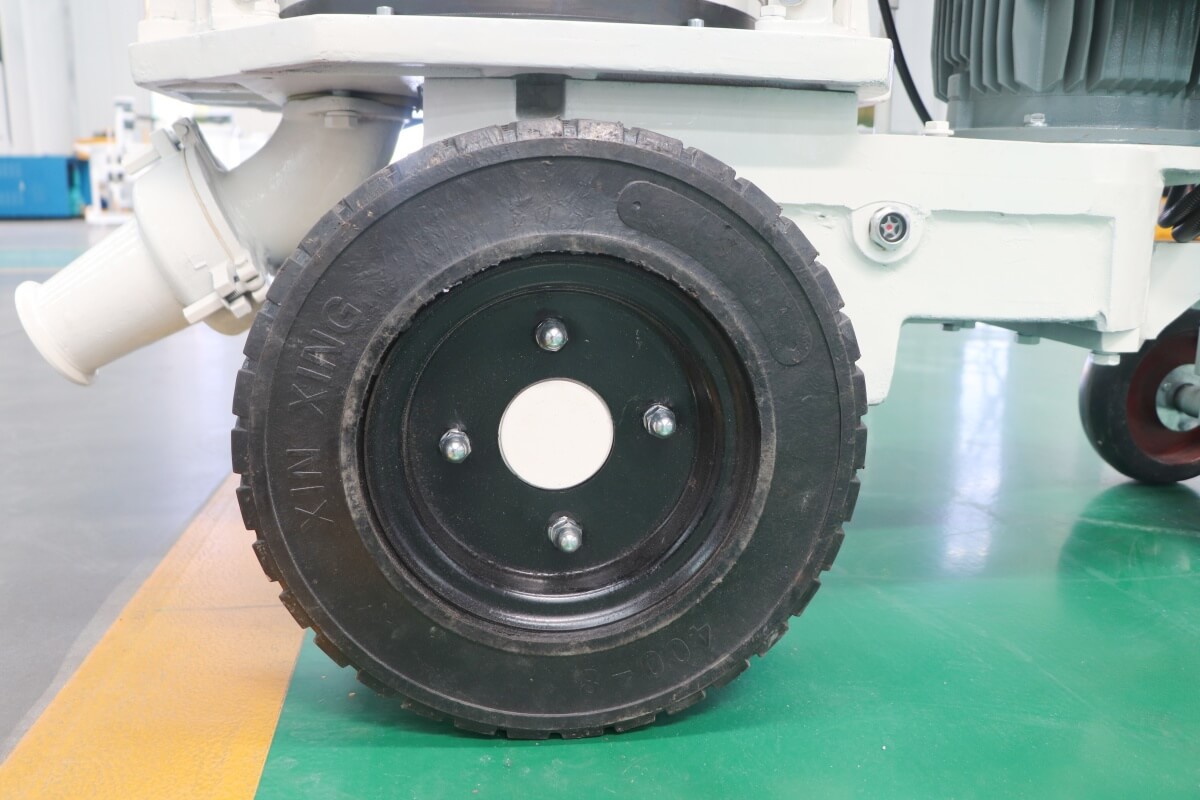

Refractory gunning machine for gunning repair on EAF
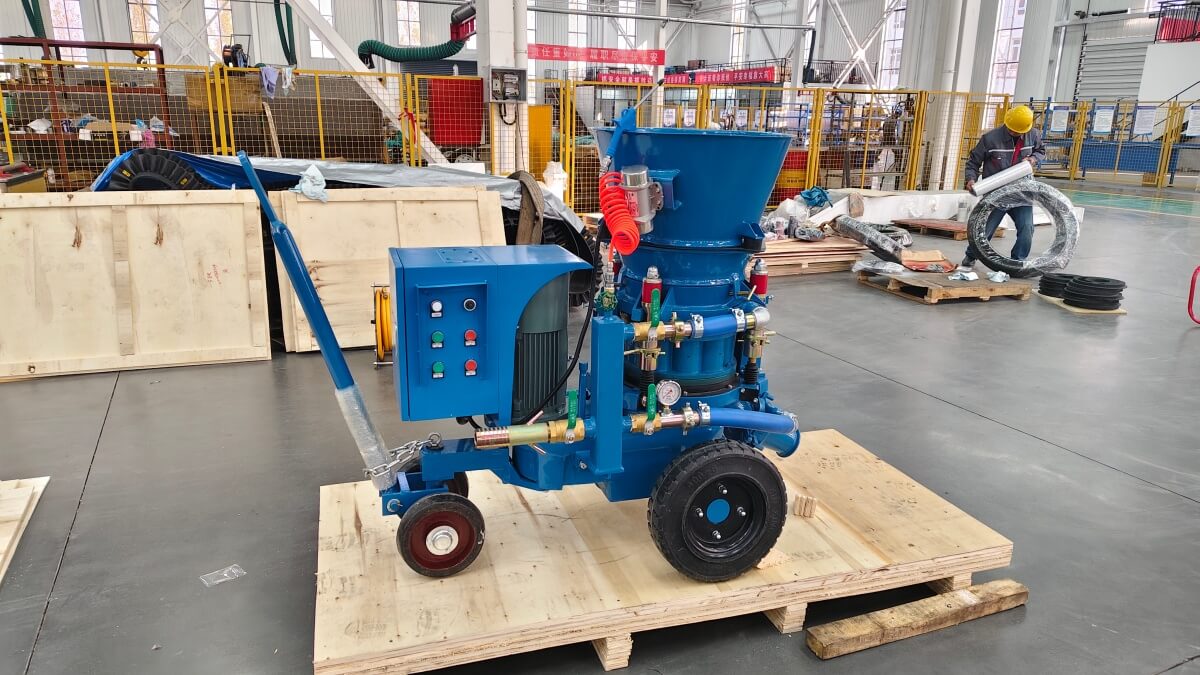
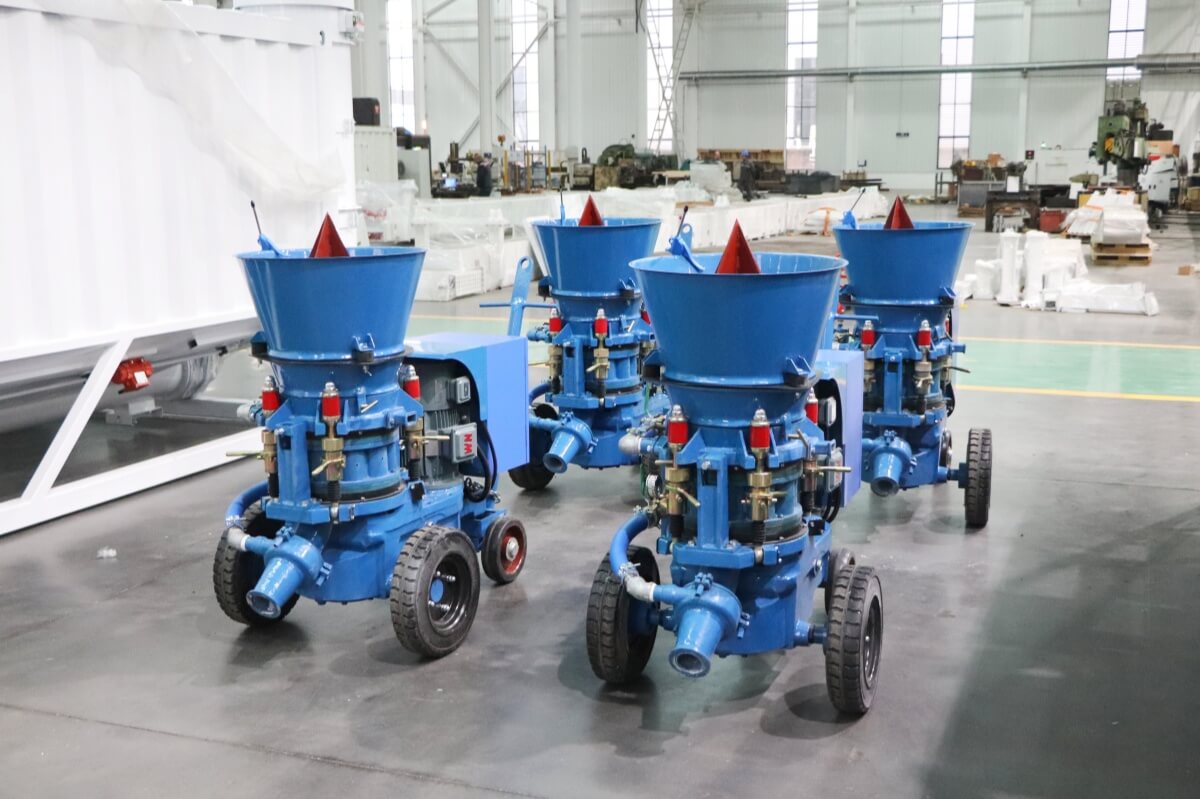
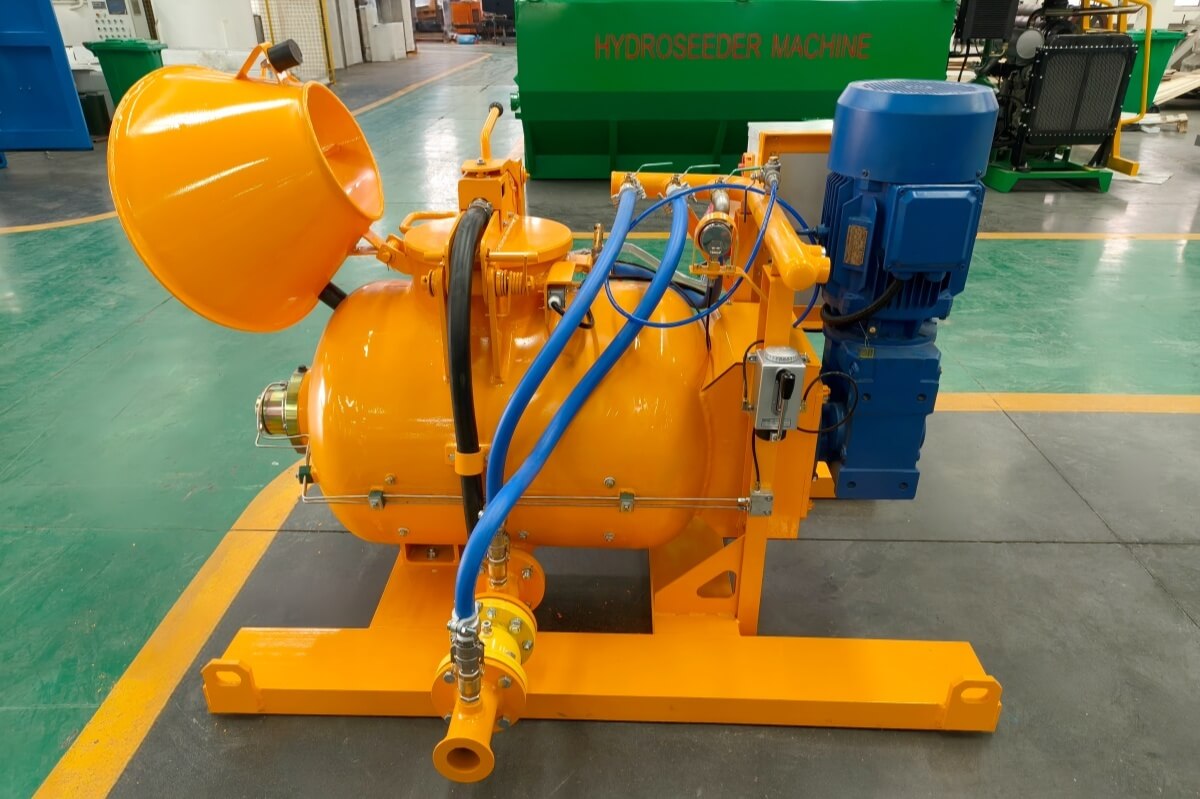
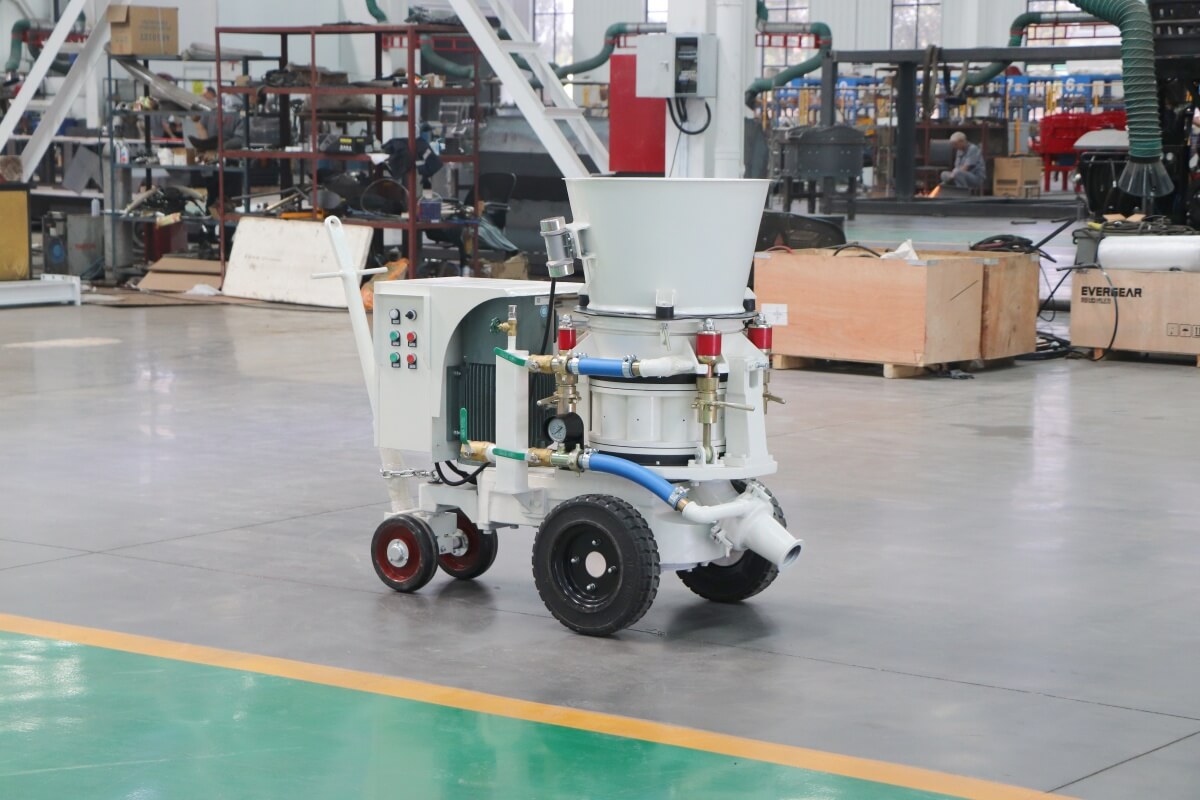
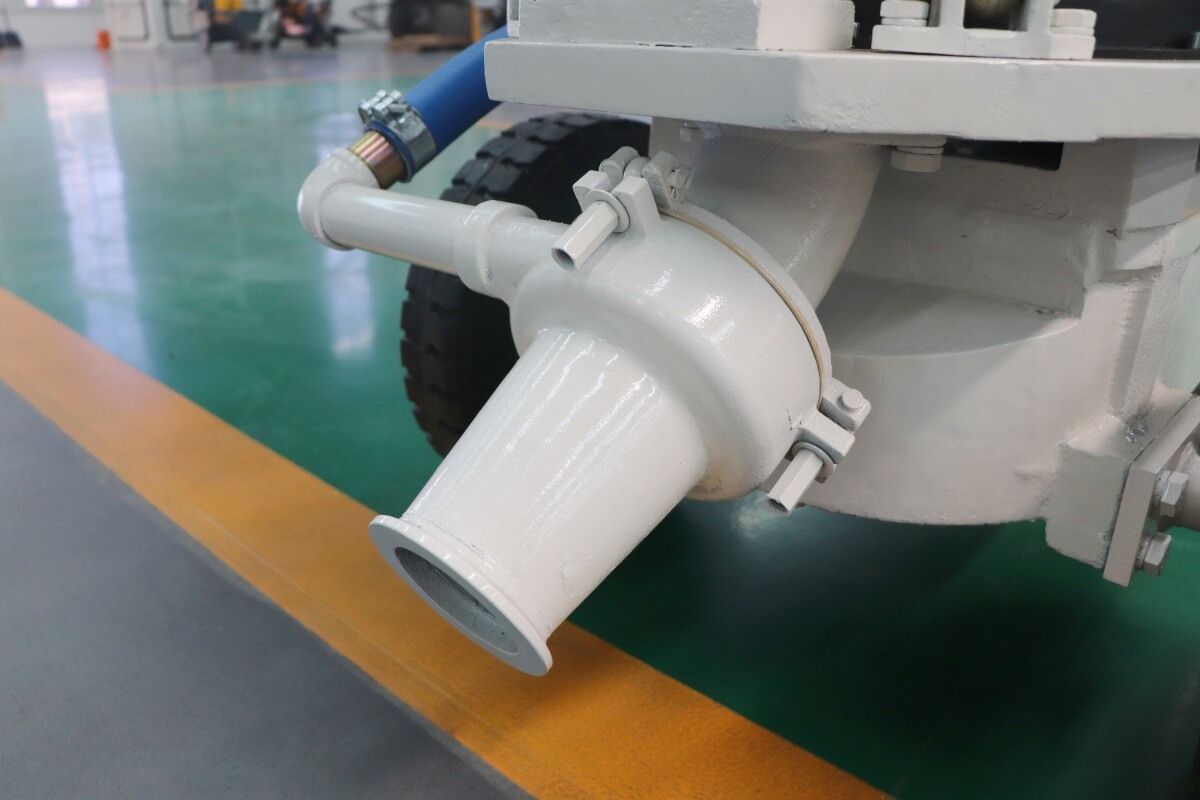
Refractory gunning machines for repairing EAF use compressed air or a mechanical pump to mix refractory materials (such as magnesia and alumina-magnesia gunning materials) with water or a binder, then spray them at high speed onto the worn areas of the electric arc furnace lining, forming a dense repair layer. For electric arc furnace (EAF) gunning repairs, we recommend using refractory gunning machines with high-pressure output, wear-resistant nozzles, automated control, and explosion-proof design. Their core function is to repair the furnace lining by spraying refractory materials at high pressure, and key parameters must be compatible with the high-temperature, high-wear environment of the EAF.
Refractory gunning machines are suitable for various repair needs in electric arc furnaces (EAFs), particularly those requiring rapid repairs with high material bond strength for severe lining erosion. Specific requirements and equipment compatibility are as follows:
1. Compatibility by Gunning Method
Wet Gunning
Applicable Applications: Areas with uniform lining erosion requiring large repairs (such as the lower middle section of the furnace wall).
Equipment Requirements:
The gunning mix must have a moisture content of 25%-30%, and compressed air must be used to spray the slurry onto the lining.
The equipment must be equipped with a stirring device to prevent slurry sedimentation (e.g., pneumatic stirring within the wet gunning machine’s feed tank).
Example: Using wet gunning on a 5-ton EAF reduced repair time from 15 minutes to 2 minutes, saving 5% in material.
Advantages: Easy operation, no need for moisture adjustment, and suitable for continuous operation.
Semi-dry Gunning
Applicable Applications: Areas with deep lining erosion and localized potholes (such as the slag line and furnace bottom corners). Equipment Requirements:
The moisture content of the gunning material should be 5%-10%. The dry powder and water are mixed at the front of the gun before spraying.
The equipment must support horizontal conveying of 60-150 meters (e.g., the PB-II semi-dry gunning machine).
Example: Semi-dry gunning technology uses compressed air to deliver the gunning material, enabling precise, localized repairs.
Advantages: Low material consumption, good adhesion, and suitable for deep corrosion repairs.
Flame Gunning
Applicable Applications: Rapid repairs in high-temperature, rapid heating and cooling environments (e.g., furnace covers and electrode contact areas).
Equipment Requirements:
A flame formed by propane and oxygen heats the gunning material to a molten state before spraying.
The equipment must be equipped with a double-sleeve conveying system and a gas-oxygen mixed combustion device.
Example: After implementing flame gunning, the converter life of the Jinchuan Group Copper Smelter increased from 600 to 1200 furnaces.
Advantages: The gunning layer is as strong as the furnace wall bricks, providing a strong bond and fast repair speed.
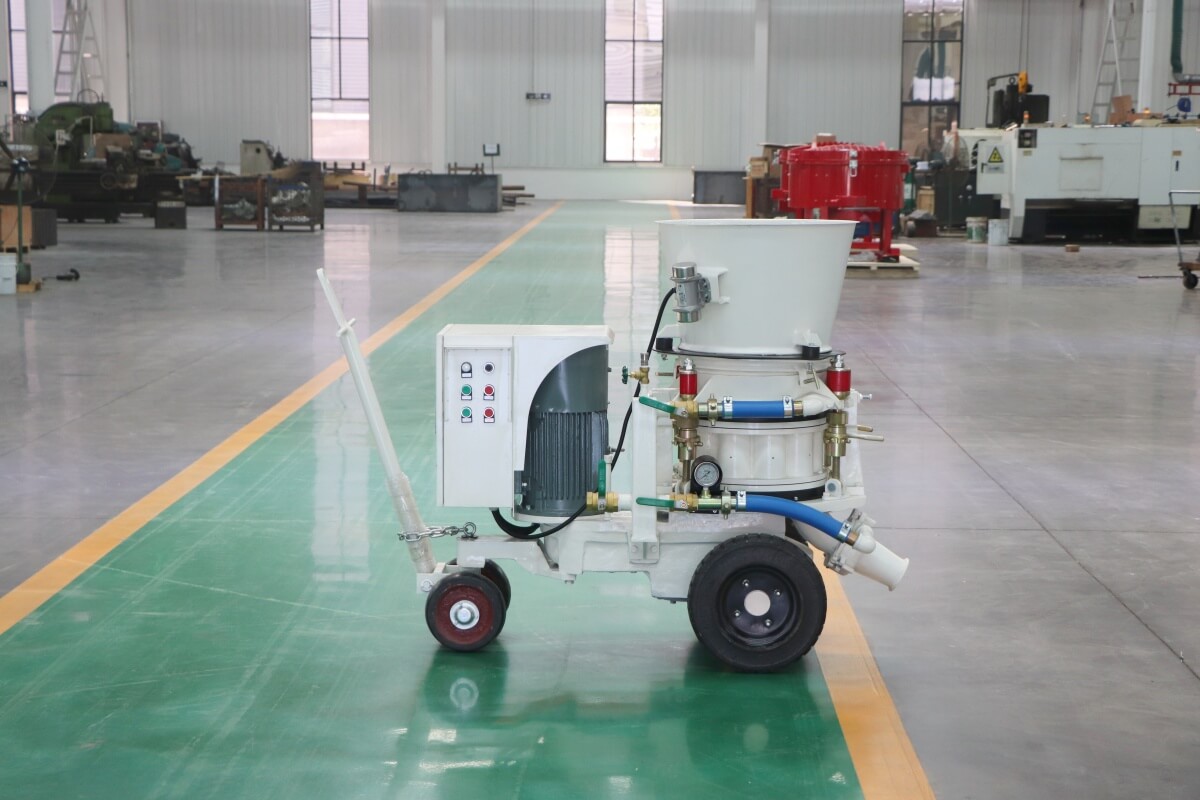
2. Compatibility Requirements by Equipment Structure
Rotary Refractory Gunning Machine
Applicable Scenario: Comprehensive repair of arc furnace slag lines requiring rapid coverage of large areas.
Equipment Parameters:
Tank capacity 0.5-2.5 tonnes, vertical conveying distance 45 meters;
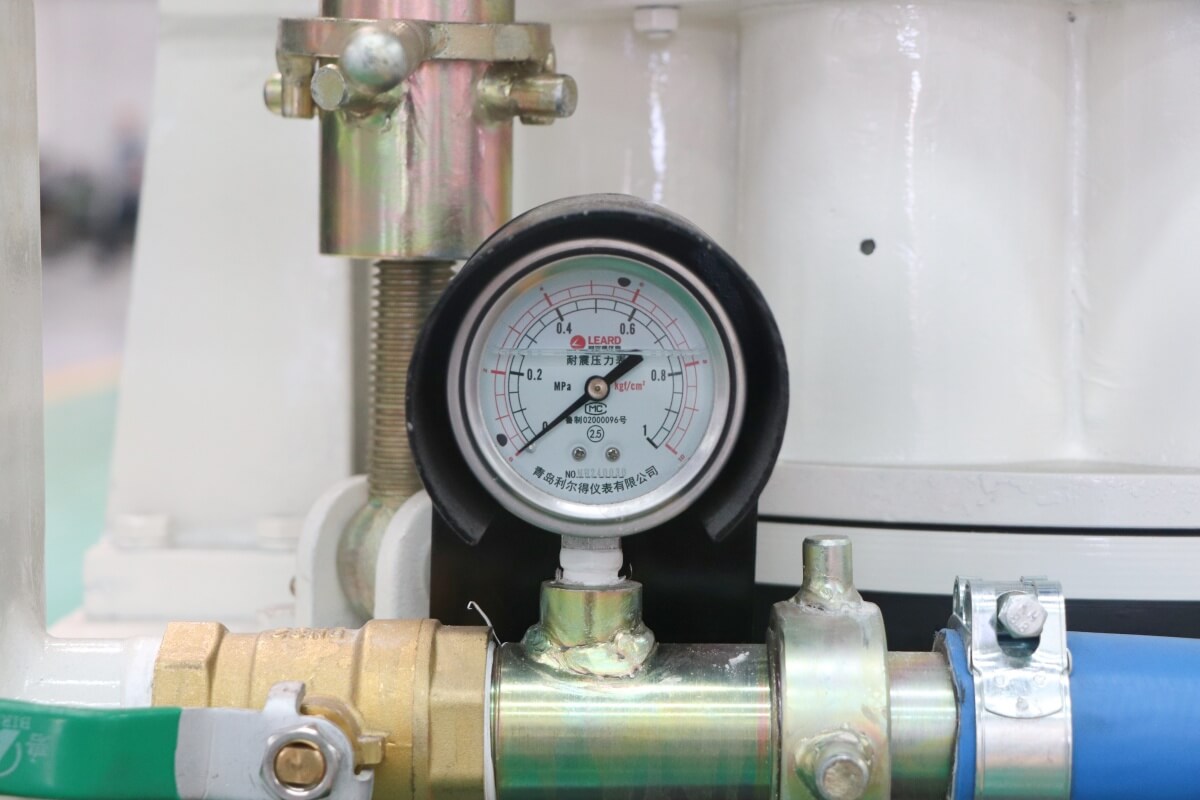
Gunning capacity 40-120 kg/min, compressed air pressure ≥ 5 kg/cm²;
Example: Huatai Heavy Industry’s rotary gunning machine, supports customized tank capacity.
Advantages: Rotary gunning principle achieves uniform coverage, suitable for periodic maintenance.
Vertical Refractory Gunning Machine
Applicable Scenario: Repair of vertical or inclined surfaces such as furnace bottoms and furnace slopes.
Equipment Parameters:
Tank capacity 0.25 m³, discharge rate 10-20 kg/min;
Nozzle diameter 3 mm, suitable for fine-grained gunning materials;
Example: COSCO Machinery’s vertical gunning machine, suitable for localized repairs in kilns.
Advantages: Compact structure, suitable for operations in confined spaces.
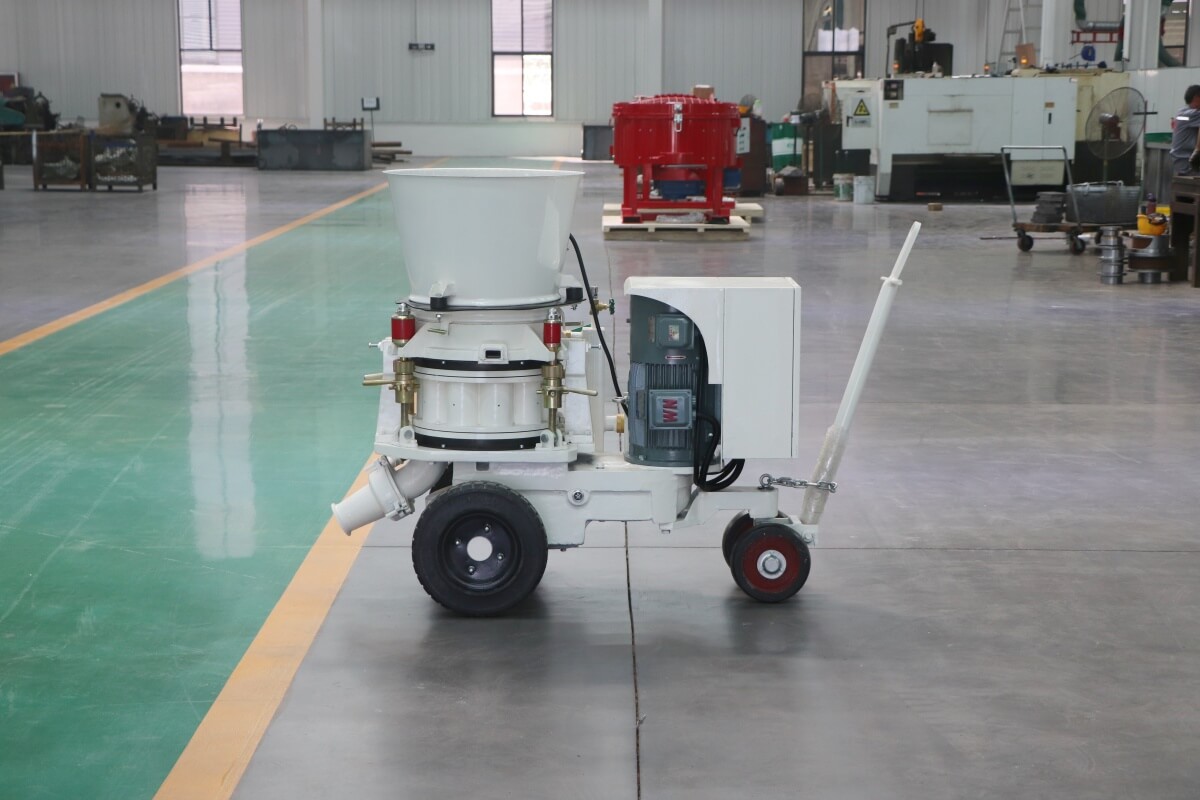
3. Compatibility Requirements by Material Type
Magnesium Gunning Material
Applicable Scenario: Repairing alkaline electric arc furnace linings, requiring strong slag erosion resistance.
Equipment Requirements:
The gunning machine must support the spraying of alkaline materials such as magnesia and dolomite.
The binder should be either silicate or phosphate (the latter is more effective).
Example: Magnesia + phosphate binder is used for gunning alkaline electric arc furnaces, offering excellent adhesion.
Advantages: High-temperature resistance, corrosion resistance, and long-term use.
Silicon Carbide Gunning Material
Applicable Scenario: High-erosion areas (such as tapholes and furnace thresholds).
Equipment Requirements:
The gunning machine must support the spraying of silicon carbide particles, and the nozzle must be highly wear-resistant.
Example: Silicon carbide gunning material forms a dense layer after being heated by a flame gunning machine.
Advantages: Erosion resistance, excellent thermal shock resistance, and extended lining life.

4. Summary of Key Selection Parameters
Gunning Methods: Wet (25%-30% moisture content), Semi-dry (5%-10%), Flame Gunning (molten state)
Equipment Structure: Rotary (large areas), Vertical (narrow spaces), Flame Gunning (high temperature environments)
Material Type: Magnesium (alkaline furnaces), Silicon Carbide (high erosion areas), Aluminum Silicate (general applications)
Performance Requirements: Compressed air pressure ≥ 5 kg/cm², gunning capacity 40-120 kg/min, vertical conveying distance ≥ 45 meters